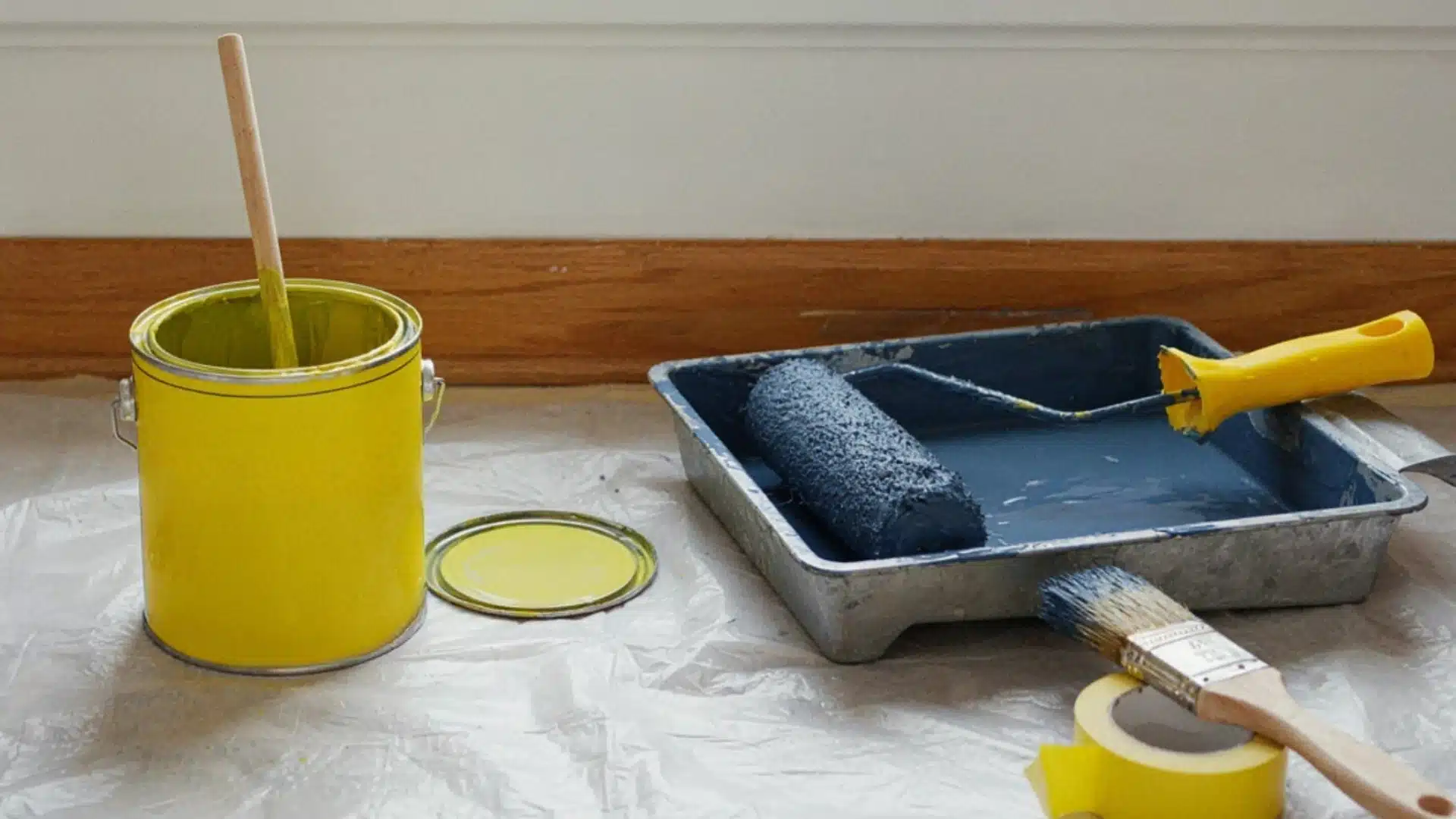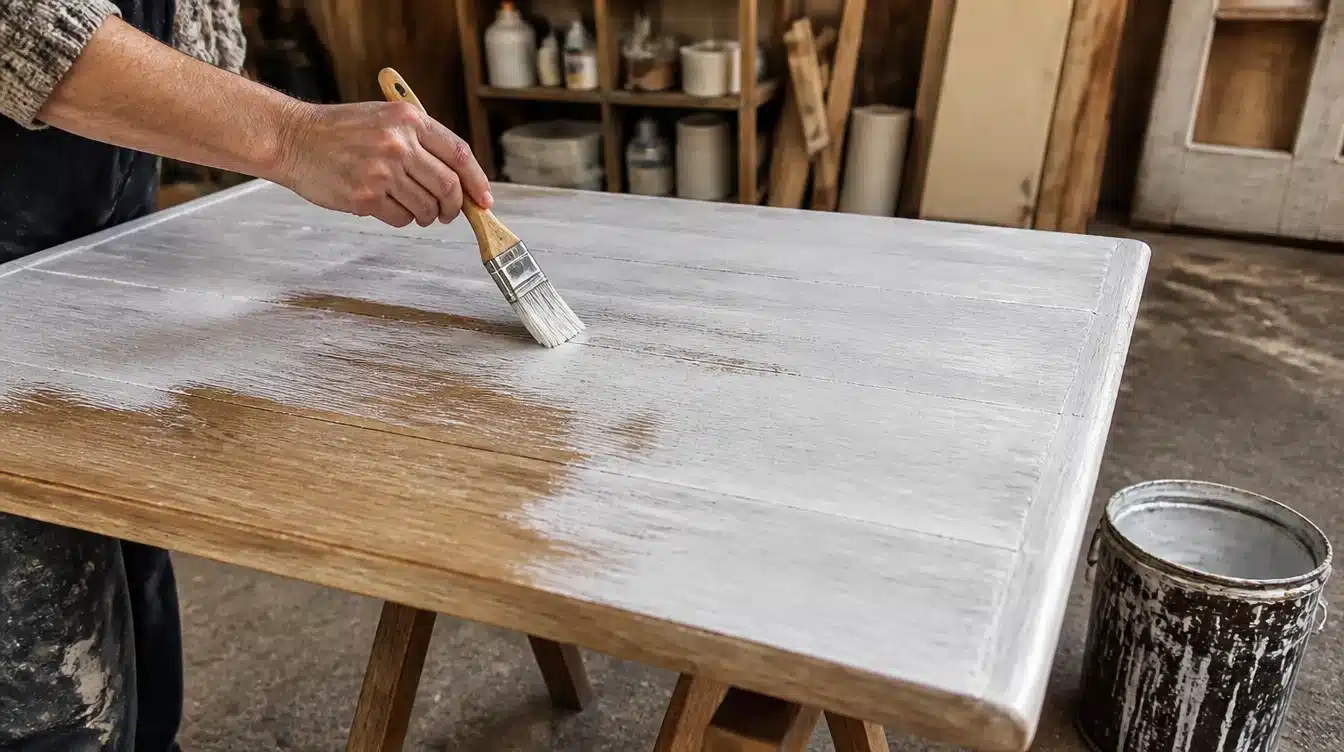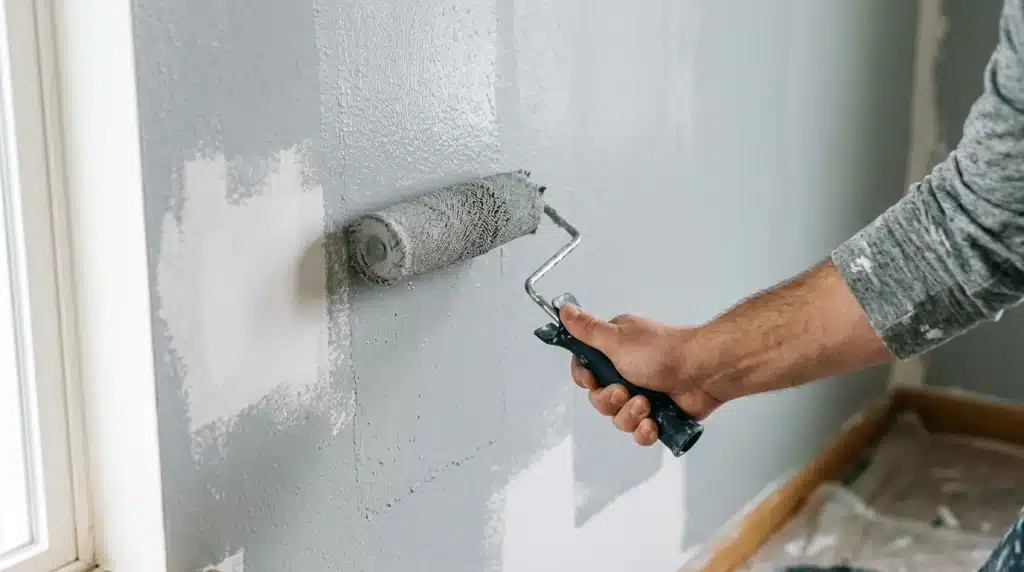
Paint contains water, solvents, and pigment all packed into one tin.
As it dries, the water and solvents escape into the air, leaving only the pigment and binder behind.
That changes everything about how the color looks on your wall.
So does paint dry darker or lighter? The answer isn’t as simple as most people think. A shade that seemed perfect in the tin can looks completely different once dry.
People blame the lighting or the brand. But the real answer is chemistry.
Read on to see exactly how drying affects your paint color and what you can do about it.
Does Paint Dry Darker or Lighter? (Quick Answer)
Paint usually dries slightly darker than it looks when wet.
This happens because the water and solvents in the paint evaporate as it dries. What’s left behind is pure pigment, which always looks deeper and richer than diluted paint.
This applies to most water-based and latex paints. Oil-based paints can behave a little differently.
A color can look darker in dim light and lighter in bright light.
So always check your paint in natural daylight before making a final call.
Why Paint Changes Color After Drying
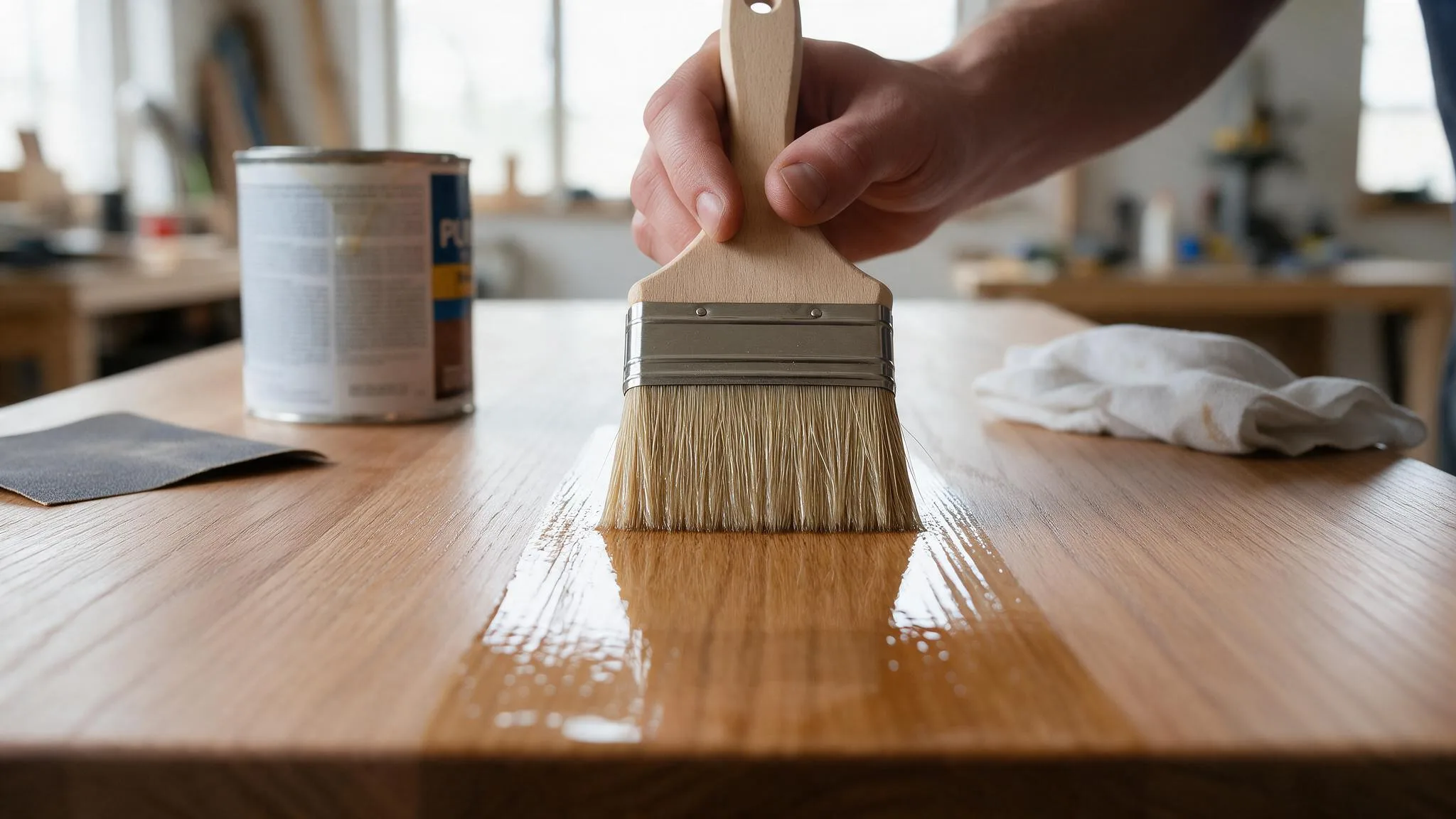
Wet paint contains water. That water makes the color look lighter.
As the paint dries, the water disappears into the air. The pigment looks darker than watered-down paint. This happens with almost every paint type.
It’s not a mistake or a bad batch. It’s just how paint works.
This process is called film formation, the stage in which binders lock the pigment in place.
When Paint May Not Look Darker
Paint doesn’t always dry darker. Here’s when the color stays closer to what you see in the tin:
- Light colors like white or pale yellow change very little after drying.
- Very light shades have less pigment, so the difference is hard to notice.
- Some paints are made to dry true to color.
- High-quality paints with thicker formulas stay closer to the original shade.
- Always check the tin; some brands mention drying behavior right on the label.
What Factors Influence the Paint Color
Paint color doesn’t change on its own. Several factors work together to affect how the final color looks on your wall.
1. Lighting
Natural light and artificial light show colors differently.
A shade can look warm in daylight and dull under indoor bulbs. Always check the paint in both lighting conditions before deciding.
2. Number of Coats
One coat looks patchy and lighter.
Two or more coats build up the pigment. More coats mean a deeper, truer color on the wall.
3. Paint Formula
Water-based paints dry slightly darker. Oil-based paints stay closer to the original shade.
The formula in the tin directly affects the final result on your wall.
4. Surface Type
Rough or porous surfaces absorb more paint.
This makes the color look uneven or lighter in spots. Smooth, primed surfaces provide a more consistent, accurate finish.
Professional painters always prime bare or porous walls first. It’s standard practice on any paid job.
5. Humidity and Temperature
High humidity slows drying time. This can affect how the color sets are applied.
Extreme heat or cold can also change how the pigment looks once the paint fully dries.
How Different Paint Colors and Brands Dry
Not every paint dries the same way. The color, finish, and brand all play a part in the final result of the wall.
How Light vs Dark Colors Behave After Drying

Light colors like Benjamin Moore White Dove dry with barely any change.
The shift is so small you might not notice.
Dark shades like Sherwin-Williams Naval, however, dry noticeably deeper and richer
The pigment is denser, so the color has more room to deepen. Neutral shades sit in the middle but shift the most under different lighting conditions.
A warm greige can look completely different in morning light versus evening light.
How Paint Finishes Change the Final Look
Different finishes don’t just affect shine; they change how your color looks once dry.
Here’s a quick breakdown of every major finish:
| Finish | Dry Time | How it Looks After Drying | Darker or Lighter? |
|---|---|---|---|
| Flat/Matte | 1–2 hours | Soft, chalky appearance | Slightly lighter |
| Eggshell | 1–2 hours | Low sheen, smooth finish | True to swatch |
| Satin | 2–3 hours | Gentle shine, clean look | True to swatch |
| Semi-Gloss | 2–4 hours | Noticeable shine, crisp edges | Can look slightly lighter |
| Gloss | 4–6 hours | High shine, reflective surface | Looks lighter in bright light |
| High-Gloss | 6–8 hours | Very shiny, almost lacquer-like | Significantly lighter in direct light |
Brands like Behr, Dulux, and Sherwin-Williams offer all these finishes. Each one handles light differently.
The same color in matte and gloss can look like two completely different shades on the same wall.
Most paint manufacturers publish a finish manual on their website. Sherwin-Williams and Benjamin Moore both have one.
Do Paint Brands Dry Differently?
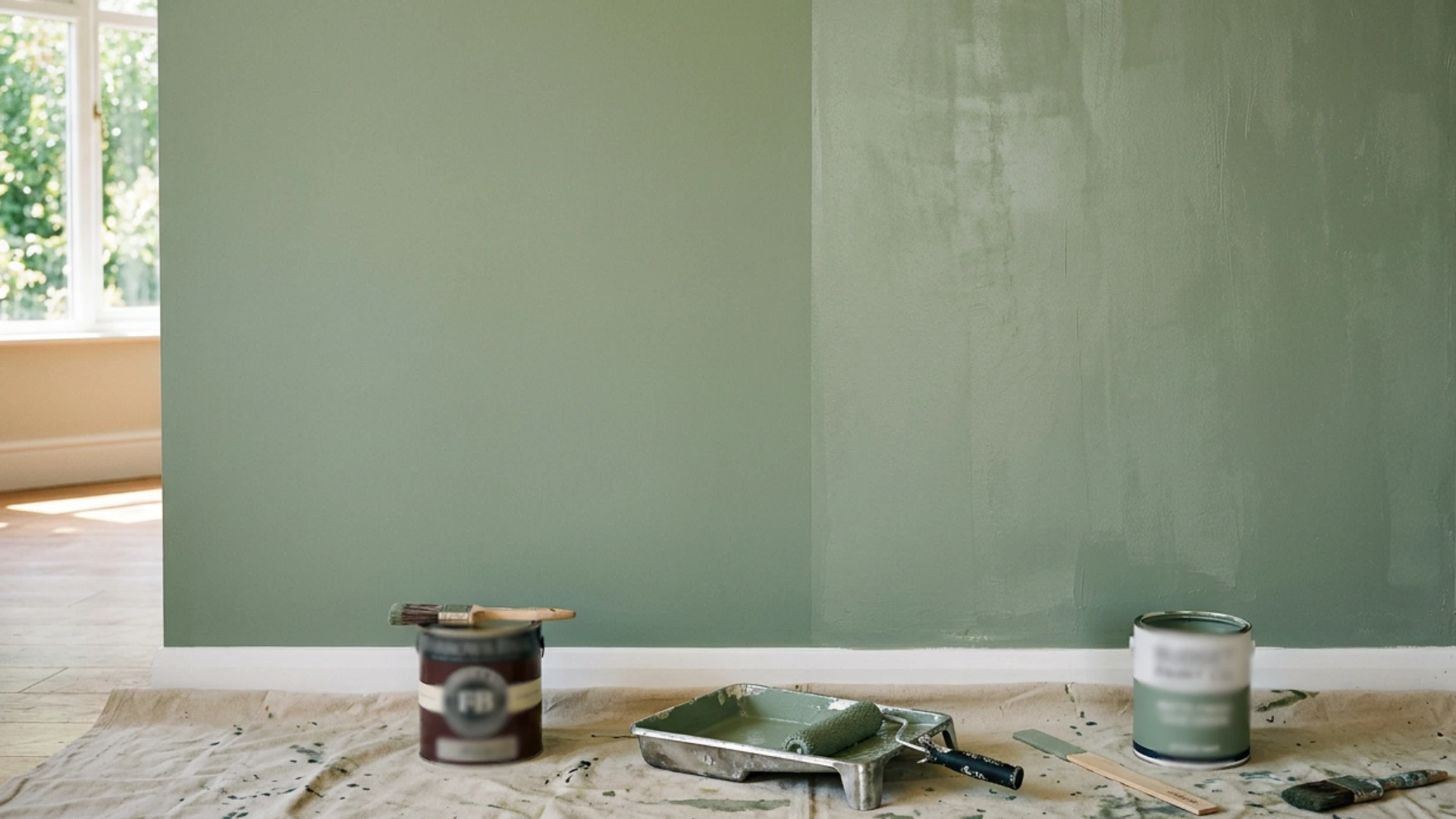
Yes, and the difference is noticeable.
Higher-quality brands like Farrow & Ball and Benjamin Moore use more pigment and better binders. Budget options like generic store brands often show patchiness or uneven depth after drying.
The quality of ingredients directly affects the final color on your wall.
What Professional Painters Observe
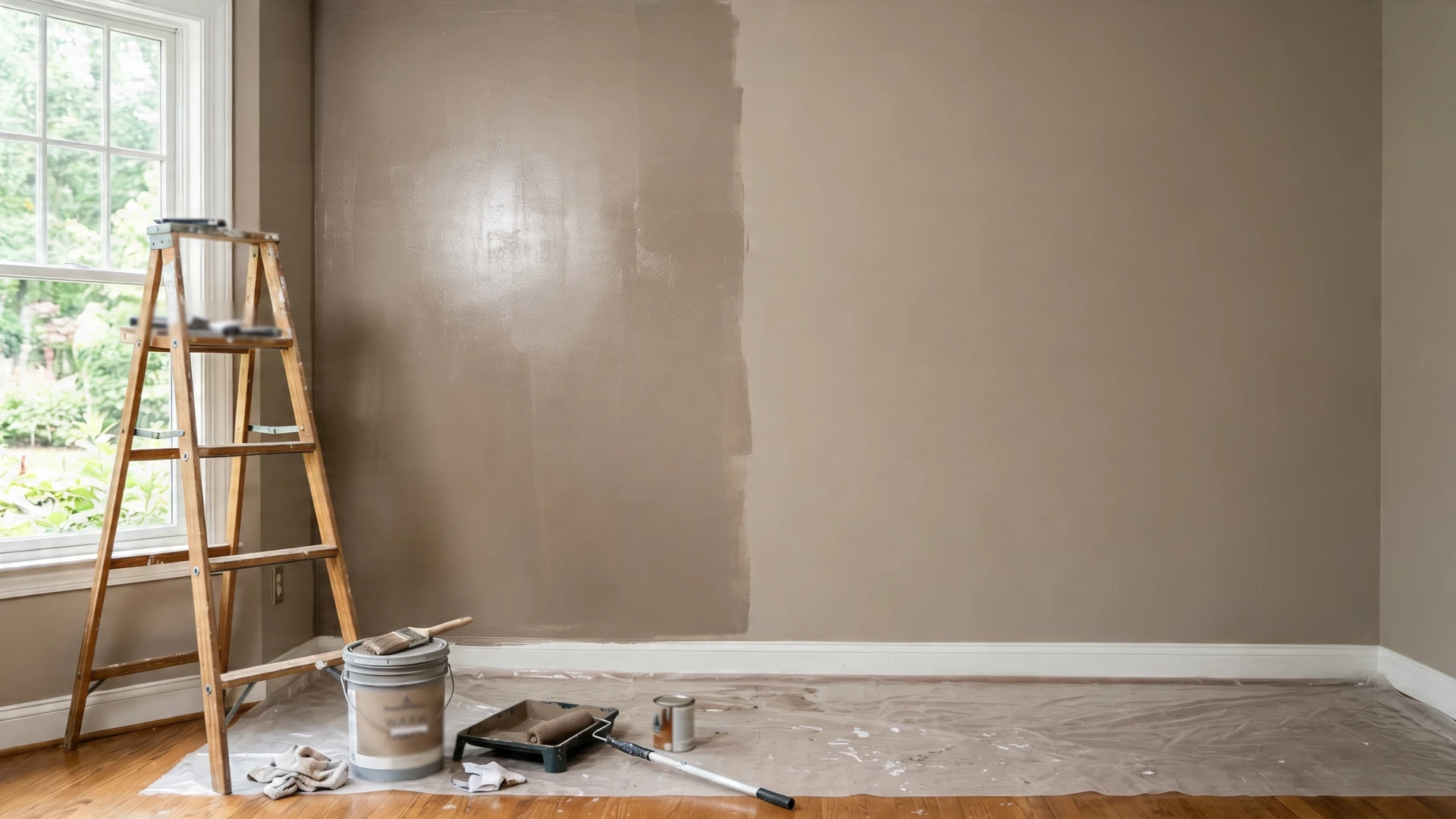
Professional painters always wait before judging the final color. Brands like Sherwin-Williams and Dulux often dry close to the swatch after two coats.
Others, like some budget brands, deepen quite after full cure.
That full cure can take anywhere from 24 to 48 hours, sometimes longer in humid conditions.
Why Your Paint Looks Different from the Sample
You picked the perfect sample. Then you painted the whole wall, and it looked nothing like what you chose.
It happens to a lot of people. Here’s why:
- Paint samples are small. A full wall has more surface area, making the color appear stronger.
- Store lighting is controlled. Your home lighting tells a completely different story.
- Samples dry faster. A small patch dries quicker than a full coat on a large wall.
- The wall color underneath affects the final shade.
Always test a large patch first. Let it dry fully before making a final call.
How to Get the True Color Before Painting a Full Room
Painting a full room without testing first is a gamble.
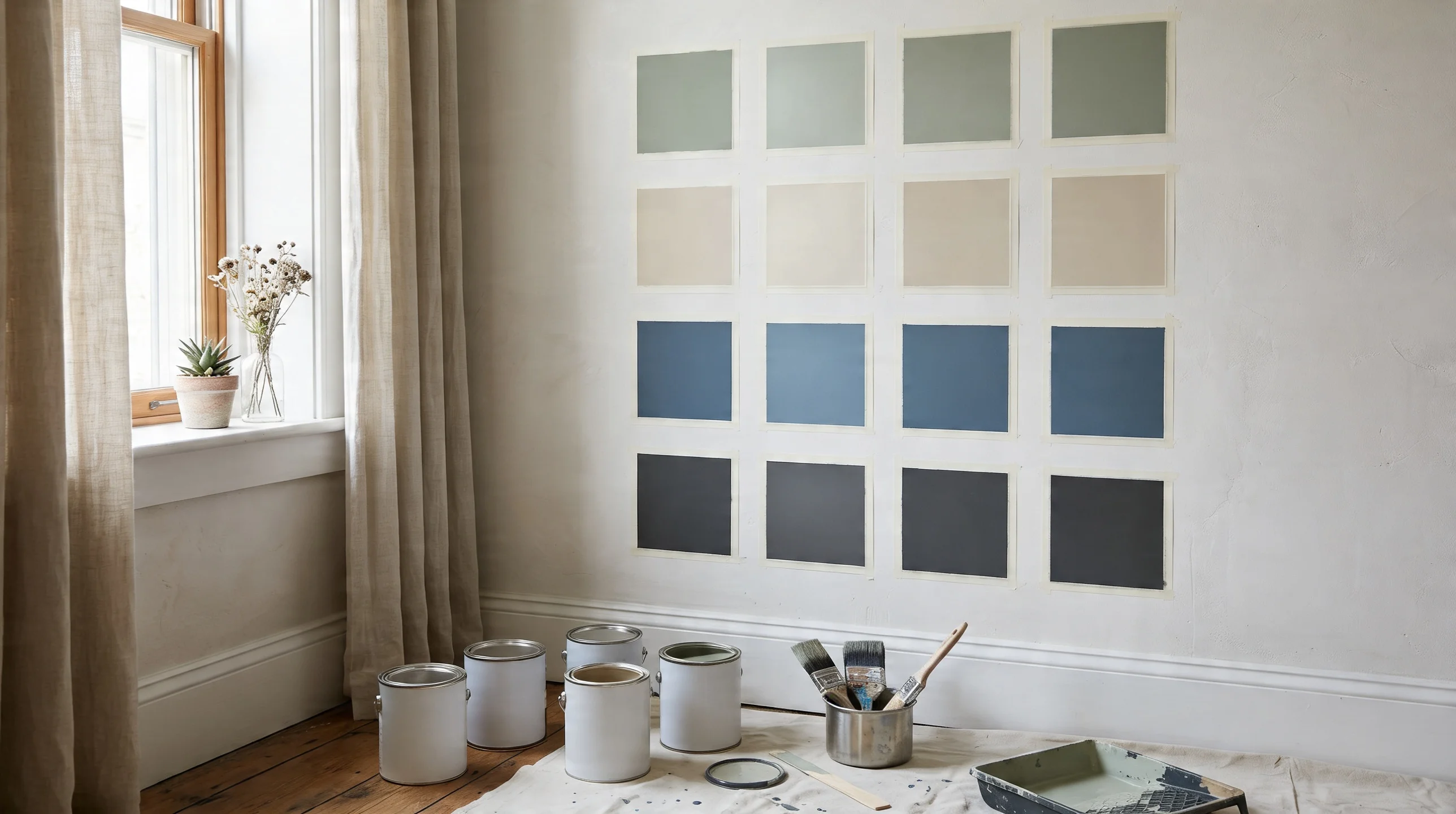
A small patch on the wall tells you far more than any swatch card ever will. Follow these steps to get the color right before committing:
- Step 1: Buy a sample pot of your chosen color.
- Step 2: Paint a 12×12-inch patch directly on your wall.
- Step 3: Let it dry for at least 24 hours.
- Step 4: Check the patch in morning light, afternoon light, and under artificial light.
- Step 5: Apply a second coat and let it dry fully.
- Step 6: Compare the dried patch to your swatch in different parts of the room.
- Step 7: Order only the full quantity of paint.
Skipping these steps is how people end up repainting entire rooms. A little patience at the start saves a lot of work and money later on.
What to do When Your Paint Looks too Dark
Painted a wall and now it looks too dark? Don’t panic.
These simple fixes can help you correct the color without starting over.
1. Add Another Coat of a Lighter Shade:
Pick a shade or two lighter than your current color.
Apply a fresh coat over the dried paint. This tones down the darkness without stripping the wall back to bare.
2. Mix Your Paint with White:
Add a small amount of white paint to your existing color.
Stir it well and test on a small patch first. This lightens the shade without buying a whole new tin.
3. Use Better Lighting:
Sometimes the paint is fine, but the lighting is the problem.
Swap dim bulbs for daylight LED bulbs. Brighter, cooler light can make a dark wall look quite lighter and fresher.
4. Try a Gloss or Satin Finish:
Matte finishes absorb light and make colors look darker.
Switching to a satin or gloss finish reflects more light. Brands like Dulux and Behr offer the same colors across multiple finishes.
5. Prime the Wall First Next Time:
A good primer creates an even base coat.
It stops the wall from absorbing too much paint. Brands like Zinsser and Kilz are widely trusted for this job.
This is a common correction technique used on interior repaint jobs.
How Temperature and Humidity Affect Paint
Temperature and humidity change how paint behaves as it dries.
In high humidity, paint takes longer to dry. This can cause the color to settle unevenly. Cold temperatures also slow down the drying process. Heat speeds it up, but too much heat causes the paint to crack.
The sweet spot for painting is between 50°F and 85°F with humidity below 50%.
Pro Tip: How Painters Predict the Final Color Accurately
Professional painters have a few tricks to predict the final color before committing to a full room.
Here’s what they do:
- Always wait a full 24 to 48 hours before judging the final color.
- Test paint on the actual wall, not on paper or cardboard.
- Check the dried patch under both natural and artificial light.
- Apply at least two coats before making any color decisions.
- Use a tinted primer that closely matches the topcoat color.
- Paint a large enough test patch at least 12×12 inches.
- Factor in the room’s purpose: bathrooms and kitchens tend to have higher humidity levels.
- Keep a record of the exact paint code and brand for future touch-ups.
Experienced painters often photograph test patches at different times of day. It removes guesswork completely.
Final Thoughts
So, does paint dry darker or lighter? In most cases, it dries darker, but the degree of darkening depends on the color, finish, brand, and conditions in your room.
The key takeaway is simple. Always test before you commit.
A small patch, two coats, and 24 hours of drying time can save you from having to repaint an entire room.
Check your lighting, factor in humidity, and never judge wet paint.
Got a color that surprised you after drying?
Drop your experience in the comments below. It might help someone else avoid the same mistake.
Frequently Asked Questions (FAQ’s)
1. Does a Second Coat of Paint Make it Darker?
Yes, a second coat deepens the color and gives a more even finish.
2. How Long to Let the Paint Dry to See the True Color?
Wait at least 24 hours before judging the final dried color.
3. Do Professional Painters Use Two Coats of Paint?
Yes, most professionals always apply two coats for better coverage. Most paint manufacturer policies recommend two coats as the minimum for full color accuracy.
4. Is 2 Hours Enough for The Paint to Dry?
No, two hours is enough to touch dry, not fully cured.
5. Is it Better to Brush or Roll Paint?
Rolling gives more even coverage; brushing works better for edges and corners.