
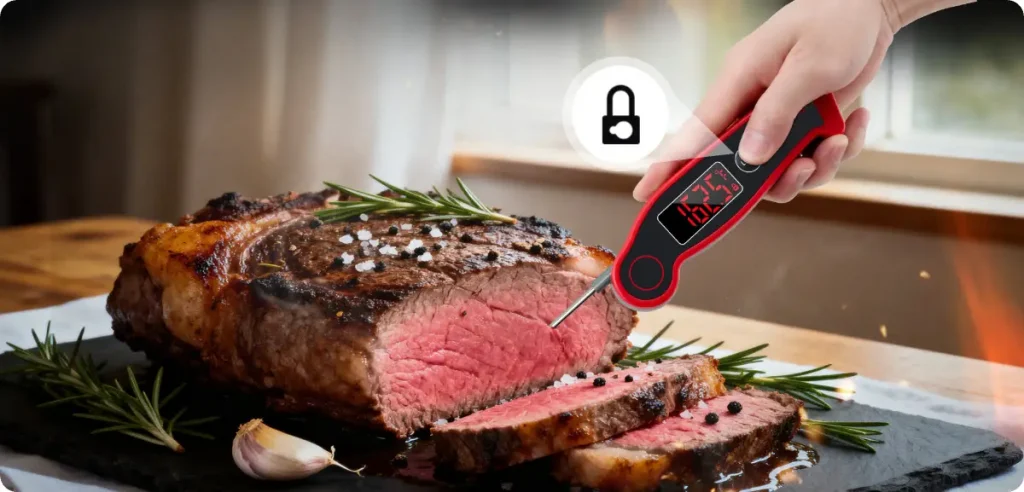
Let’s clear the air. You don’t need a $200 cast-iron pan. You don’t need an industrial kitchen. You don’t even need a grill. What you need is control. Because the difference between a steakhouse steak and one made at home is usually not the tool. It’s how you manage the heat.
What’s the Greatest Lie About Cooking Steaks
The majority of the public believes that cooking steak is based upon:
- Using high-priced cuts
- Using fancy pans
- Having Chef-level culinary skills
None of these are correct. There are many cases where expensive steaks go bad. And as for inexpensive cuts of meat, they can be incredibly tasty. The primary variable is temperature management.
Why Cheaper Pans Can Still Work Well
The primary objective of a cheap pan is to hold heat. That is it. It may not distribute the heat evenly, may have hot spots, and likely not look impressive. However, none of those factors prevent you from making an amazing steak. In fact, working with a cheap pan requires you to develop a greater understanding of heat, which, in turn, makes you a better cook.
Step 1: Begin by Drying the Steak
Before you apply any oil to the pan, you need to dry the steak. Moisture is the enemy of creating a good crust. Pat down the steak with paper towels. Seriously. Do not skip this. If the surface is moist, it will steam instead of sear. And, steamed steak is not what we’re looking for.
Step 2: Heat Up Your Pan
There is a major area of error among home cooks. They place their steak in the pan too soon. A well-heated pan should be extremely hot. Not just warm. Not “almost there.” Hot.
When the pan is hot enough:
- The oil shimmers
- The heat feels very powerful
- There is an immediate loud sizzle
Any other sizzling indicates that your steak is not yet prepared for the pan.
Step 3: Resist Temptation
Once you place the steak in the pan, do not touch it. No constant flipping every 10 seconds. No pressing the steak down aggressively to try and compress it. Simply let it rest. By letting it rest, you allow the crust to form. If you handle the steak too often during this period, you break the formation of the crust.
Step 4: Only Flip the Steak One Time or at Most Two Times
After 2 minutes, flip the steak. That is it. You are not making pancakes. Every flip reduces the heat and breaks the sear. Keep it simple.
Step 5: The Area Where Home Cooks Generally Go Wrong – Temperature
Home cooks generally fail at controlling temperature. Many rely on:
- Time
- Guessing
- Cutting into the steak
All three methods are inaccurate. The only factor that truly matters is the internal temperature.
General temperature guidelines include:
- Rare: 125°F
- Medium Rare: 130-135°F
- Medium: 140-145°F
However, the biggest secret to achieving success lies within a rule referred to as the 5-10°F degree rule. Do not cook your steak to your desired temperature. Instead, cook your steak to approximately 5-10 degrees lower than the temperature you desire.
Why? Because once you remove the steak from the heat source, it will continue to cook. This is called carry-over cooking.
Example:
You wish to cook your steak to a medium-rare of 135°F. Remove your steak at a medium-rare of 125-130°F. This small difference is what will keep your steak moist instead of dry.
How the TempPro TP19 Helps You Achieve Success
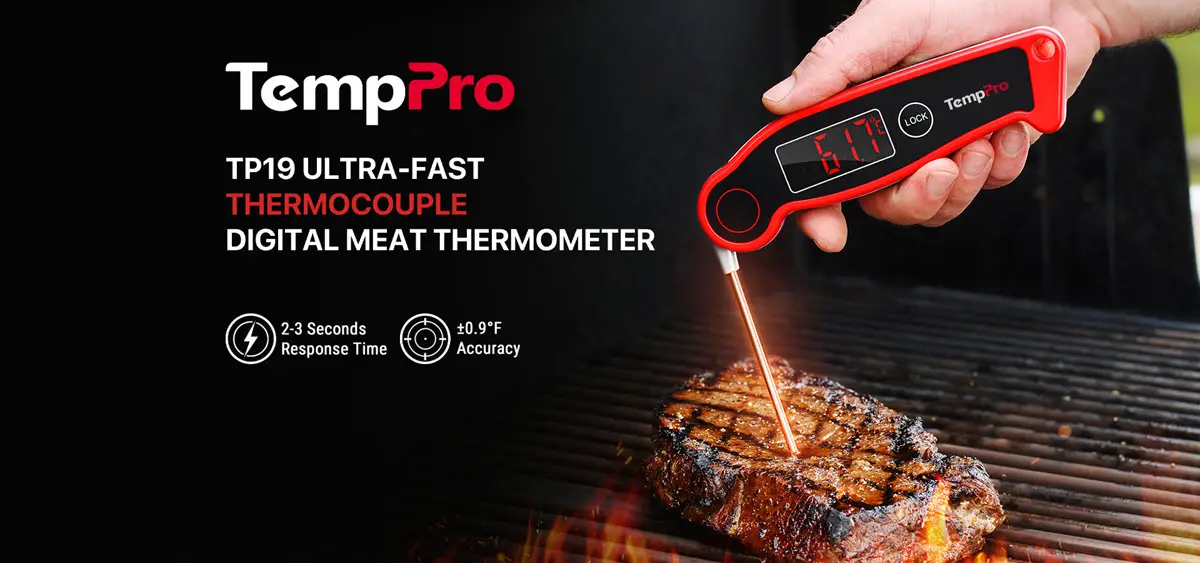
Timing is speculation. Temperature is control. The TempPro TP19 Instant-Read Meat Thermometer provides both of these essential elements.
Why the TempPro TP19 works in real-world cooking:
- 2-3 Second Readings: Fast reading times minimize delays.
- Accurate to ±0.9 F: A few degrees can significantly affect the outcome. Accurate temperature readings are critical.
- Lock Feature: Take the probe out of the food. Continue to see the temperature reading clearly.
- Backlit Display: Readability is enhanced whether cooking inside or at night outdoors.
- Probe folds into compact shape & magnetic storage: Position the probe close-by. Avoid clutter.
- Calibrate: Maintain accurate readings over time.
Step 6: Let It Rest (Finally!)
You successfully cooked the steak. Now, don’t destroy it. Letting the steak rest allows:
- Juices to redistribute
- Temperature to equalize
- Texture to enhance
Cut too early and you lose all of that precious juice onto the cutting board instead of retaining it in the steak.
Rule: Wait 5-10 minutes. Yes, it is worth it.
FAQ About Cook Steak in a Pan
Q1. Can you cook a good steak in a cheap pan?
Yes. Heat control matters more than the pan itself.
Q2. What is the best temperature for steak?
Medium rare is typically 130-135°F.
Q3. Why is my steak tough?
It’s likely overcooked or not rested properly.
Q4. Should I flip steak more than once?
No. One or two flips is enough.
Q5. Do I need a food thermometer for steak?
If you want consistent results, using a food thermometer for steak is a good choice.





One Response
hi