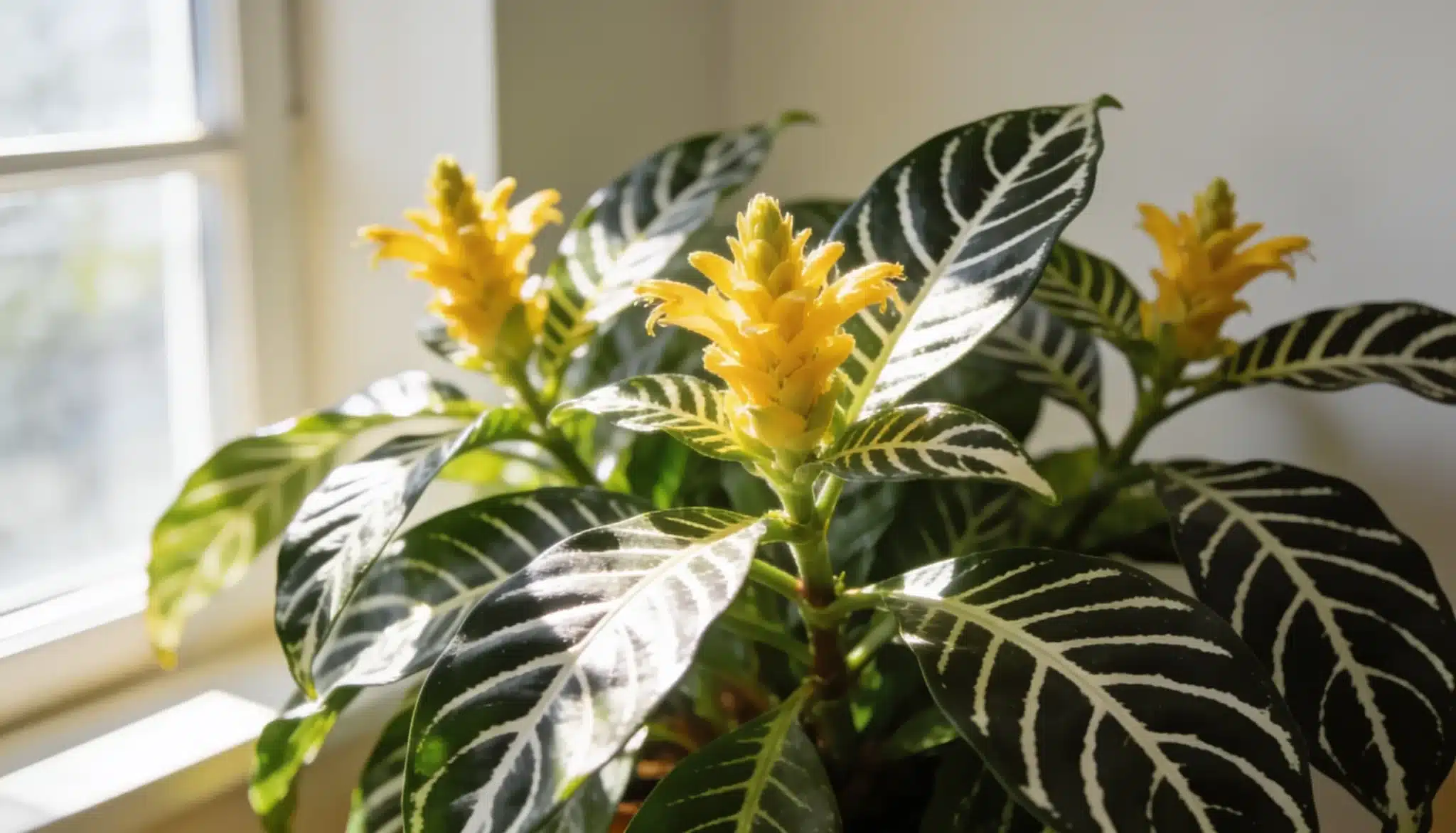
If your roses are fighting aphids every summer or just look bare and leggy at the base, then the problem is what is growing next to them.
Lavender repels aphids. Marigolds poison soil nematodes. Catmint draws pollinators from spring to frost.
Let’s find out about the others.
How does Companion Planting Help Roses?
They do not grow in isolation in nature; they need companions nearby.
Some of those plants keep pests away, and others attract bees and butterflies that help your plants bloom more. A few even fix the soil so the plant gets more nutrients.
Bees and other pollinators visit more often when you mix flowers together, meaning flowers stay in bloom longer.
And when you mix different plant heights and colors, your garden feels alive and well-balanced.
Best Rose Companion Plants for a Flourishing Garden
Not all plants make good neighbors for them.
The companion plants listed below have been chosen because each brings something useful to the garden.
1. Lavender
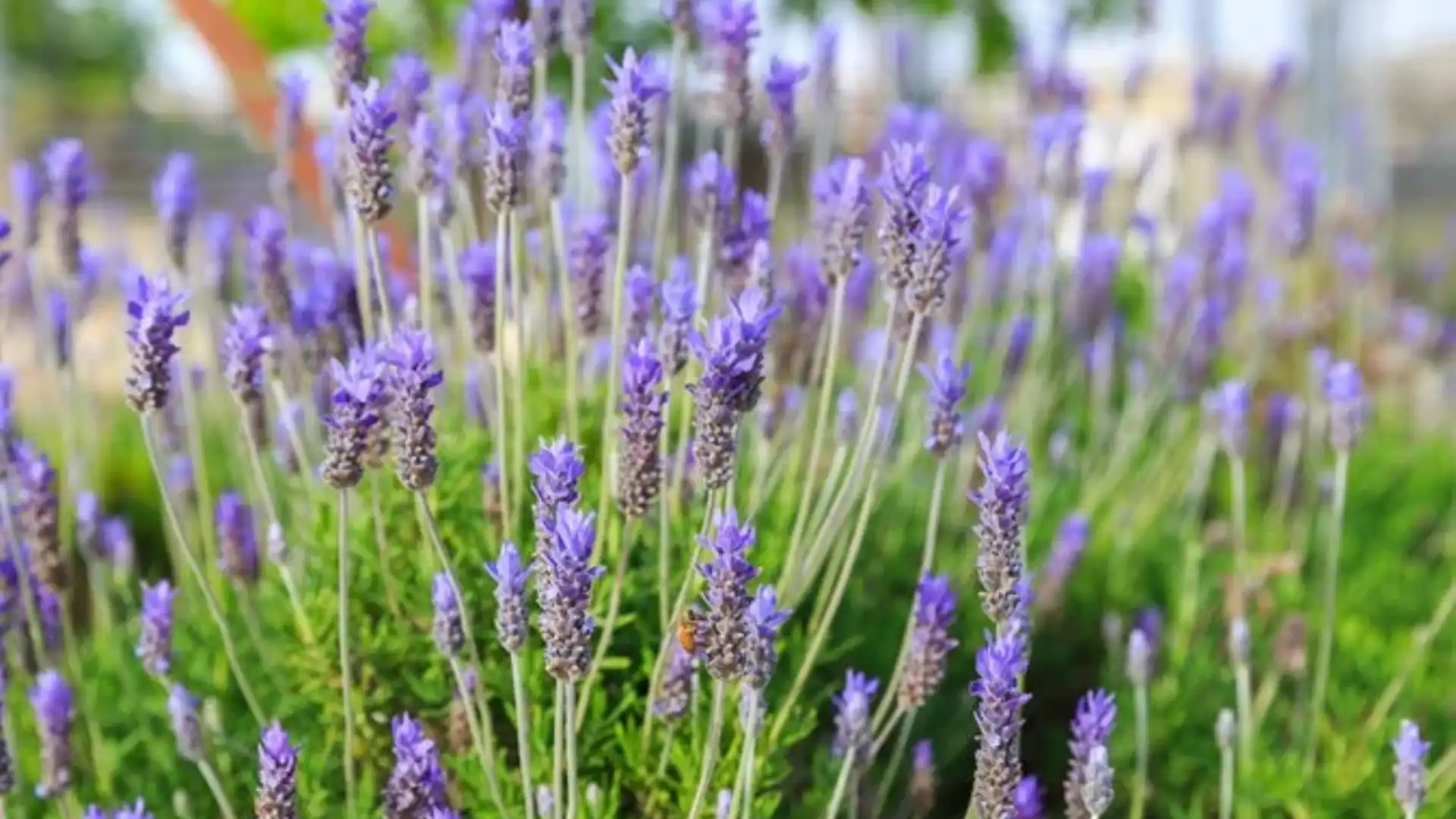
Lavender is one of the best companion plants you can grow.
Its strong scent naturally keeps aphids away, and it also grows in an open shape, allowing air to move around the stems and reducing the risk of black spot.
Lavender looks great next to pink, white, and deep red roses.
Plant it on the sunny side of your plant bed because both the plants love full sun and well-drained soil.
Keep about 18 inches between them.
2. Catmint
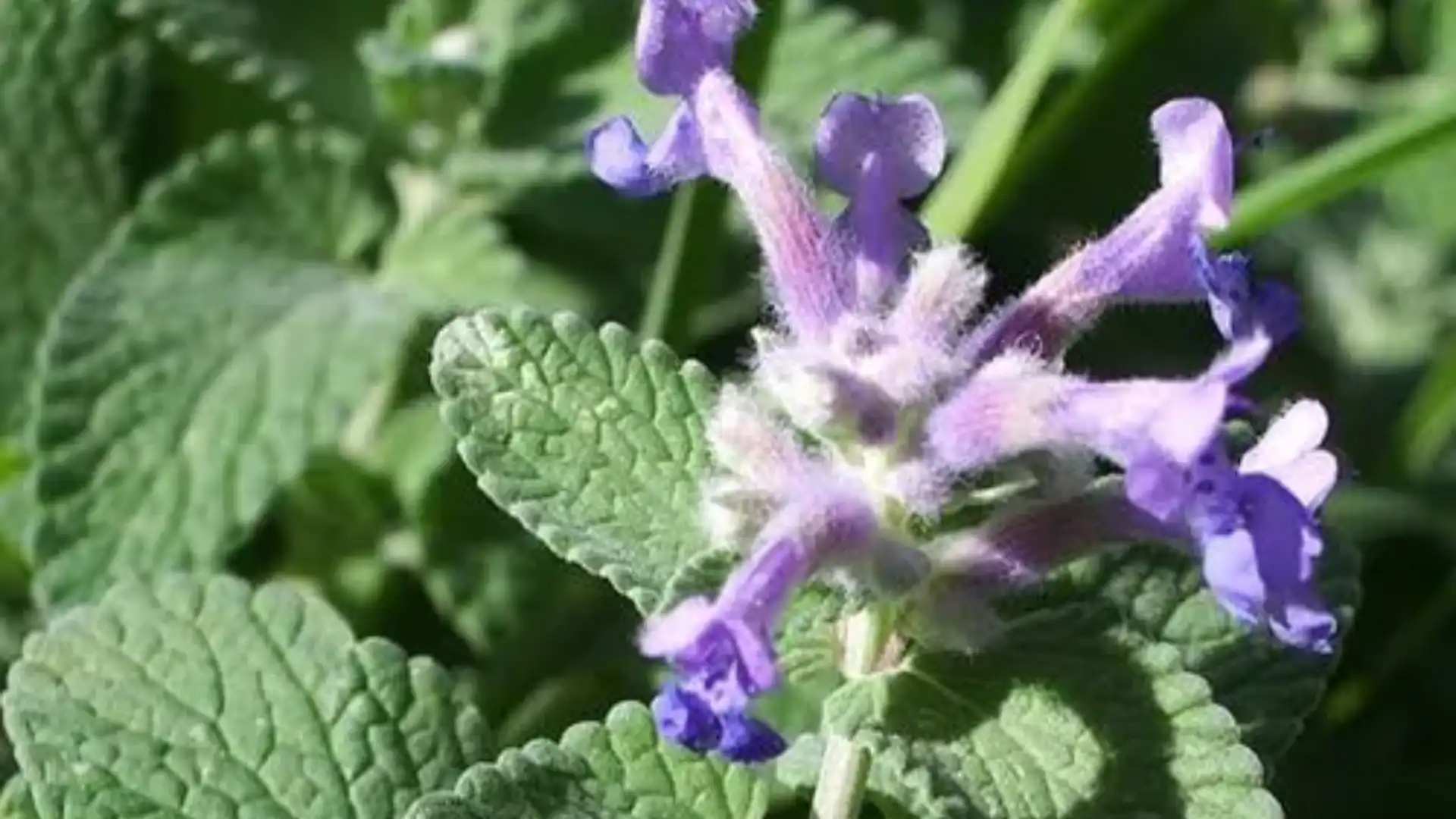
Catmint along the edges of plant beds is perfect.
Bees love its small purple-blue flowers, which attract pollinators year-round.
It spreads in a soft, bushy manner, hiding the bare lower stems of bushes, giving your garden a fuller look.
3. Thyme
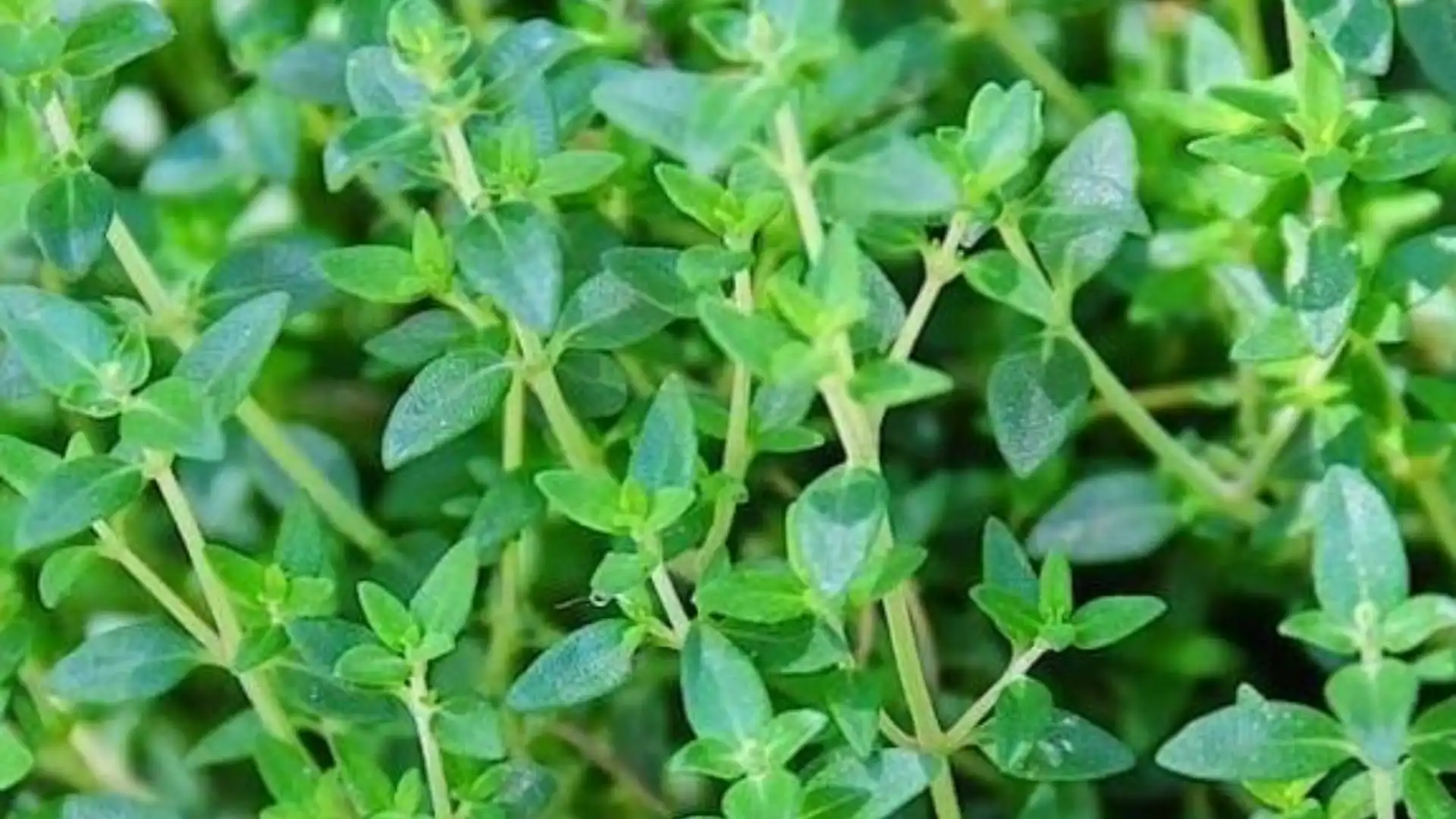
Thyme spreads low across the ground and covers bare soil around roses like a living mulch, preventing weeds from growing and keeping the soil from drying out too quickly.
Compact thyme varieties go well along pathways and garden borders as they stay neat and take up very little space.
Thyme also needs very little water once settled in.
Plant it at the base of your bushes and it smells great when you brush past it.
4. Marigolds
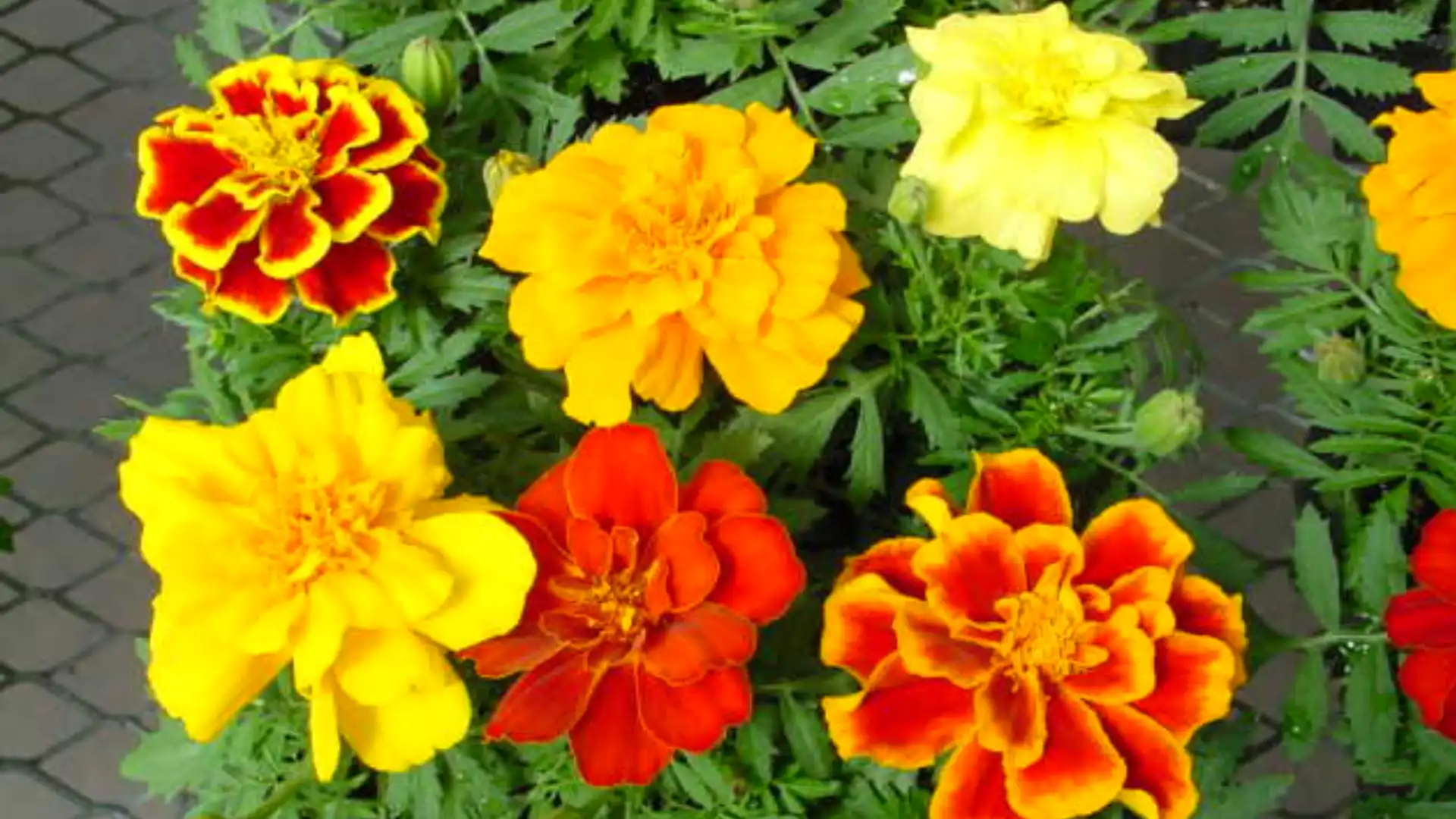
Marigolds are among the most popular rose companion plants because their roots release a natural substance that keeps harmful nematodes out of the soil.
Their bright scent also repels common garden insects, and they bloom all season and require very little care.
Plant them in shades of orange and yellow beside your bushes for a bold color mix.
5. Sweet Alyssum
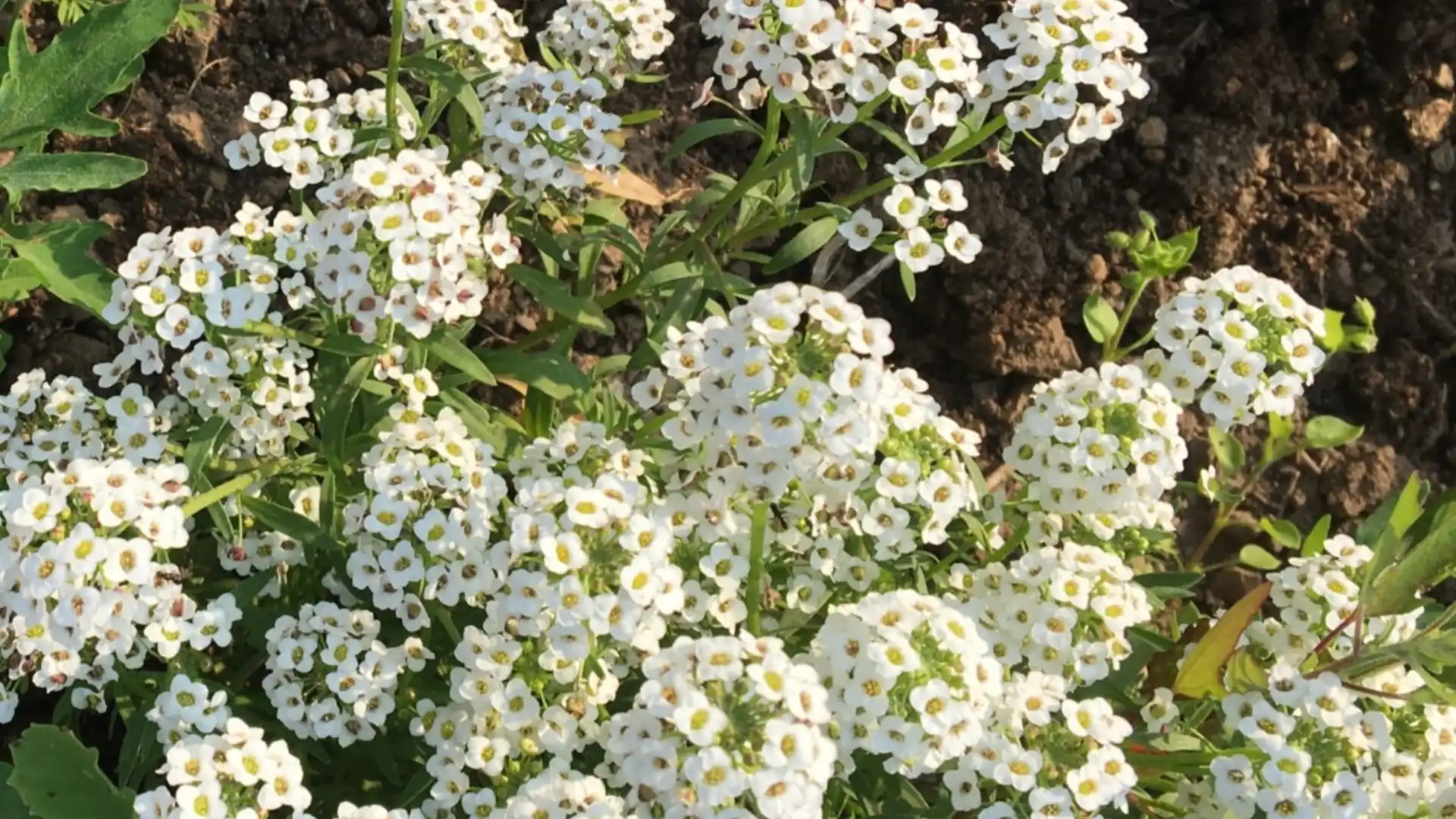
Sweet alyssum fills gaps between the bushes really well.
Its tiny white or pink blooms attract hoverflies and helpful insects that feed on aphids.
It grows close to the ground, adding soft texture to the base of your flower bed, and blooms from spring through autumn in most climates, providing ground cover and pest control for most of the year.
6. Geraniums
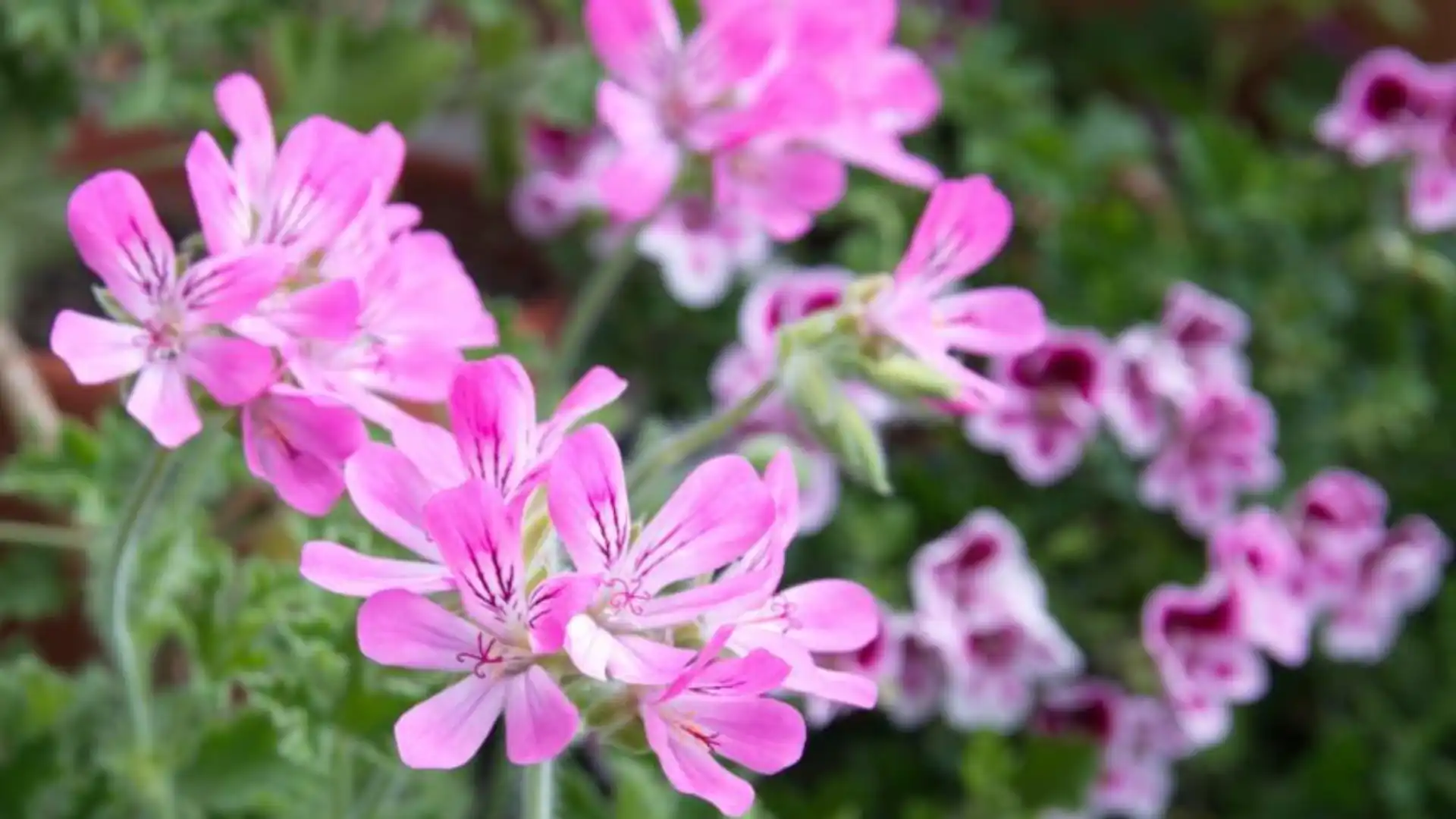
Geraniums have a light scent that beetles find unpleasant, helping keep them away from your flowers.
They also bloom for a long time, keeping your garden colorful. Soft pink, white, and red geraniums look great beside the bushes, and they suit cottage-style gardens really well.
Plant them around the edges of your rose bed for a neat, colorful border all season.
7. Yarrow
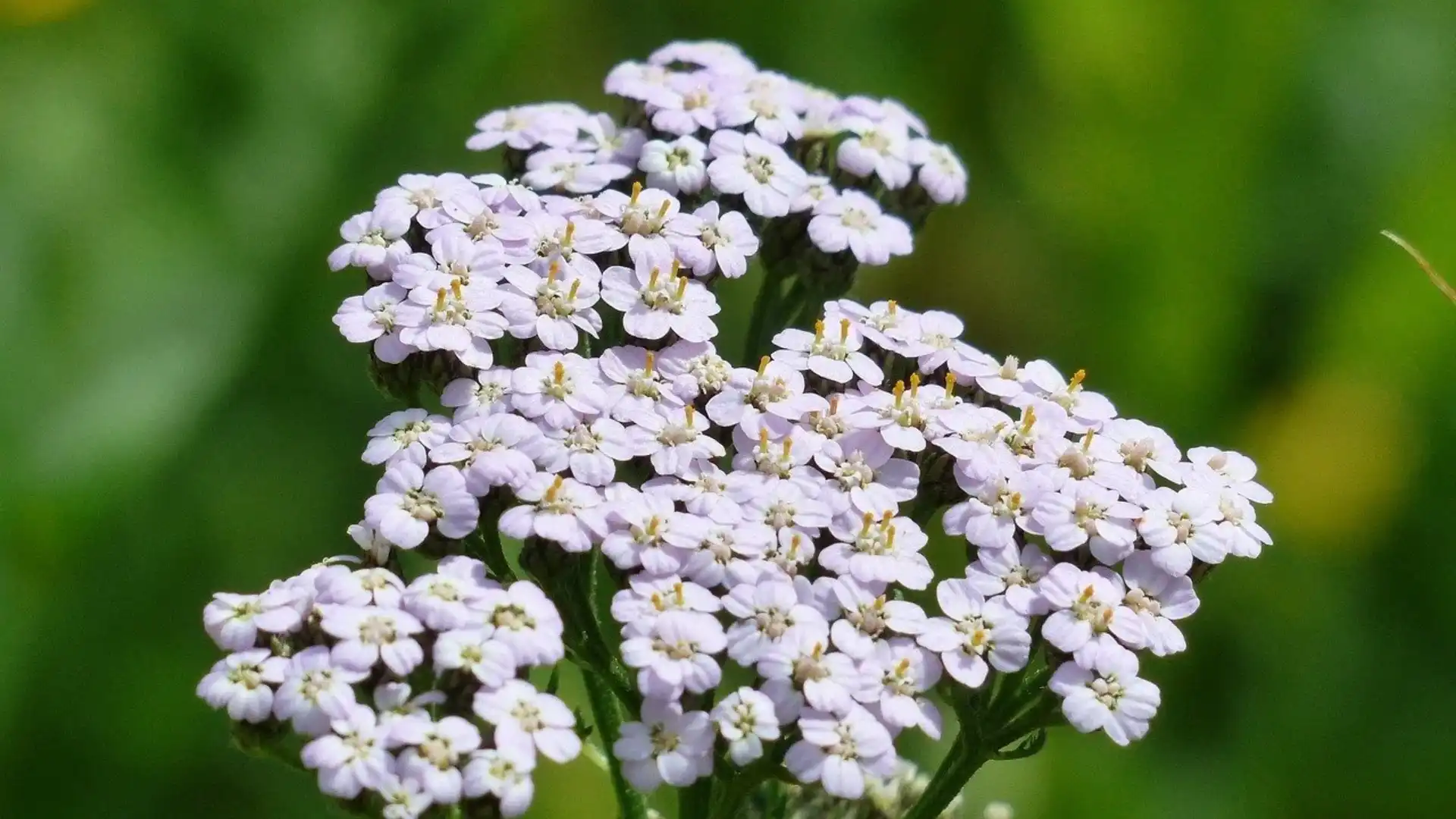
Yarrow attracts ladybugs, lacewings, and other helpful insects that feed on common pests.
Its flat-topped flower clusters add a loose, wildflower look beside more structured the bushes and come in yellow, white, pink, and red shades that pair well with most flower colors.
Yarrow handles heat and dry conditions very well and requires little water or care once it is in the ground.
8. Bee Balm
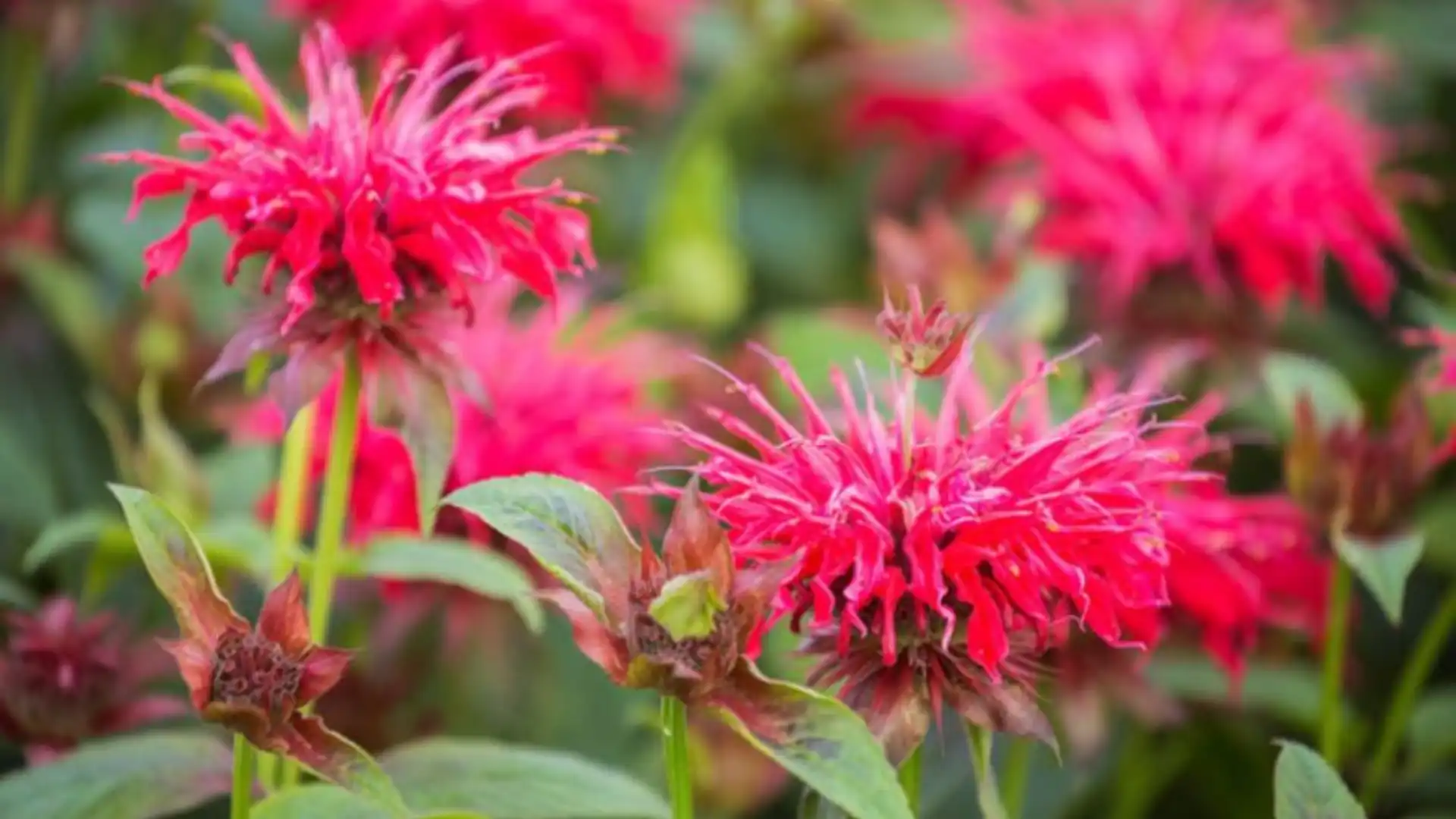
Bee balm brings hummingbirds and bees to your garden.
Its bright red, pink, and purple flowers create a strong contrast beside rose bushes, which also support a wide range of pollinators, helping your flowers produce more blooms.
Bee balm grows quite tall, so plant it behind your bushes and leave enough space between plants to allow air to move freely.
9. Chives
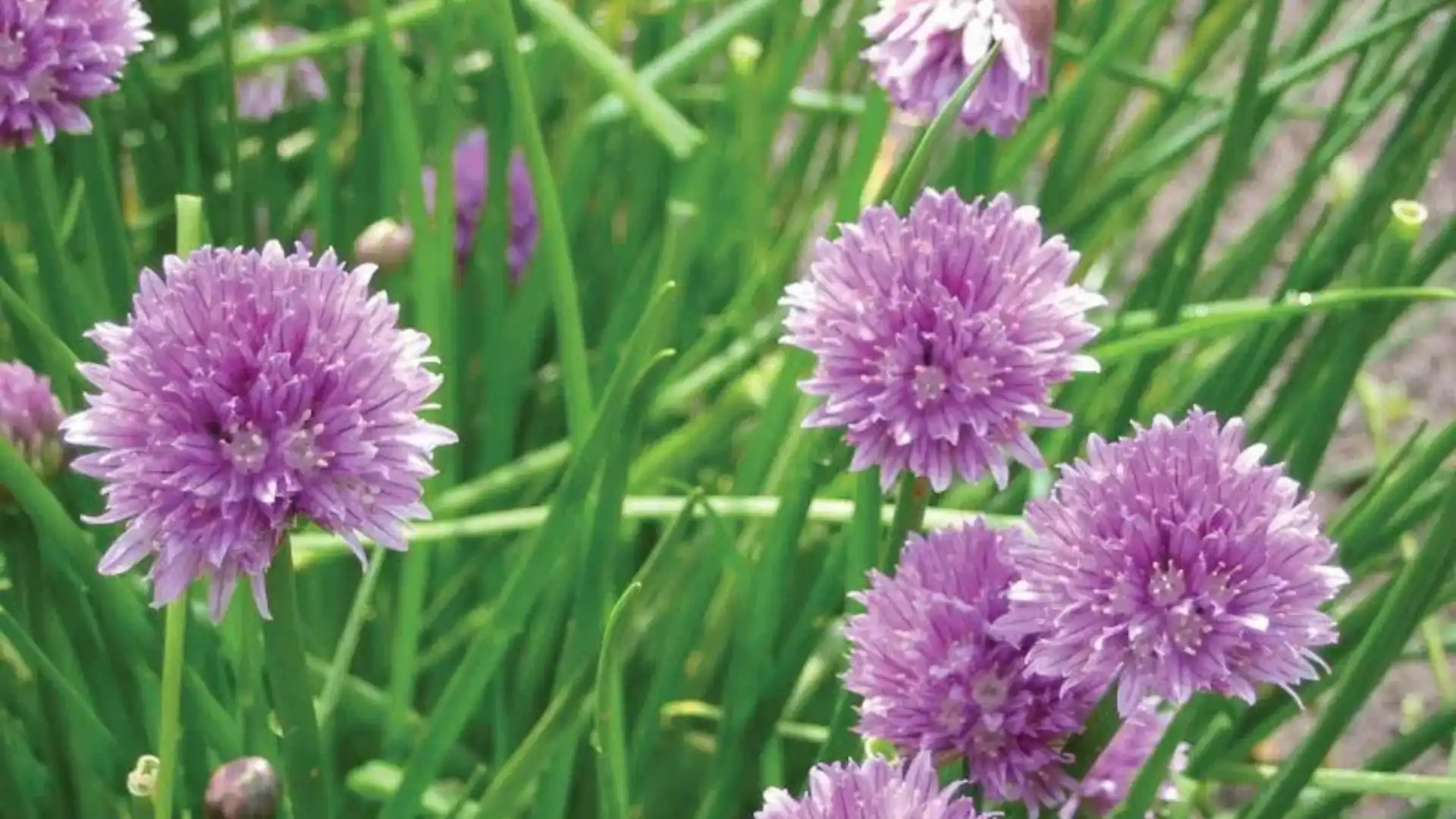
Chives line rose beds, their round purple flower heads adding a pop of color beside them.
They also help keep aphids away, and chives are easy to grow.
Plant them as a low border along the front of your flower bed, as they stay compact and tidy all season and attract bees when they flower, helping with pollination.
You can also cut the leaves and use them in your cooking throughout the season.
10. Parsley
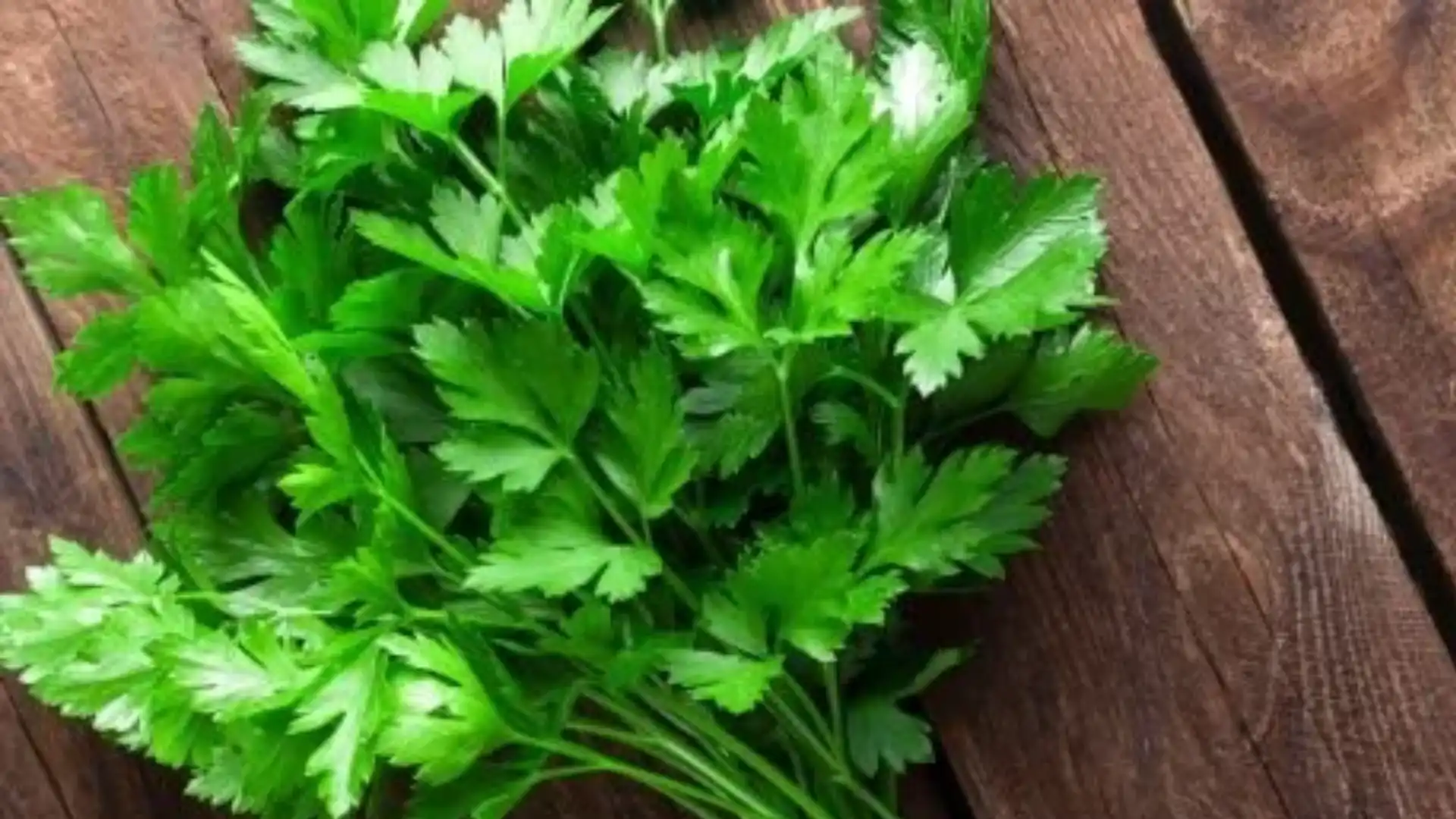
Parsley attracts hoverflies and ladybugs that feed on aphids and keep your flowers clean.
Its bright green leaves soften the look of flower bed edges and add texture at the base of rose bushes.
Parsley grows well in small spaces and even does fine in pots placed near it. It prefers a bit of shade, so plant it on the shadier side of your flower bed.
11. Dill
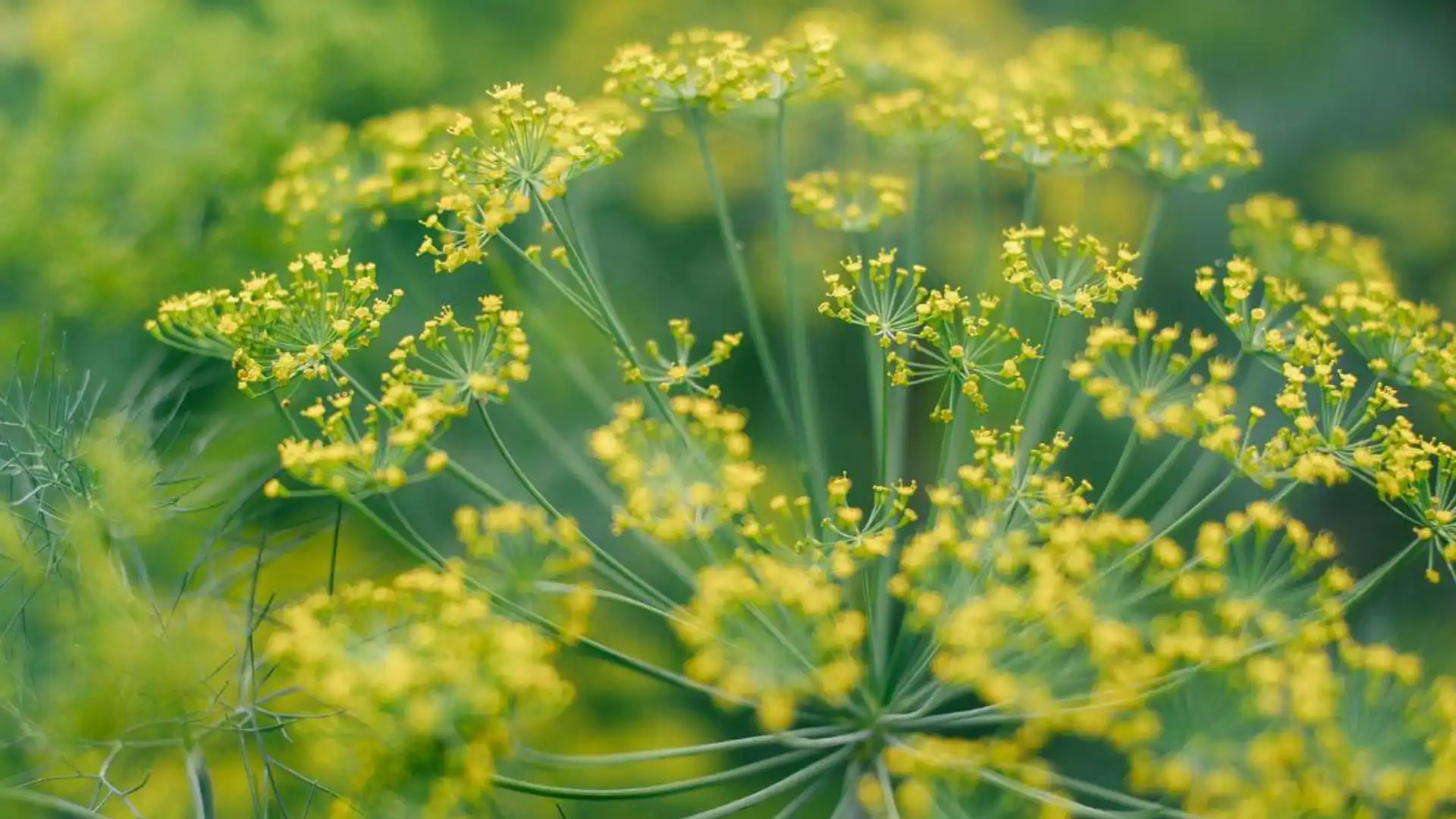
Dill brings ladybugs and other helpful predators into your garden, which feed on aphids, mites, and other pests that damage flowers.
Let dill bloom rather than cutting it back.
Plant it behind your roses, as this stops it from blocking sunlight or crowding your bushes.
Sow dill in spring and again in midsummer for steady blooms through the season.
12. Clematis
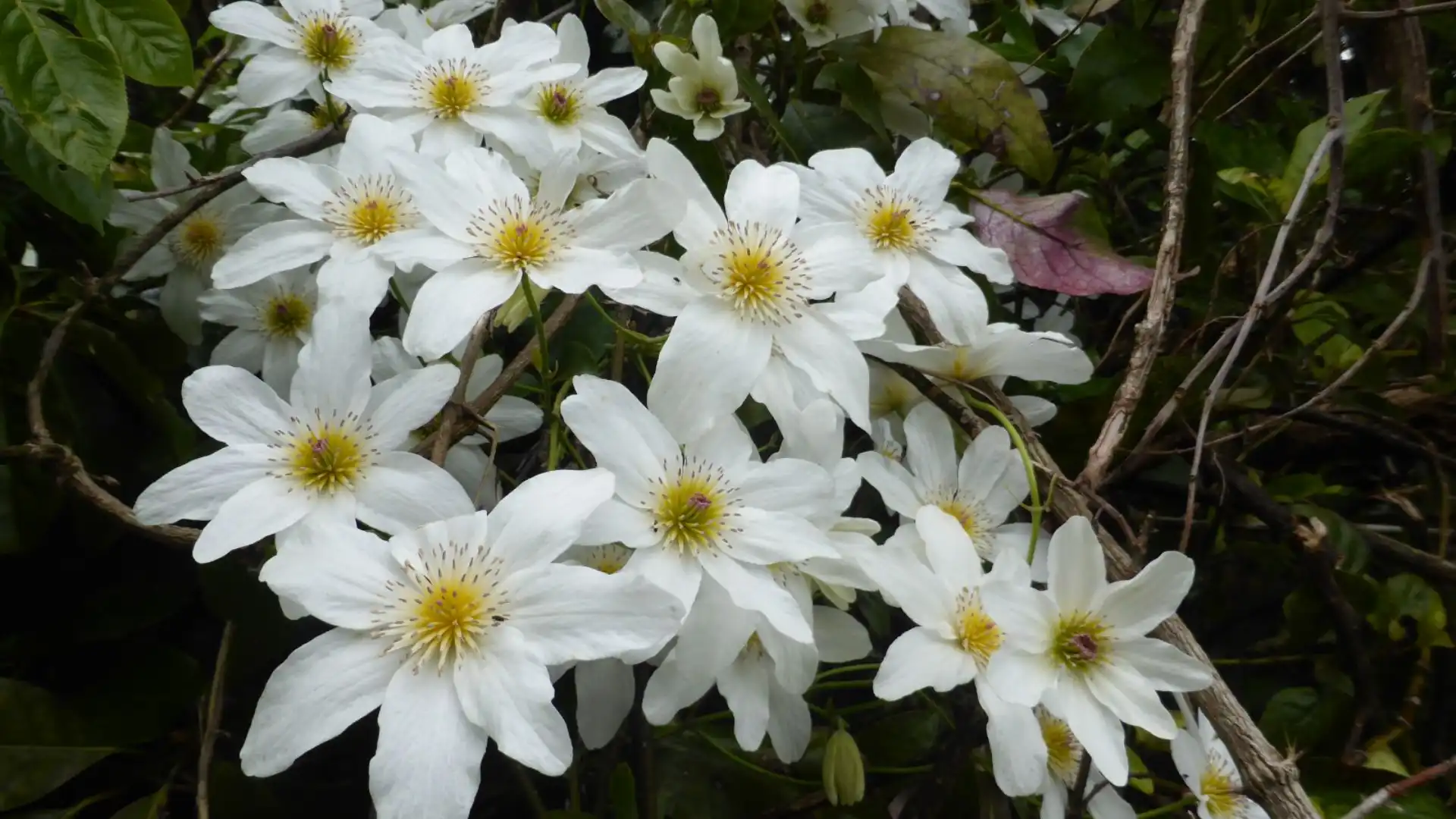
Clematis grows beautifully alongside climbing roses on the same trellises, fences, and arches, so training both plants together creates a layered, multi-coloured display.
Choose clematis varieties that bloom at different times, so something is always in bloom.
Purple and blue clematis look good with pink or white climbing flowers.
13. Lady’s Mantle
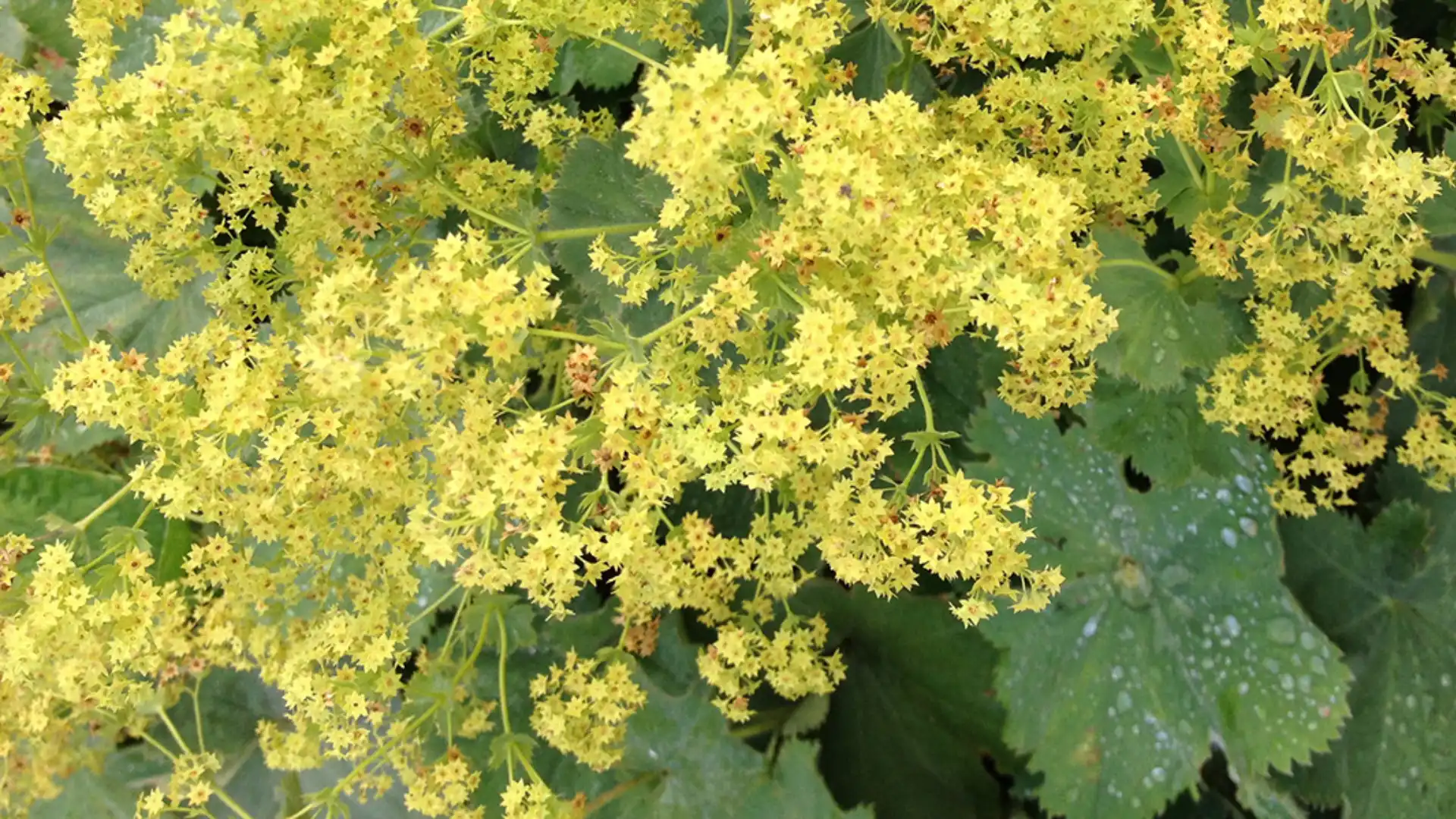
Lady’s mantle has soft, rounded leaves that frame the base of the bushes cleanly, and its yellow-green flower clusters work with almost every flower shade.
It covers the soil around flowers, helping to retain moisture and reduce weeds over time.
It suits cottage-style gardens really well and gives the beds a soft, neat edge, so plant it along the front border of your flower bed in morning sun with some afternoon shade.
What not to Plant with Roses?
Some plants compete for nutrients, block sunlight, or release chemicals that actually harm your flowers. Avoid planting these with your bushes:
- Fennel: The one to be most careful about. It releases allelopathic compounds into the soil that inhibit the growth of many nearby plants.
- Brassicas: Cabbage, broccoli, and kale are heavy feeders that compete directly for the same nutrients roses need, especially nitrogen.
- Large shrubs and tall hedges: Planted too close to block the full sun roses need and trap humid air around the canes.
- Mint: It spreads via underground runners and will quietly take over a bed within a season or two. Grow it in a buried container if you want it nearby.
End Note!
Picking the right rose companion plants comes down to four simple things.
Start by thinking about the look you want for your garden: a neat, formal bed or a loose, natural one.
Then check your climate – some plants, like lavender and rosemary, do well in dry, hot areas, while others, like parsley and sweet alyssum, prefer cooler, shadier spots.
Next, match plants by sunlight and water needs, and group plants that need similar care together.
Finally, think about your main goal: pest control, more pollinators, or ground cover.
Frequently Asked Questions (FAQs)
1. What is the 45-Degree Rule for Roses?
The 45-degree rule means cutting stems at a 45-degree angle. This helps water drain off the cut and stops rot from setting in.
2. What do Coffee Grounds do for Rose Bushes?
Coffee grounds add nitrogen to the soil and slightly lower its pH. This helps them grow stronger and can improve blooming over time.
3. What Month Should I Cut Back my Rose Bushes?
Late winter or early spring is the best time, usually February or March. Prune just before new growth starts for the best results.