Are you curious about whether having heated floors is a good idea for your remodel. Estimates indicate that radiant floor heating can be up to 25% more efficient than traditional systems, making it a great choice for homeowners seeking comfort and energy efficiency.
The biggest challenge with installing underfloor heating is that you need to think through the factors that will affect your installation long before you begin. Here is a checklist to keep in mind when adding underfloor heat to your home.
Consider How the System Will Affect Floor Height
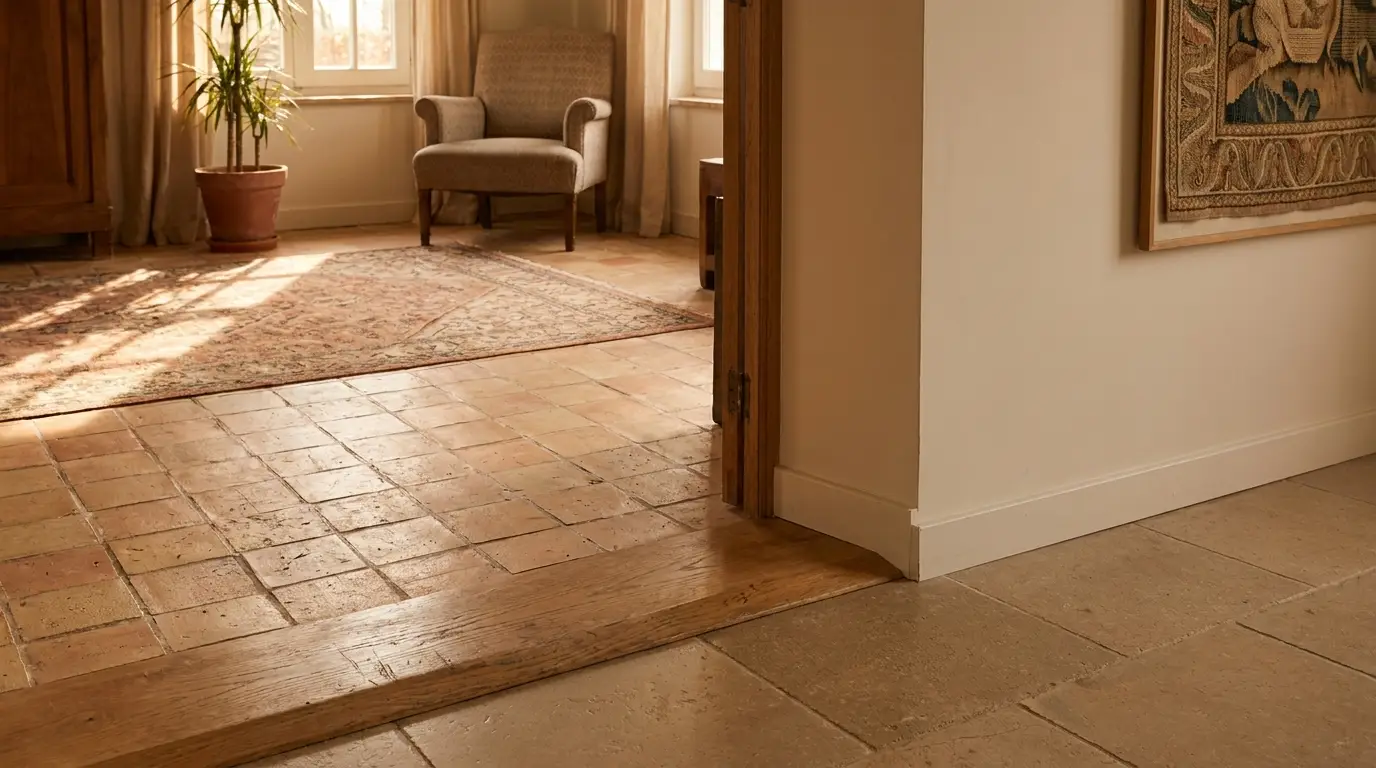
Many homeowners do not realize that a radiant heating system will add height to their flooring. Even minor height increases can affect the clearance under doors, trim work, cabinets, and different floor levels due to transitions from room to room.
During the planning stages, it’s also important to discuss with your contractor the amount of height that the floor will have after the installation. Being aware of such changes to your flooring height will help prevent any unforeseen adjustments throughout your remodel.
Select the Right Installation Method
The Ideal installation method will depend on how your home was built and the extent of the remodel. Several systems can be installed directly onto a subfloor, while others need to be installed between floor joists, or in concrete slabs.
When comparing options, review manufacturers that offer detailed specifications and installation guidance. Radiant heat panel systems are a flexible and effective choice. Choosing proper installation techniques early on can save time and minimize complications later in your project.
Define What You Expect From Your Radiant Heating System
Before selecting a radiant heating system, you need to establish exactly what you expect from it. For example, some homeowners want heated floors to provide additional comfort in either their kitchen or bathroom, or to be their primary source of heat for most parts of the home.
Your vision will determine the size and installation of your heating system, compliance with local building codes, and overall costs. Having a clear direction from the start will simplify the decision-making process when choosing the best heating system for your home.
Plan Heating Zones and Thermostat Locations
The ability to establish multiple heating areas is a major benefit of underfloor heating. Each area can be controlled separately so you can determine how hot or cold each room will be heated based on how they will be used.
While determining how to develop your heating zones, you should also think about where to place your thermostats. The location of the thermostat is important since it will affect the accuracy of the room temperature and the effectiveness of the heating system.
The thermostats must be mounted onto walls within the home, away from any windows, direct sunlight, exterior doors, or heat-producing appliances. Proper placement will ensure accurate temperature readings and efficient operation.
Consider Flooring That Performs Well with Radiant Heating
Some flooring types do not conduct heat as efficiently as others. The best choices for radiant heat flooring are porcelain and ceramic tile, as they conduct and retain heat efficiently.
Engineered hardwood is also a popular flooring material for radiant heat application. In addition, luxury vinyl and laminate products can be used for radiant heat if the manufacturer states they are suitable for radiant heating application.
As for carpet, the thinner it is, the more efficient it will be. Thick carpets with heavy padding can make it difficult for heat to pass through. Confirming the flooring’s compatibility with the heating system is critical before finalizing any decisions.
Improve Insulation Before Installation
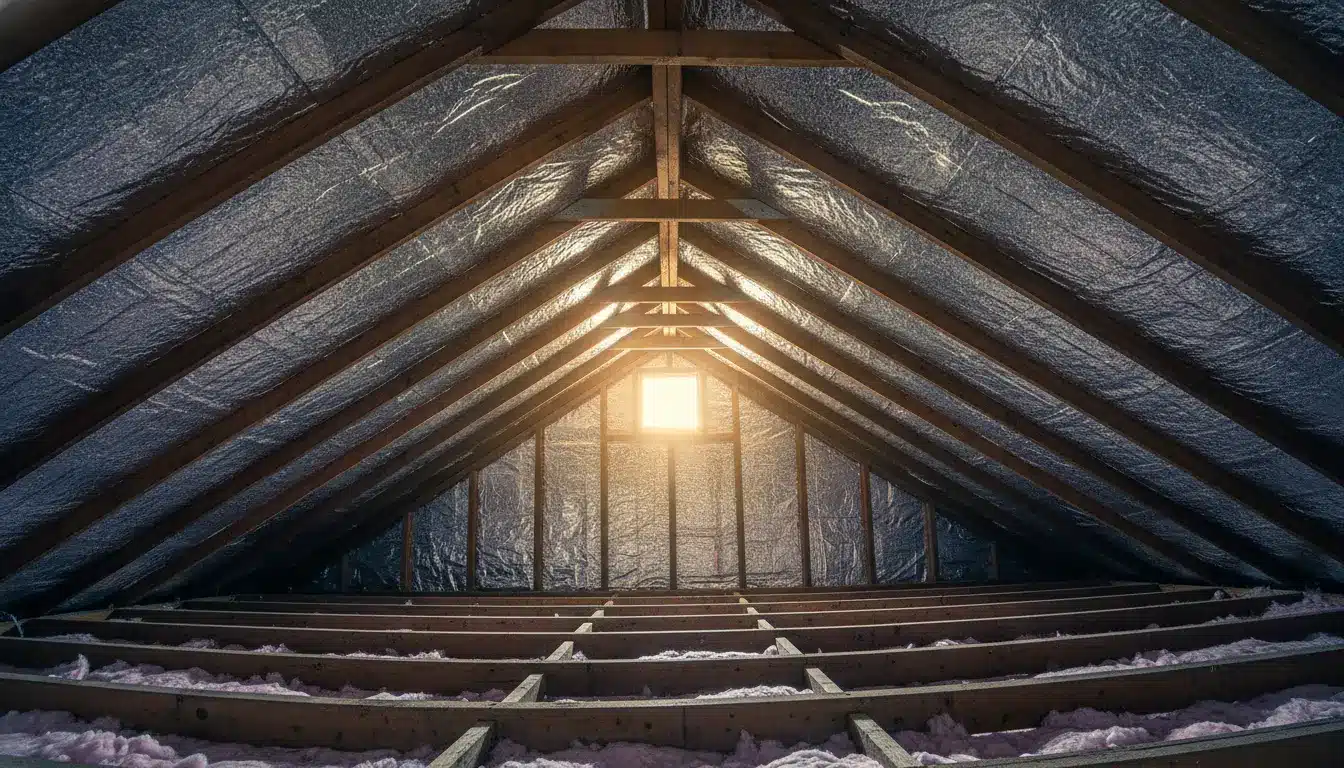
Proper insulation is critical to properly using an underfloor heating system. Without proper insulation, some of the heat produced by the underfloor system will be lost instead of warming up the above living space.
New construction offers a good opportunity to improve insulation issues in several areas, such as crawl spaces and basement. Adding or upgrading insulation to your building will increase comfort and help lower longer term energy use.
Plan Carefully for Long-Term Comfort
Careful planning will allow you to reap the benefits of your underfloor heating system after it has been installed. Adding underfloor heating during a remodel will improve your home’s efficiency, comfort, and overall value.
You will achieve the best results from your underfloor heating system by completing all of the preparation work prior to the installation. For guidance on selecting materials that suit your home upgrade, check out our detailed guide on durable finishes for renovations.