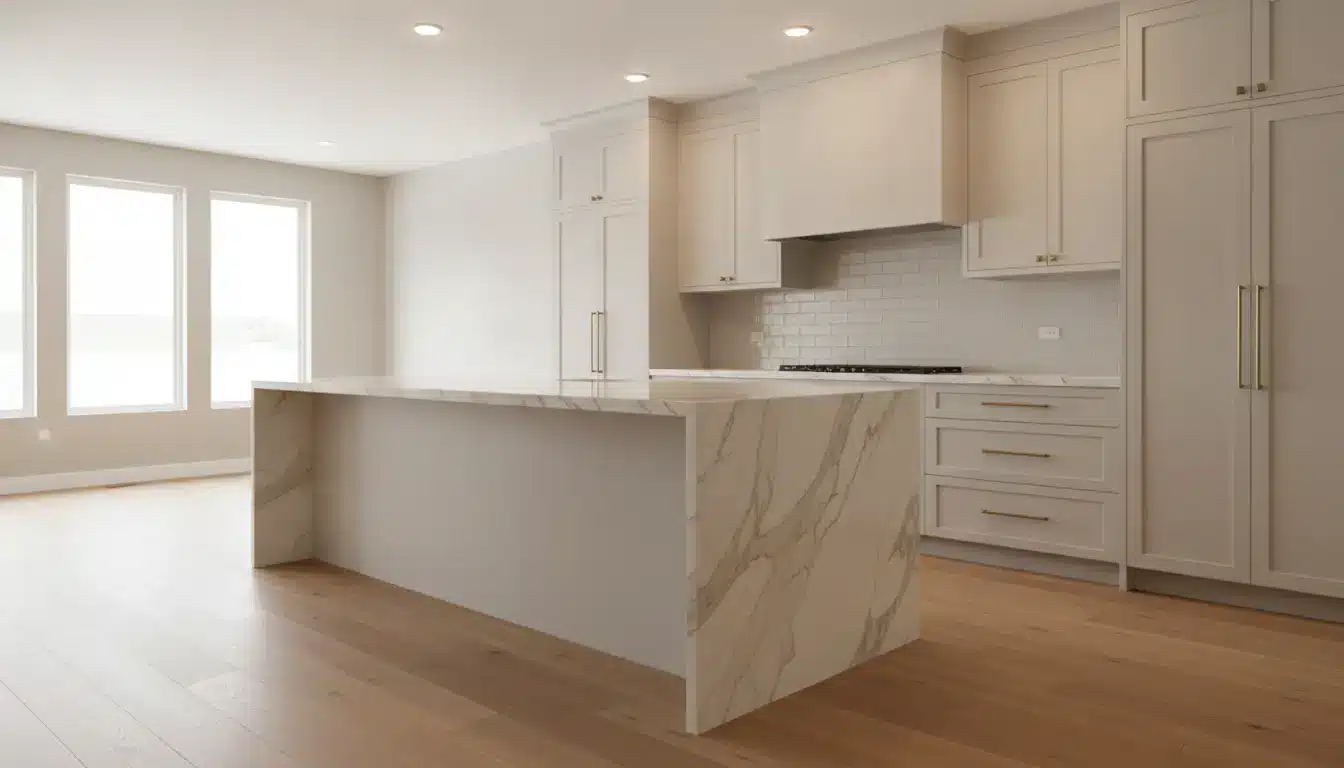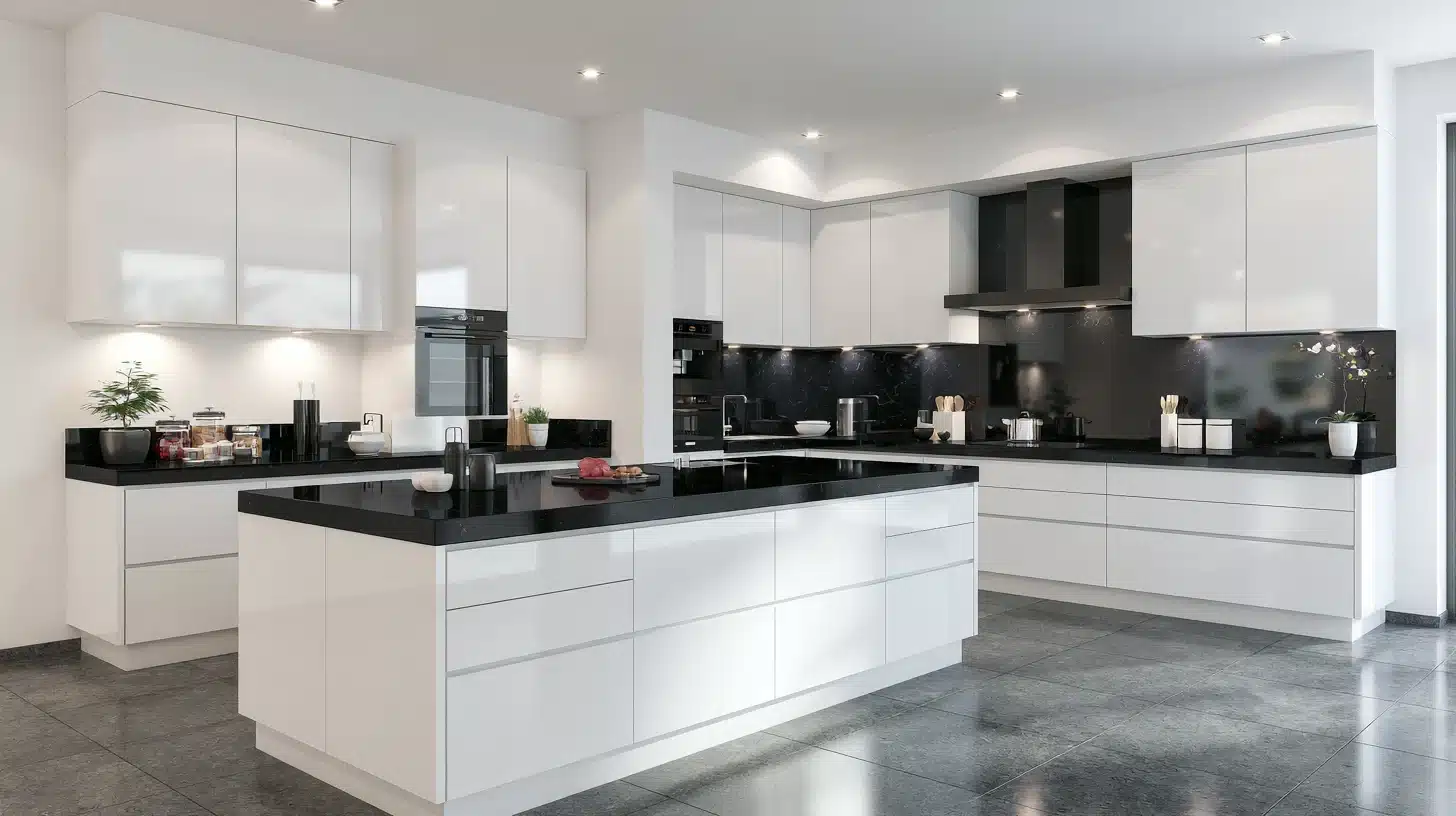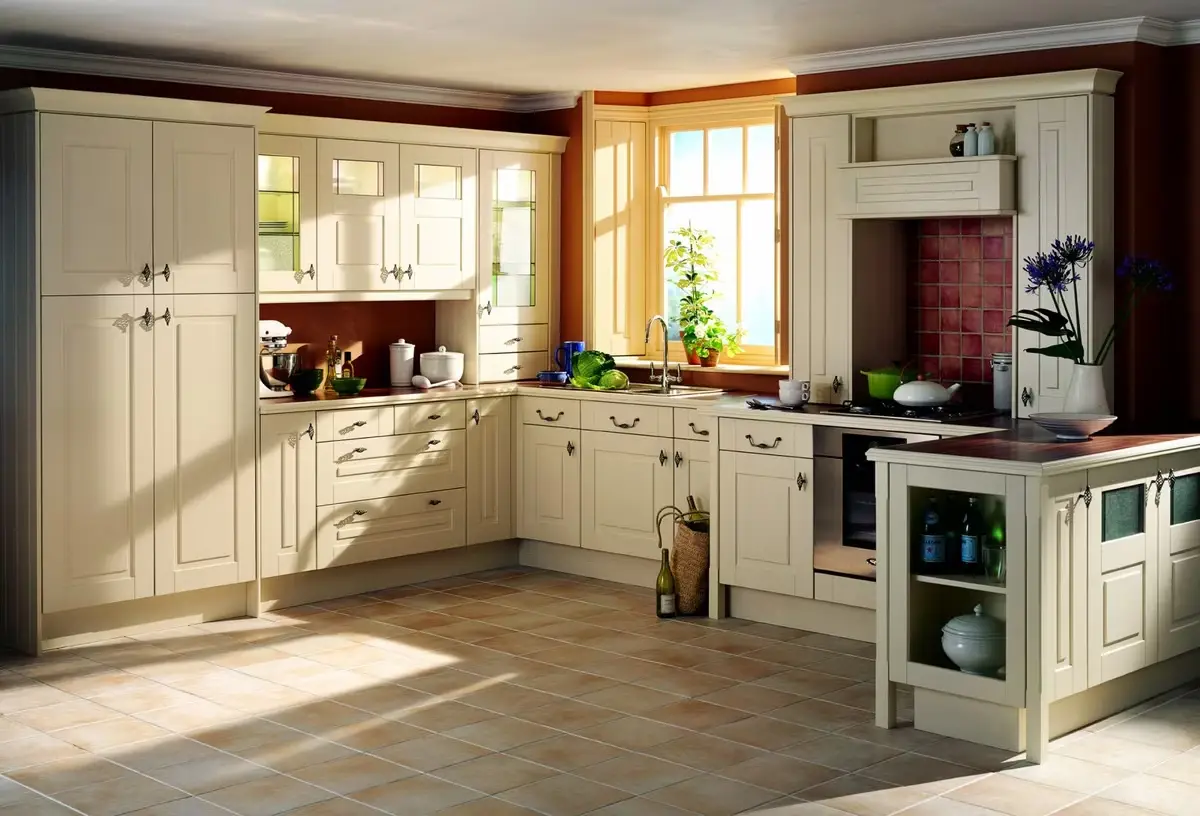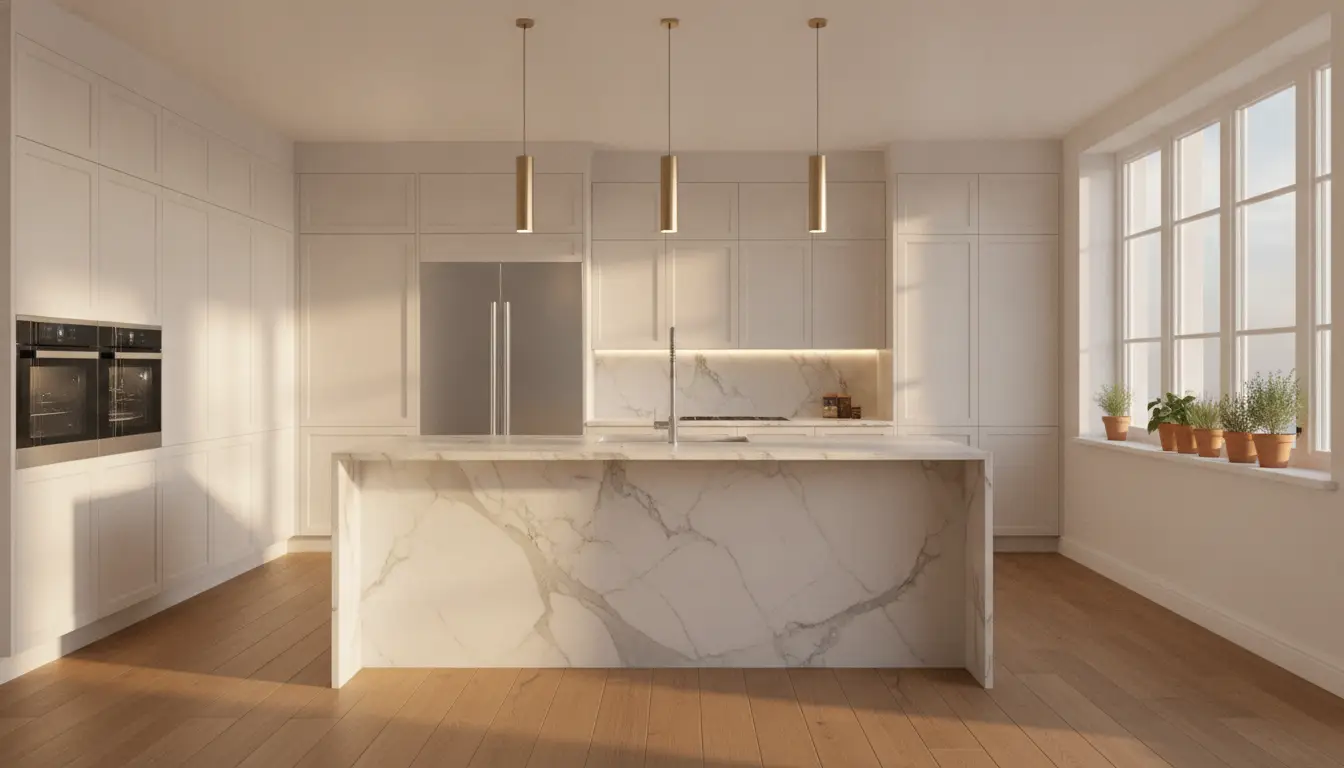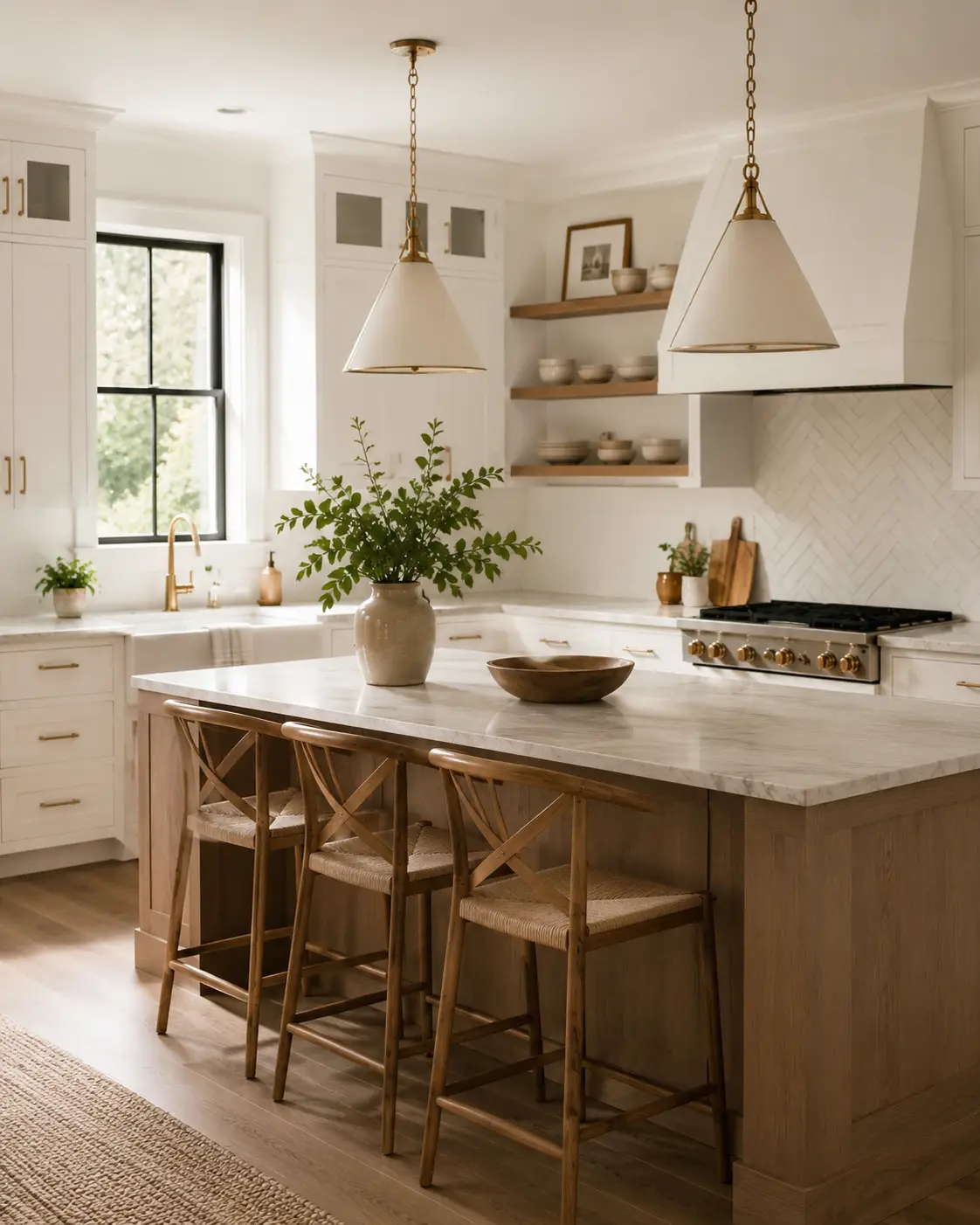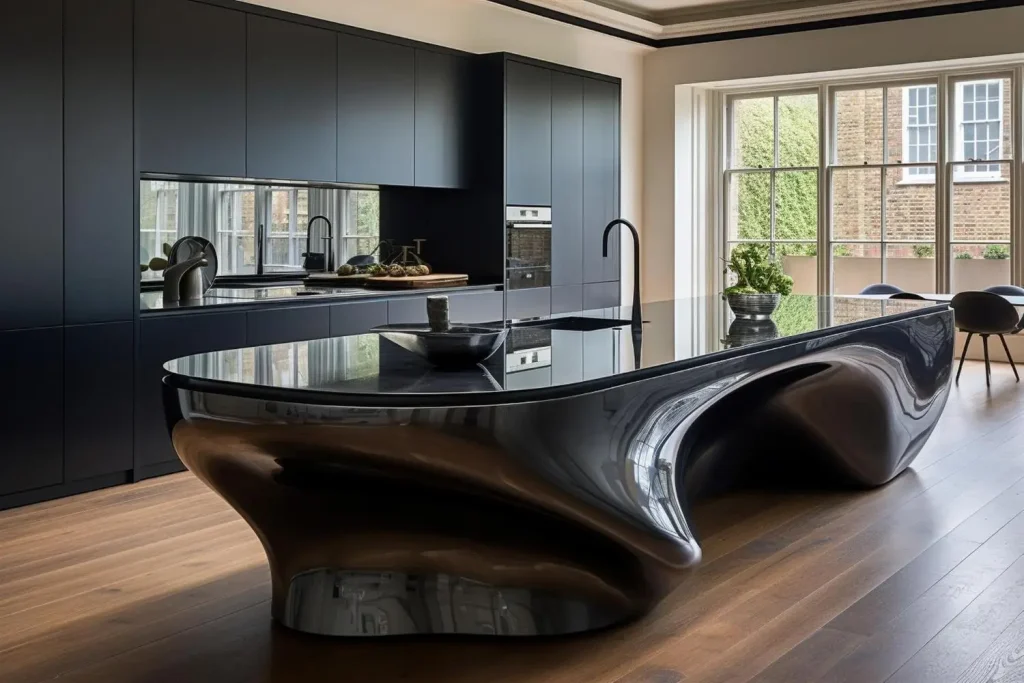
Kitchen renovations are where the creative and the structural collide. You spend weeks choosing the perfect tile, debating benchtop materials, and pinning layout ideas, only to discover that moving the sink 800 millimetres to the left involves rerouting an entire drain line. The kitchen is the most plumbing-intensive room in most homes, and the design choices that look effortless in a finished space are almost always shaped by what the pipes, drainage, and gas lines allow.
For homeowners in established Melbourne suburbs like Camberwell, where kitchens in period homes are often compact, awkwardly configured, and connected to ageing infrastructure, understanding the relationship between what you want the space to look like and what the plumbing can support is the single most important step in planning a renovation that delivers on both aesthetics and function.
Start With the Sink and Work Outward
Every kitchen designer will tell you that the layout revolves around the sink, the cooktop, and the refrigerator. But what determines where the sink can realistically go is the existing drainage. Kitchen sinks require a fall in the waste line to drain properly, and the further the sink moves from the existing drain connection, the more complex and expensive the relocation becomes.
In many Camberwell homes, particularly those built before the 1970s, the kitchen drain runs to a specific point in the slab or subfloor that was designed for the original layout. Relocating it is possible, but it needs to be factored into the budget and timeline from the outset, not discovered as a surprise once demolition has begun.
The same principle applies to dishwashers, which need both a water supply and a waste connection, and to any secondary sink, such as a prep basin in an island bench, that requires its own drainage point.
Getting the Infrastructure Assessed Early
The most productive thing a homeowner can do before finalising a kitchen layout is to have the existing plumbing assessed by a professional. This does not mean a casual look under the sink. It means a proper inspection of the water supply lines, drainage connections, gas lines if a gas cooktop or oven is planned, and the condition of any pipework that will be concealed behind new cabinetry or within walls.
Engaging licensed plumbing experts in Camberwell for this assessment ensures the inspection is thorough and the advice is specific to the property. Lexity Plumbing & Electrical holds both plumbing and electrical licences, which is particularly useful for kitchen renovations where the two trades overlap constantly. They provide fixed upfront pricing and a $0 call-out fee, so the assessment itself does not carry hidden costs. Their team can identify whether existing pipes are in good condition, flag any drainage issues that need addressing, and advise on the feasibility of proposed layout changes before you commit to a design.
That information then feeds directly back to your designer or builder, preventing the costly back-and-forth that happens when a layout is finalised on paper but turns out to be impractical once the walls are opened up.
Permits and Compliance
Kitchen renovations that involve changes to plumbing, gas, or structural elements are subject to building regulations. The Victorian Building Authority (VBA) oversees building permit requirements across the state, and homeowners planning significant kitchen work should confirm whether a permit is needed before construction begins. Work that alters wet areas, relocates gas appliances, or modifies structural walls typically triggers permit obligations, and completing work without the required approvals can create complications when selling the property or making insurance claims.
A licensed plumber will ensure that all plumbing and gas work complies with the relevant Australian Standards, but the broader building permit question sits with the homeowner and their builder. Checking early avoids delays and ensures the finished kitchen is fully compliant.
Making Design and Infrastructure Decisions Together
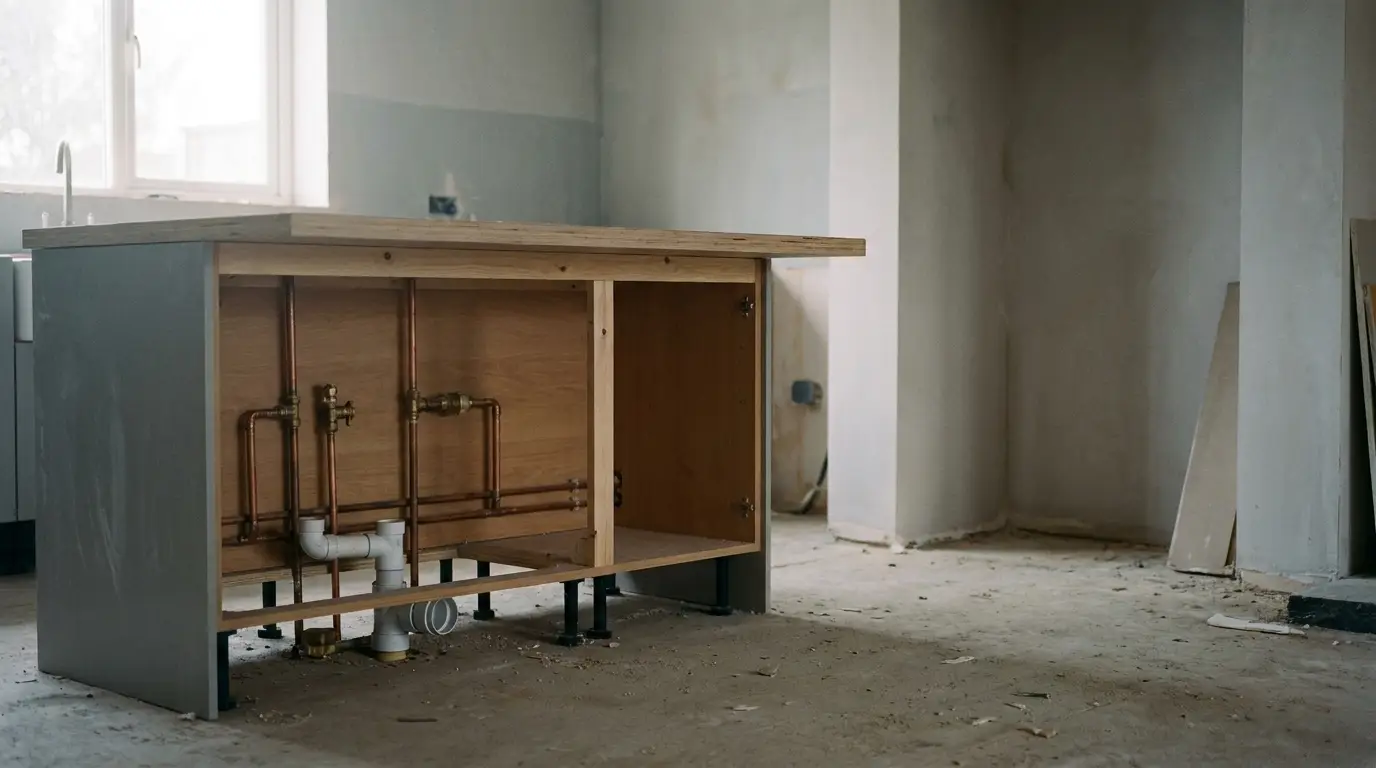
The renovations that run smoothest are the ones where the designer and the plumber are communicating from the beginning. When these conversations happen in parallel rather than sequentially, the design can adapt to infrastructure realities without losing its creative intent.
For example, if the plumber identifies that extending the gas line to an island cooktop would require significant underfloor work, the designer can adjust the layout to position the cooktop against an external wall where the gas connection is more accessible. If the drainage fall is insufficient for a sink relocation, a different island configuration might achieve the same visual effect without the plumbing complexity.
These are not compromises. They are informed design decisions that produce a better result than a layout drawn without any knowledge of what sits beneath the floor.
Choosing Fixtures and Appliances With Plumbing in Mind
Fixture selection is where decorating instincts and plumbing requirements meet directly. A beautiful bridge-style tap may require a different mounting configuration than the standard mixer your plumber quoted for. A boiling water tap needs a dedicated filter unit and power connection beneath the sink. A farmhouse apron-front sink may require a modified cabinet frame and different waste fitting from a standard undermount.
None of these are problems. They simply need to be specified before the plumber roughs in the connections, not after. Choosing your tapware, sink, and key appliances before plumbing rough-in ensures the connections are positioned precisely where they need to be for a clean, functional installation.
The Finished Kitchen You Actually Wanted
A kitchen renovation in a suburb like Camberwell is a significant investment, both financially and emotionally. The homes have character, the streets have value, and a well-executed kitchen renovation enhances both the daily experience of the space and the property’s long-term worth.
The homeowners who end up happiest with their finished kitchens are almost always the ones who treated the plumbing and infrastructure assessment as part of the design process, not as an afterthought. When the pipes, drainage, and gas lines are addressed properly from the start, the creative choices land exactly as intended. The tap works beautifully. The sink drains silently. The cooktop fires up instantly. And the space feels as good to use as it does to look at.