You’re halfway through a backyard barbecue, guests are lining up for cold drinks, and you open the freezer to find nothing but a few stubborn ice cubes clinging to an empty tray. It’s a frustrating scenario most of us have experienced, and it always seems to happen at the worst possible moment. For those living in smaller homes, apartments, or RVs, the problem is compounded by limited kitchen space that rules out bulky appliances. Traditional ice trays are painfully slow, and full-size ice machines simply don’t fit the layout. This is where compact ice makers step in as a game-changing solution. A small ice maker sits comfortably on a countertop, requires no permanent installation, and can churn out fresh ice in as little as six to ten minutes per cycle. Whether you call them portable ice makers or countertop ice machines, these efficient appliances solve two problems at once: they free up valuable space while delivering ice on demand whenever you need it most.
What Are Compact Ice Makers? Types and Key Features Explained
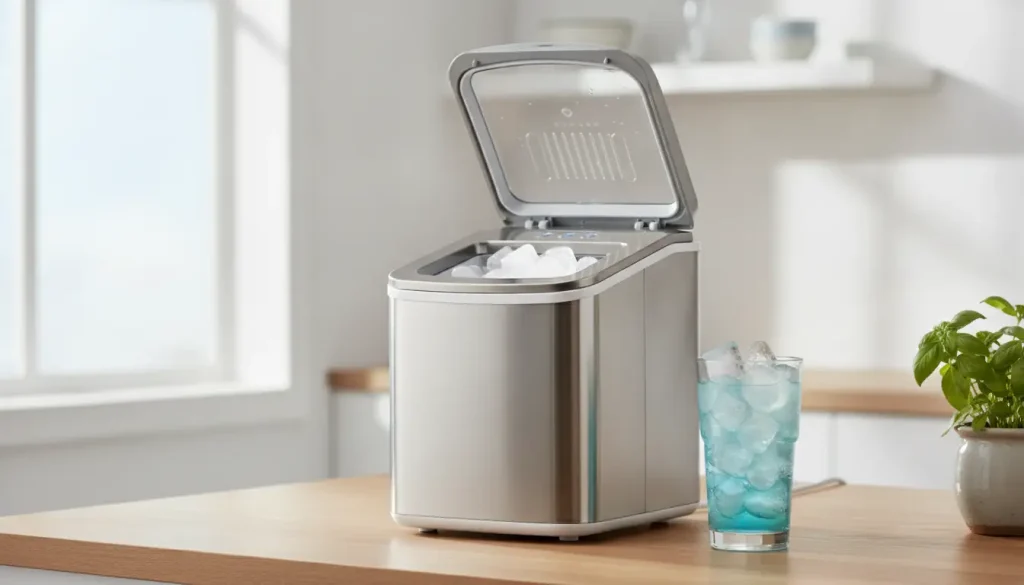
Compact ice makers are standalone appliances designed to produce ice without requiring a permanent water line or built-in installation. Unlike traditional ice machines found in restaurants or attached to full-size refrigerators, these units are small enough to rest on a countertop, a bar cart, or even a boat galley. You simply fill the reservoir with water, plug the unit in, and ice production begins almost immediately.
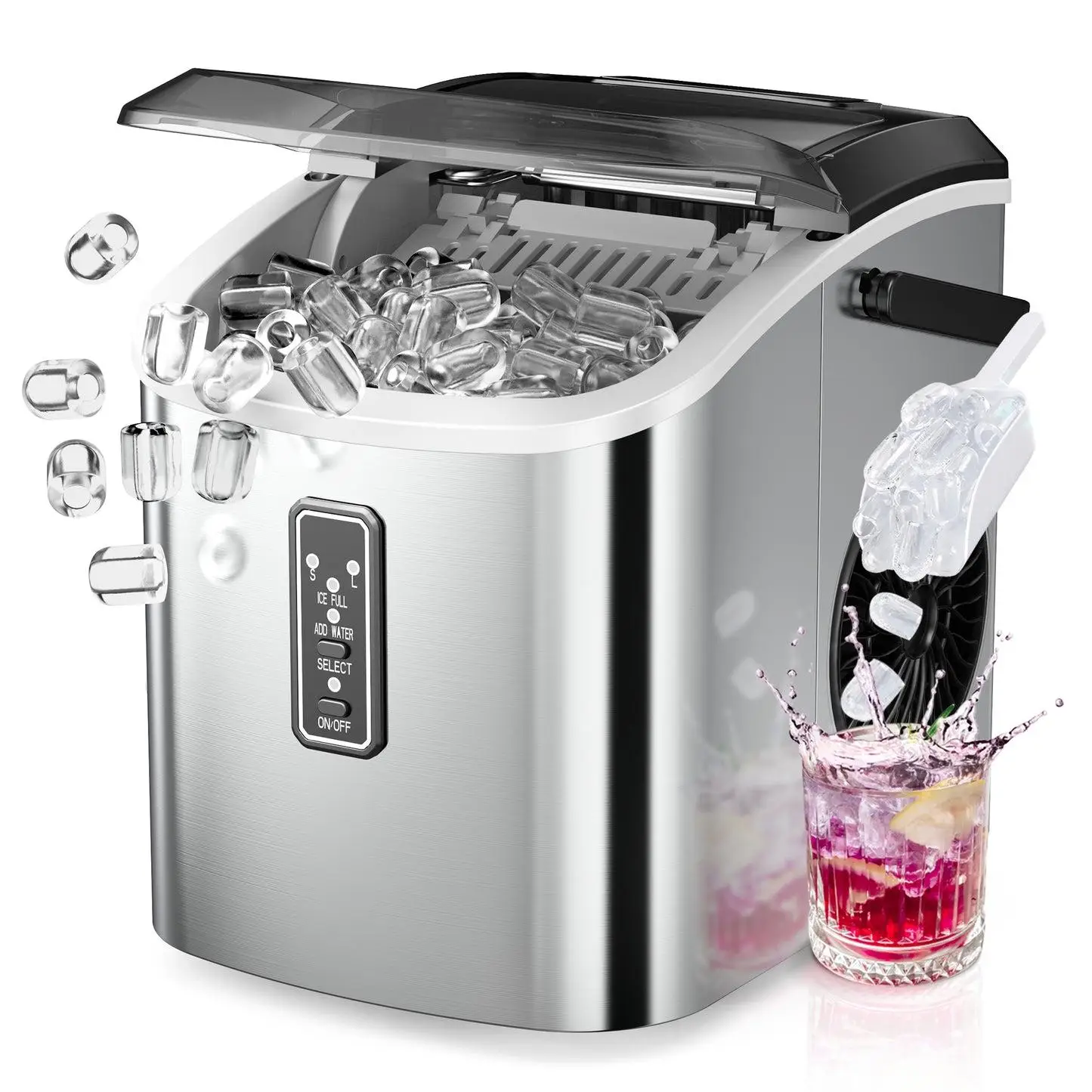
The market offers several distinct types to match different preferences. Portable ice makers are the most common, producing bullet-shaped or crescent ice cubes and typically weighing under 30 pounds for easy relocation. Nugget ice makers have gained popularity for creating the soft, chewable ice found in restaurants and hospitals—ideal for cocktails and smoothies. Some small ice makers specialize in clear cube production, mimicking the dense, slow-melting ice preferred by whiskey enthusiasts. Across all types, you’ll find shared features that define the category: a compact footprint generally under 12 inches wide, daily production capacities ranging from 20 to 40 pounds, self-contained water reservoirs, and energy-efficient operation that keeps electricity costs modest. Most models also offer multiple ice size settings, giving users flexibility depending on the occasion.
Top Benefits of Compact Ice Makers for Homeowners
For homeowners juggling limited square footage with the desire to entertain comfortably, a compact ice maker addresses multiple pain points simultaneously. These appliances deliver practical value that extends far beyond simply freezing water, making them a worthwhile addition to nearly any living situation.
Space-Saving Design and Installation
A small ice maker typically occupies no more space than a bread box, making it easy to tuck into a corner of your countertop, slide onto a pantry shelf, or station on a bar cart. Unlike under-counter or built-in models that require professional installation and dedicated plumbing, portable ice makers need only an electrical outlet and occasional refilling. This makes them perfect for apartment kitchens where every inch of counter space matters, RV galleys with strict size constraints, and even dorm rooms where a full freezer isn’t available. When you’re done using it or need the space back, most units are light enough to stow in a closet or cabinet. Compared to a full-size ice machine that might measure two feet wide and require a drain line, a countertop model achieves impressive output from a footprint roughly the size of a toaster oven.
Rapid Ice Production for Entertainment
Speed is where compact ice makers truly shine for hosts and entertainers. Most quality models produce their first batch of ice within six to ten minutes, a dramatic improvement over the four to six hours needed for traditional ice trays. With daily production capacities between 20 and 40 pounds, a single portable ice maker can keep drinks cold for a gathering of 15 to 20 guests without breaking a sweat. Picture a Saturday afternoon pool party: by the time you’ve set up the drink station and your first guests arrive, you already have a full basket of fresh ice ready. As the afternoon progresses, the machine continuously cycles, replenishing supply without any intervention. Beyond parties, this rapid production proves invaluable for everyday convenience—filling a cooler for a spontaneous beach trip, icing a minor injury, or simply keeping your afternoon iced coffee perfectly chilled without planning hours ahead.
How to Choose the Right Compact Ice Maker: A Step-by-Step Guide
Selecting the best compact ice maker for your situation doesn’t need to feel overwhelming. By working through a few deliberate steps, you can narrow down the options and land on a model that fits your lifestyle perfectly.
Start by measuring your available space. Grab a tape measure and check the countertop area, shelf, or cart where you plan to station the unit. Account for a few inches of clearance on the sides and back for ventilation—most compact models need at least two to three inches of breathing room to operate efficiently. If you’re placing it in an RV or boat, consider height restrictions under cabinets as well.
Next, estimate your daily ice consumption. A household of two that mainly uses ice for evening drinks might only need 20 pounds per day, while someone who entertains regularly or fills coolers for outdoor activities should look closer to 35 or 40 pounds of daily output. Think about your heaviest usage day—not just the average Tuesday—and size accordingly.
Then decide which ice type matters most to you. Bullet and crescent shapes are versatile and cool drinks quickly. Nugget ice is softer, chewable, and beloved for blended drinks and cocktails. Clear ice melts slower and looks elegant in a glass of bourbon. Your preference here will significantly narrow the field since most machines specialize in one style.
Portability deserves attention if you plan to move the unit between locations. Look for models under 30 pounds with recessed handles or smooth side grips. If the machine will live permanently on your counter, weight matters less, but a compact footprint still helps.
Consider noise levels, especially in open-concept living spaces or studio apartments where the kitchen isn’t separated by walls. Some machines hum quietly below 40 decibels while others produce a noticeable buzz during cycling. Check user reviews for real-world noise impressions rather than relying solely on manufacturer claims.
Finally, set a realistic budget that accounts for long-term maintenance. Models with self-cleaning functions and removable components save time and reduce the chance of mold buildup. A slightly higher upfront investment in a well-built unit often pays off through years of reliable, low-maintenance ice production rather than replacing a cheaper model every couple of seasons.
Essential Features to Look for in a Quality Compact Ice Maker
Not all compact ice makers perform equally, and understanding which features separate a reliable machine from a disappointing purchase helps you invest wisely. The right combination of specifications ensures your small ice maker delivers consistent results without frustrating compromises.
Ice Production Speed and Capacity
When evaluating production specs, look beyond the headline “pounds per day” figure and examine cycle time—the minutes required to complete one batch. A machine advertising 26 pounds daily but taking 15 minutes per cycle will feel noticeably slower during peak demand than one producing similar volume in seven-minute cycles. Brands like Euhomy have focused on optimizing this balance between rapid cycling and generous basket capacity, which is worth noting when comparing models side by side. Storage bin capacity matters equally, since a unit that makes ice quickly but holds only two pounds forces you to transfer ice to a separate cooler constantly. The best performers balance rapid cycling with generous basket size, letting you accumulate a reserve before guests arrive. Also check whether the machine recycles melted ice from the basket back into the reservoir, which reduces water waste and keeps production continuous without manual intervention.
Compact Design and Portability
Beyond raw dimensions, thoughtful design details determine how well a compact ice maker integrates into your daily routine. Units with top-loading water reservoirs are easier to refill without pulling the machine away from a wall. Recessed side handles or molded grips make carrying safer than smooth-sided models that can slip when wet. Lightweight construction under 25 pounds means one person can move the unit from kitchen to patio without strain. Energy-efficient compressors and well-insulated housings keep operating costs low while reducing heat output—an important consideration if the machine sits near other appliances. Intuitive LED control panels with clear indicators for water level, ice fullness, and cleaning reminders eliminate guesswork, letting you focus on enjoying your ice rather than babysitting the machine.
Practical Tips for Using and Maintaining Your Compact Ice Maker
Getting the most from your compact ice maker comes down to consistent care and a few smart habits. Clean the interior every two weeks by wiping down the reservoir, water lines, and ice basket with a mixture of warm water and white vinegar, then run a full cycle and discard that batch before making ice for consumption. Descale the unit monthly if you use hard tap water, or switch to filtered water to reduce mineral buildup that slows production and affects taste. When hosting an event, pre-cool the machine by running it for 20 minutes before guests arrive so the internal components reach optimal temperature and cycle times shorten noticeably. Always empty the ice basket into a separate insulated cooler if you need to stockpile ahead of a party—leaving ice to melt and recycle repeatedly can introduce stale flavors. Store the unit with the lid open and reservoir drained to prevent mold growth during off-seasons. If you notice smaller ice or longer cycle times, check that ventilation gaps around the machine remain clear and that the ambient room temperature isn’t exceeding 90 degrees, which forces the compressor to work harder. These straightforward steps keep your small ice maker running efficiently for years.
Why a Compact Ice Maker Deserves a Spot in Your Home
Compact ice makers solve a simple but persistent problem: they deliver a steady supply of fresh ice without demanding precious space or hours of waiting. Whether you live in a studio apartment, travel in an RV, or simply want to host gatherings without the last-minute ice run to the convenience store, a small ice maker earns its place in your routine quickly. The combination of rapid production cycles, portable design, and minimal maintenance makes these appliances practical for daily use and indispensable during entertaining. As you weigh your options, focus on the factors that matter most for your situation—available counter space, preferred ice style, typical daily demand, and how often you’ll move the unit between locations. A well-chosen compact ice maker doesn’t just fill glasses; it removes a small but recurring source of stress from your life, letting you spend less time planning around ice and more time enjoying the moments that call for a cold drink in hand.