Edmonton’s harsh climate can take a toll on your home’s exterior, especially on older homes with aging windows, worn caulking, older roofing materials, or small foundation cracks.
What most homeowners don’t realize is that it’s not just the cold that causes damage. The bigger concern is the repeated freeze-thaw cycle, when snow and ice melt during warmer periods, seep into small cracks or gaps, and refreeze when temperatures drop again.
In this blog, we’ll provide a practical seasonal checklist to help Edmonton homeowners reduce the risk of water intrusion, ice dams, and foundation cracks.
Why Edmonton’s Freeze-Thaw Cycle Is Tough on Home Exteriors
Edmonton homeowners know how quickly the weather can change. In early spring and late fall, snow can melt during the day and freeze again after dark. That pattern may seem normal, but it is exactly what makes the freeze-thaw cycle so hard on windows, roofs, concrete, and foundations.
When trapped water freezes, it expands and pushes against the materials around it. Over time, that pressure can loosen window caulking, stress roof flashing, widen foundation cracks, and break down concrete. Older homes are more vulnerable because exterior materials may already be aging. A small opening may not look serious, but it can still give meltwater a place to settle and freeze.
That is why early prevention matters, especially around windows, rooflines, gutters, and foundations.
How to Prevent Freeze-Thaw Damage Before It Starts
Freeze-thaw damage is easier to prevent than repair. The key is to reduce the places where meltwater can collect, seep in, and freeze again. Here are a few practical ways to protect your home to prevent freeze-thaw damage:
Start With Seasonal Window Maintenance
Seasonal window maintenance is one of the simplest ways to spot early freeze-thaw damage before it spreads. Windows have several areas where water can collect, including the frame, sill, trim, caulking, weatherstripping, and the edges where the window meets the exterior wall. When snow melts, that water can settle into small openings and refreeze when temperatures drop.
Freeze-thaw weather can push moisture into small gaps around exterior surfaces. Regular exterior window cleaning helps remove buildup around glass and frames so cracks, seal damage, and staining are easier to notice.
After cleaning, take a slower look around each window. Check whether the caulking still sits tight against the frame, whether the sill drains properly, and whether there are dark streaks or soft areas around the trim.
Schedule a Roof Inspection Before Freeze-Thaw Weather Hits
A roof inspection is a smart step before Edmonton’s freeze-thaw season begins because many roof problems start in places homeowners do not notice right away. Flashing, vents, chimneys, valleys, and roof edges are all areas where water can collect or find a small opening.
When water from melting snow slips into small roof gaps, it can freeze again and put more stress on the surrounding materials. Homeowners can look for obvious issues from the ground, but anything involving ladders, steep slopes, or icy surfaces should be handled by a professional.
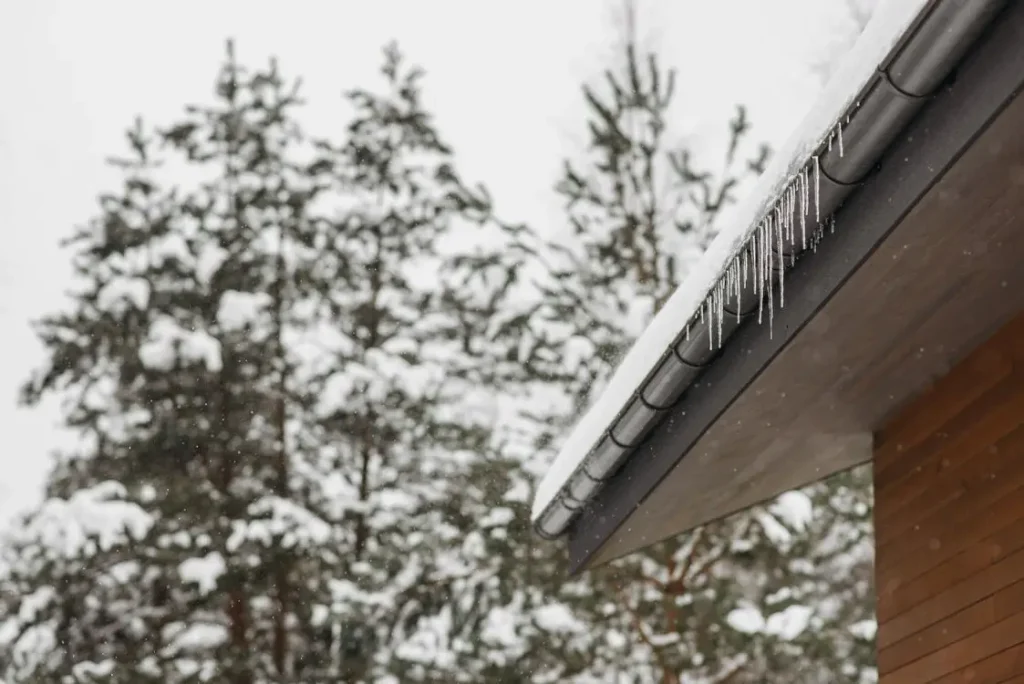
If you notice any signs that your roof may need repairs, like missing shingles, loose flashing, sagging gutters, ceiling stains, or ice building up along the edges, schedule an inspection before the next freeze-thaw cycle makes the problem worse.
Inspect Window Caulking for Gaps, Cracks, or Separation
Window caulking helps seal the space around the frame, but it wears down over time. Sun, wind, snow, and constant temperature changes can make it crack, shrink, or pull away. Once that happens, water from melting snow can slip into the gaps.
Check the lower corners, trim joints, and edges where the window meets the exterior wall. If the caulking has pulled away or cracked, resealing it before winter can help reduce the risk of moisture getting in and freezing inside the gap.
Clear Gutters Before Snow and Ice Build Up
Clogged gutters can cause more trouble than many homeowners expect. If melting snow cannot drain properly, water may collect along the roof edge and freeze again when temperatures drop. Over time, that can add stress to the gutters, fascia, shingles, and nearby siding.
Gutter cleaning is a practical step for ice dam prevention because it helps melting snow move off the roof instead of backing up along the eaves. Before winter, clear out debris and make sure each downspout drains freely. If you notice sagging sections or repeated overflow, those issues should be fixed before heavy snow arrives.
Direct Melting Snow Away From the Foundation
Your roof and gutters may be working properly, but the job is not finished if water drains straight down beside the foundation. Snow that melts too close to the foundation can soak into the surrounding soil. As that moisture freezes and thaws, it can add stress around basement walls and make small cracks harder to ignore.
To reduce this risk, make sure downspouts carry water several feet away from the house instead of emptying beside the foundation. Check that the soil around the home slopes away from the walls, not toward them.
If water keeps pooling in the same spot after snow melts, that area may need extra soil, a downspout extension, or better drainage. It is also worth clearing snow away from basement windows and window wells so water has less of a chance to collect close to the home.
Check Foundation Cracks Before the Snow Melts
A small crack in the foundation may look harmless, but it is worth keeping an eye on before the ground gets wet. Snow melting too close to the house can add moisture around basement walls, especially if downspouts are short or the yard slopes toward the home.
Take photos of any cracks you notice so you have something to compare after winter. Pay attention to cracks that spread, darken, leak, or appear near damp spots inside the basement. If a crack changes or starts letting in water, it is better to have it looked at sooner rather than later.
Final Takeaways
Freeze-thaw damage usually starts small. A little water around a window frame, a loose piece of caulking, a clogged gutter, or a tiny foundation crack may not seem urgent at first. But when Edmonton’s weather keeps shifting between melting and freezing, those small weak spots can slowly become bigger problems.
The easiest way to protect your home is to deal with moisture before it becomes a bigger problem. Look over the windows, roof, gutters, downspouts, and foundation before winter sets in, after heavy snow, and again when the weather begins to warm. These quick checks can help you spot small changes before they turn into costly damage.