Colour is the First Thing People Notice
Cabinetry takes up a huge amount of visual space in kitchens, laundries, wardrobes, and built-in storage. Because of this, the colour and finish often set the tone for how the whole room feels at first glance.
That makes colour one of the most important decisions in a cabinetry refresh. The right choice can make a space feel calm, cohesive, and well resolved. The wrong one can make even a new renovation feel dated sooner than expected.
So how do you choose a cabinetry colour that feels current now, but still has the depth and flexibility to work in your home for years? Let’s look at some key considerations.
Some ‘safe’ Choices Date Faster
A lot of people default to white, grey, or basic timber because it feels like the least risky option. The assumption is that safe equals timeless.
But the truth is, some ‘safe’ choices date faster than you’d expect.
Cool greys, for example, can quickly feel tied to a specific trend. Bright, sharp whites can look amazing in a showroom. But at home, they can feel cold or harsh, especially if your floors or benchtops have warmer tones.
What tends to last isn’t necessarily the most neutral colour. It’s the colour that has a bit of softness and depth.
Here are a few examples of tones that usually age better:
- Warm whites – they’re softer and work with more materials than stark white
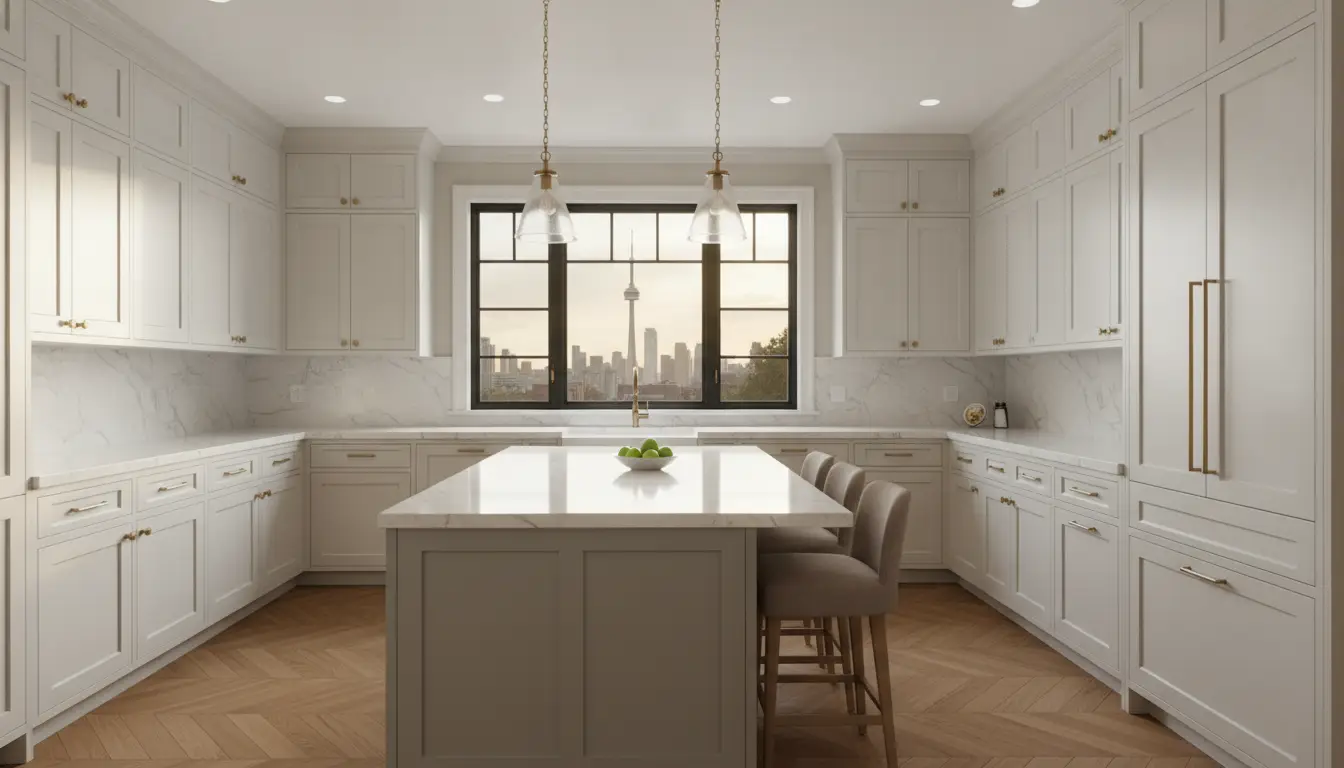
- Mushroom, taupe, or stone tones – more natural than flat grey
- Muted greens like sage or olive – colourful, but not loud
- Dusty blues – classic, calm, and less trend-driven
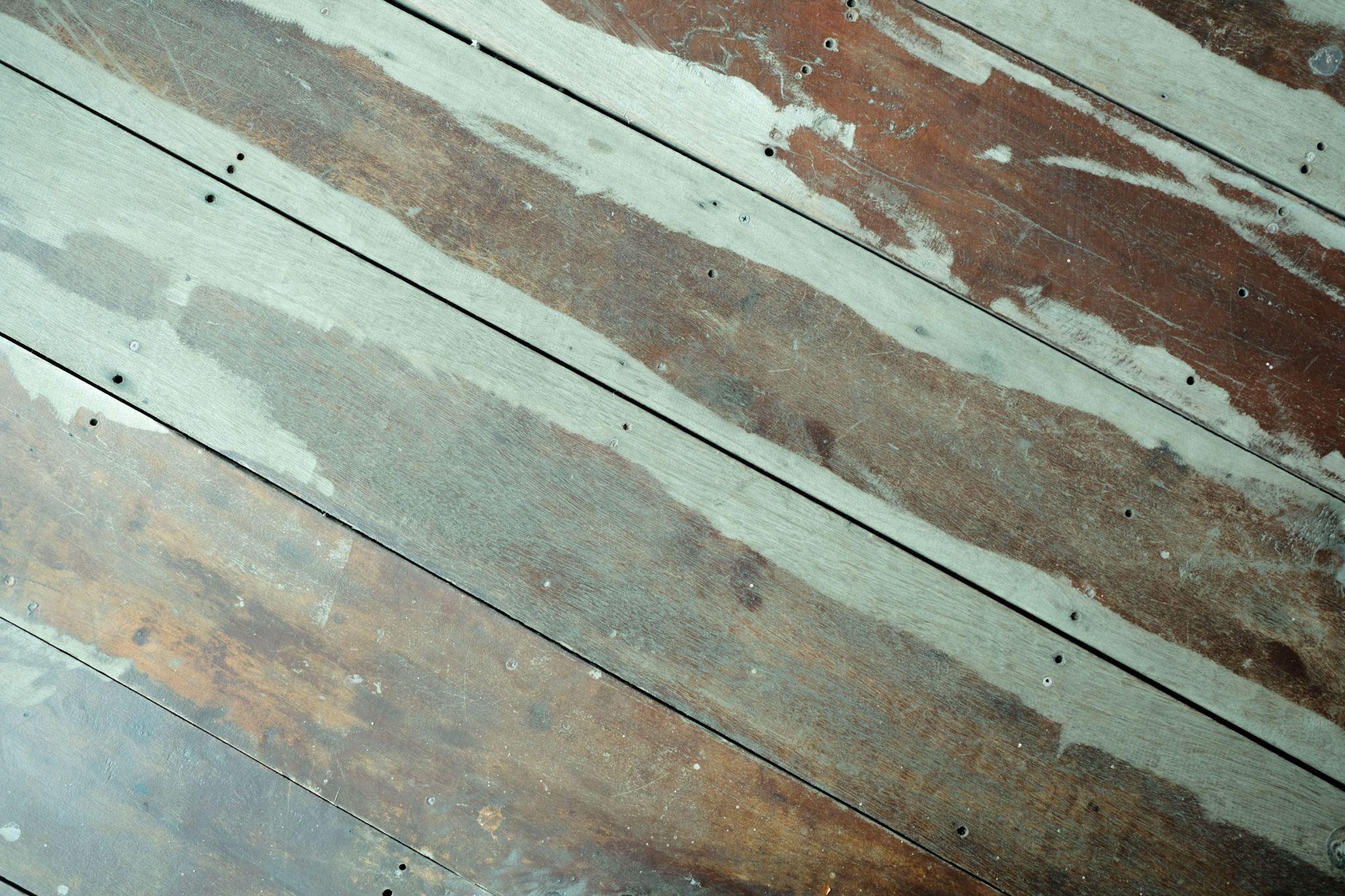
- Oak or walnut finishes – they usually age better than orange timber or glossy laminates
In general, cabinetry colours feel more timeless when they’re slightly muted and grounded — not overly crisp, shiny, or high-contrast.
Choose Colours that Belong to The Architecture
Cabinetry colour shouldn’t be chosen in isolation. A finish can look perfect on a sample board, then feel completely different once it’s placed in a real room with existing materials, lighting, and architectural features.
Before choosing a cabinetry colour, take stock of what’s already fixed in your home. These elements usually determine what will feel most natural long-term:
- Flooring undertone
- Benchtop colour
- Splashback material
- Wall paint colour
- Hardware finish
- Amount and direction of natural light
- Overall home style
When these factors are considered together, your colour decisions become more grounded.
For instance, homes with warm flooring and natural timber tones often feel more cohesive with warm whites, beige, clay, oak, or muted greens. Meanwhile, spaces with stone, concrete, or black accents can support cooler neutrals, deeper tones, and more restrained palettes.
The aim isn’t to match everything exactly. It’s to make sure the cabinetry speaks the same visual language as the rest of the home.
Timeless colour choices are rarely the loudest option. They’re the ones that feel like they were always meant to be there.
Bold Colours can Still be Timeless (if You Choose the Right Kind)
Bold Cabinetry Doesn’t Automatically Mean Short-Lived Design. when Handled Well, Stronger Colours can Feel Just as Timeless as Neutrals.
Examples of Bold Finishes that Tend to Last:
- Deep Green
- Navy
- Charcoal
- Burgundy-Brown
- Muted Terracotta
- Rich Timber Veneer Finishes
These Work Because They Have Depth without Relying on Novelty. In Contrast, Colours that Lean Too Far Into Trends Like Neons, Ultra-Pastels, or Very Specific ‘moment’ Shades Tend to Date Faster.
The Finish Matters Just as Much as The Colour
The Same Colour can Look Completely Different Depending on The Finish. Light Reflection, Texture, and Day-to-Day Wear All Change how Cabinetry Reads.
Matte Finish
Matte Finishes Create a Softer, More Contemporary Look. They Absorb Light, Helping Cabinetry Feel More Architectural and Understated.
Wood Grain Finish
Woodgrain Finishes Add Variation, Warmth, and Depth, Making Large Cabinetry Runs Feel Less Flat.
Satin Finish
Satin Finishes Sit in The Middle — Subtle Sheen, Practical for Everyday Use, and Generally Easy to Live with.
High Gloss Finish
High-Gloss Finishes Create a Polished, Reflective Look. They do Tend to Show Fingerprints and Surface Marks More Easily, so They are Best Chosen with The Room’s Use, Lighting, and Maintenance Needs in Mind.
In High-Use Areas, the Finish Needs to do More than Look Good. Think About how it Will Hold up to Daily Cleaning, Fingerprints, Surface Marks, and Changing Light Throughout the Day.
Always Test Samples in The Real Space
Cabinetry Colours Shouldn’t be Chosen from Photos or Small Flat Samples Alone. Where Possible, View Samples Vertically, the Way Cabinet Doors Actually Sit, Because Colours and Finishes can Respond Very Differently to Light in that Position.
It’s Also Worth Checking Samples at Different Times of Day — Morning, Afternoon and Evening — and Under Both Warm and Cool Artificial Lighting. A Colour that Feels Soft and Balanced in One Light can Look Much Cooler, Warmer or Heavier in Another.
You can Also Place Samples Next to The Materials You Already Live with, Including Your Flooring, Benchtops, Wall Paint, and Nearby Furniture. This is Especially Helpful in Open-Plan Spaces, Where the Cabinetry Needs to Sit Comfortably with Everything Around it.
A Finish that Looks Perfect on Screen or in a Showroom can Feel Quite Different Once it is Inside Your Home. Taking the Time to Test it Properly can Help You Choose a Colour You’ll Feel Good About Long After the Renovation is Finished.
More Choice Makes Better Colour Decisions Possible
Choosing Cabinetry Colour is Easier when You’re Not Forced to Work Within a Narrow Set of Standard Finishes.
After You Have Considered the Flooring, Benchtops, Lighting, Architecture and The Way the Room is Used, the Right Finish May be Quite Specific. It Might Need to be a Warmer White Rather than a Sharp White, a Muted Green Rather than a Brighter Green, or a Timber Finish with The Right Depth and Undertone for The Rest of The Home.
This is Where a Broader Range of Cabinetry Fronts can Make a Real Difference. More Choice Gives You the Ability to Refine the Colour, Texture, Profile and Material, Instead of Settling for The Closest Available Option.
For Example, Fliplab offers Australian-Made Doors, Drawer Fronts and Panels with Hundreds of Colours, Finish and Profile Options, Giving Homeowners More Room to Choose a Finish that Suits Their Space Properly.
That Flexibility Matters Because Colour Longevity is Rarely About Finding One Perfect Shade. It’s About Having Enough Control to Choose Cabinetry Finishes that Work with Your Home as a Whole.
Final Thought: Choose Colour with Confidence, Not Fear
Timeless Cabinetry Isn’t About Avoiding Colour. It’s About Choosing Finishes that Suit the Architecture, Lighting, Materials, and Daily Use of The Space.
When colour decisions are grounded in the home itself, they feel natural — and they stay that way.