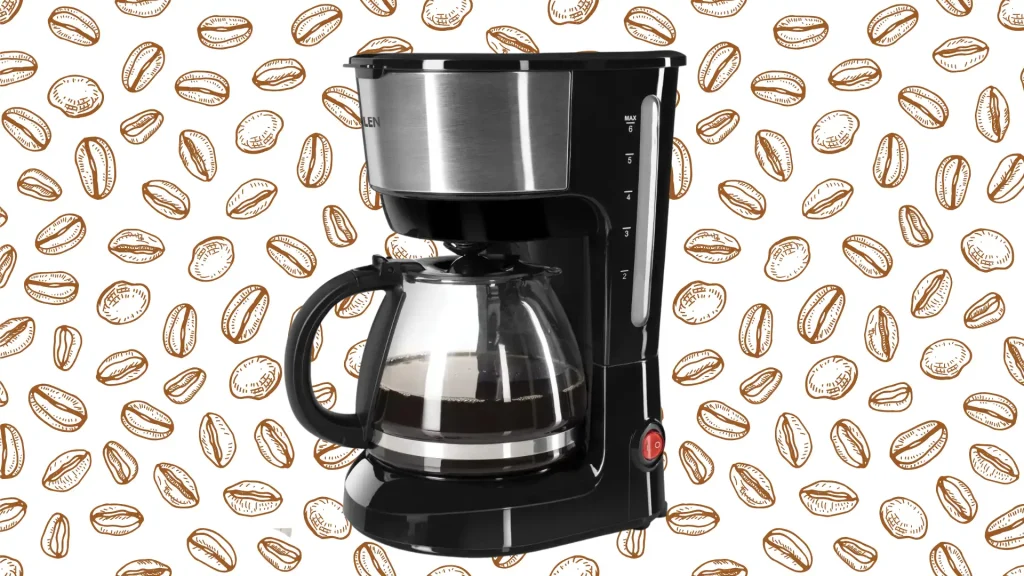
Coffee is a vital fuel for many people that keeps them up and running, shaking off the laziness, basically, a lifesaver.
But the one that provides the lifesaver, the coffee machine, often remains unclean.
Not anymore. All it takes is a quick fix. Learn how to clean a coffee maker with vinegar in the easiest way possible.
Why Does Vinegar Work So Well for Coffee Maker Cleaning?
The reason vinegar is the perfect choice for cleaning a coffee maker is that it is a mild acid, which makes it effective at cutting through the gunk inside.
That gunk, commonly known as the limescale, is minerals from your tap water that build up inside the machine.
It clogs the tubes and slows down the brewing process.
White vinegar breaks down that buildup fast. And not just that, it also kills bacteria and mold that grow in damp, dark spaces.
How to Clean a Coffee Maker With Vinegar?
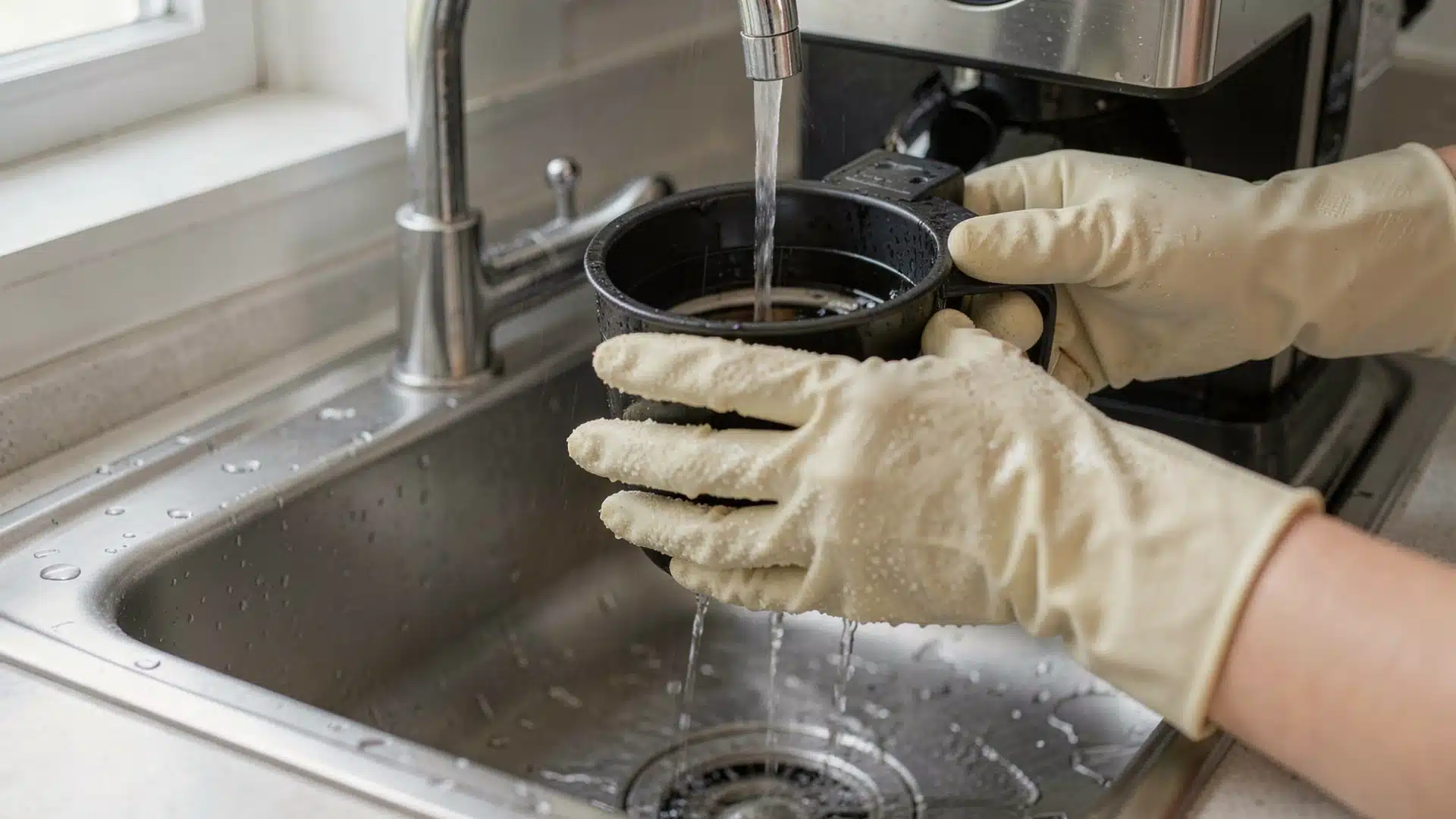
Honestly, cleaning your coffee maker with vinegar is easier than making a cup of coffee.
All you need to do is remember a few easy steps, and your machine will feel brand new.
Step 1: Empty the Machine
Take out any used coffee grounds and old filters. Don’t leave any coffee residue behind.
After that, remove the carafe and rinse it quickly. Make sure the machine is completely empty before you start.
This step is an important base, as a clean starting point makes the whole process more effective.
Check the water reservoir too. Leftover water sitting in there can make the cleaning process less effective.
Step 2: Mix the Vinegar Solution
Fill the water reservoir with equal parts white vinegar and water.
A 1:1 ratio works best for regular cleaning. This mixture is strong enough to break down mineral buildup without damaging any internal parts of your machine.
Don’t use apple cider vinegar. It leaves behind a strong smell and residue, hence stick to plain white vinegar every time.
Step 3: Run the Brew Cycle
Pour the vinegar solution into the reservoir and start a regular brew cycle.
Let it run halfway through, then pause the machine, and then let it sit for 30 minutes. This gives the vinegar time to work inside.
The 30-minute pause is where the real cleaning happens. Don’t skip it. Letting the solution sit breaks down stubborn buildup much faster.
Step 4: Rinse the Machine
Once the brew cycle finishes, pour out the vinegar solution from the carafe.
Rinse the carafe and the filter basket with warm water, and wipe down the outside of the machine with a damp cloth too.
If your machine still smells like vinegar after rinsing, run a quick rinse cycle with just plain water before moving to the next step.
Step 5: Run a Fresh Water Cycle
At last, fill the reservoir with clean, plain water.
Run a full brew cycle from start to finish. This flushes out any leftover vinegar taste or smell. For best results, repeat this step twice before brewing your next cup.
With all that said and done, your coffee maker will look brand new. But the next step is as important as knowing how to clean your coffee maker with vinegar.
When Should You Clean Your Coffee Maker?
Knowing how often to clean the coffee maker is important, as it reduces the risk of hard-to-remove residue building up over time.
And to avoid that, you should clean your coffee maker with vinegar at least once a month.
If you brew multiple cups every day, clean it every two weeks. Regular cleaning keeps the machine running well and your coffee tasting fresh.
For even better results, pair vinegar with a little baking soda.
Sprinkle it into the carafe before rinsing. It helps remove stains and neutralize lingering odors. And for the filter basket, a small drop of dish soap works well for cleaning.
Wipe down the warming plate after every use. Coffee stains bake onto it quickly and get harder to remove over time.
Vinegar Isn’t Your Only Option: Other Ways to Clean a Coffee Maker
If you have no vinegar at home and don’t want to run to the grocery store, don’t worry.
Lucky for you, there are other alternatives to vinegar that do the job well enough for the time being.
1. Baking Soda
Mix one tablespoon of baking soda with a full cup of warm water, pour it into the reservoir, and run a brew cycle.
It removes stains, fights odors, and leaves your machine smelling clean and fresh afterward.
2. Lemon Juice
Mix equal parts lemon juice and water, and run it through a full brew cycle just like you would with vinegar.
It breaks down mineral buildup naturally and leaves a light, fresh scent behind.
3. Dish Soap
Add a small drop of dish soap to warm water. Use it to hand wash the carafe, filter basket, and lid. It quickly cuts through oily residue and coffee stains.
4. Descaling Tablets
Drop one tablet into the water reservoir and fill it with water. Then, run a full brew cycle. These tablets are made specifically for coffee machines.
They break down limescale fast and are a great option for heavy buildup.
Final Thoughts
And that’s how easy the answer was to the question of how to clean a coffee maker with vinegar.
Remember to run the full brew cycle, pause for 30 minutes, and always finish with a fresh water cycle. As simple as that.
And remember to do this at least once a month for best results.
If you don’t have vinegar, baking soda, lemon juice, dish soap, or descaling tablets, they work well too.
With just that, what you’ll have is a brand-new-looking coffee maker ready to brew your next life-saving cup.
Frequently Asked Questions (FAQs)
1. Do You Run Straight Vinegar Through a Coffee Maker?
No. Always mix equal parts white vinegar and water. Running straight vinegar is too strong.
2. Is Cleaning Vinegar the Same as White Vinegar?
No. Cleaning vinegar is slightly stronger than white vinegar. White vinegar is safe for coffee makers.
3. Which is the Stronger Vinegar for Cleaning?
Cleaning vinegar is stronger. It has about 6% acidity compared to white vinegar’s 5%. For coffee makers, white vinegar is the safer and better choice.