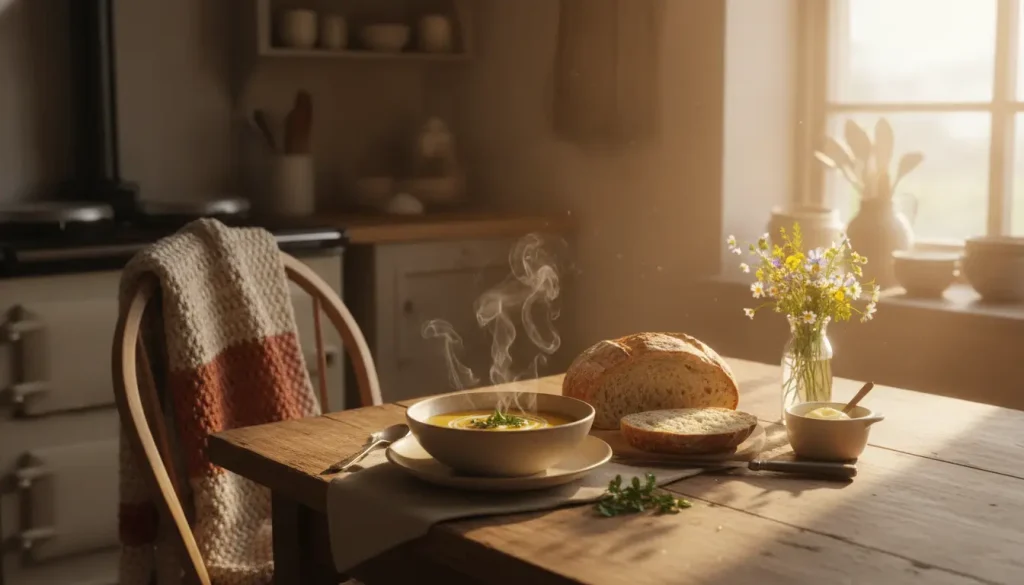
There is something timeless about showing up with food when someone is hurting. A casserole on the porch, a pot of soup warming on the stove, or a loaf of fresh bread wrapped in a dish towel can say what words often cannot. It feels personal, useful, and deeply comforting.
The trouble is, families are more spread out than ever. Parents move closer to sunshine, adult children settle near new jobs, siblings live several states apart, and close friends may be hours away. When grief, illness, or a hard season arrives, the heart may want to drive over with a homemade meal, yet real life does not always allow it.
That does not mean hospitality has to stop at the edge of town. It simply needs a modern form.
The Heart Behind a Homemade Meal
Traditional hospitality has never been about perfect recipes or spotless kitchens. At its best, it is about noticing a need and meeting it with care. A neighbor drops off dinner after surgery. A church friend brings muffins before a funeral. A sister restocks the fridge after a new baby comes home.
Food works so well in these moments since it handles a basic need with tenderness. When someone is grieving or overwhelmed, even simple choices can feel heavy. A warm meal removes one small burden from the day.
For loved ones who live nearby, the old way still works beautifully. For loved ones far away, that same instinct can feel harder to act on.
A carefully chosen sympathy care package can convey the same message from miles away: someone is thinking of you, dinner is taken care of, and comfort is close.
The beauty of this kind of gift is that it does not try to replace your presence. It represents it. It turns an old custom into something that fits the way families live now.
How to Send Comfort When You Cannot Be There
Long-distance care works best when it feels specific, gentle, and easy to receive. In hard seasons, people may not have the energy to answer questions like, “What do you need?” A better approach is to offer something simple and complete.
A comforting food gift should feel like a meal, not another task. Soup, rolls, cookies, tea, or other soothing staples can bring the feeling of a kitchen table without asking the recipient to shop, cook, or plan. Choose familiar flavors when possible. This is not the moment to impress someone with something unusual. It is the moment to send warmth.
Packaging matters too. A gift that arrives neatly packed and ready to enjoy feels cared for at first glance. Small details, such as a personal note or simple serving instructions, help the gesture feel less like a delivery and more like a visit.
The message should be just as thoughtful as the gift. Short and sincere is often best. Try something like, “Sending love and a warm meal for the days ahead,” or “No need to reply, just know you are loved.” This gives comfort without creating pressure.
Timing can also make the gesture more meaningful. Many people receive attention right after a loss, then the house grows quiet. Sending food a week or two later can be deeply touching. It says the person has not been forgotten after the first wave of support has passed.
For a family member who lives several hours away, this kind of hospitality can become part of a larger care rhythm. Send a meal, make a quiet phone call, mail a handwritten card, then check in again later. None of these gestures has to be grand. Together, they create steadiness.
Small Details That Make a Care Gift Feel Like Home
A good care package does more than fill the fridge. It creates a feeling. That feeling can be shaped through simple choices that mirror the comfort of home.
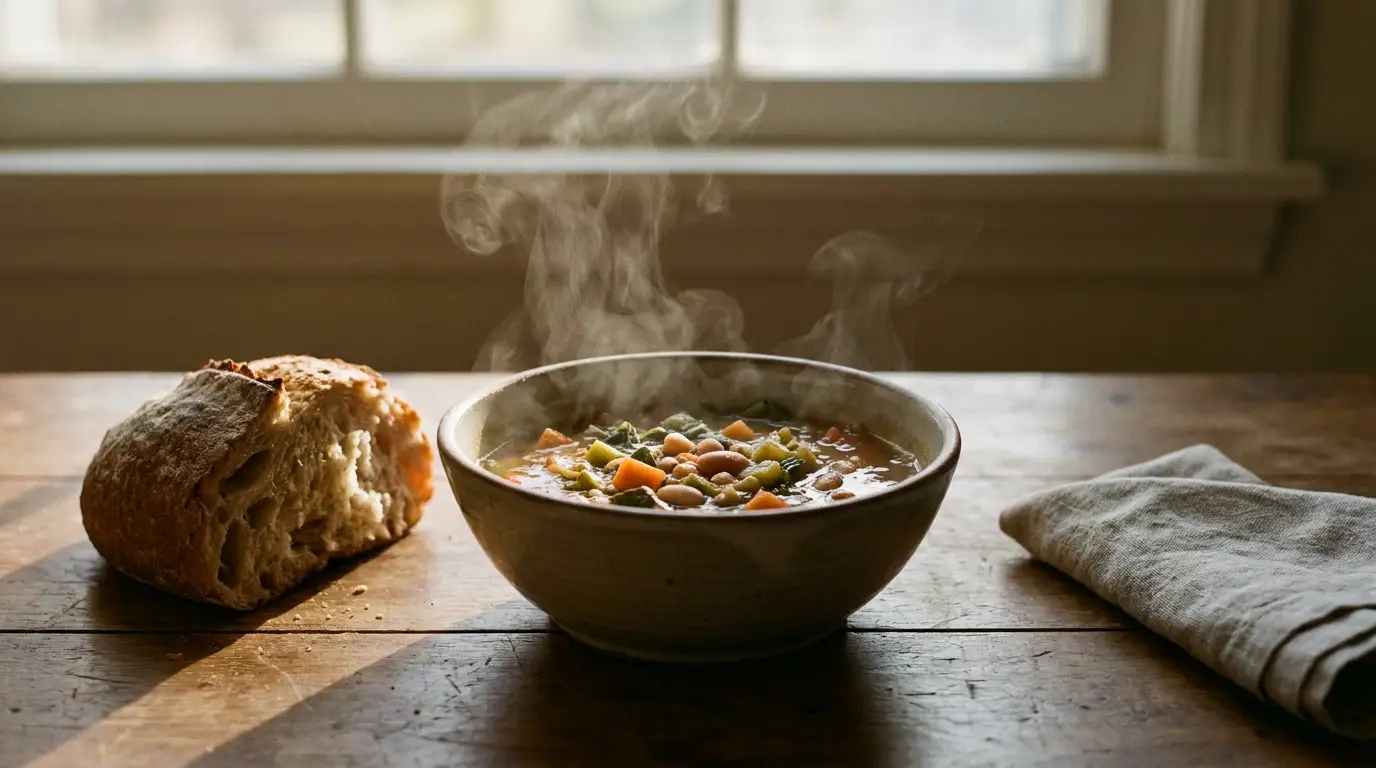
Start with warmth. Soup is a natural choice since it feels familiar, soothing, and easy to serve. It works for one person eating alone at the kitchen counter. It also works for a family gathered around the table after a long day. Pairing it with bread or a small treat makes the meal feel complete.
Think about the household too. A widow may appreciate single-serving ease. A family with children may need enough to share. An older parent may prefer classic flavors. A friend who is exhausted may value food that can be frozen and saved for later.
Then add a personal touch. Mention a memory, a favorite saying, or a simple line that sounds like you. The gift may be ordered online, but the care behind it should feel close.
It also helps to avoid making the recipient manage your emotions. Rather than saying, “Tell me what I can do,” send something useful and leave the door open. A note can say, “This is one small way to help today. More love is coming.” That makes the support feel steady, not demanding.
A food gift can comfort someone recovering from surgery, moving into a new home, or caring for a sick spouse. It also helps those facing a stressful season. Classic hospitality is not limited to one kind of hardship. It belongs anywhere people need to feel held.
A New Way to Keep Old Hospitality Alive
The most meaningful traditions are the ones that can grow without losing their heart. Bringing food to someone in need will always be one of the clearest ways to show love. Distance may change the delivery, but it does not change the message.
When a homemade meal is not possible, a curated care package can still feel personal, useful, and warm. It can bring comfort to a quiet house, ease one part of a hard day, and remind someone that they are not facing life alone.
That is the real gift of hospitality. It is not about being nearby every time. It is about finding a way to make someone feel at home, even when they are hours away.