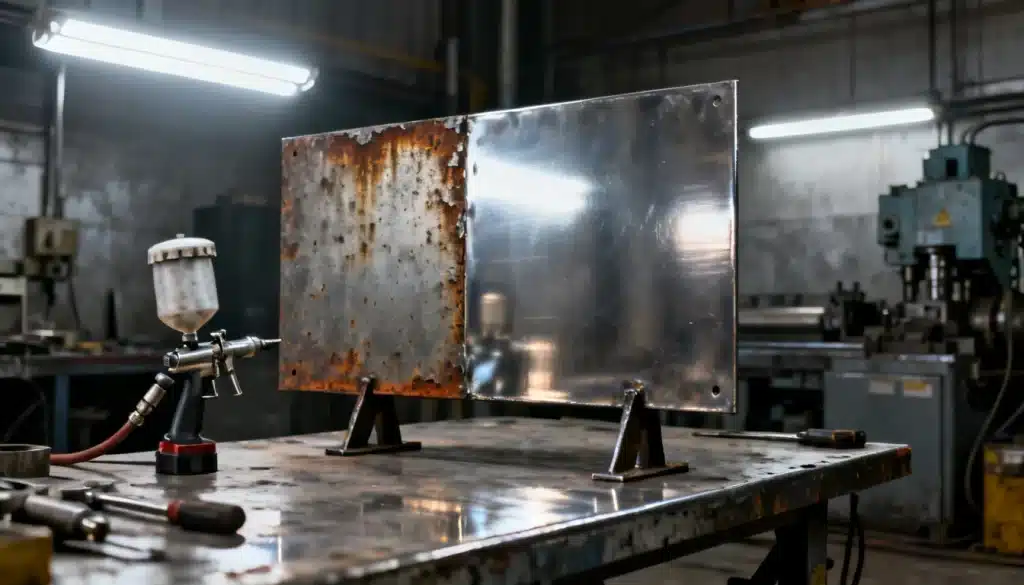
Metal surfaces are exposed to moisture, corrosion, chemicals, and everyday wear.
Direct-to-metal (DTM) coatings provide protection without always requiring a separate primer, helping save time during application.
They are commonly used on structural steel, machinery, industrial equipment, fences, and other metal surfaces.
Understanding how DTM coatings work, their benefits, and their applications can help you choose the right coating for long-lasting metal protection.
What are Direct-to-Metal Coatings?
Direct-to-metal (DTM) coatings are applied directly to properly prepared metal surfaces.
In many cases, they do not require a separate primer.
They protect metal from rust, corrosion, moisture, and everyday wear while providing a durable finish.
DTM coatings are used on steel, iron, aluminum, and other metal surfaces in residential, commercial, and industrial settings.
Applying a single coating system can reduce application time and simplify many metal coating projects. It also improves surface durability and provides a smooth finish.
Key Benefits of Direct-to-Metal Coatings
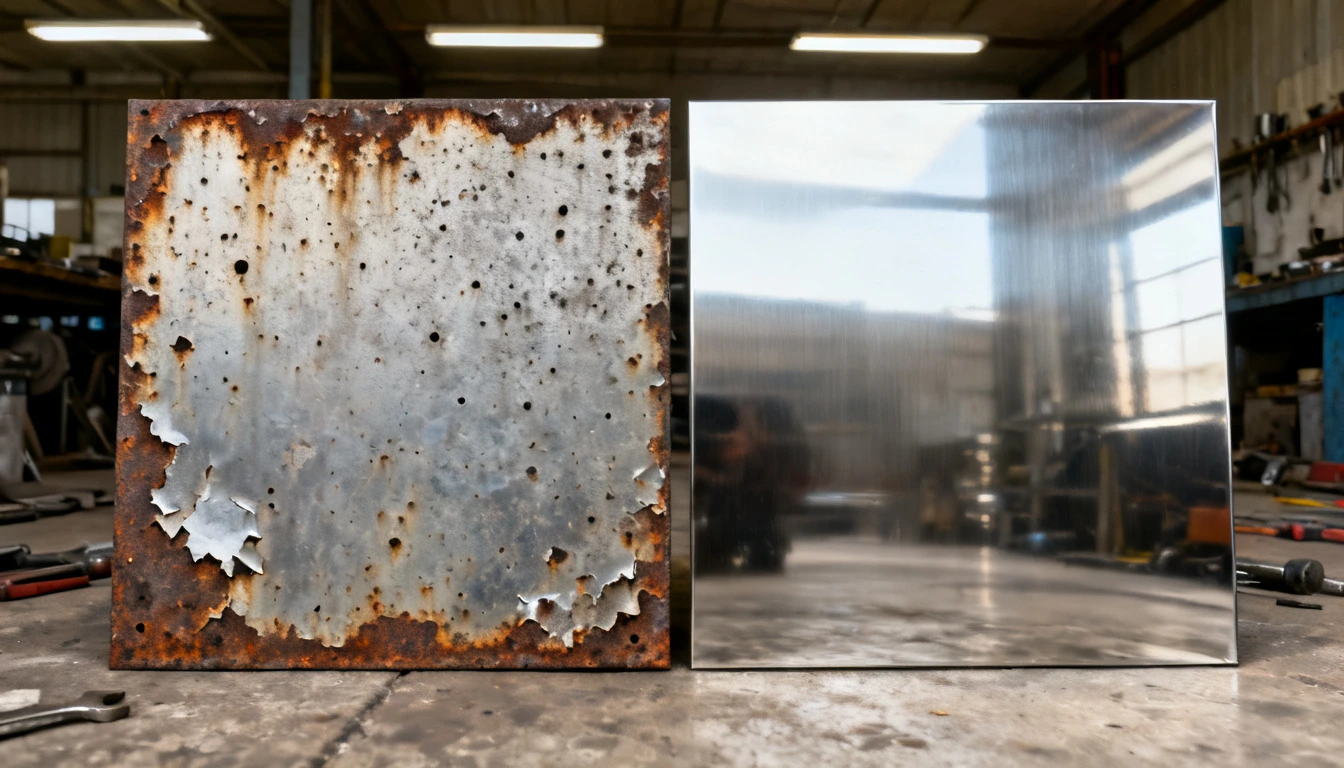
Direct-to-metal offers strong adhesion, long-lasting durability, and reliable performance in different environments.
These advantages make them a practical choice for many residential, commercial, and industrial applications.
1. Excellent Corrosion Protection
DTM coatings form a protective barrier over the metal surface. This barrier reduces exposure to moisture, humidity, and other elements that cause rust and corrosion.
The added protection extends the service life of metal structures and equipment.
2. Faster Application
Many DTM coatings do not require a separate primer when applied to properly prepared metal.
Fewer coating steps save time and allow projects to be completed more quickly. This also reduces labor requirements for many applications.
3. Strong Adhesion
DTM coatings bond firmly to clean, properly prepared metal surfaces. Strong adhesion reduces peeling, cracking, and flaking over time.
It also improves coating performance in demanding indoor and outdoor environments.
4. Long-Lasting Durability
These coatings resist scratches, impact, sunlight, moisture, and everyday wear.
Their durable finish protects the metal surface and reduces the need for frequent recoating or repairs.
5. Lower Maintenance Requirements
Protected metal surfaces require fewer touch-ups and repairs over time.
Lower maintenance helps reduce costs, minimize downtime, and keep equipment and structures in good condition for longer.
Types of Direct-to-Metal Coatings
Direct-to-metal (DTM) coatings are designed for various surfaces and operating conditions.
Each type offers different levels of durability, weather resistance, and chemical protection.
Choosing the right coating depends on where the metal will be used and the type of protection it requires.
Acrylic Coatings
Acrylic coatings dry quickly and resist sunlight, moisture, and weather. They also retain color well over time.
These coatings are often used on fences, railings, outdoor equipment, and light industrial metal surfaces.
Epoxy Coatings
Epoxy DTM coatings bond strongly to metal and resist chemicals, moisture, and abrasion.
They are suitable for industrial machinery, storage tanks, pipelines, and other metal surfaces exposed to demanding working conditions.
Alkyd Coatings
Alkyd DTM coatings offer a smooth finish and reliable corrosion resistance.
They are a practical choice for maintenance work, agricultural equipment, indoor metal surfaces, and general-purpose coating projects.
Polyurethane Coatings
Polyurethane DTM coatings resist sunlight, weather, and everyday wear. They also maintain their color and finish for longer periods.
These coatings are often applied to structural steel, commercial buildings, and outdoor equipment.
Where are Direct-to-Metal Coatings Used?
Direct-to-metal (DTM) coatings are used on many metal surfaces. They protect against rust, moisture, and everyday wear.
Common applications include:
Industrial Equipment
Manufacturing machines and production tools use DTM coatings. The coating reduces rust and improves equipment durability.
Structural Steel
Steel beams, columns, and bridges use DTM coatings. They improve corrosion resistance and extend the life of metal structures.
Agricultural Equipment
Tractors, trailers, and plows use DTM coatings. They reduce rust caused by moisture, dirt, and outdoor conditions.
Fences and Railings
Metal fences, gates, and railings use DTM coatings. The finish improves weather resistance and protects the surface.
Storage Tanks and Pipelines
Steel beams, columns, and bridges use DTM coatings. The coating reduces corrosion caused by moisture, chemicals, and temperature changes.
Metal Buildings
Warehouses, workshops, and metal buildings use DTM coatings. They provide long-lasting protection against outdoor exposure.
Marine Equipment
Marine structures and metal components use DTM coatings. They resist salt, moisture, and harsh coastal weather.
Utility and Infrastructure
Utility poles and transmission towers use DTM coatings. The coating improves durability and reduces corrosion outdoors.
Direct-to-Metal Coatings vs Traditional Metal Coatings
Direct-to-metal (DTM) coatings and traditional coating systems both protect metal surfaces, but they are applied differently.
DTM coatings often do not require a separate primer, while traditional systems usually do.
| Feature | Direct-to-Metal Coatings | Traditional Metal Coatings |
|---|---|---|
| Primer | Often applied directly to prepared metal without a separate primer. | Usually requires a primer before the topcoat. |
| Application Time | Faster because fewer coating steps are needed. | Longer due to separate primer and topcoat applications. |
| Project Cost | Lower labor and application costs in many projects. | Higher costs because of additional materials and labor. |
| Surface Protection | Protects metal and provides a durable finish in one system. | Protection depends on both the primer and topcoat. |
| Best Applications | Maintenance projects, structural steel, industrial equipment, and outdoor metal. | Multi-coat systems and projects with specialized performance requirements. |
How to Choose the Right Protective Metal Coating?
It depends on the metal surface, working conditions, and the required level of protection.
Comparing a few important factors can help you choose a coating that performs well and lasts longer.
1. Consider the Environment
Choose a coating based on where the metal will be used. Outdoor surfaces need weather resistance, while indoor areas may require protection from moisture or chemicals.
2. Check the Metal Surface
Inspect the metal before applying the coating. A clean, properly prepared surface improves adhesion and helps the coating last longer.
3. Match the Project Requirements
Different projects need different coatings. Select one that suits machinery, structural steel, fences, pipelines, or other metal surfaces.
4. Consider Maintenance Needs
Choose a durable coating if you want fewer repairs and touch-ups. Good resistance to rust and weather can reduce maintenance over time.
Conclusion
Direct-to-metal coatings protect metal surfaces from rust, corrosion, moisture, and everyday wear.
Different coating types are available for residential, commercial, and industrial applications.
Choosing the right coating and properly preparing the surface improve adhesion, durability, and long-term performance.
A suitable DTM coating can also reduce maintenance and help extend the service life of metal surfaces.
Frequently Asked Questions (FAQs)
1. Can Direct-To-Metal Coatings Be Painted Over?
Yes, if the existing coating is clean, stable, and properly prepared.
2. Are Direct-To-Metal Coatings Suitable for Galvanized Steel?
Yes, many formulations are designed for galvanized steel surfaces.
3. Are Direct-To-Metal Coatings Available in Different Colors?
Yes, they are available in many standard and custom colors.