Most home projects start with good intentions and a full toolbox. You patch, paint, and plan to sell for top dollar once the punch list is done. Then the list keeps growing, and the weekends run out.
At some point the repairs cost more than they return, and a polished listing stops making sense. When the fixes outrun your time and money, it can pay to sell house virginia beach cash buyers will purchase as-is, skipping repairs and agent fees. This guide helps you decide when to keep swinging a hammer and when to hand over the keys.
How Do You Know When a Repair Is Too Big to DIY?
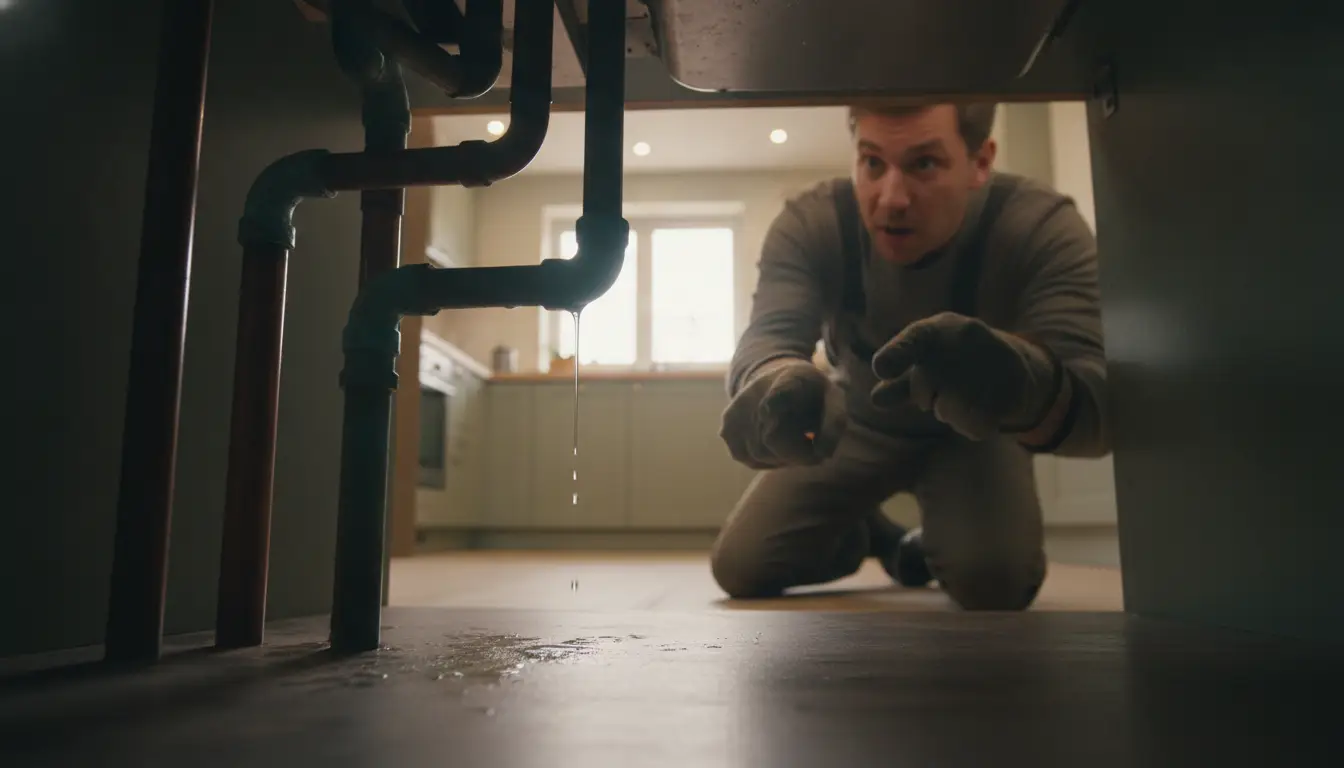
A repair moves past DIY when it touches safety, permits, or the systems behind your walls. Cosmetic work is fair game, but structural, electrical, and plumbing jobs usually need a licensed pro.
Start with a simple test. If a mistake could hurt someone, flood a room, or fail an inspection, hire it out.
Cost is the next signal. A good rule is to stop when a project would run past a few hundred dollars in tools you will use once.
Watch for hidden damage too. Water stains, soft floors, and cracked foundations often mean the real problem sits out of view. Those repairs can climb into five figures fast, well beyond a weekend fix.
Time matters as much as skill. A pro may finish a roof in 2 days that would take you 3 weekends and a sore back.
Which Pre-Sale DIY Projects Actually Pay Off?

The best DIY projects are cheap, visible, and quick. Focus on clean surfaces and curb appeal, not big remodels that you may never earn back. Smart renovation upgrades return more than costly overhauls.
Here is a practical order to work through before you list:
- Deep clean every room, including windows, baseboards, and light fixtures.
- Declutter and remove about half your stuff so rooms look larger.
- Touch up paint in a neutral color to brighten tired walls.
- Fix leaky faucets, loose handles, and squeaky doors in an afternoon.
- Boost curb appeal by mowing, mulching, and cleaning the front entry.
- Refresh the exterior, and learn the steps for painting a brick house if the facade looks dated.
Keep receipts for anything you replace. Buyers and appraisers like proof that recent work was done right.
When Does Selling a House As-Is Make More Sense?
Selling as-is wins when repairs cost more than they return, or when speed matters more than price. As-is means you sell the home in its current state and make no repairs before closing.
This route fits several situations. An inherited home across the state, a job move on a tight clock, or a place with major system failures all point the same way.
The math often surprises people. A cash, as-is sale skips agent commissions, staging, and repair bills. The headline price is lower, but the net gap is smaller than it looks once those costs come out.
An appraisal helps you see the real number. The Consumer Financial Protection Bureau explains that a home appraisal is a written opinion of value based on the property and nearby sales. Compare that value, minus repair costs, against a firm cash offer.
Speed carries its own value. A cash buyer can close in about 7 to 14 days, while a traditional sale often takes 30 to 60 days or more.
What Should You Fix Before Listing, and What Can You Skip?
Fix the cheap, visible items that scare buyers, and skip the big-ticket jobs a cash buyer will absorb. The table below sorts common tasks by whether they earn their keep before a standard sale.
|
Worth fixing before listing |
Usually safe to skip |
|
Leaky faucets and running toilets |
Full kitchen remodel |
|
Cracked or dirty caulk and grout |
Roof replacement |
|
Broken light bulbs and switch plates |
Foundation repair |
|
Chipped paint and scuffed walls |
Old but working HVAC |
|
Overgrown yard and dead plants |
Dated but functional bathrooms |
The skip column changes if you plan an as-is sale. In that case, you fix nothing and price the home for its condition.
One caution applies to every sale. Most states require you to disclose known defects, even on an as-is deal. Hiding a leak or a cracked slab can undo a closing and invite a lawsuit.
How Do You Prep a Fixer for a Fast Cash Sale?
Prep for a cash sale is light, since the buyer takes the home as it stands. Your job is to clear the space, gather your papers, and price it honestly. You are selling condition, not a showroom.
Start by clearing out personal items and trash. Empty rooms let a buyer or investor assess the structure quickly.
Pull your documents together next. Gather the deed, past tax bills, permits, and any repair records you kept. Clean paperwork speeds up closing and builds trust with a serious buyer.
Understand the tax side before you sign. The IRS notes that a seller may exclude up to $250,000 of gain on a sale of your home, or $500,000 for a married couple filing jointly. You generally must have owned and lived there for 24 months of the last 5 years.
Get more than one offer when you can. Compare each cash number against your as-is value and your timeline.
The Short Version
- DIY the cosmetic, low-risk work; hire out anything structural, electrical, or plumbing.
- Cheap, visible fixes like cleaning, paint, and curb appeal return the most before a sale.
- Selling as-is wins when repairs cost more than they return or speed matters most.
- Compare your appraised value, minus repair costs, against any cash offer on the table.
- Disclose known defects on every sale, including an as-is deal, to protect the closing.
Picking the Path That Fits Your House
The right choice comes down to your home, your budget, and your calendar. If the fixes are small and you have time, a few DIY weekends can lift your price. If the repairs are big or the clock is short, a clean as-is sale ends the stress fast. Add up the real cost of holding and fixing, then choose the path that lets you move on.
Frequently Asked Questions
Will I lose a lot of money selling my house as-is?
Not as much as the sticker gap suggests. An as-is cash sale skips agent fees, repairs, and months of carrying costs. Once those come out, the net difference is often smaller than owners expect.
Which repairs should I never try to DIY before selling?
Leave structural, electrical, gas, and major plumbing work to licensed pros. A bad DIY fix on these can fail inspection, hurt someone, or force a costly redo. Cosmetic jobs are the safe place to save money.
Do I have to tell buyers about problems in an as-is sale?
Yes, in most states. As-is means you make no repairs, not that you can hide known defects. Disclose leaks, damage, and system issues in writing to keep the sale legal.
How fast can a cash sale actually close?
Often within 7 to 14 days once you accept an offer. Cash buyers skip lender approval and appraisals that slow a traditional sale. A clean title and ready paperwork keep the timeline short.