That leftover gallon of interior paint in your garage isn’t cheap to waste. Maybe your porch needs a touch-up, or a fence panel got scratched.
So you eye that half-used bucket of wall paint and wonder if it could just do the job outside. It seems like a simple fix, and the color already matches.
But before you grab that brush, it’s worth asking: can you use interior paint on the exterior without regretting it later? The answer isn’t as simple as swapping one can for another, and it’s worth knowing what you’re risking first.
Can You Use Interior Paint Outside?
No, you shouldn’t use interior paint outside. This is a home maintenance decision that affects safety and property value, so it deserves a straight answer, not a maybe.
Interior paint just isn’t built to handle sun, rain, or temperature swings. It’s made for stable indoor walls, not surfaces that face weather every day.
If you use it outside anyway, it will fail faster than exterior paint, and you’ll likely end up repainting the same spot within a year or two, sometimes sooner
What Makes Interior and Exterior Paint Different?
The Interior vs. Exterior Paint difference comes down to simple things that interior paint simply does not have. Here is how the two formulas compare side by side:
| Feature | Interior Paint | Exterior Paint |
|---|---|---|
| Resin flexibility | Rigid, low movement | Stretches with temperature shifts |
| VOC levels | Lower, safer for closed rooms | Higher, needs ventilation |
| Stain resistance | Built for scuffs, fingerprints | Not a priority in the formula |
| Drying process | Cures fast in stable air | Cures slower, tuned for outdoor humidity |
| Sheen options | Matte to semi-gloss for walls | Often satin or gloss for runoff |
| Odor | Minimal, made for living spaces | Stronger, dissipates outdoors |
What Happens When You Use Interior Paint Outside?
When you use interior paint outside, the weather breaks down the paint film in predictable stages, starting at the surface and working down until the whole coat fails completely.
1. Peeling and Flaking
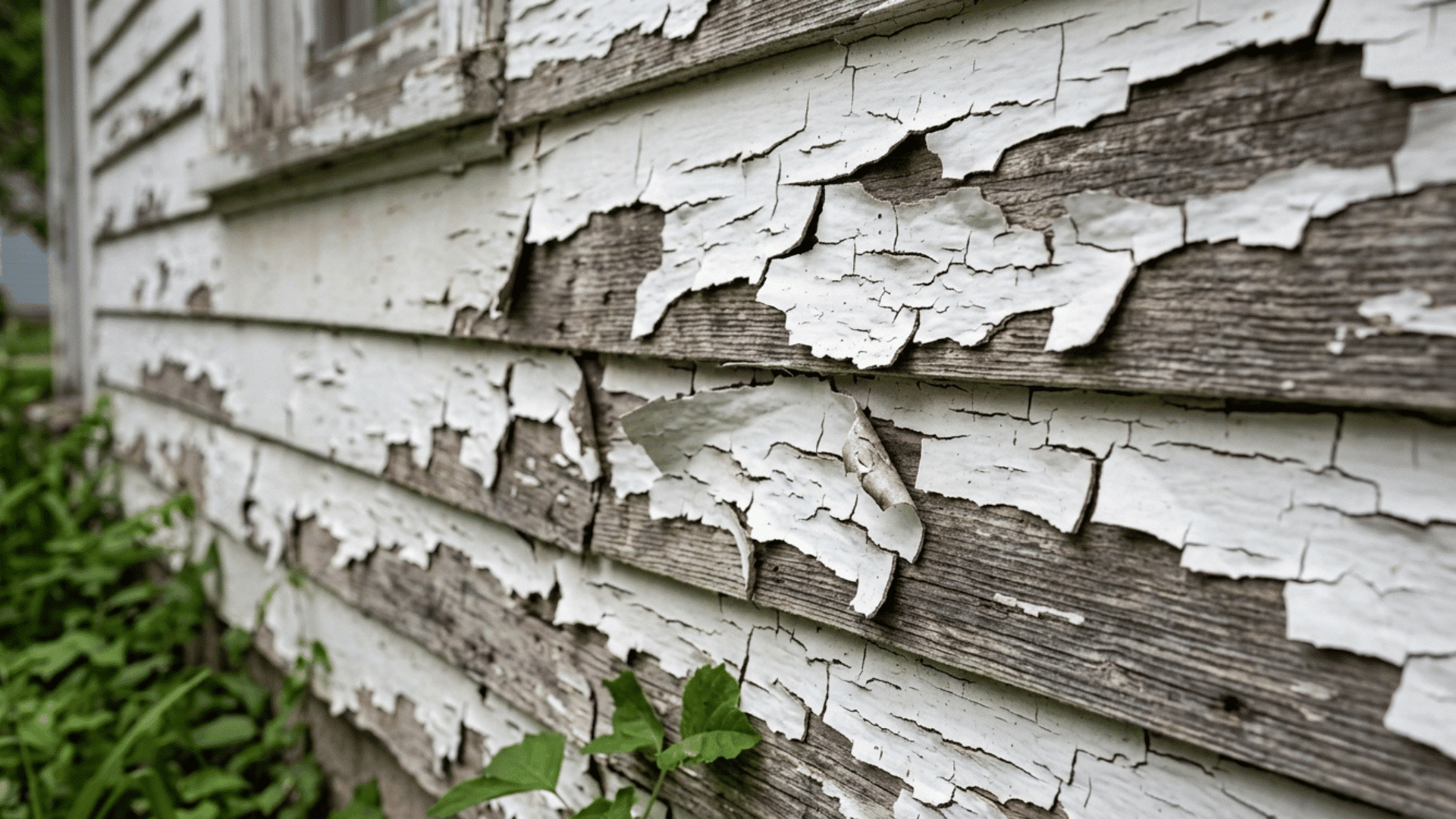
Wood and siding expand and shrink as outdoor temperatures rise and fall through the day.
Interior paint stays too rigid to move with that shift, so the film cracks along stressed edges and lifts away in strips within a few months of exposure. Corners, trim edges, and joints usually show damage first.
2. Bubbling and Blistering
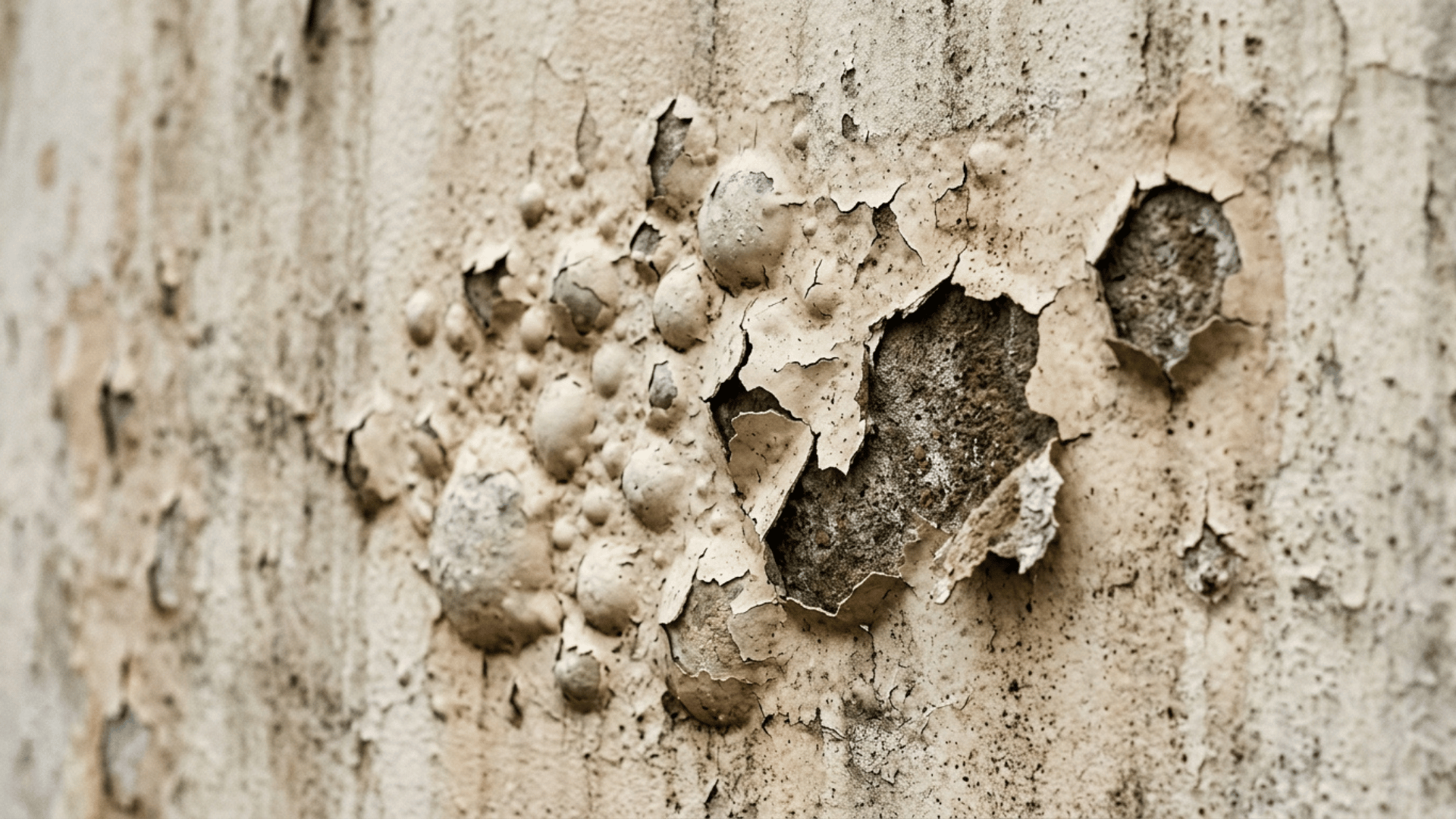
Rain and morning dew work their way into tiny gaps in the paint film over time.
That moisture gets trapped with nowhere to escape, so it pushes up from below and forms soft bubbles that eventually pop, leaving raw, exposed patches behind.
3. Fading and Chalking
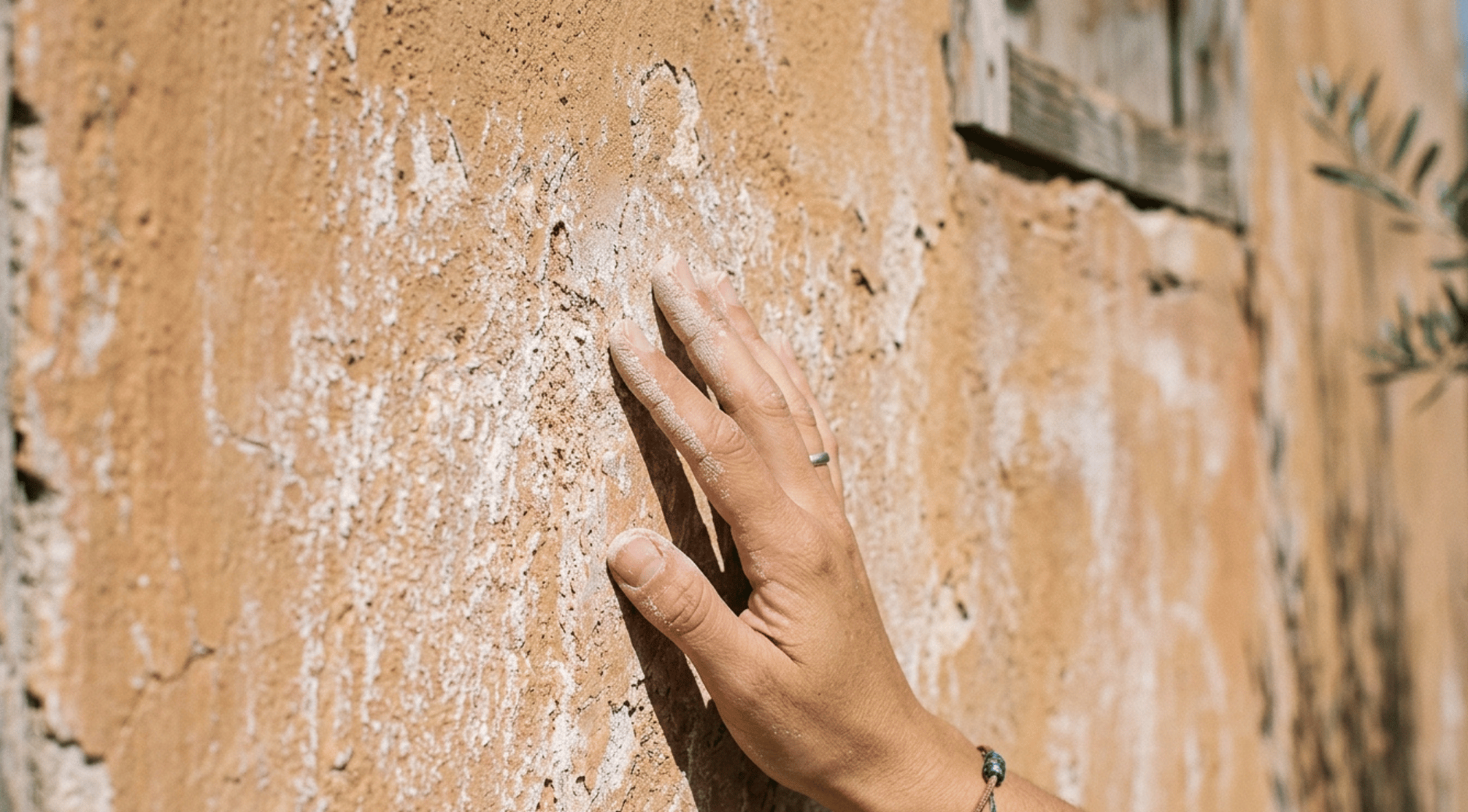
Direct sunlight breaks down the pigment binders that keep color locked in place.
Without UV blockers built into the formula, the surface turns dull within weeks and starts shedding a powdery residue that rubs off on your hand or clothing.
4. Mildew Staining
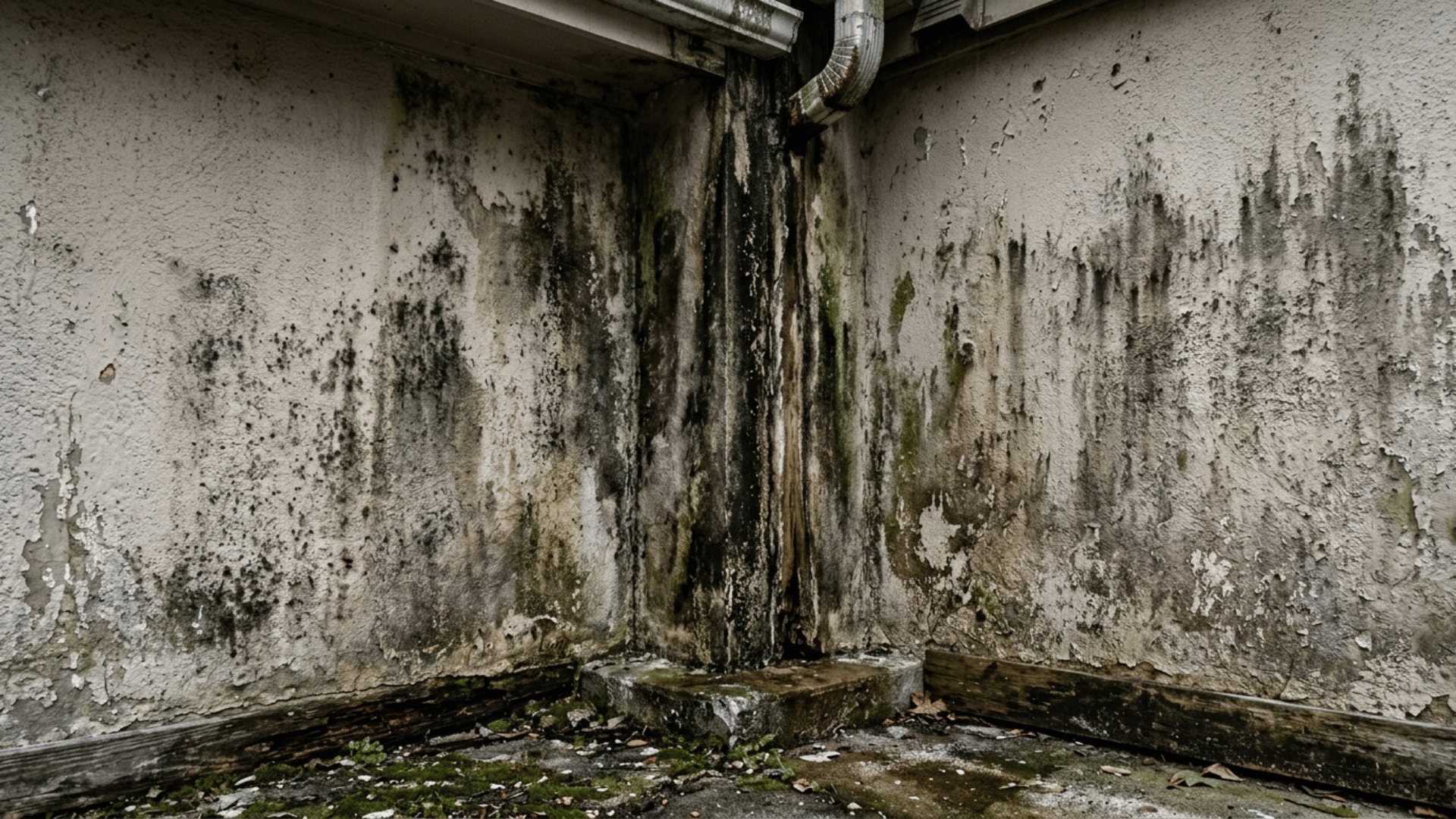
Shaded corners and covered areas stay damp longer after rain or heavy dew.
Interior paint contains far fewer mildew-fighting additives than exterior paint, so dark spots and streaks spread across them within a single season, especially on north-facing walls.
Are There Any Safe Exceptions?
A few situations carry less risk than a full exterior wall, though none of them make interior paint a real long-term fix for outdoor use.
- Covered Porches: Overhangs block rain and direct sun, so the paint faces far less punishment.
- Temporary Signs: Event props and seasonal decor come down before the weather does real damage.
- Occasional-Use Items: Stools or plant stands that mostly stay in a garage see limited exposure.
- Color Samples: A primed test board shows true color without risking your actual siding.
- Indoor Window Displays: Items placed behind glass receive sunlight while staying protected from rain, wind, and moisture.
- Short-Term Photo Props: Painted boards or backdrops used briefly do not need to withstand months of changing weather.
- Sheltered Wall Decor: Signs mounted under deep eaves or inside screened patios receive less direct exposure to outdoor conditions.
How to Minimize Damage if You Already Used It?
Check the painted surface first. Look for soft spots, cracks, or a chalky film, since these tell you whether the coat is already failing or still holding on.
If the paint looks intact, an exterior-grade primer can lock it down and improve adhesion before you add anything else.
Skipping this step usually means the next coat fails too, since it has nothing solid to grip.
Once the primer sets, apply a real exterior topcoat over it.
This gives you a weather-resistant layer on top while the original coat stays sealed underneath, buying you real time instead of a quick patch.
Suggested: Understanding which finish to choose for that exterior topcoat is just as important as choosing the right paint type. This guide to paint finish types breaks down when to use satin, semi-gloss, or flat for different outdoor surfaces.
Key Takeaways
Paint cans exist in two categories for a reason, and skipping that distinction costs more than it saves. A few dollars in savings now often turns into a full repaint bill later.
So can you use interior paint outside and get away with it? Only in narrow, low-stakes situations, never as a real substitute for the right product.
Buy exterior paint for exterior jobs from the start, and keep leftover interior cans for touch-ups indoors, where they actually belong and do their job well.
Frequently Asked Questions
Does Weather Affect Interior Paint Differently than Exterior Paint?
Yes, interior paint reacts poorly to rain, sun, and temperature swings since it lacks weatherproof additives, breaking down far faster outdoors than paint built for those conditions.
Can You Mix Interior and Exterior Paint Together?
No, mixing them weakens both formulas. The resins and additives don’t blend evenly, so you lose the durability of exterior paint and the smooth finish of interior paint.
Is It Ever Worth Testing Interior Paint Outside First?
If you’re only checking a color match on a scrap board, yes. But you shouldn’t use interior paint outside as a trial run directly on your actual siding or walls