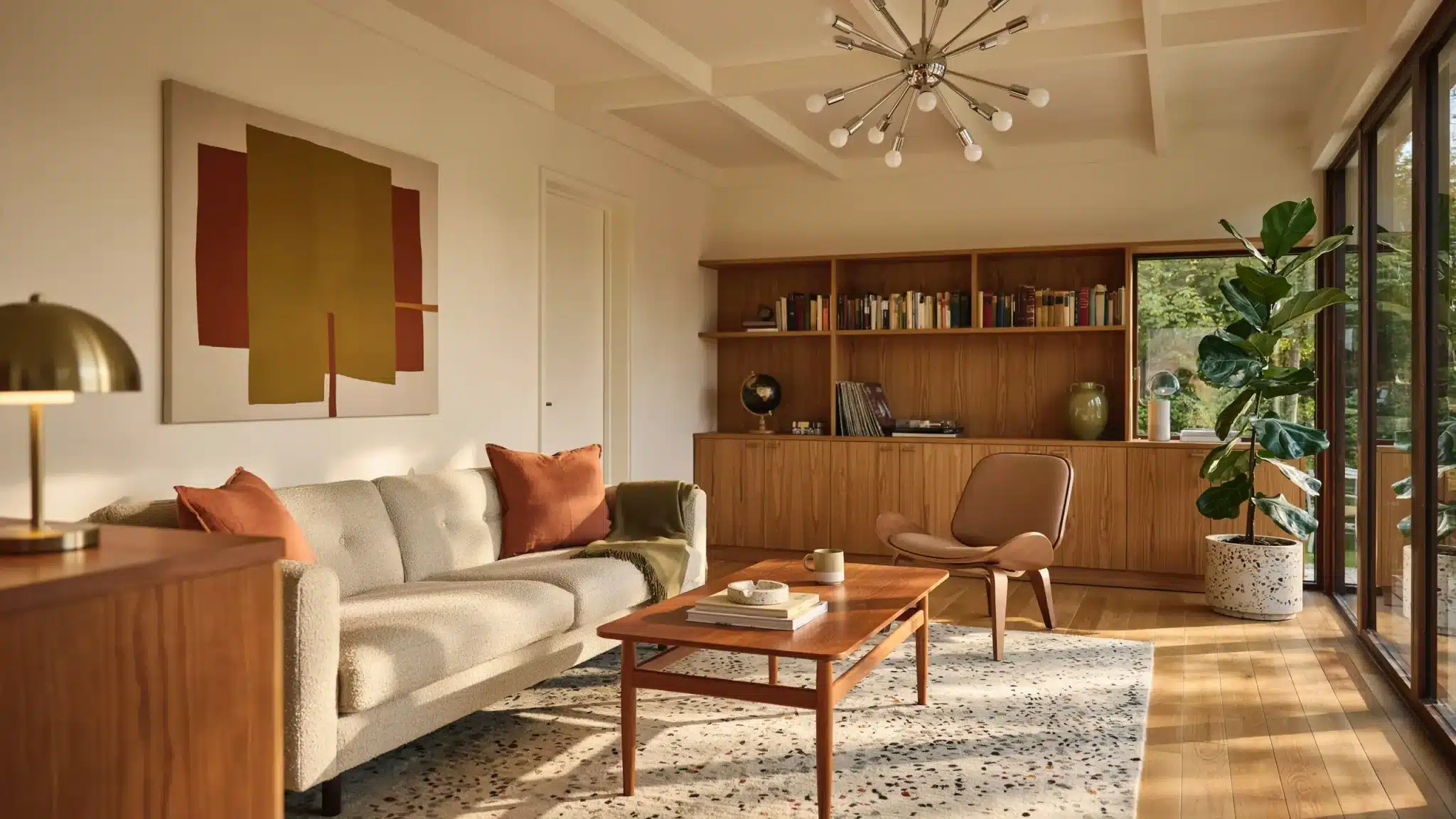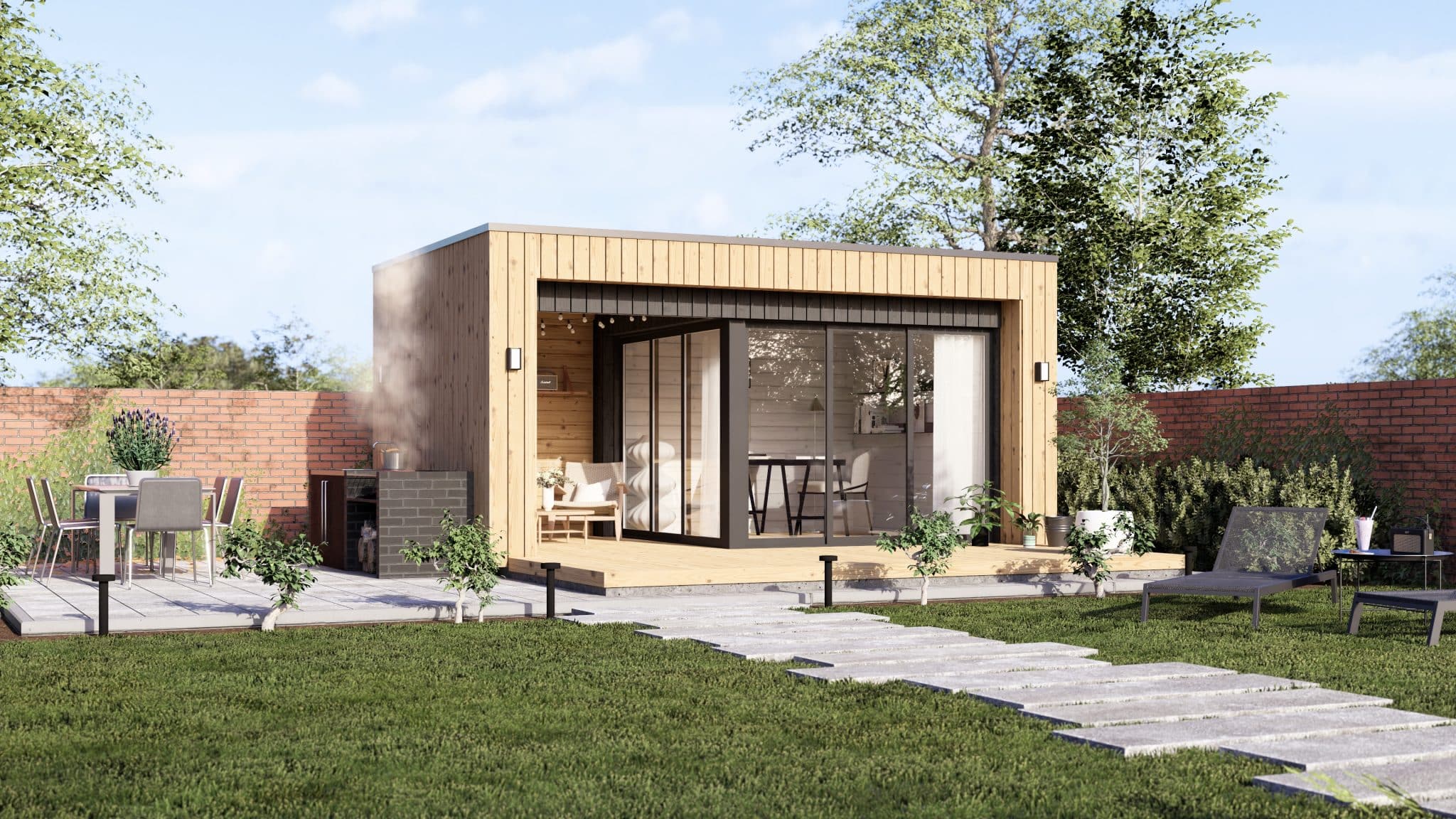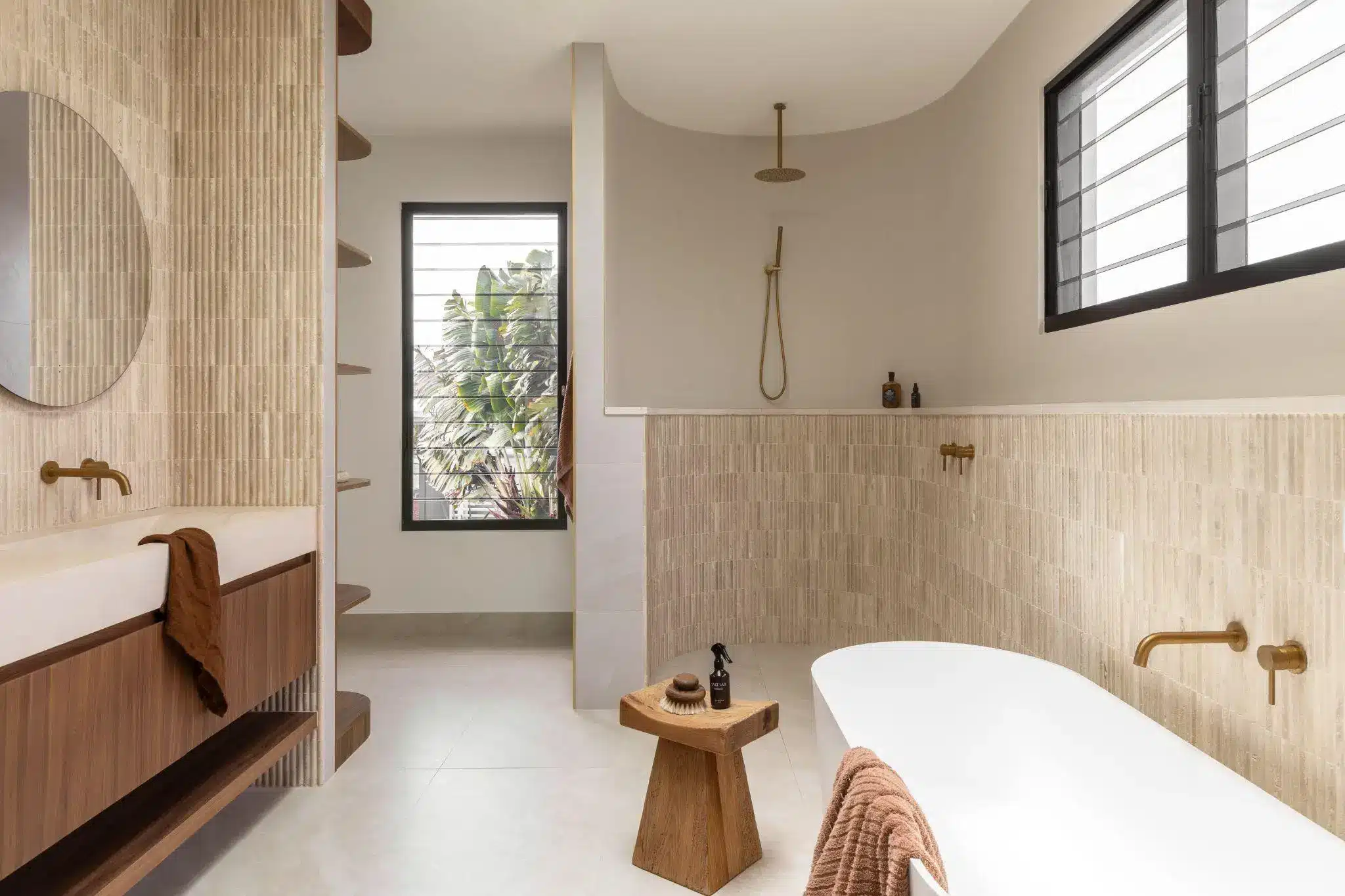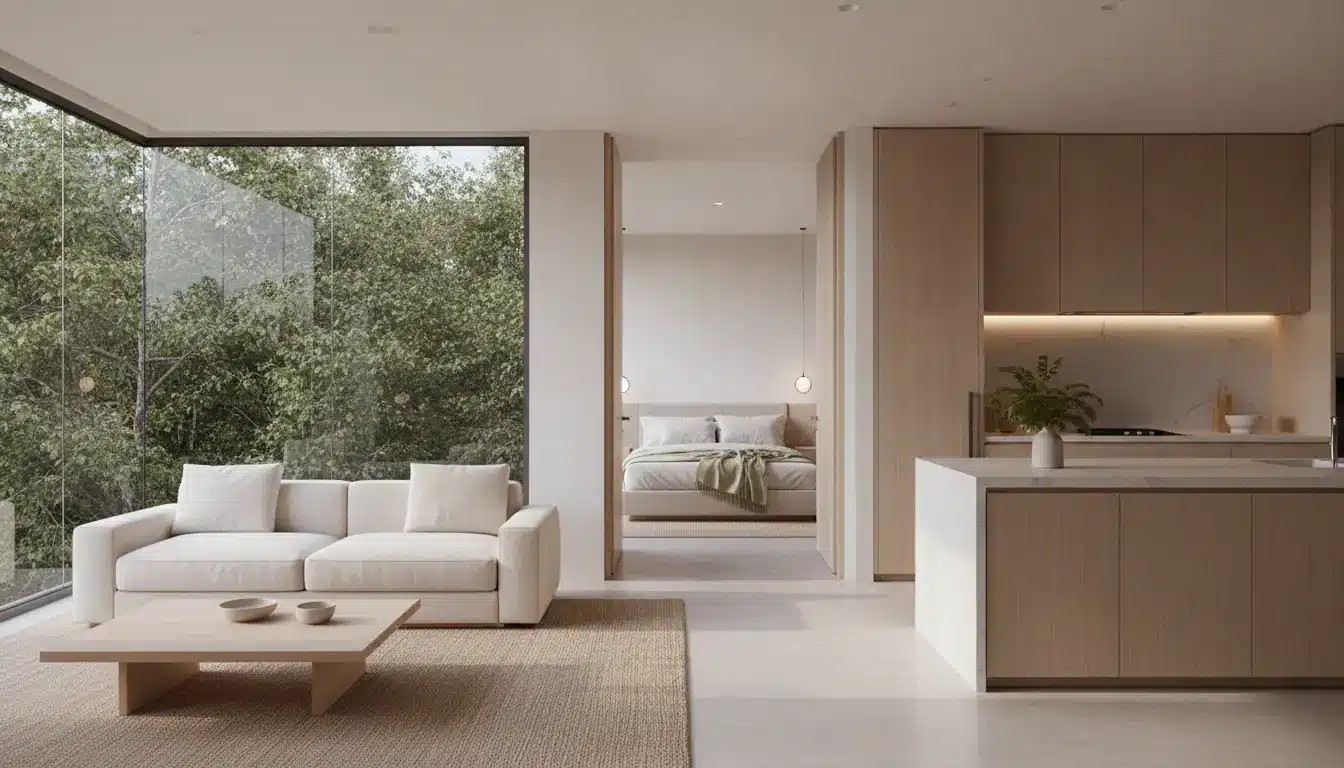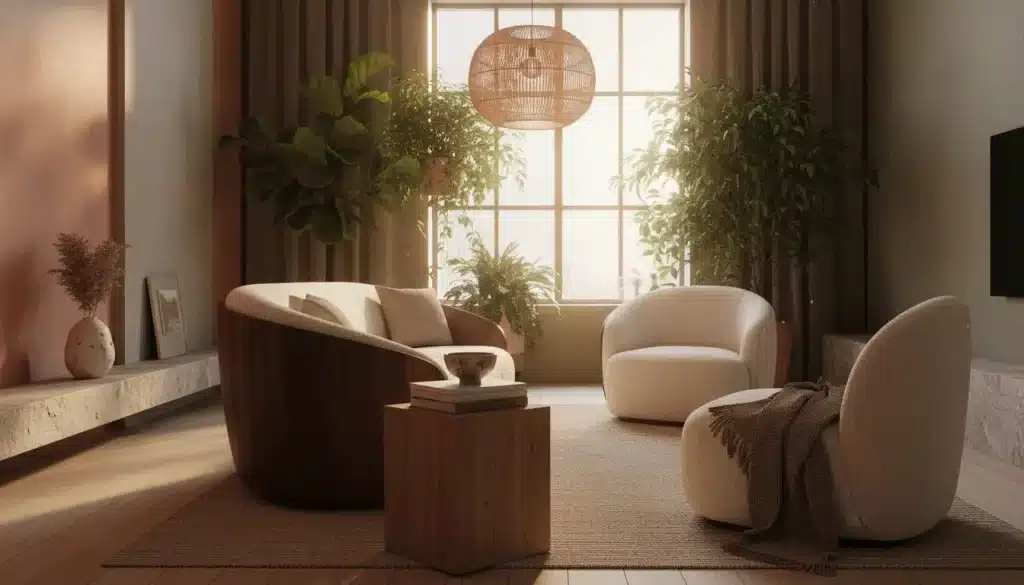
The ‘Japandi’ interior design style, which blends influences from Japan and Scandinavia, is one of the decade’s most popular, owing to its ability to merge cleanliness and minimalism with warmth. One of the best-known exponents of this approach is the famous Archipelago House in Sweden, created by Norm Architects. This pine-clad home, which boasts stunning double-height ceilings, features characteristic elements such as light wood furniture, soft white and pale gray hues, and light from a single source—a paper cone-shaped lantern made of washi by renowned lantern maker Kojima Shouten. Newer homes and commercial buildings opting for the Japandi trend, however, reveal that the trend has evolved considerably, with warmth and biophilic touches adding comfort and life to modern spaces.
Why Japandi Resonates with Design Lovers
The popularity of Japandi is strongly linked to the rise of remote work. Values such as tranquility, peace, and sustainability all came to the fore more profoundly, generating an interest in hobbies such as buying fewer but higher-quality pieces. Famed organizaiton consultant and author Marie Kondo, meanwhile, brought the beauty of minimalism, tidiness, and cleanliness to the fore, as did the Scandinavian concept of “hygge,” which is centered on finding beauty in shared wellbeing and cozy comfort. This ideal fit in perfectly with wabi-sabi, which celebrates quiet beauty in simplicity, imperfection, and transience. Worn textures, handmade objects, and weathering, and the passage of times are celebrated rather than shunned. As such, an uneven tea bowl or a quiet Zen garden expresses the beauty of acceptance and impermanence.
Changes to the Japandi Style
Japandi has come a long way since its initial phase, with designers who favor this style adding elements such as deeper colors, darker woods, antiques, collected pieces, layered textures, and artwork to the equation. Warmer palettes such as mushroom, sand, olive, and terracotta are taking over spaces once colored in bright white, and furniture pieces such as antique chairs, vintage rugs, and locally made decorative items are adding character and inviting storytelling and cultural immersion. Personalization is also holding sway, with touches such as wood-framed artworks or photographs celebrating connection and shared memories. Interiors are looking less like showrooms and more like an expression of a home’s inhabitants. They are telling personal stories instead of looking like catalogues.
Embracing Sustainability and Biophilic Design Influences
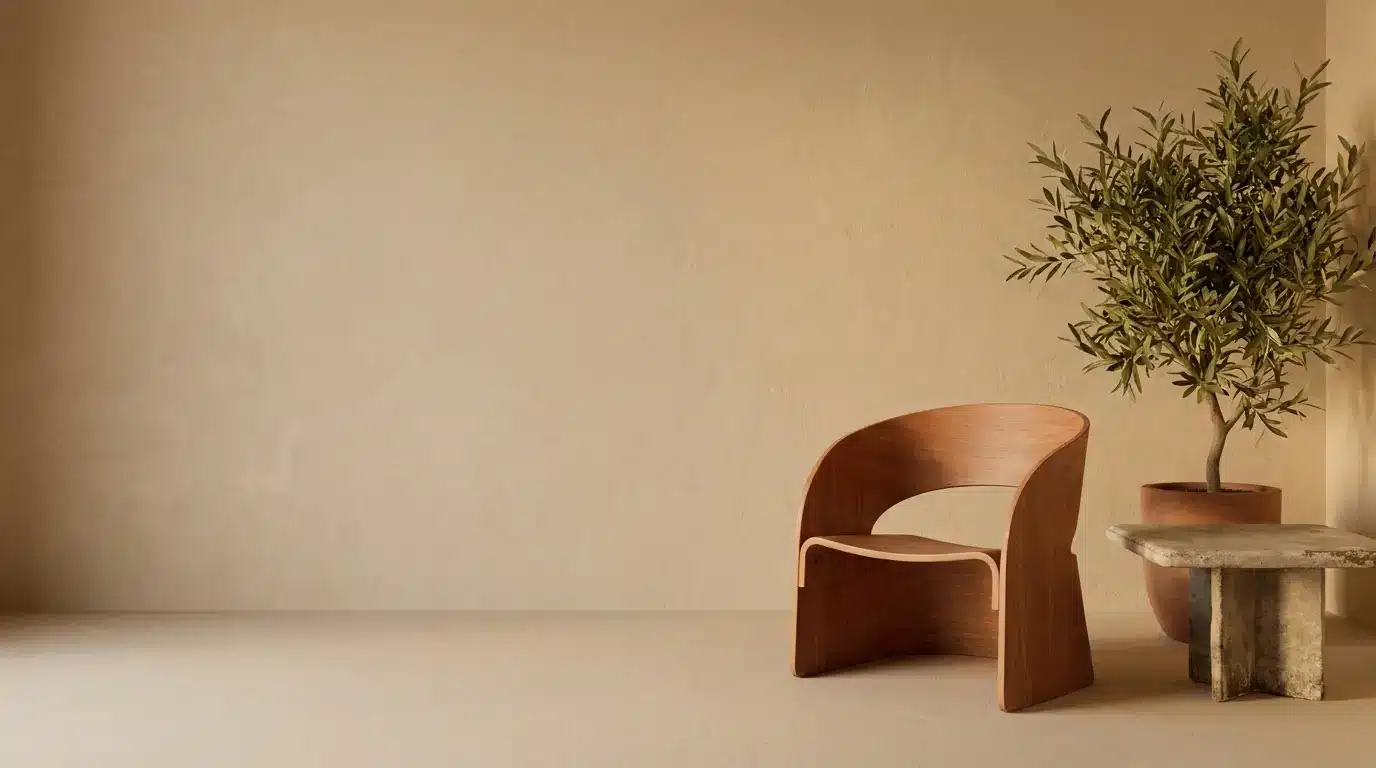
Biophilic design, the art of blurring the lines between indoor and outdoor living, is one of the strongest influences in modern interior design, with features such as natural light, indoor plants, and solid wood becoming increasingly common in newly built and renovated interiors. This movement, which harnesses the benefits of nature for human health and wellbeing, is also influencing the Japandi style, with the growing popularity of materials such as untreated timber, stone surfaces, and layouts that maximize view of gardens or outdoor spaces. Biophilic design is also about embracing organic forms such as curved furniture, and natural textures such as stone and bark, all of which echo features that abound in nature. With studies indicating that spending just a few minutes a day in nature has powerful benefits for human health and wellbeing, tapping into the human-nature connection through design is a vital way to boost mood, focus, and happiness.
Prioritizing Comfort
The new Japandi also seeks to create softness and comfort through features such as soft, layered lighting, textured fabrics, heavier curtains, and wool rugs. Bouclé upholstery continues to prevail in items such as chairs, sofas, and poufs, upping the coziness factor that is a pillar of the hygge philosophy. To boost the comfort factor in a home, homeowners don’t need to spend a fortune. Small touches such as a wool throw over a living room sofa, chic linen cushions, and hand-glazed ceramics add welcome warmth while maintaining a clean and uncluttered aesthetic. Natural fibers such as rattan, while harder to the touch, nevertheless make stunning accent pieces, including pendant lights, magazine baskets, and small side tables.
Japandi continues to be a popular design style, owing to its emphasis on cleanliness and coziness. Throughout its existence, this trend has evolved to include elements that add warmth and biophilic elements to interiors. Today, warm wood tones, soft elements, and textured accent pieces are making homes just as visually appealing, but even more inviting than in the past.