Luxury homes have always reflected the tastes of their owners, but the materials showing up in high-end interiors are changing. Precious metals, once limited to jewelry boxes and investment portfolios, are increasingly finding their way into kitchens, bathrooms, living spaces, and custom architectural details.
A Different Kind of Status Symbol
There was a time when luxury design relied heavily on size. Bigger homes, larger kitchens, and grander entrances often served as the clearest signals of wealth. Today, many homeowners are focusing less on square footage and more on craftsmanship.
That shift helps explain why precious metals have become more visible in upscale properties. While investors may spend time discussing a gold price forecast 2026, designers are thinking about the metal in a very different way. For them, gold is not just a commodity. It is a material that can transform the mood of a room with a small but carefully placed detail.
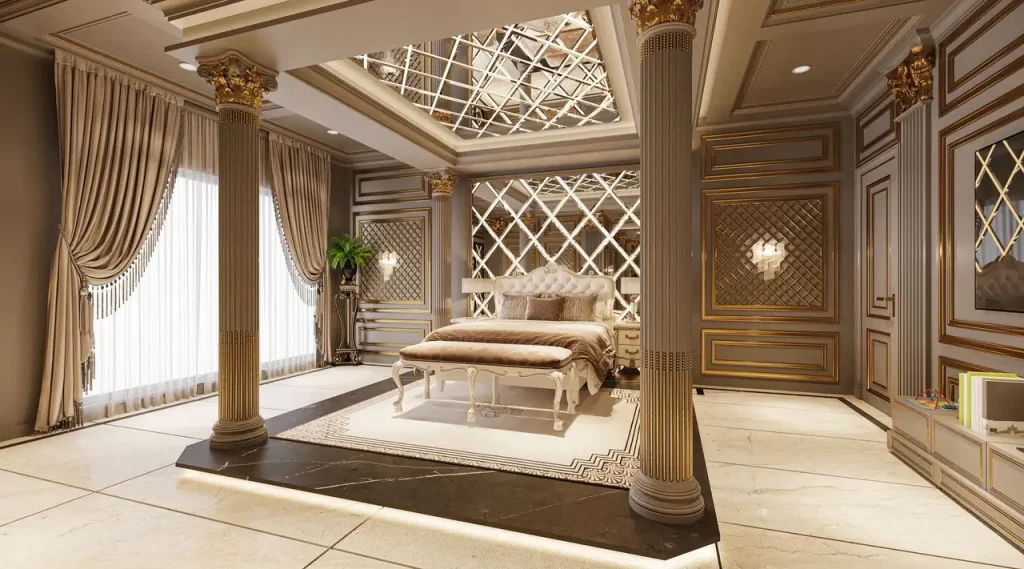
Rather than covering entire spaces in shiny finishes, many architects use precious metals sparingly. A gold-trimmed staircase, platinum accents on cabinetry, or silver detailing around custom lighting can create a sense of exclusivity without feeling excessive.
Moving Beyond Traditional Luxury
Luxury design trends often go through cycles. Marble, dark woods, industrial metals, and minimalist concrete have each dominated different periods.
What makes the current fascination with precious metals interesting is that it arrives during an era when many wealthy homeowners claim to prefer understated design. Instead of obvious displays of wealth, there is growing interest in subtle indicators of quality.
A brushed gold faucet may not attract immediate attention, but guests often notice that something feels different about the space. The appeal comes from refinement rather than spectacle.
This approach mirrors broader changes in consumer behavior. People who can afford almost anything often become more selective about materials, focusing on details that are difficult to replicate rather than items that simply look expensive.
The Rise of Customization
The luxury housing market has become increasingly personalized. Buyers spending millions on a property rarely want features that look identical to those in neighboring homes.
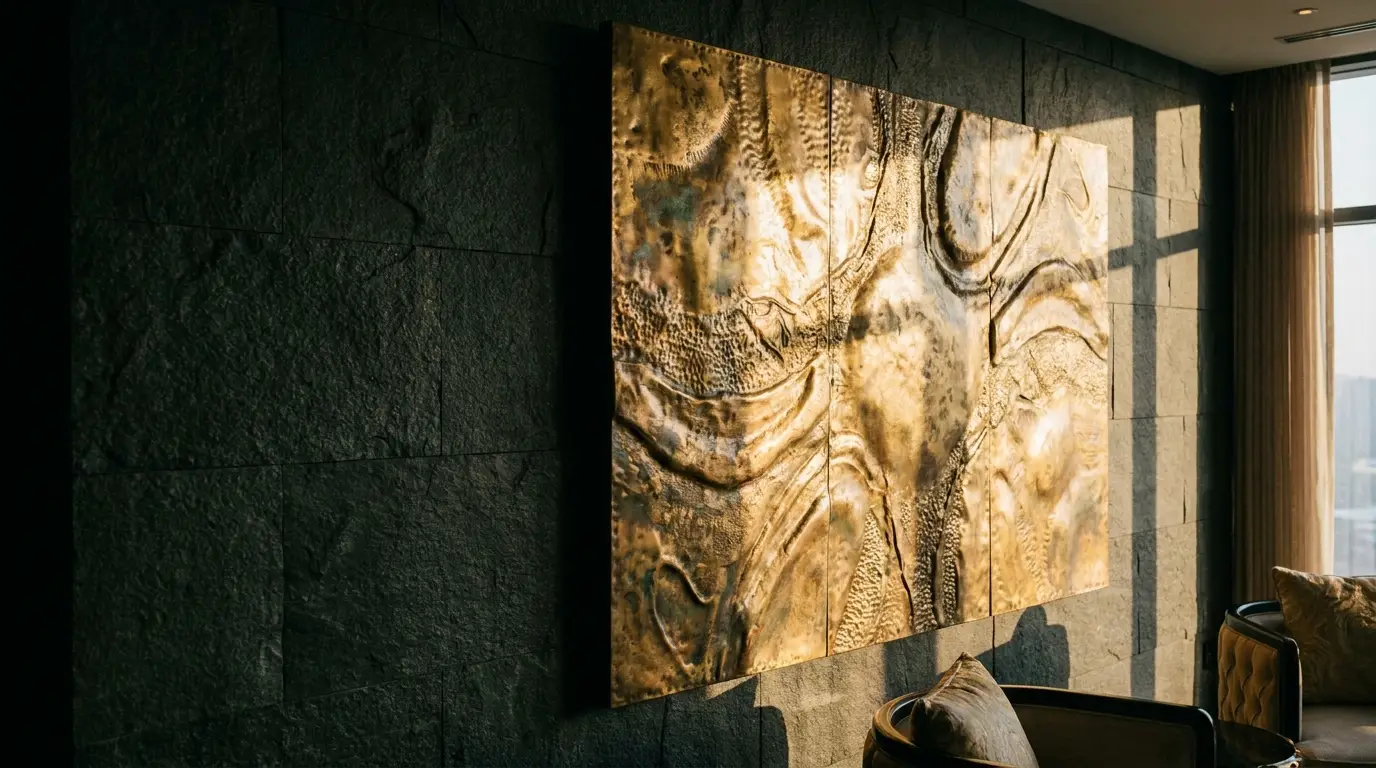
Precious metals offer designers another tool for creating uniqueness. Custom-made door handles, fireplace surrounds, decorative wall panels, and artistic installations allow homeowners to commission pieces that cannot be purchased from a catalog.
In some cases, these features blur the line between interior design and art collecting. A handcrafted bronze and gold partition may function as both a room divider and a statement piece.
The growing popularity of custom work reflects a desire for individuality. Many affluent homeowners want spaces that tell a story rather than simply follow trends.
Social Media’s Influence on Design Choices
Luxury design no longer exists behind closed doors. Platforms filled with interior photography have changed how homeowners think about their living spaces.
A beautifully designed room can reach millions of viewers within days. As a result, designers are searching for materials that photograph well and create memorable visual impressions.
Precious metals happen to perform exceptionally well in that environment. They reflect light in distinctive ways and add depth to photographs without overwhelming a space.
This visibility creates a feedback loop. As more high-profile homes feature metallic accents, others begin incorporating similar ideas while adapting them to their own tastes.
The result is not a uniform trend but a growing willingness to experiment with materials that once seemed reserved for palaces, museums, or luxury hotels.
Craftsmanship Matters More Than Quantity
One of the biggest misconceptions about luxury interiors is that expensive materials automatically create elegant spaces.
Design professionals often argue the opposite. Poorly executed projects can look excessive regardless of the budget, while carefully crafted details tend to age more gracefully.
This is particularly true when working with precious metals. The success of these materials depends heavily on how they are integrated into the overall design.
A room covered in reflective surfaces may feel overwhelming. A room with thoughtfully placed metallic accents can feel timeless.
Because of this, many homeowners invest as much in skilled artisans as they do in the materials themselves. The value comes from execution rather than simply from the metal’s market price.
A Return to Lasting Materials
A lot of home products are made with the expectation that they’ll eventually be replaced. Design trends shift, materials fall out of favor, and homeowners often refresh spaces every few years.
The appeal of precious metals comes from a different mindset. They bring a sense of longevity that many modern materials lack. A gold accent or silver detail can still look relevant decades later, even as styles change around it.
Some homeowners use them as subtle finishing touches, while others make them a centerpiece of the design. Either way, their growing presence reflects a desire for lasting craftsmanship in an era where many products are built for short-term appeal rather than long-term value.