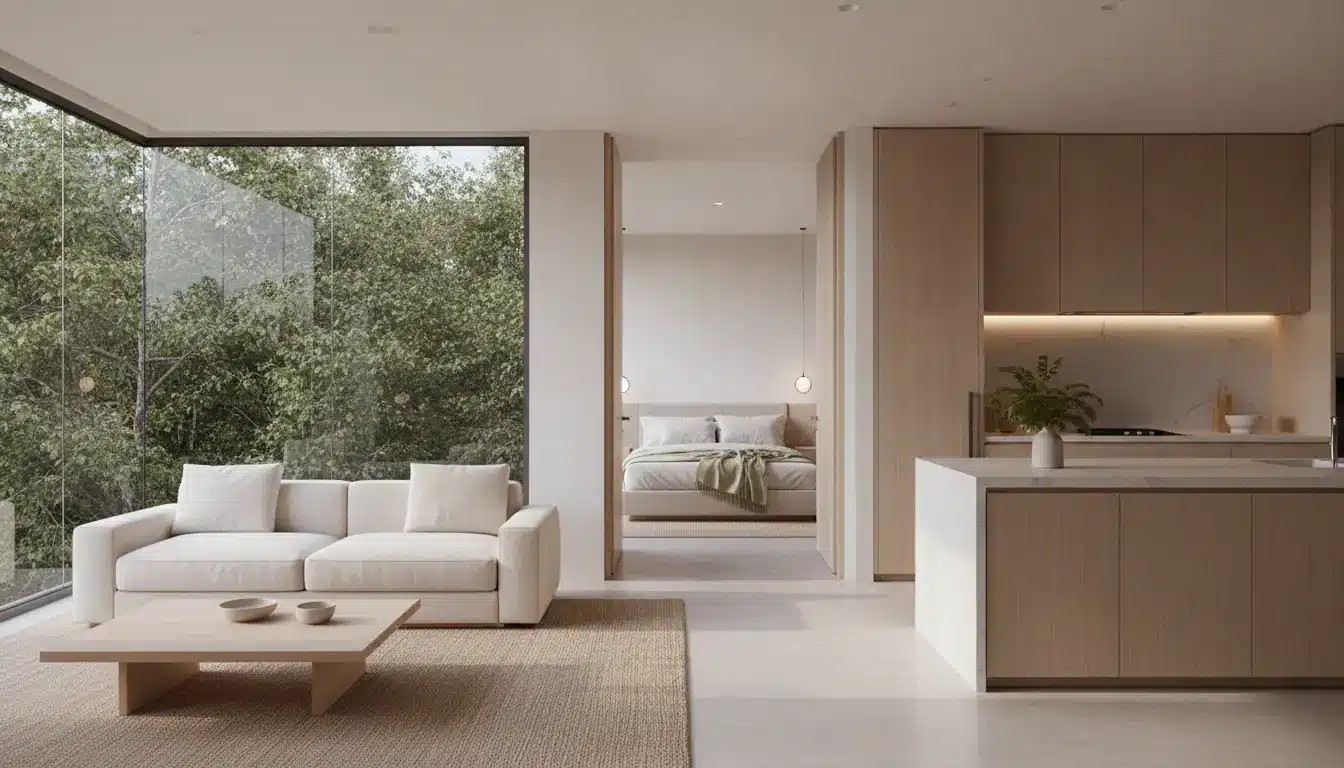
Most rooms do not fail because of bad furniture or the wrong paint color.
They fall flat because of small decisions that quietly work against each other: a rug that is slightly too small, a light fixture that sits too low.
Colors that are technically fine but do not quite connect. These are the kinds of things that are hard to identify on your own but easy to fix once you know what to look for.
These decorating tips cover the ones that make the biggest difference, without requiring a big budget or starting everything from scratch.
How Does Home Decor Improve Your Living Space?
Home decor shapes how a space looks, feels, and functions every day.
The right mix of furniture, lighting, colors, and accessories can make a room feel more comfortable, organized, and inviting.
Thoughtful decorating also helps reflect your personality while making better use of the available space. Even small changes, like adding artwork or rearranging furniture, can improve both style and practicality.
A well-decorated home creates a welcoming atmosphere for family and guests alike. It turns everyday living spaces into places where you genuinely enjoy spending time.
Decorating Tips to Create a More Inviting Home
Every room has its own demands: lighting, traffic flow, and storage needs. These ideas apply proven decorating rules to specific spaces, room by room.
1. Build the Living Room Around One Piece
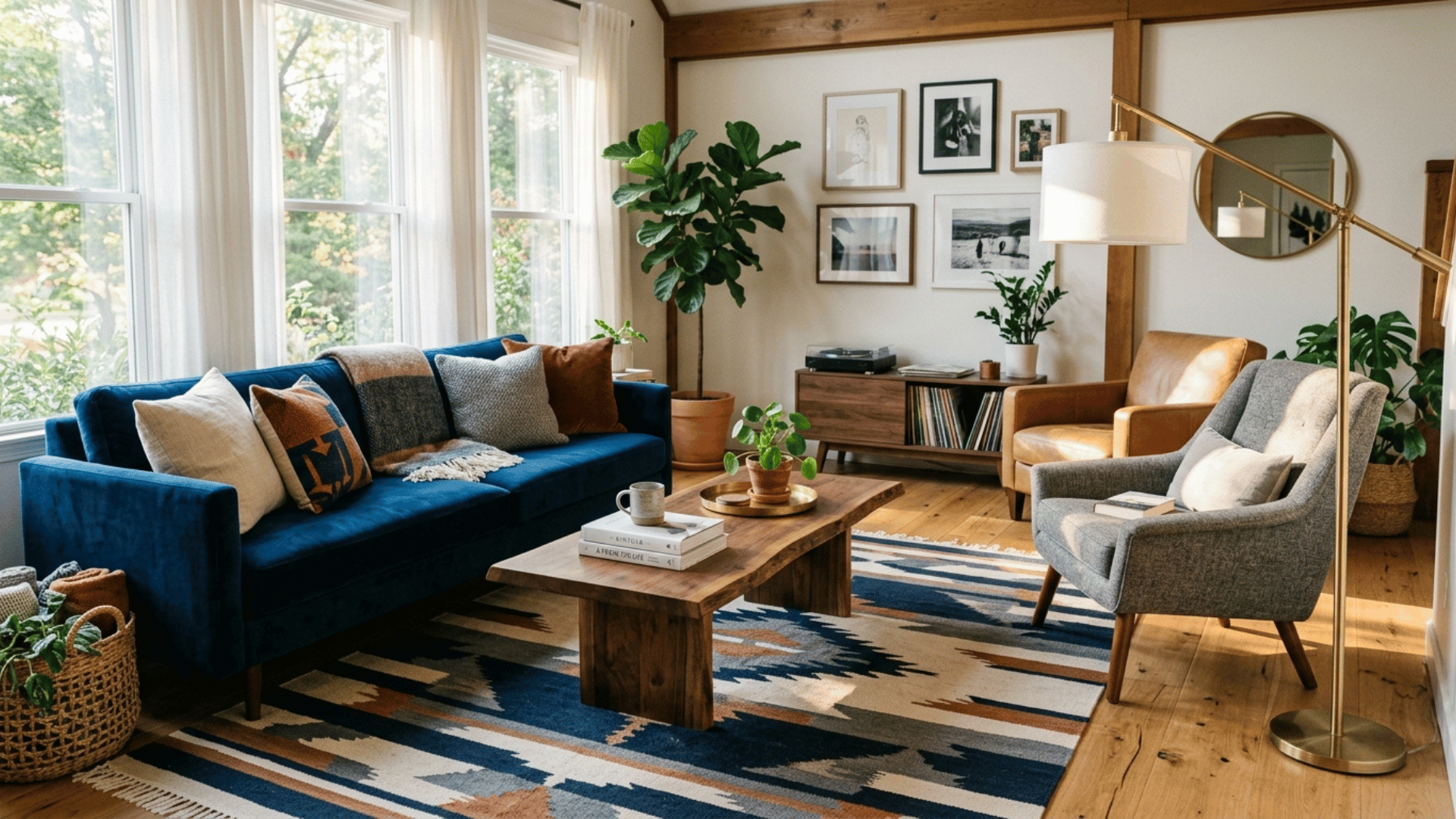
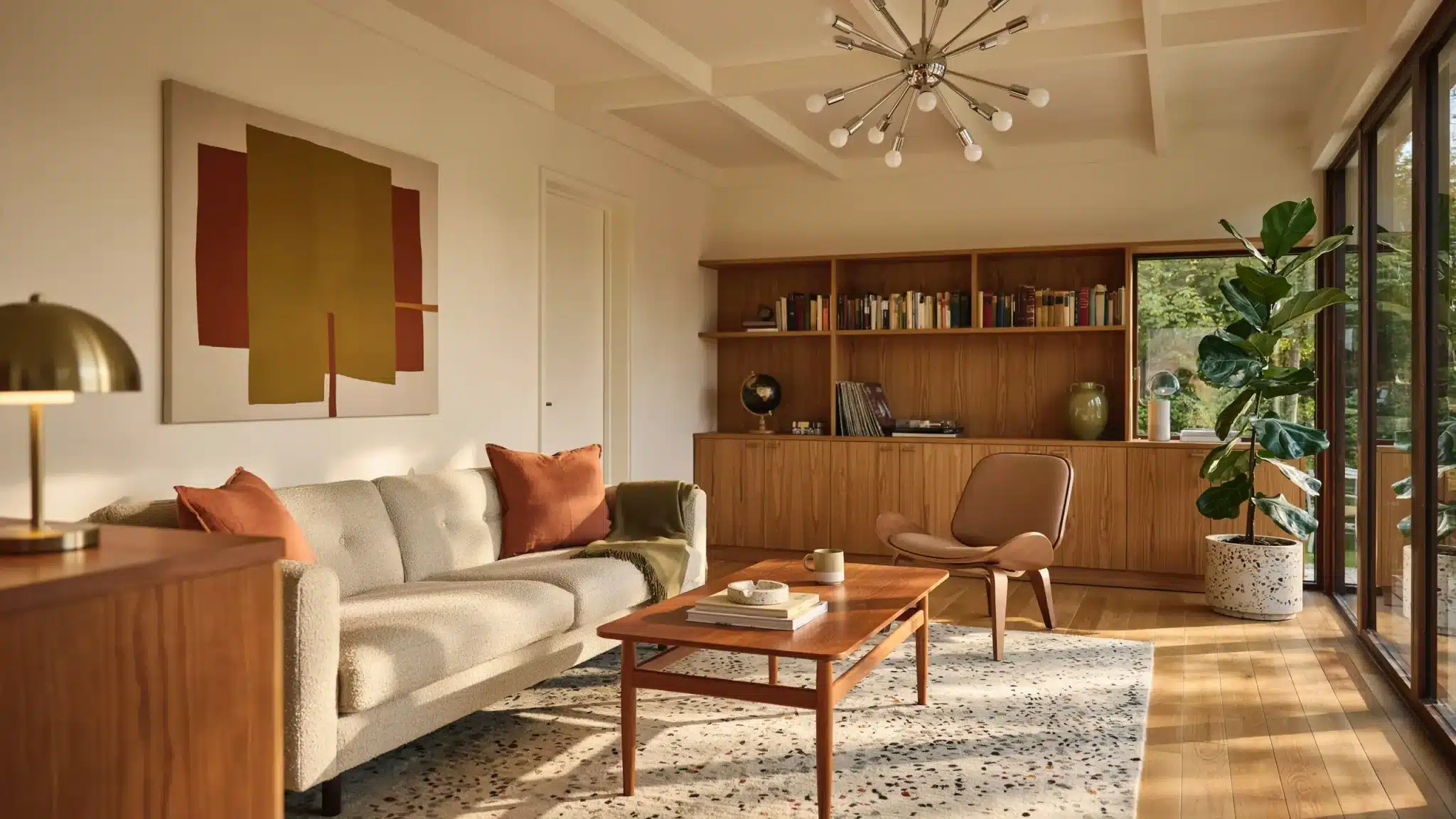
Build the room around one anchor piece: a bold sofa, patterned rug, or striking coffee table. Angle seating inward to invite conversation, not just screen time.
Mix textures across cushions and throws. One tall lamp beside the reading chair fixes the light gap most living rooms miss.
Simple Rule: Size the rug so the front legs of every seating piece rest on it.
2. Layer Bedroom Bedding in Three Textures
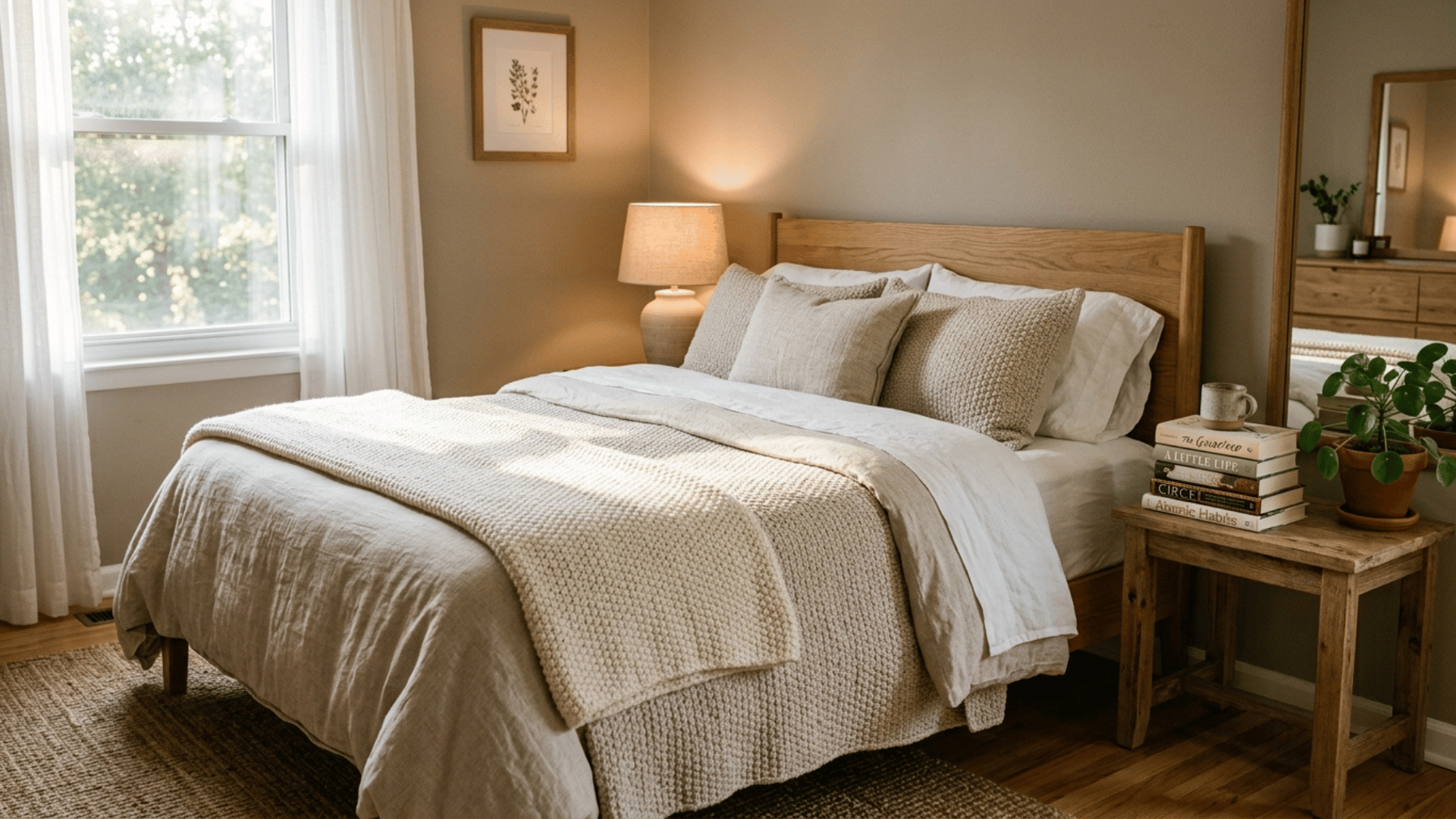
Layer bedding in three textures: a sheet, a duvet, and a folded throw at the foot. This alone makes a bed look styled instead of just made.
Match nightstand lamp heights, then break the symmetry with one uneven detail, a stack of books or a small plant.
Simple Rule: Keep lamps matched in height on both sides of the bed, even if the shades differ.
3. Make Open Kitchen Shelves Earn Their Spot
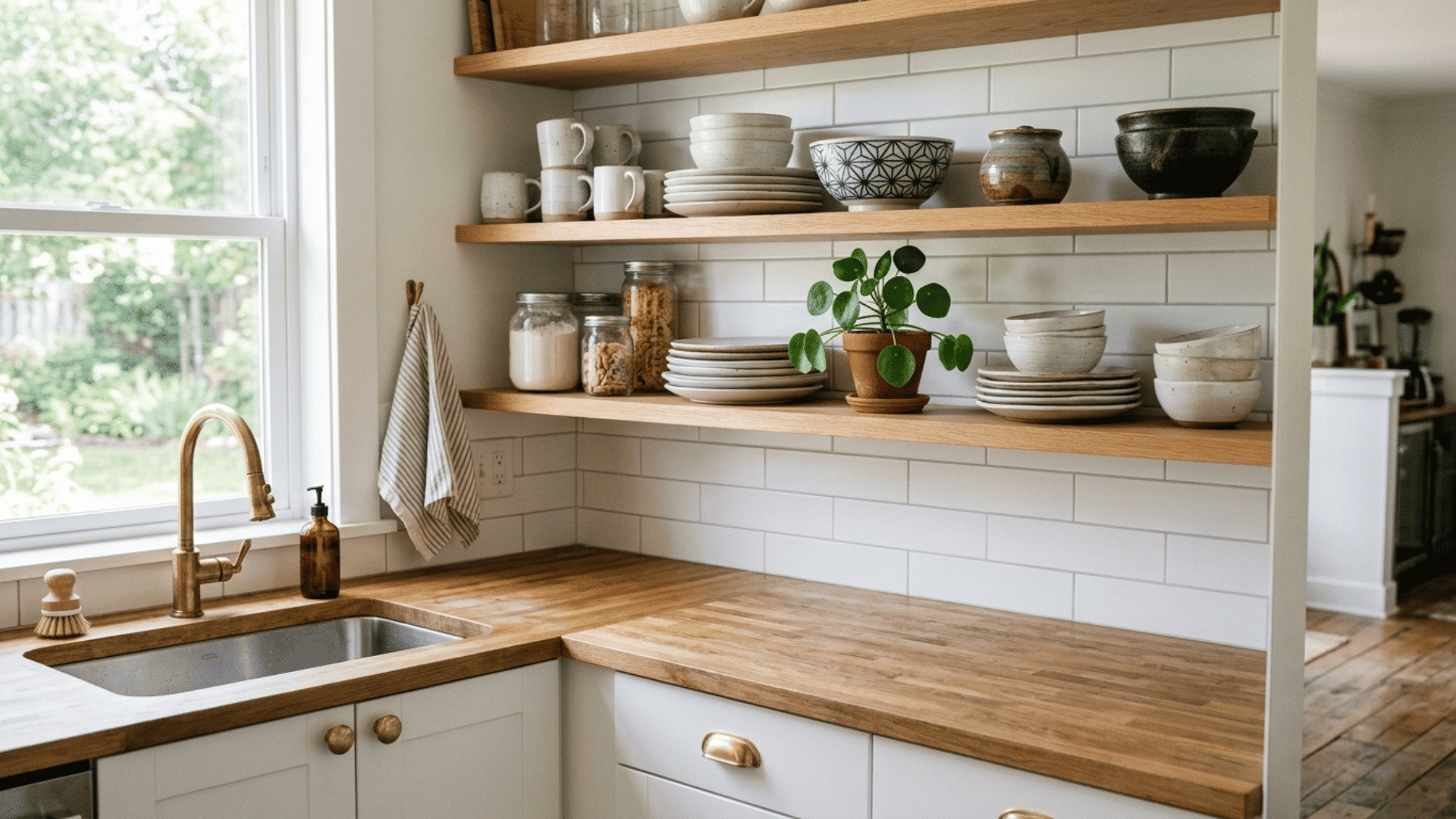
Open shelves are one of the decorating tips that work only when every item earns its spot.
Mix everyday dishes with two or three decorative pieces so the shelf still functions for daily use.
Swap cabinet knobs for an instant refresh without a renovation budget, and add a runner rug in front of the sink.
Simple Rule: Apply the 60-30-10 color split on shelves too: one dominant tone, one secondary, one accent.
4. Match Bathroom Towels to the Tile
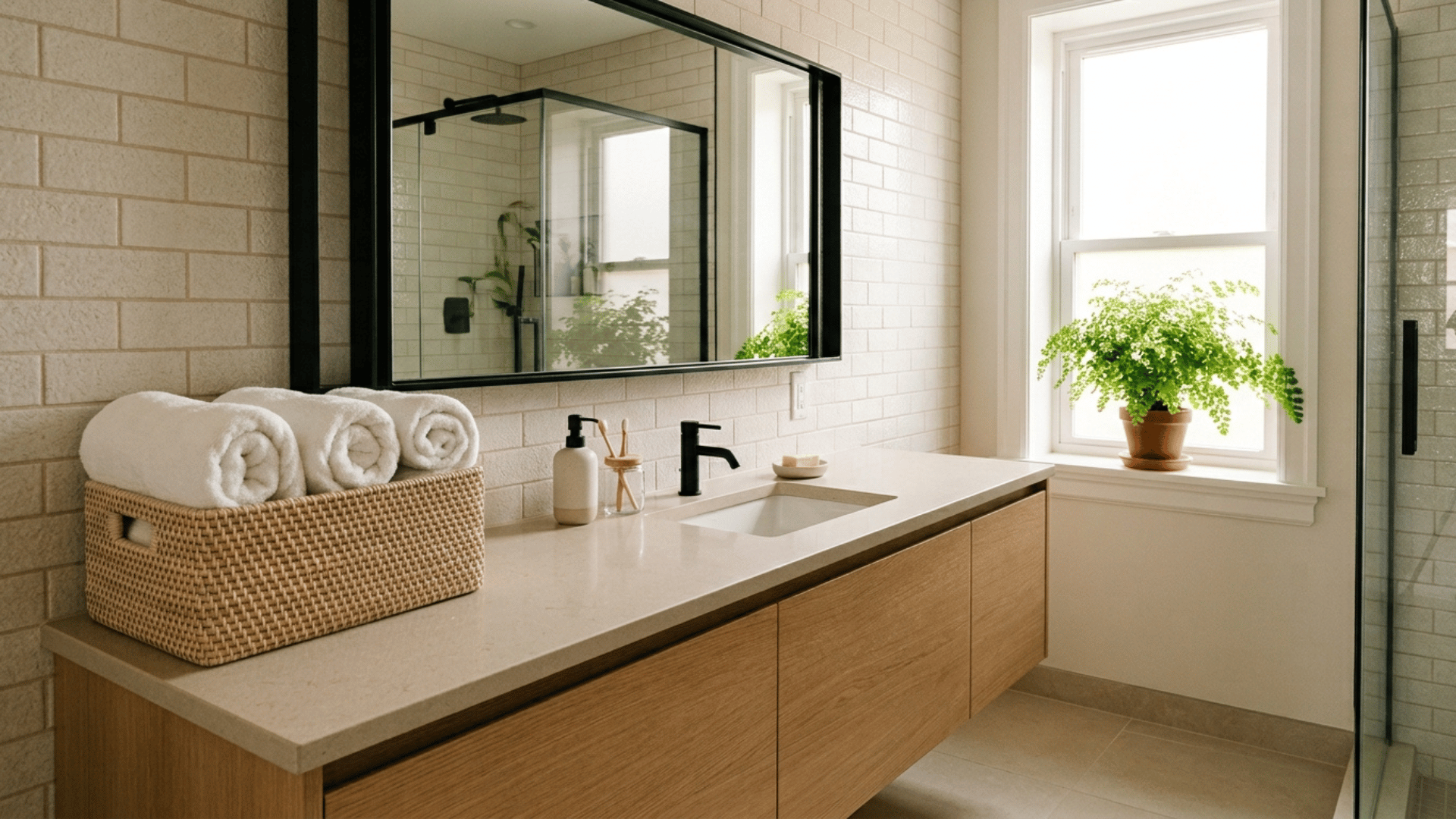
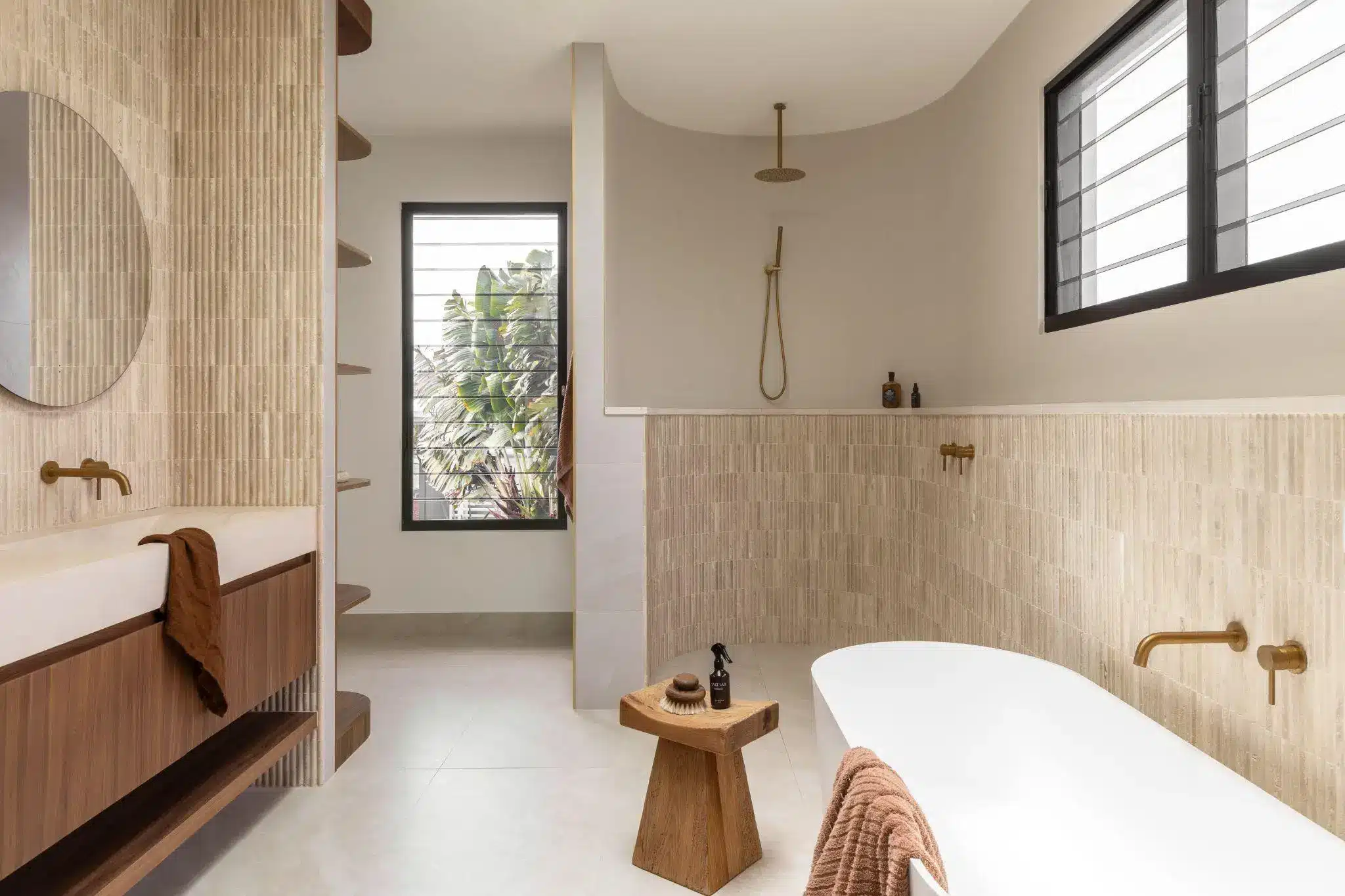
Match towel colors to the tile instead of fighting it.
Roll and stack towels in a basket rather than hanging them flat on one bar.
Add a humidity-tolerant plant, like a fern, near the window, and swap in a mirror with a defined frame.
Simple Rule: Match large surfaces to the tile, then let one accent, a plant or towel color, stand alone.
5. Size the Dining Room Light Fixture Right
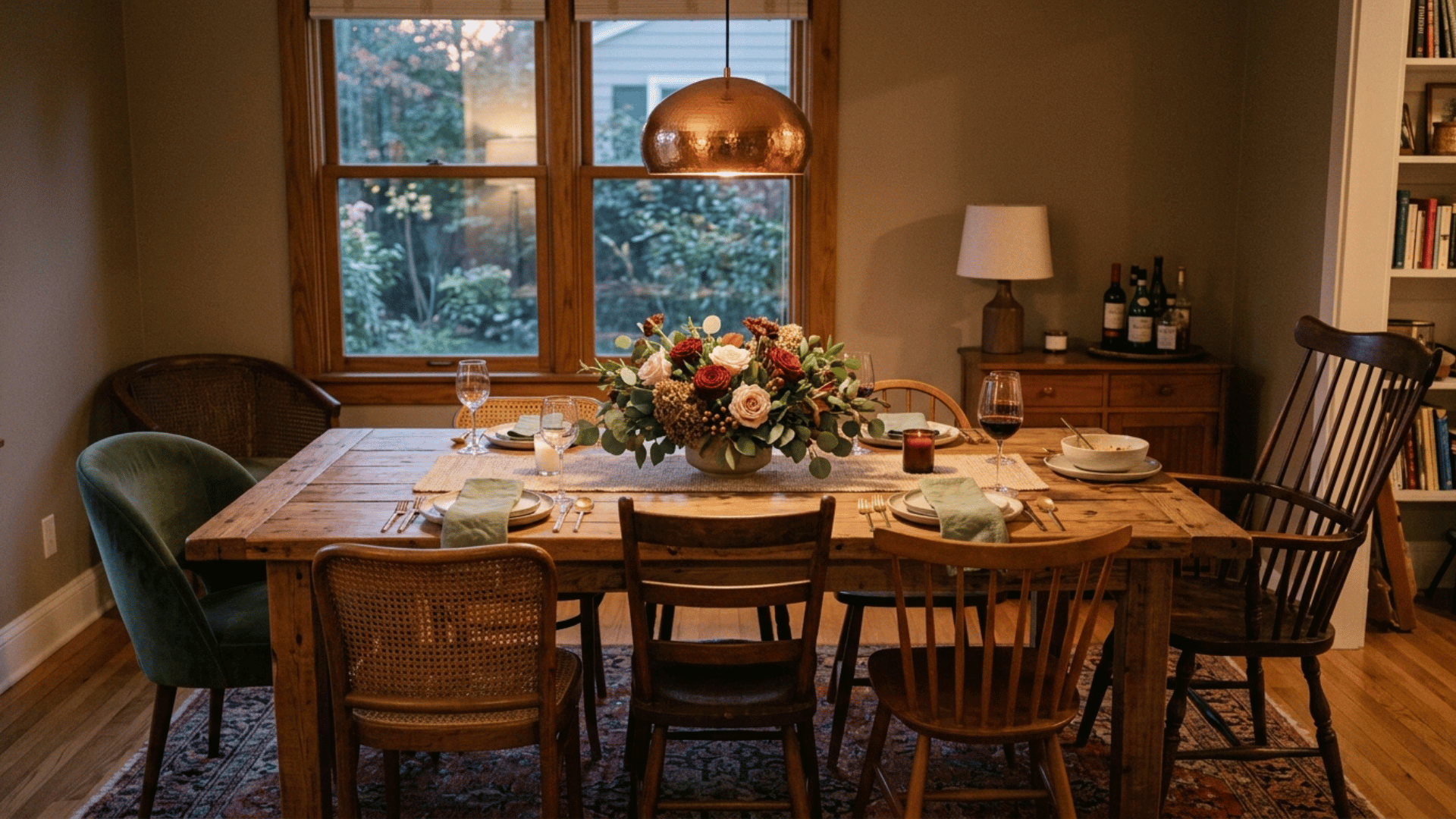
Center the table under a light fixture sized to the tabletop, not the ceiling. A fixture too small leaves the table looking underlit.
Mix chair styles at the ends versus the sides, and keep a low centerpiece so sightlines stay clear during meals.
Simple Rule: Size the pendant to about two-thirds the width of the tabletop for balanced scale.
6. Face the Home Office Desk Toward the Door
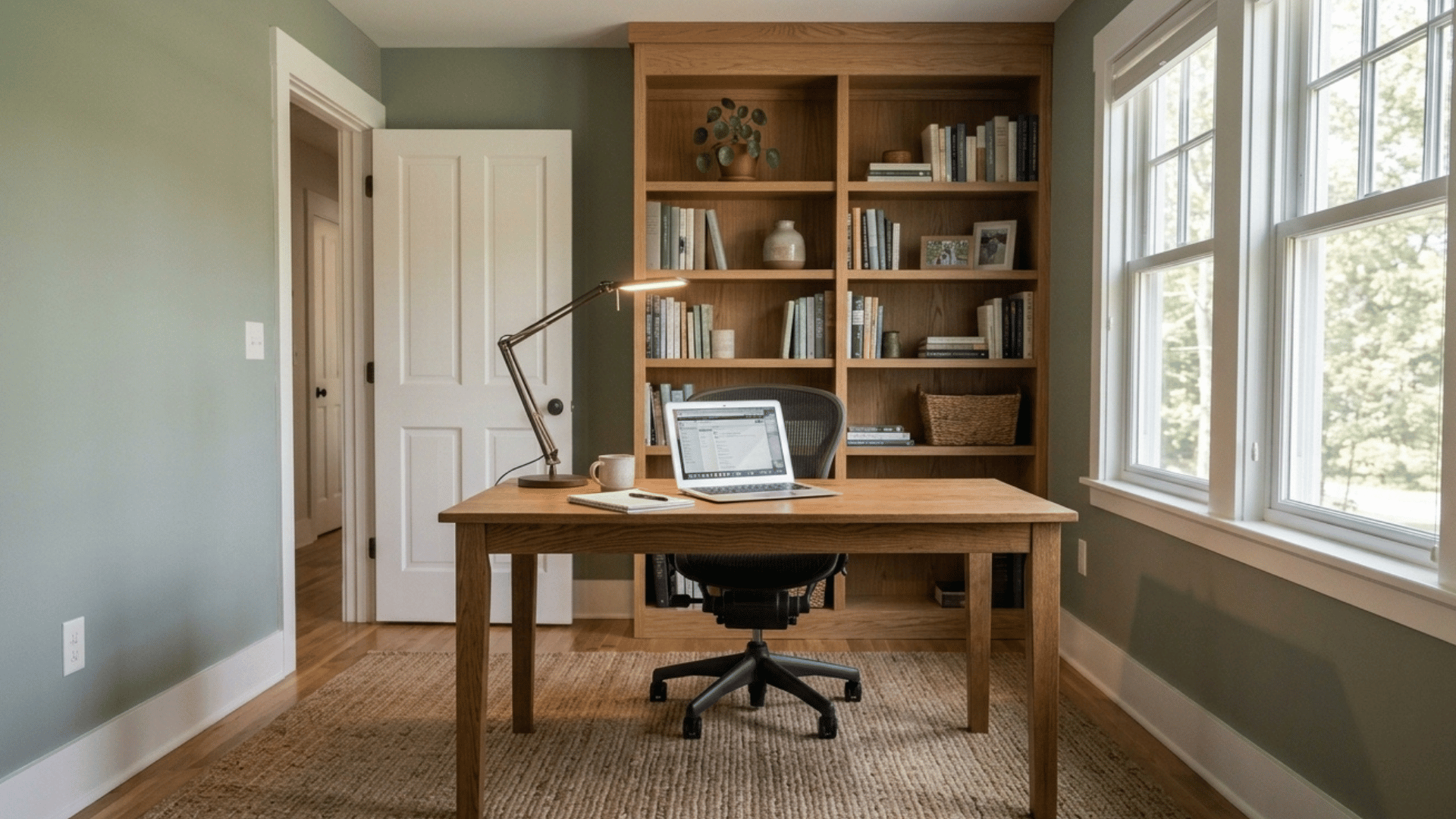
Position the desk to face the door when possible.
Working with your back to an entry adds quiet stress most people don’t notice.
Add a task lamp, even in a bright room, to reduce screen glare, and place a shelf of books or plants behind the camera.
Simple Rule: Leave at least three feet of clearance behind the chair for movement.
7. Give Every Entryway Item a Job
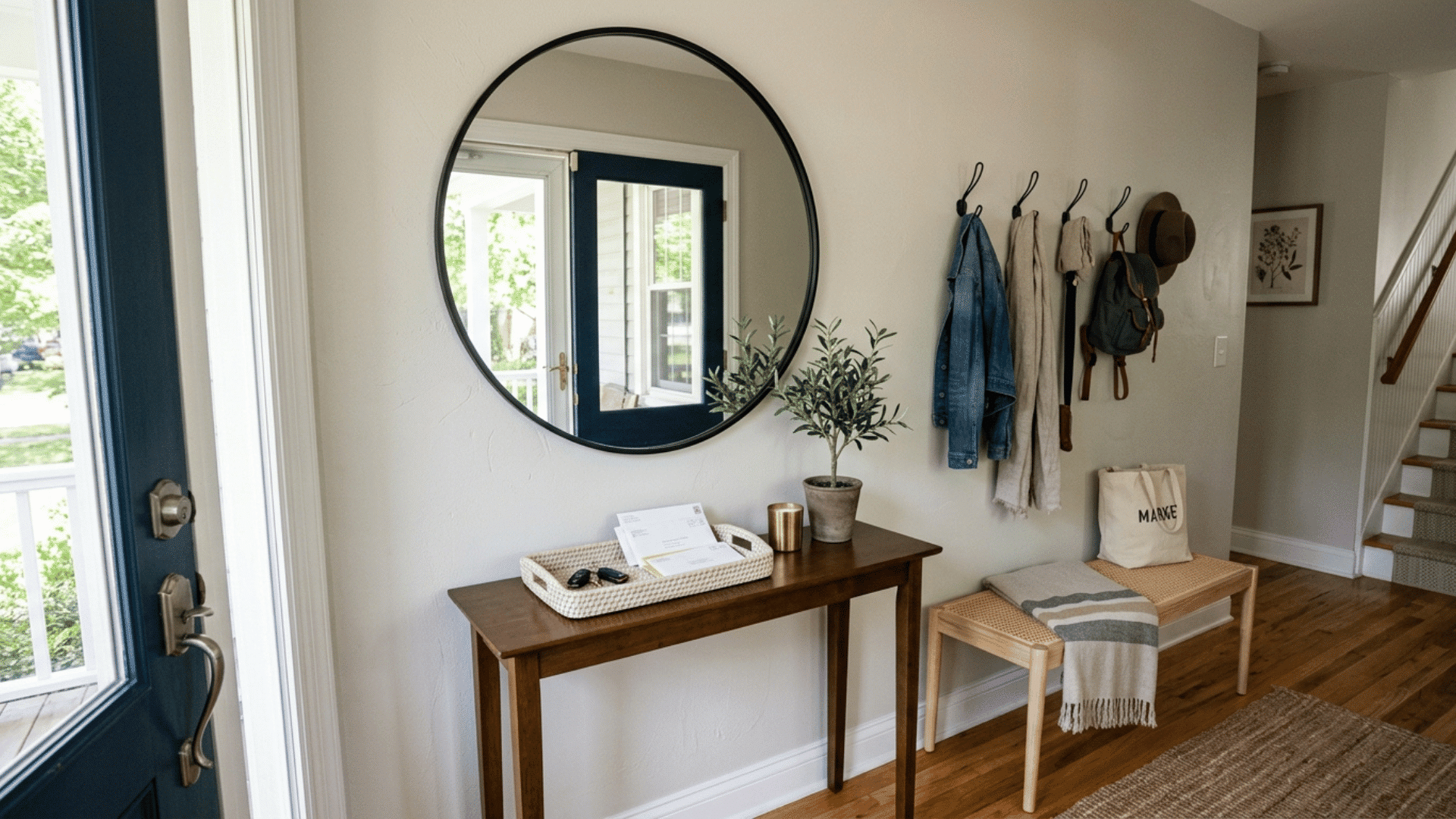
A console table with a tray for keys and mail stops daily clutter before it starts. Add a bench if space allows; even a narrow one earns its keep.
Hang a mirror across from the door to bounce light deeper into the space.
Simple Rule: Every item on the console should have a job, decorative or functional, or it becomes clutter.
8. Decorate the Kids’ Room at Two Heights
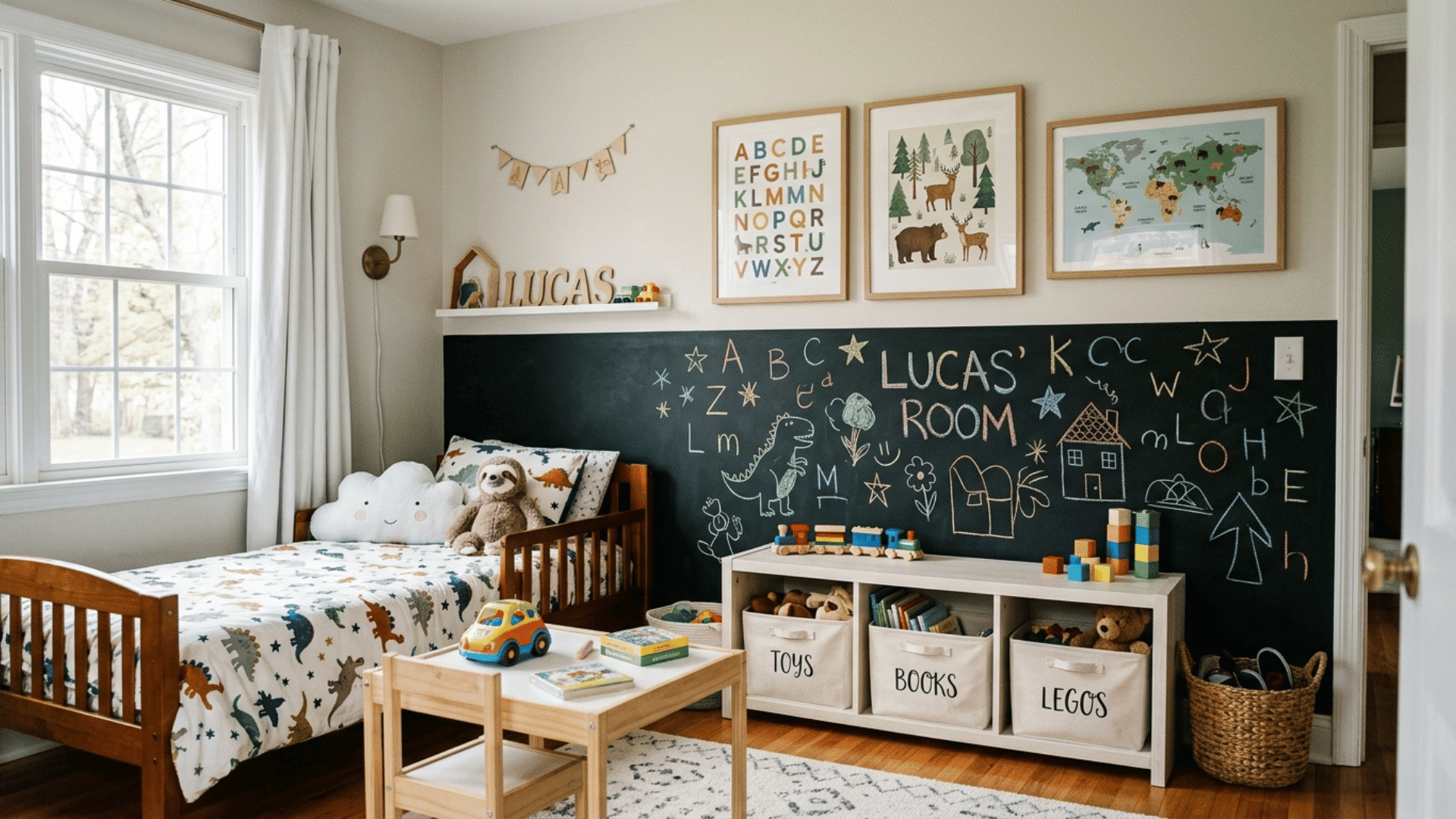
Keep decor at two heights: eye level for the adult making the bed, and lower down where a child actually plays.
Use bins instead of open shelves for anything breakable, and pick one wall for growth, a chalkboard, or a gallery of their own drawings.
Simple Rule: Keep anything breakable above four feet, and save lower shelves for what a child can safely reach.
9. Repeat One Color in a Small Apartment
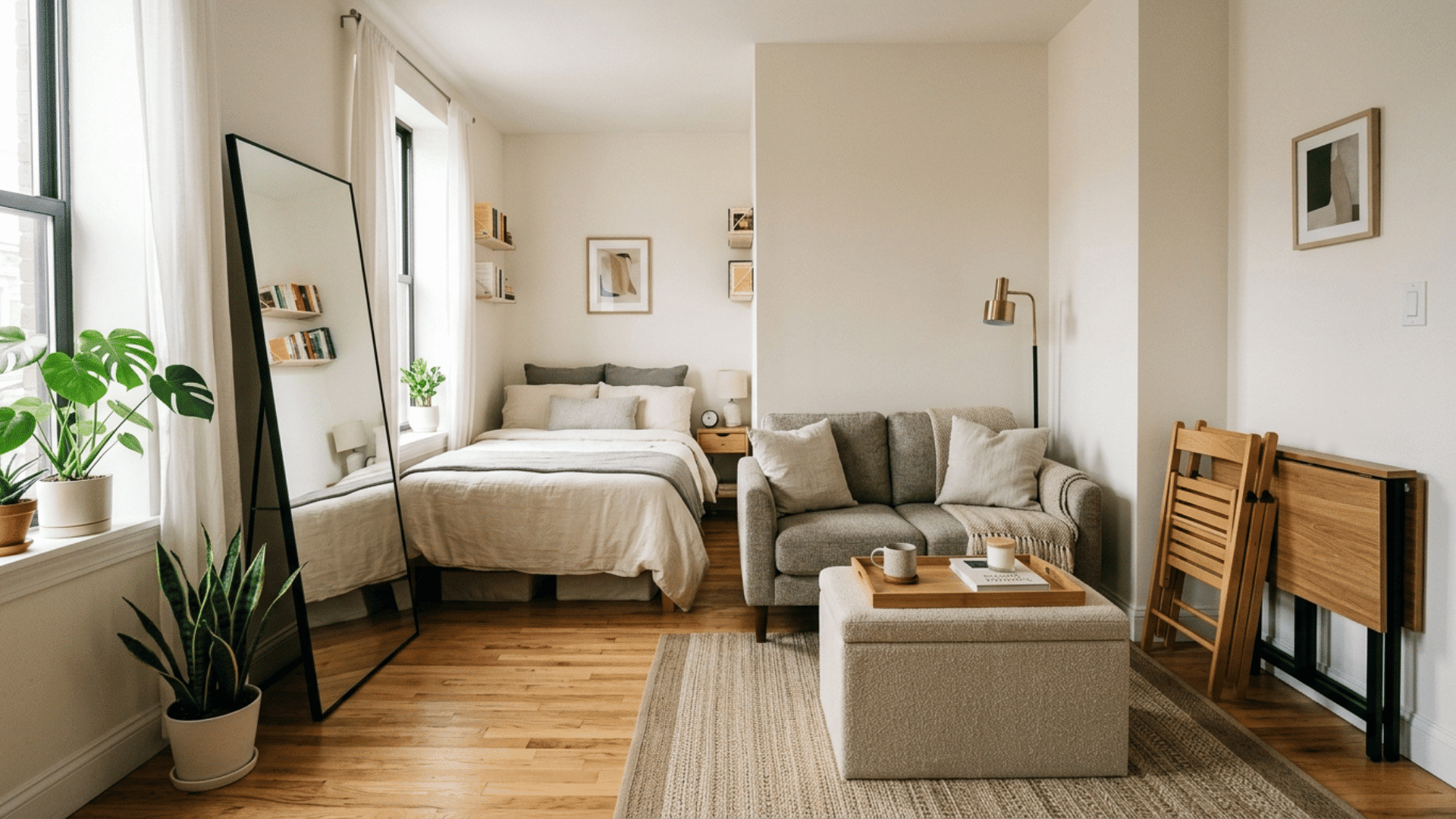
Use one large mirror to bounce light instead of several small ones.
Furniture with a second job, an ottoman with storage, and a folding table earns its footprint.
Keep the color palette consistent room to room; visual breaks make a small space feel choppier than it is.
Simple Rule: Repeat one wall color across every zone so the space reads as one room, not several.
10. Group Patio Plants in Odd Numbers
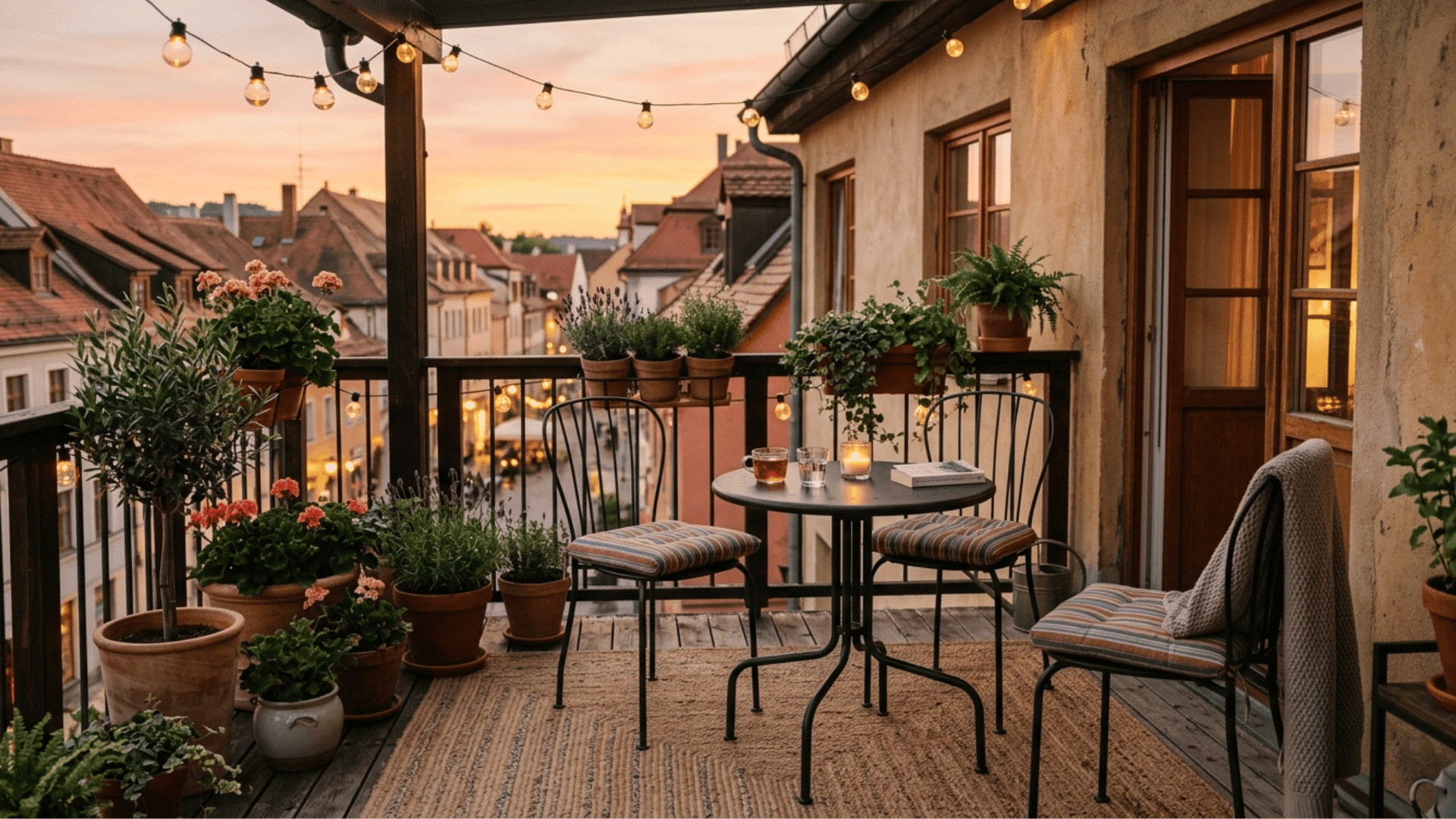
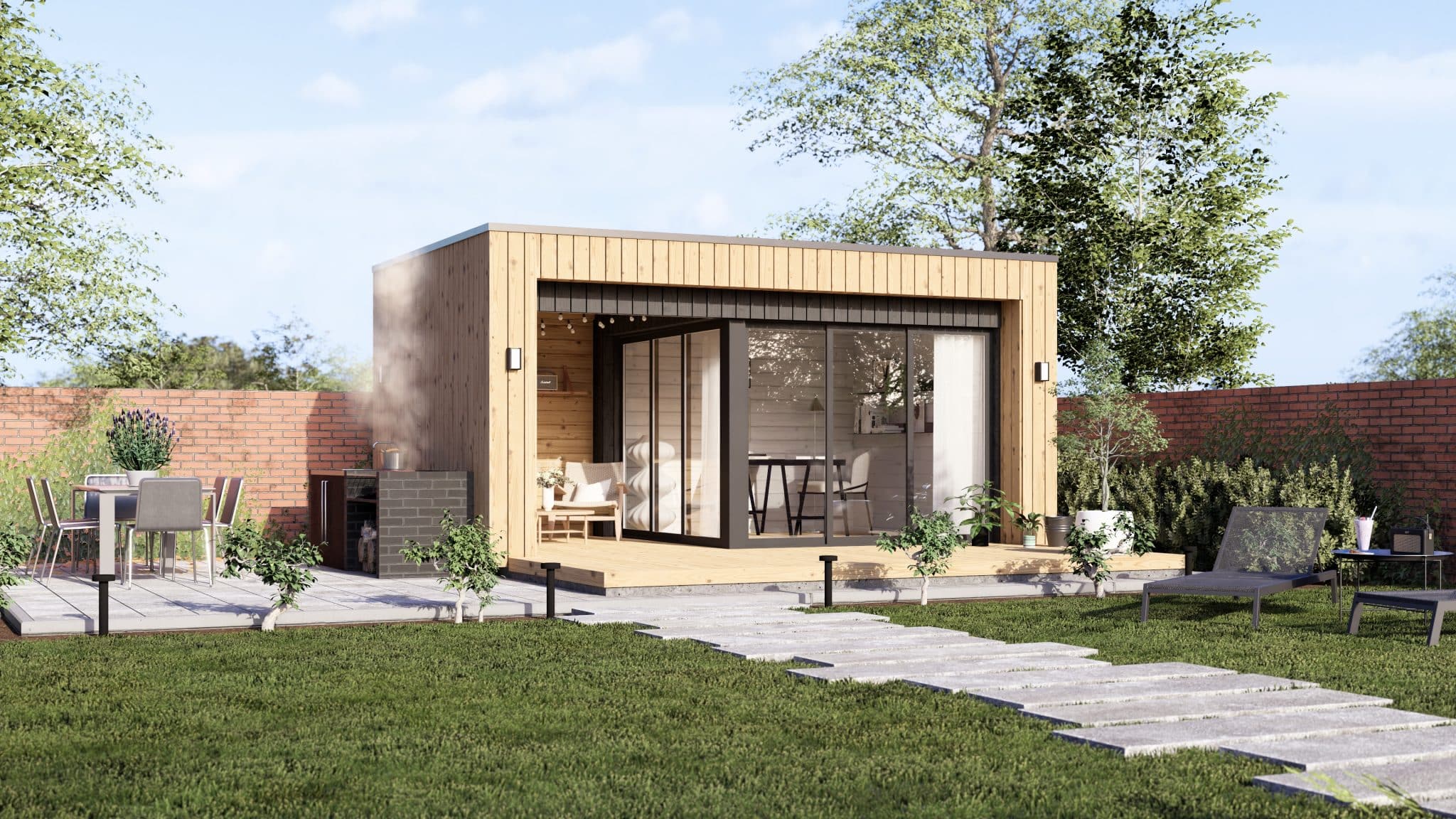
Weatherproof rugs and cushions hold up to sun and rain far better than indoor fabrics. Add warm string lights instead of one bright fixture for evening use.
Group plants in odd numbers at varying heights, so the space doesn’t feel like an afterthought.
Simple Rule: Stick to odd-numbered plant groupings and vary height to avoid a matchy, staged look.
11. Keep a Guest Room Drawer Empty
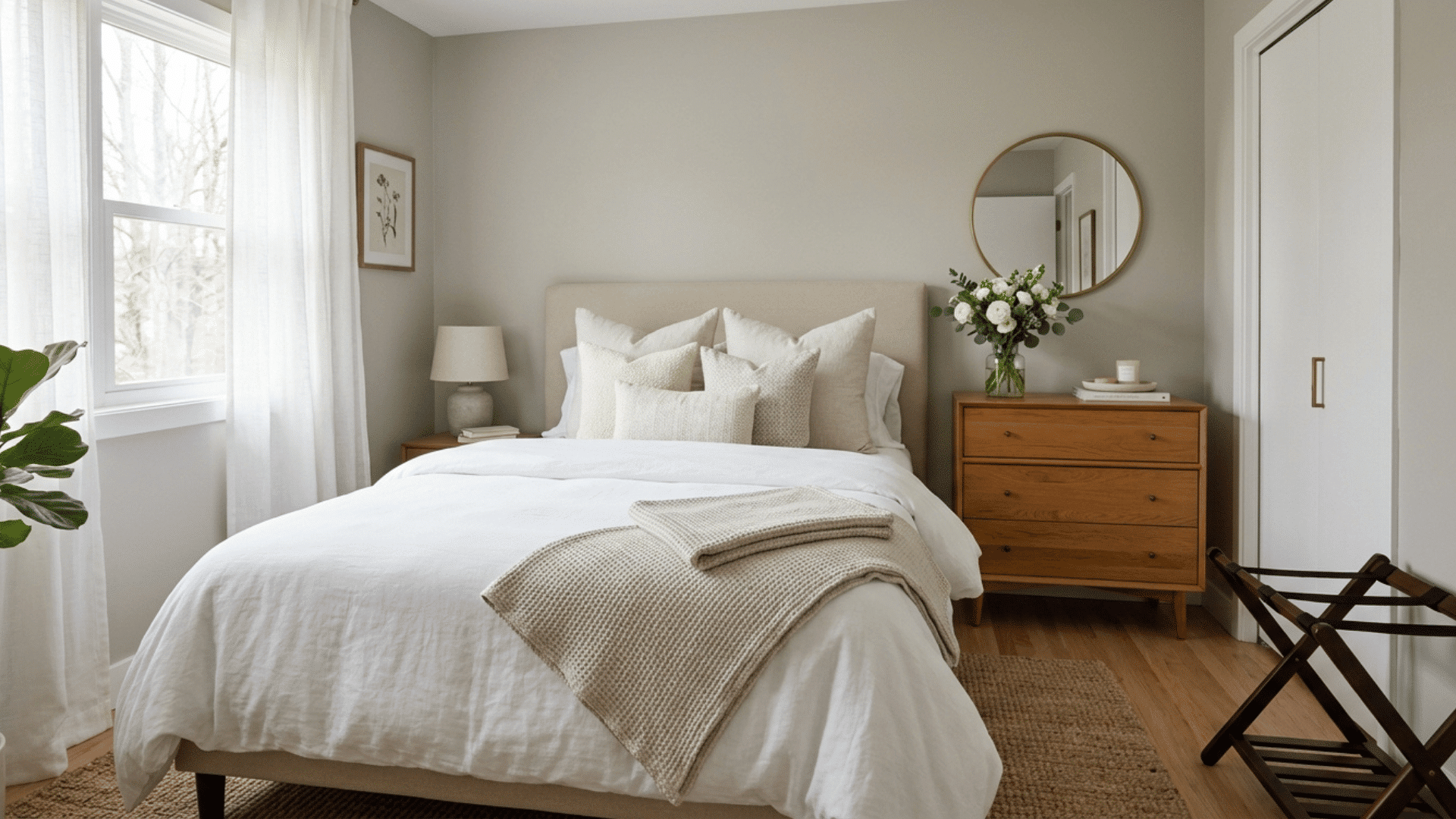
Keep the palette neutral so it works for any visitor’s taste.
Add one thoughtful touch, extra pillows, a fresh throw, or a small vase of flowers on the dresser.
Clear a drawer and a few hangers ahead of time. An empty luggage rack signals the room is ready without saying a word.
Simple Rule: Keep one drawer and two hangers permanently empty, ready before a guest has to ask.
12. Turn the Hallway Into Gallery Space
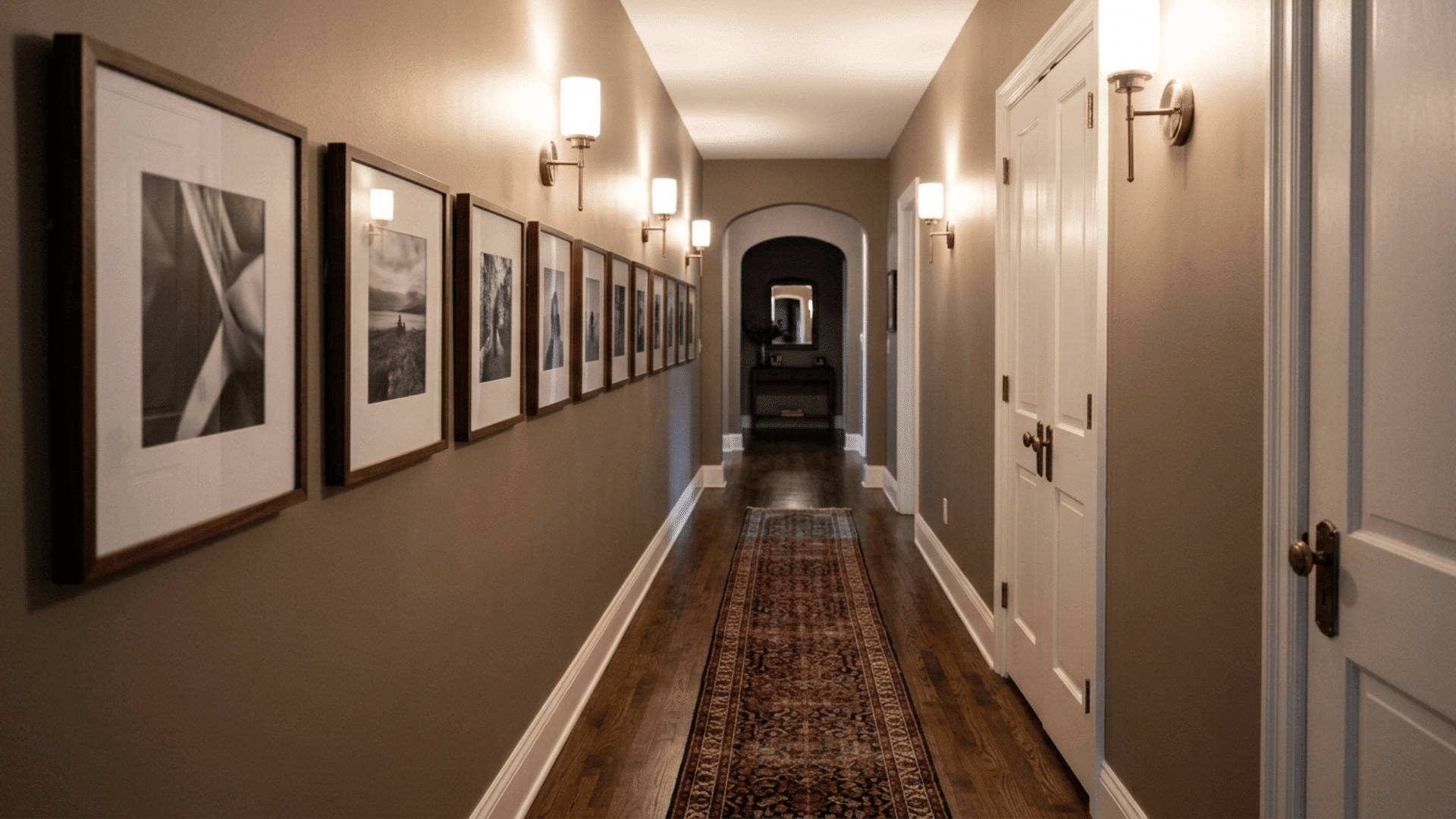
Treat long hallways as gallery space instead of dead space. A row of matching frames spaced evenly turns a walkway into a focal point.
Add a runner rug to soften footsteps and define the path. Wall sconces work better than overhead lights in narrow spaces with low ceilings.
Simple Rule: Space wall sconces every six to eight feet so no stretch of hallway goes dark.
13. Clear Laundry Room Counters With Shelving
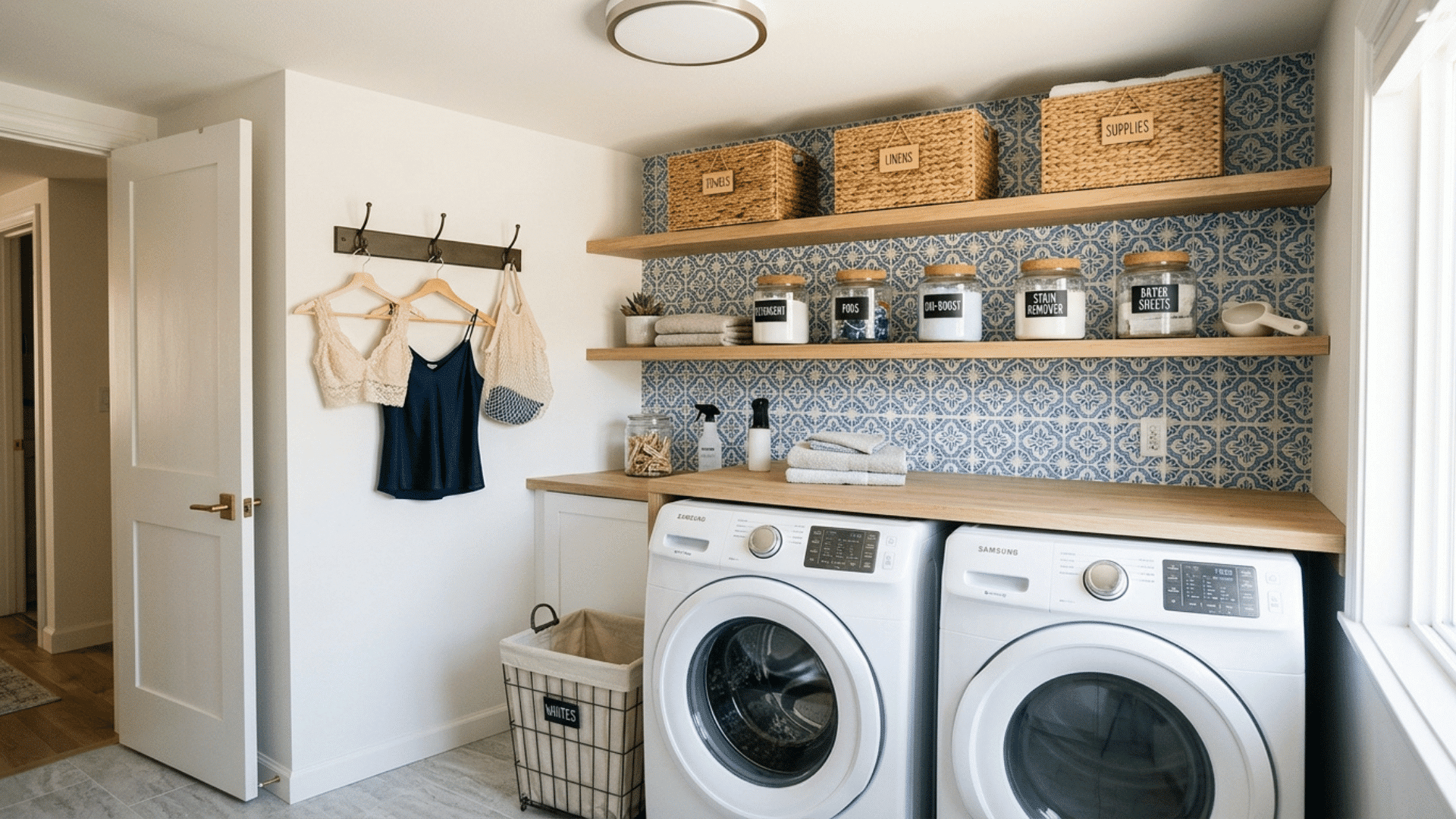
Open shelving above the machines holds baskets and labeled jars for detergent, keeping counters clear. A small stool doubles as folding space and storage.
Add a peel-and-stick backsplash for color without tile work, and hang a single hook rail for drying delicates near the door.
For more layout ideas, this laundry room organization guide is worth a look.
Simple Rule: Give every functional item a designated spot before adding anything purely decorative.
14. Anchor the Reading Nook With One Chair
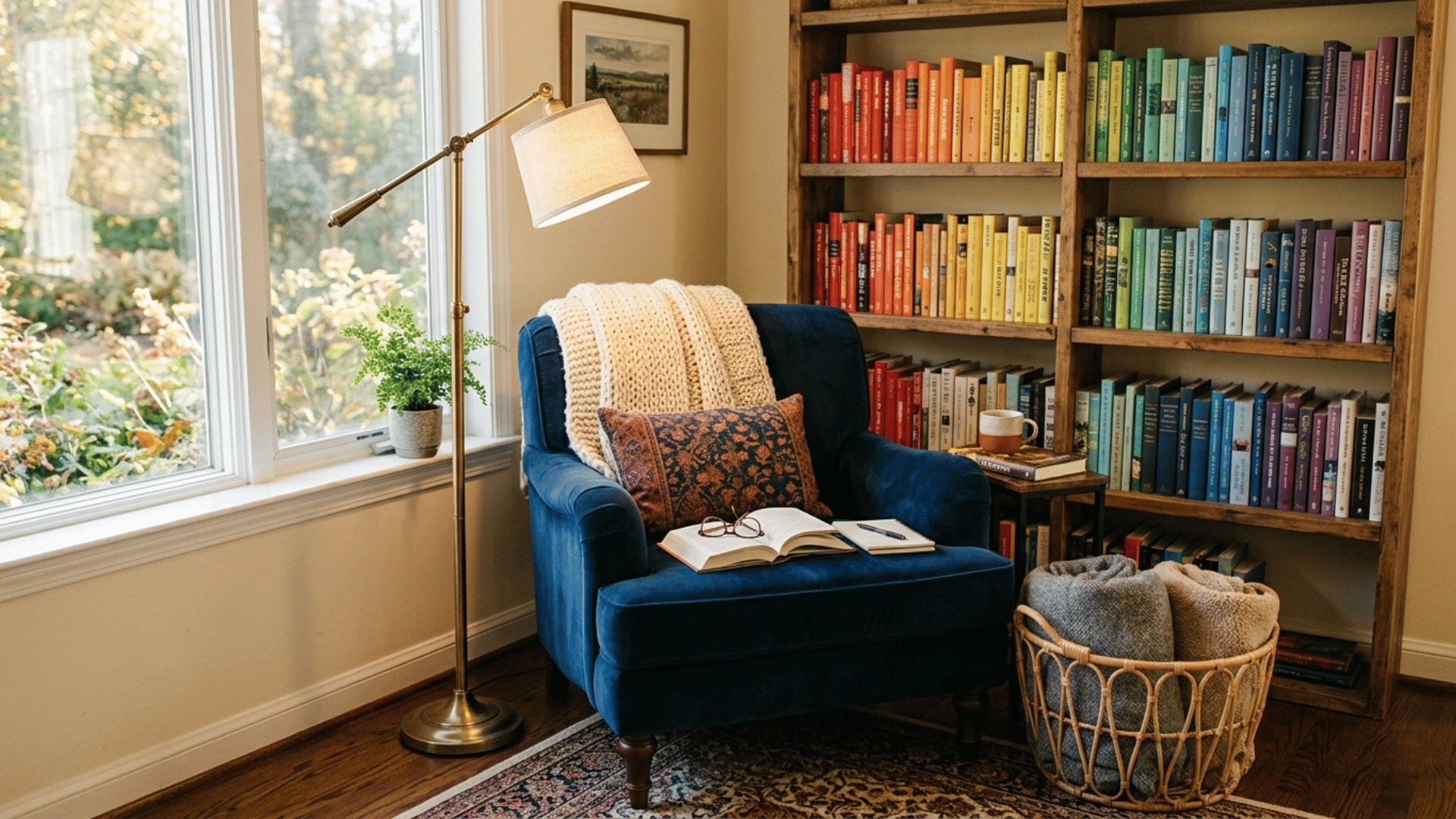
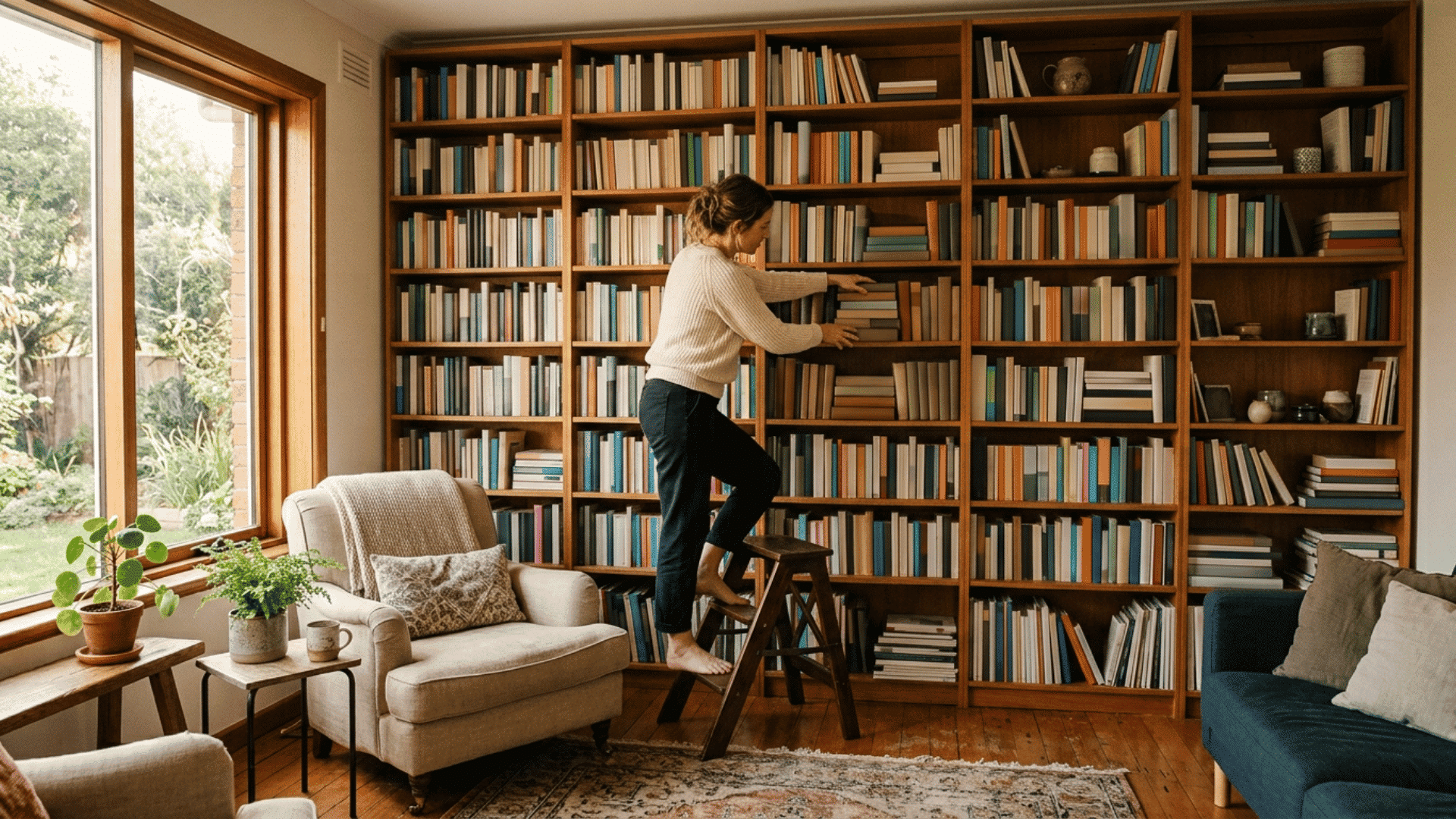
Anchor the nook with one deep chair rather than a full sofa, so it feels set apart from the rest of the room.
A floor lamp beats a side table lamp for reading height.
Arrange books by color or size on open shelves, and add a small blanket basket within arm’s reach of the chair.
Simple Rule: Position the lamp beside the chair, not behind it, so light falls directly on the page.
15. Keep the Media Room Dark and Low
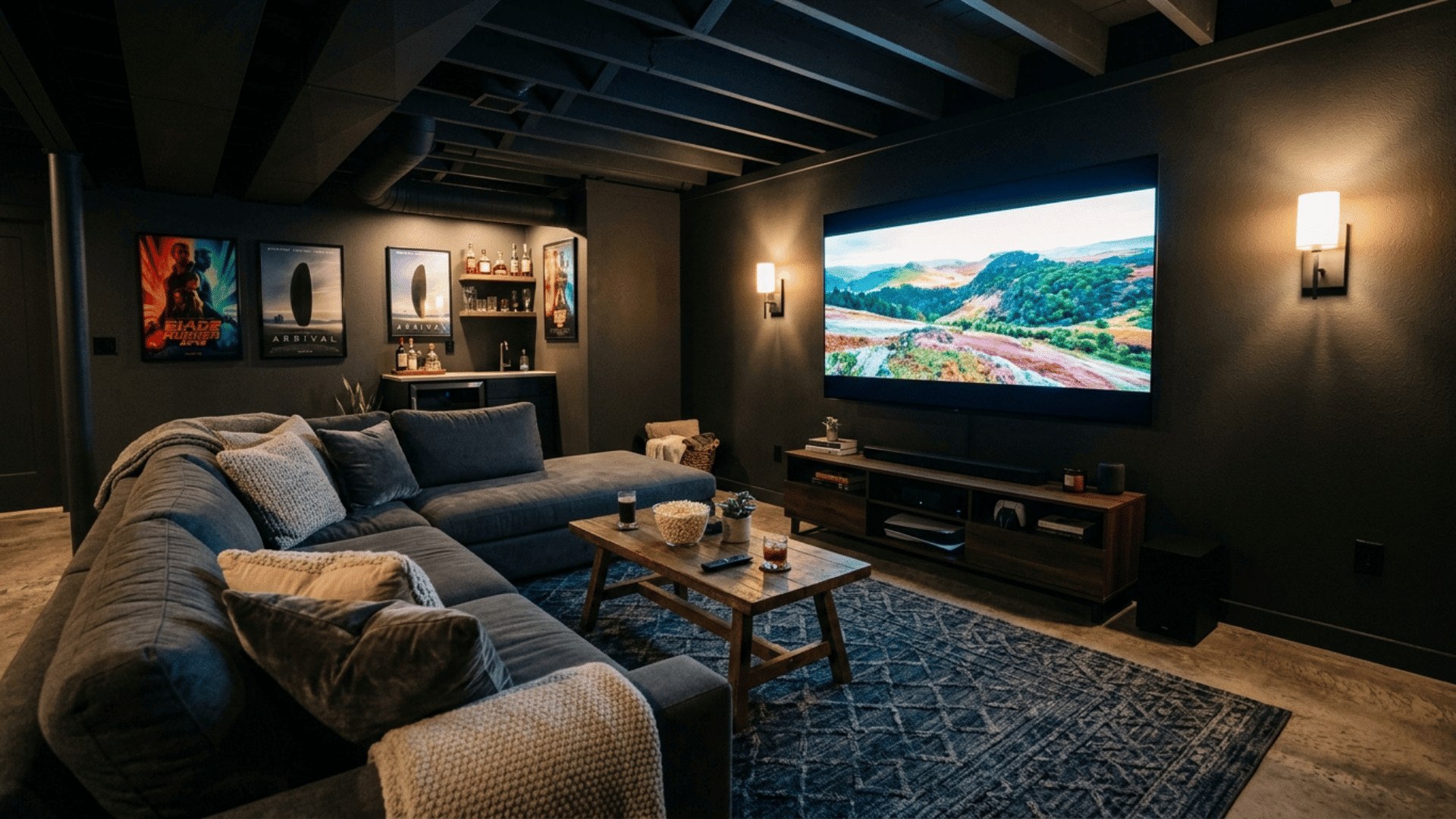
Darker wall colors work here since the goal is screen focus, not brightness. Add dimmable sconces instead of a single bright overhead fixture for more flexible lighting.
Use a large rug to break up concrete or tile flooring, and keep seating low and deep for movie-length comfort.
Simple Rule: Choose a rug at least two feet larger than the seating area to soften sound on concrete floors.
Suggested Read: Once your rooms are styled, don't stop at the walls; explore more living room layout ideas to make sure your furniture is working as hard as your decor.
Decorating Dos and Don’ts at a Glance
Good instincts still lead to common mistakes. This quick-reference table checks your choices against proven rules before you commit money, time, or wall space.
| Category | Do | Don’t |
|---|---|---|
| Color | Test paint on the wall for a few days | Trust the paint chip under store lighting |
| Furniture | Measure the room before buying | Guess sizes and hope it fits |
| Lighting | Layer ambient, task, and accent light | Rely on one overhead fixture |
| Art | Hang at eye level, 57–60 inches | Hang too high to fill wall space |
| Decor | Group items in odd numbers | Buy matchy-matchy sets |
| Surfaces | Leave some empty space | Cover every inch of a shelf or table |
Wrapping it Up
A budget rarely decides how a room turns out. Consistency does, one small change at a time, applied room by room instead of all at once.
The best decorating tips work because they’re specific, not because they’re expensive. A test swatch, a measured wall, a rug that fits the furniture: small decisions like these compound over weeks.
Trends fade faster than personal taste does. A home built on your own patterns, colors you keep repeating, styles you keep choosing, ages better than one built to match a moment.