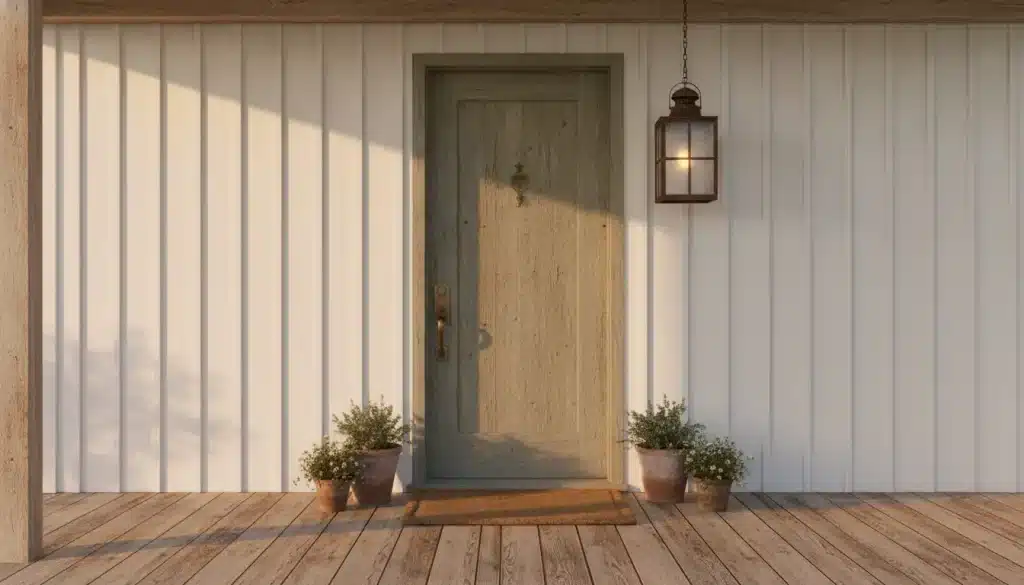
There’s a particular kind of panic that sets in when you finally get your farmhouse aesthetic just right — the shiplap, the vintage hardware, the perfectly weathered barn door — and then someone suggests adding a video doorbell or a smart lock.
It feels like inviting a spaceship into a space you built around warmth and history. The good news is that smart-home technology and farmhouse style aren’t actually at odds; they just require a little more intentionality than grabbing whatever black plastic gadget shows up first in a search.
The trick starts with finish selection. Most smart-home hardware today, from door locks to cameras to sensors, comes in a range of finishes beyond the default matte black or brushed silver you picture immediately.
Aged bronze, matte brass, and warm pewter options exist for a surprising number of smart lock and doorbell brands now, and choosing these over the tech-forward default finishes goes a long way toward making a device disappear into a farmhouse entryway rather than announcing itself as an obvious retrofit.
Placement matters just as much as finish. A smart lock mounted on a reclaimed wood door reads very differently depending on whether it’s centered awkwardly at eye level or tucked into a spot that respects the door’s original hardware layout.
The same goes for cameras and sensors — a discreetly placed unit tucked under eave trim or blended into a porch light fixture will always look more intentional than one mounted wherever the installation manual happened to suggest. A little extra planning here, ideally before installation day, pays off enormously in how finished the end result feels.
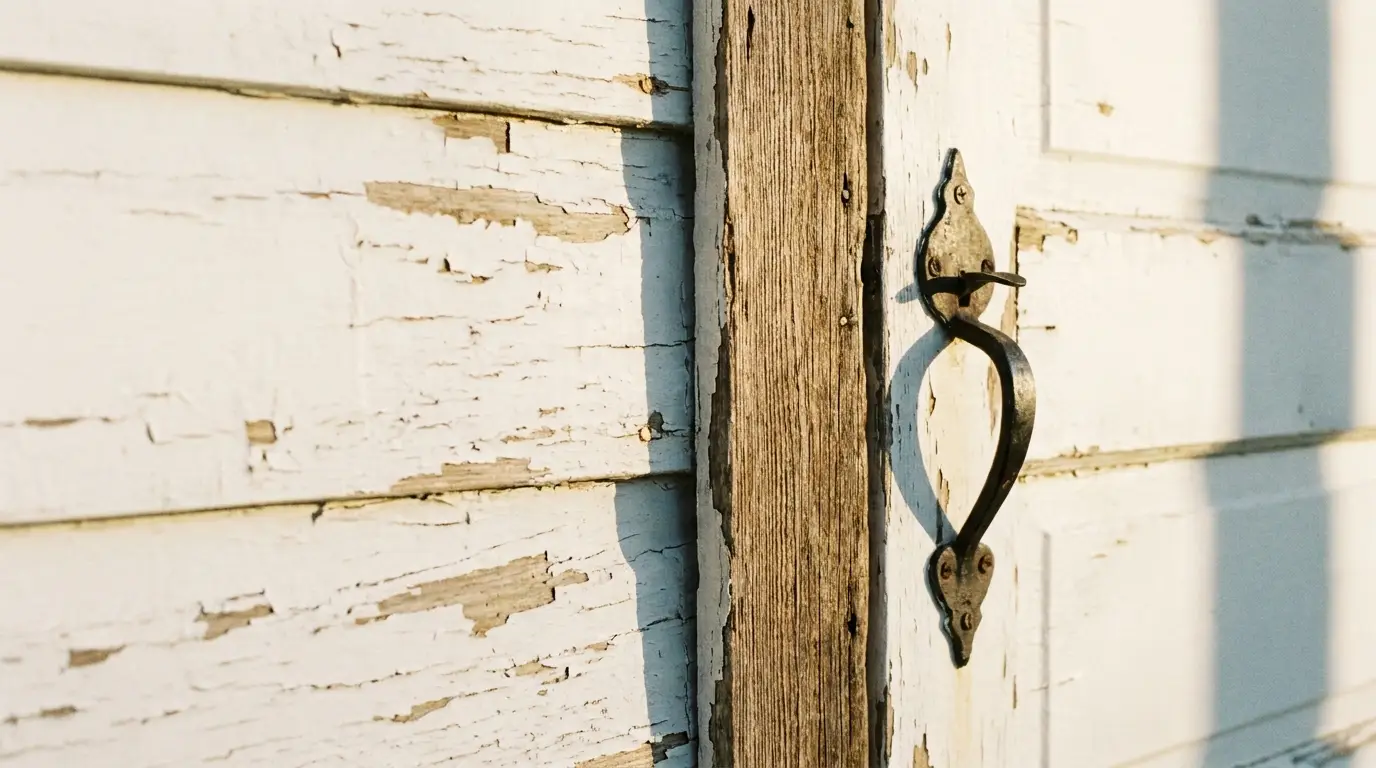
Wiring and visible cables are the other big farmhouse-killer. Exposed wiring reads as unfinished in almost any aesthetic, but it’s particularly jarring against the intentionally rustic, handcrafted look farmhouse style is built around.
Working with an installer who routes wiring through walls or existing chases, rather than running visible conduit along a beautifully distressed wall, is worth the extra planning conversation up front. It’s the difference between tech that supports your design and tech that visually competes with it.
This is exactly the kind of nuanced installation work that a good local partner earns their reputation on.
Homeowners working through a farmhouse renovation who bring in Alamo Smart Home often find that having an experienced local team involved early, rather than defaulting to a big-box DIY kit, makes it much easier to get finish, placement, and wiring decisions right the first time, instead of retrofitting compromises later once everything’s already installed.
Beyond hardware, there’s also a philosophy question worth sitting with: how much automation actually serves a farmhouse lifestyle versus just adding complexity for its own sake.
Smart lighting that mimics the warm, layered glow farmhouse interiors are known for tends to enhance the aesthetic.
A dozen competing apps and notification systems, on the other hand, tend to undercut the very simplicity that draws people to farmhouse style in the first place. Choosing a smaller number of well-integrated systems, rather than chasing every available gadget, keeps the technology in service of the home rather than the other way around.
It’s worth remembering that farmhouse style itself has always been about function dressed in warmth — mudroom hooks, deep porcelain sinks, hardware built to be used and to age well.
Smart-home technology, chosen and installed thoughtfully, fits that same philosophy more naturally than people assume.
The goal was never to avoid modern conveniences entirely; it was to make sure everything in the home, old and new, feels like it belongs to the same story. With the right finishes, careful placement, and an installer who understands the aesthetic you’re protecting, smart-home security and farmhouse charm can share the same doorway without either one losing what makes it work.
A good way to test whether a piece of tech belongs in your space is to ask whether you’d notice it if you weren’t looking for it. A well-chosen lock or camera should recede into the entryway the same way a good hinge or a well-worn door handle does — present, functional, but never the first thing a guest’s eye lands on.
If a device keeps drawing attention to itself no matter where you move it, that’s usually a sign it’s the wrong finish or the wrong placement, not that farmhouse style and smart technology are simply incompatible.
Give yourself permission to swap a piece of hardware even after installation if it’s not blending the way you hoped; getting it right is worth the small extra effort.