Many people use the terms “manufactured home” and “mobile home” interchangeably, as if they mean the same thing.
They don’t.
So, what is a manufactured home? It’s a home built inside a factory to federal HUD standards, set on a steel chassis, then moved to its final lot.
The HUD Code took effect back in the mid-seventies.
Homes built after that point are legally “manufactured homes.”
Anything built before that point is still called a mobile home. Same idea, just with older safety rules. Let’s get into the details.
What is a Manufactured Home?
The word “manufactured” just means it’s built somewhere other than your backyard, piece by piece in a factory, safe from rain and weather delays.
Every wall and wire goes in under strict HUD rules.
Once done, it sits on a steel chassis, gets driven to your land, and is set in place.
Each home gets a red HUD certification label, a metal tag usually near the electrical panel or on the back exterior, stamped with a number you’ll want when you finance or resell.
Cheapest option. Quality varies a lot by price point. Budget models look cheap, but higher-end models can rival stick-built on interior finish
What is a Modular Home?
‘Manufactured’ just means factory-built rather than assembled on your lot.
A house built in sections, inside a factory, then transported and assembled on a permanent foundation.
Unlike manufactured homes, modular homes follow the same state and local building codes as regular site-built houses, not a separate federal HUD code.
Once the sections are joined together on-site, the home looks and functions just like a traditional house.
And even if you’re planning to go compact, there are various ways to maximize your storage space for small modular houses.
Manufactured Home Sizes
These homes also come in a few sizes, and picking the right one depends on your space, budget, and household needs.
1. Single-Wide
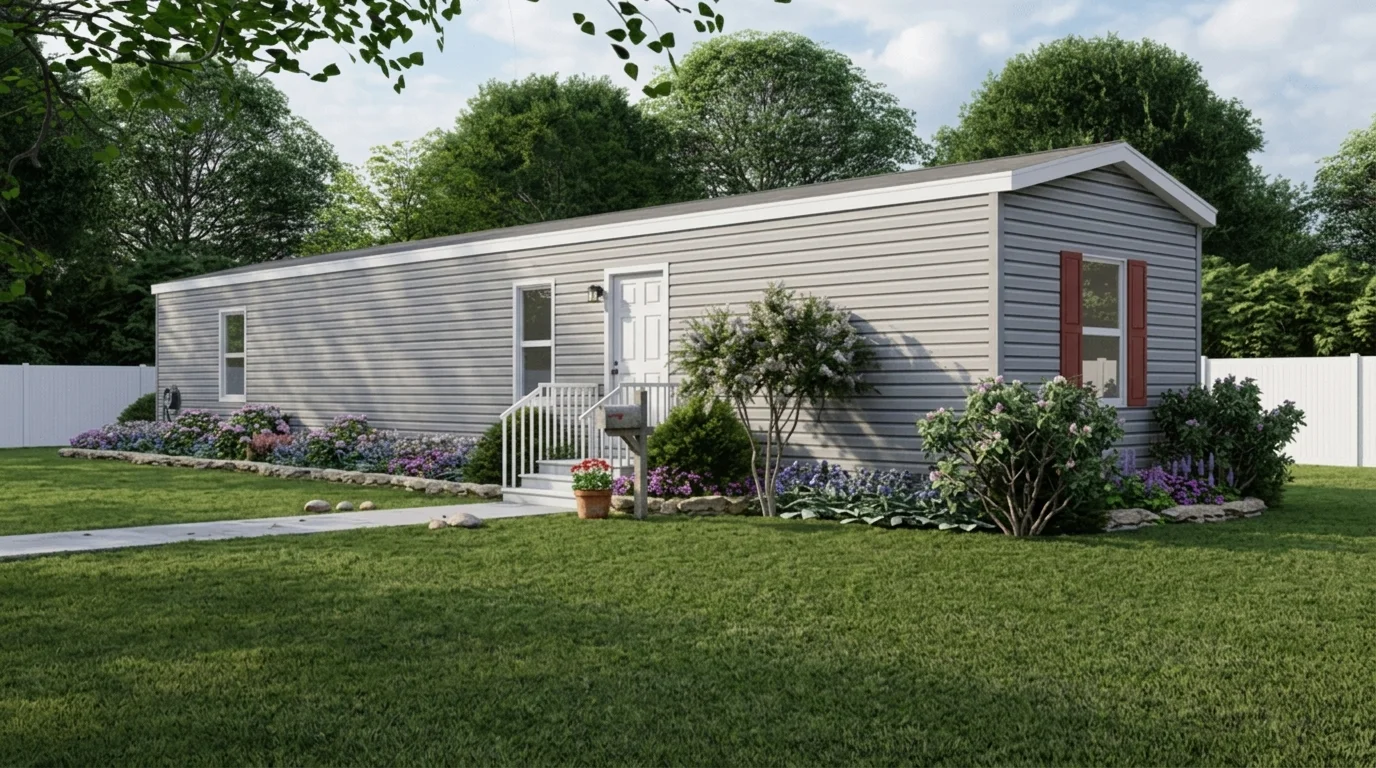
Homes like this arrive as one long, narrow section. Builders construct and ship them as a single piece, so no on-site joining is needed.
This design usually makes them narrower, often under 18 feet wide.
They also cost less than double- or triple-wide homes, which makes them a good fit for first-time buyers, single people, or smaller households looking to save money.
Their smaller footprint also makes it easier to place them on tighter or smaller lots.
2. Double-Wide
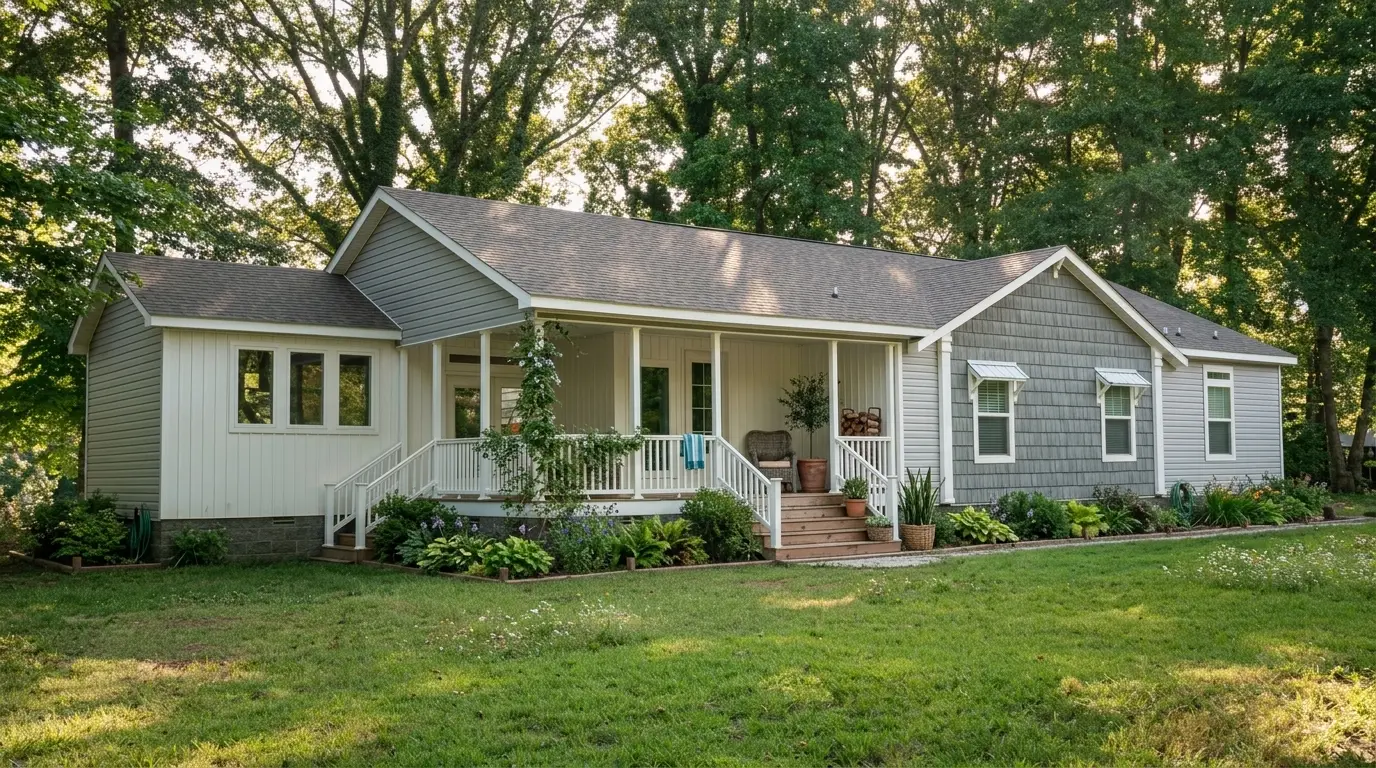
Homes in this category come in two separate sections that get joined together once they reach the land.
This setup roughly doubles the floor space compared to a single-wide, providing room for a full kitchen, a separate living area, and multiple bedrooms.
This makes it a better fit for families needing more bedrooms or storage space.
And it comes at a little bit of an expense.
3. Triple-Wide
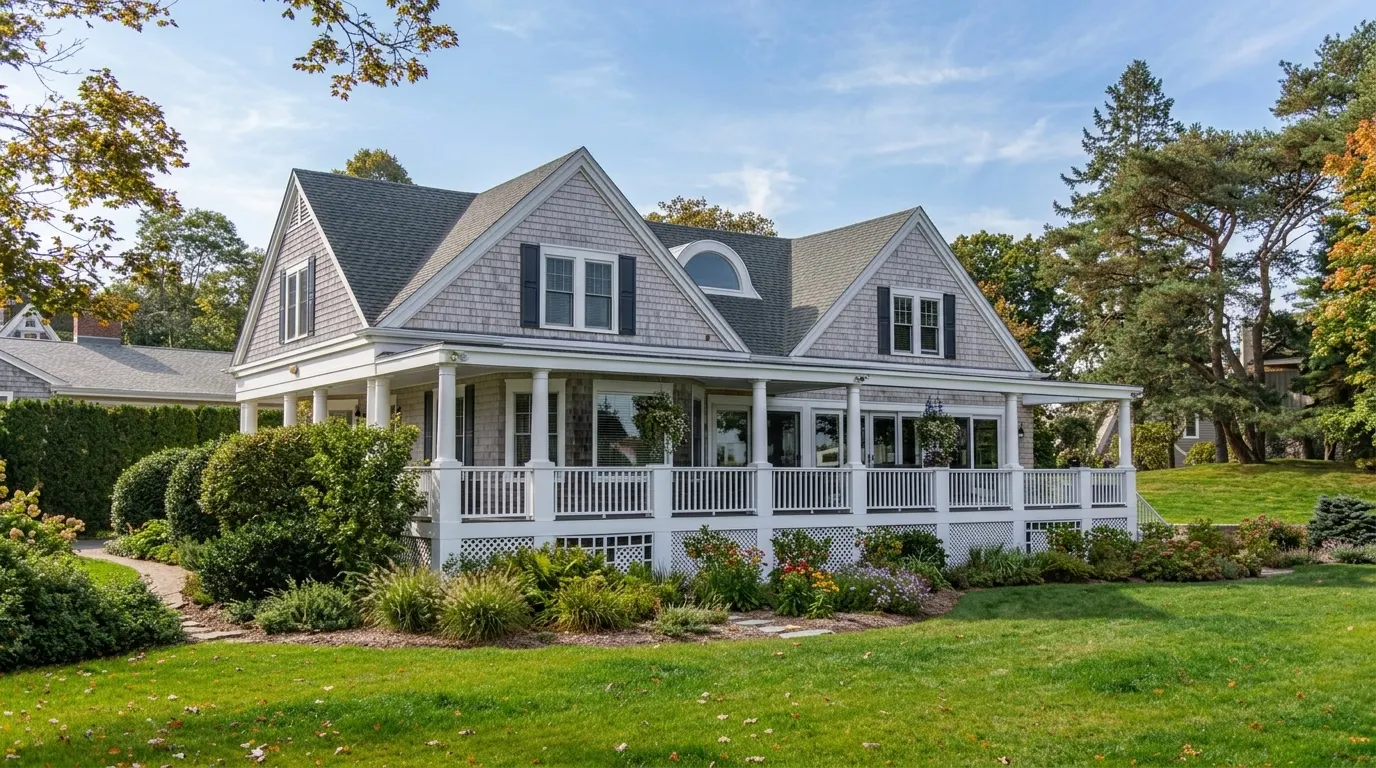
Homes like this bring together three separate sections, offering the most space out of all three options.
Builders join these sections during setup, giving buyers the largest footprint among manufactured home types.
This layout gives more freedom with floor plans, whether that means extra bedrooms, a larger living area, or added storage throughout.
It works well for larger families who need more room.
What Can You Expect Once You Move In?
Step inside a newer manufactured home, and you’d never guess it came from a factory.
Open layouts, tall ceilings, full kitchens, private bedrooms, and closets that surprise people with how much they hold.
Finishes have caught up, too. Granite counters, tile backsplashes, wood-style floors. Many feel just like any other home from the inside.
Ask residents, and a few things stand out. Some love how quiet it feels once set on a solid foundation.
Others didn’t expect this much closet space. Many say the setup came together faster than expected.
Repairs may need a specialist. Storms mean proper anchoring matters. Renting a lot means following community rules, and utility costs shift with size and insulation.
Manufactured vs Mobile vs Modular vs Site Built
| Feature | Manufactured Home | Mobile Home | Modular Home | Site Built Home |
|---|---|---|---|---|
| Where it’s built | Factory | Factory | Factory | On the land itself |
| Rules followed | Federal HUD code | Older, pre-1976 rules | State and local codes | State and local codes |
| Built after | June 15, 1976 | Before June 15, 1976 | Any date | Any date |
| Foundation | Steel chassis, may add a permanent foundation later | The steel chassis usually stays as is | Permanent foundation | Permanent foundation |
| Delivery method | Trucked to the lot | Trucked to the lot | Trucked in sections, assembled on-site | Built piece by piece on-site |
Mobile Built Home
These are also called manufactured homes, which are built entirely in a factory, then transported to their final location and set on a foundation or support system.
They follow a federal building code (HUD code) rather than local building codes, and they can be moved again after installation, though most stay put once placed.
Site Built Homes
These are constructed piece by piece directly on the land where they will remain, in accordance with local and state building codes.
Everything from framing to finishing happens on site, which usually means a longer build time but more flexibility for custom layouts and changes during construction.
Best curb is expensive, appealing, and has a high resale value.
How Does a Manufactured Home Really Cost?
New manufactured homes usually cost about $80,000 to $160,000 for the home itself, depending on size, layout, and finish level.
In February 2026, new single manufactured houses sold for an average of $89,100, according to HUD’s Survey.
But that’s just the beginning.
Budgeting for land or lot rent, delivery, foundation construction, permits, and utility hookups is also necessary.
Installation and site preparation can cost between $15,000 and $60,000 or more. Depending on the location and amenities, monthly lot rent might range from $500 to $1,200.
Once those extra pieces get added, the final number can look pretty different from where you started.
If budget and timeline matter most to you, manufactured homes offer a lower starting price, faster build time, and flexible layouts.
Before You Buy One, Check This List First….
Buying a manufactured home involves more than picking a floor plan you like.
A little homework up front can save you from costly surprises later.
1. HUD label and build date: Confirm the home meets current federal standards.
2. Owned land vs leased lot: This changes your monthly costs and long-term equity.
3. Local zoning rules: Some areas restrict where manufactured homes can be placed.
4. Foundation and utility costs: Get a clear number before you commit to a lot.
5. Loan and insurance options: Not every lender treats these homes the same as a typical mortgage.
6. Community fees and rules: Ask about rent hikes, pet policies, and parking limits.
7. Inspection, warranty, and resale terms: Get everything in writing before signing anything.
So, is a Manufactured Home Right for You?
A manufactured home is a good fit for buyers seeking a lower-cost home, more freedom in where they settle, or a simpler floor plan without a long construction wait.
What is a manufactured home?
It’s easier to see why it also suits people open to factory-built quality without giving up comfort or space.
Before you commit, look past the sticker price.
Add up the land, setup, and monthly costs, since that total number tells you far more than the home price alone.
Frequently Asked Questions (FAQs)
1. Is a Manufactured Home the Same as a Trailer?
No, a manufactured home is a permanent space with strict federal HUD construction rules, unlike older trailers built before those standards existed.
2. Can a Manufactured Home be Placed on a Permanent Foundation?
Yes. Many owners set their manufactured homes on a permanent foundation, which can also help with financing and long-term resale value.
3. Can a Manufactured Home Increase in Value?
Yes, especially when the home sits on owned land, is well-maintained, and has been upgraded over time.