The velvet box comes out, or the anniversary lands, or somebody finally walks across a stage, and suddenly you are standing in front of a display case making a decision you will live with for the next thirty years. Fine jewelry carries that weight. It is one of the few things people genuinely expect to keep, hand down, and recognize in photographs decades later.
That permanence is also why shopping under deadline pressure goes so badly. Budget tends to be the loudest voice in the room, and it should not be. A modest budget spent carefully beats a larger one spent in a hurry, because quality in this category is not distributed evenly across price tags. Two pieces marked at the same number can differ enormously in luster, finish, and the honesty of the paperwork behind them.
So here is the practical version: how to think about the occasion, what the trade vocabulary actually means, which quality signals survive real light, and how to compare sellers without trusting whoever hired the better photographer.
Start With the Occasion, Not the Object
A milestone purchase works backward from the person and the day, never forward from a product page. An engagement, a fiftieth birthday, a first grandchild: each of those carries a different emotional register, and the piece should sit inside that register rather than shout over it.
Ask what the recipient already wears. Someone who lives in soft neutrals and keeps their hair pinned up will reach for earrings constantly and leave a heavy cocktail ring in a drawer for years. Someone who dresses in bold color may want exactly the opposite. Wearability is not a compromise on romance, it is the thing that keeps the gift in circulation.
Timing deserves the same respect. Celebrations compress every decision into the final fortnight, and jewelry bought in that window rarely gets inspected properly. Anyone who has worked through a beginner’s guide to planning wedding decor already knows the rhythm that saves the day: order early, inspect the moment it arrives, and leave yourself room to exchange.
Learn the Vocabulary Before You Spend
The trade runs on precise language, and most buyer regret starts with one misread word. Natural, laboratory created, and imitation are three separate categories with three separate values, and a seller is expected to disclose plainly which one sits in the box. The American Gem Society maintains a plain-language buying guide covering carat weight, enhancements, and the difference between a lab-grown stone and a tinted piece of glass.
Treatment disclosure matters more than most shoppers realize. Plenty of stones are heated, filled, or coated to improve color, and some of those treatments change how the piece has to be cleaned and stored. None of that is dishonest by itself, but a treated stone is worth less than a comparable untreated one, and you deserve to know which you are paying for.
Pearls come with a vocabulary of their own. Natural and cultured describe origin, freshwater and saltwater behave differently on the strand, and nacre thickness quietly decides how the surface will look after ten years of wear. The World Jewellery Confederation publishes downloadable grading standards for pearls, colored stones, and precious metals, which is as close as the industry gets to a shared dictionary.
Read the Quality Signals in Person
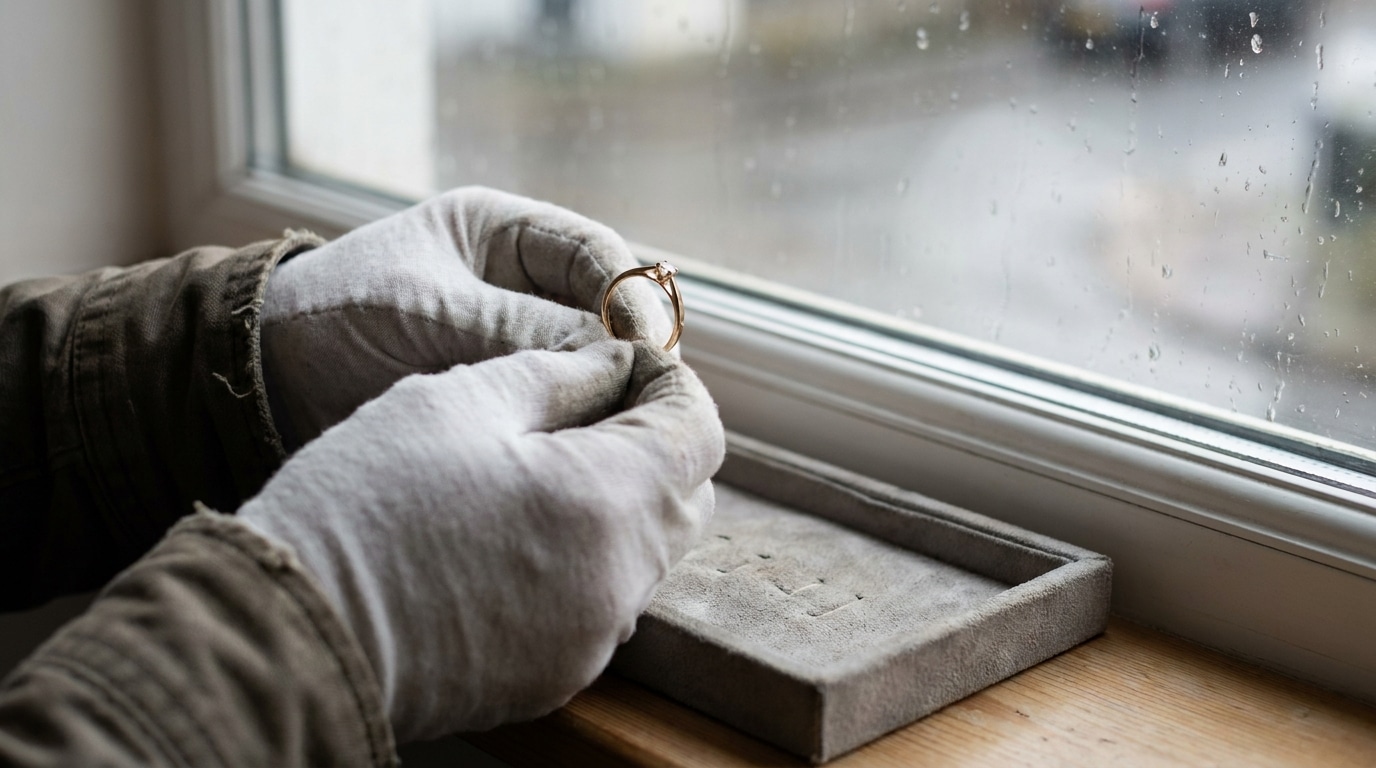
Light is the cheapest testing equipment you own. Take the piece to a window, then under warm indoor bulbs, then under the harsh white of a phone flashlight. Real luster shifts and deepens as the angle changes; cheap surface shine looks the same everywhere and slightly plastic in every one of those conditions.
Then look at the construction, because that is where corners get cut invisibly. Check prong tips for symmetry, run a fingertip along solder joints, open and close the clasp a dozen times, and turn the piece over to see whether the back is finished as neatly as the front.
Finally, read the receipt before you sign it. It should name the material, describe any treatment, and spell out the return window in days rather than vague promises. Reputable retailers accept that scrutiny; the Jewelers Vigilance Committee exists partly to mediate disputes when they do not, and knowing that recourse exists makes the conversation at the counter much easier.
Compare Sellers Instead of Trusting One
Nobody buys a car from the first lot they visit, yet jewelry shoppers routinely buy from the first pretty website. Line up three or four candidates and hold them against the same criteria: disclosure quality, grading transparency, and how specific the product descriptions get about size, origin, and finish. Vagueness is a signal.
Independent roundups help enormously here, particularly for pearls, where the visual difference between a fair price and a poor one is subtle. Comparison reviews ranking the best pearl jewelry brands by luster, grading standards, and fair pricing will tell you far more in ten minutes than a week of scrolling product photos will.
The Piece Outlives the Party
The celebration ends by midnight, and the jewelry stays. That is the whole argument for slowing down: you are not buying decoration for one evening, you are buying something that gets worn to work, to hospitals, to other people’s weddings, and eventually into someone else’s jewelry box.
Set a budget you can defend, spend it on materials and workmanship rather than on packaging, and keep the documentation somewhere you will find it again. Insurance appraisals, treatment disclosures, and original receipts turn a sentimental object into a protected asset.
And then, honestly, stop optimizing. Once the quality checks out and the terms are fair, choose the piece that makes the person smile, because that reaction is the only return on investment anyone remembers.