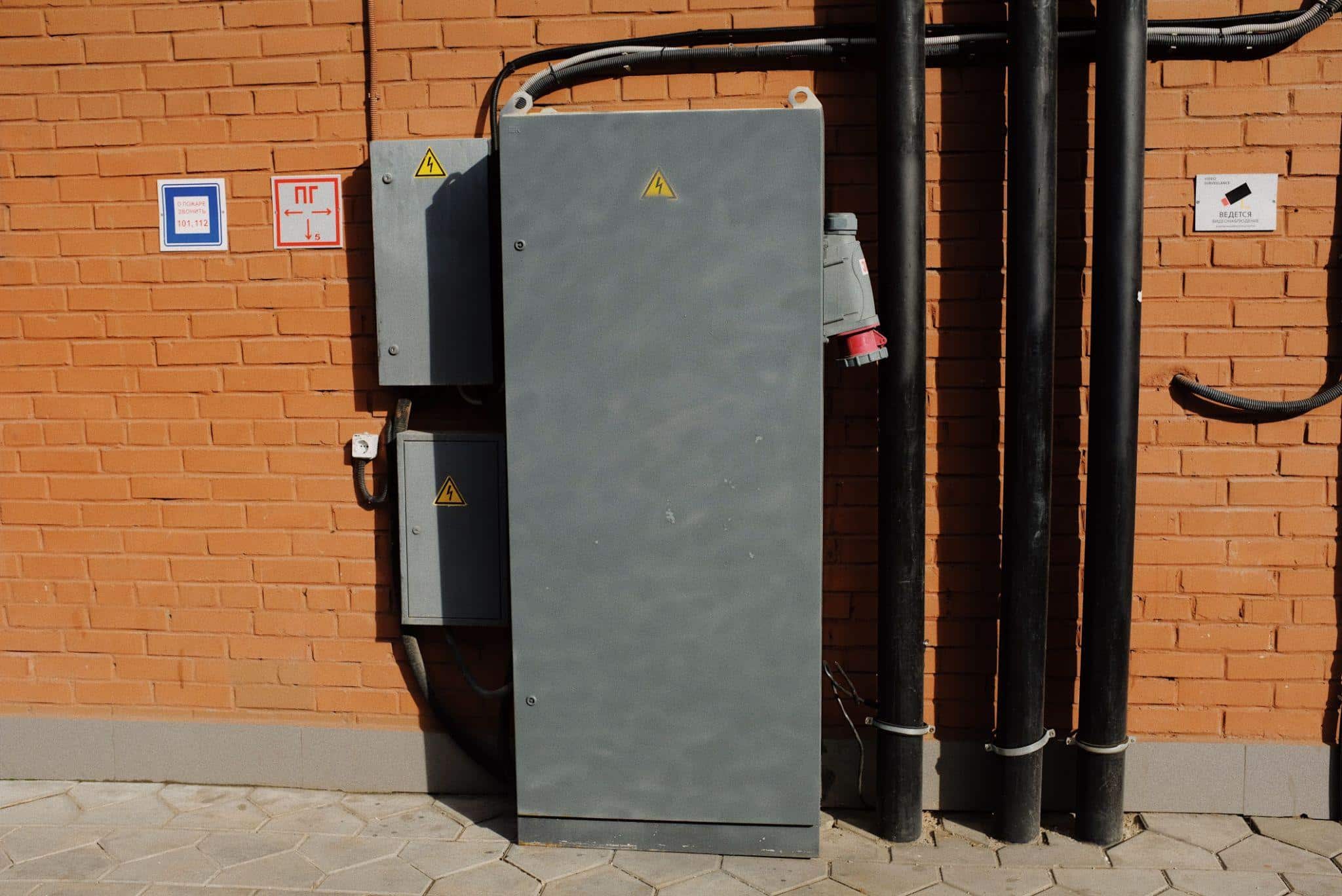
Your electrical panel is the quiet workhorse of your home. It sits in the basement, garage, or utility closet, and most homeowners barely think about it until something goes wrong.
But that gray metal box controls every circuit in your house, and when it starts falling behind the demands of modern living, the warning signs are worth paying attention to.
Older homes across the country are still running on panels installed decades ago, back when a family might have owned one television and a single window air conditioner.
Today, the same panel is being asked to power induction ranges, heat pumps, home offices, and electric vehicles. Here is how to tell when your panel needs attention, and what to do about it.
Signs Your Panel May Be Outdated
Panels do not usually fail dramatically. They give hints. If you notice any of the following, it is worth having a licensed electrician take a closer look.
- Breakers that trip frequently, especially when running everyday appliances together
- Flickering or dimming lights when large appliances kick on
- Warm spots on the panel or a faint burning smell near the box
- A panel that buzzes, hums, or crackles
- Rust, corrosion, or discoloration on the panel or breakers
- A fuse box instead of a breaker panel, which usually means the system is well past its expected service life
Any one of these on its own is a reason to schedule an inspection. Several of them together mean the panel is likely due for replacement.
Why 100-Amp Panels No Longer Cut It
For decades, 100-amp service was standard for the average American home. Today, most new homes are built with 200-amp service, and many older homes need to catch up.
A whole-home EV charger alone can draw 40 to 50 amps. Add a heat pump, an electric dryer, and a kitchen full of high-draw appliances, and a 100-amp panel starts to feel like a two-lane road handling rush-hour traffic.
Upgrading to 200 amps or higher is often the first step homeowners take when planning to add an EV charger, a generator, or a major renovation. If any of those projects are on your list, a professional electrical panel replacement service is usually where the planning needs to start.
Safety Is the Strongest Reason to Act
There is a safety dimension to this that goes beyond convenience. According to the National Fire Protection Association, electrical failures and malfunctions are among the leading causes of home fires in the United States. Outdated panels, worn breakers, and overloaded circuits are all contributing factors.
Some older panel brands have also been flagged over the years for reliability issues. If a home inspector or electrician raises concerns about your panel brand, take it seriously. Replacement is often the safest and most cost-effective path forward.
When Real Estate Enters the Picture
Panel condition also matters when buying or selling a home. Inspectors routinely flag outdated or unsafe panels, and buyers may request repairs or credits before closing.
If you are preparing to list, having the panel evaluated in advance prevents last-minute surprises. On the buyer side, an older panel is not a dealbreaker, but it is worth pricing into your offer.
What the Upgrade Process Looks Like
A panel upgrade is not a weekend project, but a qualified electrician makes the process straightforward.
The general steps include:
- Assessment of your current electrical load and future needs
- Permit application through your local jurisdiction
- Coordination with the utility for a temporary power shutoff
- Installation of the new panel, breakers, and updated grounding
- Final inspection by the local authority to confirm code compliance
Most residential upgrades take a single day of on-site work, though the full timeline from quote to inspection can span a couple of weeks depending on permit turnaround and utility scheduling. Permits are not optional for work of this scope, and reputable electricians handle the filing as part of the project.
Choosing the Right Electrician
Not every electrician handles panel work the same way. When hiring for a job this significant, look for a current license and proof of insurance, clear written estimates, experience with your local utility and permitting office, and strong reviews from real customers. A good electrician will walk you through their recommendations rather than pushing the most expensive option.
For homeowners in the Mid-Atlantic region, for example, Deshaies Electrical Services offers straightforward electrical panel upgrade work with upfront pricing for families looking for a reliable, licensed provider.
Planning Ahead Pays Off
The best time to think about your panel is before you need to. If you are planning to add an EV charger, a heat pump, or a major renovation in the next few years, getting the electrical foundation in place first saves money and headaches later.
If your home is more than 25 years old and the panel has never been touched, a conversation with a licensed electrician is a low-cost first step.
If you are exploring your options, start by scheduling a panel inspection with a licensed electrician in your area.