Your roof does not send you a calendar reminder when it is wearing out. Instead, it drops hints. A dark streak after a rainstorm. A shingle in the yard.
A ceiling stain that was not there last month. Knowing how to read those hints can save you thousands of dollars and a lot of unnecessary stress.
How Long Should a Roof Last?
Lifespan depends on the material, but installation quality, ventilation, and weather conditions can push the number up or down.
Here are the general ranges:
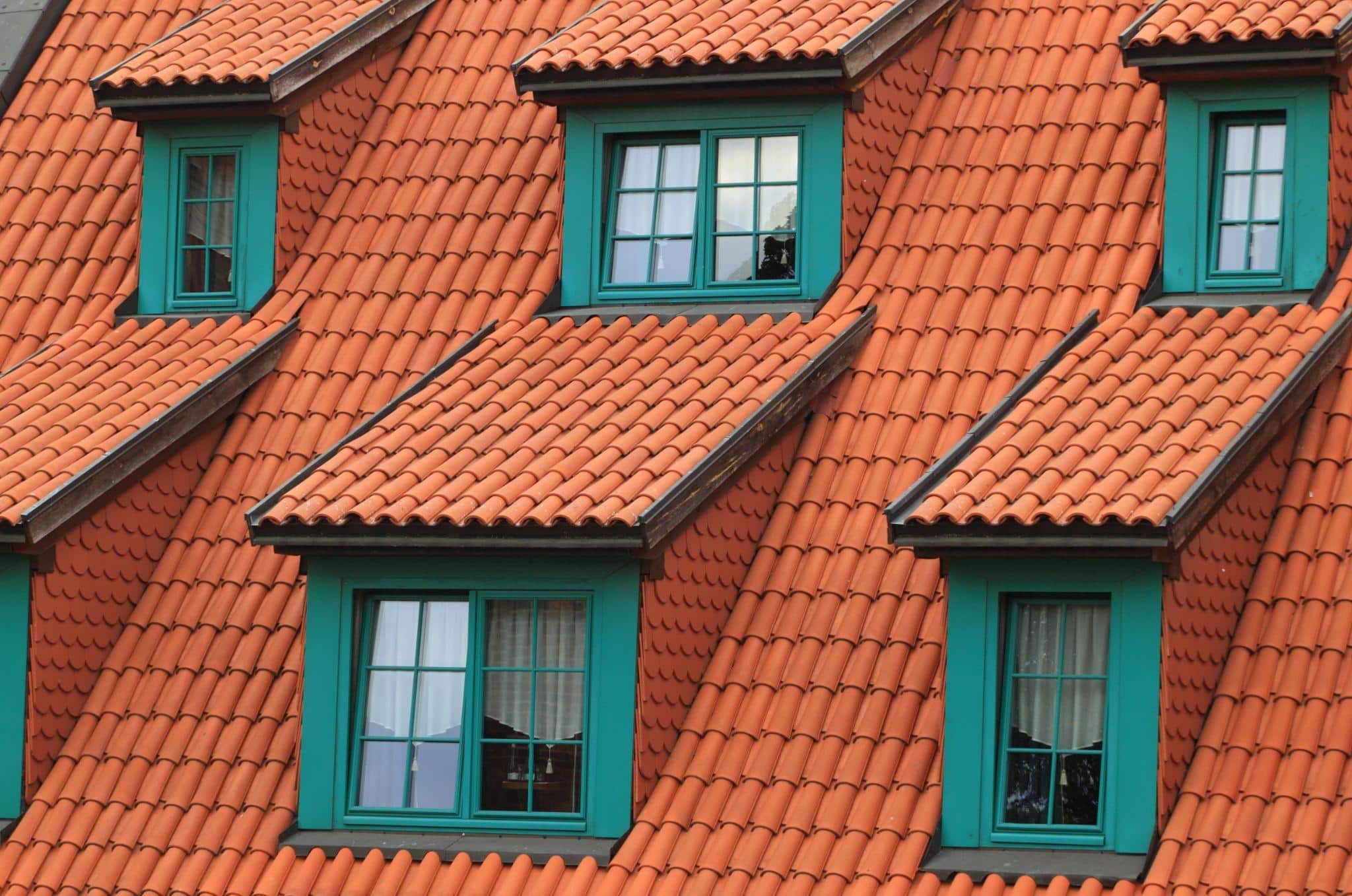
- 3-tab asphalt shingles: 15 to 20 years
- Architectural asphalt shingles: 25 to 30 years
- Premium asphalt shingles: 30 to 50 years
- Metal roofing: 40 to 70 years
- Clay or concrete tile: 50 to 100+ years
- Slate: 75 to 150+ years
Asphalt shingles are the most common residential roofing material in the country, covering over 80 percent of American homes. So most roof conversations come down to one question: is your aging asphalt roof still doing its job, or is it time to act?
If you are not sure where to start, experienced roofing contractors in Edgewater MD and similar local pros can give you an honest assessment based on what they see, not a sales pitch.
What Shortens a Roof’s Lifespan?
A roof rated for 30 years does not always make it to 30. Poor ventilation is one of the biggest culprits. Trapped attic heat bakes shingles all summer, and in winter it melts snow unevenly, creating ice dams that force water under the surface and into the deck.
According to the National Roofing Contractors Association (NRCA), proper attic ventilation is a key factor in maximizing roof performance and service life.
Installation quality matters just as much. Incorrect nail placement, reused flashing, and poor underlayment can cause good shingles to fail early.
Other factors include storm exposure, low roof pitch, heavy tree cover, and layered roofing where a second set of shingles hides damage underneath.
When a Repair Makes Sense
Not every roof problem means you need a new roof. Repairs typically make sense when the damage is isolated to a small area, the roof is still in the first half of its expected lifespan, a single leak can be traced to one spot like damaged flashing, and the deck underneath is solid and dry.
A well-done repair buys time without the cost of a full tear-off. The key is making sure the fix addresses the root cause, not just a symptom. Many contractors will inspect and quote repairs for free.
When Replacement Is the Better Investment
There comes a point where repairs stop being cost-effective and become a pattern. Replacement usually makes more sense when the roof is past the 20-year mark and showing widespread wear, granules are piling up in your gutters, multiple leaks are appearing in different areas, the deck is soft or sagging, or you are preparing to sell the home.
A full replacement is a significant investment, but it resets the clock. A new asphalt shingle roof, properly installed with good ventilation, can deliver 25 to 30 years of reliable protection.
Quick Inspection Checklist
You do not need to climb on the roof to spot trouble. From the ground, look for curling, cracking, or missing shingles and any sagging along the ridgeline. In the attic, check for daylight through the roof boards, dark stains, and moisture on framing.
In the gutters, look for granule buildup and shingle fragments. Any one of these alone might not be urgent, but several together usually point toward a roof nearing the end of its life.
Repair vs. Replacement: The Real Cost Comparison
A simple repair might run a few hundred dollars. A full replacement on a standard-sized home typically ranges from several thousand to over ten thousand, depending on material, pitch, and whether the old roof needs to come off first.
The real comparison is the total you will spend on repeated patches over the next five to ten years versus one replacement that solves the problem entirely. This is where a trusted local roofer who knows your area can help you weigh your options honestly.
For example, Heward Home Improvement offers free, no-pressure estimates for homeowners looking into roof repair near Edgewater, walking the job with the homeowner and giving a straight answer about what is actually needed.
Maintenance Habits That Extend Roof Life
Once you know where your roof stands, a little routine attention goes a long way. Clean your gutters at least twice a year. Trim overhanging branches.
Check flashing around vents and chimneys after major storms. Schedule a professional inspection every few years. None of these tasks are expensive, and together they can add years to a roof that might otherwise age out early.
Take the Guesswork Out of It
Your roof works every single day, whether you think about it or not. Check in on it periodically, address small problems before they grow, and know the difference between a repair that makes sense and a replacement that is overdue.