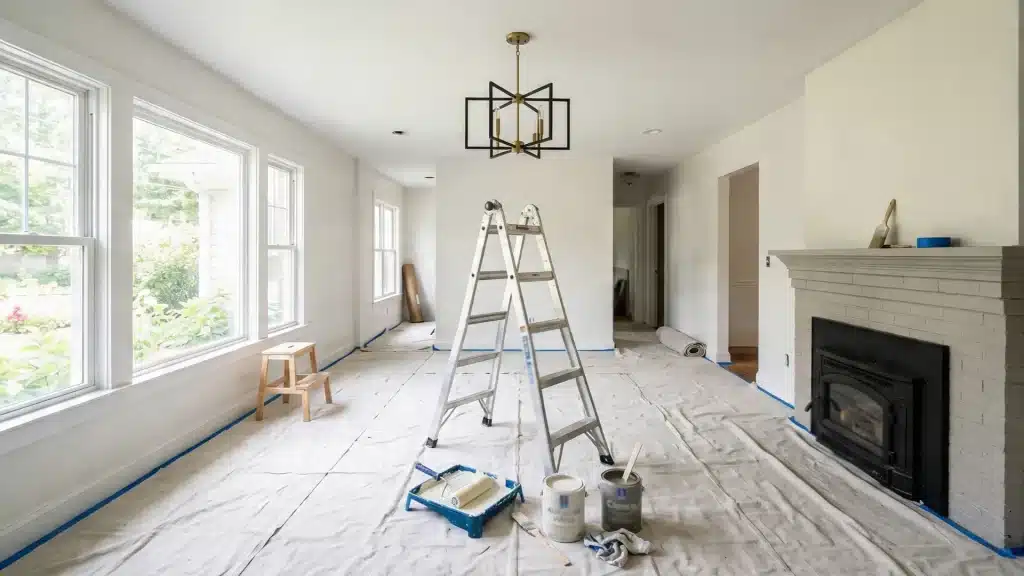
A fresh coat of paint can make a tired room feel brand new.
But when you start calling painters for quotes, the numbers can catch you off guard.
One contractor says $1,500. Another says $4,000. Same house, same rooms, wildly different prices.
So what’s actually driving that gap? The cost to paint interior of house depends on room size, ceiling height, paint type, and labor.
Knowing how each one affects the final bill can save you a lot of money.
This blog walks you through what to expect so you’re never caught off guard when someone picks up a brush.
What Does it Cost to Paint a House Interior?
The cost to paint the interior of a house typically ranges from $1,000 to $7,000 for an average-sized home.
Smaller rooms can run as low as $200 to $400 each.
Larger spaces or open-plan areas cost more.
Hiring a professional painter will always cost more than doing it yourself. Paint quality, the number of coats, and wall condition all affect the final price. Labor usually accounts for the largest share of the total bill.
Getting a few quotes before committing is always a smart move.
How Much Does it Cost to Paint a Room?
Painting a single room typically costs between $200 and $800.
Bedrooms tend to sit at the lower end, while living rooms and kitchens cost more due to their size. Ceiling height matters, too; taller walls mean more paint and more time.
A painter usually charges by the square foot or by the room. Expect to pay more for extra coats or wall repairs.
How to Estimate Your Own Cost to Paint Interior of House
Want to get a rough number before calling anyone? Here’s how to break it down yourself.
Labor Costs
Labor takes up the biggest share of your total bill.
Painters charge $20 to $50 per hour or $1 to $3 per square foot.
For a full house, labor alone can run between $900 and $4,500. Complex layouts, arched doorways, or detailed trim work will raise that number.
Paint Costs
A gallon of paint costs between $15 and $80 and covers roughly 350 to 400 square feet.
Budget brands work fine for low-traffic areas.
Premium paints last longer and cover better, making them worth it for busy rooms like kitchens and hallways.
Room Size and Ceiling Height
Larger rooms need more paint and more time.
High ceilings add to both. A standard 10×12 room costs far less than an open-plan living area with vaulted ceilings. Always measure before estimating.
Wall Condition and Prep Work
Walls with cracks, holes, or old paint need prep work first. Patching, sanding, and priming add to the overall cost.
Skipping prep leads to a poor finish that peels faster, so it’s never worth cutting corners here.
Number of Coats
One coat rarely gives full coverage, especially over dark or bold colors.
Two coats are standard practice. Going from a dark wall to a light one may require three coats, which especially increases both paint and labor costs.
Trim, Doors, and Ceilings
Painting trim, baseboards, doors, and ceilings is often priced separately.
Ceilings alone can add $150-$300 per room.
Trim work requires more careful cutting and takes longer, so expect a higher per-hour charge for these areas.
Cost Per Square Foot Explained
Square footage is one of the easiest ways to estimate your painting cost.
Here’s what you can expect to pay based on home size.
| Home Size (sq ft) | DIY Cost | Professional Cost |
|---|---|---|
| 500 sq ft | $100 – $200 | $500 – $1,000 |
| 1,000 sq ft | $200 – $400 | $1,000 – $2,000 |
| 1,500 sq ft | $300 – $600 | $1,500 – $3,000 |
| 2,000 sq ft | $400 – $800 | $2,000 – $4,000 |
| 2,500 sq ft | $500 – $1,000 | $2,500 – $5,000 |
| 3,000 sq ft | $600 – $1,200 | $3,000 – $6,000 |
| 3,500 sq ft | $700 – $1,400 | $3,500 – $7,000 |
Professional rates typically run $1 to $3 per square foot. DIY cuts that cost quite a bit, but paint, supplies, and your time still add up.
What Impacts the Cost the Most
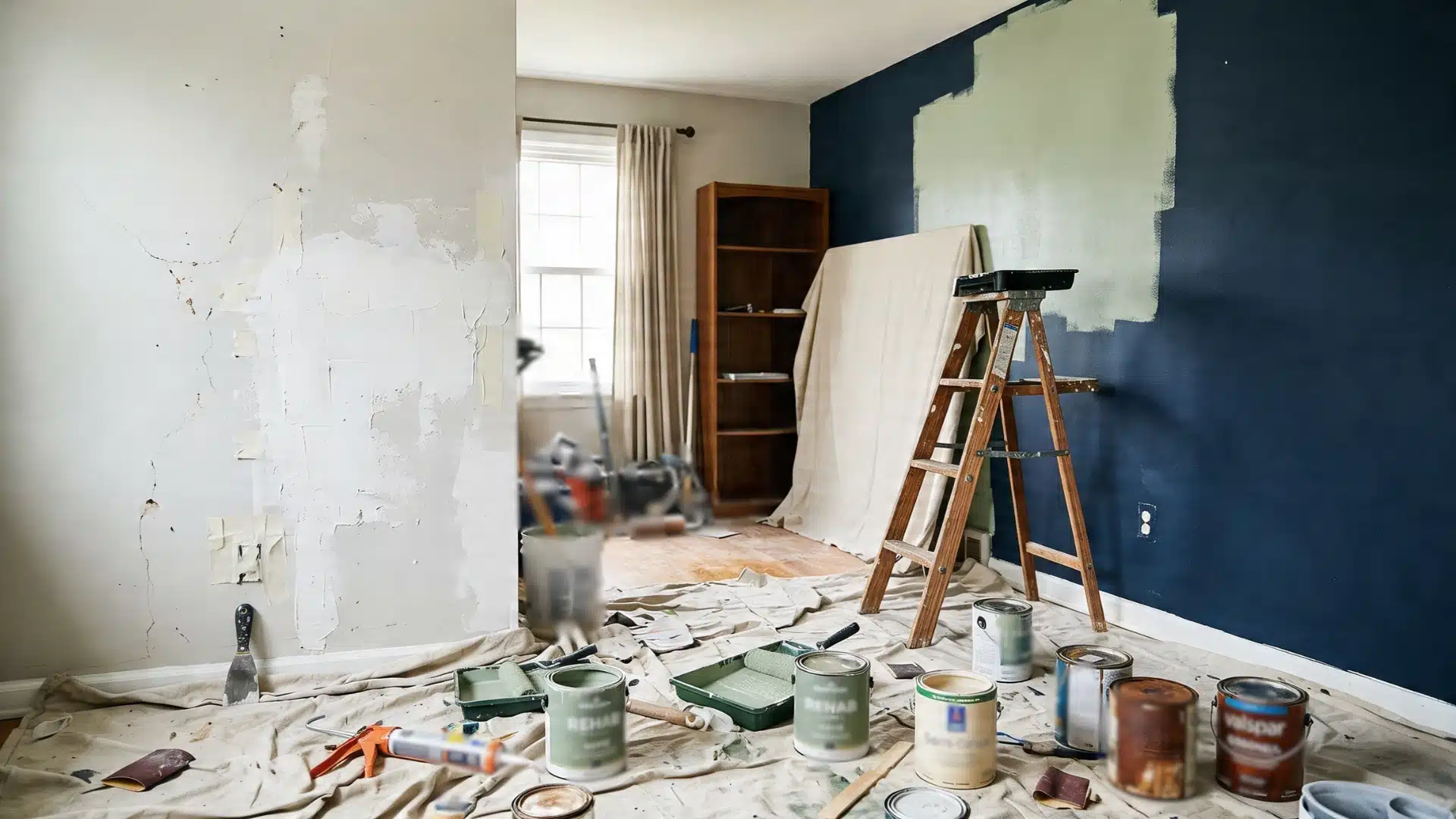
Some factors push the final bill up more than others.
Knowing what they are helps you plan better. The condition of your walls greatly affects costs.
Damaged or textured walls require more prep, materials, and labor, increasing expenses. Paint finish also influences price: flat paint is cheaper, while satin and semi-gloss are more durable but cost more.
- The more rooms you paint at once, the better your per-room rate tends to be.
- Painting during off-peak seasons can get you a lower quote from contractors.
- Dark or bold existing wall colors almost always need extra coats.
- Furniture and fixtures that need moving or masking add time to the job.
- Homes in high-cost-of-living areas pay more for the same work.
Accessibility is often overlooked. Stairwells, hallways, and rooms with awkward layouts take longer to paint, increasing time and cost.
The paint finish, brand, and booking time can also affect the final cost by a few hundred dollars.
Paint and Material Costs Breakdown
Beyond labor, materials account for a substantial share of your total cost.
A gallon of primer runs $10 to $20 and is essential for new or patched walls.
Painter’s tape costs $5 to $15 per roll. Drop cloths run $10 to $50. Brushes and rollers add another $20 to $50 to your supply list. If you’re hiring a professional, the materials are usually included in the quote.
DIY painters should budget $100 to $200 for supplies alone, in addition to paint costs.
Labor Costs: What Professionals Actually Charge
Most professional painters charge $20 to $50 per hour, and some charge by the room or by the square foot.
One painter takes 2-3 days on average for a home; larger crews finish faster but cost more. Some include materials in their quote, others charge separately, so ask before signing.
Experienced painters charge more but provide cleaner lines, better coverage, and longer-lasting finishes.
Hidden Costs Most People Miss
The base quote looks fine until these extras show up on the final bill.
- Moving heavy furniture that can’t be shifted easily adds time and cost.
- Removing old wallpaper before painting can add $300 to $600 to the job.
- Repairing water stains or mold-damaged walls costs extra before any painting starts.
- Some painters charge a travel fee depending on your location.
- Painting inside closets and built-in shelving is often priced separately.
- Ventilation requirements for certain paint types can add to prep time.
- Touch-up visits after the job are not always included in the original quote.
- Multi-story homes require ladders and scaffolding, which adds to labor charges
How Long Does Interior Painting Take
A single room takes 4-8 hours, while a full house with 3-4 bedrooms usually takes 3-5 days.
Prep, drying, and repairs extend the timeline. Larger crews work faster but are more expensive.
| Area | Estimated Time |
|---|---|
| Single Room | 4 – 8 hours |
| Two Rooms | 1 – 2 days |
| Full Apartment | 2 – 3 days |
| 3 – 4 Bedroom House | 3 – 5 days |
| Large Home (4+ bedrooms) | 5 – 7 days |
| Ceiling (per room) | 2 – 4 hours |
| Stairwell and Hallway | 3 – 6 hours |
| Kitchen | 6 – 10 hours |
| Bathroom | 3 – 5 hours |
How to Save Money Without Ruining the Finish
Cut costs without sacrificing quality by making smart choices.
Buy paint during sales or at discount stores to save $20-$30 per gallon.
Doing prep work, such as cleaning walls, filling holes, and priming, lowers painter labor costs.
1. Shop sales and discount stores
Seasonal paint sales are a great way to stock up and save on per-gallon costs.
2. Do your own prep work
Cleaning walls, filling small holes, and priming yourself cuts down the labor time you pay for.
3. Stick to two colors or fewer
The more colors you use, the more time and paint the job needs.
4. Book during the off-season
Winter and early spring are slower for painters, so rates tend to drop.
5. Buy paint in bulk
Covering multiple rooms in the same color? Buying in larger quantities costs less per gallon.
6. Roll the walls yourself
Handle the large flat surfaces and leave the trim and ceilings to a professional.
Getting multiple quotes helps; prices vary more than expected, and quick comparisons can save hundreds on the same job.
Disclaimer: Costs mentioned are estimates and may vary based on location, materials, and contractor rates.
Key Takeaway
Painting the interior of your home doesn’t have to break the bank.
Now that you know what drives the cost of labor, materials, room size, and prep work, you’re in a much better position to plan and budget smartly. Small decisions add up to big savings.
Ready to get started?
Measure your rooms, shortlist a few local painters, and request itemized quotes this week.
The sooner you start comparing, the sooner you’ll have a freshly painted home at a price that works for you.
Frequently Asked Questions (FAQ’s)
1. What Time of Year is Best to Paint?
Late spring and early fall offer the best conditions for interior painting.
2. How Many Hours Does it Take to Paint a 12×12 Room?
A 12×12 room typically takes four to six hours to paint.
3. What are the Signs of a Good Interior Painter?
Clean edges, consistent coverage, no drips, and a neat working area.
4. How Much Should it cost to paint the Interior of A 2000 sq ft house?
Expect to pay between $2,000 and $4,000 for a 2,000 sq ft house.
5. How Much Does Home Depot Charge to Paint Interior Walls?
Home Depot charges roughly $1.50 to $3.50 per square foot for interior painting.