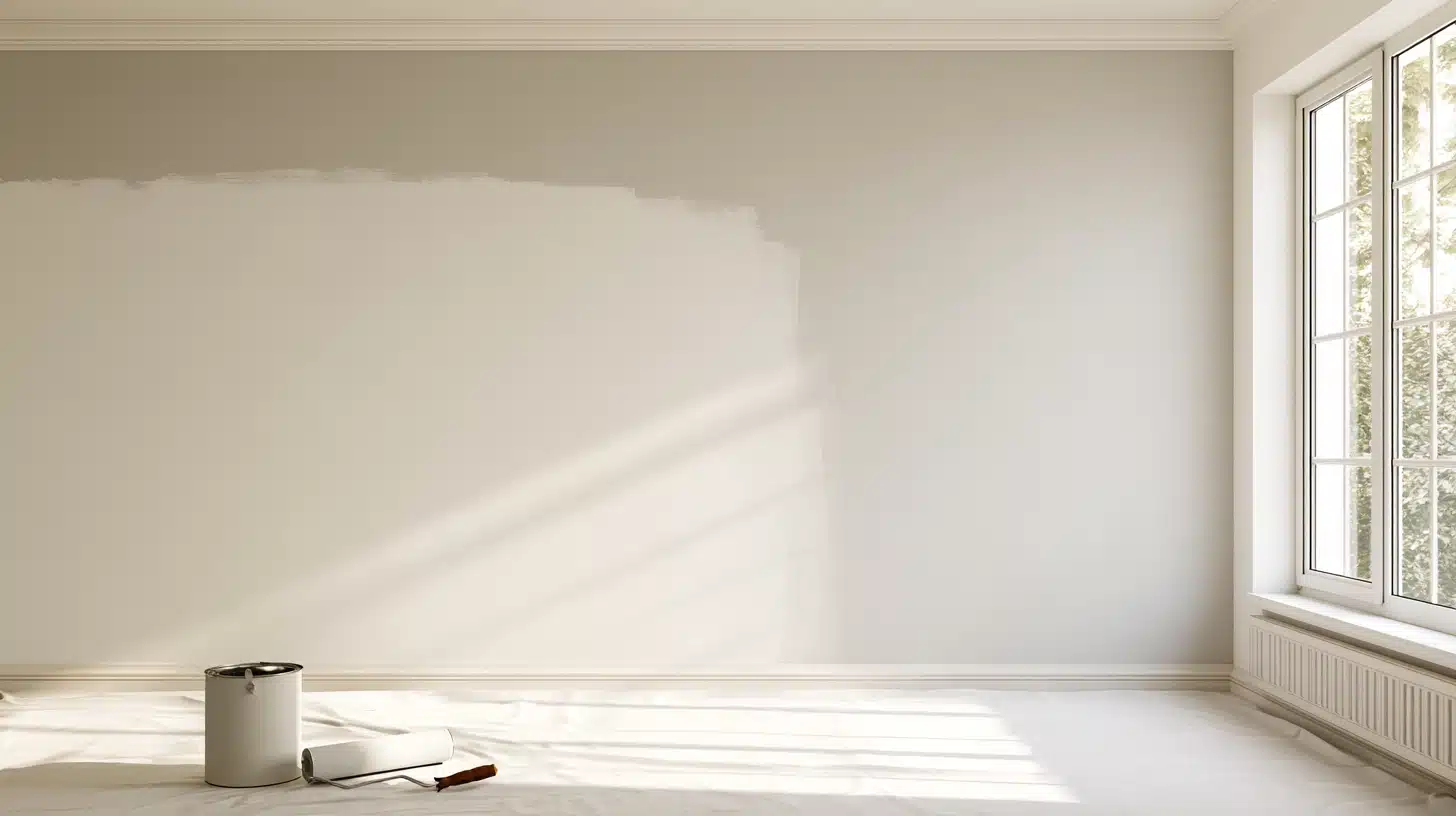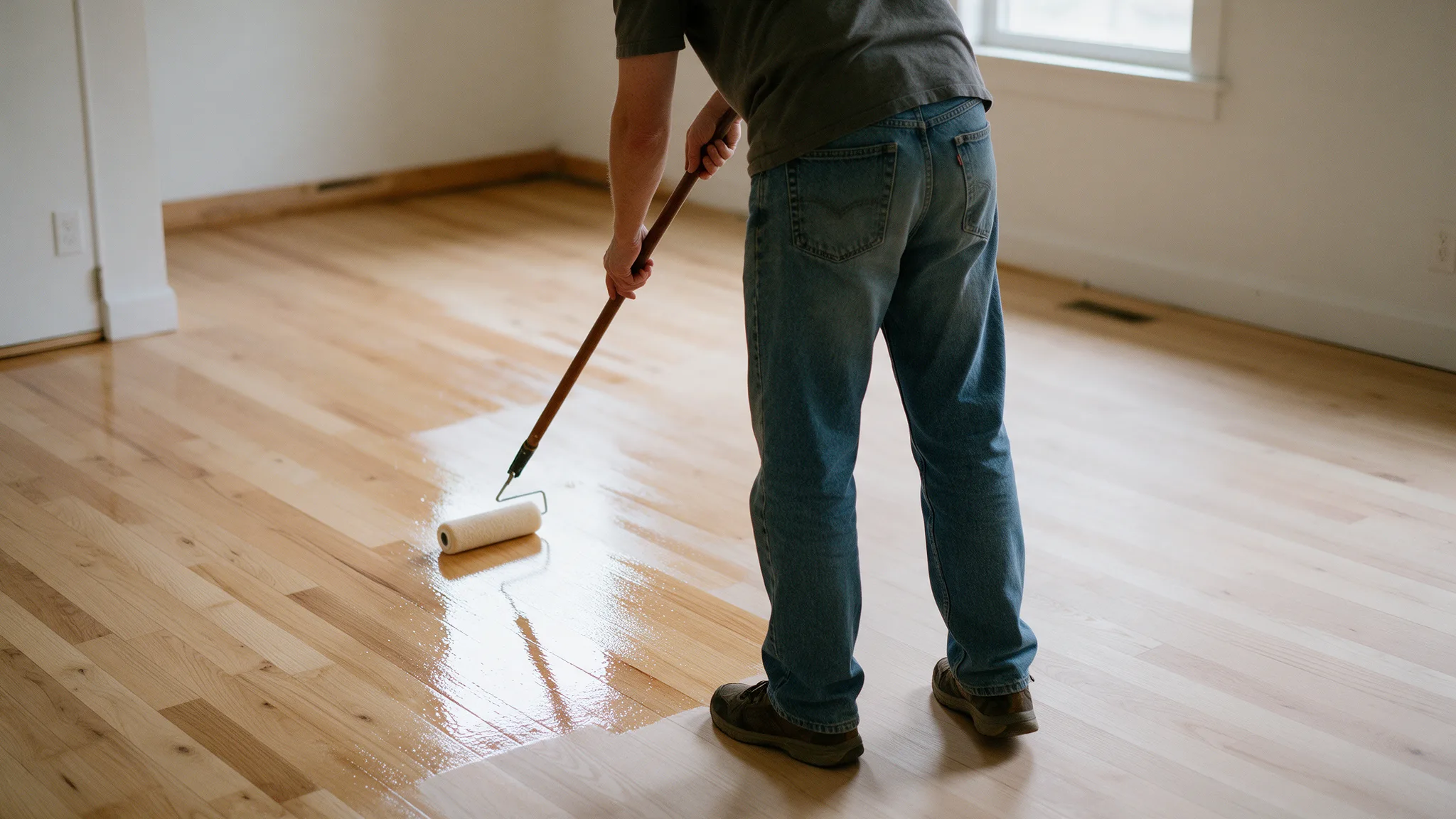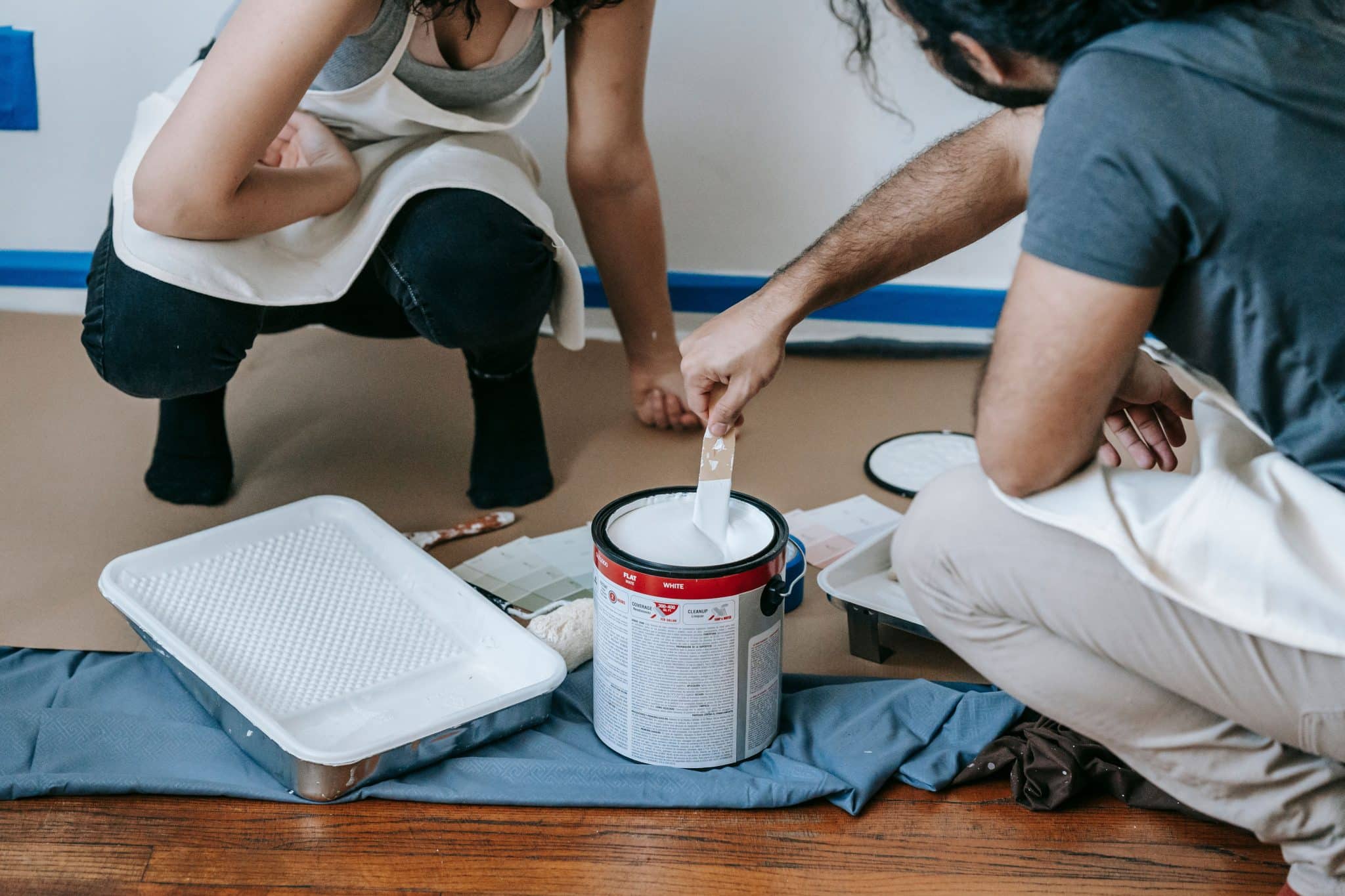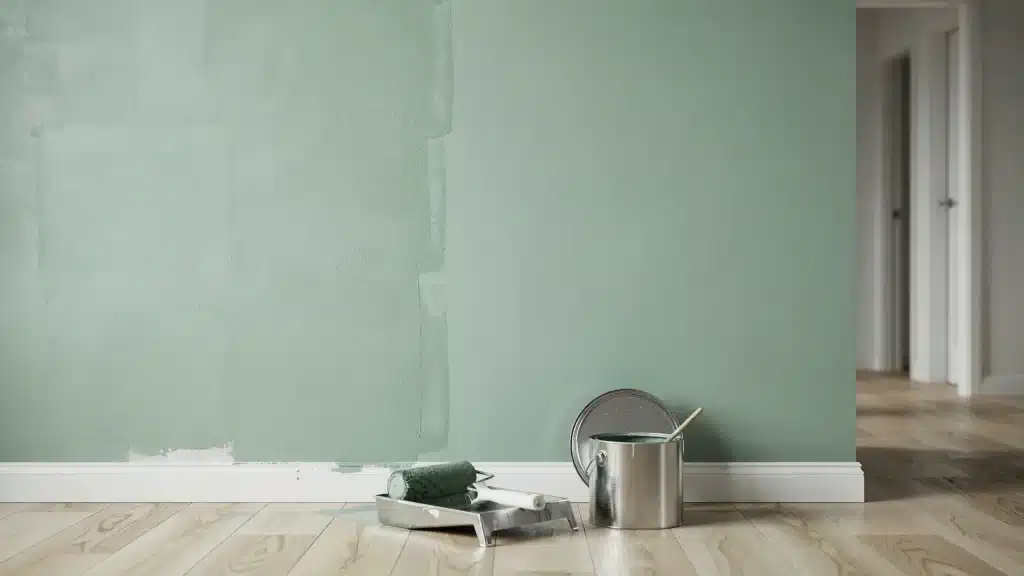
The hardest part of painting isn’t rolling on the first coat. It’s knowing when it’s actually safe to apply the second.
Paint that feels dry isn’t always ready for another coat, and rushing can cause peeling paint, streaks, or uneven color.
Paints need time to dry properly, and skipping the wait time can lead to a mess nobody wants.
How long to wait before the second coat of paint? Depends on various factors, such as paint type, humidity, and a few other things.
In this blog, we’ll show you exactly how long to wait between coats of paint so that your walls come out smooth and clean the first time.
How Long to Wait Between Coats of Paint?
The wait time for applying the second coat of paint varies with the type of paint used; for example, for oil-based paints, after 24 hours, and for latex-based paints, after 4-6 hours.
It can often vary depending on the paint used; some modern paints are designed to dry faster or slower, so always check your paint label for the most accurate directions.
Why is Paint Recoat Time Important?
If you apply the second coat of paint while the first coat is still wet, liquid, and pliable, you risk creating pulls and streaks in the soft, gel-like material.
When you apply paint coats too soon, you risk streaks, skinned paint peeling off, bubbles, tiny pits, and large pockmarks.
Painting too soon can cause peeling or uneven color, while waiting too long can make it harder for new paint to stick.
If several days or weeks pass before applying the next coat, dust, dirt, or grease may collect on the surface, affecting the adhesion.
Drying, Recoating, and Curing – What Do They Mean?
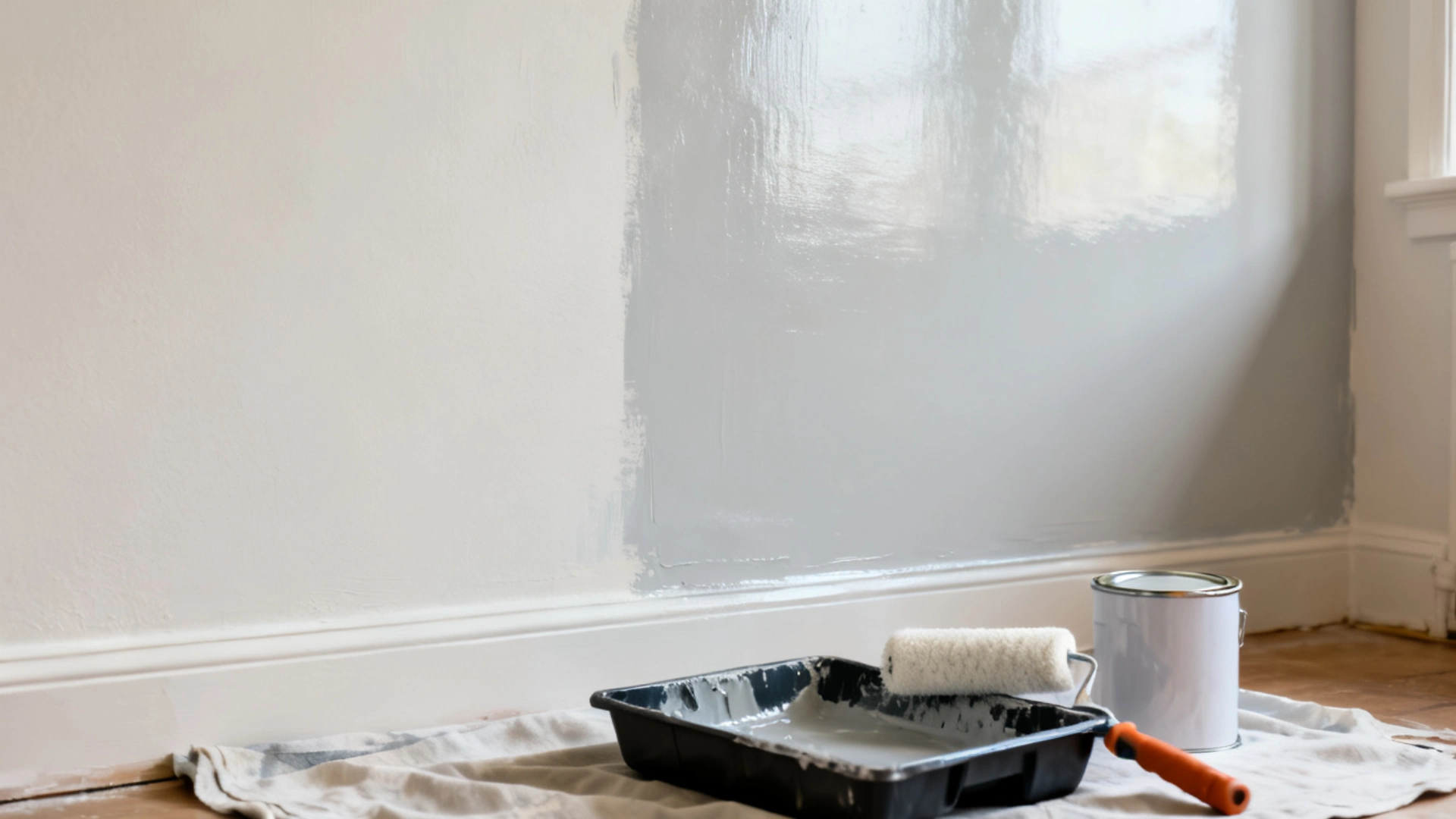
Understanding these three is essential as it dictates whether a finish will be flawless or fail. Each time frame must be followed to achieve the best result.
Drying: Paint dry time is the time it takes for the wet paint to become dry to light contact.
Recoating: Paint recoat time is the time it takes for the paint to be sufficiently dry to apply another coat.
Curing: Paint cure time is the time it takes for the paint to harden and be fully ready for washing and touch. It can take up to weeks, depending on the season and climate.
How Long to Wait Before Second Coat of Paint?
The time frame can vary by paint type, as each has its own drying rate. It can commonly take an hour to a day, depending on the paint type:
| TERM | LATEX-BASED PAINTS | OIL-BASED PAINTS |
| Dry Time | 30 minutes to 1 hour | 6 to 8 hours |
| Recoat Time | 2 to 4 hours | About 24 hours |
| Cure Time | 2 to 3 weeks | 5 to 7 days |
How Many Coats of Paint Does it Actually Need?
In most cases, applying two coats gives the best results.
The first coat seals the surface and creates a base, while the second coat improves color consistency, hides brush or roller marks, and provides a more durable finish.
A third coat may be needed when covering dark colors with lighter shades, painting over stained surfaces, or using bright colors that naturally require extra coverage.
What Other Factors Affect the Drying Time?
Aside from the paint type, several factors determine how quickly paint dries, and understanding them helps plan each coat more effectively.
Whether working indoors or outdoors, keep these factors in mind to achieve a clean, elegant look for the wall.
1. Temperature and Humidity
Paint dries best between approximately 65°F and 80°F with low humidity.
The cold, damp air slows and regulates the evaporation process. On the other hand, warm, dry air speeds up the process.
Always check weather conditions before starting so you can plan your painting hours for faster drying.
2. Paint Formula and Type of Finish
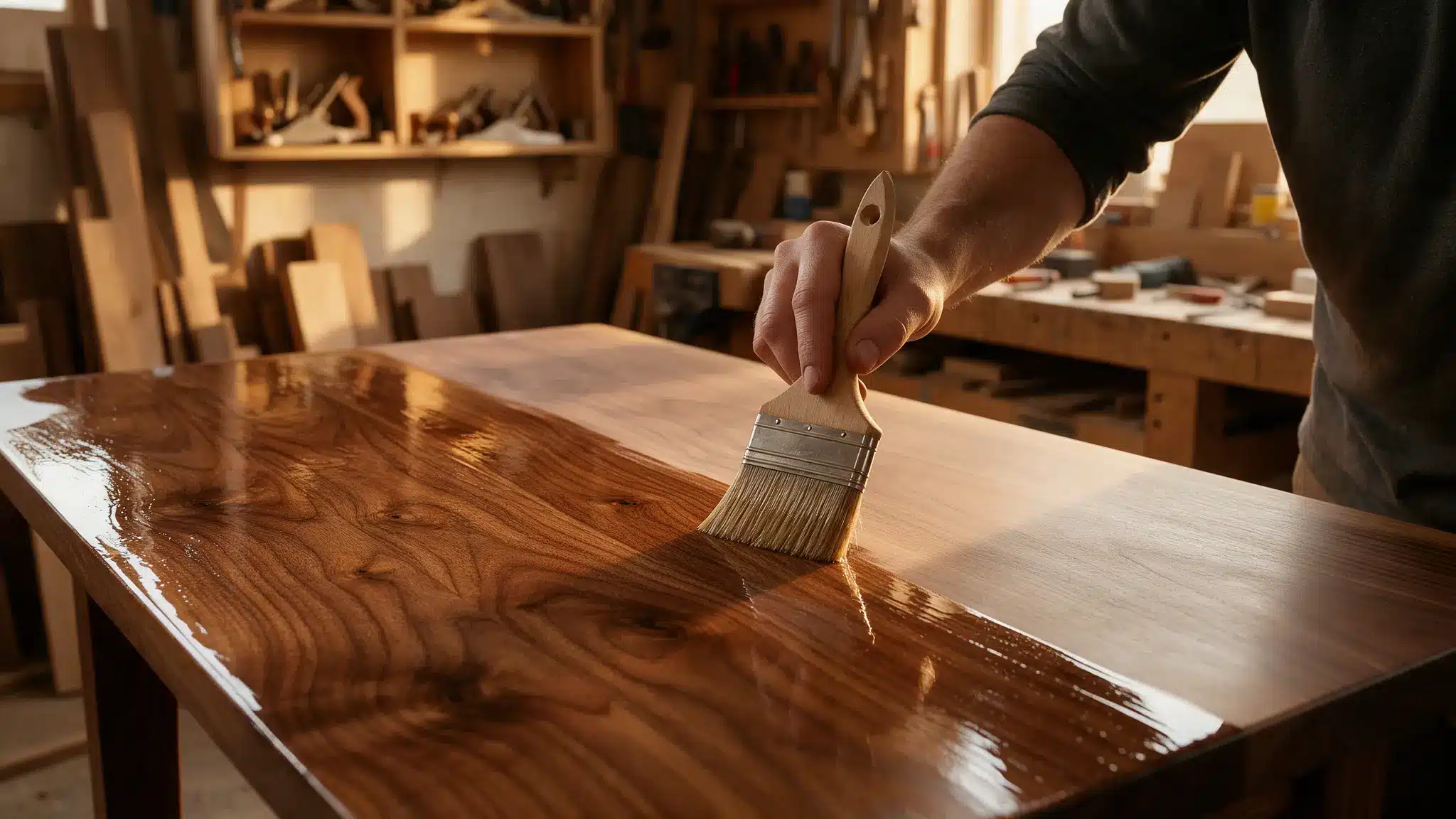
Water-based paint dries quickly compared to oil-based paints. Gloss and semi-gloss finishes seal faster; hence, they need more drying time between the coats.
Flat and matte finishes are more forgiving and set sooner. So the formula and finish you pick both shape how long each coat needs to be.
3. The Surface Being Painted
Porous material like Bare drywall or wood absorbs the wet paint faster than any non-porous surface like metal or laminate.
Sealed or glossy surfaces let the paint sit on top, so it dries more slowly. A quick primer coat can even out how the surface soaks up each layer.
4. Thickness of Paint Applied
Thick paint captures and traps the moisture underneath, taking a much longer time to dry. This may lead to uneven sheen or peeling.
Thin layers, on the other hand, take less time, dry faster, and give a clean look.
Paint may feel dry within an hour but still contain trapped moisture underneath. Recoating too early can affect adhesion and finish quality.
Interior vs Exterior Paint Wait Time
Painting indoors and outdoors involves different curing times due to differences in paint formulations and environmental conditions.
Interior paint
It usually dries under more stable conditions because temperature and humidity are easier to control indoors.
As long as the room has good airflow, the recommended recoat time on the paint label is generally reliable.
Exterior paint
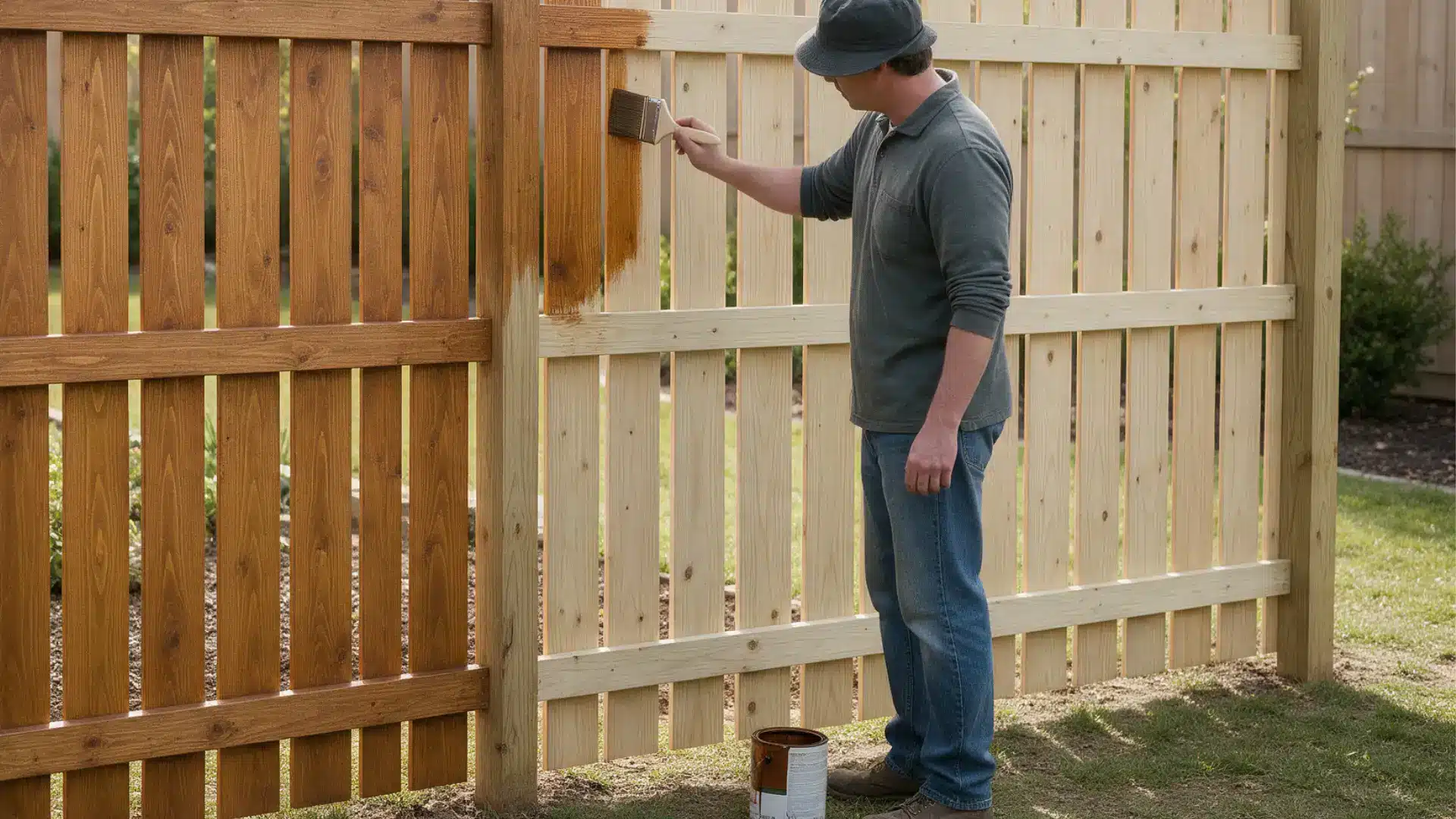
It is more affected by the weather. High humidity, low temperatures, strong sunlight, or rain can all change how quickly paint dries.
Check the weather forecast and avoid painting if rain is expected before the paint has had enough time to dry.
Does Drying Time Vary by Paint Type and Brand?
Yes, the drying and recoating time may vary depending on the paint type and the brand used. Each brand has its own formula, which affects the time frames.
For example,
- Benjamin Moore Paint: It can take an hour or more to dry and be ready for recoating.
- Behr Enamel Paint: It may need more than 2 hours to dry before applying another coat.
- Sherwin-Williams Paint: It can be dry to the touch in 1 hour and ready for recoat in 4 hours.
- Valspar Paint: It may dry in 30 to 60 minutes after application and be ready for recoating in 2 to 4 hours.
Make sure to check and understand the painting instructions followed for the specific brand of paint you are using. All the brands may have different and respective time frames for drying, recoating, and curing.
How to Tell When Paint is Ready for Another Coat?
There is no need to have or buy special tools to check whether the surface is ready for the second coat of paint. You may rely on some simple checks, such as:
1. Testing by Looking: The surface must look clean, smooth (not shiny), and free of dark spots.
2. Testing by Touching: Lightly press the surface; it should feel dry and firm, not sticky or soft.
3. Testing by Gliding: Gently run your fingers across. If the glide feels smooth and free of drag, it is ready.
If you’re unsure whether the paint is ready, wait an extra hour. It’s much easier to wait than to fix peeling or streaking later.
Conclusion
Understandinghow long to wait between coats of paint makes every painting project smoother and less stressful.
You can plan each coat based on the temperature and humidity for the best results and a more confident finish.
Latex paint usually needs a few hours, while oil-based paint often requires a full day, and the paint label should always be your final reference.
Grab your roller, take your time, and let each coat dry properly. For more painting advice and DIY tips, check out our other home improvement articles.
Frequently Asked Questions (FAQs)
1. How to Tell if Paint Is Dry Enough for A Second Coat?
To tell if the paint is dry enough for a second coat, perform a visual or touch test.
2. Why Is My Paint Still Patchy After 4 Coats?
The issue is almost certainly a lack of proper primer base or proper application, rather than the paint itself.
3. Does a First Coat of Paint Always Look Patchy?
Don’t worry if the wall looks patchy at first; this is normal for clay paint. Wait a few hours, and you will notice that the color evens out as it dries.