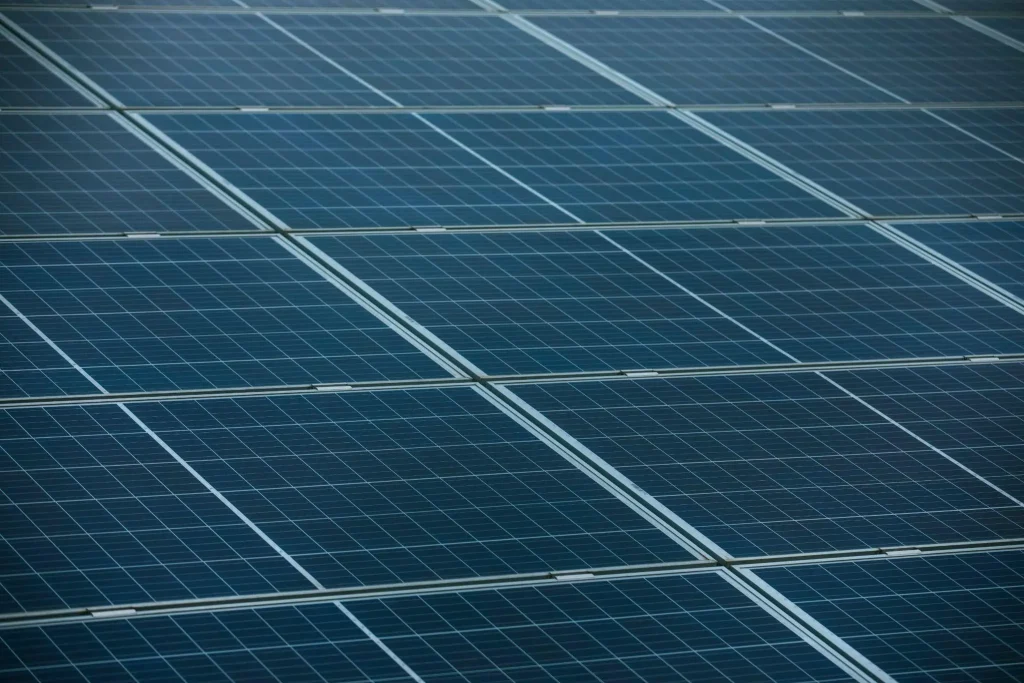
If you are looking to switch over to solar power, or you want to take advantage of it during peak hours to save money, you may not know where to start. Here are 11 steps you can take to make the switch as easy and as fast as possible.
Check Roof Angle/Sun Exposure
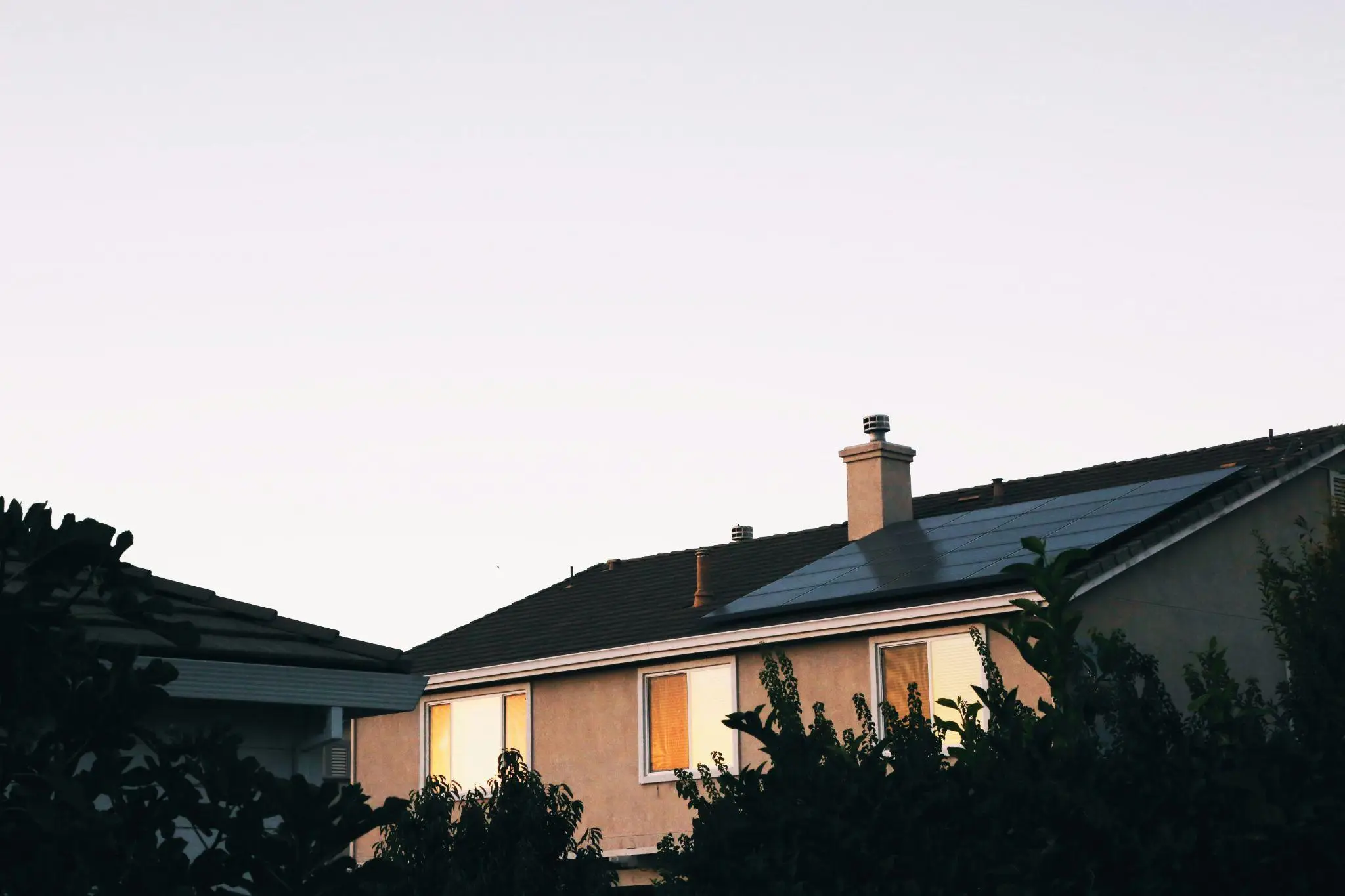
The first thing you need to do before worrying about panels, a solar rebate, and installation is to make sure your roof has the right angles and enough sun exposure. This may seem obvious, but it is still an important step.
Knowing how much sun exposure your roof receives will tell you how many panels you need and how much solar power you can actually save and use.
Check Recent Electricity Usage
You then need to check your recent electricity usage, as this will give you an indication of which system you need, how many panels you need, cost, etc. You don’t want to over-invest in a system just to find out you can’t fully use it because your home just doesn’t need or use that much power.
Research Solar Power
It is important to do some research on solar power. You need to know how it works, how to maximise it, find out the different types of systems and batteries, etc. Much like buying a car, you wouldn’t spend a lot of money without doing research first.
There are several solar power companies you can speak with, and if they offer inspections or something similar, it may be worthwhile to take advantage of it.
Check Housing Rules
Depending on where you live, there may be rules governing changes to the exterior appearance of your home. In some housing complexes or historical areas, you may need to either justify or get permission to install solar panels on your roof.
This is also important if you live on the top floor of an apartment, as there is a good chance you don’t own any of the roof, and need permission from the building owner to install panels.
Pick a System
Once you have done your research, it is time to start shopping around and find the right system for you and your needs. Don’t rush this part; there are a lot of options out there, and they can vary considerably, not only in price.
Besides output and performance, it is important to consider factors such as repair options. You want to be sure you choose one that can be repaired quickly, if possible, and if you need to replace a part, you don’t want to spend a ton of money importing it because local companies just don’t have it.
Get Multiple Quotes
Next, get multiple quotes for installation. One of the main goals of solar power is to save you money, and you don’t want to start off on the wrong foot by overpaying for installation.

Look for Incentives
Another thing you can do is investigate if there are any government-backed incentives for using solar power. Considering it is possible to create a mini local grid for you and your neighbors, there may be some financial incentives to doing so.
Prepare Your Home
You should also prepare your home for installation. Solar power systems have batteries, and you want to be sure there is a safe and protected spot for them. You also want to ensure your roof is safe and secure so the panels can be installed properly.
Pick a Reliable Installation Team
It is also important to research different installation companies. Once again, solar power systems can cost a lot of money, and the last thing you want is to be scammed or have the system installed poorly.
Read reviews and take your time when choosing. You should also be sure to know their repair and maintenance policy, as you won’t be able to fix every problem, and it is better for the installation team to do any fixes and maintenance when needed.
Start Small, Upgrade Later
Another great tip for first-time solar power users is to start small and upgrade later, if and when needed. How beneficial solar power can be is hard to predict, as it requires consistent sun and clear weather, and you don’t want to spend thousands installing a massive system that doesn’t get the sun it needs.
As mentioned earlier, you may also not use as much electricity as you think, and the readings you took could be slightly inaccurate for several reasons. Therefore, it is best to start with a simpler system and then upgrade where needed.
Monitor Usage
Finally, once everything is installed, it is important to do regular checks of the power usage. While most systems have built-in monitoring, you want to be sure your system is performing at its best.
In conclusion, these tips will help make the solar power installation and usage process as easy and as fast as possible. They can help you save money, avoid scams, and get the best possible system for your home and needs.