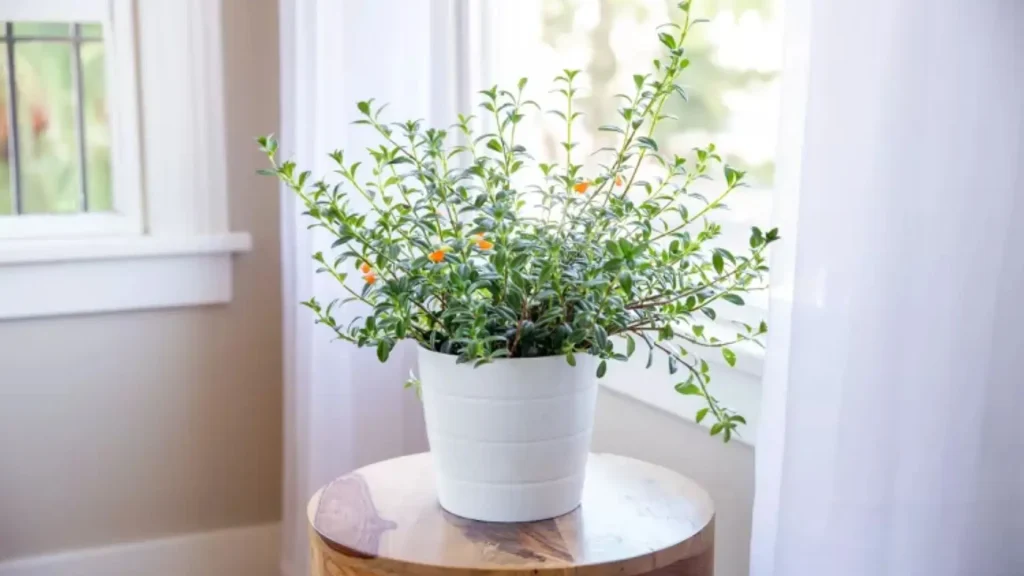
Most people give up on the goldfish plant too soon. Seeing those bright, tube-shaped blooms, you might assume the plant is high-maintenance.
But it is not – it’s a very low-maintenance plant.
This handbook covers everything a beginner needs to grow one with confidence.
It is also known as Columnea gloriosa, a tropical trailing plant known for its bright orange-red blooms that resemble tiny leaping fish.
Native to Central and South America, it grows well indoors.
With care, it blooms multiple times a year. But let’s know about its types.
Types of Goldfish Plants
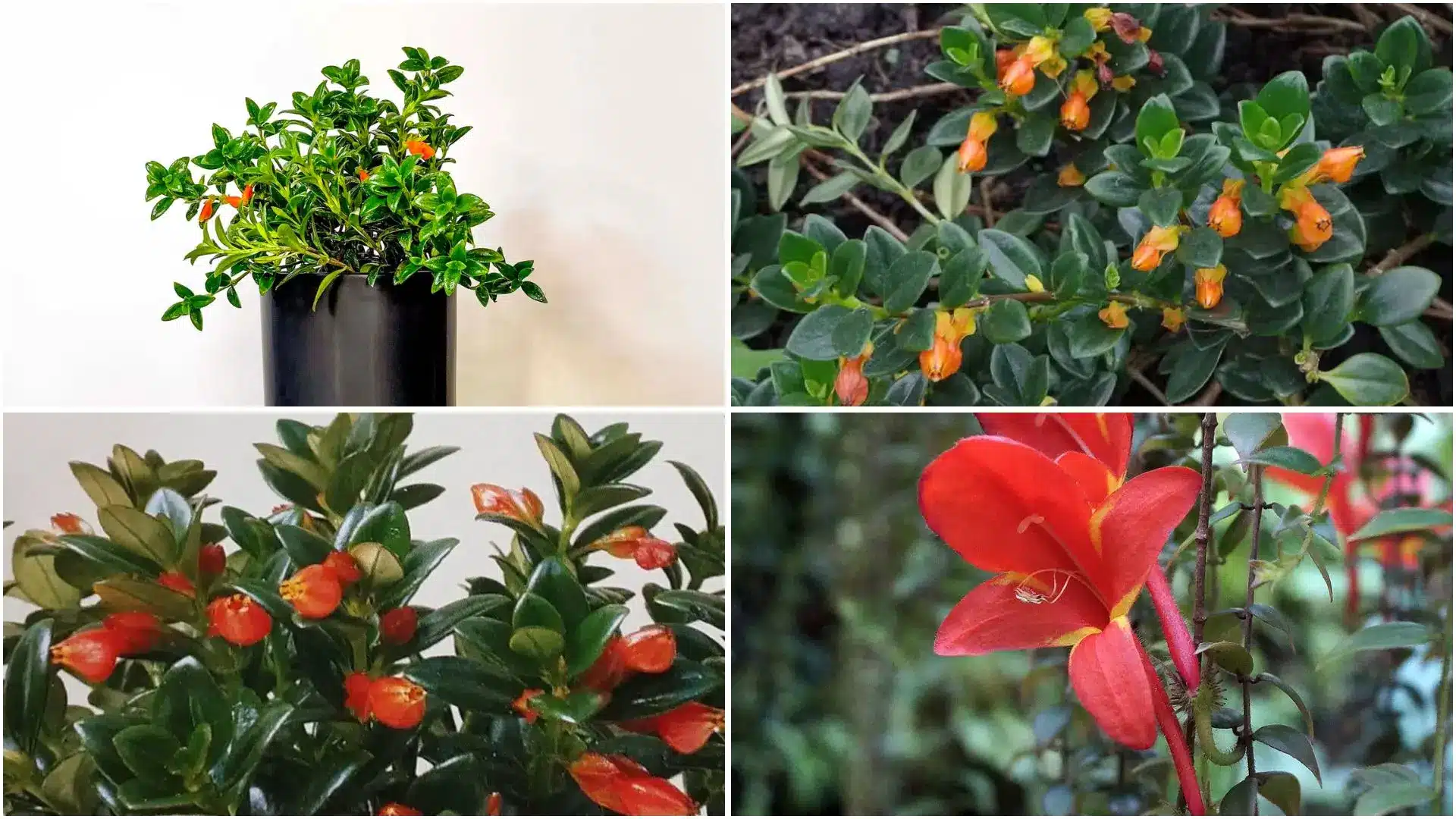
They come in several varieties, each with its own leaf texture and bloom style.
These are the four popular types you can try growing.
1. Common Plant (Columnea gloriosa): The most common variety. It produces bright orange-red blooms and has dark green, slightly hairy leaves that trail beautifully.
2. Candlelight Plant (Columnea microphylla): This has tiny, round leaves and long trailing stems. It blooms in orange and suits hanging baskets perfectly.
3. Yellow Plant (Nematanthus wettsteinii): Known for its fuzzy leaves and dense growth. It produces deep orange flowers and handles indoor humidity levels particularly well.
4. Carnival Plant (Nematanthus gregarius): A compact variety with narrow leaves and bright red-orange blooms. It works well in smaller pots and indoor shelf displays.
How to Grow a Goldfish Plant?
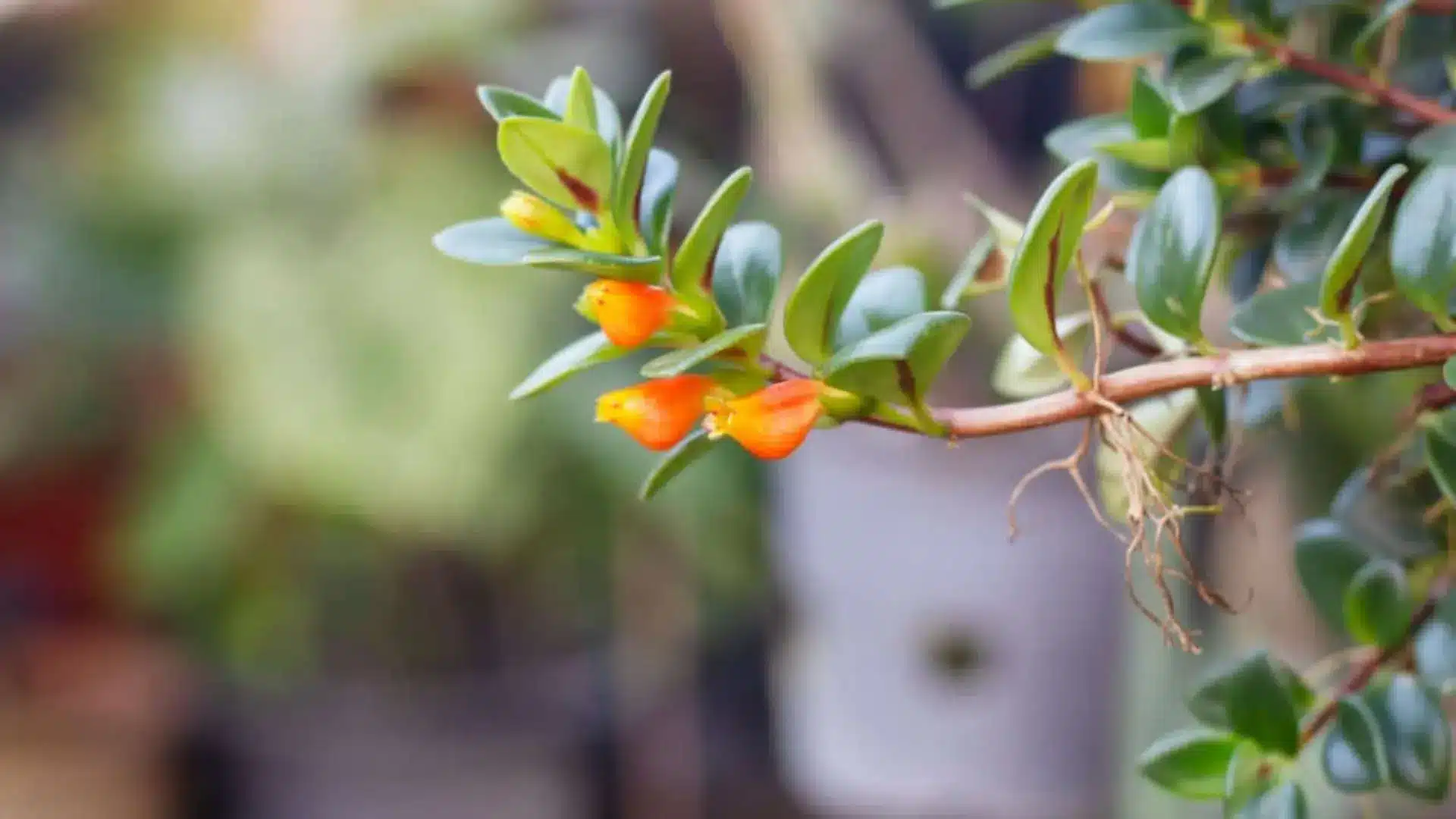
Growing this plant successfully comes down to a few habits. Follow these steps, and the plant will reward you with healthy growth and repeat blooms.
Step 1: Finding the Right Spot
Place the plant in a spot with bright, indirect light. A north or east-facing window works well. Direct afternoon sun scorches the leaves.
Hang them near filtered light for the best results year-round.
Step 2: Get the Temperature Right
It prefers temperatures between 65°F and 75°F (18 °C and 24 °C).
They do not handle cold drafts or sudden temperature drops properly. Keep them away from air-conditioning vents and open windows during the cooler months.
Step 3: Use the Soil Mix
A light, well-draining potting mix works best for goldfish plant care. A blend of peat moss, perlite, and regular potting soil keeps roots healthy.
Heavy or compacted soil retains too much moisture, leading to root rot over time.
Step 4: Water Correctly
Water it when the top inch of soil feels dry.
Use room-temperature water and avoid wetting the leaves. Overwatering is the mistake beginners make. Allow excess water to drain fully after each watering session.
Step 5: Maintain Humidity
This plant can survive in humidity levels between 50% and 60%. Placing the pot on a tray of wet pebbles or using a small humidifier nearby can help.
Dry indoor air, especially in winter, causes leaf drop and poor growth.
Step 6: Feed the Plant Regularly
During spring and summer, feed the plant with a balanced liquid fertilizer every two weeks. Reduce feeding in fall and winter when growth slows down.
Overfeeding during dormancy does more harm than good, so sticking to a schedule is necessary.
Step 7: Repot When Needed
Repot the plant every 1 to 2 years, or when the roots start to emerge from the drainage holes.
Choose a pot that is slightly larger than the current one. Too much extra space holds excess moisture and puts the roots at risk.
Common Goldfish Plant Problems
Even with good plant care, problems can show up from time to time. Knowing what to look for early makes fixing them much easier.
Yellow Leaves
Yellow leaves on the plant usually point to overwatering or poor drainage.
When roots sit in wet soil too long, they cannot absorb nutrients properly. This causes leaves to turn yellow and drop.
So, let the soil dry out between waterings and check that the drainage holes are clear.
Root Rot
Root rot is a serious issue in goldfish plant care.
It develops when the soil stays soggy for too long, causing the affected roots to turn brown and mushy, and the plant to wilt even when watered regularly.
Spider Mites
Spider mites are tiny pests that attack these plants in dry indoor conditions. They feed on leaf tissue, leaving behind small yellow spots.
A dry environment speeds up their spread.
So always wipe the leaves with a damp cloth and spray neem oil regularly.
Mealybugs
Mealybugs appear as white, cottony clusters on the stems and leaf joints of the plant.
They suck sap from the plant, causing weak, distorted growth, and spread quickly to nearby plants. Dab affected areas with rubbing alcohol on a cotton swab and repeat weekly.
This might help!
Powdery Mildew
Powdery mildew shows up as a white powdery coating on its leaves. It develops in conditions with poor air circulation and high humidity.
If left untreated, it weakens the plant and stops it from blooming properly.
You can improve air circulation and apply a diluted baking soda spray to the affected leaves.
Conclusion
Growing a goldfish plant is a rewarding experience when you take the right steps.
Give it bright indirect light, well-draining soil, and consistent watering.
Watch for early signs of pests or disease and act quickly. With steady plant care, this trailing beauty blooms reliably and stays healthy for years.
Frequently Asked Questions
1. Why is my Goldfish Plant Not Blooming?
Lack of bright light is the most common reason. Moving the plant closer to a well-lit window usually encourages blooming within a few weeks.
2. Can a Goldfish Plant Grow Outdoors?
Yes, but only in warm, humid climates. It does best in shaded outdoor spots and must be brought inside before temperatures drop below 60°F.
3. How Long Does a Goldfish Plant Live?
With proper goldfish plant care, it can live for several years. Regular pruning, repotting, and consistent feeding help extend its lifespan considerably.