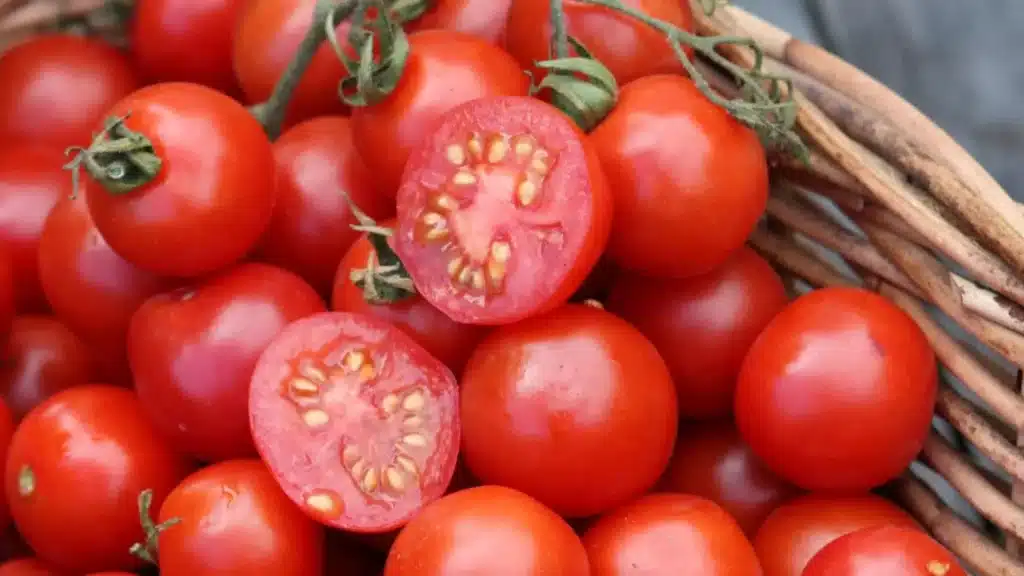
Did you know the tomatoes in your garden hold next year’s harvest?
Once you learn how to save tomato seeds correctly, you will never have to buy seeds again.
You can grow great tomatoes year after year and for free. Read on to find out exactly how to do it right.
Which Tomato Varieties Are Best for Seed Saving?
Not all tomatoes are good for seed saving. The variety you choose makes a big difference in how well your saved seeds will grow.
Heirloom Tomatoes
Heirloom tomatoes are the best choice for seed saving. They are open-pollinated, which means the seeds will grow into plants that look and taste exactly like the parent plant.
Popular options include Brandywine, Cherokee Purple, and San Marzano.
Open-Pollinated Tomatoes
Open-pollinated tomatoes are another great option. These varieties are pollinated naturally by wind or insects.
The seeds stay true to the parent plant, making them reliable for saving. They are easy to find and work well for home gardeners.
Roma Tomatoes
Roma tomatoes are a popular pick for seed saving. They have thick flesh, fewer seeds, and a rich flavor. The seeds are easy to separate and dry.
Roma plants are also hardy and productive, making them a practical choice for most home gardens.
Always avoid saving seeds from hybrid tomatoes. Hybrid seeds do not grow true to the parent plant, so your next crop may look and taste completely different.
What Do You Need to Save Tomato Seeds?
Before you start, gather everything you need. Having the right tools makes the whole process much easier:
- Ripe tomatoes from healthy plants.
- A sharp knife for cutting tomatoes.
- A clean glass or jar for fermenting.
- Fresh water for rinsing seeds.
- A fine mesh strainer.
- Paper towels or coffee filters for drying.
- Small envelopes or airtight containers for storage.
Save Tomato Seeds and Grow More of Them
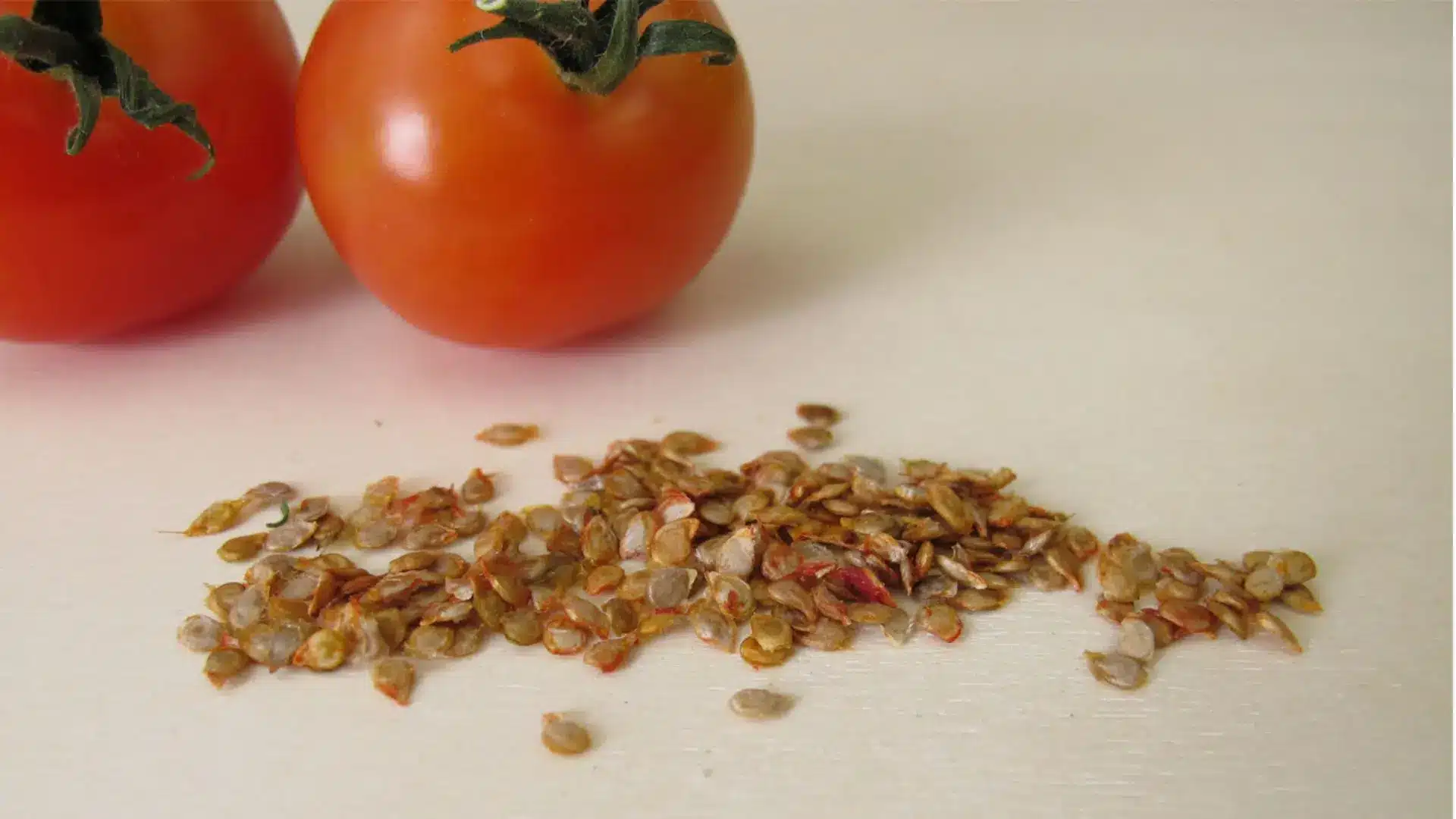
Harvesting tomato seeds is easy when you follow the right steps. The following is exactly how to save tomato seeds without damaging the tomatoes.
Step 1: Choose the Right Tomato
Pick a fully ripe tomato from a healthy plant. The tomato should be soft, deeply colored, and slightly past the stage you would normally eat it.
Overripe tomatoes actually have more mature seeds inside. Always choose the best-looking fruit from your strongest plant.
Step 2: Cut the Tomato Open
Slice the tomato in half across its middle, not from top to bottom. This gives you better access to the seed cavities.
Use a sharp, clean knife to get a smooth cut. Avoid crushing the tomato, as this can damage the seeds inside.
Step 3: Squeeze Out the Seeds
Gently squeeze each half over a clean glass jar or cup. The seeds will come out along with the gel coating that surrounds them.
Step 4: Add Water to the Jar
Add a small amount of water to the jar with the seeds. Stir the mixture gently. Place the jar in a warm spot away from direct sunlight.
Let it sit for two to three days. You will notice the mixture starts to ferment and form a layer on top.
Step 5: Separate the Good Seeds
After two to three days, the good seeds will sink to the bottom. Pour off the liquid, the mold layer, and any seeds floating on top.
The seeds that sink are the viable ones worth keeping. Rinse them thoroughly under clean water before moving to the drying stage.
Once you complete these steps, your seeds are ready for cleaning and drying. Handle them with care at every stage to get the best results.
Testing the Seeds via Paper Towel Viability Test
Never plant a full batch of seeds without testing them first. A simple paper towel viability test tells you exactly how healthy your saved seeds are before you commit them to soil.
- Take ten seeds and place them evenly on a damp paper towel.
- Fold the towel over the seeds and slide it into a plastic bag. Keep it in a warm spot for seven to ten days.
- Check daily to make sure the towel stays moist.
- Once the time is up, count how many seeds have sprouted.
If seven or more have germinated, your seeds have a strong viability rate and are ready to plant. Anything below five means you should save a larger quantity before the next growing season.
Conclusion
Knowing how to save tomato seeds correctly gives you a reliable supply of healthy seeds every season.
Pick the right variety, follow the harvesting and drying steps carefully, and always test your seeds before planting.
Make seed saving a regular part of your gardening routine, as your future harvests will be stronger, healthier, and more consistent.
Frequently Asked Questions (FAQs)
1. Is It Legal to Save Tomato Seeds at Home?
Yes, saving tomato seeds from open-pollinated or heirloom varieties is completely legal. However, saving seeds from patented hybrid varieties may violate plant variety protection laws.
2. Can Baking Soda Help with Seed Storage?
Yes, placing a small packet of baking soda inside your seed storage container helps absorb moisture. This keeps your seeds dry and significantly extends their shelf life.
3. How Many Times Can You Save Seeds from The Same Tomato Plant?
You can save seeds from the same variety for multiple seasons. Just make sure the parent plant stays healthy and shows no signs of disease each year.