
Exterior paint feels dry to the touch in about 1 to 2 hours, but that doesn’t mean it’s fully ready for another coat.
The difference between “dry to the touch” and “cured paint” is the second coat applied too soon, rain hitting a surface that looked fine, and pressure washing a finish that needed another three weeks.
So, how long does exterior paint take to dry? And are drying and curing different?
Let’s cover everything, and by the end, you’ll know when it’s safe to add a second coat and when to just wait it out.
How Long Does Exterior Paint Take to Dry – Quick Answer
Drying time depends mostly on the paint type you choose.
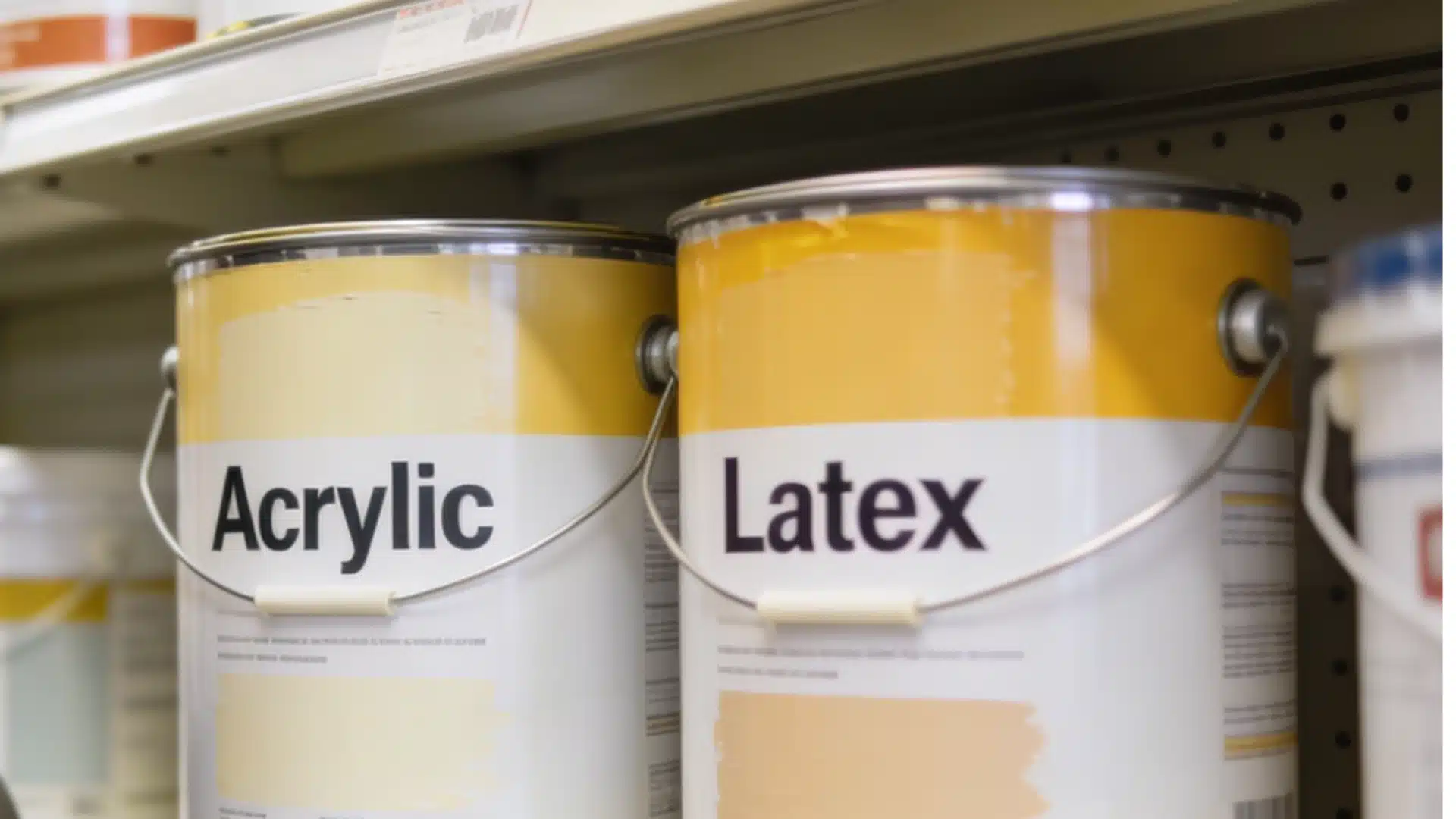
Latex and acrylic paints are the fastest options for exterior surfaces, as they dry to the touch in 2 to 4 hours and accept a second coat by late afternoon.
Oil-based paints move more slowly but deliver a harder finish over time.
Temperature, humidity, and surface material all play a role, too, so always check your paint can label for the most accurate drying estimates specific to your product.
Here is the Timeline
These are general estimates; your results may vary depending on humidity, temperature, and surface type.
Always check the label on your specific paint can for the most accurate times.
| Paint Type | Dry to the touch | Recoat Time | Full Cure Time | Safe from Rain |
|---|---|---|---|---|
| Latex Paint | 1 to 2 hours | 4 hours | 14 to 30 days | 2 to 4 hours |
| Acrylic Paint | 1 to 2 hours | 4 to 6 hours | 14 to 30 days | 2 to 4 hours |
| Oil-Based Paint | 6 to 8 hours | 24 hours | 30 to 60 days | 24 hours |
Drying vs Curing – what’s the difference?
Drying happens when moisture leaves the paint surface, making it look and feel solid and look finished.
And curing is a process in which the paint fully hardens and chemically bonds to the surface.
A paint can feel completely dry within 2 hours, but still remain vulnerable for several weeks underneath. So touching, scrubbing, or exposing it to rain too soon can damage it.
Always remember that the paint that looks perfectly fine from the outside isn’t always ready!
24 Hours After Painting…
The first 24 hours after painting are really, very important.
This is when your paint is at its most vulnerable state, and a lot is happening underneath, even when the paint looks like it has dried. It still needs time to cure.
So, what happens in that hour?
Moisture Evaporation
Water leaves the paint film, making it feel dry to the touch within hours, but water vapor continues its escape through the paint film long after that.
If you apply a second coat too soon, or it rains before that process finishes, you trap moisture underneath.
That trapped moisture causes bubbling or peeling.
Surface Bonding
Paint begins to grip the surface, so any dust or debris ruins adhesion.
Any contamination during this period, whether dust, pollen, a bug landing on the wall, or condensation, gets permanently locked into the finish.
This is why painting on a windy day near trees, or on a dewy morning, keeps things under control.
Temperature Sensitivity
Paint reacts strongly to heat and cold, which can cause uneven drying.
And if applied in the afternoon heat, and by evening, it may look completely dry.
But if temperatures drop sharply overnight, the film can be shocked before it’s set, causing hairline cracking and uneven curing.
Factors that Affect Exterior Paint Drying Time
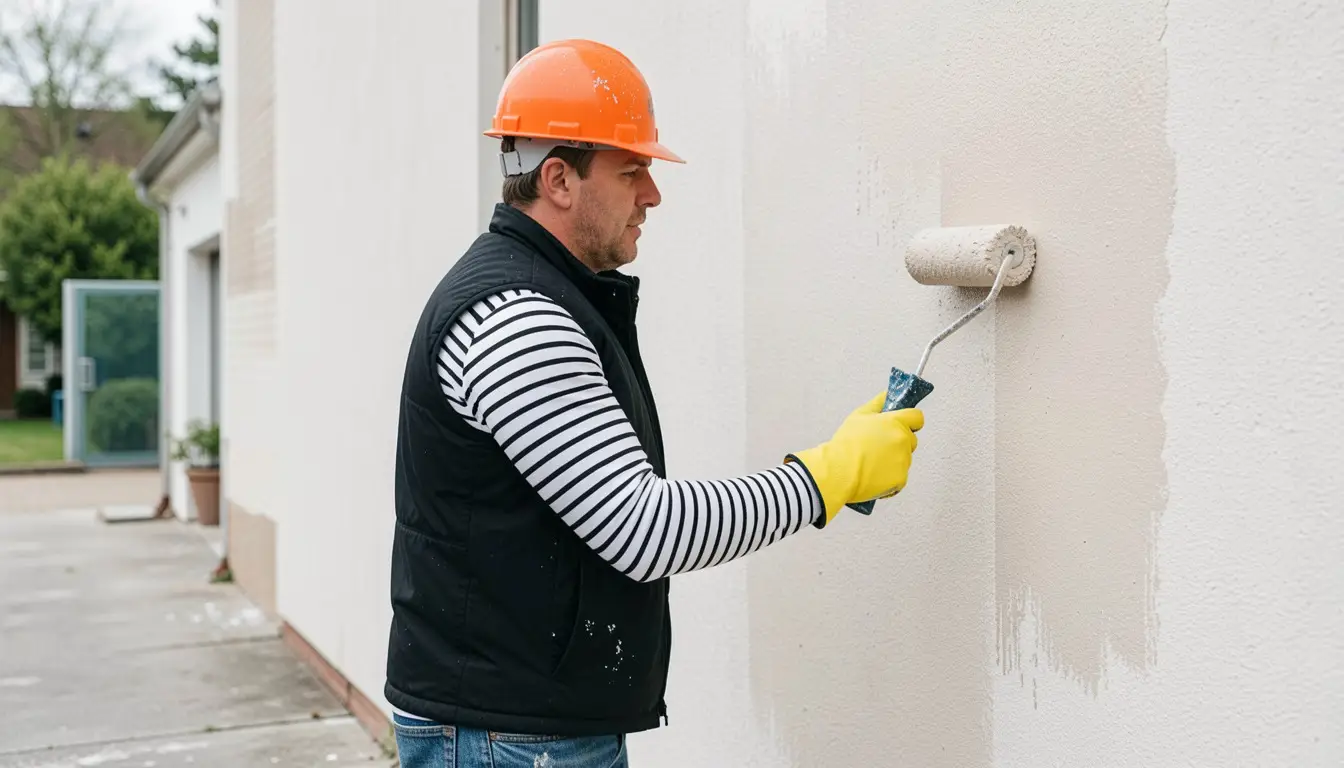
Is there any theory on why paint dries faster on some days and slower on others? Know why;
Temperature and Humidity
Exterior paints need the temperature to be between 50°F and 85°F, to settle in!
Below 50°F, paint thickens and may never cure properly, and above 90°F, the surface dries too quickly while the inner layers remain wet, leading to cracking.
High humidity adds another problem because when moisture fills the air, paint takes much longer to dry.
Keep the humidity levels below 50%.
Sunlight, Wind, and Surface Type
Direct sunlight dries the surface too quickly, trapping moisture beneath. So try painting early in the morning or late in the afternoon.
Surface material is important, too, because porous materials like wood and brick absorb paint more quickly.
Smooth surfaces like metal and vinyl dry by evaporation and are more sensitive to temperature changes.
Paint Color and Finish
Dark colors absorb more heat, leading to uneven drying.
But matte finishes dry faster than gloss finishes, which contain more binders and need extra curing time.
How Much Time Does the Primer Need to Dry?
Primer is the foundation of painting, so don’t skip it or rush it.
Give water-based primers 3 to 4 hours to settle in, oil-based primers 8 to 24 hours to dry, and Shellac-based primers need 1 to 2 hours to dry.
Painting over wet primer traps moisture, weakens the bond, and causes peeling, flaking, and bubbling later.
Exterior Paint and Rain? A Bad Combination
You’ve just painted, and it starts to rain – what could be worse than this?
The paint needs some hours to cure before witnessing rain!
Latex and acrylic need 2 to 4 hours before rain, whereas oil-based paint needs at least 24 hours, and high humidity extends these times.
Rain too soon causes streaking, bubbling, and poor adhesion.
If it happens, let it dry, sand lightly, and repaint. Watch out for morning dew, too.
How to Know Your Exterior Paint has Fully Cured?
Wait at least 30 days before pressure washing.
For heavier attachments, such as brackets or hooks, waiting for the full cure period protects your finish completely. If you are still not sure whether your paint is truly dry, check this way:
- Press your fingernail gently against the surface. No mark means it’s cured.
- The surface feels hard and smooth.
- Color looks even and consistent across the wall.
Latex and acrylic paints need at least 30 days before washing. And oil-based paints need up to 60 days to dry.
Pressure washing should wait even longer since high water pressure can strip uncured paint right off.
Have questions about your specific paint job? Drop them in the comments below. I’d love to help you achieve the best possible results.
Frequently Asked Questions (FAQ’s)
1. Can Bugs or Insects Ruin Freshly Painted Exterior Walls?
Yes. Bugs and insects can stick to fresh paint and leave marks. This is most common in the first 1 to 2 hours after painting.
2. Is 3 Coats of Paint Too Much for the Exterior?
Three coats are usually unnecessary. Two coats work fine for most exteriors. A third coat only makes sense over dark or damaged surfaces.
3. Can You do Two Coats of Exterior Paint in One Day?
Yes, but only with latex or acrylic paint. Wait at least 4 hours between coats. Oil-based paint always needs a full 24 hours.