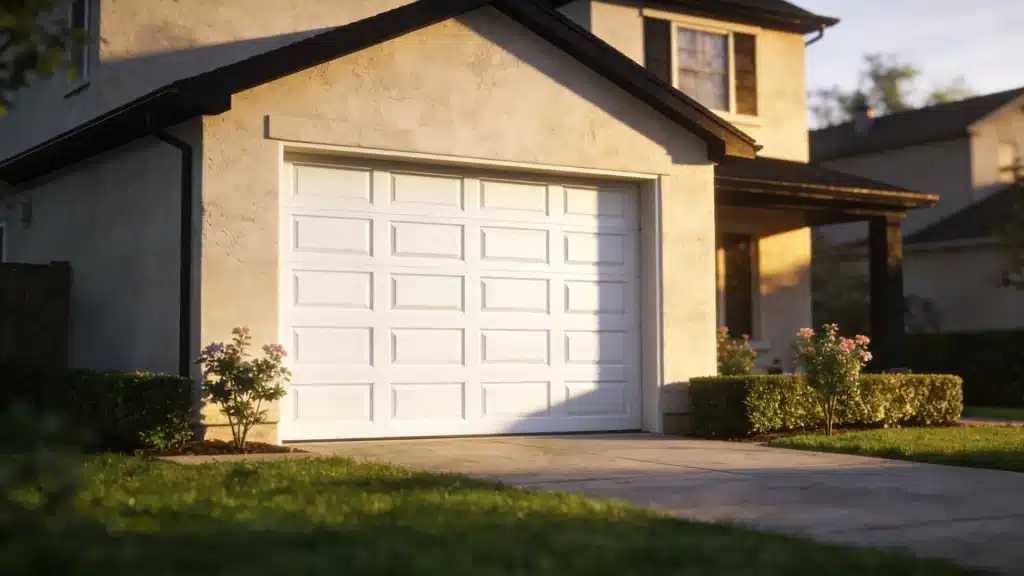
A garage door takes up more space than most realize, so faded paint or peeling spots stand out.
I noticed this after cleaning the rest of my exterior, but the garage still looked worn the kind of worn that makes the whole front of the house look unfinished.
Painting the garage door fixed that without replacing it or spending much.
With proper prep, good weather, and basic tools, even beginners can do it.
What usually goes wrong has nothing to do with the painting. It happens before the first coat goes on.
What You Need to Know Before Painting a Garage Door
Garage painting may look simple, but it depends on prep work and weather.
Paint on dirty, damp, or glossy surfaces peels faster, especially on metal doors exposed to heat and rain.
It also helps to choose a mild, dry day. Paint dries more evenly when the humidity is low, and temperatures stay moderate.
Before starting, check the garage door closely for peeling paint, rust spots, warped panels, or grease buildup near the handles and edges.
Choosing the Right Paint for Garage Door Painting
The type of paint matters more than the color itself. Garage doors face heat, moisture, dust, and movement, so interior paint often fails to hold up.
For most garage projects, exterior latex acrylic paint is better as it resists weather and cracks less over time.
A few things to keep in mind:
- Paint finishes like satin and semi-gloss finishes are easier to clean
- Metal doors often need rust-resistant primer
- Wood garage doors may absorb more paint than expected
- Dark colors can fade faster in direct sunlight
- Always check if the existing paint is oil- or water-based before repainting
After deciding on the paint, getting the tools ready makes the actual painting process much easier to manage.
Tools and Materials Required for Garage Painting
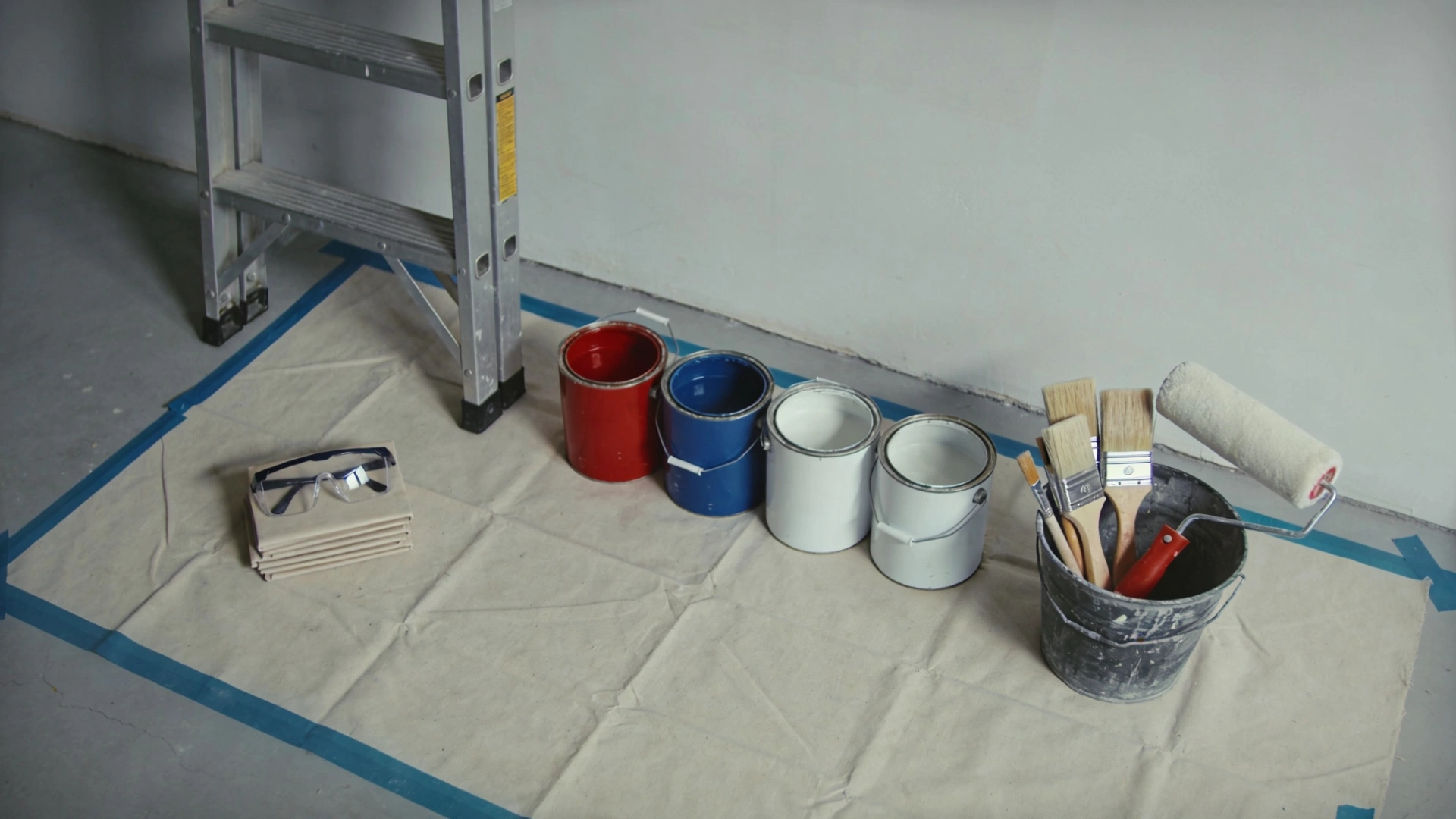
Having everything nearby before you start makes the job smoother and helps avoid uneven paint caused by long breaks in between coats.
Most of these tools are inexpensive and reusable for other outdoor painting projects.
Some use paint sprayers for quicker coverage, but rollers are easier to control on small garage doors.
Tools Checklist
- Paint roller
- Angled paintbrush
- Paint tray
- Painter’s tape
- Drop cloths
- Sandpaper or sanding sponge
- Putty knife
- Cleaning cloths
- Ladder
Safety Supplies
- Gloves
- Safety glasses
- Dust mask
Before You Paint a Garage Door
Many paint problems start before the first coat even goes on.
Dust, loose paint, or trapped moisture can leave the surface rough and uneven, no matter how carefully you paint later.
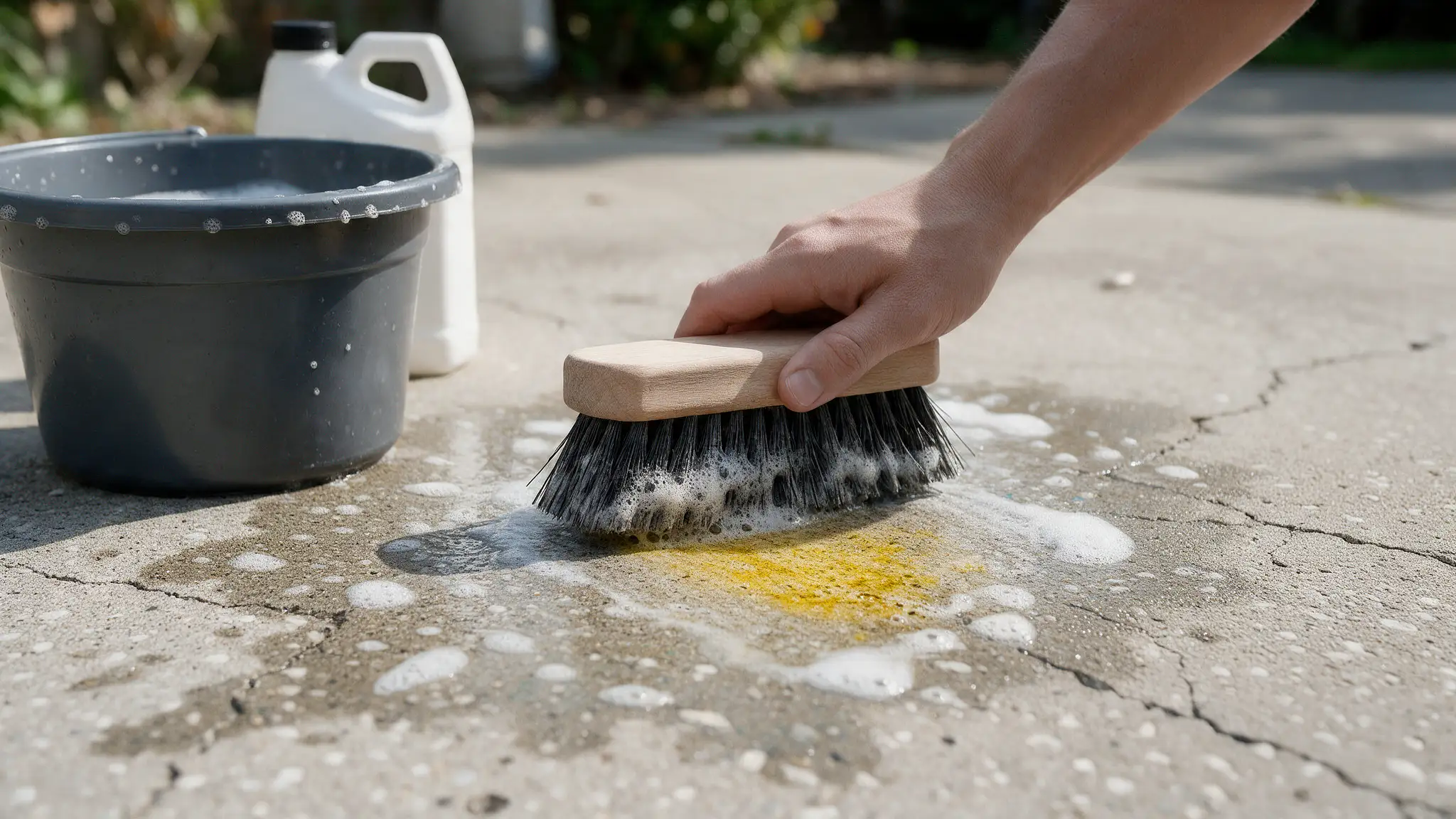
Start by washing the garage door with mild soap and water. Let it dry fully before sanding or priming.
Before painting, make sure to:
- Scrape peeling paint carefully
- Sand glossy areas so new paint sticks better
- Fill small dents or cracks if needed
- Remove loose rust on metal doors
- Tape nearby trim and windows
Keeping the garage door slightly open also helps prevent fresh paint from sticking to the door while it dries.
How to Paint a Garage Door: Step-by-Step Process
Painting a garage door works best when done slowly, in sections, rather than trying to cover everything at once.
Step 1: Clean and Prep the Surface
Wash the garage door thoroughly to remove dirt, grease, and loose debris. Once dry, lightly sand any rough or glossy areas so the paint bonds properly.
A pressure washer can help, but keep the pressure low around older paint.
Step 2: Apply Painter’s Tape and Cover Surroundings
Tape around trim, windows, handles, and nearby edges before opening the paint can. Lay drop cloths across the driveway to catch drips.
Step 3: Apply Primer if Needed
Bare wood, rusted metal, or repaired patches often need primer first.
Use a brush for corners and detailed sections, then let the primer dry completely before applying the main paint coat.
Use exterior primer made specifically for metal if rust spots are visible.
Related read: Best Primer for Laminating Furniture
Step 4: Paint the Recessed Panels First
Start with the inner panels because they are harder to reach once larger sections are painted.
Use smooth strokes and avoid loading too much paint onto the roller or brush at once.
Step 5: Paint the Horizontal and Vertical Sections
After the panels are finished, move toward the wider horizontal sections and outer frames. Keep your strokes consistent and overlap slightly for an even finish.
Step 6: Apply a Second Coat
Most garage doors need two coats for better coverage and durability.
Wait until the first coat dries thoroughly before adding another layer; the surface may become sticky or uneven.
Check the paint label for recommended drying times instead of guessing.
Step 7: Let the Paint Dry Fully
Leave the garage door slightly open while the paint cures.
Closing it too soon can cause the fresh surface to stick, peel, or develop marks along the edges and weather stripping.
If possible, wait overnight before using the garage door normally.
How Much Does it Cost to Paint a Garage Door?
Painting a garage door runs between $150 and $600.
Single doors cost less than double doors, less paint, less labor, straightforward math.
Steel and aluminum surfaces are the easiest to work with.
Wood doors need more prep: sanding, priming, and sealing before a brush even touches them.
Hiring a professional costs more, especially if the existing surface is peeling or damaged. Prep work adds time, and that time adds to the bill.
DIY cuts the cost significantly. Budget for paint, primer, brushes, and tape, and the job becomes very manageable for most people.
Costs listed are estimates based on average market rates and may vary depending on location, contractor pricing, and material costs at the time of the project. Always get multiple quotes before hiring.
Garage Door Color Ideas for a Fresh Look
Choosing the right garage door color depends a lot on the rest of the exterior.
Roof shingles, siding, brick, and even sunlight can change how a paint color looks once it is outside.
1. White Garage Doors
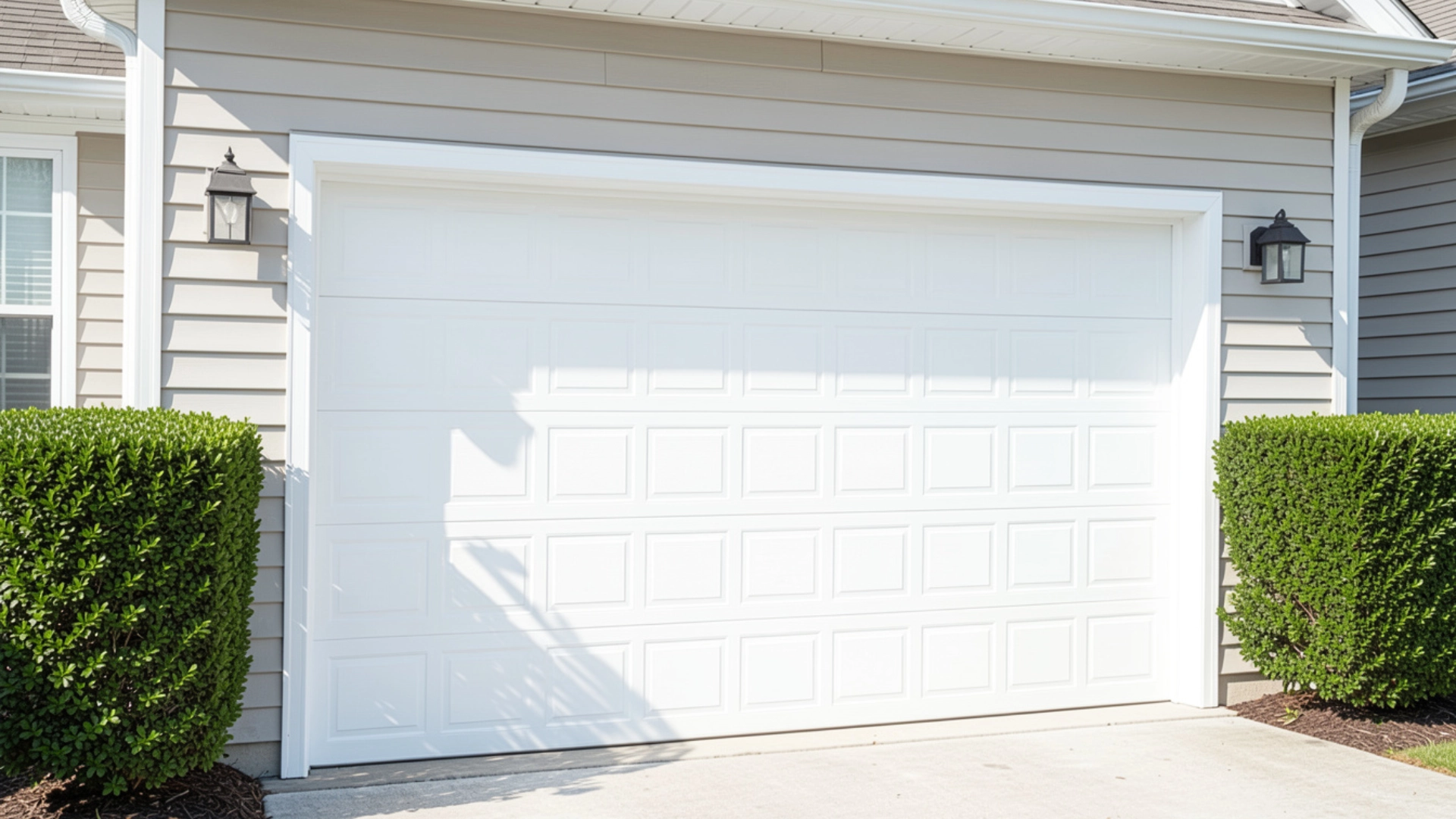
White works best when the rest of the exterior has a clear second color trim, shutters, or a front door that anchors it. Without that contrast, an all-white facade can look flat rather than clean.
- Works with modern and traditional homes
- Blends easily with most exterior colors
- Gives a clean, low-maintenance look
A shade like Benjamin Moore Chantilly Lace OC-65 works well here if you want a crisp, clean white finish.
2. Charcoal and Black Shades
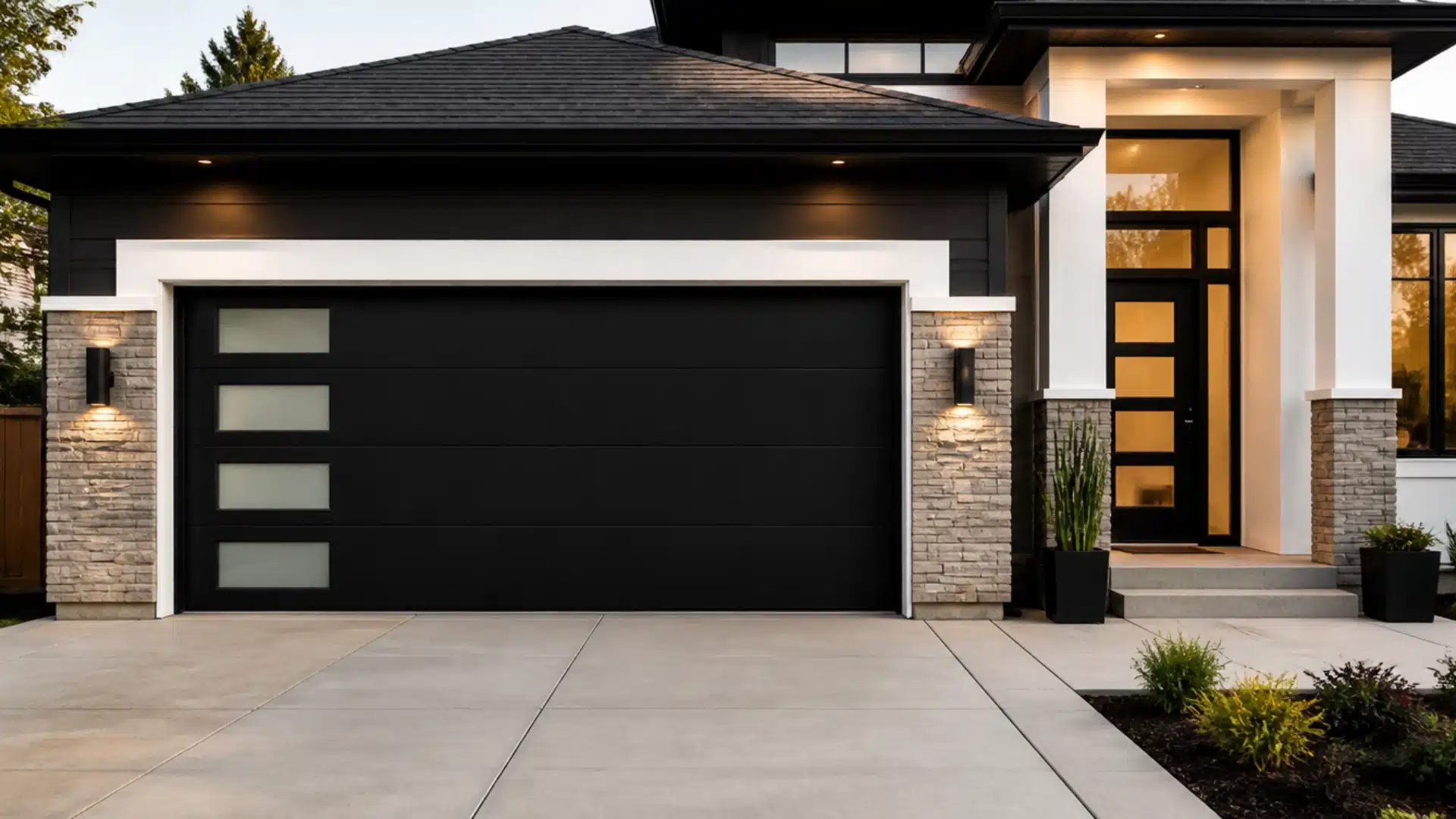
Charcoal and black garage doors create a strong visual contrast and suit modern home designs.
They work well with white trim, stone textures, or minimalist architecture, making the garage more defined without clashing with the exterior.
Dark tones also tend to hide minor stains better, which can be practical over time.
Also read: 11 Unique Shades of Black
3. Soft Gray Tones
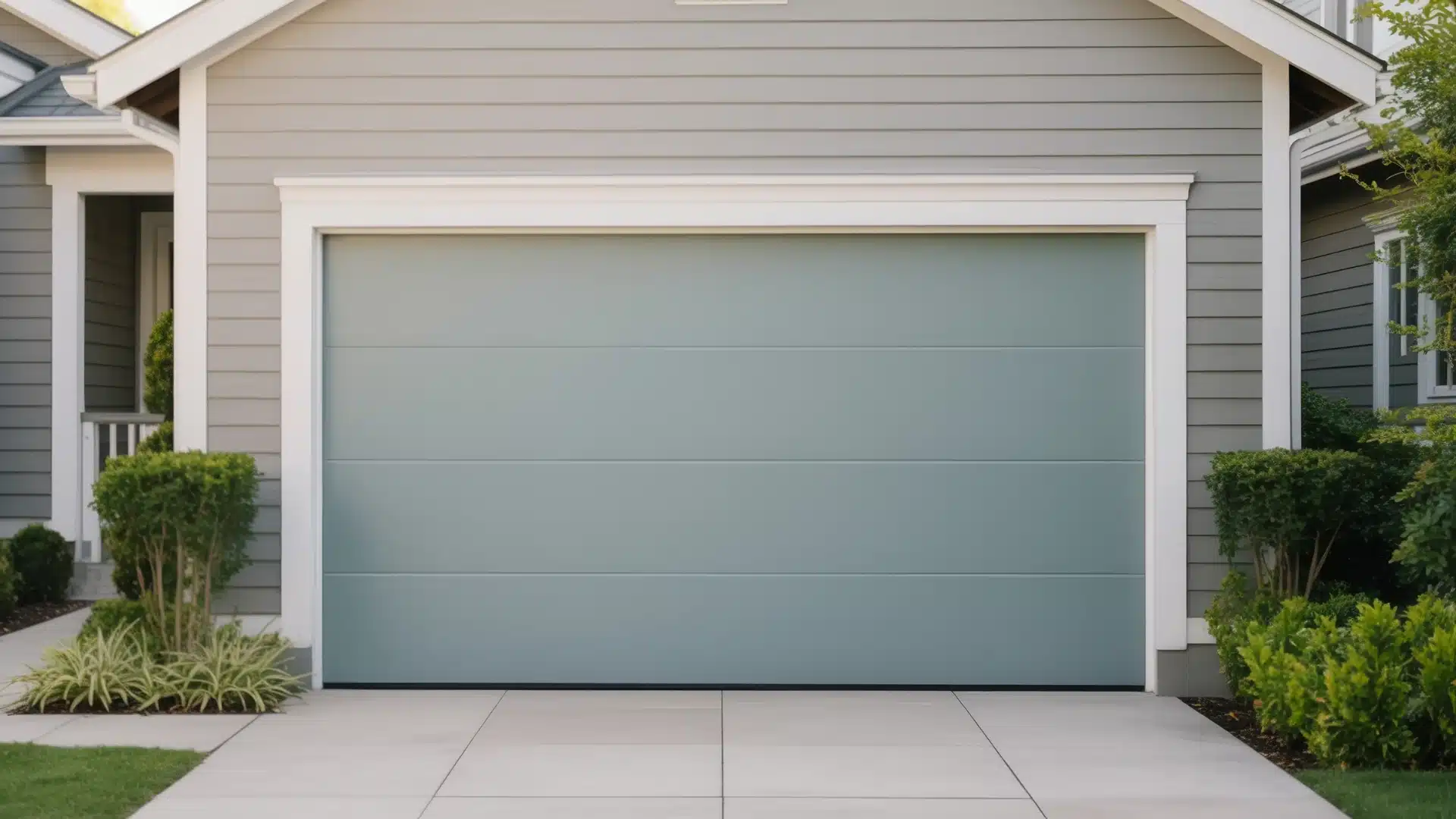
Gray is a versatile middle-range color, commonly used in garage door painting.
It feels neither too bright nor too heavy and suits a variety of exterior materials, such as brick, wood, or painted siding. It adapts well to warm and cool lighting.
- Blends with most exterior palettes
- Less likely to clash with roof or trim colors
- Feels balanced in changing light
4. Beige and Taupe Colors
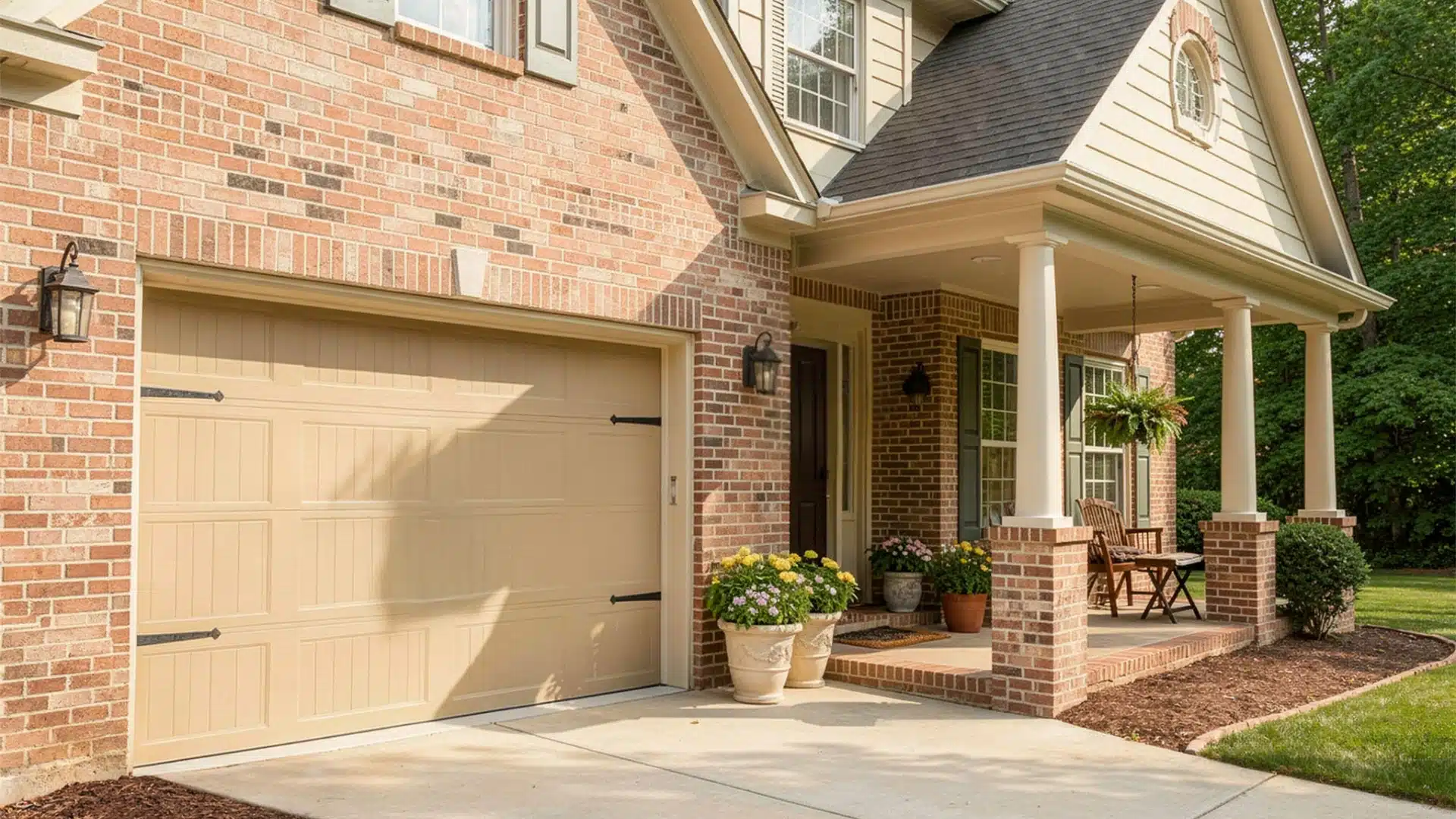
Beige and taupe offer a softer, warmer alternative to bright white, blending naturally with brick exteriors and neutral siding.
Sherwin-Williams Accessible Beige SW 7036 is a common choice for warmer neutral garage doors.
Beige and taupe are the practical choice for anyone who doesn’t want to repaint every few years they hide dust and minor marks far better than white or light gray.
- suit traditional home exteriors
- hide light dust and marks better
- create a balanced, understated look
5. Deep Green or Navy
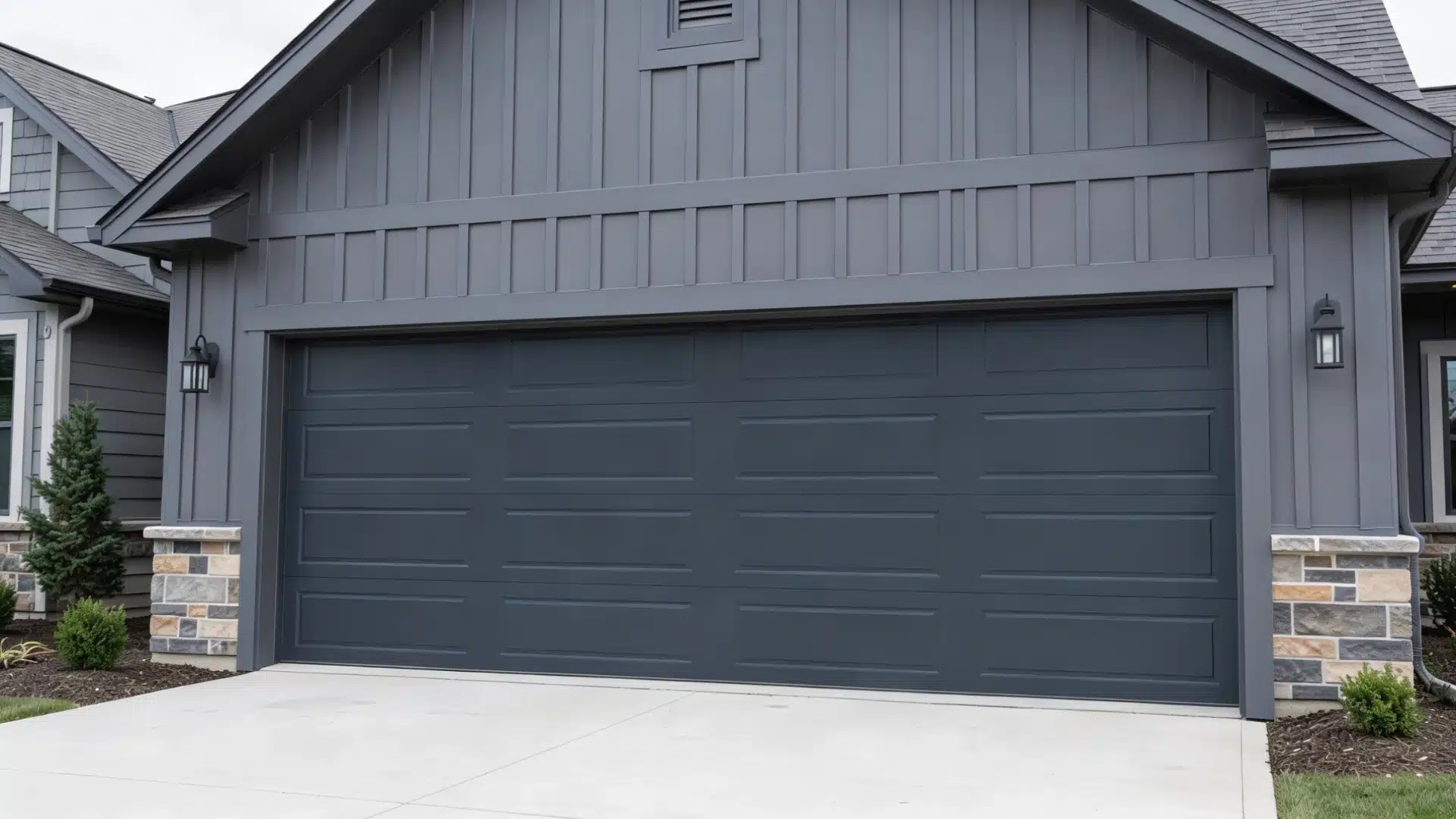
Deep green and navy add contrast without looking too harsh. These shades work well with homes that feature wood, stone, or earthy outdoor elements.
Benjamin Moore Hale Navy HC-154 is a popular option if you want a darker color with a softer finish than black.
They add depth to the exterior while keeping the overall look calm and balanced, making them a popular choice for farmhouse- and rustic-style homes.
Best Paint for Metal Garage Doors
For metal garage doors, use high-quality exterior acrylic latex or enamel paint designed for metal, resistant to sun, rain, and temperature changes to prevent rust and peeling.
For direct sunlight or heavy rain, select paints with weather protection and a semi-gloss or satin finish for easy cleaning.
Popular options homeowners often choose:
-
Rust-Oleum Protective Enamel: great for older metal doors with small rust spots
-
Sherwin-Williams SuperPaint Exterior: a solid pick for long-lasting color
-
Benjamin Moore Aura Exterior: ideal if you want a smoother, premium finish
-
Behr Premium Plus Exterior: budget-friendly and beginner-friendly
Before painting, clean the surface well and use a rust-resistant primer if needed. A little prep now saves you from repainting too soon.
Conclusion
The prep is the job. Everything after it – priming, rolling, second coat takes maybe two hours.
Getting the surface clean and the conditions right is where most of the time actually goes, and it’s the part that determines how long the finish lasts.
A fresh coat costs a fraction of a replacement door and does most of the same visual work.
A quick wash twice a year and a touch-up on any chips before they spread is genuinely all the maintenance it needs after that.
Frequently Asked Questions
1. Which Paint is Good for a Garage Door?
Exterior acrylic latex paint works best for most garage doors because it handles weather, sunlight, moisture, and temperature changes better than interior paint.
2. What is the New Trend in Garage Doors?
Modern garage doors with matte black, charcoal, wood-look finishes, and clean horizontal panel designs are becoming more popular in newer homes.
3. Is Garage Door Paint Different from Regular Paint?
Yes. Garage door paint is generally exterior-grade paint made to resist weather, fading, peeling, and surface movement better than regular interior paint.
4. What’s the Average Cost to Paint a Garage Door?
Painting a garage door usually costs between $150 and $600, depending on door size, paint type, condition, and labor charges.