In architecture, the most memorable spaces are rarely defined only by their outward appearance. What often leaves a lasting impression is how a space feels to move through, occupy, and use over time.
This is why modern architectural thinking increasingly focuses on human-scale details rather than just form and façade. Light, circulation, proportion, and spatial rhythm all contribute to how comfortable and functional an environment feels.
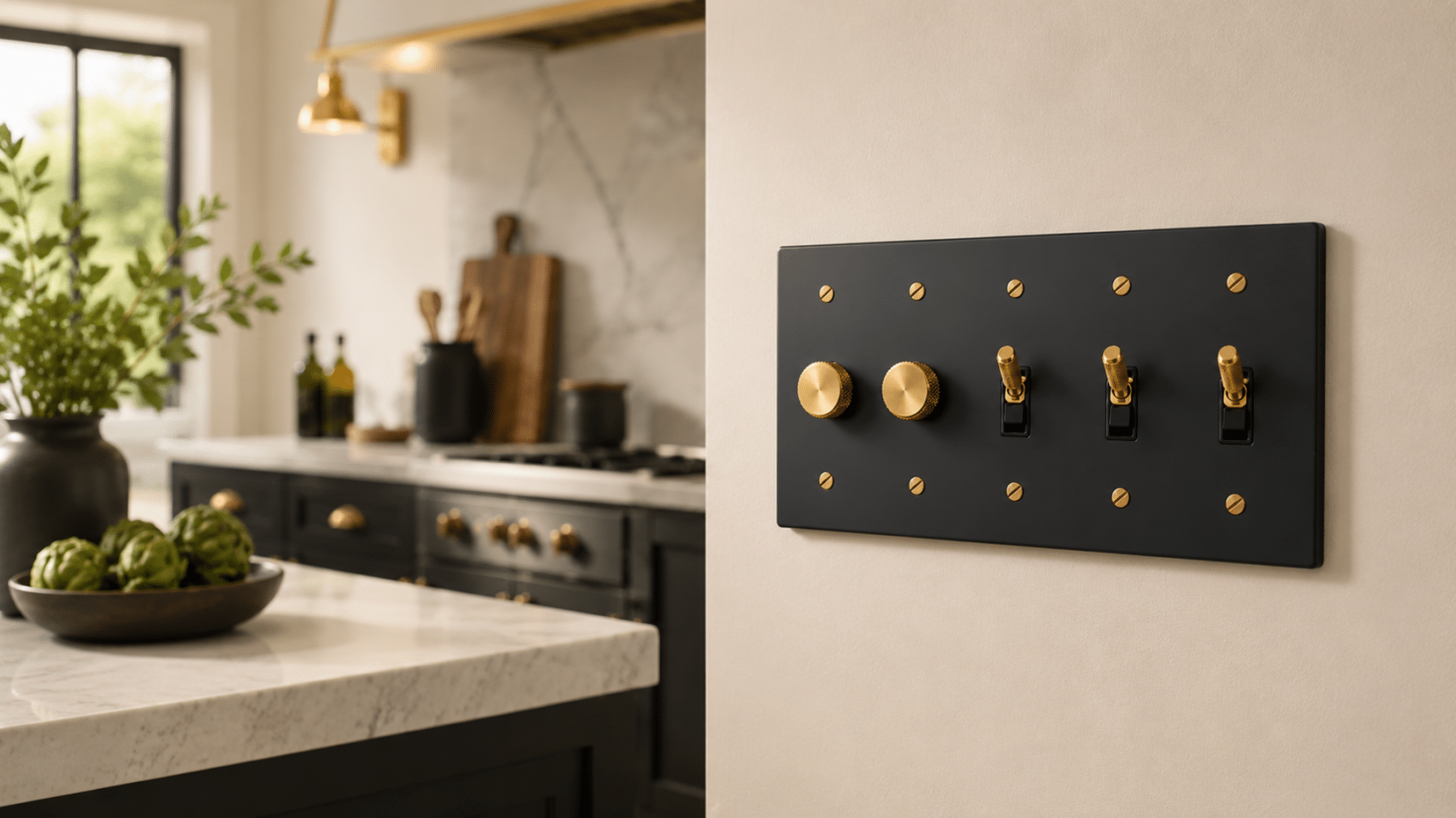
Even smaller, highly specific design elements play a role in shaping that experience. These details are not always immediately visible, but they directly affect usability and perception in everyday life.
Architecture Is Defined by How Spaces Function, Not Just How They Look
While architectural design is often associated with aesthetics, professionals understand that functionality is equally important. A visually striking space can still fail if it does not support the needs of the people using it.
This is especially true in high-traffic environments such as commercial buildings, hospitality spaces, educational institutions, and public facilities.
In these settings, architects must think beyond surface-level design and consider:
- how people move through space
- how privacy is maintained
- how proportions affect comfort
- how materials perform over time
- how usability changes under constant traffic
These considerations often determine whether a space feels intuitive or uncomfortable.
The Importance of Human Scale in Interior Design
One of the core principles in architecture is human scale. Spaces must be designed around the proportions and behavior of the people who use them.
When this principle is ignored, even well-designed environments can feel awkward or inefficient. When it is applied correctly, spaces feel natural, balanced, and easy to navigate.
This is particularly important in interior environments where people expect both comfort and functionality within limited square footage.
Restrooms, for example, are a unique architectural challenge because they require privacy, efficiency, and durability within a compact layout. Every inch of space must be carefully considered to ensure usability without compromising comfort.
Why Small Spatial Decisions Have Large Practical Impact
Architectural design often comes down to precision. Small differences in measurement and layout can significantly affect usability.
This is especially visible in commercial restroom design, where spatial planning must balance multiple competing needs:
- privacy between users
- accessibility requirements
- efficient circulation
- structural constraints
- maintenance accessibility
Because of these constraints, even minor dimensional choices become important design decisions.
For instance, considerations such as bathroom stall size directly influence how comfortable and functional a restroom environment feels for users in real-world conditions.
While these details may seem technical, they play a critical role in ensuring that spaces are not only visually aligned with architectural intent but also practical in everyday use.
Architecture as a System of Interconnected Decisions
Modern architectural practice increasingly treats buildings as systems rather than isolated visual compositions.
Every decision affects another:
- spatial layout influences movement
- movement influences usability
- usability influences perception
- perception influences overall experience
This interconnected approach means that even secondary spaces, such as restrooms or service areas, are designed with the same level of consideration as primary architectural features.
The goal is consistency across the entire environment, not just standout design moments.
The Role of Detail in Long-Term Usability
One of the most important aspects of architectural design is longevity. Spaces must remain functional not just on opening day, but throughout years of use.
This is where attention to detail becomes essential.
Dimensions, materials, and layout decisions made early in the design process often determine:
- how easily a space can be maintained
- how well it accommodates high usage
- how adaptable it remains over time
- how comfortable it feels under real conditions
When these elements are carefully considered, spaces tend to age more gracefully and require fewer disruptive adjustments later.
Conclusion
Architecture is ultimately about how people experience space over time. While visual design plays an important role, it is the underlying structure, proportions, and spatial decisions that define usability and comfort.
Even the smallest design considerations contribute to this experience in meaningful ways. In environments where precision matters, details such as spatial dimensions are not secondary — they are foundational to good design.
As architectural practice continues to evolve, the emphasis on human-scale functionality will remain central to creating spaces that are both beautiful and genuinely usable.