Wood stain on your hands? Some of them do not come off easily.
But most of it comes off fast if you start soft.
The only trick is matching the fix to the stain instead of throwing everything at it at once. Figure out what you’re dealing with, then work from gentlest to strongest.
Quick Overview: fresh water-based stain comes off with dish soap and warm water in under a minute. Dried or oil-based stain needs cooking oil or a baking soda paste first. Turpentine or rubbing alcohol handle what’s left. Skip anything flammable unless the gentler options actually failed.
Now let’s look at how to get wood stain off skin in detail.
Stop the Stain Before it Starts
Okay, so the easiest way to remove a stain is to prevent it from forming.
Reach for nitrile gloves, not latex, which some solvents break down, and not cotton, which soaks through.
Long sleeves help on splash-heavy jobs. Rub a cream or plain lotion on any exposed skin first. Anything that gets past the gloves lands on a slick surface and wipes off later. Keep a damp rag within reach, too.
Clean a fresh, wet stain on the spot and it takes seconds, not scrubbing.
Doing an actual staining project, not just cleaning up after one? See our guide to refinishing a wood table for the prep and application side.
Identify the Type of Wood Stain Before You Try Removing it
Oil-based and water-based stains need different fixes, so check which one you’ve got before you start.
Check the can: ‘clean up with soap and water’ means water-based, while ‘flammable,’ ‘combustible,’ or ‘clean up with mineral spirits’ means oil-based. If there is no can, put a drop of water on a stained spot.
If it beads up, the stain is oil-based. If it soaks in, it’s water-based.
Water-based comes off easily with soap; oil-based needs oil or, eventually, a solvent to break it down.
| Stain Type | Appearance | Base | Removal Difficulty |
|---|---|---|---|
| Water-based | Lighter color, dries quickly | Water | Easy |
| Oil-based | Rich, deep color, stays wet longer | Oil/petroleum | Moderate |
| Gel stain | Thick, consistent color | Oil or water | Moderate to Hard |
| Penetrating stain | Soaks deep, natural wood look | Oil | Hard |
| Combination stain | Mixed effects | Oil and water | Variable |
What All You’ll Need
Gathering all these simple materials beforehand helps you save time.
- Turpentine: the solvent that lifts the stain
- A soft cloth or rag: for applying the turpentine and wiping the stain away
- Old towel or paper towels: to catch drips and protect your counter or floor
- Mild soap and warm water: to wash off any leftover turpentine at the end
- Moisturizer or hand cream: to restore skin, since turpentine dries it out
How to Remove Dried Wood Stain From Skin
Dried stain won’t respond to force. The pigmentation has set; scrubbing just flushes your skin.
Soften it instead. Massage cooking oil into the spot and leave it for a few minutes to break the bond. Wipe, then repeat. If the stain is still there, dab it with rubbing alcohol on a cloth, wait, then wipe again.
Wash with soap afterward. A stubborn spot may need two or three rounds of cleaning.
Step-by-Step Process: How to Get Wood Stain off Skin
Figuring out how to get wood stain off your hands doesn’t have to be stressful. With the right approach, you can clean up safely and effectively while keeping your skin healthy.
Working Time: 5–10 minutes
Total Time: 15–20 minutes, moisturizing included
Difficulty: Beginner
Cost: $0–5, mostly items you already own
These steps walk you through a simple process using common supplies.
Step 1: Set Up a Ventilated Space
Before getting into how to remove wood stain from skin, set yourself up for success.
Pick a spot with good airflow, since turpentine has a strong smell. A kitchen or utility sink works well.
Place an old towel or some paper towels nearby to protect counters or floors from drips. Having a comfortable, organized space will make the process less messy and more pleasant.
Turpentine fumes are flammable. Keep it away from stovetops, candles, and space heaters, and crack a window if you're indoors. If you're curious how long fumes from a finishing project linger in a room, our guide to clearing paint fumes safely covers the same ventilation basics.
Step 2: Gather Your Supplies
Make sure you have everything ready, so you don’t have to scramble mid-process. You’ll need turpentine (the key ingredient), a soft cloth or rag, mild soap, and warm water.
If possible, have a gentle moisturizer or hand cream on hand, too, since turpentine can be a little drying.
Laying everything out beforehand keeps the process smooth and stress-free.
Step 3: Apply Turpentine in Small Circles
Dampen a corner of your cloth with a small amount of turpentine, just enough to moisten it, not drench it.
Press the cloth gently against the stained area, then rub in small circular motions.
You’ll notice the wood stain beginning to transfer from your skin to the cloth almost immediately, like a magic eraser at work. The key is gentleness; there’s no need for harsh scrubbing.
Step 4: Target the Stubborn Spots
Some stains may be darker or more set-in, especially around fingernails or knuckles. For these tricky areas, hold the turpentine-soaked cloth against the spot for a few extra seconds to let it break down the pigments.
Then wipe again, repeating as needed.
Be patient and work slowly; rushing or scrubbing too hard can unnecessarily irritate your skin.
Step 5: Wash, Dry, Moisturize
Once you’ve lifted the stains, head straight to the sink. Wash your hands thoroughly with warm water and mild soap, paying attention to the spaces between your fingers and under your nails.
This step removes any lingering turpentine and leaves your hands feeling fresh.
Pat your hands dry with a clean towel and immediately apply moisturizer to restore softness.
For a Detailed Explanation, Refer to the Video Given Below:
Products and Ingredients You Should Never Use on Your Skin
Few products are very dangerous to the skin and must not be used, no matter how stubborn the stain gets.
| Avoid | Why |
|---|---|
| Bleach | Burns skin and reacts dangerously with other cleaners |
| Gasoline or kerosene | Highly flammable and toxic through the skin |
| Paint stripper | Made to eat finishes; causes chemical burns |
| Lacquer thinner | Far harsher than needed, absorbs into the bloodstream |
| Steel wool or wire brushes | Tear skin without lifting stain any faster |
| Undiluted household cleaners | Not meant for skin contact; triggers rashes and irritation |
Home Remedies to Remove Wood Stain from Skin
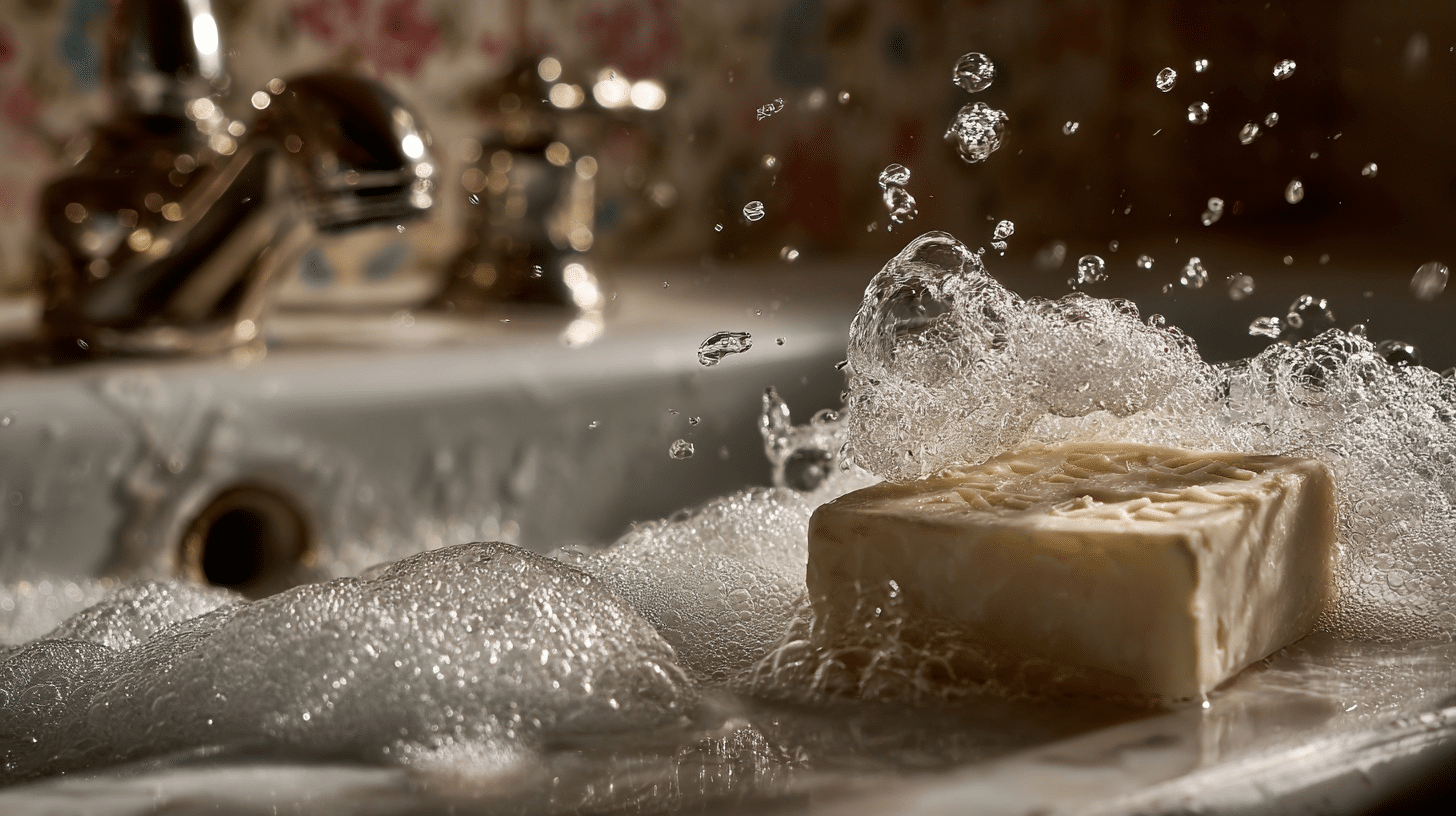
Here are more methods for removing wood stain from skin that actually work, starting with the gentlest options.
1. Soap and Warm Water
Start here because sometimes the simple stuff works. Use dish soap since it cuts through grease better than regular hand soap. Scrub gently but thoroughly, paying attention to creases and under fingernails.
This works best on water-based stains that haven’t been sitting too long.
2. Cooking Oil and Salt
Mix equal parts cooking oil and salt to make a scrubby paste.
The oil breaks down the stain while salt acts as a gentle abrasive. Rub this mixture on stained areas for about two minutes, then wash with dish soap.
Olive oil, vegetable oil, or even baby oil works fine.
3. Baking Soda Paste
Make a thick paste with baking soda and water. Apply it to stained skin and let it sit for 5 minutes before gently scrubbing.
Baking soda is mildly abrasive and helps lift stains without being harsh on skin. Rinse well afterward.
4. White Vinegar Soak
Soak stained fingers in white vinegar for 10-15 minutes, then scrub with a soft brush or washcloth. The acid in vinegar helps break down certain types of stains.
Don’t use this method if you have cuts or sensitive skin.
5. Rubbing Alcohol
Dab rubbing alcohol on a cotton ball and rub the stained areas. This works particularly well on oil-based stains.
The alcohol dissolves the stain components, making them easier to wash away. Follow up with soap and water.
6. Nail Polish Remover
Use acetone-based nail polish remover sparingly on stubborn stains. Apply with a cotton swab, rub gently, then wash immediately with soap and water.
This is strong stuff, so don’t overdo it. Skip this method if you have sensitive skin.
7. Lemon Juice and Salt
Cut a lemon in half, dip it in salt, and rub it on stained skin. The citric acid helps break down stains while salt provides a gentle scrubbing action.
This method smells great, too! Wash thoroughly afterward since lemon can make skin photosensitive.
8. Toothpaste Method
Regular toothpaste (not gel) contains mild abrasives that can help remove stains. Apply a small amount to stained areas, scrub gently with a toothbrush, then rinse well.
The minty fresh smell is just a bonus.
9. Petroleum Jelly and Sugar
Mix petroleum jelly with sugar to create a gentle scrub.
The jelly softens the stain while sugar provides abrasive action. Rub this mixture on stained areas for a few minutes, then wash with warm soapy water.
10. Hand Sanitizer
The alcohol in hand sanitizer can help dissolve certain stains. Apply generously to stained areas, rub it in, then wash with soap and water.
This method is convenient since most people have hand sanitizer readily available.
11. Cold Cream or Makeup Remover
These products are designed to dissolve stubborn substances, making them surprisingly effective on wood stains.
Apply generously, let it sit for a few minutes, then wipe away and wash with soap and water.
12. Butter or Margarine
The oils in butter can help dissolve oil-based stains. Rub butter into stained areas, let it sit for 10 minutes, then wash thoroughly with dish soap.
This might sound weird, but it actually works pretty well.
13. Washing Soda Soak
Mix three parts water with one part washing soda. Soak a cloth in it, hold it against the stain for a few minutes, then scrub gently and rinse.
It’s a step up from baking soda without the flammability or fume concerns of a solvent.
What to do if Wood Stain Won’t Come Off After Several Washes
Deeply set pigment often needs time, not force. Stop scrubbing the spot.
Your skin renews itself, so a stain fades on its own within a few days to a week.
Keep the area moisturized. Piling on method after method only leaves your hands raw. If the stain sits near a cut, or your skin turns red, sore, or blistered, stop completely. That’s irritation, not leftover color.
Check with a pharmacist or doctor before trying anything else. A little patience beats a chemical burn every time.
Aftercare for Dry, Irritated Skin
Solvents strip more than pigment. They pull the natural oils out of your skin, leaving it tight, flaky, or stinging.
A little aftercare brings it back fast.
- Rinse with cool water to calm any lingering sting.
- Pat dry gently instead of rubbing with a rough towel.
- Smooth on a thick, fragrance-free cream while the skin is still damp.
- Use aloe vera on any spot that feels hot or looks pink.
Wait a day; if redness spreads or skin cracks and won’t settle, treat it as a reaction and see a pharmacist.
When Wood Stain on Skin Could be a Concern
Most stain on skin is a cosmetic problem, nothing more.
A few situations deserve closer attention, though.
Oil-based stains and their solvents can be absorbed through the skin, so large splashes or long exposure aren’t very important. Watch for a headache, dizziness, or nausea after a big job in a closed room.
This indicates fumes rather than the stain itself. A spreading rash, swelling, or lingering burning can signal an allergic reaction. Stain near the eyes, mouth, or an open wound needs prompt rinsing.
Common Mistakes that Make Wood Stain Harder to Remove
Preventing the stain from worsening is half the challenge, and some common reactions can do just that.
| Mistake | Why it Backfires |
|---|---|
| Waiting too long to react | Pigment sets deeper the longer it sits |
| Using hot water first | Opens pores and drives the stain further in |
| Grabbing a stiff brush | Roughs up skin, so pigment clings tighter |
| Layering method on method fast | No time to work, just more irritation |
| Picking at a dried stain | Damages skin and spreads the color |
Few Tips and Tricks to Remove Wood Stains
Sometimes it’s the little tricks that make all the difference between success and frustration. These handy tips will save you time, prevent skin damage, and make the whole stain removal process go much more smoothly.
- Work quickly: fresh stains come off much more easily than dried ones.
- Don’t use harsh scrubbing that could damage your skin.
- Test any removal method on a small area first.
- Moisturize your hands after using any of these methods.
- Keep your fingernails short when working with stain: it gets under them easily.
- Use a soft toothbrush to scrub around fingernails and cuticles.
- Try combining methods if one doesn’t work completely.
- If you have sensitive skin, stick to gentler methods like soap and oil.
Wrapping It Up!
Stained hands are barely a problem. Dish soap and a bit of cooking oil handle almost everything; what they don’t, your skin sheds on its own in a few days. So don’t stand at the sink scrubbing.
That’s how people trade a stain for sore, cracked hands, which is the worst deal by far.
Start with gentle methods, give each a minute to actually work, and quit the second your skin starts complaining.
And next time? Gloves. Ten seconds of preparation prevent your hands from getting stained.
Frequently Asked Questions (FAQ’s)
1. How Long to Leave Lemon Juice on Stains?
Leave lemon juice on the stain for five to ten minutes, then wipe and rinse with soap and warm water. Pat dry and moisturize right after, since citric acid pulls moisture out fast.
2. What is the Hardest Stain to Remove?
Oil-based penetrating stain that’s fully dried into your skin is the toughest one you’ll deal with. Cooking oil followed by turpentine or rubbing alcohol usually breaks it down, but expect to repeat the process two or three times.
3. What Cleans Better, Vinegar or Lemon Juice?
Both work about the same on fresh stains, since they’re mild acids that break down pigment the same way. Lemon juice smells better and is gentler on cuts. Vinegar is cheaper and easier to keep stocked.
4. What Gets the Tough Stains Out?
Start with cooking oil massaged into the spot for a few minutes. If that doesn’t clear it, move to rubbing alcohol on a cloth, and turpentine or acetone only if the stain is still there after that. Wash with soap between each attempt so you’re not layering products.
5. Can Toothpaste Remove Stains?
Yes, but only the non-gel kind. Regular toothpaste has mild abrasives that lift surface stain the same way it lifts stains off teeth. Rub a small amount in with a soft toothbrush, focusing on nail beds and knuckle creases, then rinse. It works best on fresh, lightly set stains.
6. What Removes Wood Stain From Skin the Fastest?
Mineral-spirit solvents like turpentine work fastest on oil-based stains, and rubbing alcohol works fastest on water-based ones. Both come with a tradeoff: they’re drying and shouldn’t be your first move.