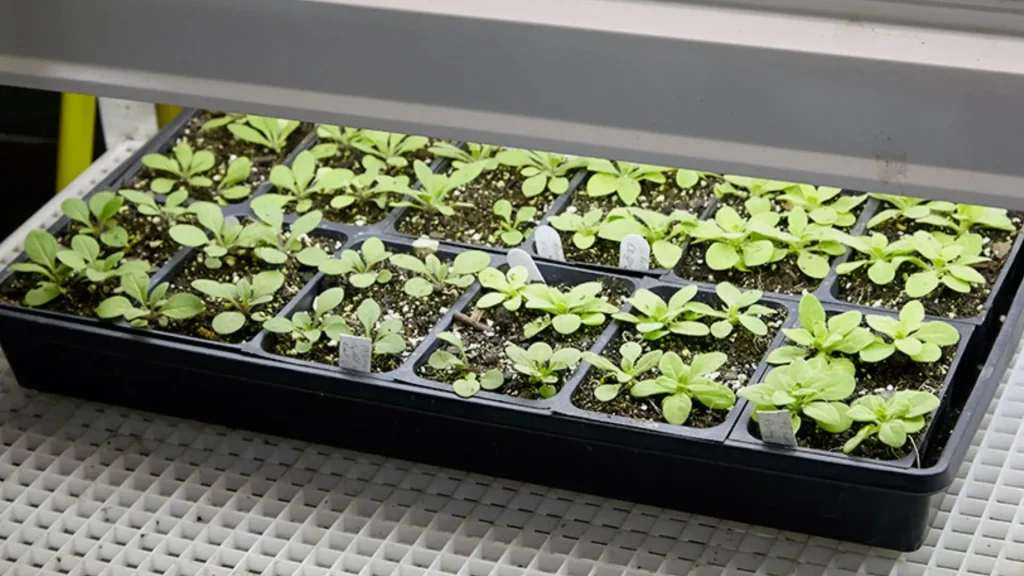
Most gardeners lose seedlings not because of bad soil or wrong timing. They lose them because of transplant shock.
Moving plants straight from indoors to the garden is too much, too fast. Learning how to harden off seedlings properly gives them the best chance at survival.
This blog covers everything, including the right schedule, challenges, and what to watch for before moving seedlings into the ground permanently.
What is Transplant Shock?
Transplant shock is the stress seedlings experience when moved from a protected indoor environment to the outdoors.
It occurs because sudden changes in light intensity, temperature, wind, and soil conditions disrupt root function and water uptake.
Symptoms include wilting, yellowing leaves, slowed growth, or even plant death in severe cases.
Hardening off is the gradual acclimatization process where young plants are placed outside for increasing periods each day, starting in shade and sheltered spots before full sun exposure.
This toughens cell walls, strengthens stems, and improves resilience. Properly hardened seedlings recover faster, establish roots quicker, and thrive.
When to Start Hardening Off Seedlings?
The best time to start hardening off seedlings is two weeks before the last frost date in the area.
Seedlings should have at least two to three sets of true leaves before starting the process. Starting too early risks frost damage.
Waiting too long gives seedlings less time to adjust before going into the ground.
What You Need Before You Start
Before starting the hardening-off process, having the right things in place makes it much easier. Here is what is needed:
- A Sheltered Outdoor Spot: A place with shade and protection from strong wind works best for the first few days.
- A Timer or Schedule: Keeping track of how long seedlings stay outside each day helps avoid overexposure.
- Watering Can: Outdoor air dries out soil faster than indoor air. Seedlings need more frequent watering during this period.
- A Tray or Carrier: Moving multiple seedlings in and out each day is easier with a single tray.
- Weather App or Forecast: Checking daily temperatures helps avoid putting seedlings out on unexpectedly cold or very hot days.
How to Harden Off Seedlings: Daily Progress
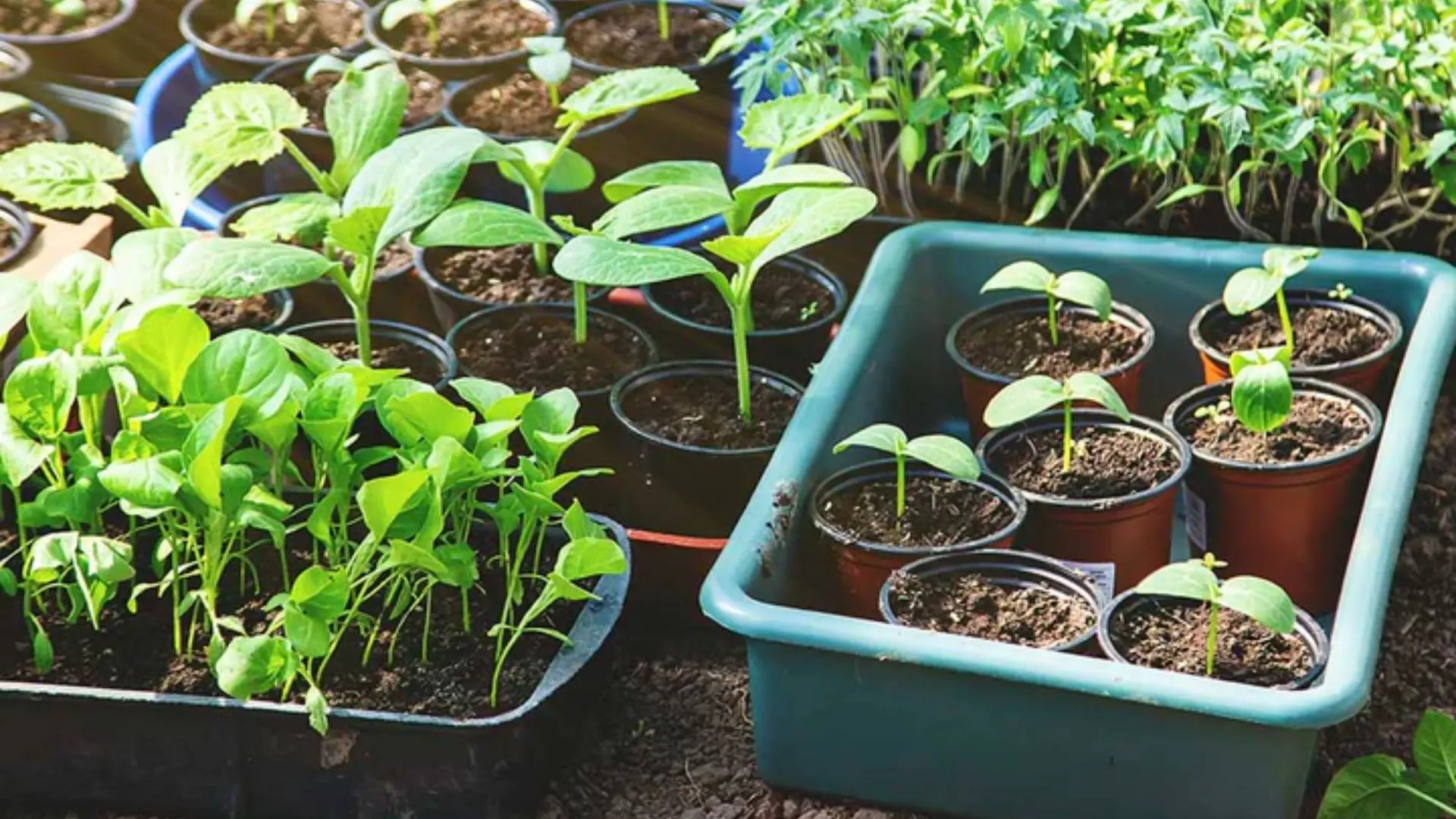
Hardening off seedlings does not happen overnight. It takes a steady, day-by-day process to get them ready for the outdoors.
Day 1: The First Step Outside
On the first day, place seedlings outside in a shaded, sheltered spot for just one to two hours. Choose a mild day with no strong wind or harsh sun.
This is the first time the seedlings have experienced real outdoor air. Even a short time outside can feel like a big change for indoor-grown plants.
Bring them back inside before temperatures drop. Watch for any signs of stress, like wilting or leaf curl.
Day 2: Adding a Little More Time
On day two, increase outdoor time to two to three hours. Keep seedlings in the same shaded spot.
The goal is to let them get used to outdoor air and light without overwhelming them. Check the soil moisture before and after.
Outdoor air tends to dry out pots faster than indoor conditions. If leaves look droopy, bring seedlings in earlier and water them right away.
Day 3: Introducing Gentle Morning Light
By day three, seedlings can handle a spot with gentle morning sun for three to four hours.
Move them to an area that gets soft, indirect light for an hour or two, then shift them back to shade.
Morning light is less intense than afternoon sun. This gradual introduction helps seedlings build the tolerance they need without causing leaf scorch or sudden wilting.
Day 4: Longer Hours, More Light
Increase outdoor time to four to five hours on day four. Seedlings can now handle a mix of shade and gentle sun throughout their time outside.
Keep them away from strong afternoon sun and heavy wind. Check the soil more frequently, as pots dry out faster with longer exposure.
If the weather turns cold or windy, cut the session short and bring them back inside.
Day 5: Half a Day Outside
Day five marks the halfway point. Seedlings can now stay outside for around five to six hours. They can handle more direct morning sun at this stage.
Start placing them in a spot that gets a few hours of real sunlight. Watch closely for signs of stress.
Some light wilting in the afternoon heat is normal, but if leaves curl or turn pale, move them to shade immediately.
Day 6: Pushing Toward Full Sun
On day six, seedlings are ready for more direct sunlight. Place them in a spot that gets six to seven hours of sun while they’re outside.
Keep an eye on soil moisture as sun exposure increases. Wind is still a concern at this stage. If the area is breezy, use a light barrier to protect stems.
Seedlings are getting stronger, but they still need careful watching.
Day 7: Almost There
By day seven, seedlings can stay outside for seven to eight hours. They should now handle both sun and mild wind without much stress.
This is the stage where real toughening happens. Stems get thicker, leaves become firmer, and the plant starts to look more confident in outdoor conditions.
Continue bringing them inside at night if temperatures are still dropping below the safe range for the plant type.
Day 8: Ready for The Final Test
On day eight, seedlings can stay outside for most of the day. Leave them in their final intended light conditions, whether full sun or partial shade, for eight or more hours.
If they show no signs of stress by the end of the day, they are very close to being fully hardened off. One or two more days of this routine confirm they are ready for permanent planting.
A few extra days of full outdoor exposure after this point gives added confidence before transplanting them.
Transplanting Seedlings After Hardening Off
Once seedlings complete the hardening-off process, they are ready to move into the ground.
Choose a cloudy day or late afternoon for transplanting to avoid sun stress.
Dig holes at the right depth, place each seedling carefully, and water them in well. Avoid transplanting on hot, windy days.
The first week in the ground is still a vulnerable time, so keep a close watch.
Common Challenges When Hardening Off Seedlings
Even with the best plan, things do not always go smoothly. Here are the most common problems and what to do about them:
- Sudden wilting: Seedlings wilt quickly after going outside, bring them in immediately, water thoroughly, and reduce outdoor time by an hour the next day until they recover.
- Leaf scorch: Leaf edges turn brown or crispy, the seedlings are getting too much direct sun too soon. Move them to a shadier spot and slow down the schedule.
- Unexpected frost: Temperatures drop below freezing overnight, bring all seedlings inside right away. Never leave tender seedlings outside when frost is in the forecast, even briefly.
- Strong winds: Stems bend or break in the wind, move seedlings to a sheltered spot. A wall, fence, or cold frame works well as a windbreak during the early days.
- Slow progress: Seedlings still look stressed after a week, do not rush. Simply extend the schedule by a few more days and give them extra time to adjust before transplanting.
Conclusion
Knowing how to harden off seedlings the right way makes all the difference between strong, productive plants and ones that never recover from transplant shock.
The process takes patience, but the results are worth it.
A steady schedule, close observation, and smart responses to weather challenges give every seedling the strongest possible start in the garden.
Frequently Asked Questions (FAQs)
1. Can Seedlings Grow Well in Containers Long-Term?
Yes. Many plants thrive in containers for their entire life. Choose the right pot size, use quality soil, and water consistently for best results.
2. What is the Best Time of Day to Water Garden Plants?
Early morning is the best time. It gives plants time to absorb water before heat builds up, reducing the risk of fungal issues.
3. How Often Should Garden Soil Be Refreshed?
Garden soil should be refreshed every one to two years. Adding compost or fresh topsoil improves nutrients, drainage, and overall plant health over time.