The water coming into your home looks perfectly clear. However, that doesn’t necessarily mean it is free from minerals that can affect your plumbing, appliances, and everyday routines.
Hard water is common in many areas and can create gradual problems, which makes it easy to overlook until deposits become more noticeable. Thankfully, there is one solution that minimizes the concentration of minerals responsible for hard water: a water softener.
Before deciding whether one is right for your home, you must assess the potential benefits and what to consider when selecting a system.
What Problems Do Hard Water Cause?
Hard water contains elevated levels of minerals such as calcium and magnesium. These are not necessarily a concern simply because they’re present. However, as time goes on, they can create practical problems around your home.
Here are some of the signs that hard water is affecting your household:
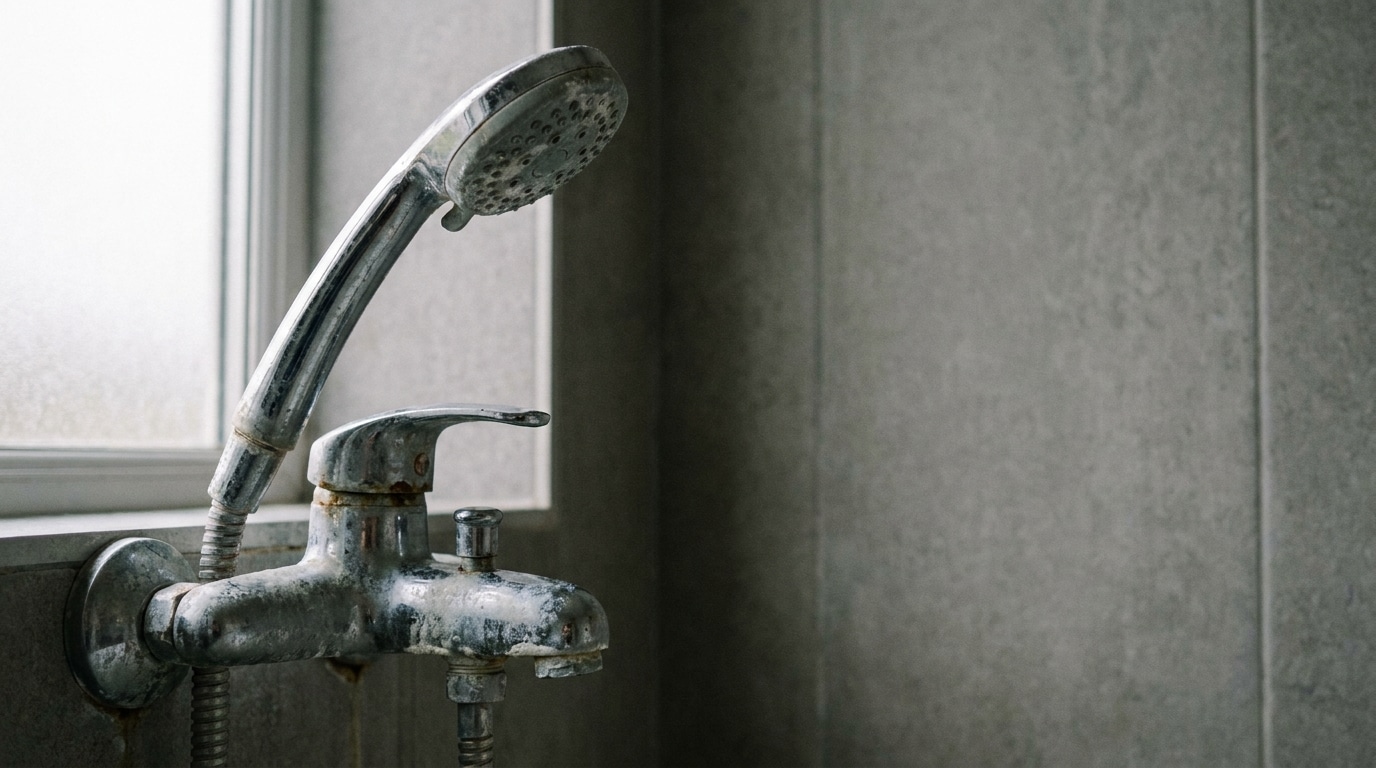
- Scale on fixtures: Mineral deposits can accumulate around taps, showerheads, and other fixtures. This leaves behind a chalky or cloudy residue that becomes increasingly difficult to remove.
- Problems with appliances: Water heaters, dishwashers, and washing machines can all develop mineral buildup. Doing so impacts their efficiency and contributes to additional maintenance.
- Soap that does not lather easily: Hard water makes it more difficult for soaps and shampoos to produce a good lather, which means using more product during everyday cleaning.
- Dry-feeling skin and hair: After washing, some individuals find that hard water leaves their skin feeling dry or their hair feeling less manageable.
- Laundry concerns: Mineral-rich water affects how detergents work. It contributes to clothes feeling less soft after repeated washing.
- Reduced water flow: In affected areas, significant mineral buildup inside pipes and fixtures can eventually restrict water flow.
Are you recognizing any of these issues? Testing your water helps establish whether hardness is contributing to the problem.
How Does a Water Softener Work?
A traditional water softener uses a process called ion exchange to reduce calcium and magnesium present in the water. As hard water passes through the system, these minerals are exchanged for sodium or, in some systems, potassium ions. The system itself generally includes a mineral tank and brine tank, with periodic regeneration necessary to keep the softener operating effectively.
The result is softened water that’s less likely to produce the scale associated with hard water.
However, not every home has the same water conditions. The right treatment approach is dependent on the minerals and other substances present in your specific water supply.
Location Matters
Geography makes a huge difference to water quality. Groundwater characteristics vary between regions. Due to this, homeowners in different areas experience different combinations of hardness, iron, odors, and other water concerns.
For example, in southeast Minnesota, it’s common for homeowners to deal with hard groundwater. One potential solution for residents is to explore water softeners in Red Wing MN, to tackle mineral-related issues. This is particularly relevant for those utilizing private wells. Well water varies significantly from one property to another, even within the same general area.
That’s why, before you invest in a treatment system, a water test is wise. Different solutions solve different issues. By testing the water first, you can identify the specific characteristics that must be resolved.
What Are the Potential Benefits?
You know hard water is affecting your household. You should also know that installing the right softener can make a major difference to everyday tasks. Reduced scale means less time spent cleaning mineral deposits from fixtures, while appliances using water benefit from having less scale-forming material passing through.
You might also notice differences in the following ways:
- How easily soap and shampoo lather.
- The appearance of water spots on fixtures.
- How your skin feels after bathing.
- The feel of freshly washed laundry.
- The amount of scale inside appliances using water.
The impact of these changes depends on the severity of your home’s water hardness, as well as the effectiveness of the chosen treatment system.
Select a System Based on Your Water
Yes, it can be tempting to select a water softener based simply on price or the size of your home. However, not every system is appropriate. You need to factor in aspects like capacity, regeneration requirements, and the characteristics of your water supply.
A good starting point is having your water tested. That’s particularly pertinent if you depend on a private well or have spotted several signs of hard water. You can then discuss the results with a water treatment professional, determining what type and capacity of system makes sense for your household.
Is a Water Softener Right for Your Home?
A water softener isn’t necessary for every household. If your water is relatively soft and you’re not experiencing mineral-related problems, good news. There’s little reason to install one. For homes affected by hard water, however, the right system reduces scale and makes everyday water use more convenient.