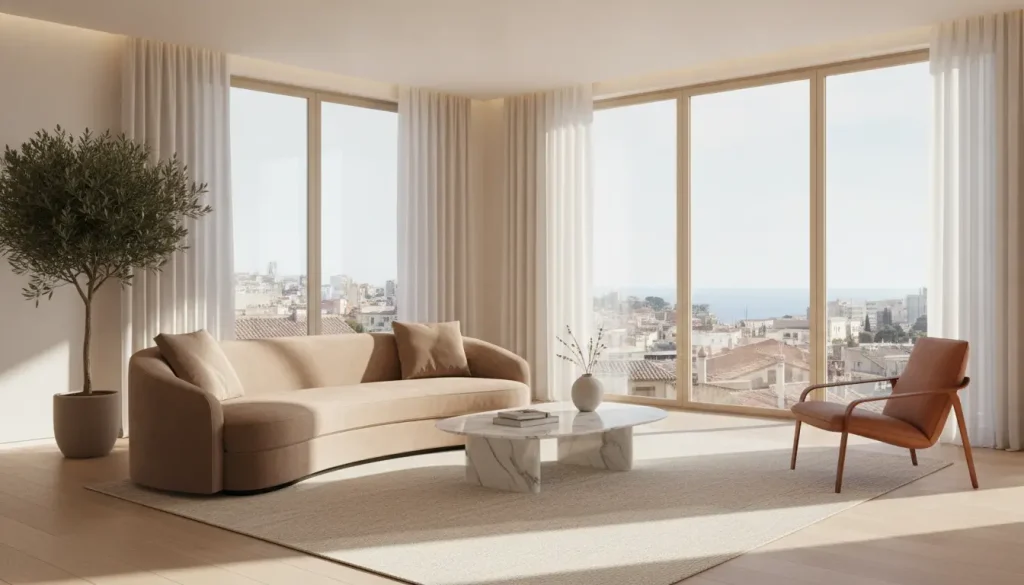
Italian luxury furniture stays popular because it gives a home more than a place to sit or sleep. It gives each room shape, a sense of calm, and a quality of comfort that’s genuinely hard to fake. Modern homes need pieces that look clean, feel good to actually live in, and hold up over years of real use. Italian design delivers on all three, through skilled craft, honest materials, and forms that don’t need a trend cycle to justify their existence.
A timeless home doesn’t have to look old or formal. It needs balance. Furniture that works hard on a Tuesday morning and still looks refined after five years of wear. Italian makers have understood this for a long time, building pieces around human comfort, considered scale, texture, and quietly excellent detail. That’s why designers and homeowners keep returning to Italian furniture for living rooms, bedrooms, dining areas, the corner chair nobody admits they bought purely for themselves.
A Design Culture Made for Real Homes
Italian interiors sit at a crossroads of art, architecture, family life, and hands-on craft. That combination gives Italian luxury furniture a clarity of purpose that most design traditions struggle to match. These pieces aren’t made for showrooms. They’re made to be used, touched, moved around, and lived with through ordinary daily routines.
In a modern home, that distinction matters. A sofa must support an evening of actual rest. A dining table has to handle meals, work sessions, and long conversations without losing its dignity. A bed should feel steady and calm, not just photograph well. Italian design tends to answer these demands with simple shapes, soft lines, and material choices that genuinely earn their place.
It’s why Arketipo furniture has built a following among people who want pieces that feel genuinely modern while staying rooted in Italian craft. The emphasis is on detail, comfort, and a design process that gives each item a clear, considered role in the room.
Craftsmanship That Adds Lasting Value
Good luxury furniture shouldn’t feel temporary. You should be able to see the care in the frame, the seams, the padding, the finish on a leg joint. Italian furniture earns its reputation partly because the making process gets as much attention as the final silhouette.
A well-built chair or sofa is more than a nice outline. It has strong internal structure. Fabric or leather chosen for real use rather than just the catalogue shot. Stitching that sits clean and even without puckering at the corners. Proportions that feel right the moment you sit down, not just when you’re standing back admiring it from across the room.
That level of craft makes a room feel complete. And it means buying once instead of replacing the same piece every few years, which isn’t nothing.
Materials That Age With Grace
Timeless furniture needs materials that can handle life. Italian luxury furniture regularly works with quality textiles, leather, metal, wood, marble, glass, and skilled padding techniques. Used well, these bring warmth, depth, and texture into a clean modern space without cluttering it.
Soft fabric makes a sharp room feel more human. A stone table anchors an open-plan living area. A fine leather chair builds genuine character as it ages rather than simply wearing out. Metal details add structure without making everything feel cold and corporate.
Good materials don’t need loud colors or heavy patterns to hold attention. Their texture and finish do that work quietly. So the furniture stays relevant even when the wall color changes, the rug gets swapped, or a new piece of art arrives.
Modern Form Without Short Lived Trends
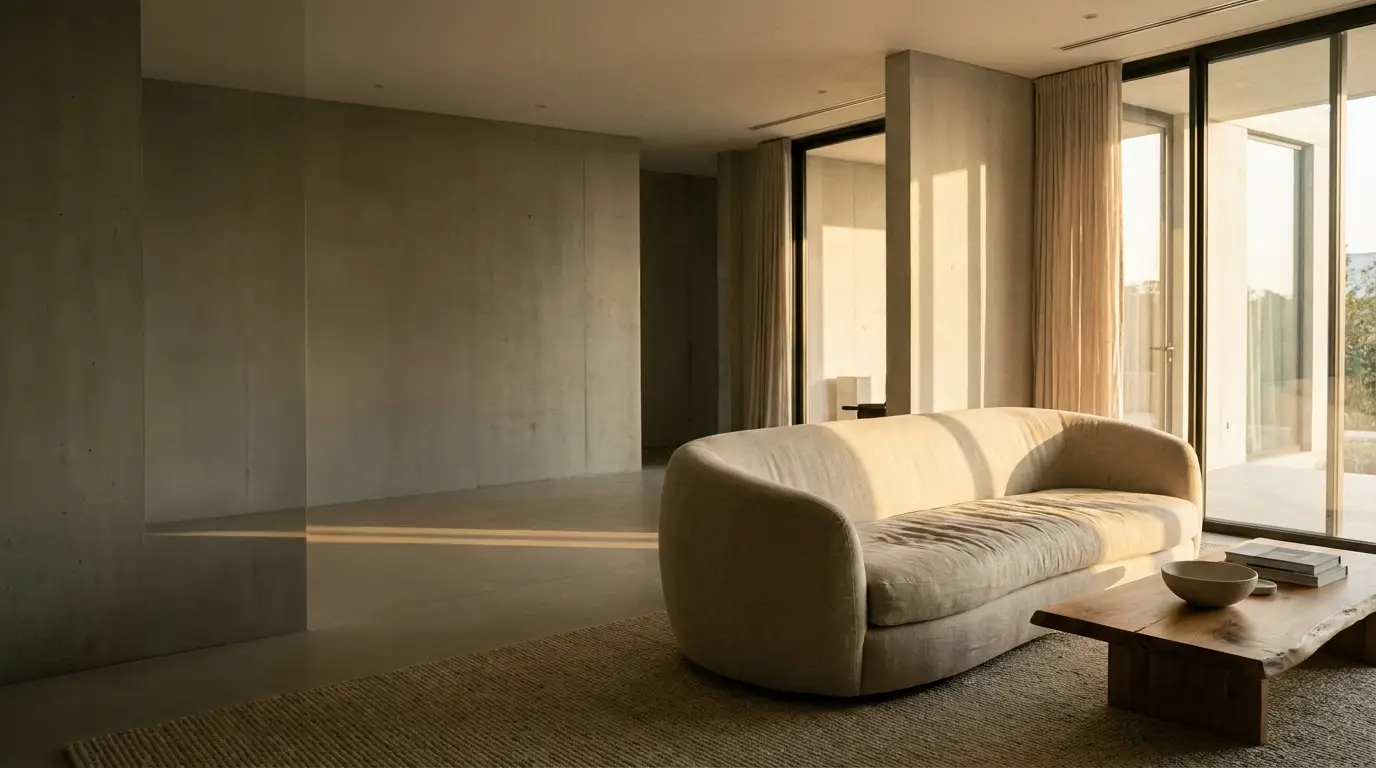
Open layouts, large windows, neutral walls, abundant natural light. Most modern homes share some version of this vocabulary, and furniture in these spaces needs a clear form. It has to define zones without blocking flow. Italian design handles this well because so many pieces pair strong shapes with genuine softness.
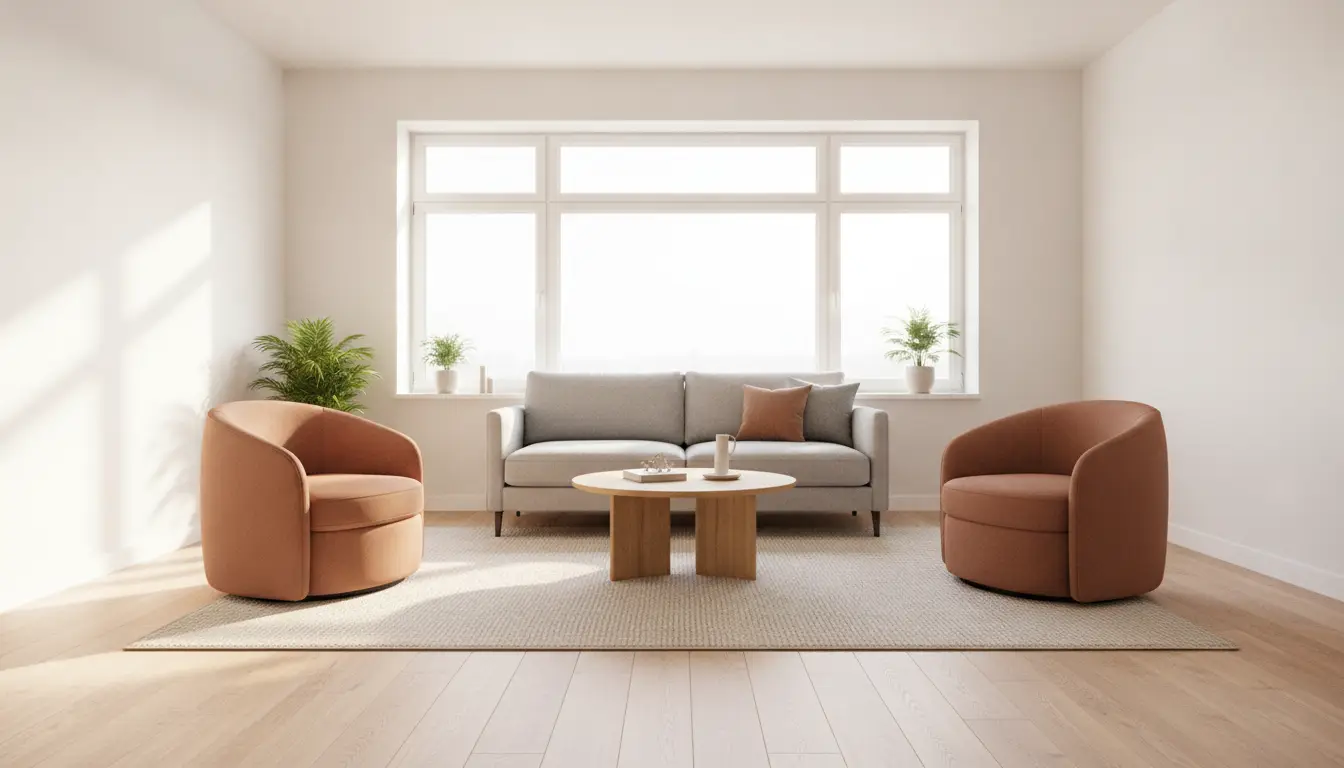
A curved sofa can guide movement through a living room. A low table keeps sightlines open across a wide space. A slim armchair adds seating without crowding the room. A sculptural dining table becomes the focal point while still serving dinner every night.
One thing worth saying: photos show shape, but they can’t tell you how a seat actually feels. Sit in it when you can. A trusted retailer like Armeniakos can help you compare options, materials, and room fit properly rather than guessing from a screen.
Comfort Is Part of the Design
A room can look stunning in photographs and still fail completely in daily life. Italian luxury furniture tends to avoid that trap by treating comfort as a design requirement rather than an afterthought. Seating depth, cushion density, back angle, the way a fabric feels against your arm at ten o’clock at night. These details shape how a person actually uses a room.
This matters more now because rooms carry more roles than they used to. A living room might handle rest, remote work, guests, reading, and movie nights, sometimes all on the same day. A bedroom might need a quiet chair in addition to the bed. A dining area might double as a home office between meals. The furniture has to keep up.
When a piece feels genuinely good, people use the room more. They stay longer. They relax properly. That practical comfort is a big part of why this style keeps working years after the purchase, long after the initial appeal of the aesthetic has settled into something quieter and more durable.
Why It Works So Well in Modern Homes
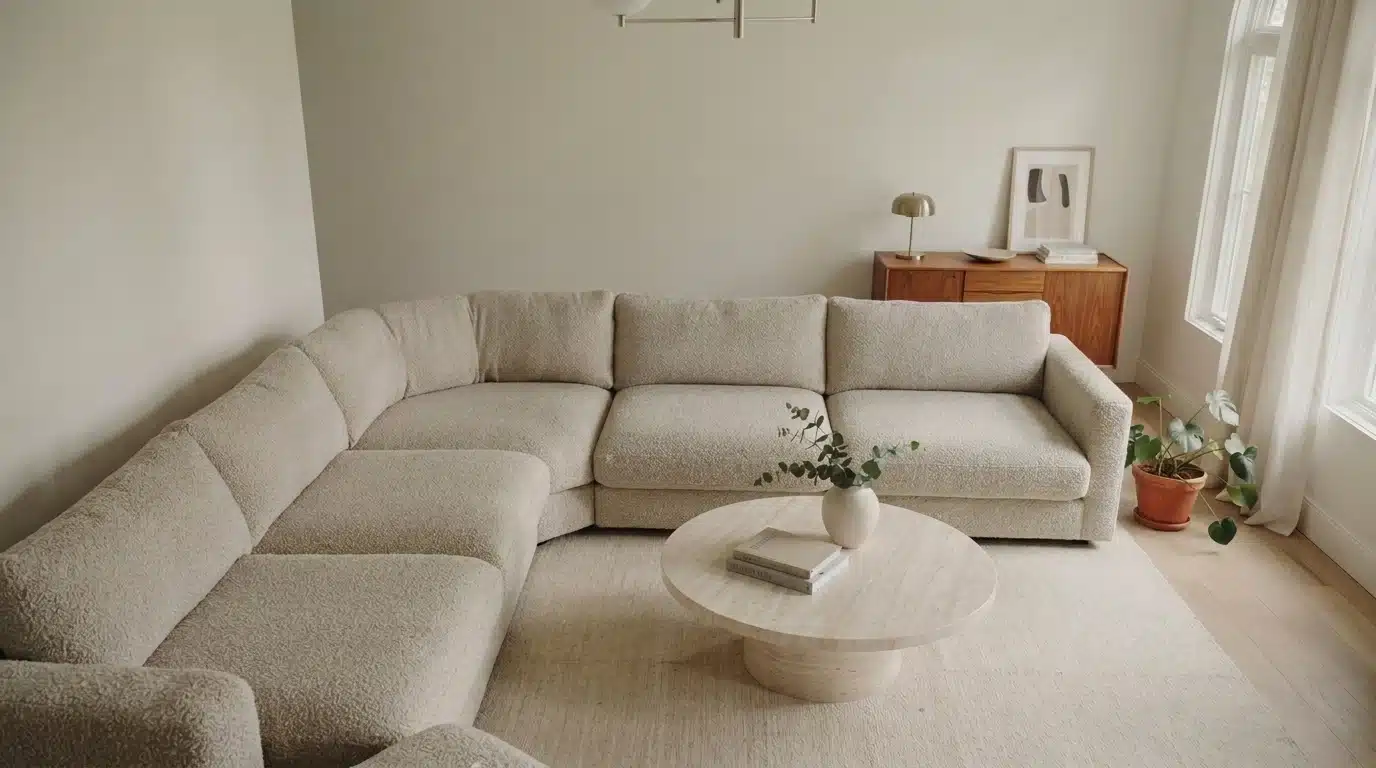
Modern interiors often run cold. Clean lines and open spaces are great until they tip into feeling bare and a little unlived-in. Italian luxury furniture fixes that by adding texture, soft volume, and visual depth without cluttering the place up.
One sofa in a rich fabric can warm an entirely white room. A table with a strong, considered base anchors a wide-open space in a way that a rug alone never quite manages. A lounge chair with smooth curves softens hard floors and straight walls. These aren’t decorative gestures. They pull a room back toward something that feels genuinely inhabited.
Scale works across different home types too. Apartments, villas, compact city flats. Choose proportions carefully and Italian furniture fits without forcing.
A Smart Choice for Personal Style
Timeless homes shouldn’t look like they were assembled from a showroom catalogue. They should feel like the people who live in them. Italian luxury furniture earns its place here because it plays well with almost everything around it.
Pair it with classic art or contemporary lighting. Set it against natural stone, warm timber, or a simple woven rug. It holds up in calm neutral rooms just as well as it does in deeper, more dramatic color schemes. The same piece can read soft or formal depending on what surrounds it, which matters a lot when you want to refresh a space without ripping out everything you already own.
Scale, Proportion, and Room Flow
Scale is one of those things you only notice when it’s wrong. A sofa half an inch too deep crowds the entire floor plan. A table too slight for the space just looks apologetic. Italian design tends to take proportion seriously, and that care shows in how pieces actually settle into a room once they’re in it.
Think about the height of a chair back, the depth of a seat cushion, the visual weight of a table base. None of it sounds dramatic in isolation. Together, those decisions determine whether a room feels balanced or faintly off. A good furniture consultant can help you read a floor plan against a specific piece before you commit, which is a genuine advantage of working through a curated showroom rather than clicking through pages online.
Long Term Value Over Quick Purchases
Furniture gets used hard. It’s sat on, leaned against, spilled on, and subjected to daily life for years. Cheap frames and thin padding can look passable in a showroom, but they tend to show the truth within eighteen months. Then you’re buying again.
Italian luxury furniture operates differently. Better structure, more considered materials, design that was properly worked out before anything went into production. The upfront cost is higher. Full stop. But a piece built this way can serve a home for decades when it’s looked after, which changes the actual maths considerably. There’s also something to be said for buying fewer, better things and building a room slowly around them rather than filling every corner at once.
Care Helps Preserve Beauty
Even the best furniture won’t take care of itself. Fabric needs cleaning according to the maker’s instructions, not whatever’s under the kitchen sink. Leather wants to stay out of direct sun and should be conditioned with the right product. Wood and stone surfaces need protection from heat, standing water, and anything abrasive.
The habits that make a real difference are small. Rotate cushions regularly. Lift furniture when you move it rather than dragging it. Use coasters. Keep sharp edges away from upholstered surfaces. None of this is complicated. But consistency is what keeps fine furniture looking the way it did when you first brought it home.
Final Thoughts
Italian luxury furniture has stayed relevant in modern interiors because it doesn’t ask you to choose between how something looks and how it functions. Craft, comfort, material quality, and considered proportion work together in these pieces rather than trading off against each other.
For anyone building a space that feels personal, calm, and genuinely lasting, that combination is hard to argue with. The right sofa or chair or table shapes not just how a room looks but how it actually feels to be in it every day. That’s the case for buying well once rather than adequately several times over.