Jalousie windows are hard to miss.
Those horizontal slats that tilt open like venetian blinds have been letting fresh air into tropical homes and mid-century American houses for decades.
They control ventilation, light, and privacy all at once. And they do it without taking up much space.
But they are not the right window for every situation.
Read on to find out how they work, where they perform best, and what to watch out for before you commit to them.
What is a Jalousie Window?
A jalousie window is a type of window made up of a series of horizontal slats, usually glass, acrylic, or aluminum, set in a frame and controlled by a crank or lever.
The slats tilt open and closed in unison, similar to venetian blinds, allowing you to adjust airflow and light at the same time.
The name comes from the French word for jealousy, referring to the way the slats let you see out without others seeing clearly in. They work on a simple pivot mechanism.
Turn the crank, and every slat moves together in the same direction.
They are most common in warm, humid climates where ventilation matters more than insulation, and in mid-century homes where the style still fits naturally.
Where They Come From
Jalousie windows began in tropical regions, where homes needed strong airflow to stay cool.
They grew popular in the early 1900s and became common in the United States from the 1940s to the 1960s.
Aluminum frames were cheap and easy to install, which made them popular with postwar families building new homes. The style fit naturally into mid-century design that prioritized light and outdoor living.
By the 1980s and 90s, they fell out of favor. Insulation standards tightened, and the original designs simply did not seal well enough to keep up.
Newer versions have addressed most of those problems.
Tighter seals, stronger glass, and better locking hardware have brought them back into use in warm climates and coastal builds.
Window Design and Construction
Modern windows are built with flexibility in mind, offering multiple materials, hardware, and customization options to suit both style preferences and practical performance needs.
- Frames: Choose aluminum for strength, wood for classic appeal, or vinyl for low-maintenance performance.
- Slats: Available in glass, acrylic, or aluminum to balance style, security, and function.
- Glazing: Slats vary in thickness to improve durability and insulation.
- Hardware: Cranks, levers, and pivot clips ensure smooth opening and closing.
- Sealing systems: Weatherstripping and gaskets help reduce drafts and leaks.
- Screens: Built-in screens protect interiors from insects.
- Customization: Sizes, finishes, and slat styles can be tailored for any home design.
These construction details make these windows adaptable, blending practical function with unique visual character.
Jalousie vs. Louvered Windows
Not exactly. All jalousie windows are louvered, but not all louvered windows are jalousie.
The term louvered simply refers to any window or opening with angled slats that control airflow and light.
Jalousie windows are a specific type in which the slats are made of glass, acrylic, or aluminum and are operated by a crank mechanism.
Louvered windows can also refer to fixed wooden or other architectural louvers that do not move.
The key difference is function. Jalousie windows are adjustable and operable. Fixed louvered panels are decorative and static.
Same family, different purpose.
Benefits and Drawbacks
These windows offer unique design and ventilation advantages, but also come with limitations that homeowners should carefully weigh before choosing them for their space.
| Pros | Cons |
|---|---|
| Superior ventilation for humid and tropical climates | Slats can be forced open more easily, reducing security |
| Adjustable slats provide light and privacy control | Poor insulation makes them unsuitable for cold climates |
| Outward projection saves indoor living space | Older models may allow water infiltration during storms |
| Easy cleaning with accessible, removable slats | Higher maintenance due to multiple moving parts |
| Cost-effective compared to casement or sliding windows | Less effective at blocking outside noise |
| Distinctive retro or tropical-inspired style | Glass slats can be fragile and break more easily |
They work best in warm, breezy environments. If you’re in a cold climate or a high-crime area, the cons in this table are not minor trade-offs — they’re dealbreakers.
Modern Applications for Jalousie Windows
They perform well in specific spaces where airflow matters more than insulation.
1. Sunrooms and Porches
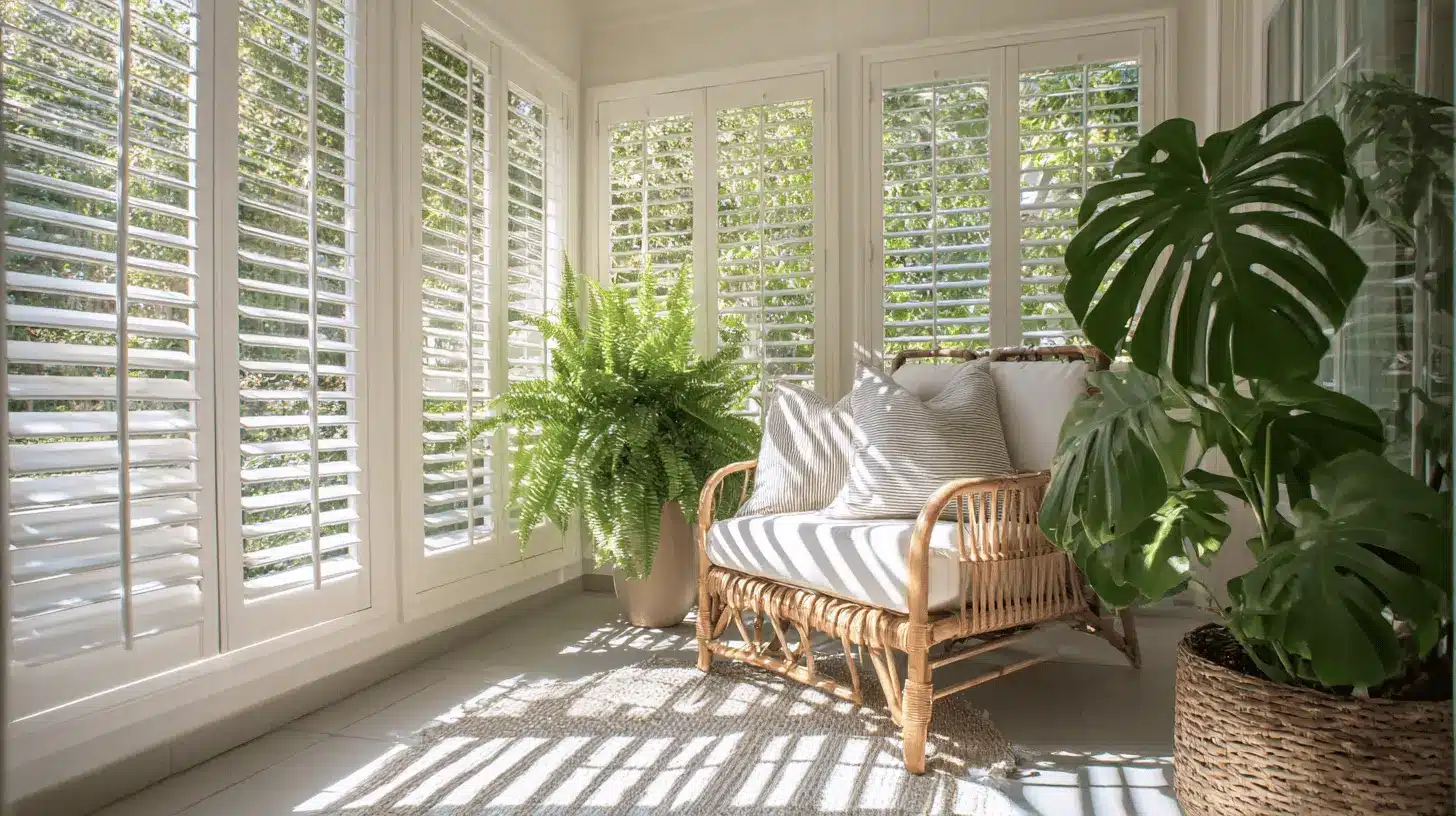
Sunrooms and porches are the natural home for jalousie windows. The adjustable slats let you control exactly how much breeze comes through without needing mechanical cooling.
They keep the space comfortable during warm afternoons and blend the indoor and outdoor feel that these rooms are built around.
2. Tropical Homes

In consistently warm climates, jalousie windows handle year-round ventilation and humidity without trapping heat indoors.
They reduce the need for air conditioning and hold up well in coastal conditions with constant humidity.
- Lower reliance on air conditioning
- Handle humidity without sealing heat inside
- Suited to coastal and beachside builds
3. Greenhouses

Airflow is critical for plant health, and jalousie windows give you precise control over temperature and moisture levels. They release heat gradually on sunny days and support the natural air circulation that plants need to grow well.
- Balance moisture levels and prevent mildew
- Allow gradual heat release in sunny conditions
- Support better plant growth through natural circulation
4. Workshops and Garages
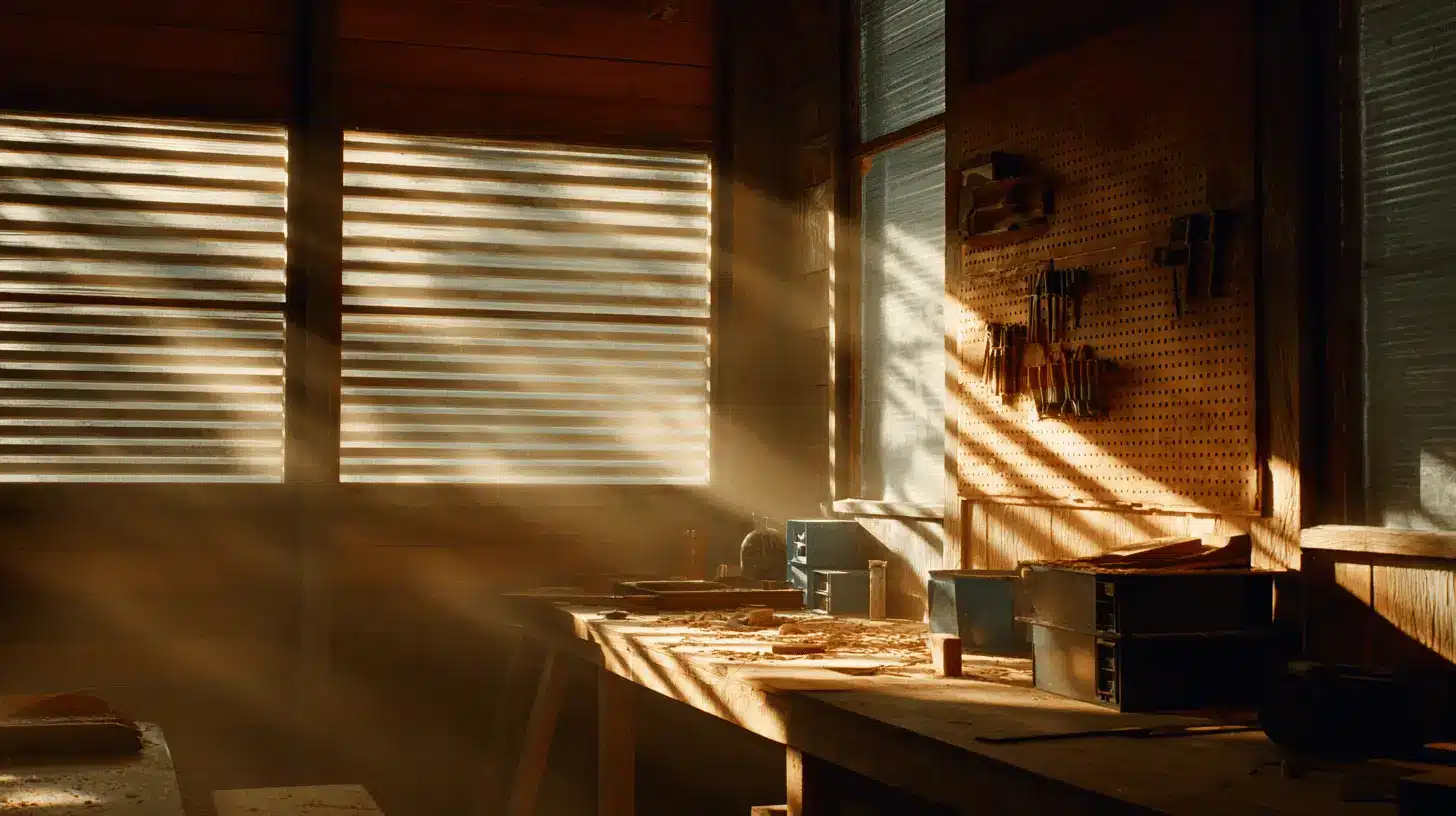
Utility spaces need ventilation without giving up wall space or security.
Jalousie windows installed at higher positions provide steady airflow while limiting fume and dust buildup during projects.
5. Pool Houses and Garden Rooms
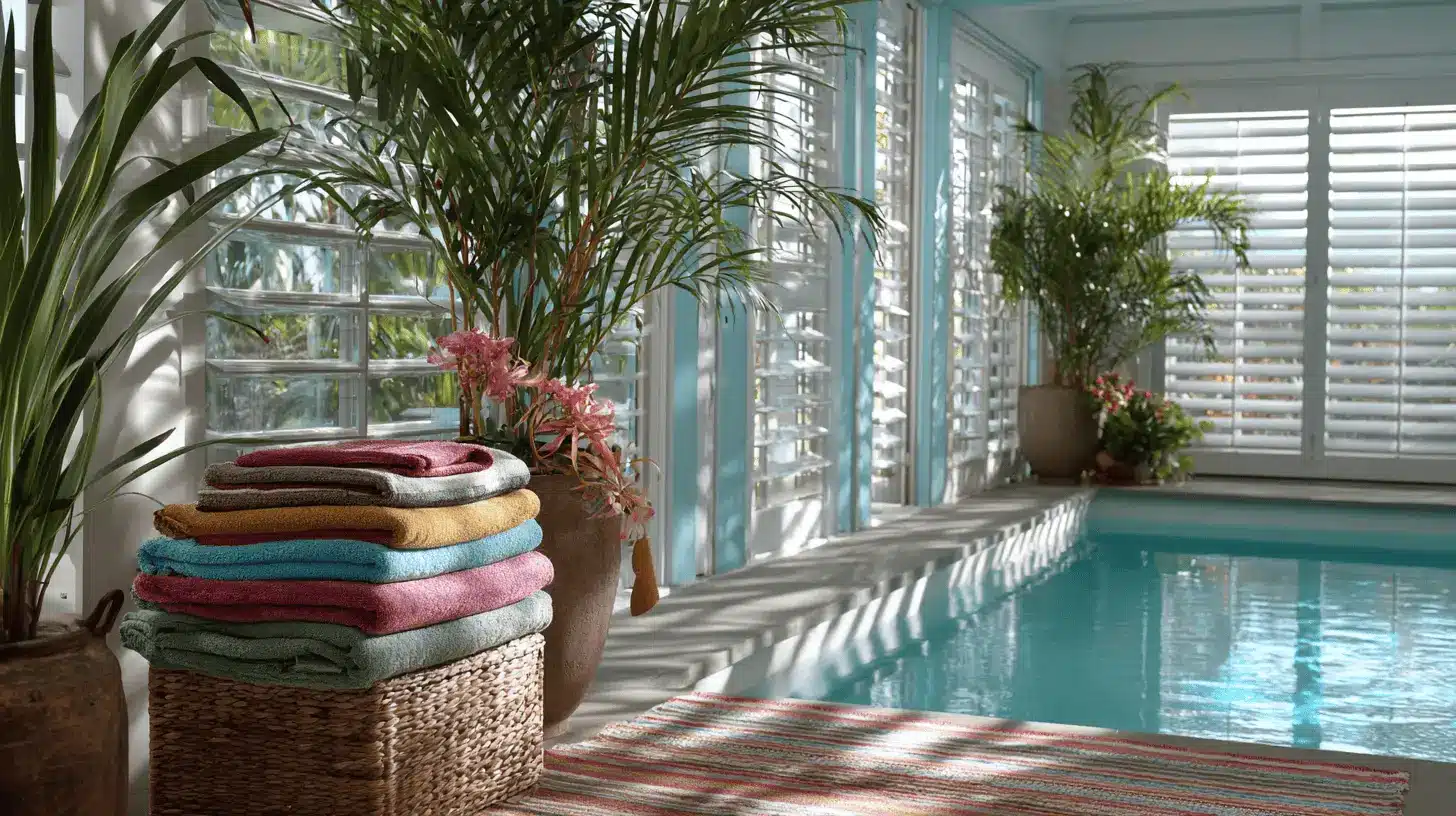
Spaces near water or gardens need fresh air as well as protection from insects and debris.
Jalousie windows handle both and suit the relaxed, outdoor-connected design style these rooms typically follow.
- Keep interiors fresh during humid summer days
- Complement garden and water-themed design styles
- Built-in screen options keep insects out while allowing airflow
Maintenance and Care Tips
Most problems come from neglected hardware and worn seals. A basic routine keeps them running smoothly for years.
- Clean regularly: Wash glass slats with mild soap and water to prevent the buildup of dirt and dust.
- Lubricate hardware: Apply a light oil to the cranks and pivot clips to ensure they move without sticking.
- Check seals: Inspect weatherstripping often and replace worn sections to stop drafts or leaks.
- Maintain screens: Fix or replace insect screens to keep pests out while allowing airflow.
- Seasonal care: Ensure slats close tightly before storm season for added weather protection.
- Troubleshooting: Adjust or swap bent clips to keep slats aligned and functional.
How often you maintain them depends on your climate: In coastal or high-humidity areas, quarterly checks on the hardware and seals are worth doing. In drier climates, twice a year is usually enough.
Signs it’s Time to Replace, Not Repair
If any of these apply, replacement is more practical than continued repairs:
- Slats crack, chip, or break repeatedly, and replacements are hard to source
- The crank or lever mechanism sticks, slips, or no longer moves the slats evenly
- Visible gaps between slats when fully closed let in drafts, insects, or water
- Weatherstripping is worn and no longer seals properly, even after replacement
- Frames show signs of corrosion, warping, or structural damage
- Energy bills have increased noticeably due to heat or cold coming through the window
- The window no longer meets current building codes or insurance requirements for your area
If your jalousie window lets in noticeable drafts even when fully closed, it is worth getting a professional assessment before spending more on repairs.
Alternatives to Jalousie Windows
If jalousie windows don’t fit your climate or security needs, these are the most common alternatives worth considering.
Here’s a quick overview:
| Alternative | Key Advantage | Best Use Case |
|---|---|---|
| Casement Windows | Wide opening for strong airflow | Living rooms and bedrooms |
| Awning Windows | Ventilation possible during light rain | Bathrooms and kitchens |
| Sliding Windows | Space-efficient and easy to operate | Tight spaces and modern homes |
| Hybrid Louvers | Upgraded seals and stronger hardware | Tropical homes need efficiency |
| Fixed Decorative Units | Louvered look without functionality | Design accents and symmetry |
Casement windows swing outward and seal tightly, awning windows open from the bottom and stay open during light rain, and sliding windows move along a track with no outward projection.
Hybrid louvers add tighter seals and stronger hardware. Fixed decorative units are purely visual.
- Casement: hinges on one side, best for living rooms and bedrooms needing strong airflow
- Awning: opens from the bottom, stays open safely during light rain, best for bathrooms and kitchens
- Sliding: no outward projection, low maintenance, best for tight spaces and modern homes
- Hybrid Louvers: tighter seals and stronger hardware, best for tropical homes wanting louvered ventilation
- Fixed Decorative Units: non-functional, no maintenance, best for design accents and symmetry
Wrapping it Up
Jalousie windows are not for every home or every climate.
But in the right setting, a warm coastal property, a sunroom, a greenhouse, a porch, they do things other windows cannot. Adjustable airflow, a distinctive look, and easy maintenance make them worth considering if ventilation is the priority.
The limitations are real. Poor insulation, security concerns, and higher maintenance than a standard casement are all genuine trade-offs.
Know your climate, know your priorities, and they become a practical choice rather than just a nostalgic one.
Frequently Asked Questions
1. Can Jalousie Windows be Used in a Bathroom?
Yes, they work well in bathrooms where ventilation is needed, but full privacy is also required.
2. Do Jalousie Windows Need Planning Permission to Install?
In most cases, no, but it depends on your local building codes and whether the property is listed or in a conservation area.
3. Can You Add Security Bars to Jalousie Windows?
Yes, external security grilles or bars can be fitted over jalousie windows to improve security without blocking airflow.
4. Are Jalousie Windows Suitable for a Second-Floor Installation?
Yes, they work well on upper floors where wind exposure is higher and natural cross-ventilation is more effective.
5. How Long do Jalousie Windows Typically Last?
With regular maintenance, a well-made jalousie window can last between 20 and 30 years before hardware or frame replacement becomes necessary.