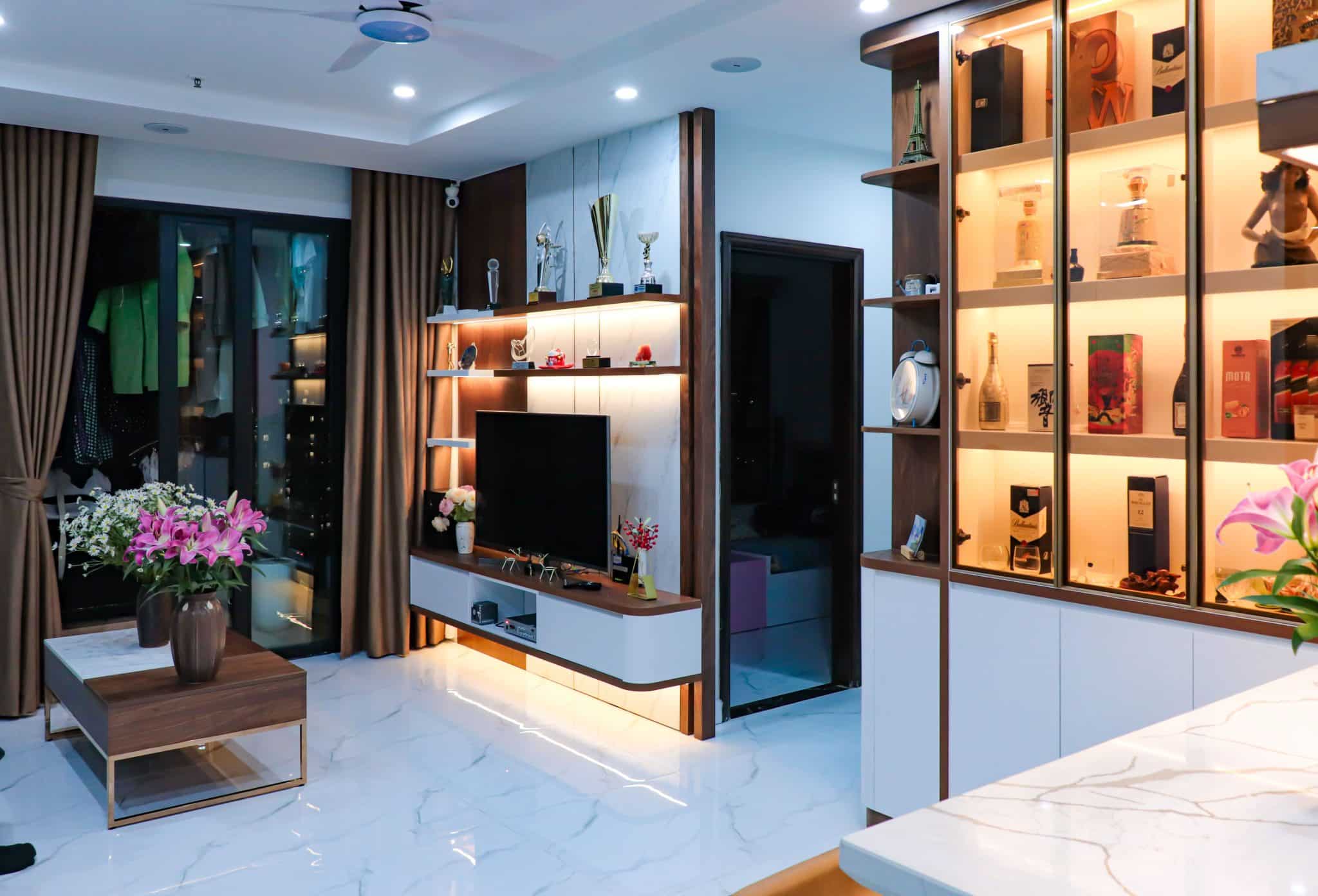
Mixing traditional furniture with modern decor can give a home something that completely new interiors sometimes lack: character.
An antique table, a classic sofa, an inherited cabinet, or a pair of traditional chairs can bring history and personality into a room. At the same time, too many traditional elements can make a space feel formal or stuck in another decade.
The key is finding the right balance between old and new. Traditional furniture does not need to disappear from a modern home. In fact, when it is surrounded by simpler and more contemporary elements, it can become one of the most interesting parts of the room.
Here are some ways to combine the two styles without making your home feel dated.
Start With One or Two Traditional Statement Pieces
You do not need an entire room of traditional furniture to give a space character. Often, one substantial piece is enough.
It could be an old wooden dining table, a traditional sideboard, an ornate mirror, or a sofa with a recognizable classic shape. Let that piece establish some history in the room and keep the furniture around it relatively simple.
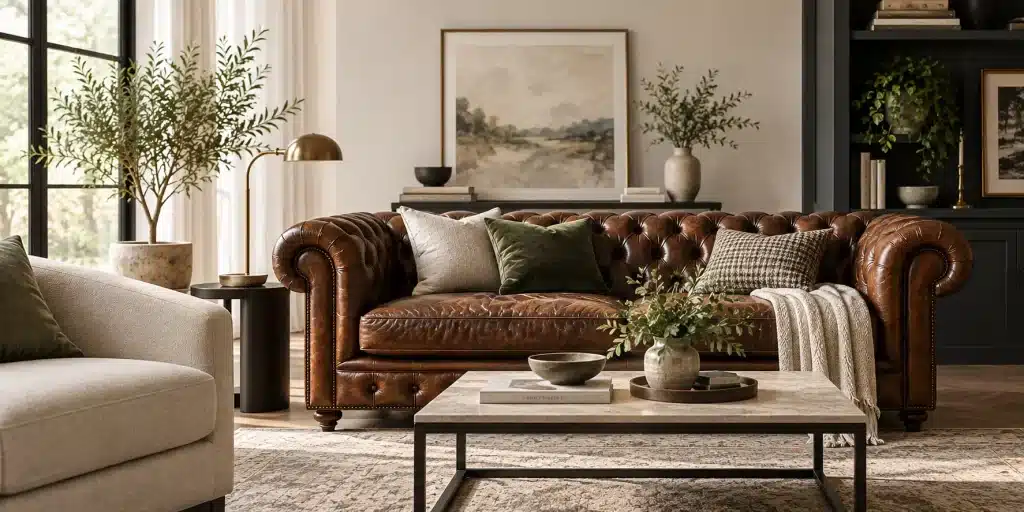
Classic designs can work particularly well because many have already survived generations of changing trends. The Chesterfield sofa is a good example, with its distinctive shape and traditional detailing continuing to appear in both classic and contemporary interiors. The enduring appeal of the classic Chesterfield design shows how the right traditional piece can remain relevant even as decorating styles change.
The aim is not to recreate the period the furniture came from. It is to give an older design enough space to stand out in a home that otherwise feels current.
Avoid Matching Everything
One of the quickest ways to make traditional furniture feel dated is to surround it with pieces from exactly the same style and period.
A traditional sofa paired with matching chairs, matching wooden tables, and equally formal accessories can start to resemble a furniture showroom from another era. Mixing pieces creates a much more relaxed effect.
Try placing a traditional sofa beside a simple contemporary coffee table or pairing an old dining table with modern chairs. The contrast allows you to appreciate the details of the older furniture without letting it determine the style of the entire room. A collected home usually feels more interesting than a perfectly matched one.
Keep the Background Simple
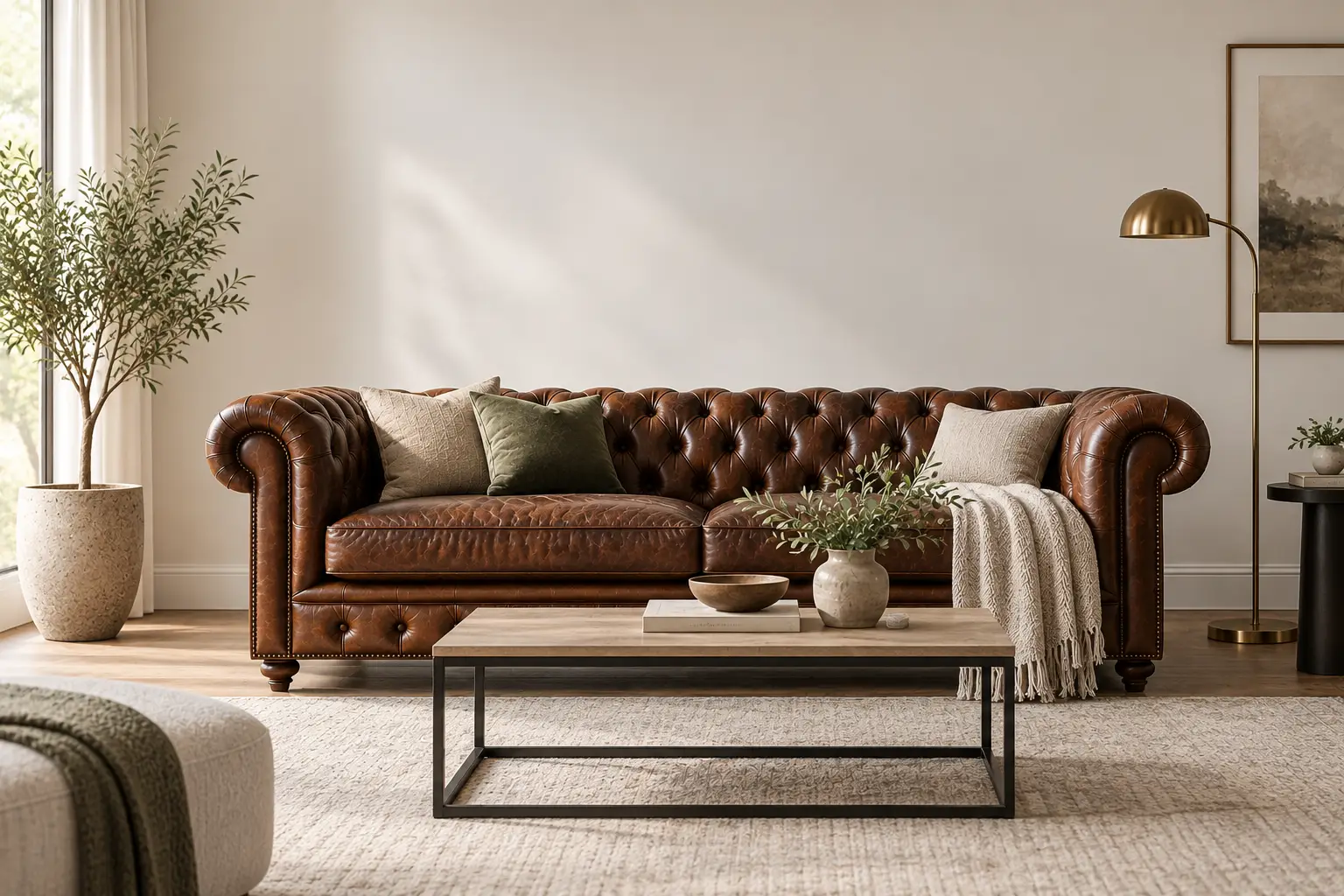
Traditional furniture often has more visual detail than modern furniture. Carved wood, rolled arms, tufted upholstery, decorative legs, and darker finishes naturally attract attention.
Giving these pieces a simpler background can stop the room from feeling overly busy. Neutral or softly colored walls, uncomplicated window treatments, and restrained accessories provide breathing room around more decorative furniture.
This does not mean everything else needs to be white or minimal. The goal is simply to create enough visual balance that traditional details feel intentional rather than overwhelming.
Introduce Modern Lighting
Lighting is an easy way to change how traditional furniture is perceived. A classic wooden table underneath a clean pendant light immediately feels different from the same table paired with a heavily ornamented chandelier. Similarly, a contemporary floor lamp beside a traditional armchair can make the entire arrangement feel fresher.
Lighting works particularly well because it creates contrast without requiring you to change the furniture itself. If you own inherited or vintage pieces that you want to keep, updating the fixtures around them can be enough to move the room in a more contemporary direction.
Mix Materials and Finishes
Traditional interiors often rely heavily on wood, while contemporary spaces tend to introduce a wider range of materials.
Combining the two can create a more layered room. An older wooden cabinet can sit beside a metal lamp. A traditional upholstered sofa can work with a simple stone or glass table. Natural linen curtains can soften darker antique furniture.
Do not worry about making every wood finish match either. Different tones can work together when they are repeated thoughtfully throughout the space.
A room becomes more interesting when materials look collected over time rather than purchased as one coordinated set.
Use Color to Connect Old and New
Color can help traditional and contemporary furniture feel like they belong in the same room. Instead of trying to match the furniture itself, look for colors that can be repeated through cushions, artwork, rugs, curtains, and smaller decorative pieces. A color found in an old rug might appear again in contemporary artwork, for example.
This creates a visual connection between pieces from different periods without making the relationship too obvious. If traditional furniture is particularly dark or heavy, lighter colors elsewhere in the room can also prevent the space from feeling overly formal.
Be Selective With Vintage Accessories
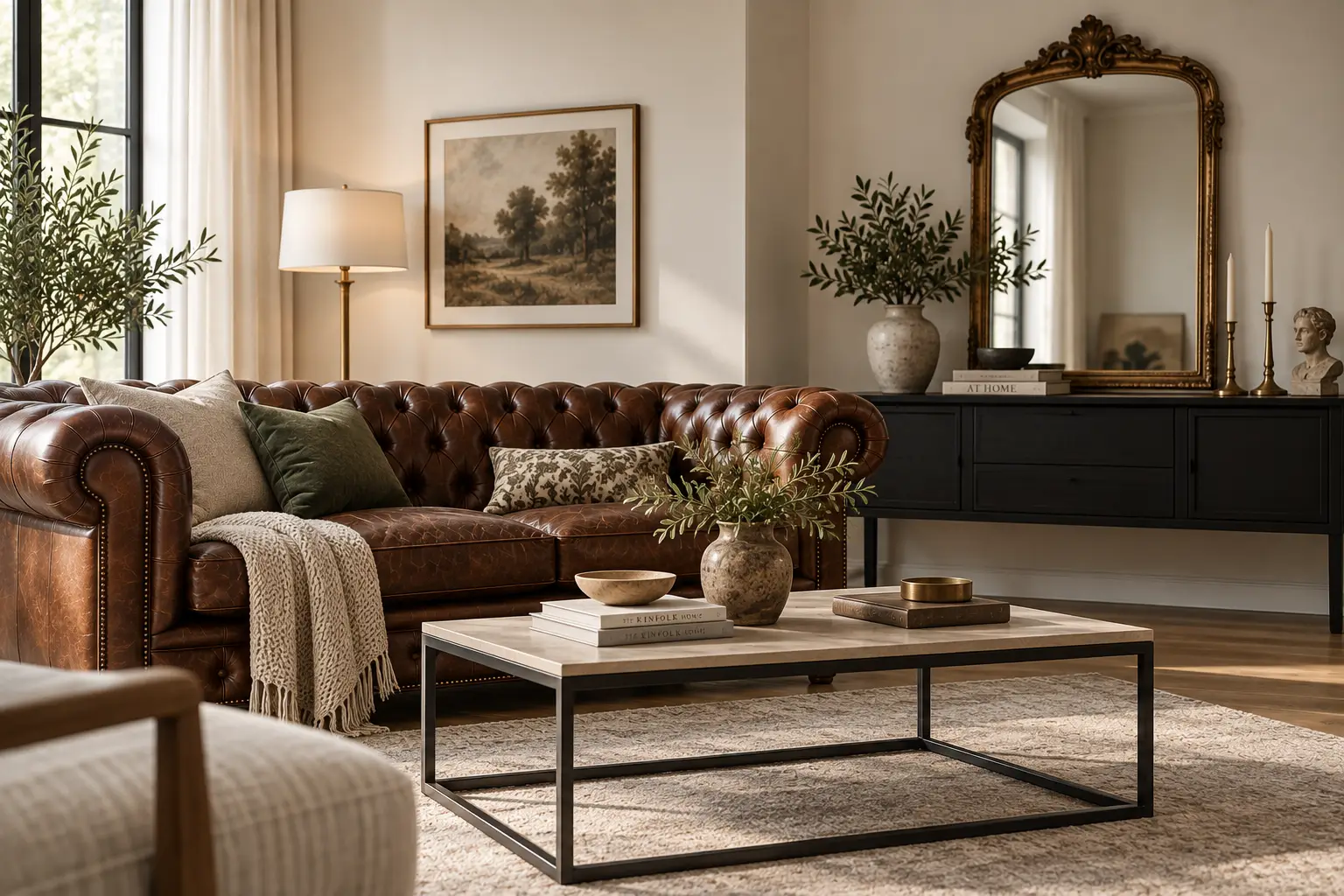
Traditional furniture does not mean every accessory needs to be antique. A few older objects can add personality, but filling shelves, tables, and walls with vintage pieces may push the room too far toward a period look. Instead, mix older objects with contemporary books, ceramics, artwork, or plants.
An antique mirror above a simple console can have more impact than a wall filled with several ornate pieces. An old vase on a modern table can stand out precisely because it is surrounded by simpler objects. Being selective allows the pieces with history to receive more attention.
Let Some Furniture Be Imperfect
Older furniture often comes with scratches, faded finishes, small marks, and other signs of use. Not every imperfection needs to be repaired.
Those details can give a room warmth and make traditional furniture feel less formal. A slightly worn wooden table, for instance, may work beautifully in a modern space because it contrasts with cleaner surfaces around it.
Of course, damaged furniture should be repaired when necessary for safety or function. But cosmetic signs of age can often be treated as part of the character rather than something that needs to be hidden.
Add Contemporary Art
Modern artwork is one of the simplest ways to prevent a room with traditional furniture from feeling dated.
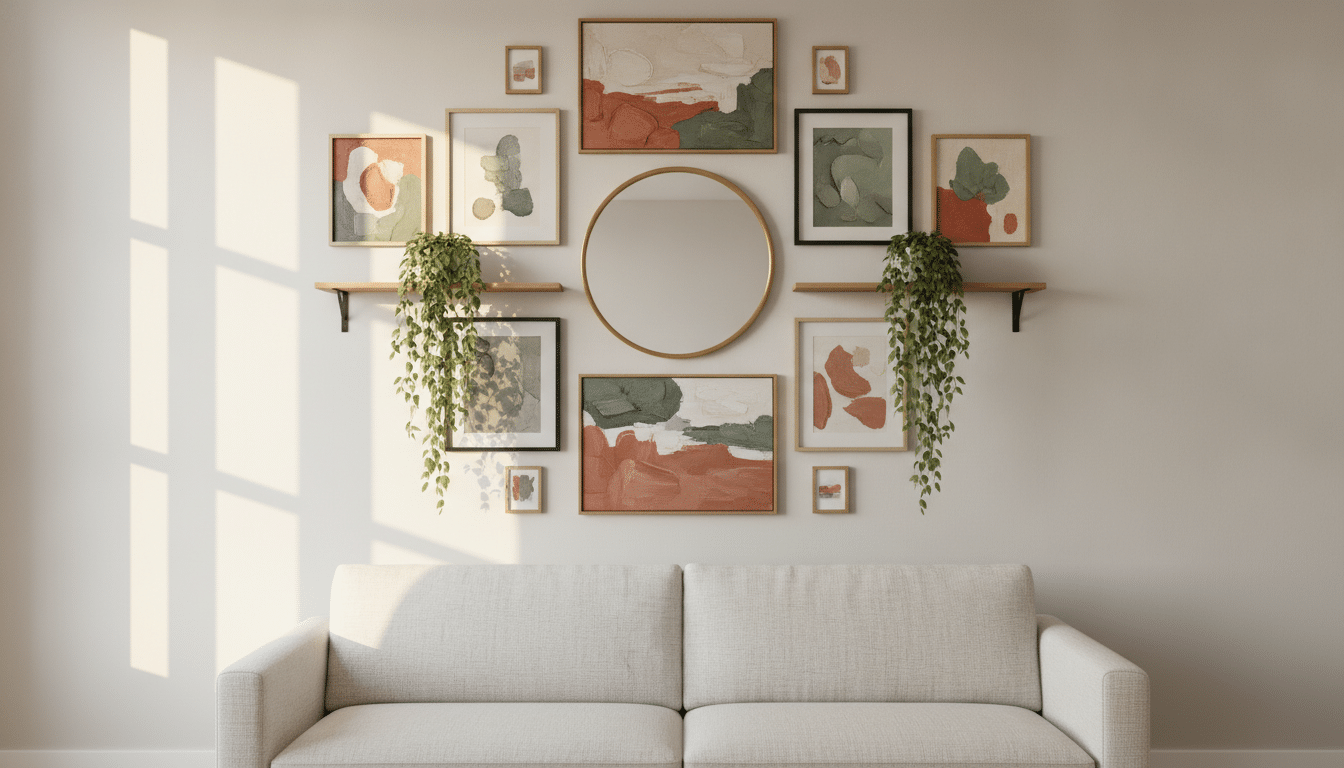
The contrast between an older piece of furniture and contemporary art can make both elements more noticeable. A traditional sideboard beneath an abstract painting or a classic sofa facing modern photography creates a deliberate mix of periods.
Artwork is also relatively easy to change, which makes it a useful way to experiment with the balance between traditional and contemporary styles before making larger design decisions.
Build the Room Gradually
Rooms that successfully mix old and new rarely look as though everything was purchased at the same time.
Allow the space to develop gradually. You might begin with furniture you already own, add an antique found at a local market, introduce a modern light fixture later, and change the artwork as your tastes evolve.
Taking this approach also gives you time to understand what the room needs. Instead of following a strict style, you create a home around pieces you genuinely enjoy.
Final Thoughts
Traditional furniture does not automatically make a home look dated. What matters is the context you create around it.
Pair older pieces with simpler shapes, contemporary lighting, varied materials, modern artwork, and enough open space for their details to stand out. Avoid matching everything too closely and resist the temptation to recreate an entire historical style.
The most successful rooms often contain furniture from different periods because real homes develop over time. When traditional and modern pieces are allowed to complement rather than compete with each other, the result feels collected, personal, and timeless.