Want more space without moving? Many people feel trapped by walls.
Rooms feel small and cramped. Family members stay separated in different areas. Open-floor plans change all that. These designs remove unnecessary walls, creating a single, connected space.
Light travels freely, and so do conversations. This blog shows you everything about the open floor plans.
You’ll see design ideas and get practical tips to make it work for your house.
What are Open Concept Floor Plans?
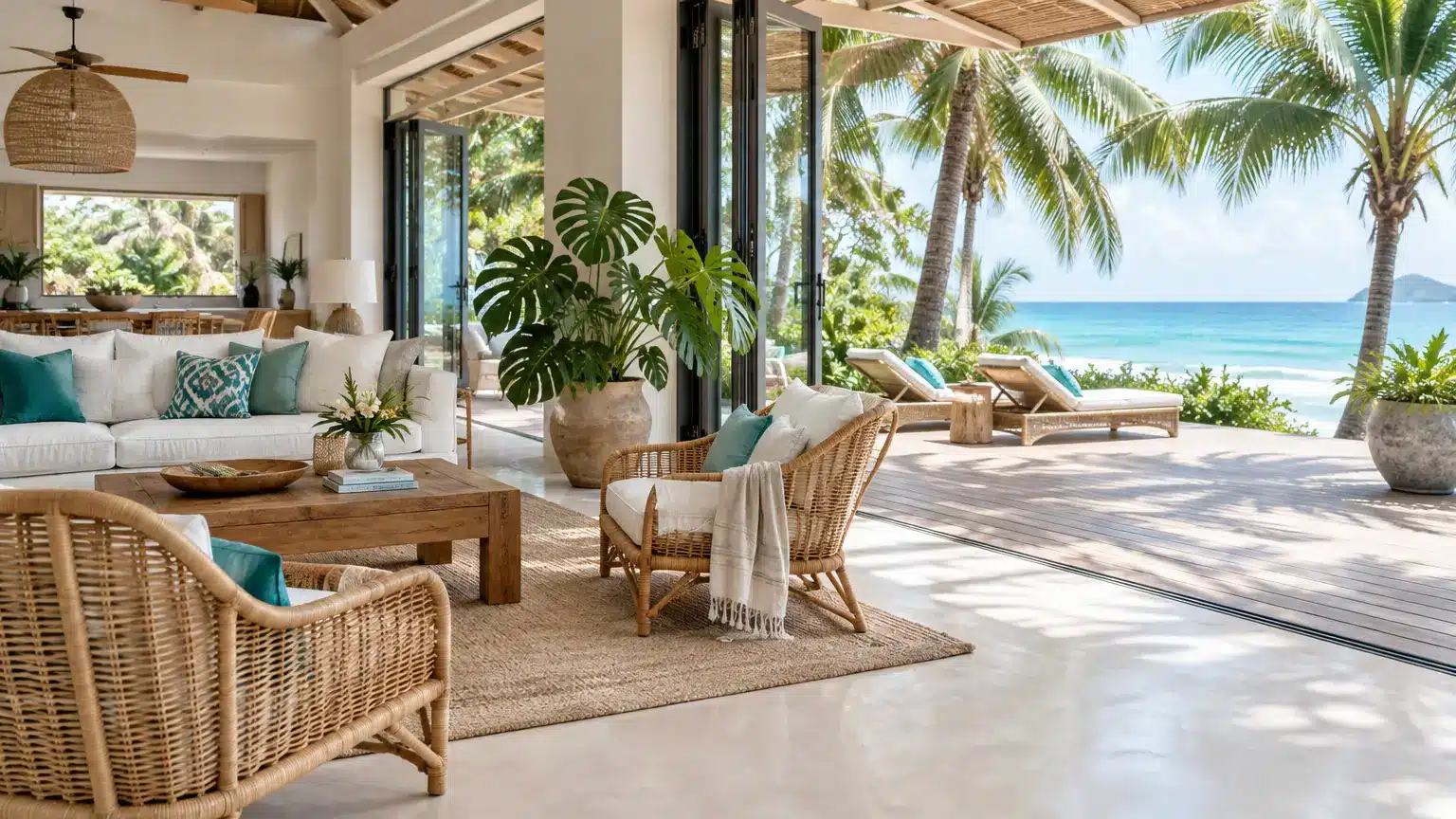
Open concept floor plans remove walls between main living areas. The kitchen, dining room, and living room connect as one space. Instead of separate, closed-off rooms, you get a flowing layout.
This design became popular in the 1990s. But it’s not just a trend anymore.
Modern families prefer these layouts because they match how people actually live and spend time together.
Traditional homes have walls dividing every room. Open floor plans remove those barriers.
You might still have bedrooms and bathrooms separated, but the common areas stay connected.
Benefits of Open Floor Plans
Open layouts make homes feel bigger. Natural light spreads throughout the space instead of stopping at walls.
These are some of the main benefits:
- Makes the home feel bigger and more open.
- Allows more natural light to spread across rooms.
- Helps families stay connected during daily activities.
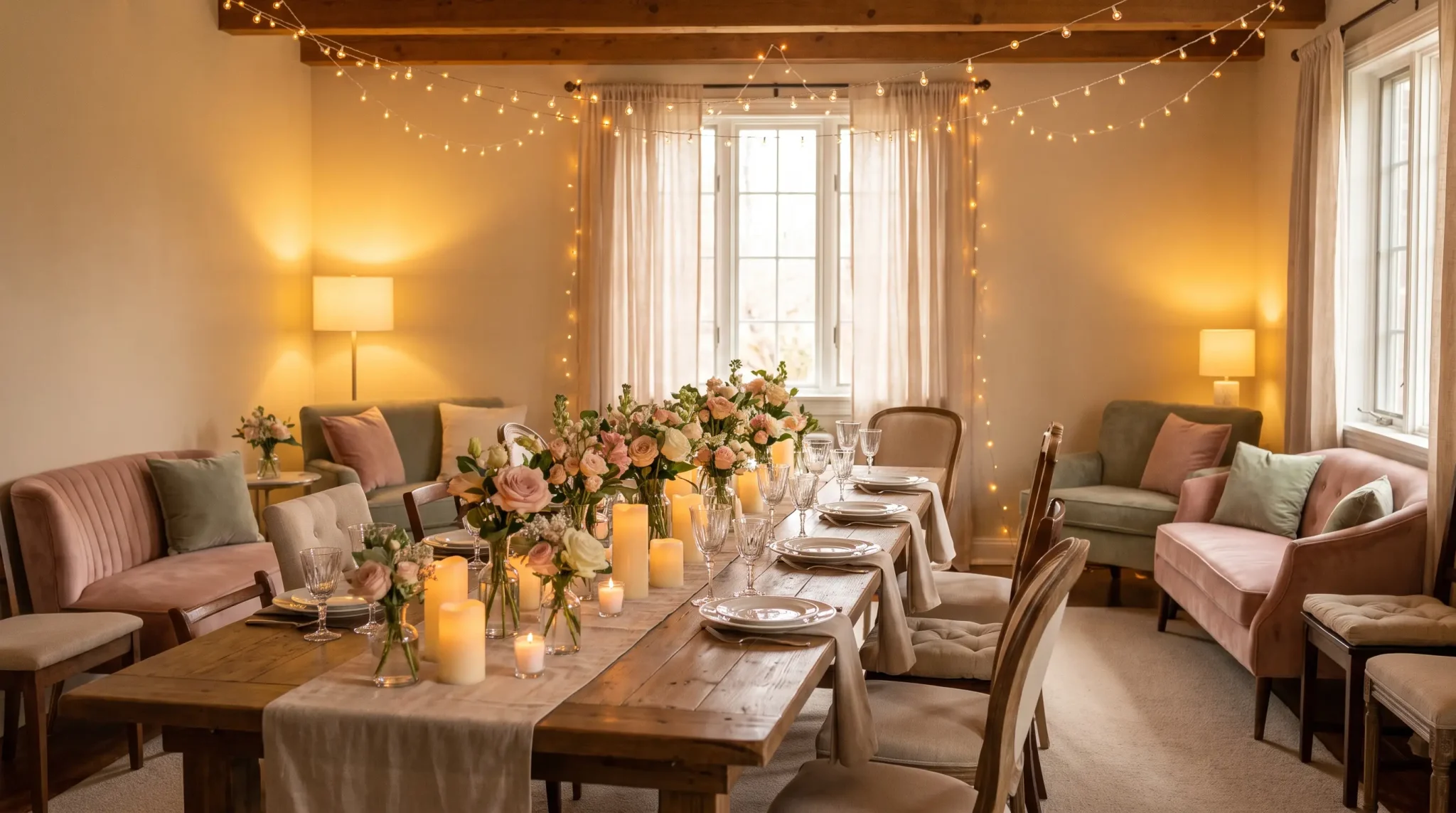
- Makes entertaining guests easier.
- Improves air flow inside the house.
- Offers flexible furniture placement.
- Keeps an eye on the kids while cooking.
- Reduces the need for extra lighting during the day.
Key Considerations While Choosing Open Concept Floor Plans
Choosing an open floor plan isn’t just about knocking down walls. Consider how your family lives and what matters most.
Noise levels
Sounds travel freely without walls. TV noise from the living room reaches the kitchen.
Conversations echo more. This works great for families who like staying connected, but it can get loud.
Privacy needs
Open layouts offer less private space. If someone needs quiet time to work or study, they’ll need to go to a bedroom.
Think about whether your household values togetherness or alone time more.
Cooking smells
Whatever you cook will smell throughout the entire space. The scent reaches everywhere. Good ventilation becomes essential.
Storage and clutter
With fewer walls, you have fewer places to hide mess. Everything stays visible. You’ll need smart storage solutions to keep things organized.
Heating and cooling costs
A large space can be harder to heat or cool than a smaller one. Budget for potentially higher energy bills overall.
Open Concept Floor Plan for Small Homes
Small homes benefit the most from open layouts. When you remove walls, even a tiny house feels twice as big.
1. Kitchen and Living Room Combo
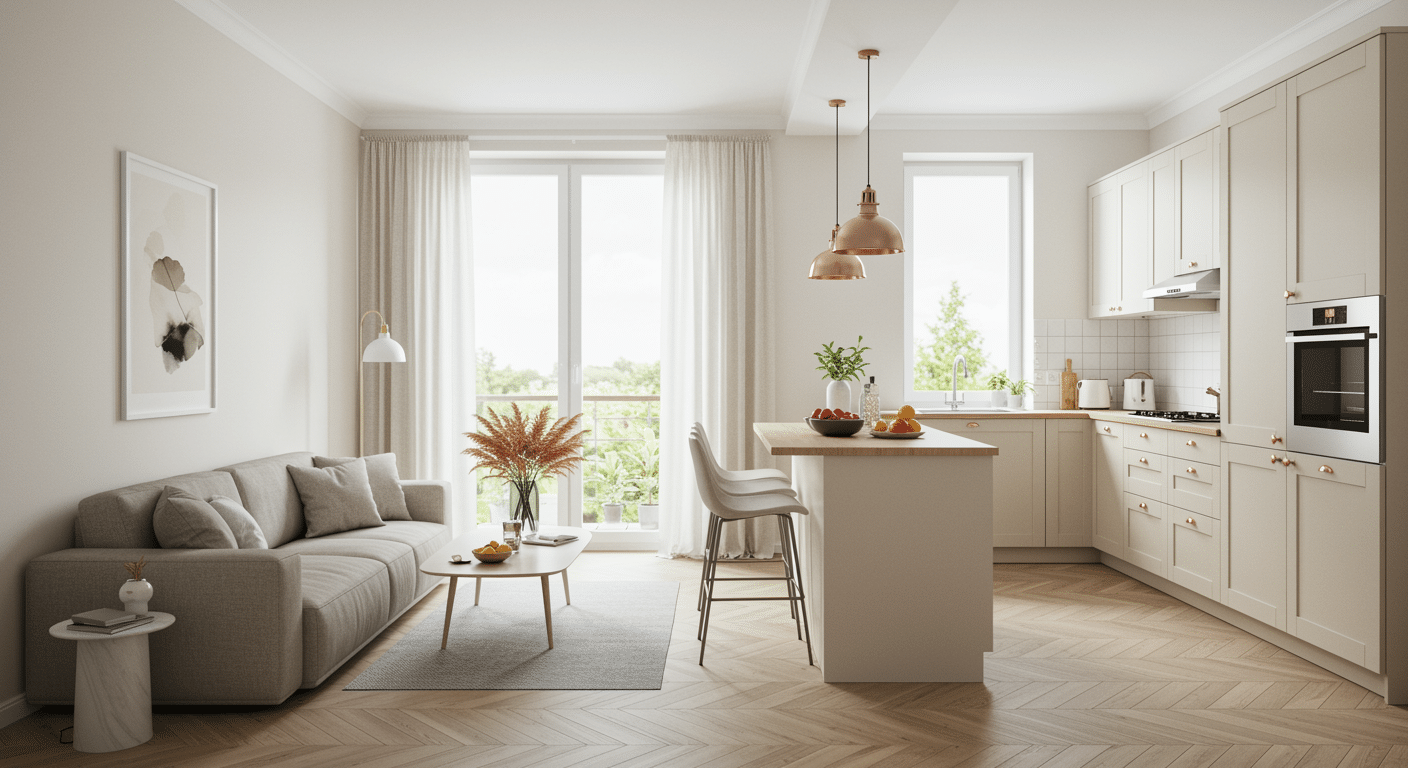
Combine your kitchen and living room into one space.
Use a kitchen island or breakfast bar to separate the areas without blocking the view. This creates a natural division while keeping everything connected. You get more floor space and better light flow.
2. Dining Nook Integration
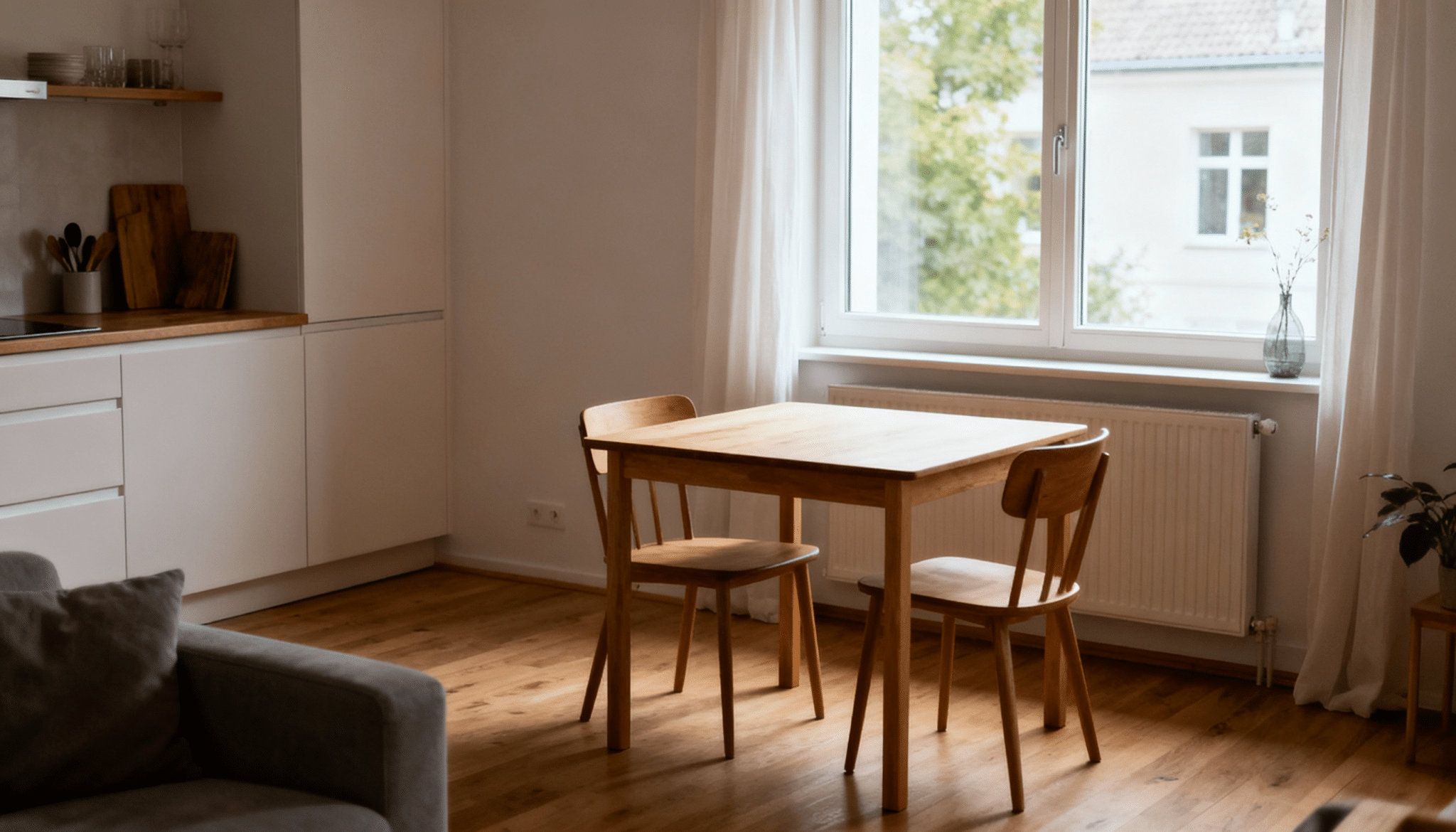
Skip the separate dining room and create a small dining area within the main space.
Place a compact table near the kitchen or by a window. This saves square footage and makes the whole area feel open and airy.
3. Multi-Purpose Zones
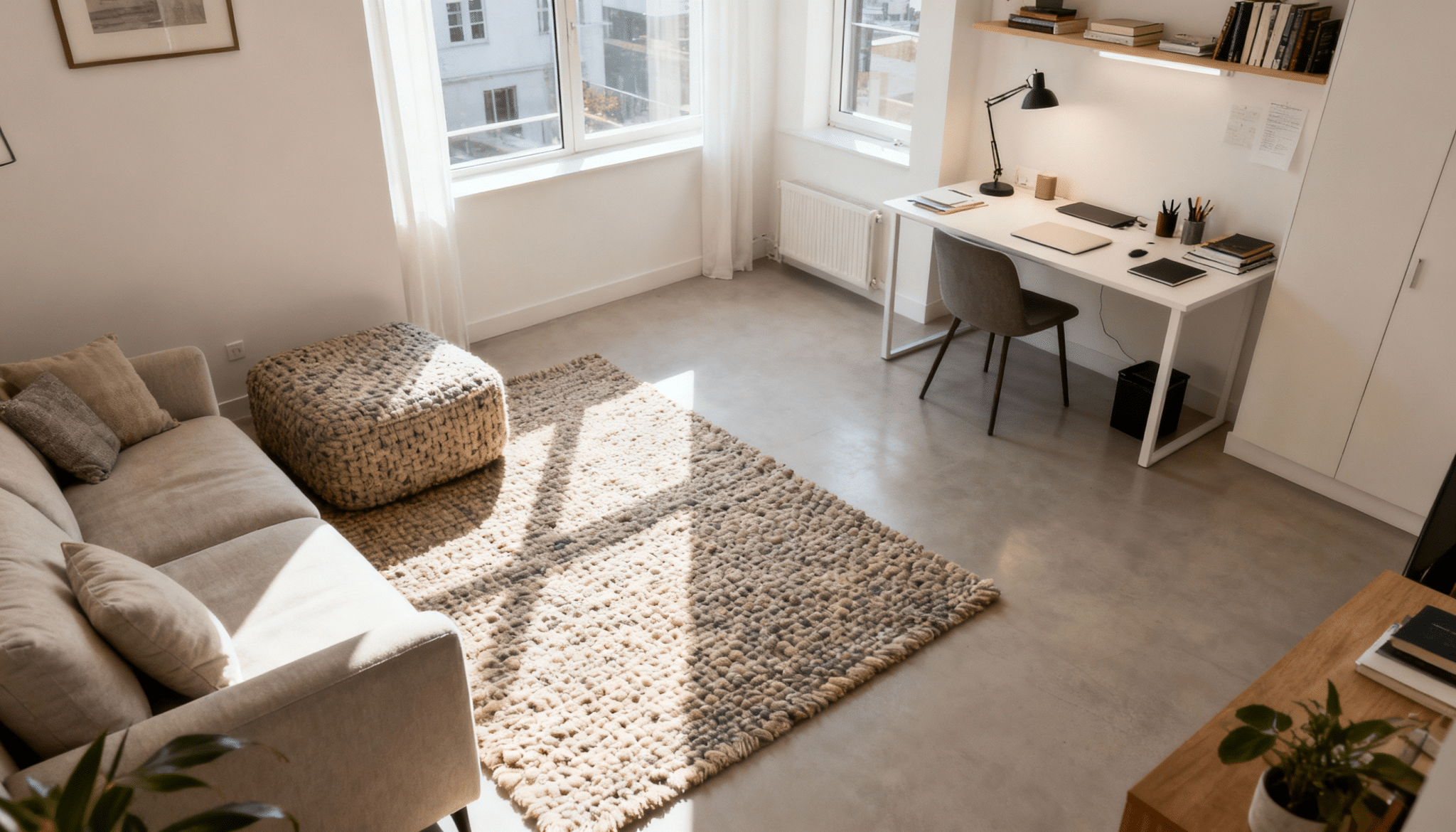
Design one large room that serves multiple functions. Use furniture placement to define different areas.
A sofa can mark the start of the living space. A rug can show the sitting area. No walls needed, but each zone has its own purpose.
4. L-Shaped Layout
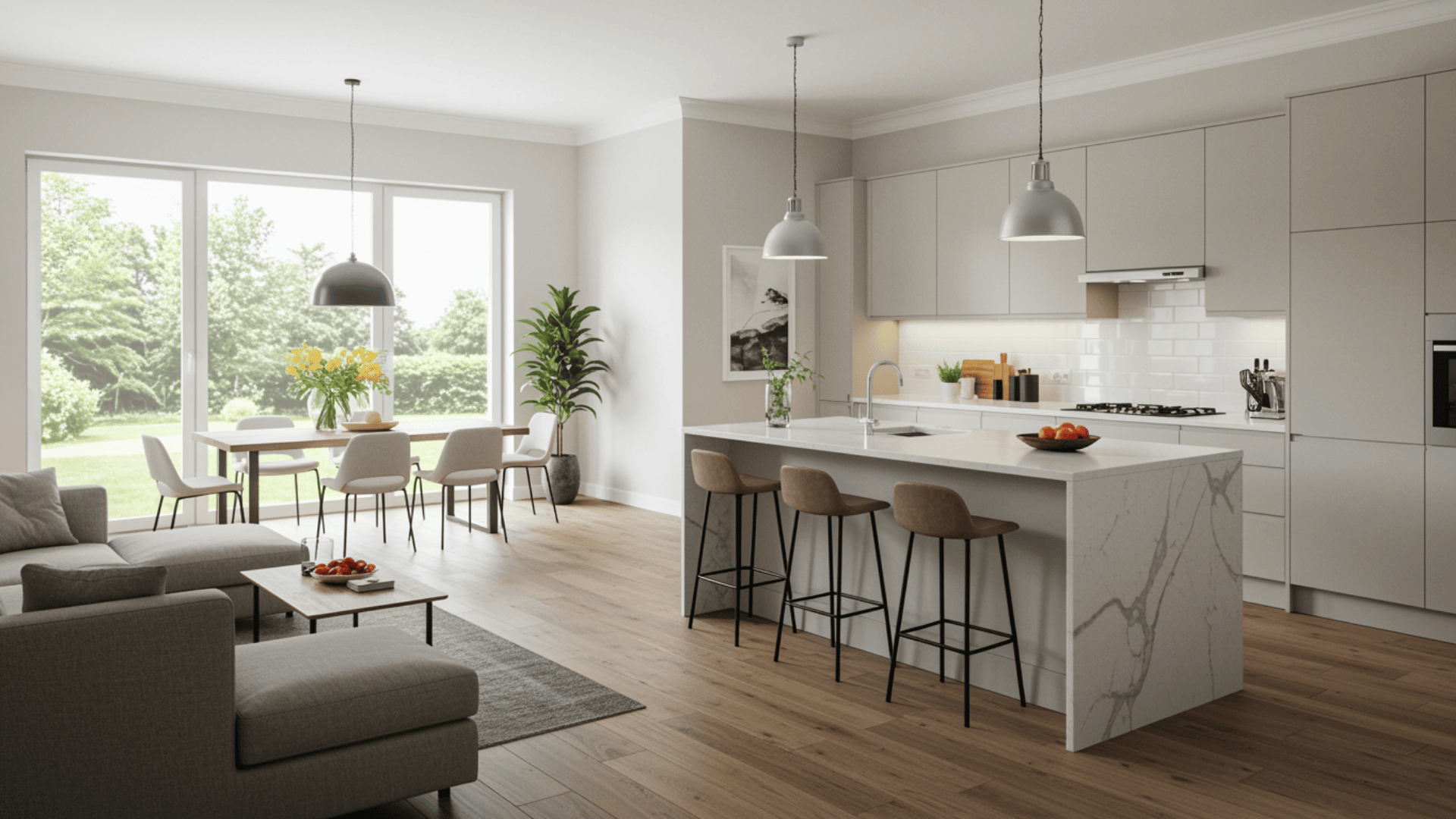
Design your space in an L-shape with the kitchen along one wall and the living area wrapping around the corner.
This creates natural flow without cutting the room into pieces. Each area gets its own spot, but everything stays connected and visible.
5. Galley Kitchen with Open End
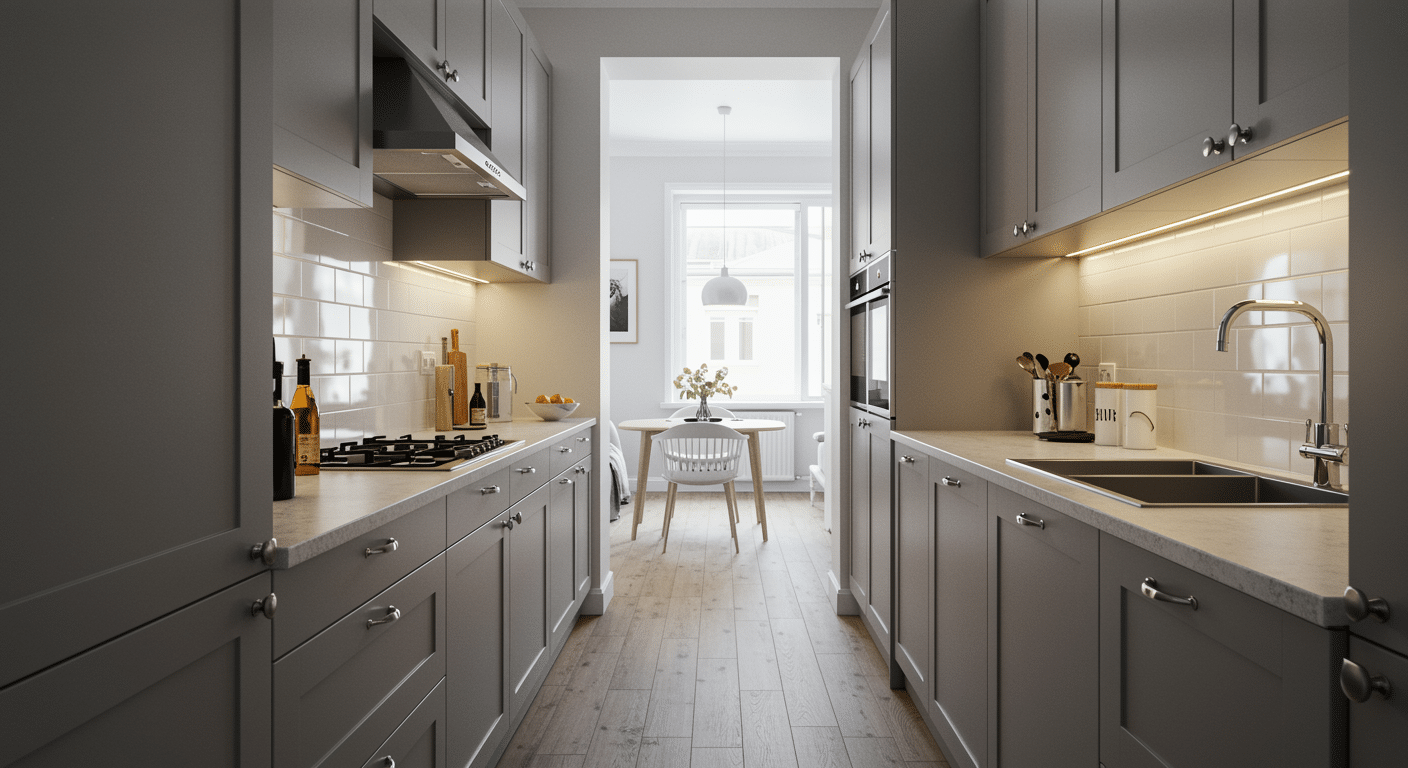
Keep your kitchen in a galley style, but remove the wall at one end.
The kitchen stays efficient and compact while opening directly into the living space. You get the best of both worlds: an organized cooking area and a social connection.
Open Concept Floor Plan for Bedrooms
Open concept ideas work for bedrooms, too. These layouts create flexible, personal spaces that feel larger and more functional.
6. Master Suite with Sitting Area
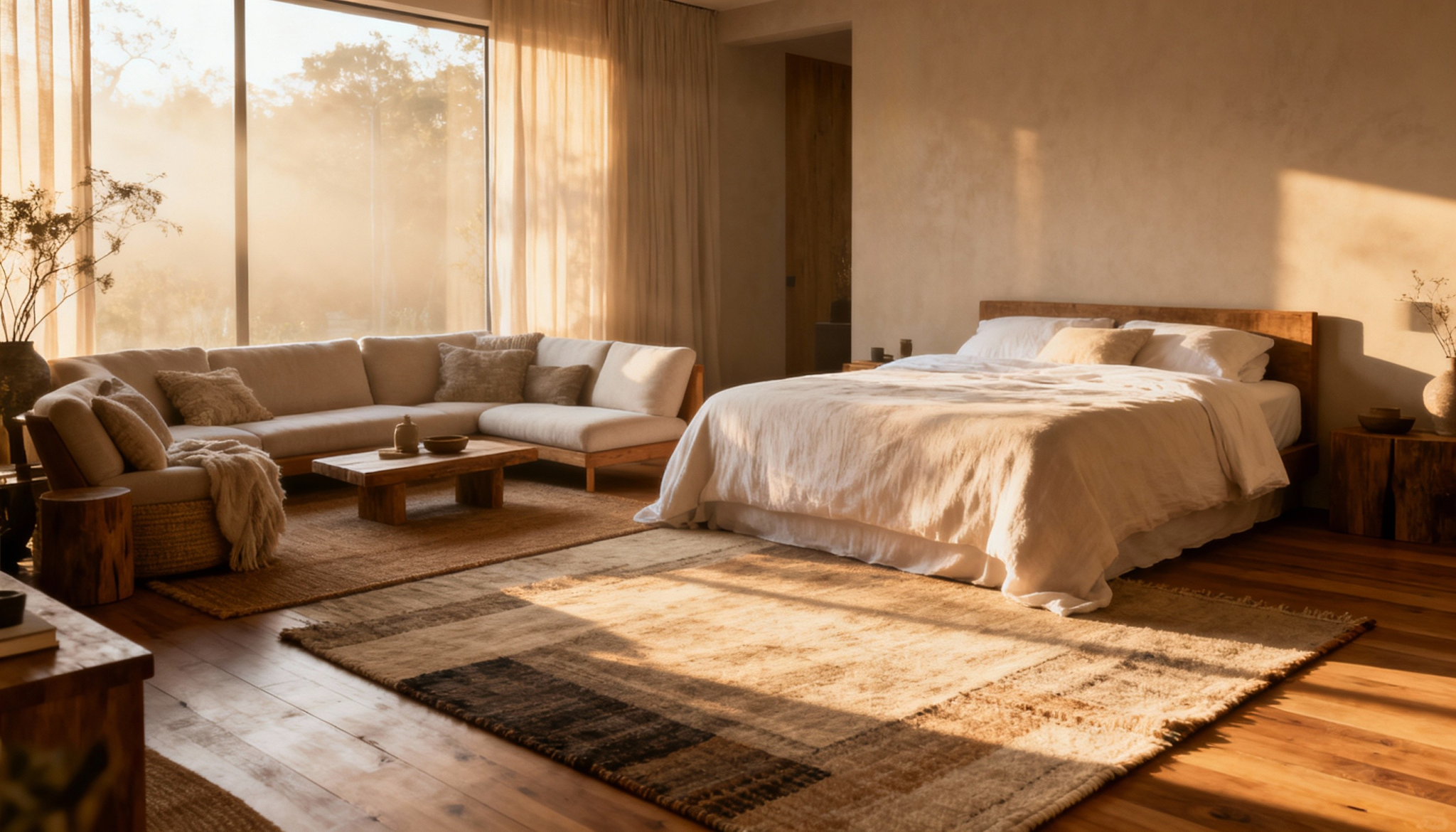
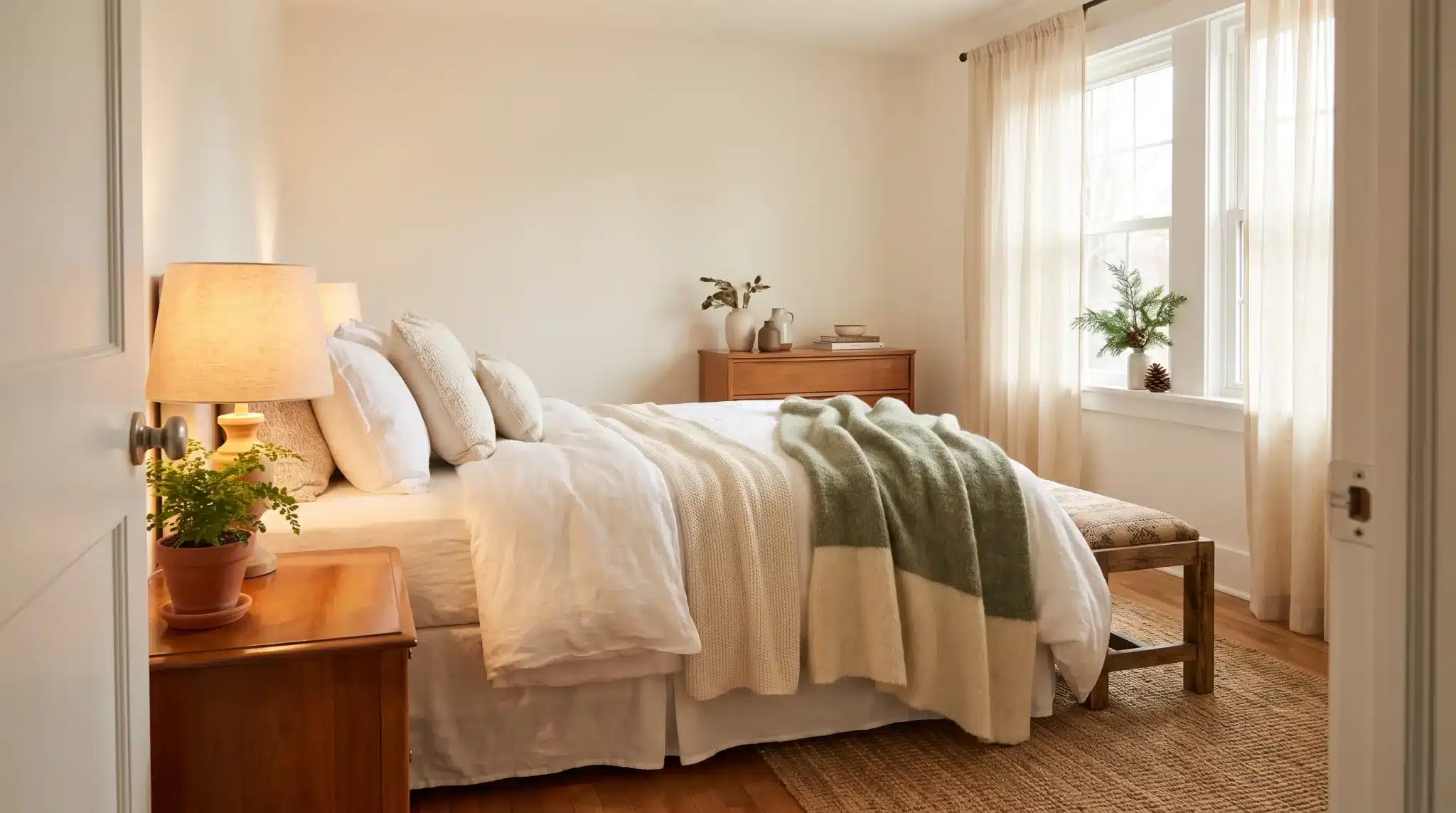
Connect your bedroom with a sitting or reading area. No wall separates them, just open space. Add a cozy chair and lamp in one corner.
You get a private retreat within your bedroom without losing square footage.
7. Bedroom and Home Office Combo
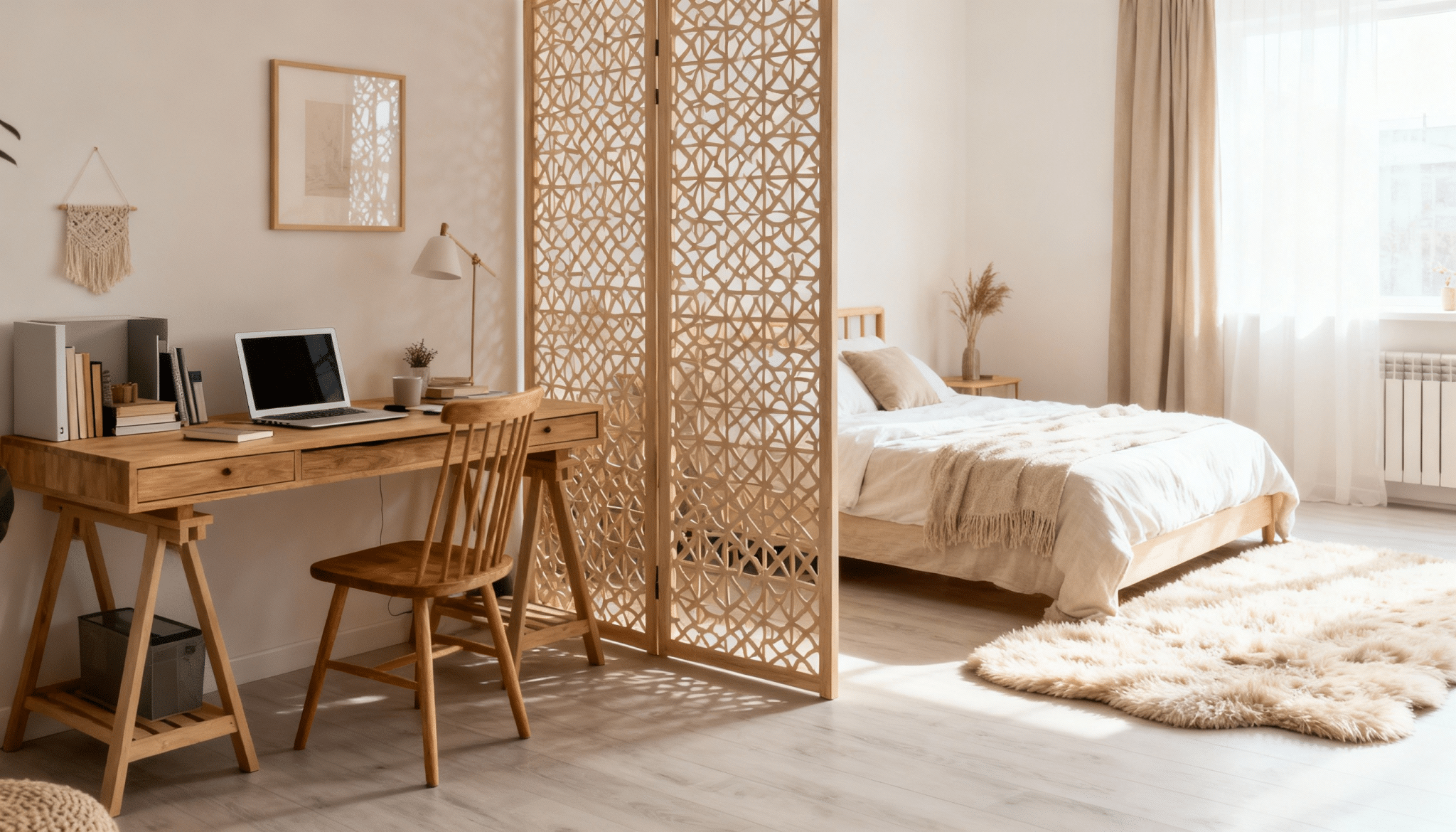
Combine your sleeping space with a work area.
Place your desk on one side of the room with your bed on the other. This works perfectly for people who work from home but don’t have extra rooms.
8. Walk-Through Closet Design
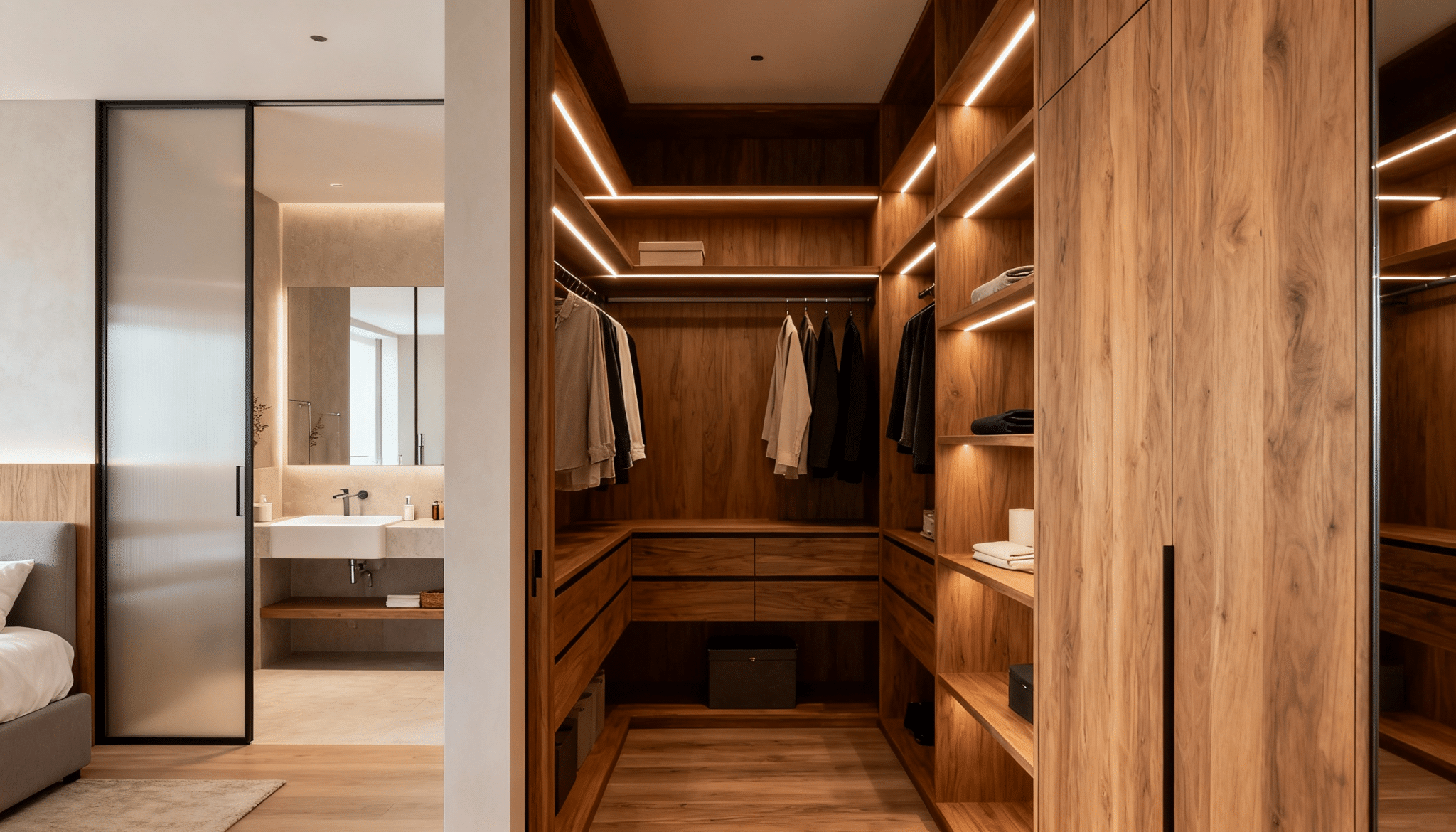
Turn your closet into an open dressing room between the bedroom and bathroom.
Remove the closet door completely. This creates a flowing path and makes getting ready each morning smoother and more luxurious.
9. Loft-Style Bedroom
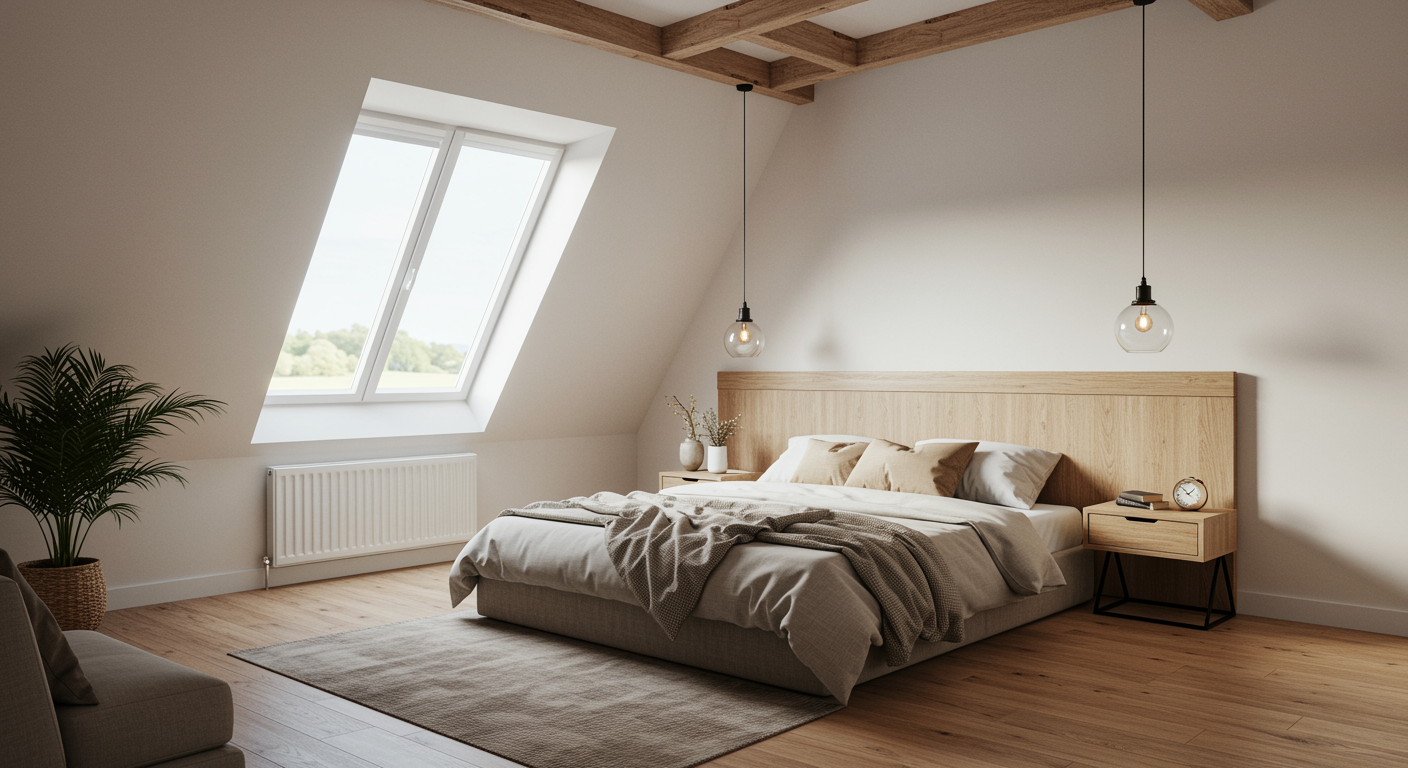
Create a loft bedroom that overlooks the main living area below.
Use a half-wall or a railing instead of a full wall. This maximizes vertical space in homes with high ceilings and adds visual interest.
Open Concept Floor Plan for Apartments
Apartments often come with limited space. Open layouts help maximize every inch while keeping the flow comfortable and functional.
10. Studio Apartment Layout
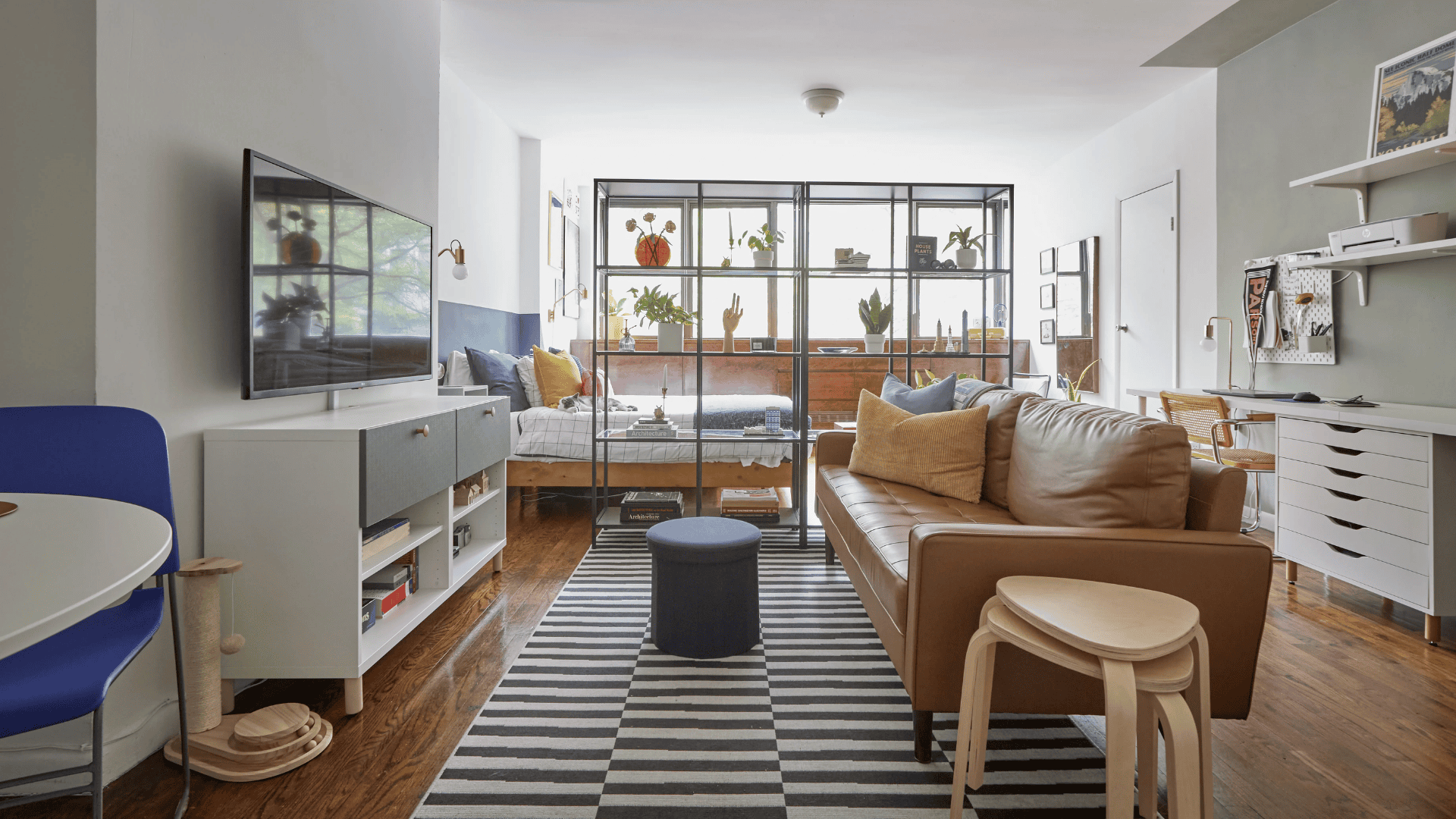
Remove all interior walls except the bathroom. Use furniture to create zones instead. A bookshelf can divide the sleeping area from the living space.
The kitchen flows into everything else. This makes a small studio feel like a full apartment.
11. One-Bedroom Open Plan
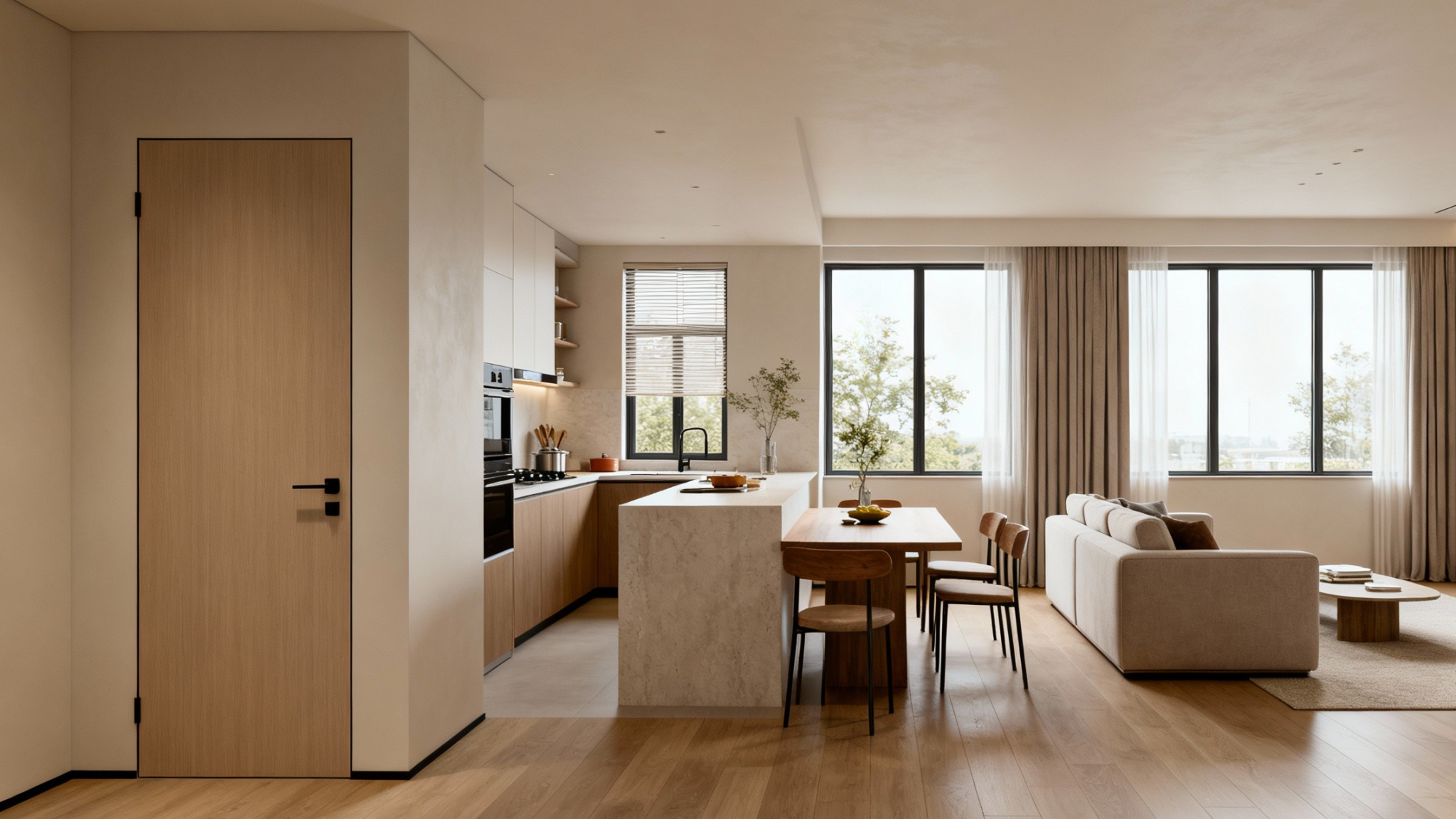
Keep the bedroom separate, but open up everything else. Combine the kitchen, dining, and living areas into one connected space.
This gives you privacy for sleeping while maximizing the social areas. Perfect for young professionals and couples.
12. Kitchen Island Divider
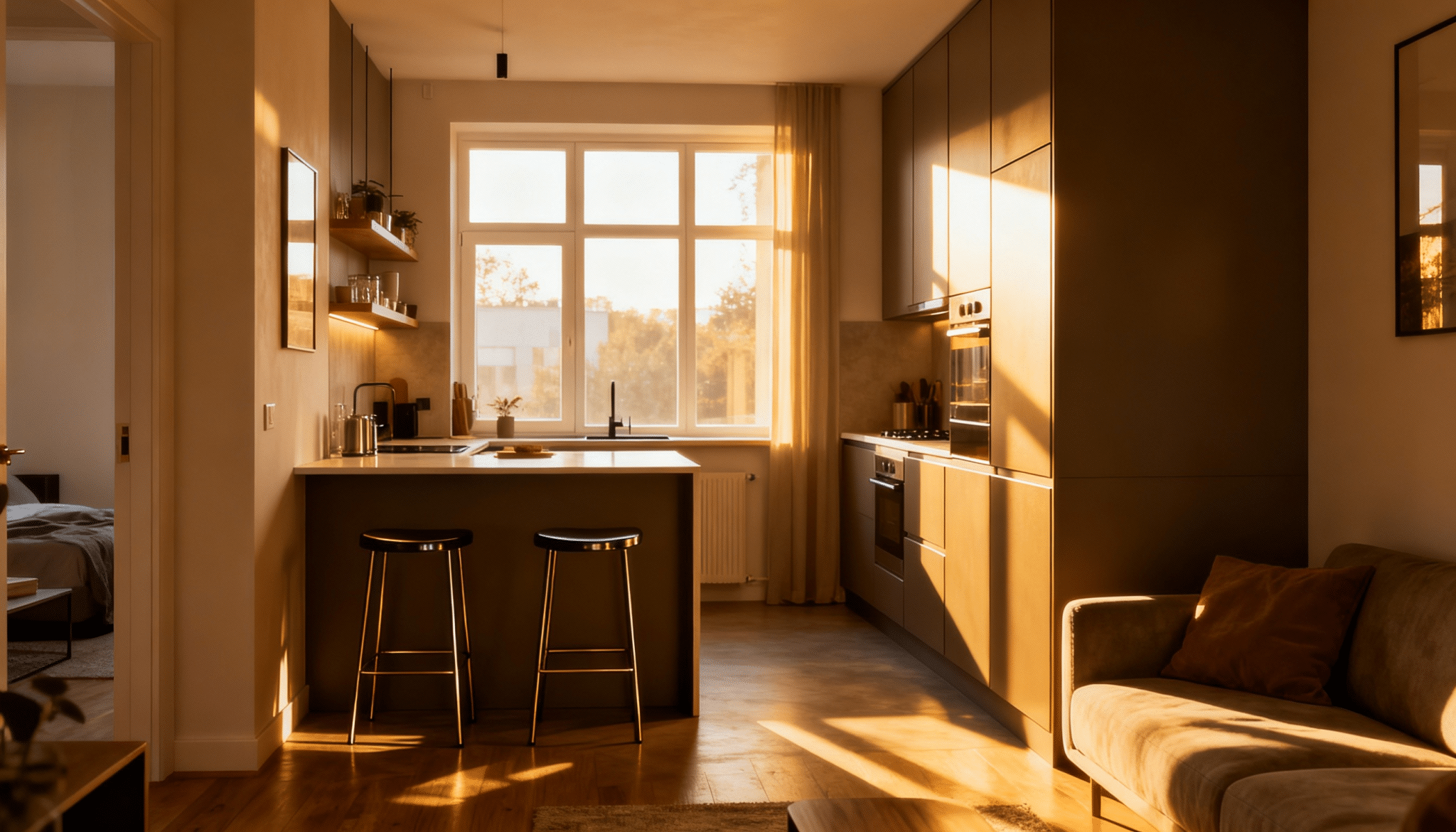
Add a small kitchen island or peninsula between the kitchen and living area.
It separates the spaces without blocking sight lines or light. You get extra counter space, storage, and seating all in one piece. The island creates a natural boundary while keeping everything open.
13. Half-Wall Separation
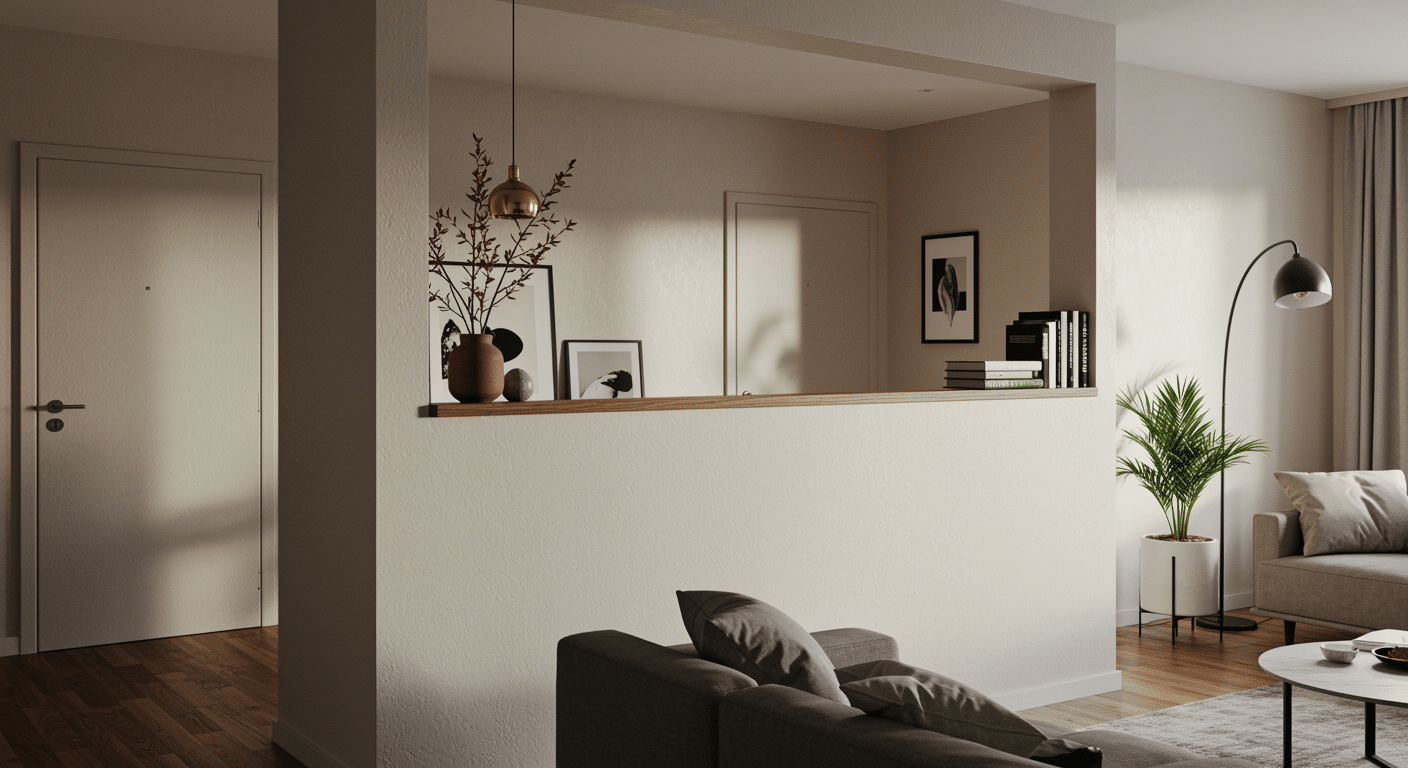
Install a half-wall or low partition between different zones. It’s tall enough to define spaces but short enough to see over. Place it between the entryway and living area, or between sleeping and living zones.
This gives you some separation without completely closing off the apartment.
Open Concept Floor Plan 2 Story
Two-story homes offer unique opportunities for open layouts. You can play with vertical space and create dramatic, connected designs.
14. Two-Story Great Room
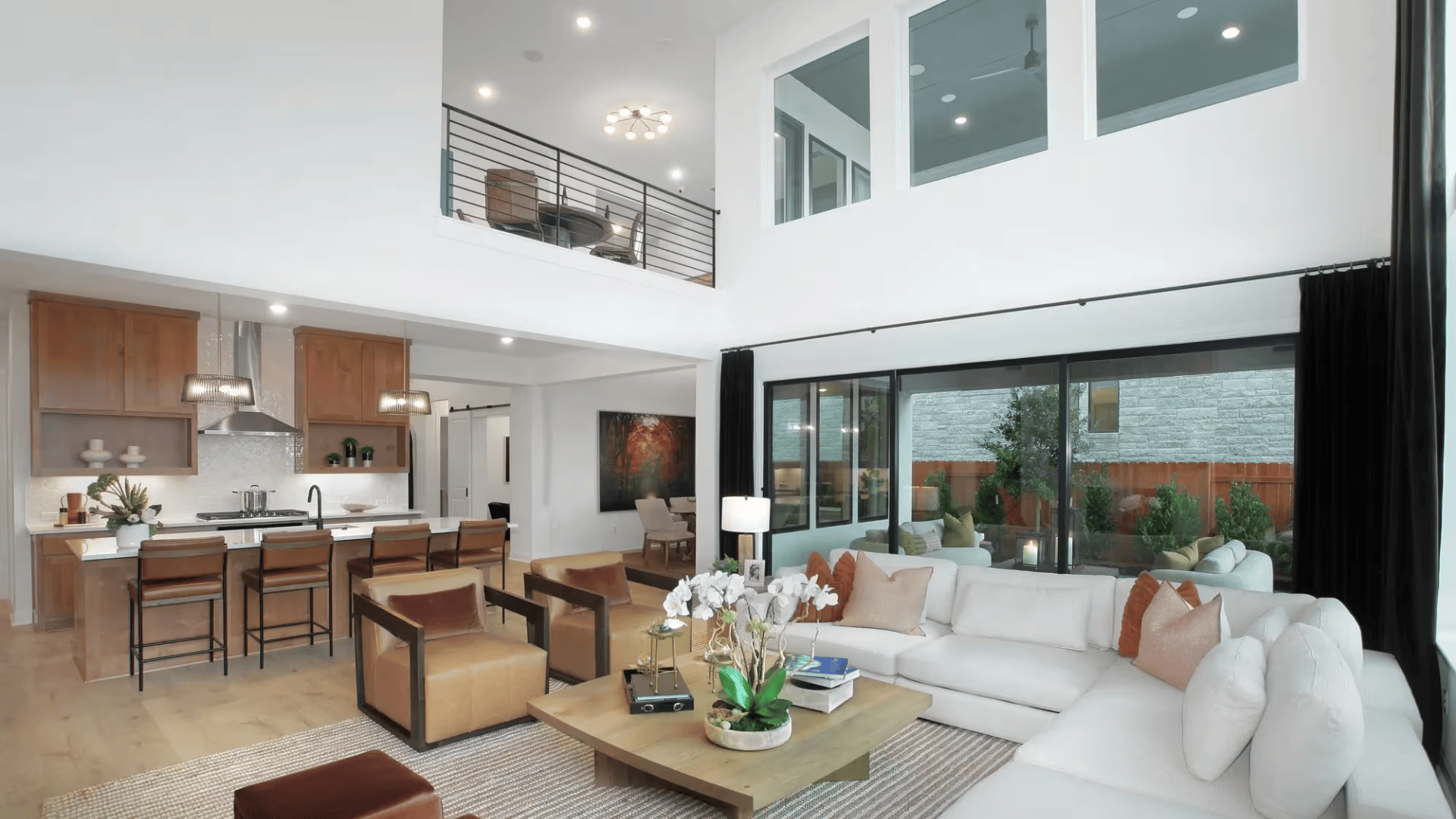
Build a living room with ceilings that stretch up to the second floor. The upper level has a balcony or walkway overlooking the main space below.
This creates an impressive, airy feel and floods both floors with natural light through tall windows.
15. Open Staircase Design
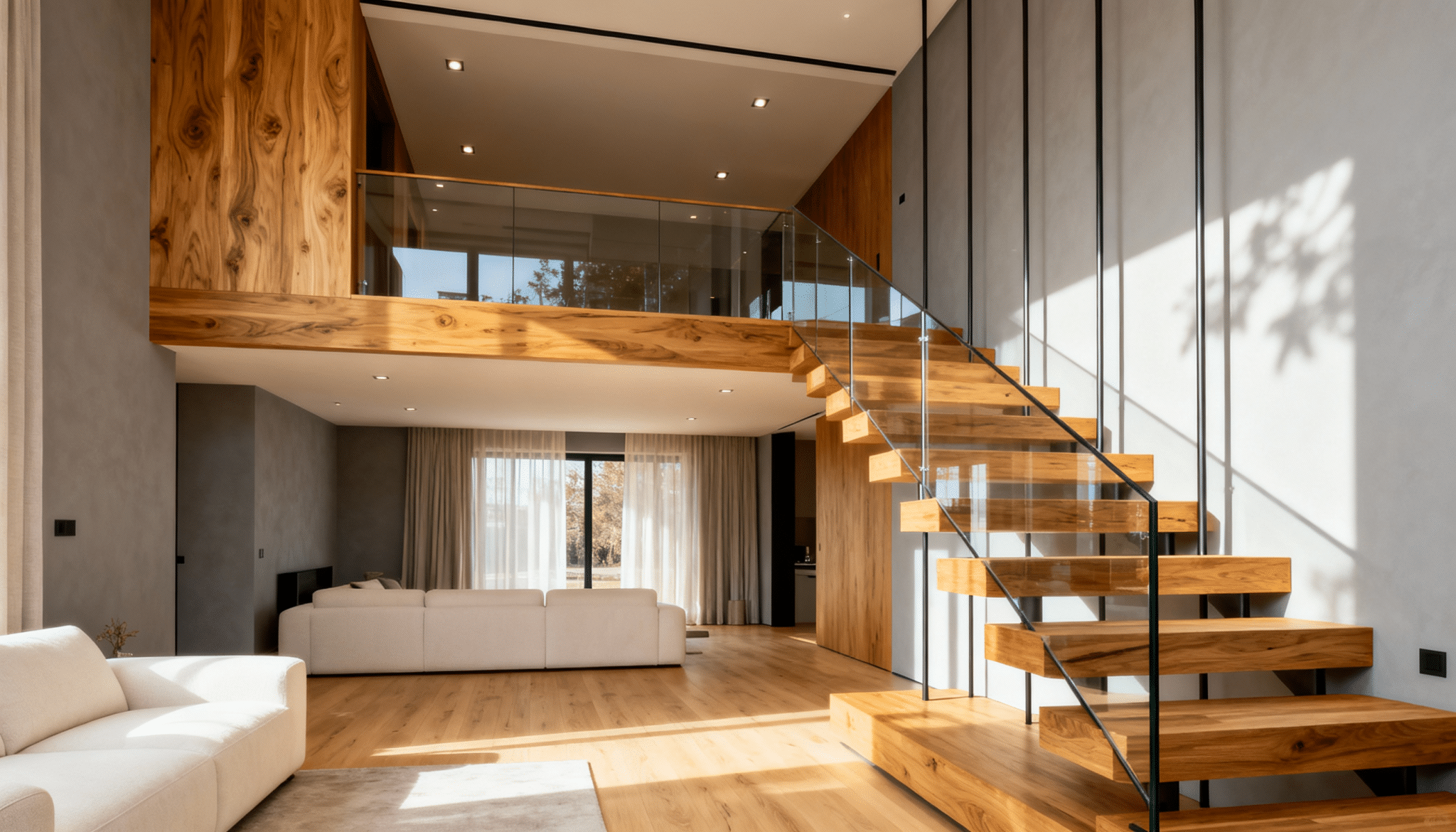
Replace closed-off staircases with open designs. Use floating steps or see-through railings instead of solid walls.
The staircase becomes part of the living space rather than hidden away. This visual connection between the two floors makes the entire home feel more spacious.
Open Concept Floor Plan vs Traditional Concept Floor Plan
Choosing between open and traditional layouts depends on your lifestyle. Here’s how they compare across important aspects.
| Aspect | Open Concept | Traditional Concept |
|---|---|---|
| Space Feel | Rooms feel larger and more spacious | Rooms feel cozy and defined |
| Natural Light | Light flows throughout the entire area | Light stays limited to each room |
| Privacy | Less privacy, everyone shares the space | More privacy with separate rooms |
| Noise Control | Sound travels everywhere | Walls block and contain noise |
| Entertaining | Easy to host and socialize | Guests stay in specific areas |
| Heating/Cooling | One large space to control temperature | Each room can have different temperatures |
| Resale Value | High demand with buyers | Still popular with traditional families |
| Flexibility | Easy to rearrange furniture and zones | Fixed room purposes and layouts |
Both styles have their place. Open concepts suit social families valuing connection, while traditional layouts work better for quiet and privacy.
Design Tips for Open Floor Plans
- Use rugs to define zones: Place area rugs under furniture groups to delineate distinct areas.
- Keep flooring consistent: Use the same flooring throughout to create visual flow.
- Add a focus point: create one main feature, such as a fireplace or a large window.
- Choose cohesive colors: Stick to a unified color scheme across the entire space.
- Install good ventilation: Add a strong range hood and ceiling fans for proper air circulation.
- Use lighting to separate areas: Hang different light fixtures over each zone.
- Add tall plants or screens: Place large plants between areas for subtle separation.
Conclusion
Open floor plans offer a fresh way to use your home’s space. They bring families together and make everyday living easier. But they’re not perfect for everyone.
Think about your lifestyle before making changes.
Do you value connection over privacy? Can you handle noise traveling freely?
These questions matter. If open layouts align with how you live, they can change your home.
Ready to create more space and light in your home? Choose the perfect layout that fits your family’s needs today.