Most people who sleep badly assume the problem sits somewhere in their head. Stress, screen time before bed, too much coffee after lunch, or the accumulated pressure of a demanding stretch at work.
They try the obvious remedies, move the phone out of the bedroom, cut the caffeine, go to bed earlier, and stay just as tired as before. What almost never gets examined is the surface they spend a third of their life lying on, even though the evidence is written into how the body feels on standing up.
Choosing a Sleep Surface That Supports the Spine Properly
Discomfort that arrives every morning and fades by mid-afternoon points to something happening during the night rather than during the day.
A mattress that has lost its support lets the midsection sink while the head and feet stay higher, pulling the lower back into an unnatural curve for hours at a stretch, and no amount of stretching during the day undoes eight hours of that.
Identifying the best mattress for lower back pain means finding one that holds the lumbar region in its natural position all night instead of letting it collapse. Getting that single choice right often resolves stiffness that every other remedy failed to shift.
Reading the Signals Your Body Sends in the Morning
The most useful diagnostic information arrives in the first ten minutes after waking. Discomfort that is worst on rising and eases as the day goes on points toward something happening overnight rather than something happening during it.
Stiffness concentrated in the lower back, hips, or shoulders is the clearest indicator. These are the areas that bear the most load when lying down, and they are the first to complain when that load is distributed badly.
A second signal is inconsistency. Sleeping well in a hotel or at a relative’s house and badly at home is worth noticing, since the variable that changed is obvious once you look for it.
The third is age. A sleep surface that shows visible dipping, or that has been in use for seven or eight years, has almost certainly lost the support it once provided regardless of how it looks from a distance.
Why the Lower Back Bears the Most Strain
The lumbar region carries a disproportionate share of body weight, and it continues doing so while lying down. When nothing supports it, the surrounding muscles tighten to compensate, and the joints take strain across the whole night.
This produces the effect where the middle of the body sags lower than the ends, pulling the spine out of its natural curve. Muscles that should be recovering during sleep instead spend those hours working, which explains why someone can sleep eight hours and wake feeling as though they have not rested.
Proper support means the surface conforms to the curve of the spine rather than either collapsing beneath it or forcing it flat. That balance is what separates a surface that helps from one that quietly makes things worse.
How Support Needs Vary by Sleeping Position
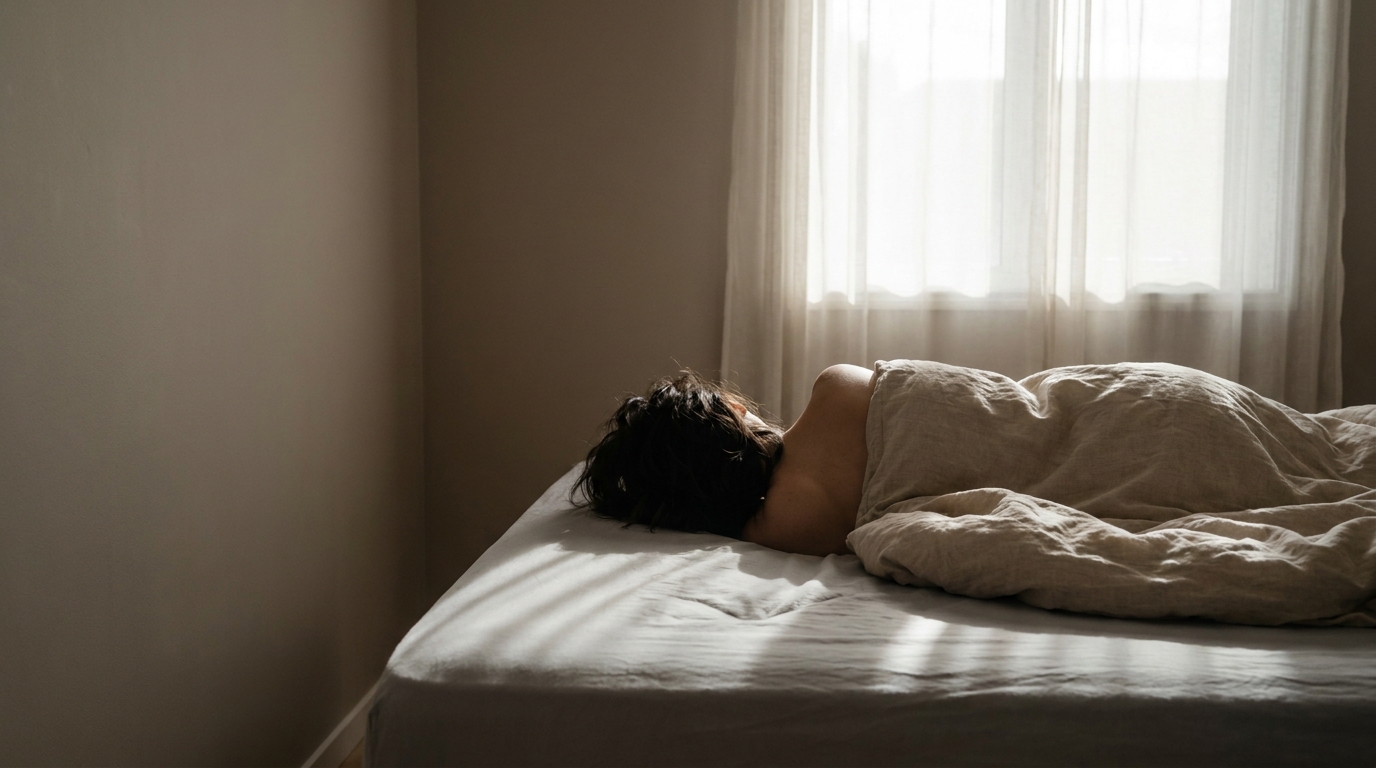
There is no single correct firmness, which is why general advice so often disappoints. What a body needs depends heavily on how it is arranged.
Back sleepers generally need balanced cushioning that stops the hips from sinking while still allowing the natural curve of the lower spine. This position tends to be the most forgiving for anyone with back discomfort.
Side sleepers face a different problem. The shoulders and hips protrude, and a surface too firm creates pressure at both points while a surface too soft lets the spine bend sideways. The requirement is cushioning at those two contact points combined with support everywhere else.
Stomach sleepers need the firmest arrangement, because the pelvis sinking causes the lower back to arch unnaturally. This is generally the hardest position to accommodate comfortably.
Couples with different positions face the obvious conflict, which is why surfaces allowing each side to be set independently solve a problem that compromise cannot.
Balancing Support Against Pressure Relief
Firmness alone is not the answer, and treating it as one leads people from one kind of discomfort to another. Too firm and the shoulders and hips develop pressure points that wake you repeatedly. Too soft and alignment collapses.
The resolution lies in layering. A supportive foundation maintains alignment while cushioning layers above it contour around joints and distribute weight across a wider area. Materials matter here, with responsive options adapting instantly to movement and cooling constructions preventing heat from building through the night.
Edge stability is worth mentioning because it affects daily use more than people expect. A surface that holds its shape at the perimeter is easier to get into and out of, which matters considerably for anyone whose back is already sore.
Planning for a Body That Will Keep Changing
Bodies change, sometimes temporarily through injury or pregnancy, sometimes permanently through age or ongoing conditions. A sleep surface is a substantial purchase expected to last several years, which means the requirement it satisfies today may not be the requirement it faces in three.
This argues for adjustability. Something that can be tuned as needs shift will remain suitable through changes that would render a fixed surface unsuitable. Independent adjustment for each side extends this to households where two people’s needs diverge over time.
Compatibility with a base that raises the head or feet adds another dimension. Elevating both relieves pressure across the spine, and raising the legs slightly helps with inflammation and soreness in muscles and joints after a hard day.
Giving a Change Time to Register
Anyone making a change should expect an adjustment period rather than immediate transformation. A body accustomed to compensating for poor support takes time to stop compensating.
A reasonable window is thirty to sixty days before judging whether something has helped. Reaching a verdict after three nights usually means reacting to unfamiliarity rather than to the actual effect.
It is also worth saying that a sleep surface addresses one contributing factor among several. Where discomfort is longstanding or severe, improving the sleep surface works best alongside other measures rather than instead of them. What it can do, reliably, is stop the nights from making the days worse, and for a lot of people that alone breaks the cycle they had assumed was permanent.