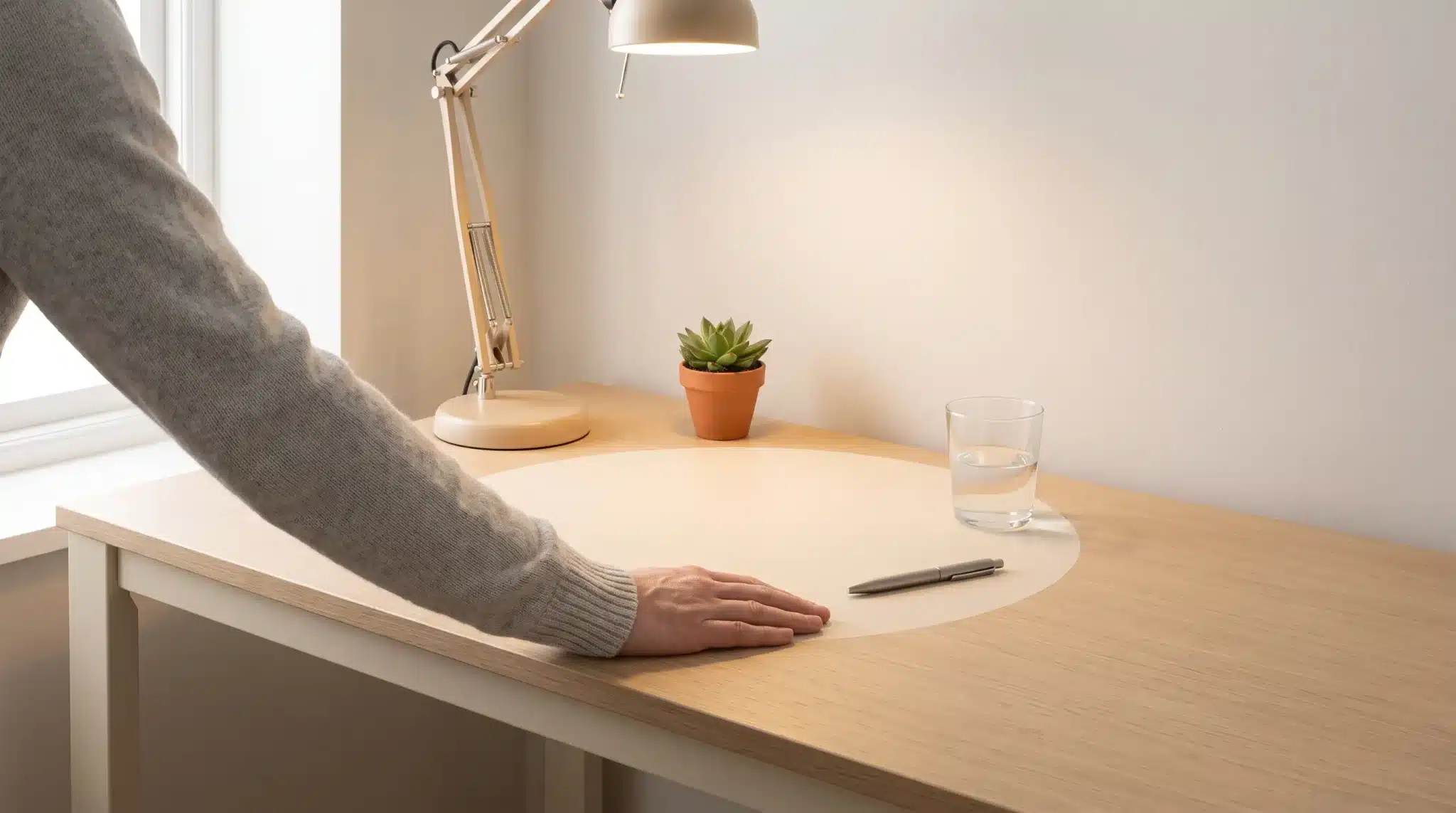
If you look at older homes, most rooms were designed around a single, rigid activity. The dining room was exclusively for dining. The office was for work. The bedroom was strictly for sleeping.
Today, our living spaces look completely different. Many of us work from home at least part of the week. Bedrooms frequently double as reading sanctuaries, and living rooms must seamlessly host everything from movie nights to virtual meetings. As our homes take on more roles, the furniture inside them has to work harder too.
This is exactly why modern interior designers have shifted their focus away from how a piece looks, prioritizing instead how space-saving floating furniture actually functions.
More Furniture Does Not Mean More Function
When a room begins to feel cluttered or impractical, our first instinct is usually to add more storage. In reality, introducing bulky cabinets, oversized shelving units, or heavy bedside tables often creates the opposite effect. They swallow up valuable floor space and disrupt the natural flow of the room—a crisis magnified in apartments and open-plan homes where every square meter matters.
Instead of asking how to cram more furniture into a room, designers ask how existing space can be used more efficiently. The answer is almost always found by looking at the walls.
Why Designers Prioritize Vertical Space
One of the most underused areas in any home is the wall itself. While we naturally focus on floor space because it is highly visible and easy to measure, vertical space offers incredible storage and display opportunities without restricting your movement.
This is why incorporating modern floating shelves remains a staple of smart interior design:
- In the home office: Installing a wall-mounted floating shelving unit above a desk holds books and supplies without requiring a secondary, space-hogging filing cabinet.
- In the living room: Heavy-duty floating wooden shelves beautifully display artwork, plants, or media components while keeping low surfaces entirely clear.
- In the bathroom: They provide essential storage for towels and toiletries where floor-standing furniture simply wouldn’t fit.
Beyond the practical utility, utilizing vertical space keeps the floor open, which completely alters our psychological perception of a room.
The Psychology of Open Floor Space
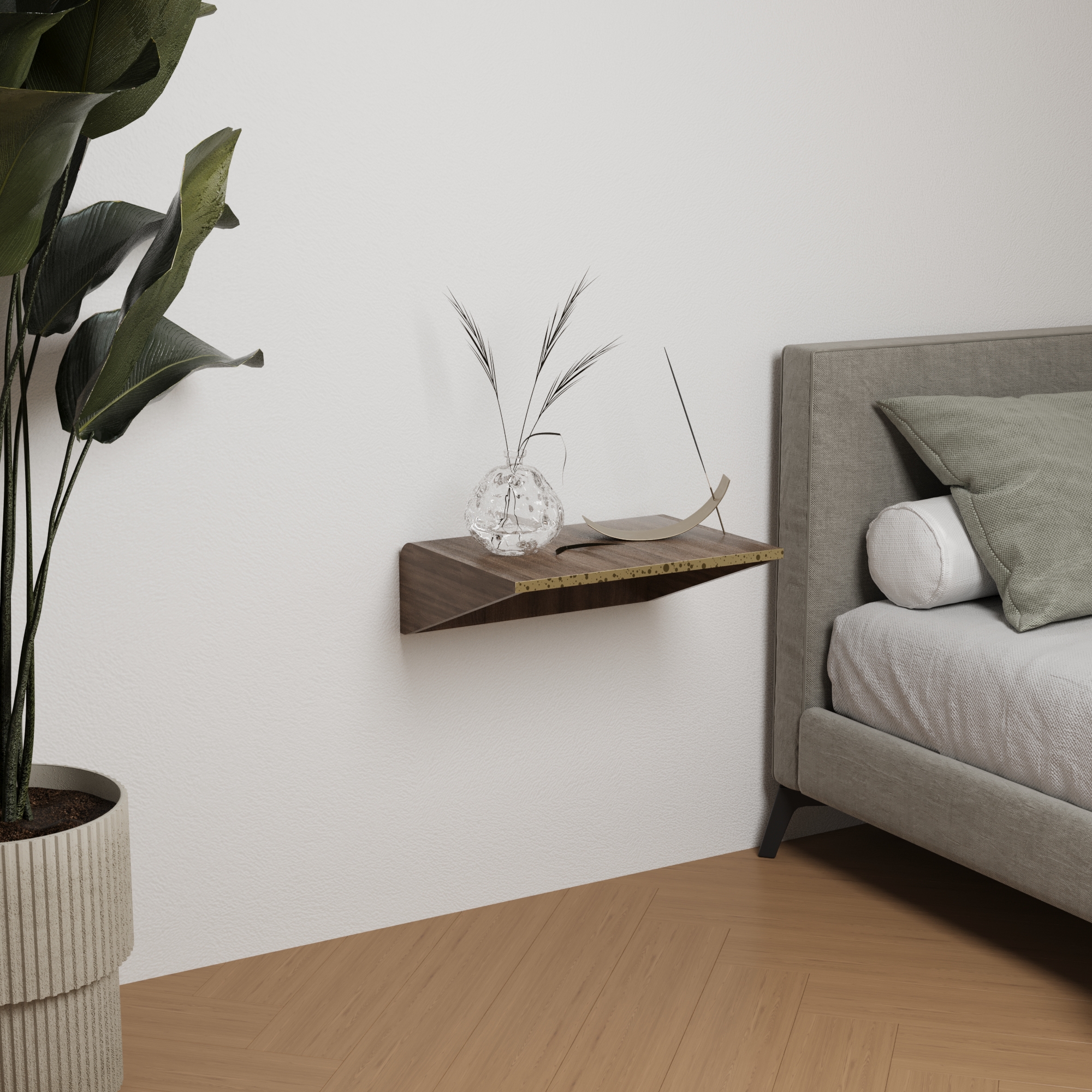
Interior designers frequently talk about “visual weight.” Every piece of furniture contributes to how heavy or light a room feels. Traditional furniture that sits directly on the floor creates visual interruptions, blocks sightlines, and effectively cuts a room in half. Wall-mounted alternatives, on the other hand, allow the eye to travel freely through the space, letting light pass through and instantly expanding the room.
Research into environmental psychology shows that people perceive open, uninterrupted spaces as calmer, cleaner, and easier to navigate. While removing a single bulky piece of furniture won’t transform an entire house overnight, maximizing visible floor area heavily influences how spacious and serene a room feels.
Why Minimalist Floating Nightstands Are Replacing Traditional Bedsides
The traditional bedside table has remained largely unchanged for decades, yet our nighttime habits have evolved completely. Most people no longer keep stacks of heavy phone books or massive alarm clocks by the bed. Today, our bedside essentials are minimal: a phone, a charger, a glass of water, and a book.
Upgrading to a minimalist floating nightstand addresses these exact needs while occupying a fraction of the physical and visual space.
The Practical Benefits of a Floating Bedside Table
- Enhanced Room Flow: By eliminating bulky legs, a floating nightstand with drawer space keeps your bedroom looking streamlined, open, and airy.
- Effortless Cleaning: There are no awkward legs or tight corners to vacuum or dust around; your floor remains fully accessible and easy to maintain.
- Customizable Height: Unlike standard tables, a wall-mounted nightstand can be installed at the exact perfect height relative to your mattress.
Design Tip: While larger bedrooms can handle substantial furniture, matching your furniture to your actual daily habits—rather than outdated traditions—is key to smart design.
Choosing Furniture That Solves Real-Life Problems
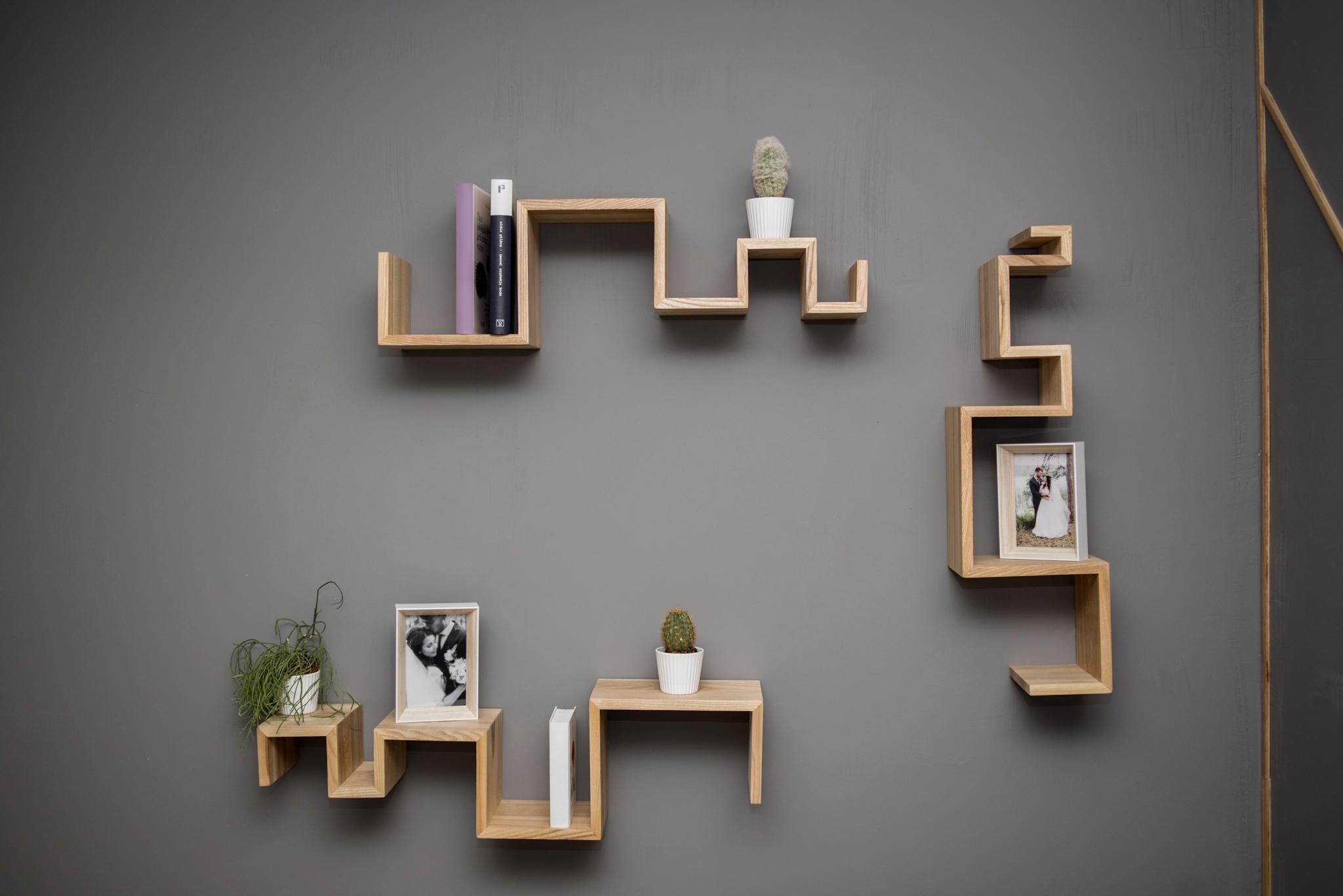
One of the most common mistakes in home design is purchasing furniture before identifying the actual problem that needs solving. Buying a massive cabinet to fix an “organization issue” often just results in a cramped room filled with items you rarely use.
Good furniture should address a specific need. Perhaps you need a practical place for everyday items in a narrow hallway, or you want to display your library without sacrificing floor space. When you select furniture to solve a real, lifestyle-specific problem, your home immediately feels more functional and comfortable.
The most successful interiors aren’t the ones that chase fleeting trends; they are the ones that support your daily routines. Choosing premium floating shelves or a streamlined bedside solution might seem like a minor design decision, but by keeping frequently used items accessible while keeping the floor clear, it fundamentally improves how your room functions every day.
Ready to Transform Your Space?
Explore our collection of intelligently crafted floating nightstands and modern floating shelves designed to bring balance, style, and breathing room back to your home. Check EWART WOODS to see more.