Men’s rings have moved well beyond their ancient origins as signifiers of power and property. In early civilizations, rings were practical tools used to seal documents or mark authority. Pharaohs, Roman senators, and medieval nobles wore rings not as accessories but as instruments of governance and lineage. Over time, these symbols of status evolved into more personal markers of identity. By the 19th and 20th centuries, rings began to reflect individual taste as much as social rank.
Industrialization and global trade democratized jewelry, making rings accessible to a broader population. The rise of mass production introduced new metals and designs that were no longer reserved for aristocracy. Soldiers returned from war wearing bands that commemorated service, while fraternal organizations adopted rings to signify membership. In the latter half of the 20th century, men’s jewelry became intertwined with pop culture, influenced by musicians, actors, and athletes who made rings central to their public image. The ring shifted from a badge of hierarchy to a form of self-expression.
Today, men’s rings occupy a nuanced space between tradition and individuality. They are worn in boardrooms, at weddings, and during weekend outings without contradiction. The modern man is no longer confined to a single ring for a single purpose. Instead, he curates pieces that align with his lifestyle, profession, and personal values. Understanding this evolution provides context for how rings function in both everyday and formal settings.
Everyday Rings as Personal Signatures
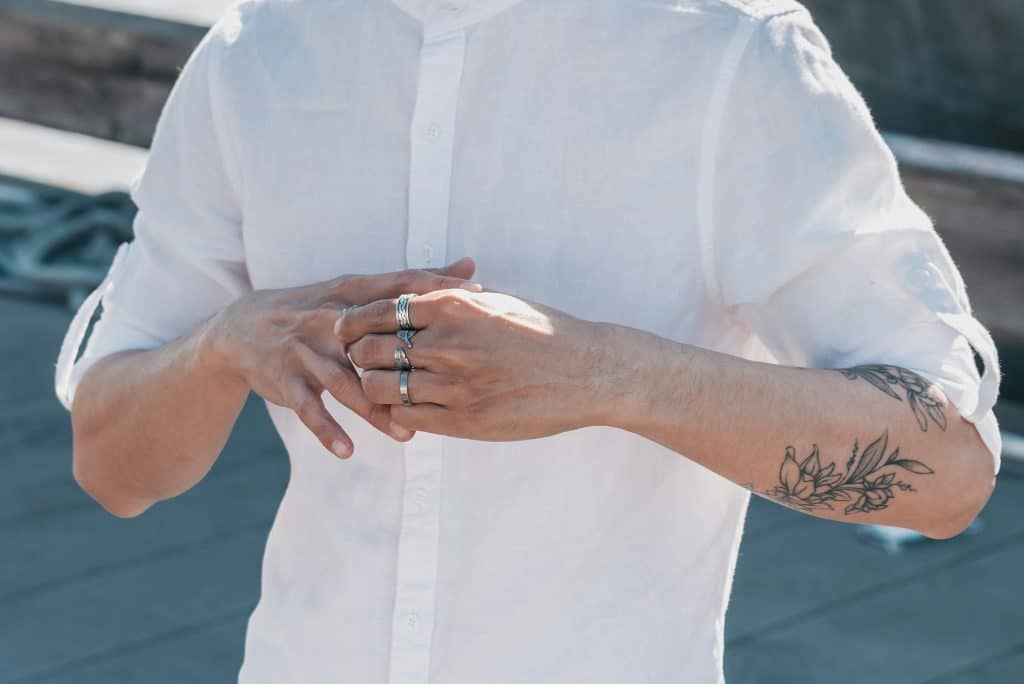
In everyday wear, a ring often becomes a subtle signature. It may be a minimalist band in brushed titanium or a textured silver piece that gathers a quiet patina over time. Unlike watches or cufflinks, rings remain constant and are rarely removed throughout the day. This permanence gives them emotional weight and transforms them into companions rather than mere accessories. For many men, the daily ring reflects a personal narrative rather than a passing fashion impulse.
Materials play a defining role in how these rings are perceived. Stainless steel and tungsten communicate durability and pragmatism, while gold and platinum suggest refinement even in casual settings. The choice of finish, whether matte, hammered, or polished, shapes the ring’s overall character. A matte black band can feel modern and architectural, while a warm yellow gold ring carries a sense of heritage. These details allow men to tailor their jewelry to both personal style and daily environment.
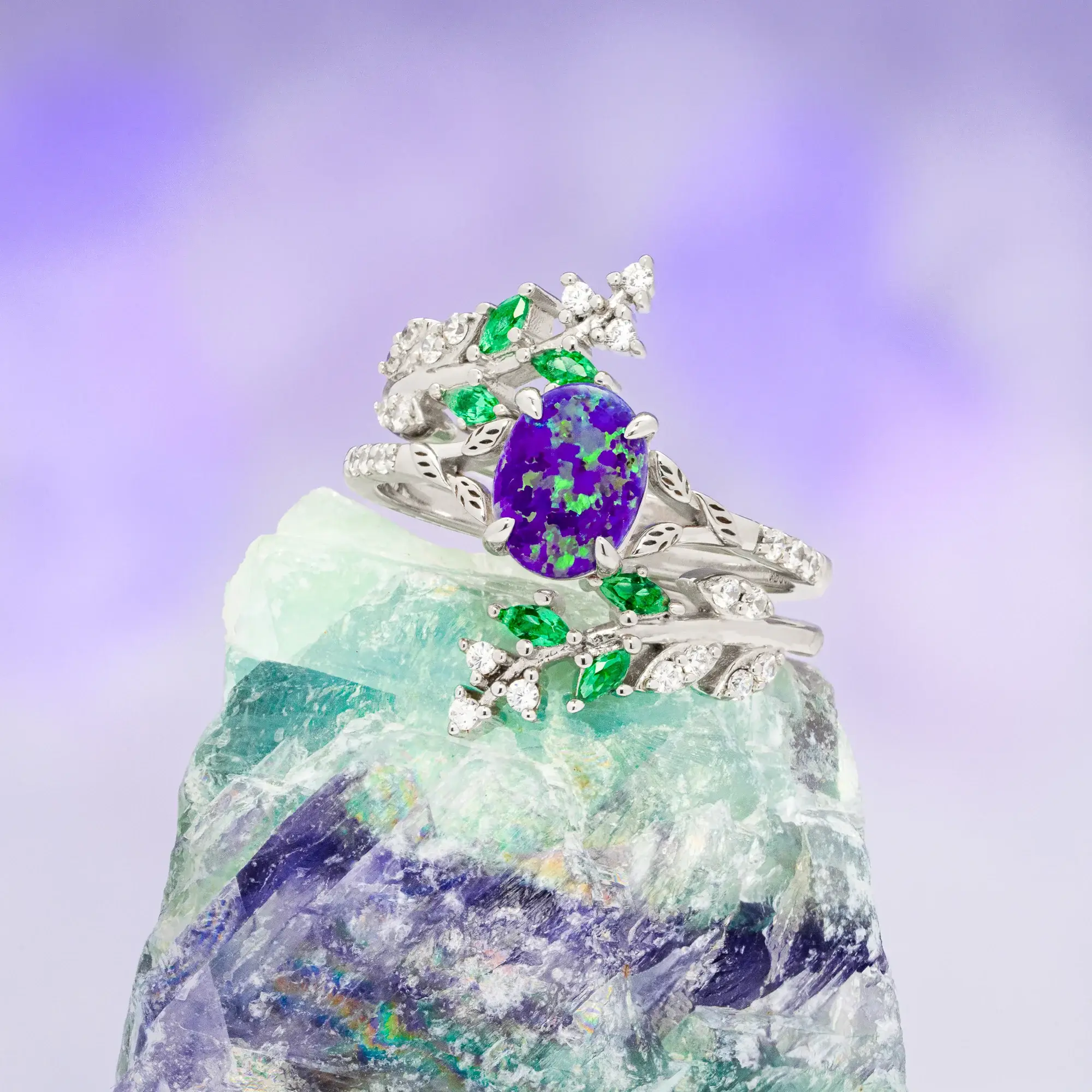
For those exploring options, a curated selection of thoughtfully designed men’s rings can offer a practical starting point, especially as interest grows in pieces that balance symbolism with contemporary design. As specialized brands continue to shape how these collections are presented, Foreverings presents curated designs that reflect modern sensibilities, particularly in its range of modern men’s rings that emphasize everyday wearability. Browsing an organized selection for men like this allows for easy comparison in one place, helping shoppers consider rings that feel personal, durable, and wearable while showing how sentiment and practicality can coexist in modern jewelry.
Formal Rings and the Language of Occasion
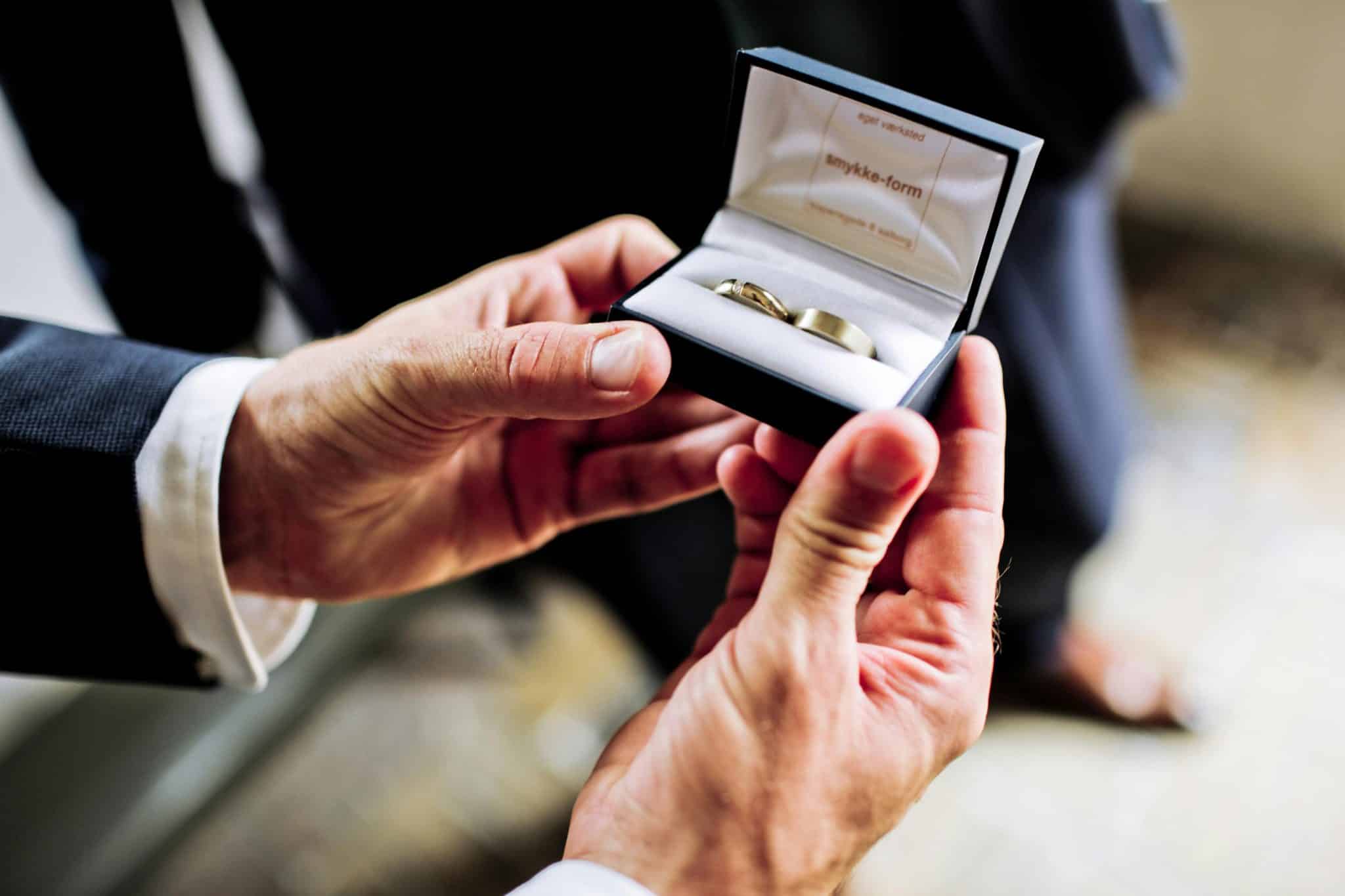
Formal rings operate according to a different code. They are often reserved for milestone events such as weddings, galas, or ceremonial gatherings. In these contexts, a ring communicates commitment, achievement, or affiliation. A classic gold wedding band conveys continuity and tradition, while a signet ring etched with a family crest speaks to lineage. The symbolism is amplified in formal settings where attire is carefully curated.
The relationship between ring and suit is particularly important. A bold gemstone ring can overwhelm a tailored ensemble if not thoughtfully balanced. Conversely, a slender platinum band can complement a black tie outfit with understated confidence. The goal is harmony rather than dominance. Formal rings should enhance the overall presentation rather than distract from it.
Etiquette also shapes how rings are worn in these environments. In many professional circles, restraint is prized. Limiting the number of rings on display maintains a sense of polish and authority. However, certain industries such as the arts and entertainment allow for greater experimentation. Understanding the expectations of a particular occasion ensures that a ring enhances credibility rather than undermines it.
Materials and Craftsmanship
The choice of material is not merely aesthetic but deeply practical. Gold remains a perennial favorite due to its malleability and enduring value. White gold and platinum offer cooler tones that align well with contemporary wardrobes. Alternative metals such as titanium and tungsten appeal to men who prioritize resilience and low maintenance. Each material carries its own narrative and functional benefits.
Craftsmanship determines how a ring ages. A well constructed band will maintain its integrity despite daily wear. Precision in setting stones or engraving details prevents premature damage. Handmade rings often exhibit subtle variations that add character and uniqueness. These qualities are particularly valued by men seeking pieces that feel personal rather than mass produced.
The rise of ethical sourcing has also influenced purchasing decisions. Consumers increasingly ask about the origins of metals and gemstones. Sustainable practices and transparent supply chains contribute to a ring’s appeal. Craftsmanship now encompasses not only physical durability but also ethical responsibility. This broader definition of quality reflects a shift in consumer priorities.
Styling Strategies for Different Settings
Navigating the transition between casual and formal environments requires thoughtful styling. A single versatile band can often bridge both worlds if chosen carefully. Neutral metals and clean lines tend to adapt well across settings. When in doubt, simplicity offers flexibility. Overly ornate designs may struggle to translate from weekend wear to corporate events.
Layering rings demands restraint. Wearing multiple bands can project confidence, but it can also appear cluttered if proportions clash. Mixing metals requires attention to tone and balance. A yellow gold ring paired with a steel watch may work if the overall palette feels intentional. The objective is cohesion rather than contrast for its own sake.
Finger placement also influences perception. Traditionally, wedding bands are worn on the left ring finger in many Western cultures. Signet rings often occupy the pinky or ring finger of the dominant hand. Contemporary styling allows for more freedom, yet awareness of convention helps avoid unintended messages. A strategic approach ensures that rings enhance rather than complicate one’s presentation.
Symbolism and Emotional Significance
Rings carry emotional weight that transcends their material value. A wedding band represents partnership and shared history. A class ring commemorates academic achievement and formative years. Even a self purchased ring can symbolize personal milestones such as career advancement or personal growth. The circular form itself suggests continuity and connection.
In many cultures, rings are exchanged as part of rituals that mark life transitions. These traditions imbue the object with layers of meaning. Removing such a ring can feel unsettling because it represents more than adornment. It is a tangible reminder of commitments and experiences. This depth explains why men often wear certain rings for decades.
The emotional dimension also influences design preferences. Engravings, birthstones, or custom motifs personalize a ring beyond its outward appearance. These hidden details create private significance that may not be immediately visible to others. The result is jewelry that operates on both public and intimate levels. This dual function distinguishes rings from many other accessories.
Investment and Longevity

A well chosen ring can serve as both a personal emblem and a financial asset. Precious metals retain intrinsic value, and certain designs appreciate over time. While not all rings are purchased as investments, durability and resale potential are factors for many buyers. Understanding market trends in gold and platinum can inform purchasing decisions. However, emotional value often outweighs monetary considerations.
Maintenance is essential for longevity. Regular cleaning preserves shine and prevents buildup that can dull a ring’s appearance. Periodic inspections ensure that stones remain secure and that settings are intact. Professional polishing can restore a ring’s original luster without compromising structure. Proper care extends the life of even the most frequently worn pieces.
Ultimately, longevity also relates to timeless design. Trends fluctuate, but classic silhouettes endure. A simple band or refined signet ring rarely feels dated. Investing in understated elegance allows a ring to remain relevant across decades. In this sense, men’s rings function not only as accessories but as enduring markers of identity and commitment.
The Modern Man and the Expanding Definition of Style
The contemporary landscape of men’s fashion is more expansive than ever. Jewelry is no longer confined to subcultures or special occasions. Professionals, creatives, and entrepreneurs alike incorporate rings into their daily wardrobes. This shift reflects broader changes in how masculinity and style are defined. Self expression now coexists comfortably with tradition.
Social media and global connectivity have accelerated exposure to diverse aesthetics. Men draw inspiration from international designers and cultural traditions. A ring that once seemed unconventional may now feel forward thinking. This openness encourages experimentation while still honoring heritage. The modern man can wear a family heirloom alongside a contemporary band without contradiction.
In this evolving environment, rings serve as anchors of personal identity. They can project confidence, signal commitment, or simply reflect aesthetic taste. Understanding their role in both everyday and formal wear equips men to choose thoughtfully. The result is a wardrobe that feels intentional and coherent. In a world of fleeting trends, a well selected ring remains a constant.