
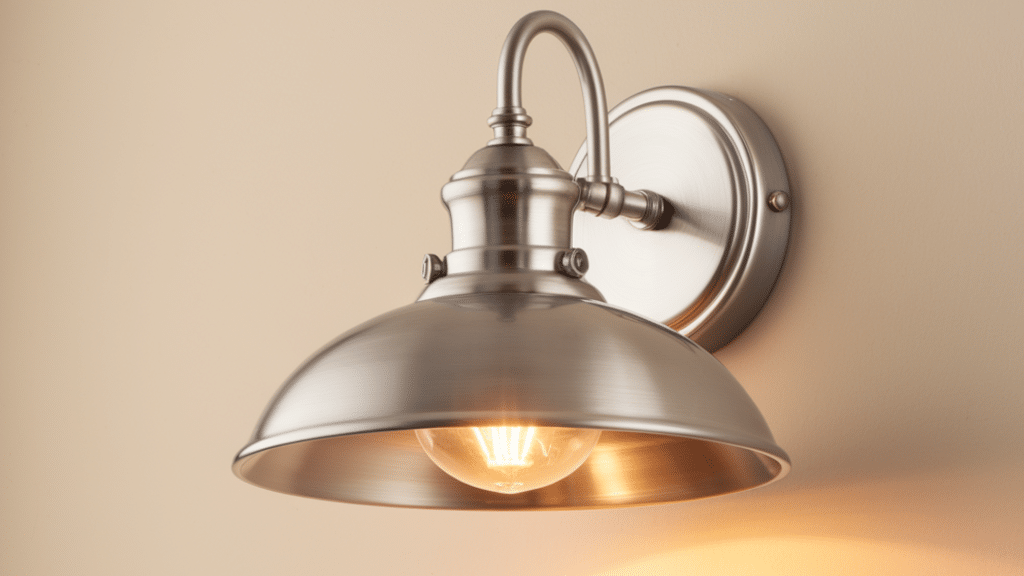
Satin nickel is a warm silver-gray metal finish with a soft, muted shine.
It may have a very slight yellow or golden undertone, but it does not look gold. Its satin surface reflects less light than polished nickel or chrome.
This stylish matte silver-gray finish offers a subtle refinement that works beautifully in most spaces. But before you commit to satin nickel for your door handles, cabinet pulls, or bathroom fixtures, you’ll want to understand how it compares to similar finishes like brushed nickel, chrome, and stainless steel.
Let me walk you through everything you need to know about satin nickel, including the main question: what color is satin nickel, to help you make the perfect choice for your home.
What is Satin Nickel?
Satin nickel is a popular metal finish created by applying a nickel coating to a base metal, then brushing it to achieve its signature soft, matte appearance.
Unlike its shinier cousins, this finish undergoes a specialized process that deliberately tones down the reflectiveness, giving it that polished, understated look that’s become a staple in modern homes.
The base metal can vary often brass, zinc, or steel but it’s the nickel plating and subsequent brushing technique that creates the consistent appearance we recognize. This versatile finish strikes a perfect balance between completely flat and overly shiny, with a subtle luster that catches light gently rather than reflecting it harshly.
What makes satin nickel particularly appealing is its forgiving nature. It hides fingerprints and water spots better than glossier finishes, making it practical for high-traffic areas like kitchens and bathrooms where handles and fixtures see constant use.
Identifying Satin Nickel Color in Home Decor
When I’m trying to spot satin nickel in home decor, I look for its distinctive soft silver-gray color with a subtle warmth underneath.
It’s not completely cool-toned like chrome or stainless steel, often carrying a hint of warmth that makes it blend beautifully with various color schemes. This versatile finish sits comfortably between metallic silver and light gray on the color spectrum.
Is Satin Nickel Silver or Gray?
Satin nickel is in the overlap between silver and gray, which is why it’s so hard to point in photos.
I’ve been quite confused myself about whether it’s “more gray” than the sample I had ordered, and it looks silver under kitchen lights.
Does Satin Nickel Look Gold?
No, and let me stop you right there: satin nickel does not look gold.
It carries a faint warm undertone, but that’s so different from brass or gold-toned hardware. People pick satin nickel specifically because they want to avoid “the gold trend”.
Is Satin Nickel Warm or Cool?
It is warm-leaning.
Chrome and stainless steel (it is the closest color to satin nickel) are flatly cool, and satin nickel has just enough undertone to soften that, which is why it goes so well with wood tones and warmer paint colors.
This is the finish for when you want a neutral metal.
How Satin Nickel Color Differs from Other Finishes: A Comparison
| Finish | Look | Undertone | Upkeep |
|---|---|---|---|
| Satin Nickel | Soft, brushed matte | Warm | Low, hides prints & spots |
| Chrome | Mirror-shiny | Cool/blue | High, shows every mark |
| Brushed Nickel | Brushed, slightly darker | Warm, amber | Low |
| Polished Brass | Bright, glossy gold | Warm, golden | High, needs regular polishing |
| Stainless Steel | Cool, semi-matte | Cool | Medium |
Satin Nickel vs Chrome
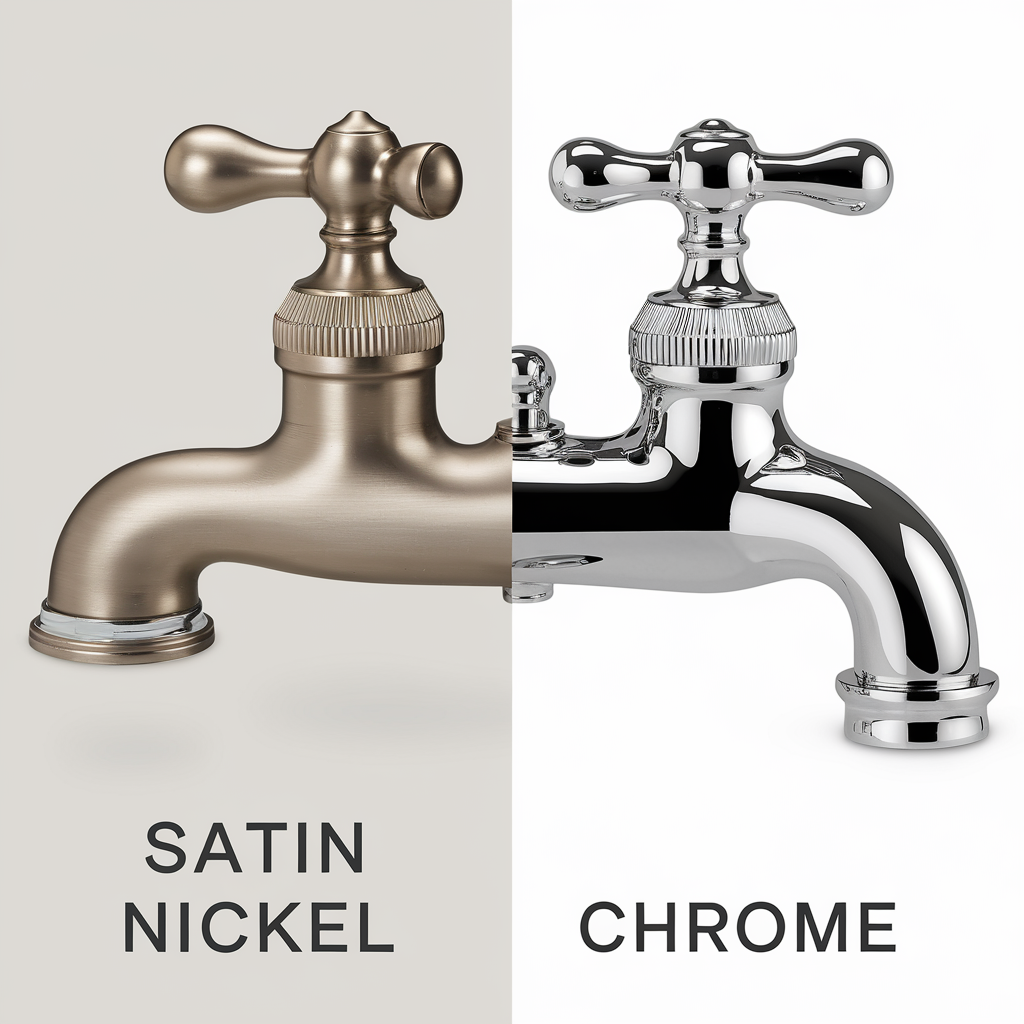
Chrome has a mirror-like shine that bounces light around your space, while satin nickel has a softer, more muted glow.
I’ve noticed chrome feels modern and can sometimes appear slightly blue-toned, whereas satin nickel is warm.
Chrome shows every fingerprint and water spot, making it higher maintenance.
For contemporary spaces, chrome can be your go-to, but for everyday livability, always go for satin nickel.
Satin Nickel vs Brushed Nickel
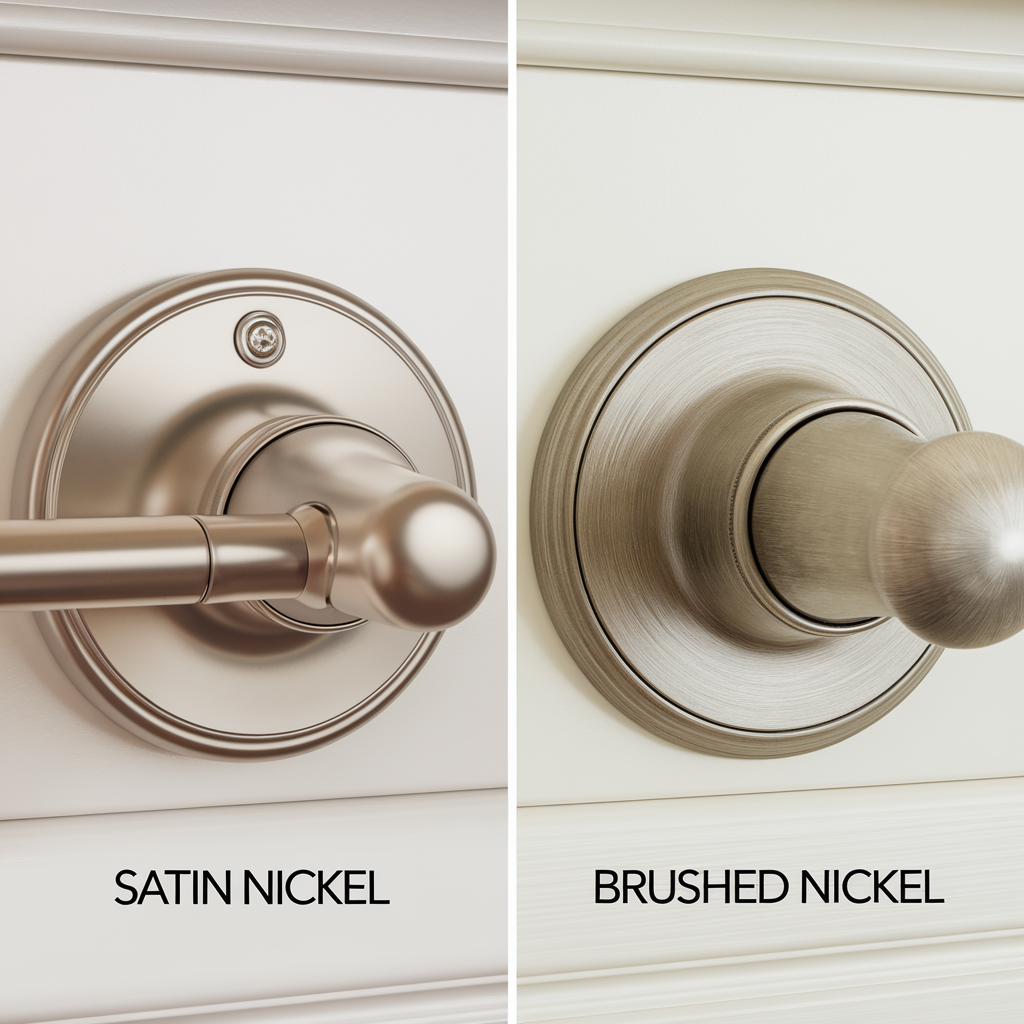
These are very similar options, unlike it’s shinier alternatives.
The main difference is that brushed nickel has a slightly darker, more amber undertone, while satin nickel appears lighter with a more silvery quality.
Their brushing techniques also differ slightly, and satin nickel generally has a finer, more consistent brush pattern.
You get excellent durability and also no fingerprints on either of them.
But choose satin nickel with cooler color schemes and brushed nickel with warmer palettes.
Satin Nickel vs Polished Brass
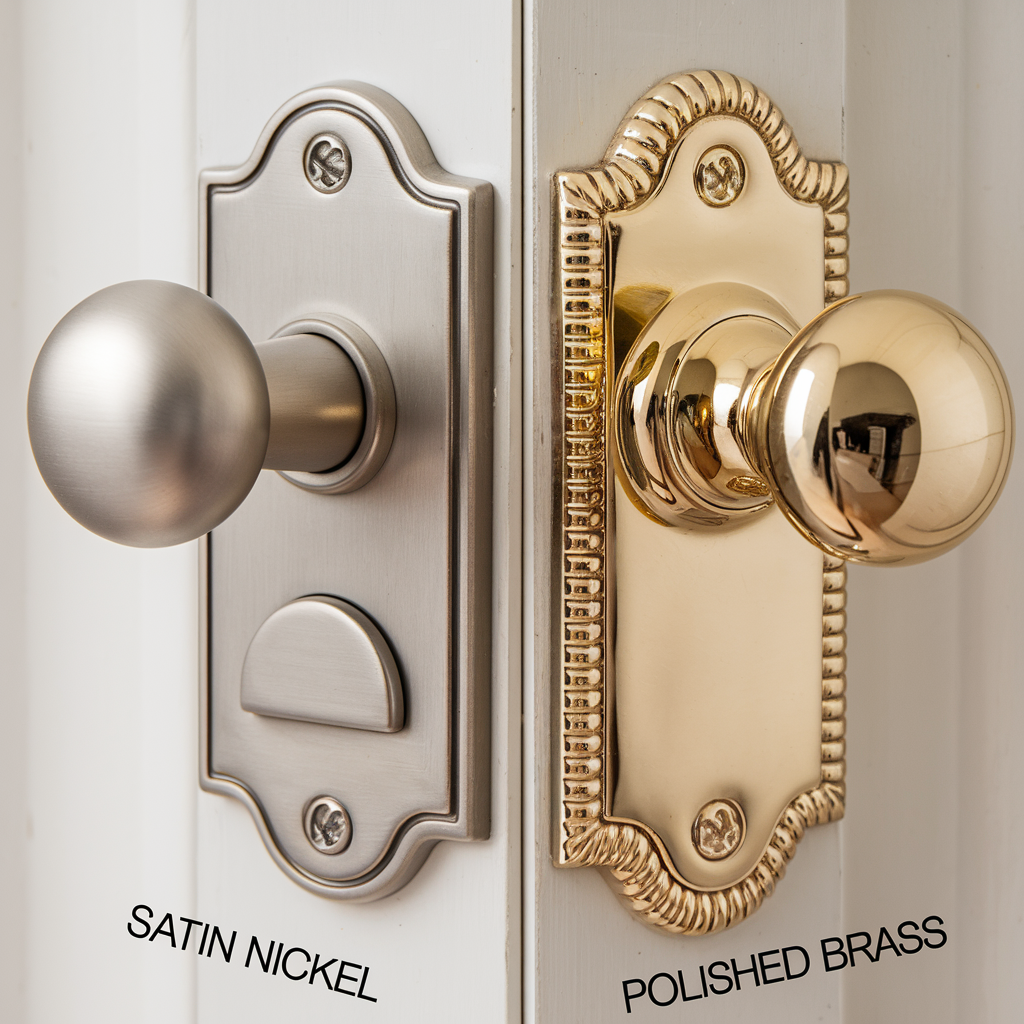
Polished brass has that classic golden shine that screams traditional grace, while satin nickel is contemporary and understated.
I’ve found that brass needs more attention and becomes a focal point.
Brass requires regular polishing to maintain its luster and tends to age through patination. Meanwhile, satin nickel stays low-maintenance.
Satin Nickel vs Stainless Steel
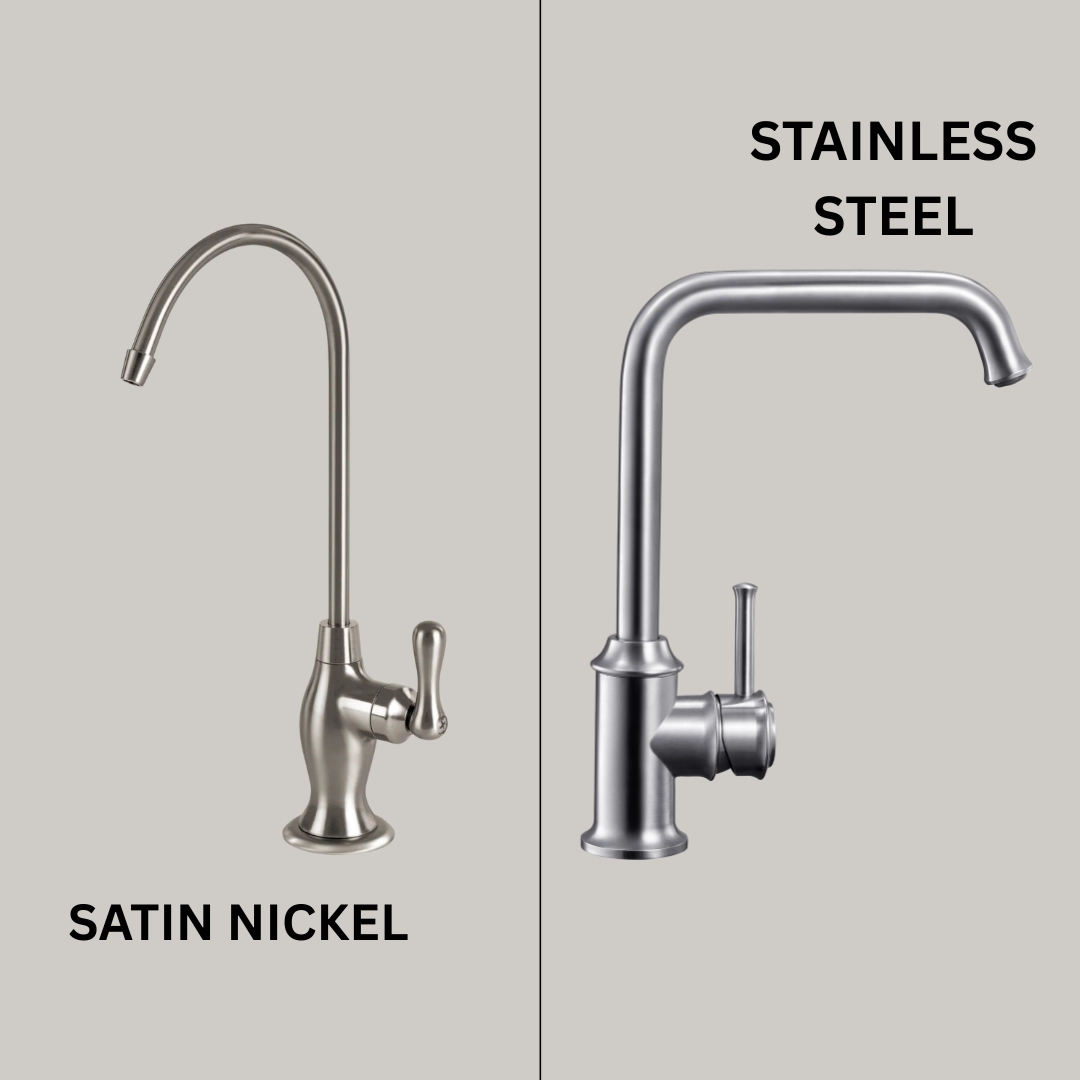
Stainless steel is colder than satin nickel.
Steel has a flatter, more industrial look with a slight blue cast, while satin nickel has that faint warmth.
I’ve used stainless mostly on appliances and commercial-style kitchens. Satin nickel, on the other hand, blends into more design styles.
And both resist fingerprints well.
Where Will You See Satin Nickel in Your Home?
I’ve worked with different metal finishes over the years, and satin nickel proves to be very flexible.
Its subdued sheen goes well in every room. If you’re wondering where this popular finish really shines, let’s get into it.
Kitchen
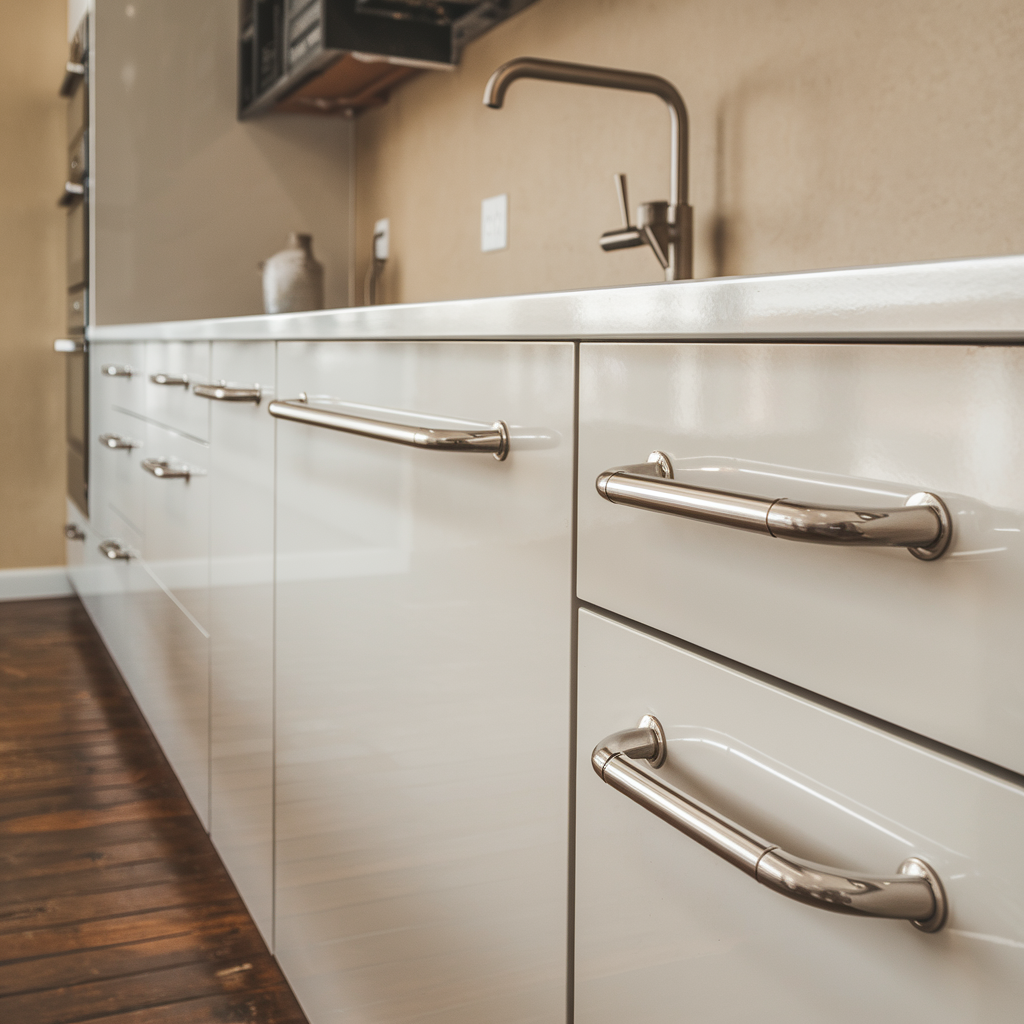
Satin nickel shines in your kitchen and leaves behind literally no fingerprints.
The subtle sheen makes both light and dark cabinetry work together, while resisting the inevitable splashes and spills.
When you’re cleaning the faucets, make sure you avoid anything containing ammonia, bleach, or vinegar.
It stands up to being functional. Install it on your cabinet hardware, faucets, and appliance handles.
Bathroom
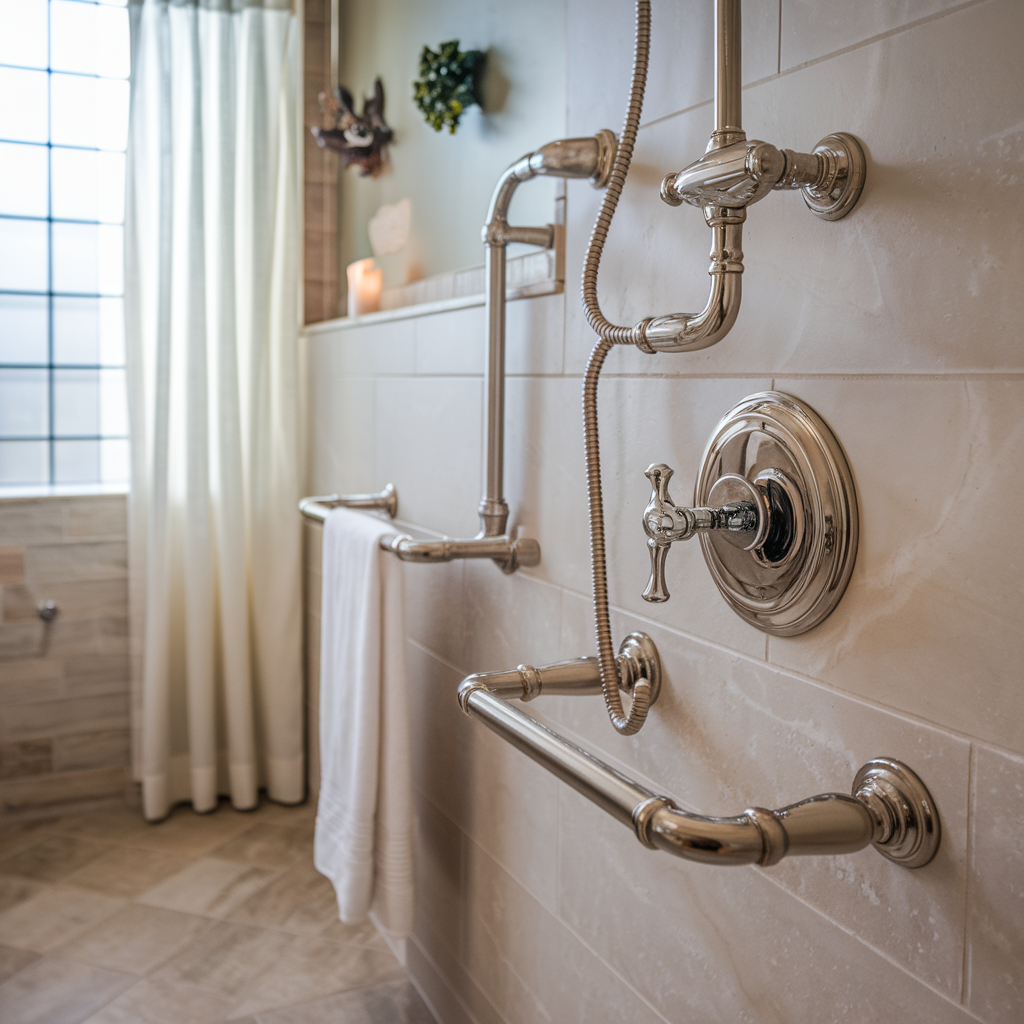
In bathrooms, satin nickel serves beautifully amid humid conditions and frequent water contact.
This finish resists water spots better than chrome and brings a refined touch to the space without competing with other design elements in the bathroom.
A quick wipe with a soft, dry microfiber cloth removes fingerprints and prevents buildup regularly.
Door Hardware
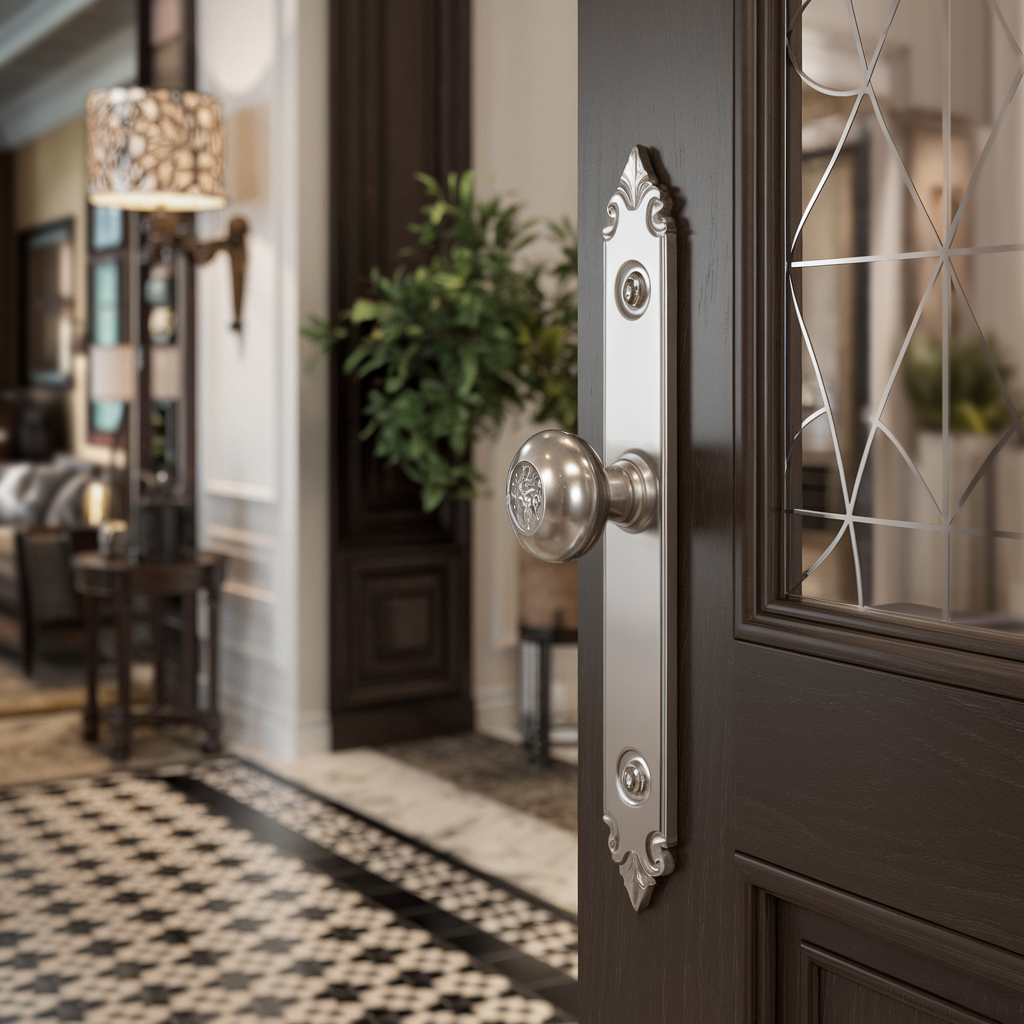
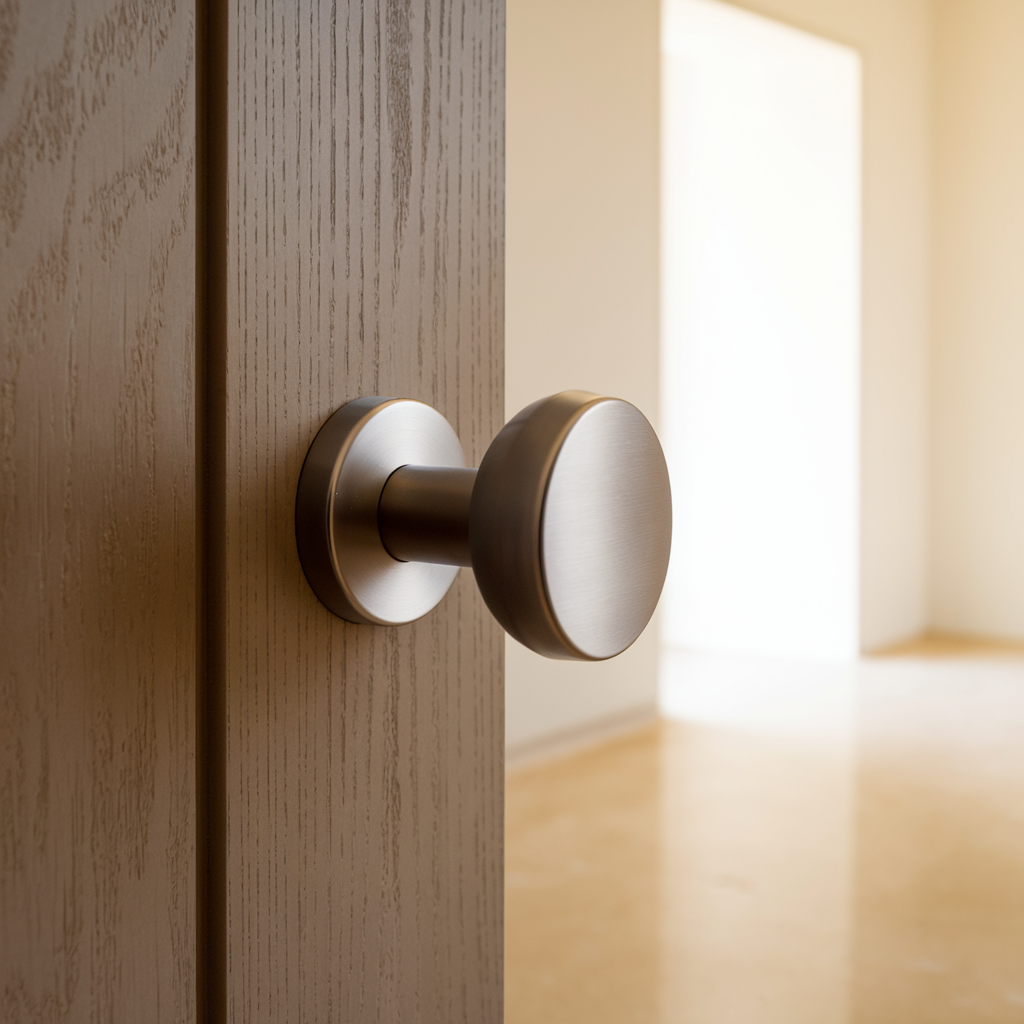
Entry sets, interior doorknobs, and handlesets in satin nickel create a cohesive flow throughout the home.
This finish is ideal for high-touch surfaces like doorknobs and lever handles.
The subtle warmth works with virtually any wall color or door style, which is perfect for connecting different design themes across rooms.
Light Fixtures
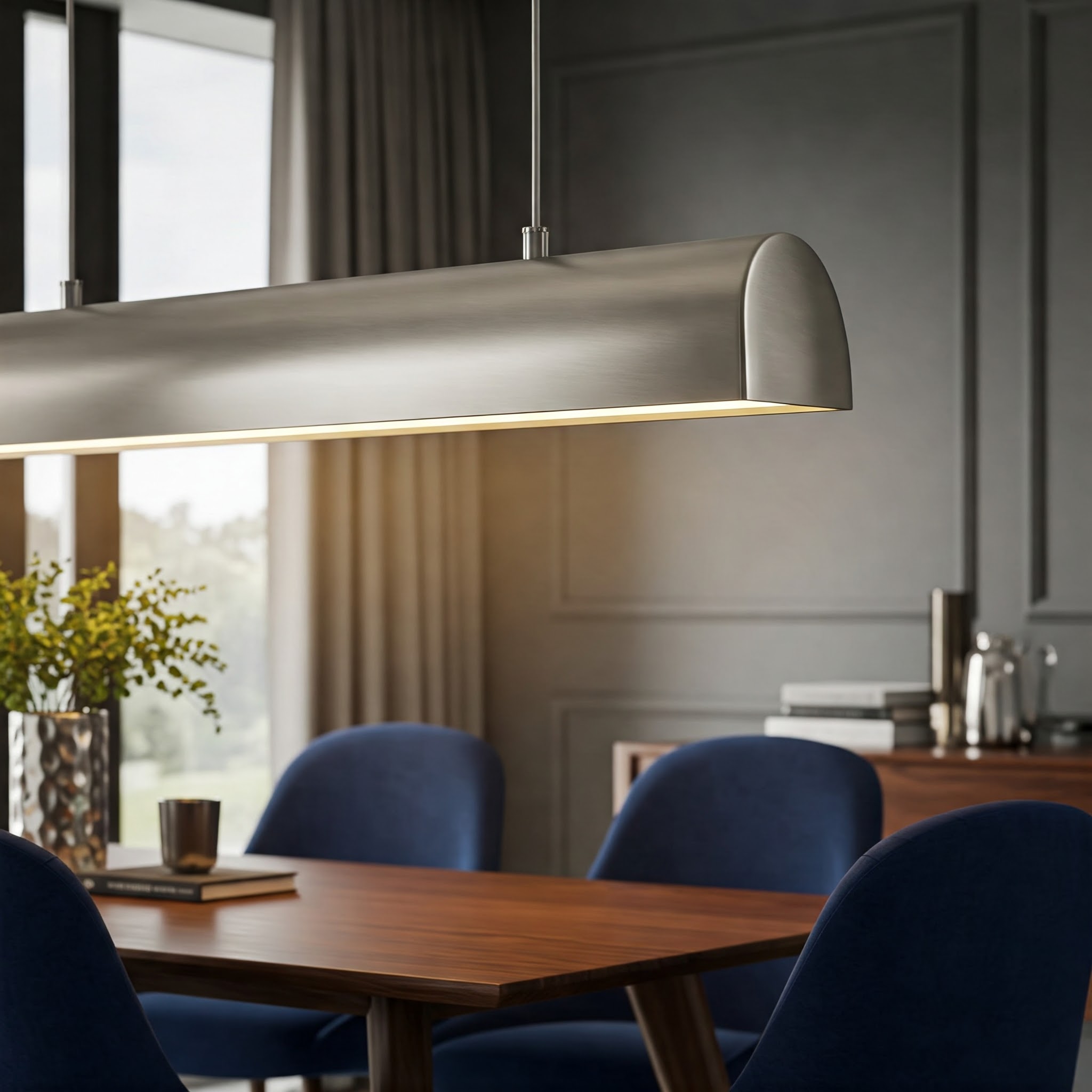
Pendant lights, chandeliers, and sconces in satin nickel add dimension to your space without being too much.
This finish diffuses light subtly rather than creating harsh reflections.
It works wonderfully in dining areas, hallways, and bedrooms, where you want fixtures that improve rather than dominate the space.
Furniture Accents
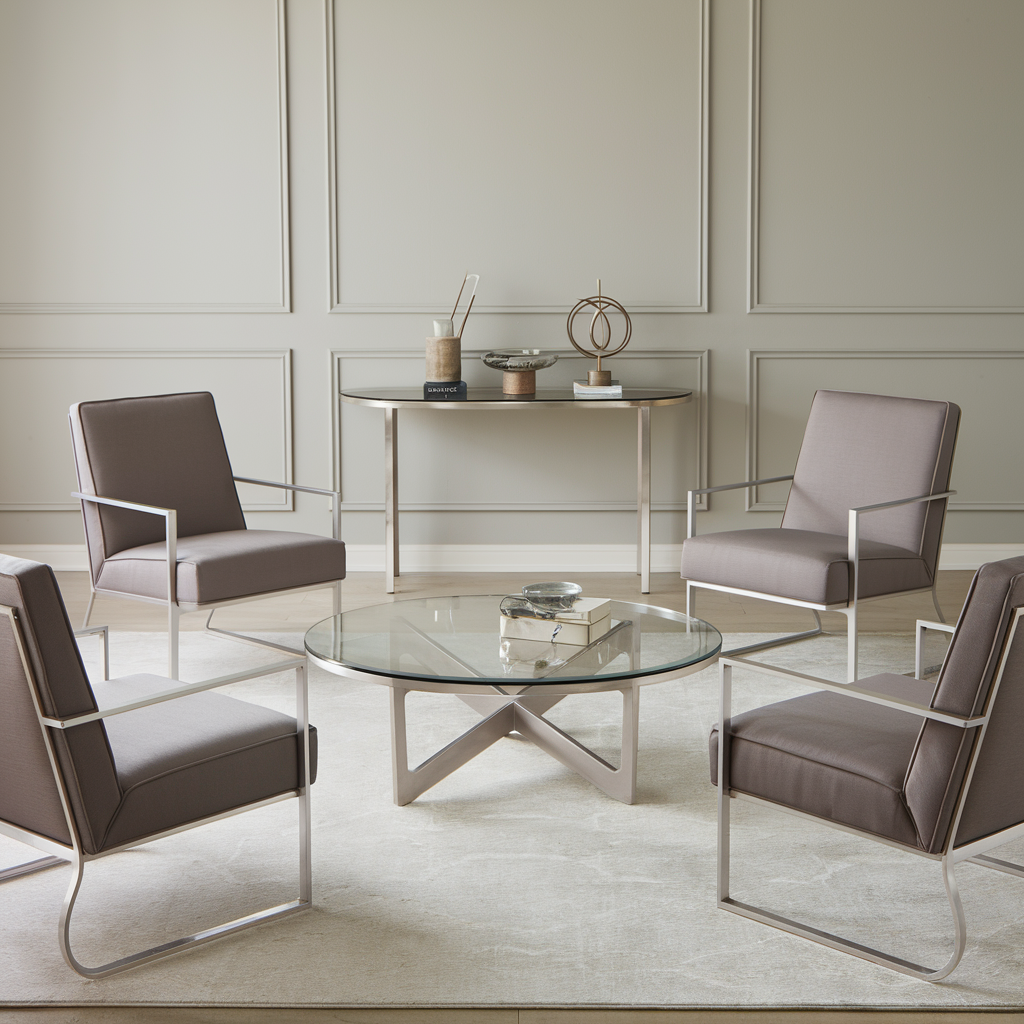
Coffee table frames, chair legs, and decorative furniture hardware look wonderful with satin nickel’s flexibility.
Whether you’re doing a complete renovation or just updating a few accents, satin nickel gives a perfect finishing touch.
Remember to maintain consistency throughout connected spaces for a cohesive look.
How to Decide on Satin Nickel Color: Key Pros and Cons
| Pros | Cons |
|---|---|
| Hides fingerprints & water spots | Costs more than basic chrome or brass |
| Durable, it ages without tarnishing | Hard to match exactly across brands |
| Works with traditional to contemporary styles | Can show wear in high-traffic spots |
| Neutral, pairs with any color palette | Needs gentle, non-abrasive cleaners |
| Low maintenance; just needs a wipe-down | Less bold than matte black or copper |
How Does Satin Nickel Color Look Based on Different Lighting?
Satin nickel has a very subtle feel, making it appear fun and changing with every kind of light. Let’s get into it.
- Natural Light: Has a soft, silvery-gray appearance with its brushed texture. The finish appears warmer during the golden hour and cooler under midday sunlight.
- Artificial Light: Under standard overhead lighting, satin nickel maintains its muted metallic appearance but may appear slightly flatter.
- Accent Lighting: When illuminated by strategic accent lights, the brushed texture creates subtle, graceful shadows, adding dimension.
- Evening Hours: In dimmer, evening lighting, satin nickel recedes slightly but maintains enough reflectivity, appearing softer and less defined.
- Bright Spaces: In well-lit, bright rooms, the finish appears more consistent and true to its intended color.
Warm-toned bulbs (2700 K- 3000 K) increase their warmth, while cooler bulbs (4000 K+) increase their silver tones.
Wrapping it Up
Satin nickel is popular, and it stays neutral.
Test your satin nickel hardware under your actual bulbs before buying in bulk.
I’ve ordered a full set of cabinet pulls online, only to find them looking slightly greenish under my kitchen’s fluorescent strip lighting.
Always try a five-dollar sample swatch under your real lights.
Start with one room, live with it for a week, then decide if it earns the rest of your house.
Frequently Asked Questions (FAQs)
1. What is Satin Nickel’s Color Code?
The standard industry finish code for satin nickel is US15 (historic U.S. code) or 619 / 646.
2. Is Satin Nickel Outdated?
Not even close. It’s stayed a top choice for over a decade because it’s neutral enough to outlast design trends, unlike matte black or brass.
3. Will Satin Nickel Rust?
No. Nickel plating resists corrosion well. It can show wear or thin spots over decades of heavy use.






One Response
I was searching for Satin Nickel as a color, trying to figure out what it actually looked like. I landed on this site, not sure what I would find, but was wowed by the wealth of information. It takes time and great amount of dedication (and incentive) to create this page. Thank you for the work.