Hiring an outdoor contractor deserves more than a quick glance at price. Homeowners need proof of planning skill, planting knowledge, drainage judgment, and reliable follow-through. A strong company explains what a site can support, which materials will last, and how upkeep will affect long-term costs. Careful screening at the start helps clients avoid weak workmanship, preventable repairs, and design choices that look appealing at first but fail under daily use.
Local Fit
Weather patterns, soil makeup, slope, and shade all shape outdoor decisions, so landscaping services in Portland should reflect real familiarity with those conditions. In practical terms, that means selecting plants that tolerate wet winters, placing hard surfaces where runoff will not pool, and explaining how summer dryness affects root health. Local experience usually shows up in practical choices, not broad promises or decorative language.
Clear Scope
A dependable proposal spells out labor, materials, cleanup, timing, and payment terms in plain language. Vague wording creates room for disputes once work begins. Written scope also helps clients compare bids on equal terms rather than guessing what each estimate includes. If irrigation changes, hauling fees, or post-install care remain unclear, the project may cost far more than expected before the final invoice arrives.
Design Sense
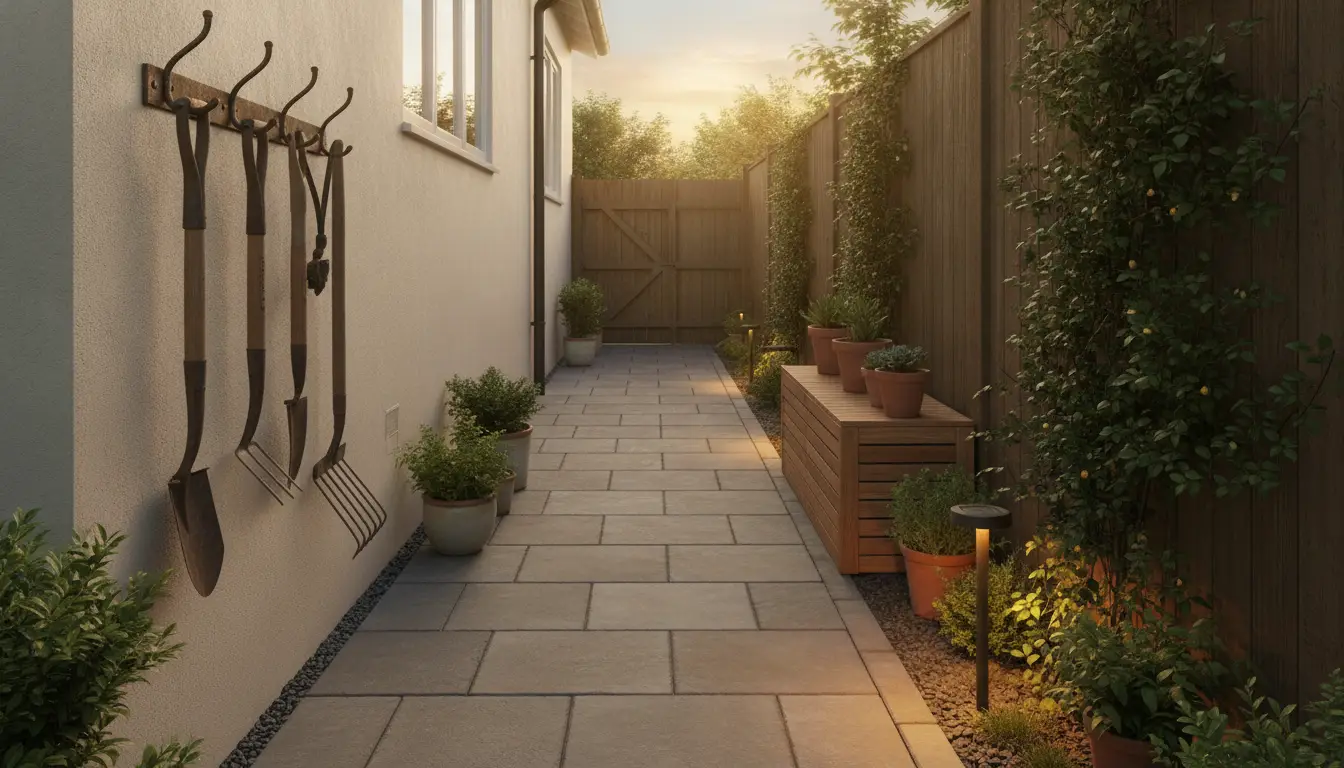
A good design solves user problems before it adds visual interest. Walkways should guide movement naturally, planting beds should fit light exposure, and gathering areas should match how people live outdoors. Experienced crews ask where children play, where water collects, and who handles routine care. Those questions reveal whether a plan will age well or become a list of future corrections.
Drainage Knowledge
Water management often separates capable contractors from careless ones. Poor grading can leave standing water near entry points, weaken roots, stain paving, and shorten the life of masonry. A qualified crew studies runoff before placing sod, walls, or patios. Sound drainage work may include subtle grading shifts, catch systems, or channeling methods that protect both the structure and its appearance during rainy months.
Material Choices
Materials should meet site demands, foot traffic, and regional weather conditions. Stone, pavers, edging, soil amendments, mulch, and lighting parts each perform differently over time. A knowledgeable provider explains those differences clearly, including why one option handles moisture or sun exposure better than another. That kind of guidance helps clients avoid cracked surfaces, fading finishes, stressed plantings, or repeated replacement after a short period.
Maintenance Planning
A fresh installation does not remain healthy without a realistic care plan. Lawns need measured watering, shrubs need timely pruning, and planting beds need seasonal attention to stay clean and stable. Professional crews should explain service intervals, irrigation checks, feeding schedules, and debris removal before work starts. Gaining clarity early on helps homeowners judge whether the finished yard will remain manageable throughout the year.
Communication Habits
Reliable communication matters as much as the contractor’s technical skill. Clients should expect prompt replies, confirmed arrival windows, and clear notice when weather shifts the schedule. Written updates become especially useful if material delays or hidden site issues appear during the job. A company that listens closely and answers directly usually handles changes better than one that disappears until the bill is due.
Safety Standards
Outdoor work brings real risk around utilities, pets, children, and nearby structures. Safe crews mark lines, carefully stage tools, and leave the site orderly at the end of each day. Homeowners should also ask about licensing, insurance, and crew preparation before signing a contract. Those details show whether a company treats job-site risk seriously or simply hopes nothing goes wrong.
Proof of Results
Past work offers evidence that marketing language cannot match. Review galleries, references, and client comments can show finish quality, consistency, and the range of jobs a company handles well. Comparable examples matter most. A crew that builds large patios may not be the best fit for detailed garden care, seasonal upkeep, or smaller residential spaces with tighter maintenance needs.
Value Over Price
The lowest estimate can hide shortcuts in labor, preparation, or material quality. Smart evaluation looks at workmanship, drainage planning, plant knowledge, service reliability, and expected maintenance costs. A higher bid may prove less expensive if the work lasts longer and requires fewer repairs. Lasting value usually comes from sound judgment and steady execution, rather than the cheapest number on paper.
Conclusion
The strongest contractor brings together site knowledge, careful planning, durable material choices, and dependable communication. Homeowners should look for clear proposals, credible past work, realistic scheduling, and a practical approach to drainage and upkeep. Those signals usually point to a team that thinks beyond installation day. With proper review before signing, clients can choose a service that protects the property and delivers results that hold up well.