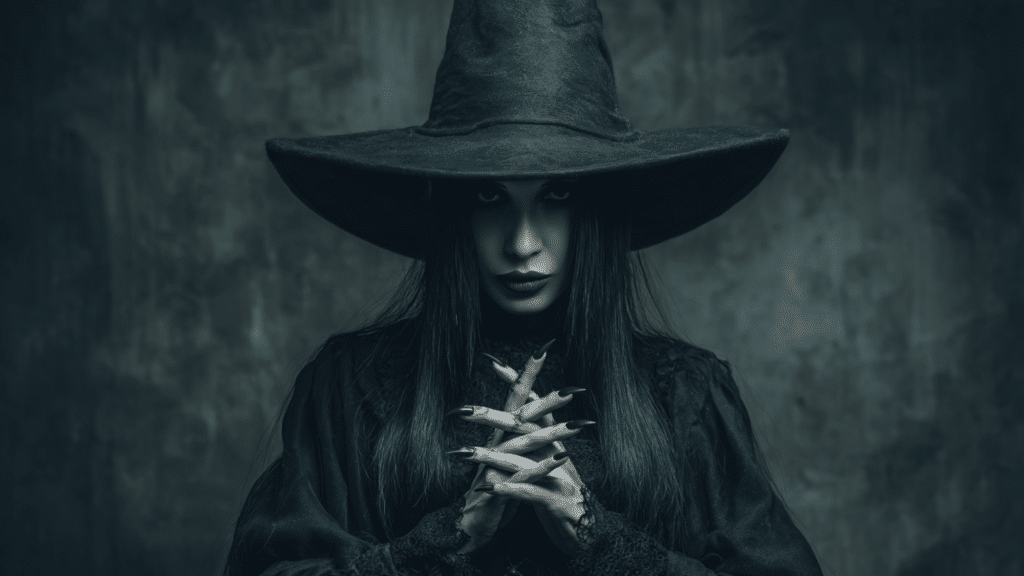
Ever wonder why witches always seem to be draped in black? It’s not just a fashion statement or a Hollywood drama.
From medieval herb gatherings to modern witch hat decoration inspiration, black has carried meaning far beyond what meets the eye.
The truth behind this dark wardrobe choice weaves together centuries of history, superstition, and symbolism that might surprise you.
Let’s look into the fascinating reasons why black became the witch’s color of choice and uncover what it really means beyond the stereotypes.
The Historical Roots of Witches Wearing Black
Black-clad witches didn’t just appear out of thin air. In medieval Europe, artists and writers consistently painted these mysterious figures in dark robes.
It wasn’t all about drama. Black dye was actually one of the cheapest options available, making it a practical choice for common folk who couldn’t afford fancy colors.
The Church didn’t help matters either. They linked black to nighttime, evil, and everything unknown or feared. When you’re already suspicious of someone’s “unnatural” abilities, seeing them in the color of darkness only reinforced those fears.
Art reflected society’s anxieties, and black became witchcraft’s unofficial uniform.
Myth and Folklore Behind Black’s Magical Reputation
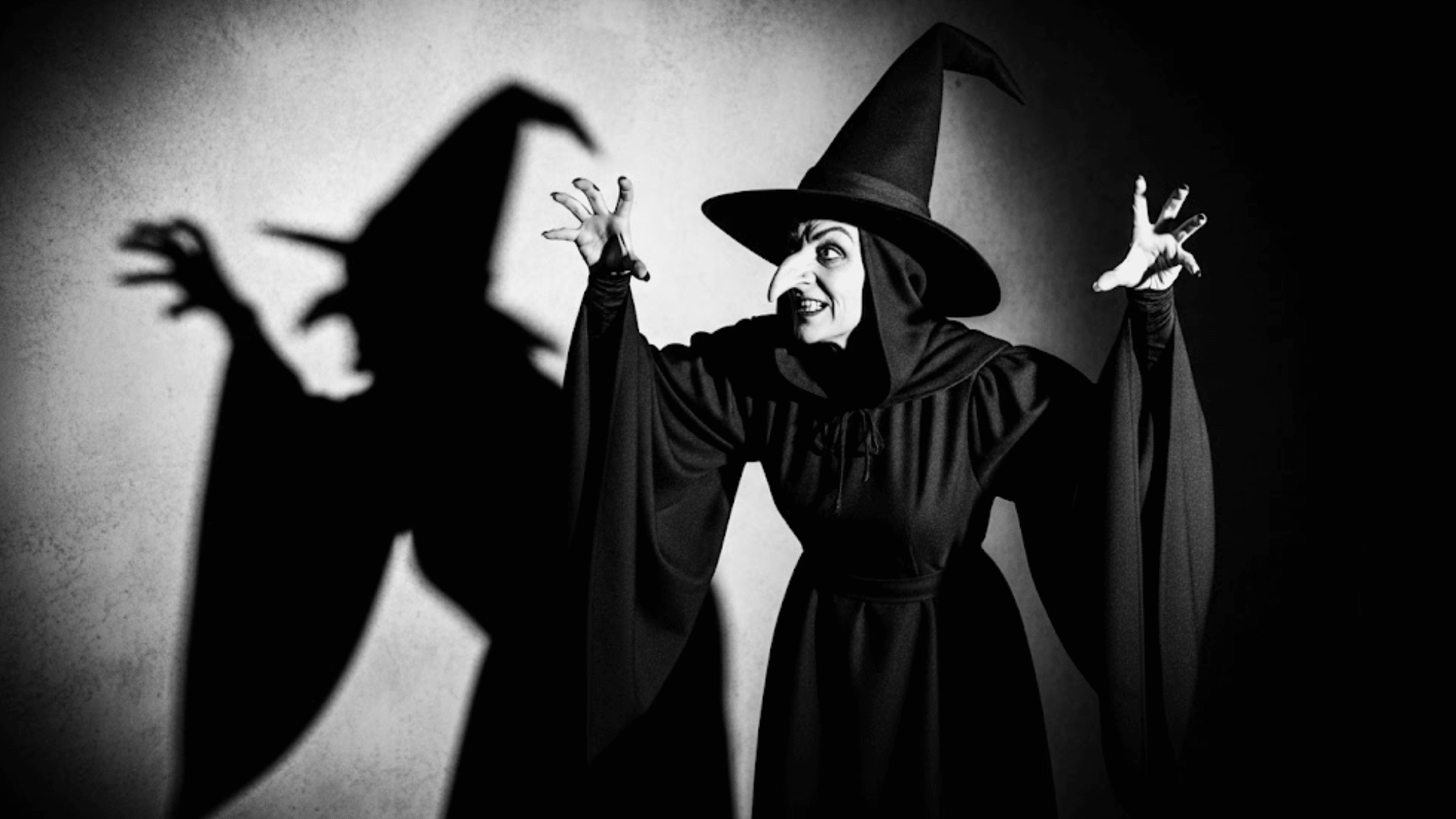
Black isn’t just a color in magical traditions, it’s practically a superpower. Throughout history, people believed black could absorb negative energy and hide secrets from prying eyes.
Black has always been a double-edged sword.
On one hand, it represented death, chaos, and everything scary. On the other, it symbolized protection, wisdom, and hidden knowledge. Ancient cultures saw black as both destroyer and guardian.
This dualism created conflicting views. Some feared black magic as dangerous and evil, while others respected it as powerful protection.
The same color that meant death to some meant deep wisdom to others.
Cultural Impact & Pop-Culture Influence
The witch-in-black stereotype didn’t happen overnight – it was carefully crafted through centuries of storytelling and media reinforcement.
- Literary Legacy: Fairy tales and classic stories consistently portrayed witches in dark, flowing garments with pointed hats, creating a visual template that stuck in collective memory
- Hollywood’s Role: Movies and TV shows doubled down on this imagery, making black robes and pointy hats the universal symbol for witchcraft across all genres
- Commercial Reinforcement: Halloween retailers and fashion designers continue capitalizing on this aesthetic, flooding markets with black witch costumes and gothic-inspired clothing
- Social Media Influence: Modern platforms amplify the dark, mysterious witch look during spooky season, with influencers embracing the traditional black aesthetic
- Recent Shifts: Contemporary media is slowly introducing more diverse witch representations, challenging the monochrome stereotype with colorful, varied portrayals
This cultural momentum has made black synonymous with witchcraft in popular imagination, though cracks in this stereotype are finally starting to show.
Practical and Ritual Reasons for Wearing Black
Beyond stereotypes and Hollywood magic, there were real reasons why black became the go-to color for magical practitioners.
Let’s break down the practical benefits alongside the spiritual significance.
| Practical Reasons | Ritual Reasons |
|---|---|
| Perfect camouflage for nighttime gatherings and ceremonies | Helps practitioners focus by eliminating visual distractions |
| Absorbs and retains body heat during outdoor rituals | Creates psychological mindset for serious magical work |
| Hides stains from herbs, candle wax, and ritual materials | Signals dedication and respect for the craft |
| Affordable and easily maintained compared to other colors | Believed to absorb negative energy during protection spells |
Black served practical purposes that made perfect sense for people practicing their craft. It wasn’t just about looking mysterious, it was about functionality and focus during important rituals.
Final Takeaway
The witch’s black wardrobe blends practicality, fear, and Hollywood magic what began as simple medieval clothing grew into a symbol of mystery and power.
From cheap dye and nighttime camouflage to church fears and anxious art, black became tied to witches. Later, movies amplified the stereotype, layering meaning onto this enduring image.
Today’s witches are rewriting the rules. They’re proving that real power doesn’t come from matching a centuries-old costume.
Check out our blog for easy money origami tutorials, learn to fold a dollar bill into a witch hat for Halloween!
Frequently Asked Questions (FAQ’s)
Is Witchcraft a Sin in The Bible?
Yes, the Bible condemns witchcraft in several passages, including Exodus 22:18 and Deuteronomy 18:10-12, viewing it as incompatible with faith in God.
What Items are Witches Afraid of?
Traditional folklore suggests iron, salt, running water, and religious symbols like crosses repel witches, though modern practitioners don’t typically fear these items.
Do Witches Believe in God?
It varies widely. Some practice Christian witchcraft, others follow pagan deities, and many embrace nature-based spirituality or work with multiple divine energies.