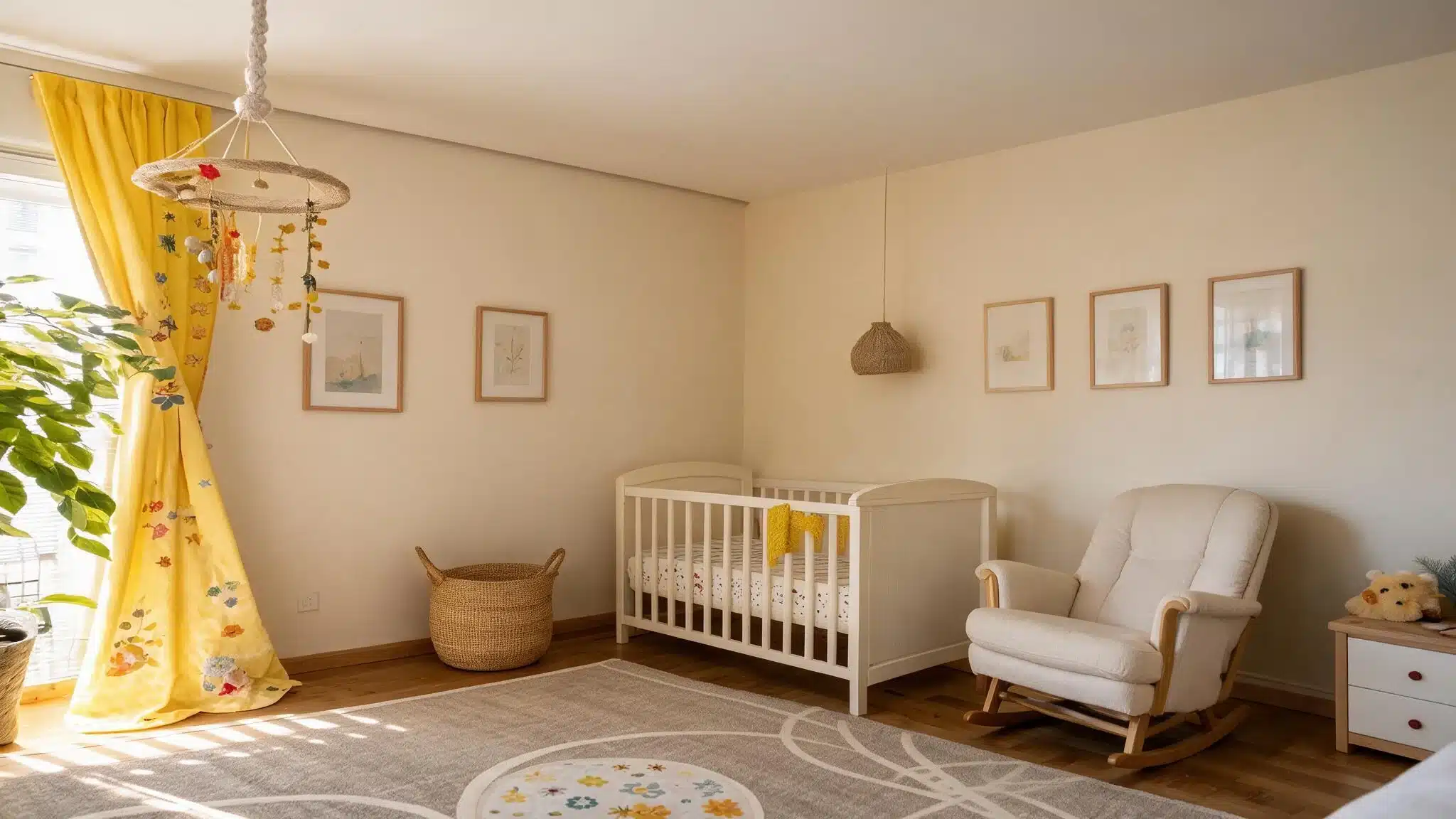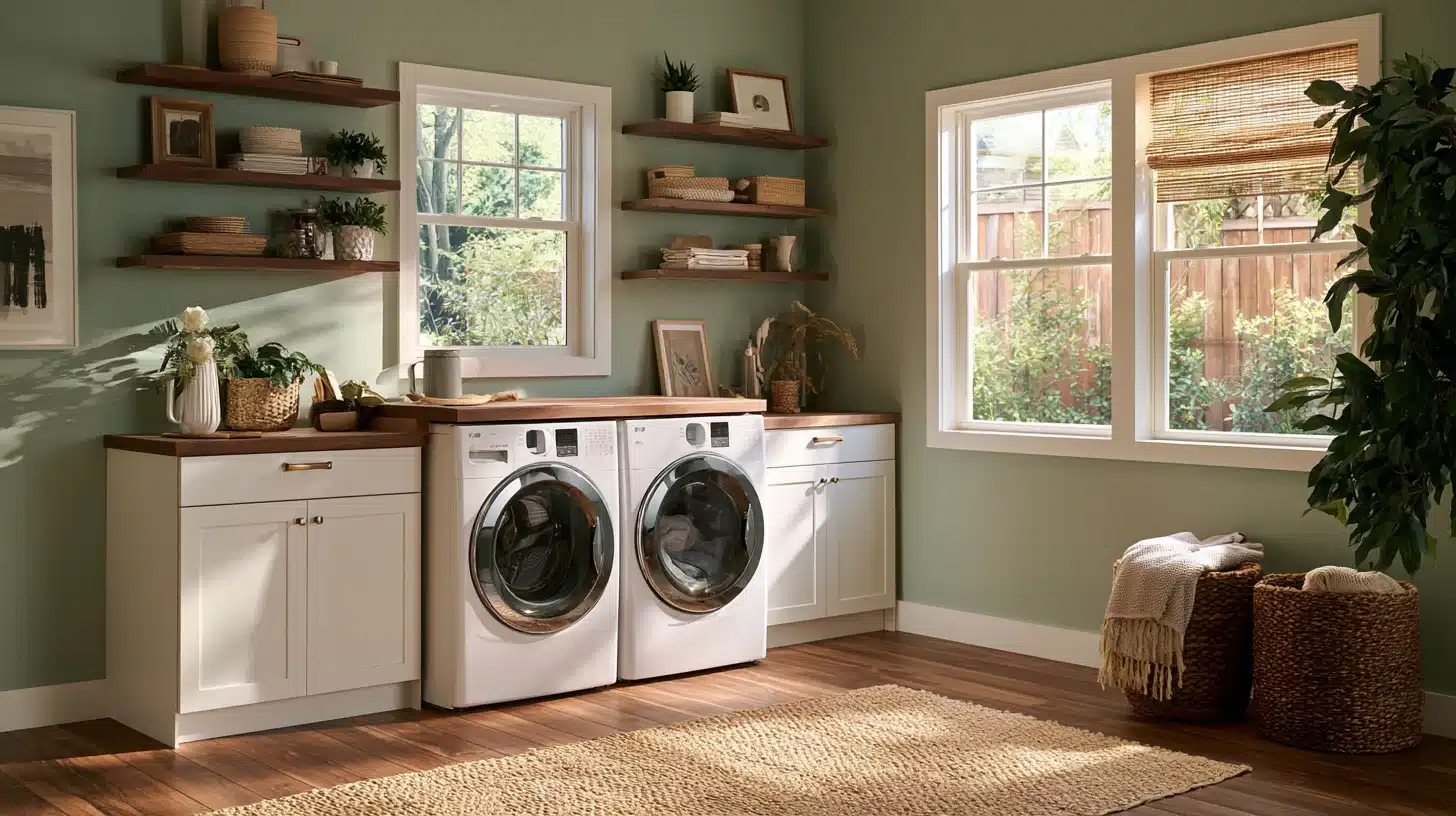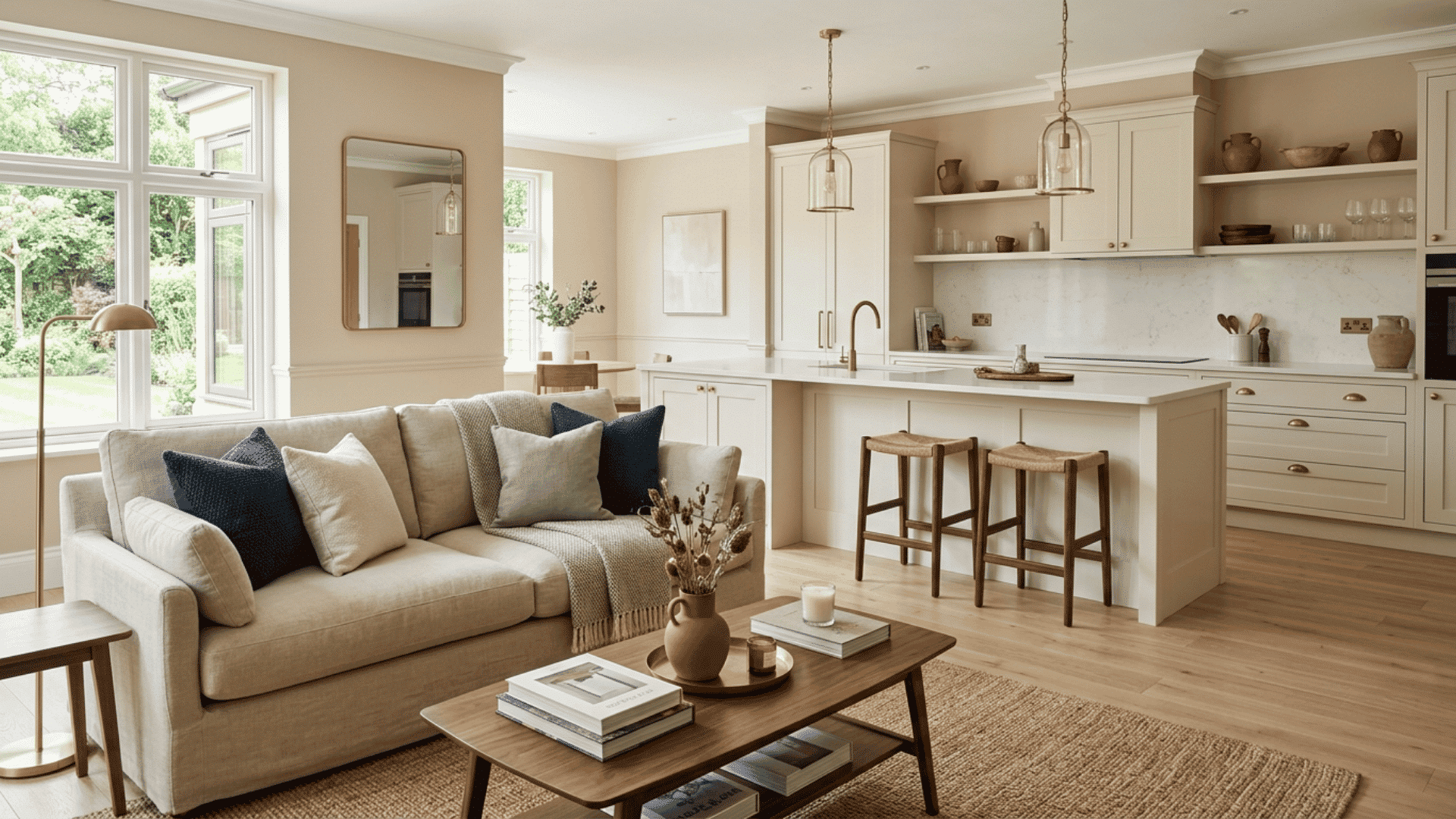
White paint always seems to be the safest, easiest option for any home. It looks clean, modern and easy to pair with any decor style. Many homeowners think that white will look the same wherever it is used. Almost like how consistency is expected in a Color Game perya, where outcomes feel straightforward until small details start to shift the result. But if you ever get to paint those walls white, the effect can be surprisingly different. The same color can appear bright and crisp in one house, warm and creamy in another, or even a little gray in another.
That’s because paint is not a static thing. It reacts to its surroundings. There are several things that influence how white paint is seen, and knowing them can help you choose with more confidence and avoid surprises.
Lighting Is the Biggest Factor
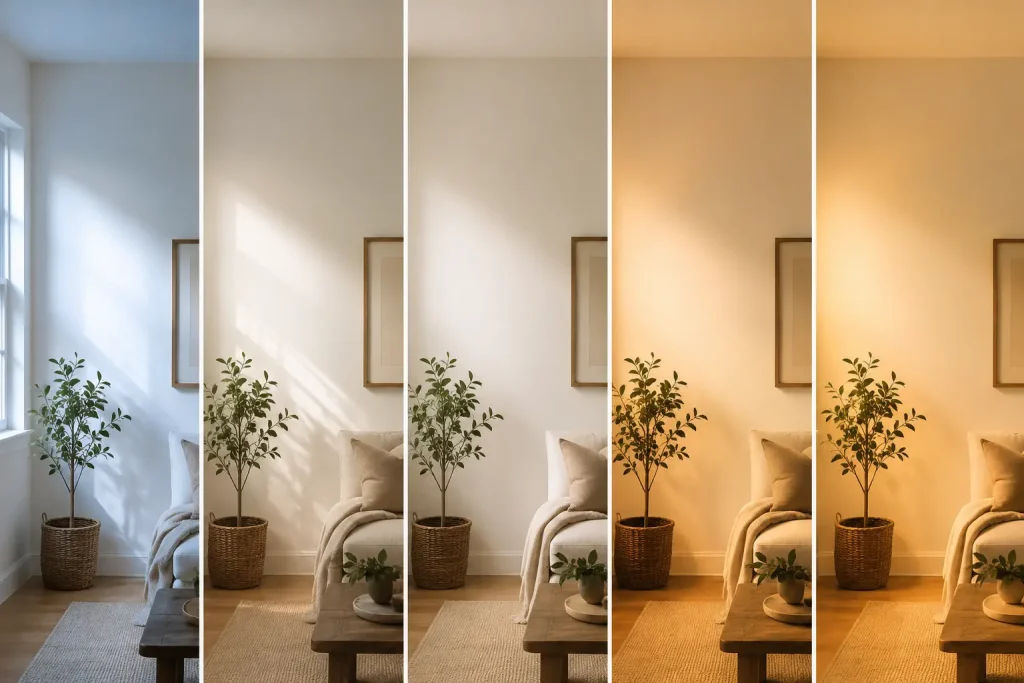
White paint looks best in some lights. Paint isn’t a thing unto itself. It’s going to reflect whatever light is hitting it.
The amount of natural light varies during the day. Morning light is soft and cool, and it makes white fresh and a little sharper. The afternoon light becomes warmer and golden and can soften that same shade and bring out creamy tones.
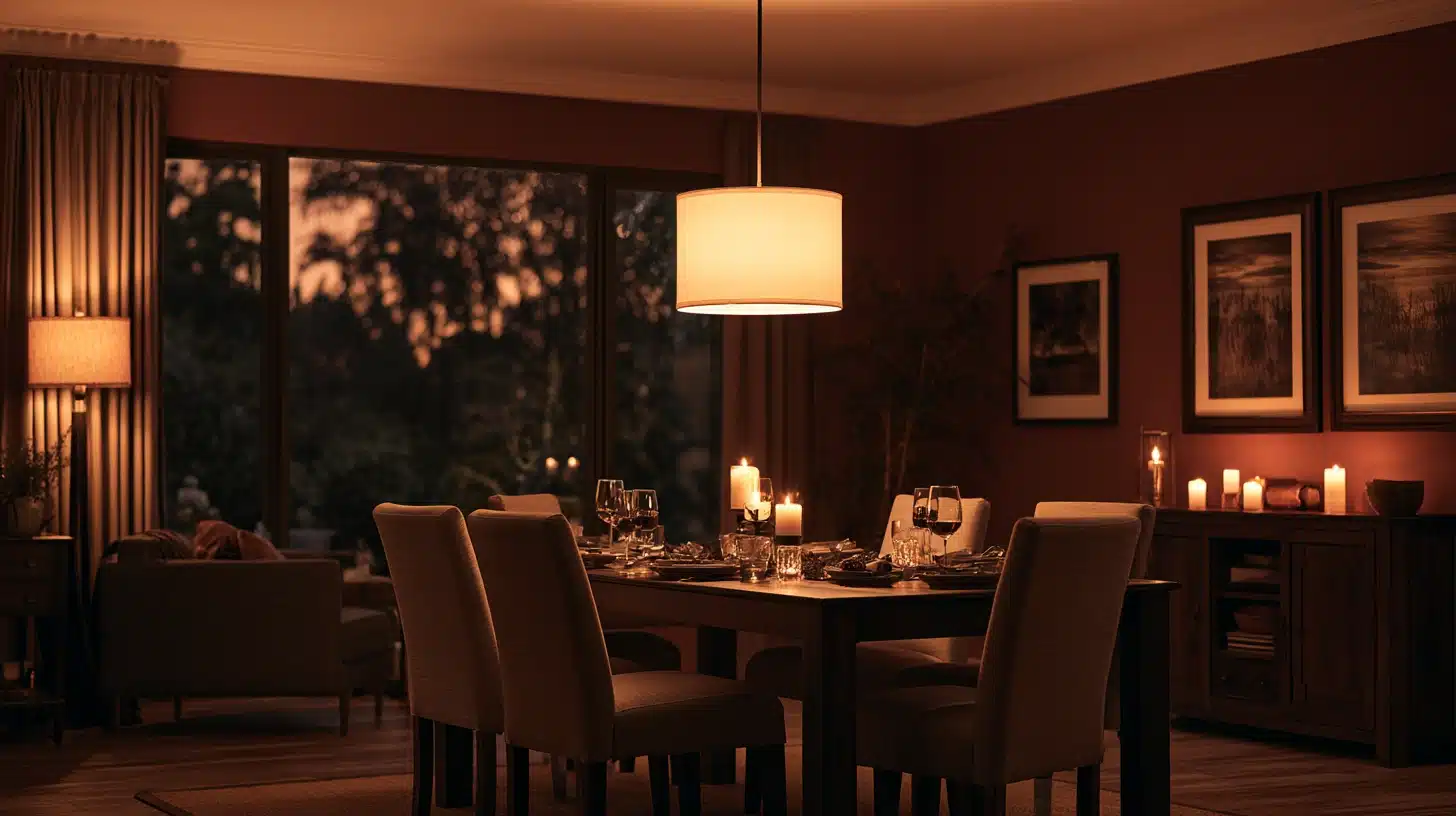
Also, artificial lighting is very important. There are various color temperatures of LED bulbs. But bluish or gray, cool lighting can make white look brighter. The same paint will take on a cozy yellow hue with warm lighting, creating a softer, more inviting feel. Even the placement of the lamp matters because shadows and highlights change the perception of the wall.
Room Direction Changes Everything
The direction of a room can have a big impact on how the white paint appears.
North-facing rooms receive indirect cooler light. White paint in these spaces often looks muted, or a little gray. Even warm whites can appear cooler than you anticipate.
The rooms that face south get steady warm sunshine throughout the day. It makes white paint brighter, softer and sometimes a little creamy.
East-facing rooms are bright in the morning, but dim later in the day, while west-facing rooms are the opposite. This means that the same white paint can look different several times in the course of a day.
Undertones Are Always Present
White is often thought of as a neutral color, but most white paints have undertones. They are subtle color hints such as yellow, grey, blue or pink.
Often these undertones are difficult to see on a small paint sample but show up on large walls. A warm white can look creamy in sunlight, or a cool white might be a little gray or blue.
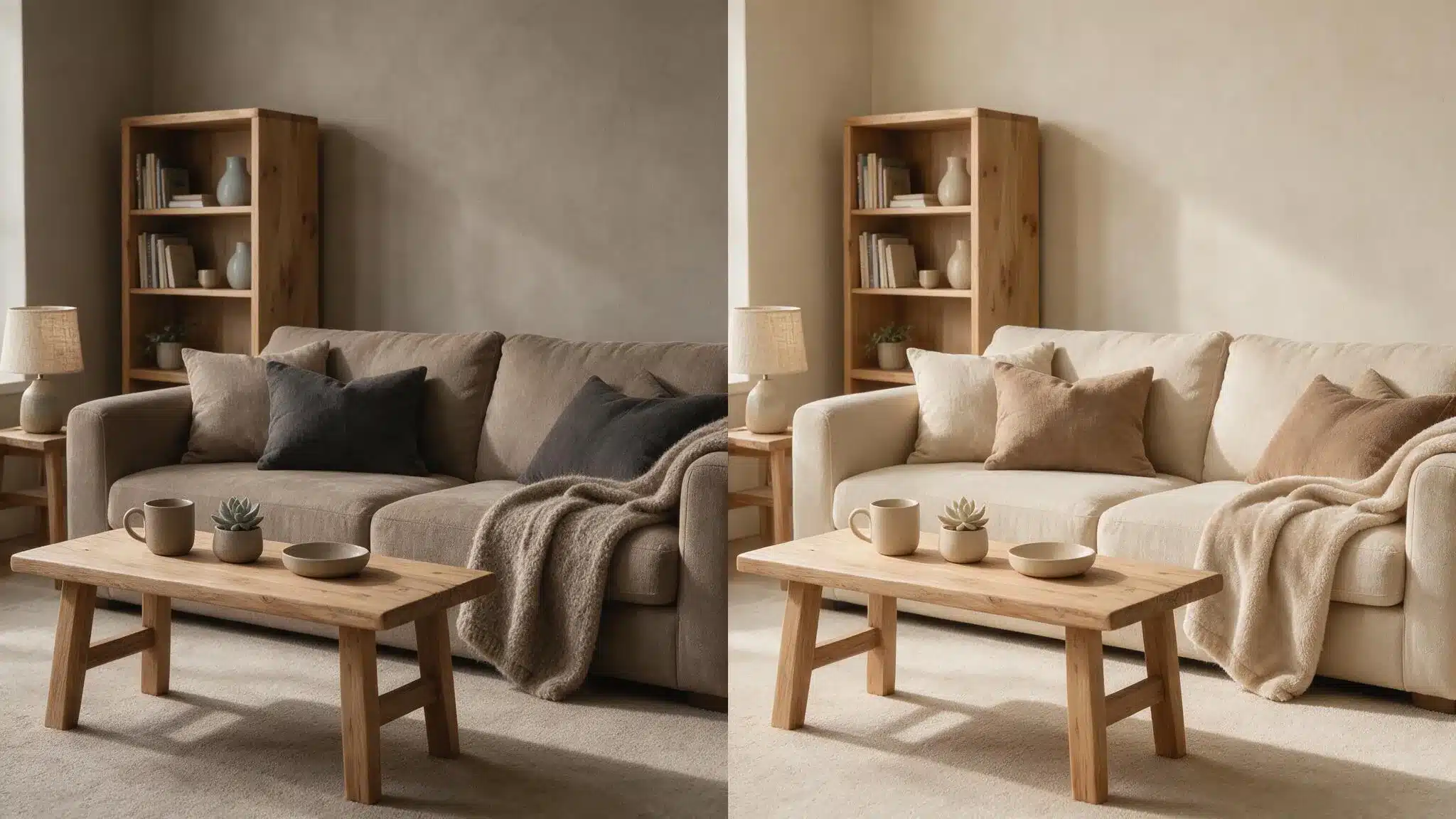
Undertones are also affected by the surrounding things. Warm wood furniture can make white look yellower; cool-toned decor such as metal or gray surfaces can push it toward a cleaner, sharper look.
Wall Finish and Texture Matter
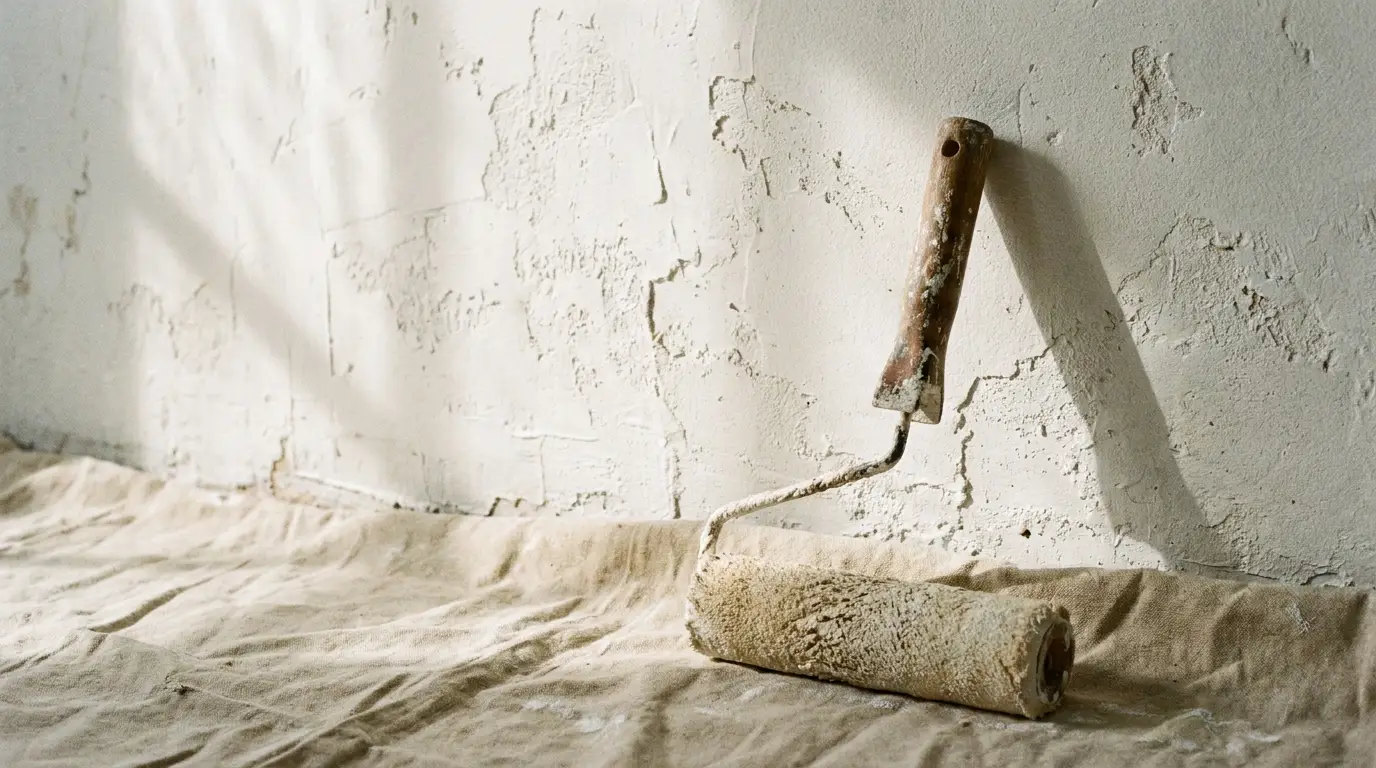
The way light reacts to the paint will depend on the paint finish. Matte finishes absorb more light, so white will appear softer and less reflective. Satin finishes and eggplant throw off more light, making things look brighter and cleaner. Semi-gloss finishes add even more reflection, which can make white look very sharp.
Wall textures also change perception. A smooth wall reflects light evenly. A textured wall or an older wall scatters the light in different directions. This can result in subtle differences in the appearance of the same white paint on a surface.
Surrounding Colors Influence Perception
White paint is always affected by its environment. It does not exist on its own; it reacts to colors around it.
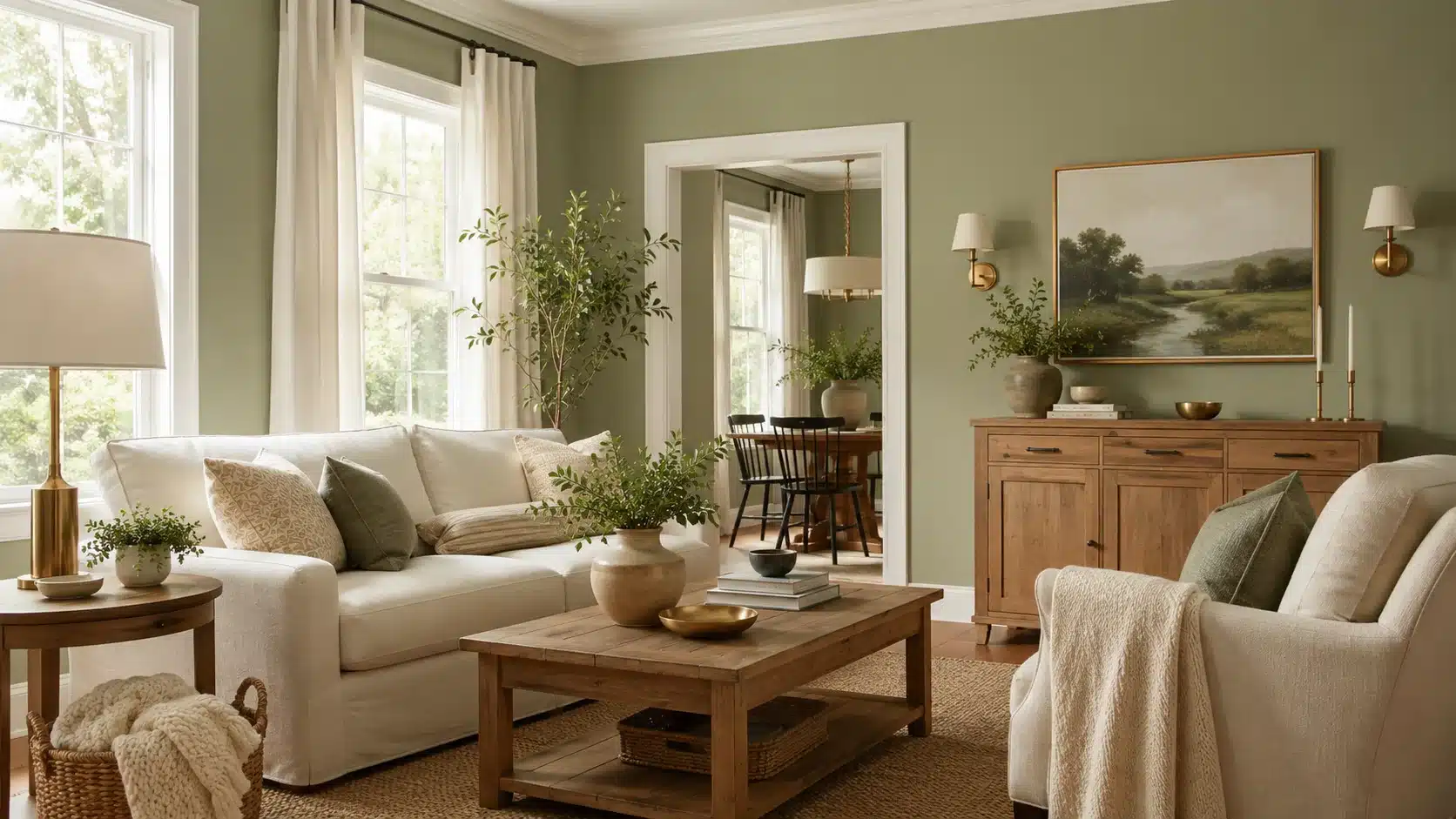
Dark furniture makes white walls seem brighter by contrast. White walls can be tempered with light-colored furnishings. Wood tones are among the most impactful; warm woods can make white look creamy, while cool materials such as stone or metal can shift white to a more neutral or cool-toned look.
That is why white paint can feel very different depending on an overall room design.
Sample Testing Can Be Misleading
Paint samples are confusing because they are too small to show the full effect. A small patch on a wall is not an indication of how the lighting, undertones and surroundings interact.
The position of a sample is also important. A sample by a window will look different from one in a shaded corner. For a better understanding, make sure you test paint in more than one spot and at different times of the day.
Why White Paint Feels Inconsistent
White paint is an uneven product. It is very sensitive to its surroundings. Instead of a fixed color, it is more like a surface that reflects everything around it.
Lighting, direction, undertones, finishes and surrounding colors all contribute to the final look. This is why the same white paint can look completely different from one home to the next.
Final Thoughts
It’s not about finding the perfect shade for everyone when choosing a white paint. It’s about knowing how that color will perform in your specific space. Add in lighting, room direction, undertones, finishes, surrounding colors and white paint, and it is much more predictable.
Rather than looking for the same results everywhere, you can select a white that works with the natural conditions and design of your home. This technique allows you to create a balanced, comfortable environment where the paint does not compete with the environment but rather complements it.