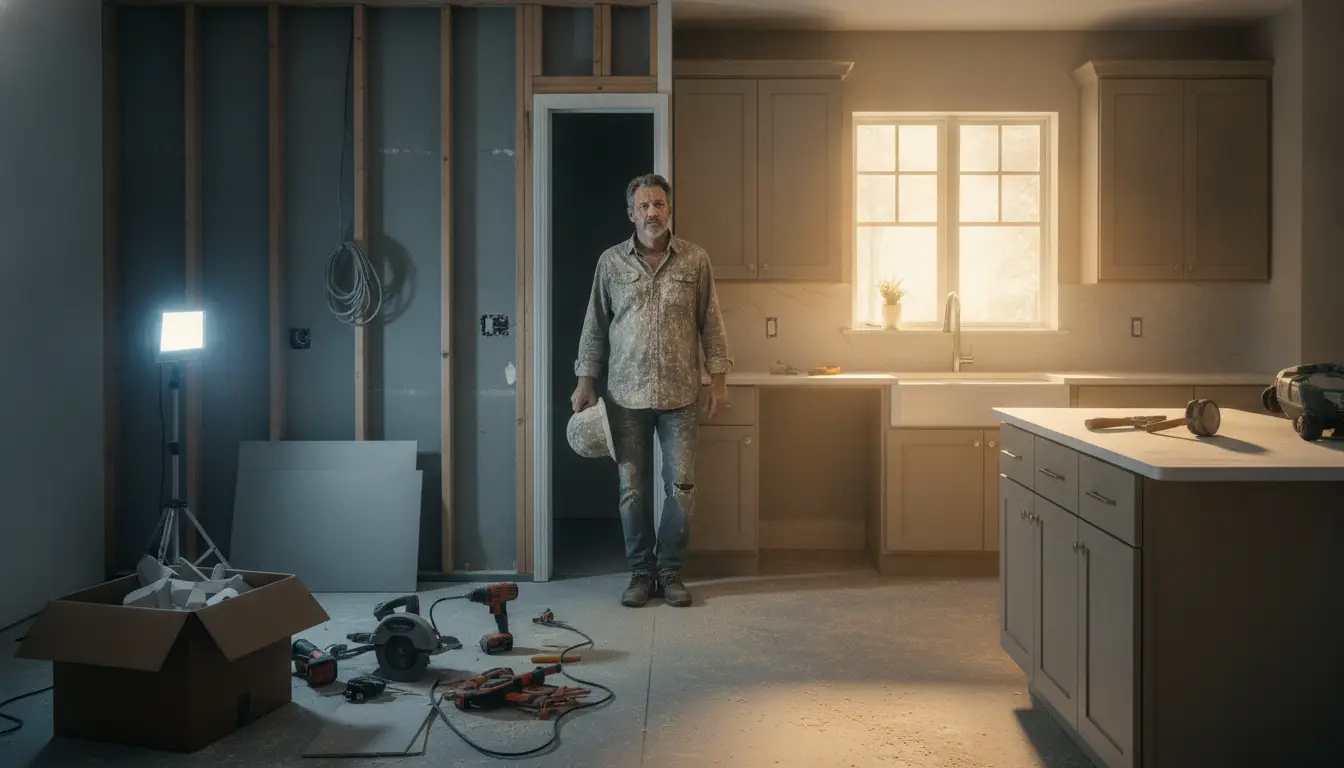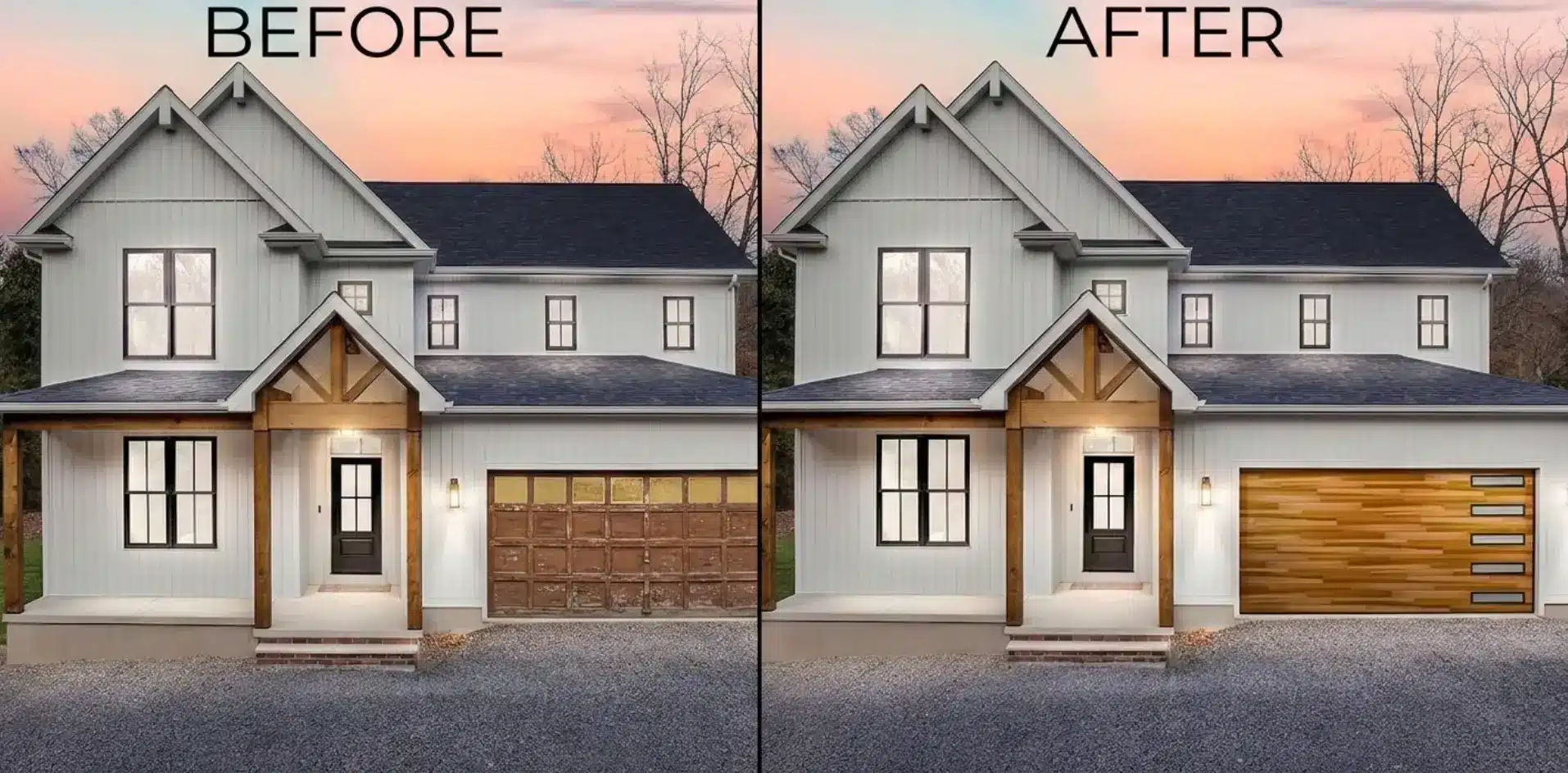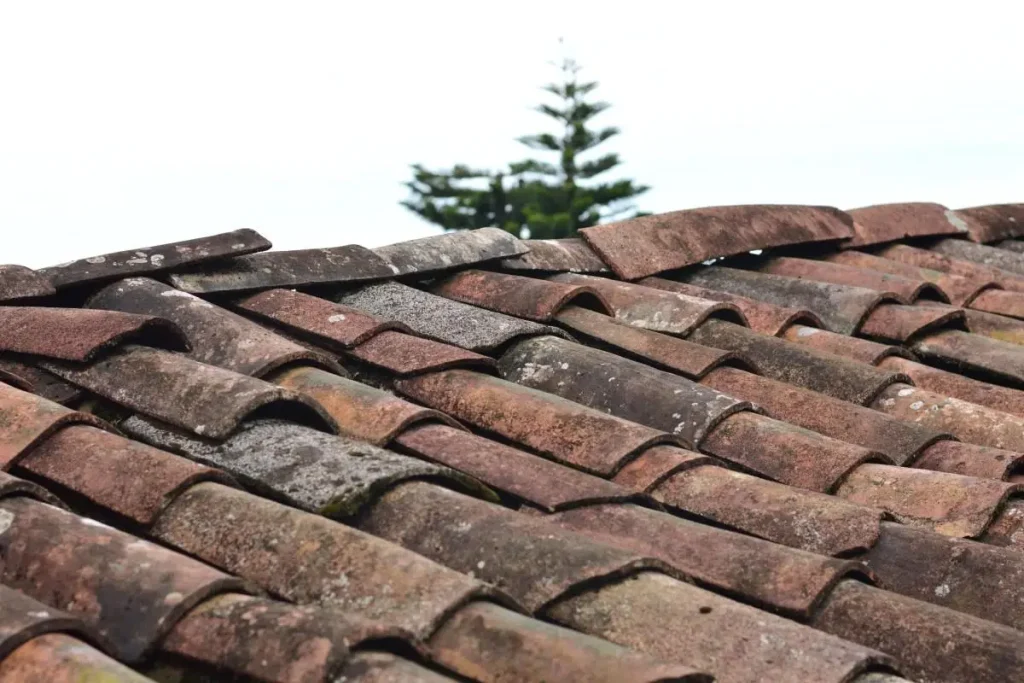
Your roof faces sunlight, wind, rain, snow, ice, and changing temperatures throughout the year. Even a small defect might let water enter and damage materials beneath the surface. A loose shingle today might lead to wet insulation, rotting wood, or ceiling stains later.
Roofing system protection starts with understanding how each part of the roof works. Shingles, flashing, decking, sealants, ventilation, and gutters must work together. When one component fails, the rest of the system faces greater stress.
Why Roofing System Protection Matters
Small roof problems rarely stay small. Cracked shingles expose the underlayment. Clogged gutters force water toward the roof edge. Damaged flashing creates openings around vents, chimneys, and valleys.
The best roofing contractors in Bourbonnais, Illinois, and the communities of Kankakee County inspect the complete roofing system, identify hidden defects, and explain which repairs need immediate attention. Regular inspections and prompt service support roof damage prevention.
Delaying service often leads to more roof system damage. Water spreads through the decking and insulation before visible stains appear indoors. Early repairs protect the structure and reduce the risk of extensive restoration work.
Damaged, Missing, or Cracked Shingles
Shingles form the first layer of defense against the weather. Age, strong winds, hail, heat, and poor installation all weaken them.
Missing roof shingles leave the underlayment exposed to rain and sunlight. Cracked roof shingles let water enter through narrow openings. Curling edges also allow wind to lift nearby materials.
UV damage to shingles dries protective oils and speeds up roofing material wear. Repeated temperature changes cause expansion and contraction, which leads to splits, loose seals, and surface damage.
Inspect your roof from the ground after severe weather. Look for empty areas, lifted edges, dark patches, and granules near downspouts.
Roof Flashing and Sealant Failure
Flashing protects roof joints and openings. You often find it around chimneys, vents, skylights, valleys, and roof edges.
Roof flashing damage develops when metal bends, rusts, separates, or pulls away from the surface. Water then enters through these weak areas.
Roof sealant failure creates similar problems. Sealant dries and cracks after long exposure to sunlight and changing temperatures. Repairing failed seals supports roof leak prevention and protects nearby decking.
Clogged Gutters and Poor Drainage
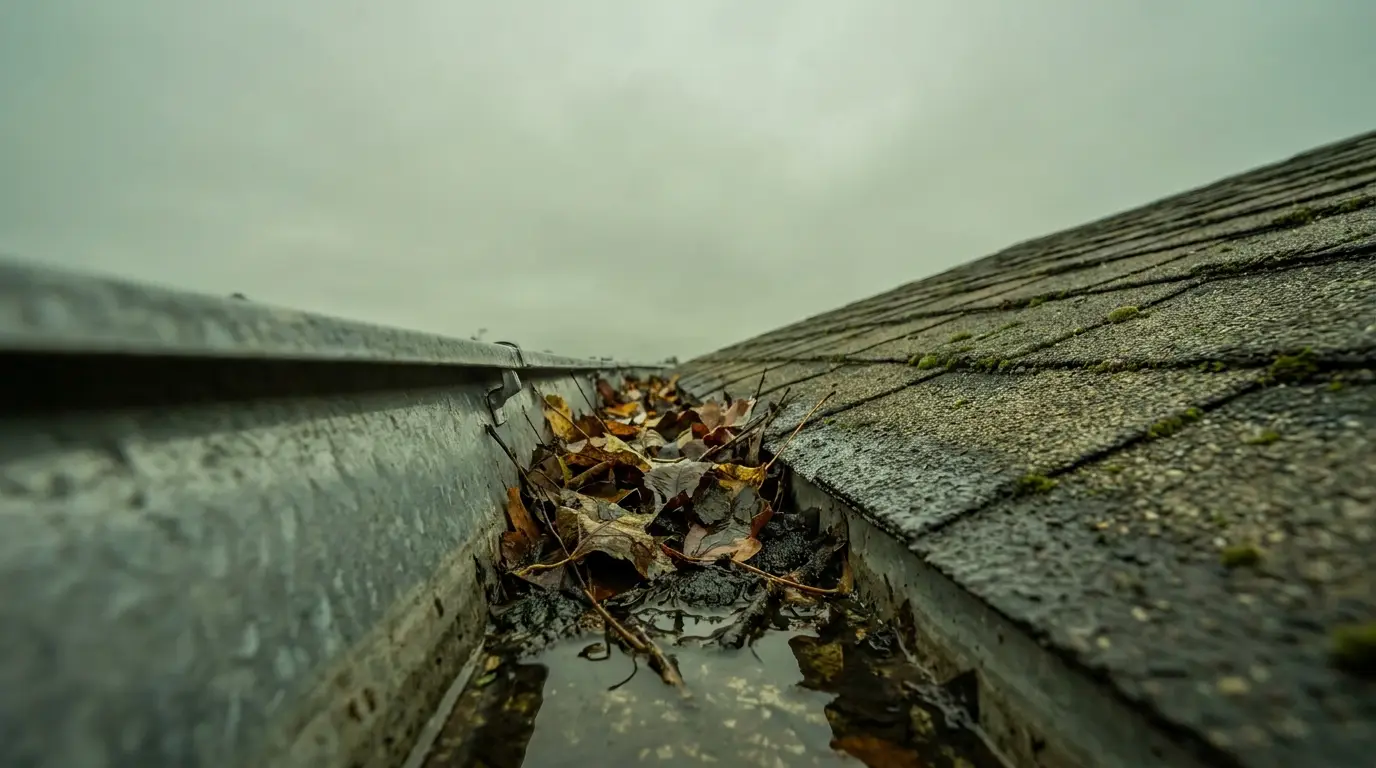
Gutters move rainwater away from your roof, siding, and foundation. Leaves, twigs, dirt, and roofing granules block this path.
Clogged gutters cause water to overflow or collect near the roof edge. Poor roof drainage also sends moisture beneath shingles and behind fascia boards. During winter, trapped water freezes, and places added pressure on roofing materials.
Clean gutters during seasonal changes and after heavy storms. Make sure downspouts direct water away from the property. Repair loose, sagging, or separated gutter sections before the next rainfall.
Roof Leaks and Water Intrusion
A roof leak often starts through a small crack, loose fastener, failed seam, or damaged shingle. Water then follows the decking, rafters, and insulation before reaching the ceiling.
Common indoor signs include stains, peeling paint, musty odors, damp insulation, and dark marks in the attic. These signs often appear far from the original opening.
Repeated water exposure leads to roof decking damage. Soft wood, rot, and weakened fasteners reduce structural strength. A sagging roof deck requires prompt professional attention.
Poor Roof Ventilation
Roof ventilation helps release attic heat and moisture. Blocked, damaged, or poorly placed vents trap both inside the attic.
Roof ventilation problems increase indoor cooling demand during summer. Excess heat also dries shingles and speeds up roof deterioration.
During colder weather, warm indoor air enters the attic and meets cold roof surfaces. This creates roof condensation issues. Attic moisture buildup then affects insulation, wood framing, and fasteners.
Dark stains, damp wood, musty odors, and roof mold problems often point to poor airflow or an active leak. A roofer should inspect both possibilities.
Storm-Related Roof Damage
Wind, hail, heavy rain, falling branches, and flying debris cause sudden roof damage. Some signs look obvious. Others require a close inspection.
Hail damage to roofing often leaves dents, cracks, and missing granules. Wind damage to roof surfaces lifts shingles, breaks seals, and loosens flashing. Tree damage to roof areas might puncture shingles or weaken decking.
After severe weather, scheduling storm damage repair in Bourbonnais, Illinois, and the communities of Kankakee County helps identify affected materials and protect exposed areas before the next rainfall. The inspection should determine whether the roof needs targeted repairs or broader restoration work.
Snow and Ice Damage
Snow adds weight to roofing structures. Wet, compacted snow places greater pressure on weak decking and framing.
Ice dam roof damage starts when heat escapes through the attic and melts snow on the upper roof. Water moves toward the colder edge and freezes again. The growing ice barrier traps water behind it and pushes moisture beneath shingles.
Good attic insulation, proper ventilation, and clear gutters reduce this risk. Remove heavy snow through safe professional methods when accumulation places stress on the structure.
Moss, Algae, and Debris Buildup
Debris buildup on roof surfaces traps moisture and blocks drainage. Leaves and branches often collect in valleys, behind chimneys, and near roof edges.
Moss and algae growth also hold moisture against shingles. Moss roots lift shingle edges and create paths for rainwater. Dark algae streaks affect appearance, while persistent dampness contributes to material wear.
Avoid aggressive pressure washing because it damages shingle surfaces. Ask a roofing professional about suitable cleaning methods for your roofing material.
Improper Installation and Poor Workmanship
Improper roof installation creates problems long before materials reach the end of their expected service life.
Common errors include weak fastening, uneven shingle alignment, missing underlayment, poor flashing placement, and blocked ventilation. Poor roofing workmanship also leads to recurring leaks and early material failure.
Review contractor insurance, local references, product knowledge, warranties, and written estimates before hiring. The project scope should explain materials, installation methods, payment terms, and cleanup.
Lack of Preventive Maintenance
Lack of roof maintenance allows small defects to grow unnoticed. Delayed roof repairs often lead to wet insulation, damaged decking, interior stains, and higher service costs.
A roof inspection checklist should cover shingles, flashing, sealants, gutters, vents, drainage, attic moisture, decking, and visible structural concerns.
Schedule preventive roof maintenance after major storms and during seasonal changes. Homeowners in Bourbonnais and nearby Kankakee County communities can work with roofing contractors such as N & I Roofing to inspect shingles, flashing, gutters, ventilation, and other areas that commonly weaken over time. Trim nearby branches, keep gutters clear, and address loose materials or drainage issues promptly.
How Does Roofing System Protection Prevent Long-Term Damage?
Roofing system protection reduces deterioration by addressing small problems before they spread. Clean gutters control water. Proper ventilation manages heat and moisture. Sound shingles and flashing keep rain outside. Regular inspections reveal hidden defects.
Start by checking your roof from the ground. Look for missing shingles, loose flashing, sagging gutters, debris, stains, and damaged edges. Check the attic for moisture, odors, and dark wood.
Then schedule a professional roof assessment. A clear maintenance plan supports extending roof lifespan, protects your property through each season, and lowers the risk of costly structural damage.