The week after a long-distance move is the worst possible time to make color decisions. You’re tired, the boxes are everywhere, the light in the new house doesn’t behave the way it did on your walk-through, and the first instinct is usually to keep the previous owner’s paint just to stop looking at it. That’s how people end up living with colors they don’t love for three years before finally repainting. The households who enjoy their new home from day one almost always did the color work in advance: paint picked, swatches tested, and either pre-scheduled painters or a weekend blocked out for the first rooms.

The color plan benefits from coordinating it with the logistics plan rather than treating them separately. If you’re hiring long distance movers from Coastal Moving Services and the delivery window is known, that’s the window to pre-schedule painters to hit the empty house before boxes arrive. Most painters need 5-7 business days of advance notice; most long-distance moves give you 2-4 weeks of visibility. The timing works if you plan ahead, and the difference between moving into a painted home versus a not-yet-painted one is enormous. Here’s how to build the color plan.
Why Does Pre-Move Color Planning Beat Post-Move?
The common assumption is that you need to live in a space to know what colors work. That’s true for optimization over time, but not for the initial palette choice, and waiting costs you more than it saves.
Three reasons to commit to the palette before arrival:
Empty rooms are the only time painting is easy. Once furniture and boxes are in, painting requires moving everything twice, masking more, and living in construction dust. The empty week between move-out and move-in is the single easiest time to paint a whole house, and it’s usually the last time it’ll be empty for years.
Color decisions made under move-stress are worse decisions. The cognitive load of a long-distance move is high enough that adding “pick colors for every room” on arrival day leads to rushed choices you’ll regret. Pre-moving gives you calm planning time.
Contractor availability is planned around visibility. Painters book 2-4 weeks out in most markets. If you want them to hit the house during the move window, you need to book before you arrive, not after. The math only works with advance commitment.
How Do You Build a Whole-House Palette You Won’t Regret?
The whole-house palette is a single decision with per-room flex, not five independent room decisions. The households who get this right pick 2-3 anchor colors that appear throughout the home in varying proportions, plus per-room accent options.
A workable structure:
Anchor 1: Main wall color (65-70 percent of visible wall space). A warm or cool neutral that carries through hallways, living areas, and most bedrooms. Examples: Sherwin-Williams Accessible Beige, Benjamin Moore Swiss Coffee, or a soft off-white like Alabaster paired with pure white trim.
Anchor 2: Trim and ceiling color (15-20 percent of visible surfaces). Usually one consistent trim color throughout the home for cohesion. Pure white or a slightly warmer white that picks up the wall undertone.
Anchor 3: Secondary wall color (10-15 percent, used in accent rooms). Used in specific rooms like dining rooms, powder rooms, or home offices where you want contrast. Darker or more saturated than the main wall color.
Accent flex: Per-room flexibility for kitchens (where cabinets dominate), bathrooms (where tile dominates), and kids’ rooms (where personality matters). These rooms can deviate from the main palette without breaking the overall scheme.
Research on residential color trends from organizations like the National Association of Home Builders tracks how color choice interacts with resale value; even if you’re planning to stay long-term, palette choices that hold up to market preferences protect flexibility later.
How Should You Test Colors Before the Movers Arrive?
The temptation to pick colors from an online swatch or a paint chip is high but usually leads to disappointing results. Colors look different in your specific home’s light than on a screen or a store chip.
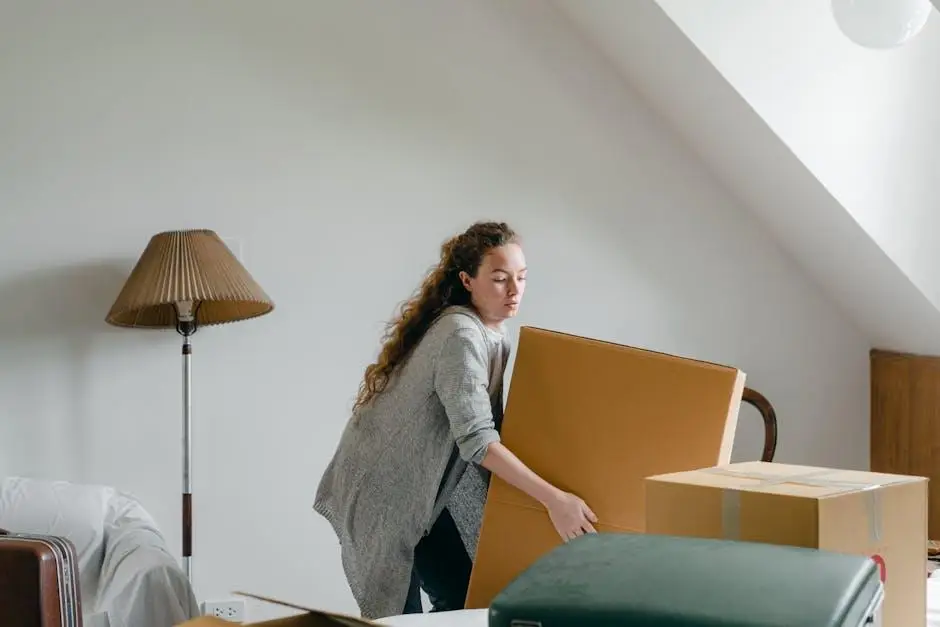
Photo by Ketut Subiyanto on Pexels
Alt text: Moving boxes in a freshly painted room with soft sage green walls
A testing workflow that takes 1-2 hours and saves years of regret:
- Order large (12×12 inch) peel-and-stick swatches from the paint manufacturer. Sherwin-Williams and Benjamin Moore both sell them. Regular paint chips are too small to evaluate.
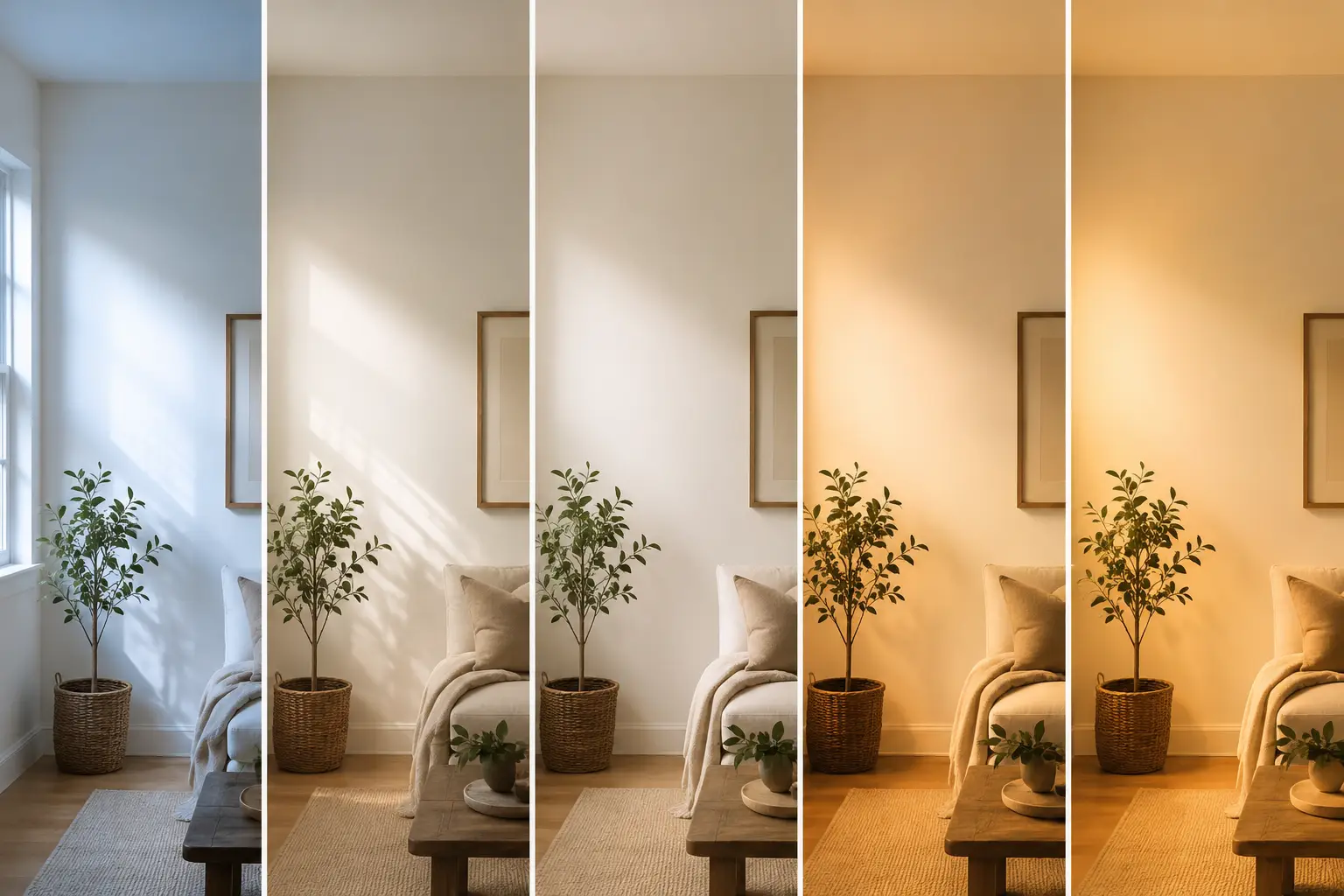
- Mount them on each target wall for 48 hours. The same color reads differently at 8 AM, 1 PM, and 7 PM. Judgment from one visit misses the afternoon light problem.
- Photograph each option under each light condition. Phone photography flattens subtle differences that matter in person, but is useful for comparing options.
- Consider existing floors and fixed elements. If floors are staying (common for new-home moves), the wall color needs to harmonize, not fight. Bring a floor sample to the paint store for cross-checking, and consult specific pairings like the best wall colors for gray floors before committing to the room’s anchor.
- Commit to the anchor palette first. Get anchors locked before chasing accents. Accents are easier to change later.
What Are the Common Pre-Move Color Mistakes?
After enough moves and enough regrets, certain patterns show up.
Picking trend colors that won’t age. Every year has a “color of the year” that dominates design press. Most of them look dated within 36 months. Picking timeless neutrals and using accents for trend expression ages better.
Ignoring the home’s architectural period. Painting a 1920s Craftsman in minimalist grays fights the architecture; painting a midcentury ranch in heavy Victorian tones does the same. Match the palette to the bones of the home.
Under-estimating the light variation. A color that reads warm-neutral in a south-facing room reads cold-gray in a north-facing one. The same paint needs to work in both if you’re using it as an anchor.
Ignoring fixed finishes you can’t change. Cabinets, countertops, tile, and floors usually stay. Building the palette around them rather than against them avoids costly renovation fights later.
Shopping for the price instead of the finish. Premium paints cover better, last longer, and clean better. The per-gallon savings of contractor-grade paint evaporate quickly when you’re repainting high-touch areas every 2-3 years.
Regional housing-pattern data from US Census housing reports can inform the choices indirectly, particularly for new-construction moves where builder-grade finishes inform the starting palette constraints you inherit.
What’s the Right Order to Tackle Rooms on Day One?
If you’re not able to pre-paint the whole house, the room-priority order matters.
- Living room and entryway first. These are the rooms you see most; they set the tone of the home.
- Primary bedroom second. Daily exposure + sleep quality justify getting this right early.
- Kitchen third (but only if cabinets don’t dominate). If cabinets are the visual focus, wall color is lower priority.
- Primary bathroom fourth. Small space, high personal time spent.
- Kids’ rooms later. They’ll want a say and tastes change fast.
- Dining room, office, powder room last. Lower daily exposure means you can live with the existing paint longer without fatigue.
What to Remember
- Pre-move color planning produces better decisions than trying to decide during unpacking
- Work with 2-3 anchor colors applied across 80-85 percent of visible wall space for whole-home cohesion
- Test with large peel-and-stick samples under multiple light conditions before committing
- Timing the painter to match the moving window (usually possible with 2-3 weeks of notice) captures the empty-house advantage
- Room priority should favor high-visibility, high-daily-time spaces first
The Bottom Line on Pre-Move Color Planning
The households who love their new home from day one almost always did the color decisions while the home was still empty. That requires making the commitment early, booking painters against the move window, and resisting the urge to keep the previous owner’s colors just because you’re tired. The cost difference is trivial. The experience difference is the difference between feeling settled on week one versus feeling like you’re still moving in six months later. Pre-move color planning is one of the cheapest, highest-impact decisions in the whole relocation process. Get it right and the house feels like yours the moment the movers leave.
Frequently Asked Questions
How far in advance should I pick my colors before the move?
Two to three weeks is ideal. This gives you time to order large swatches, test them in the actual space (during a second home visit if possible), and book painters against the move window.
Should I paint the whole house the same color?
Not usually. Two to three anchor colors with per-room flex produces better results than a single-color whole-home palette. Use the main anchor in high-traffic spaces and accent colors in dining rooms, powder rooms, or home offices.
How do I handle ceilings in an old home with uneven surfaces?
Flat-finish white or very pale off-white hides imperfection best. Semi-gloss and satin finishes highlight every flaw in an old plaster ceiling. For smooth modern drywall, any finish works.
Can I paint over dark wall colors from the previous owner without primer?
Usually not. Dark-to-light transitions need a dedicated primer coat (or a high-quality paint-and-primer combo in two coats). Skipping primer leads to ghost-bleed-through that shows up months later in the wrong light.