

You have to start by figuring out whether your gray floor leans warm or cool, then pick a wall color from the opposite temperature family to keep the room from going flat.
Cool gray floors (blue, green, or purple undertones) pair well with warm off-whites and greiges.
Warm gray floors (brown or beige undertones) pair well with soft blues and true whites.
Either way, check the wall color’s LRV (Light Reflectance Value) against your floor’s, since two colors that look similar on a chip can behave very differently once they’re both in the room.
Understanding Gray Floors: Undertones and Types
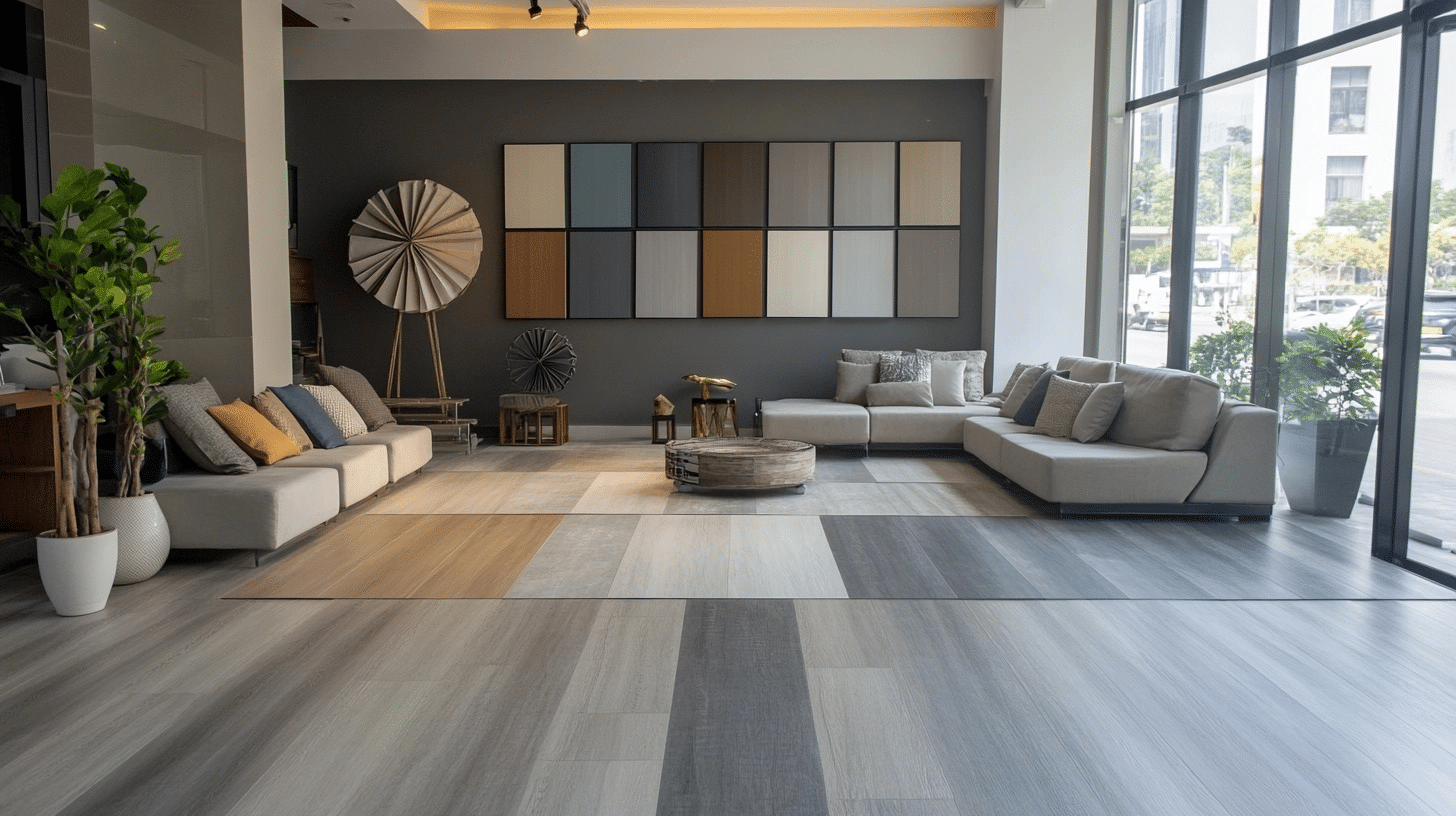
Gray floors come in many shades, each with different undertones that affect how they look in your home.
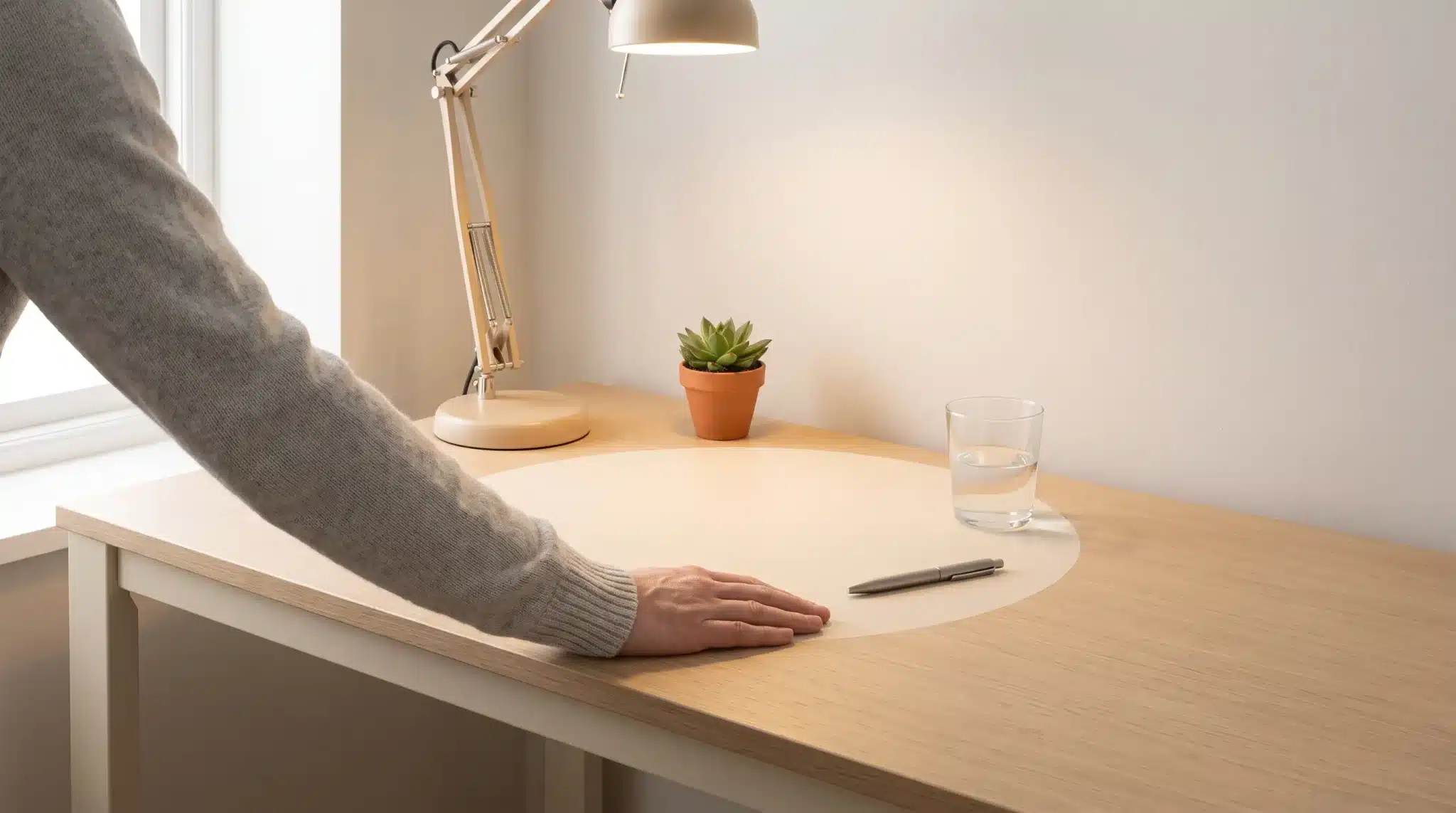
When hunting for the best wall color for gray floors, I first check if my floors lean warm or cool. To do that, lay a plain white sheet of paper against the floor in daylight. Whatever color jumps out against that white is the undertone you’re working with.
Warm gray floors often have brown, beige, or yellow hints. They work well with earthy wall colors that bring out their cozy feel.
Cool gray floors show blue, green, or purple undertones. They pair nicely with crisp whites or soft blues.
There’s also a range of gray floor types to consider.
Luxury vinyl planks offer water resistance and easy care. Laminate offers budget-friendly options that mimic hardwood. Real hardwood with a gray stain brings natural texture, while gray tile works great in kitchens and bathrooms.
Knowing your gray floor’s undertone and type helps narrow down your choices for the best wall color for gray floors.
Should the Floor Stand Out or Blend in?
Before picking a specific color, decide what you want the floor to do.
If you want the gray floor to disappear into the background, pick a wall color close to it in lightness, within about 10 to 15 points of LRV.
If you want the floor to read as a deliberate design choice, go for contrast, a wall color noticeably lighter or darker than the floor.
Most rooms with all-gray palettes (gray floor, gray walls, gray furniture) end up feeling cold and clinical, sometimes called the “hospital effect.”
Adding a warmer wall color, even a subtle one, is usually the fix.
Wall Color Ideas That Pair Beautifully with Gray Floors
Finding the best wall color for gray floors can feel like a big task.
Gray flooring has become a top choice in many homes thanks to its clean look and flexibility. Many wall colors work with gray floors, creating different moods and styles for your space.
From crisp whites to rich blues, the best wall color for gray floors depends on the look you want and the undertones in your flooring. The right match will make your rooms feel put-together and showcase your style.
1. White Walls for a Timeless Look
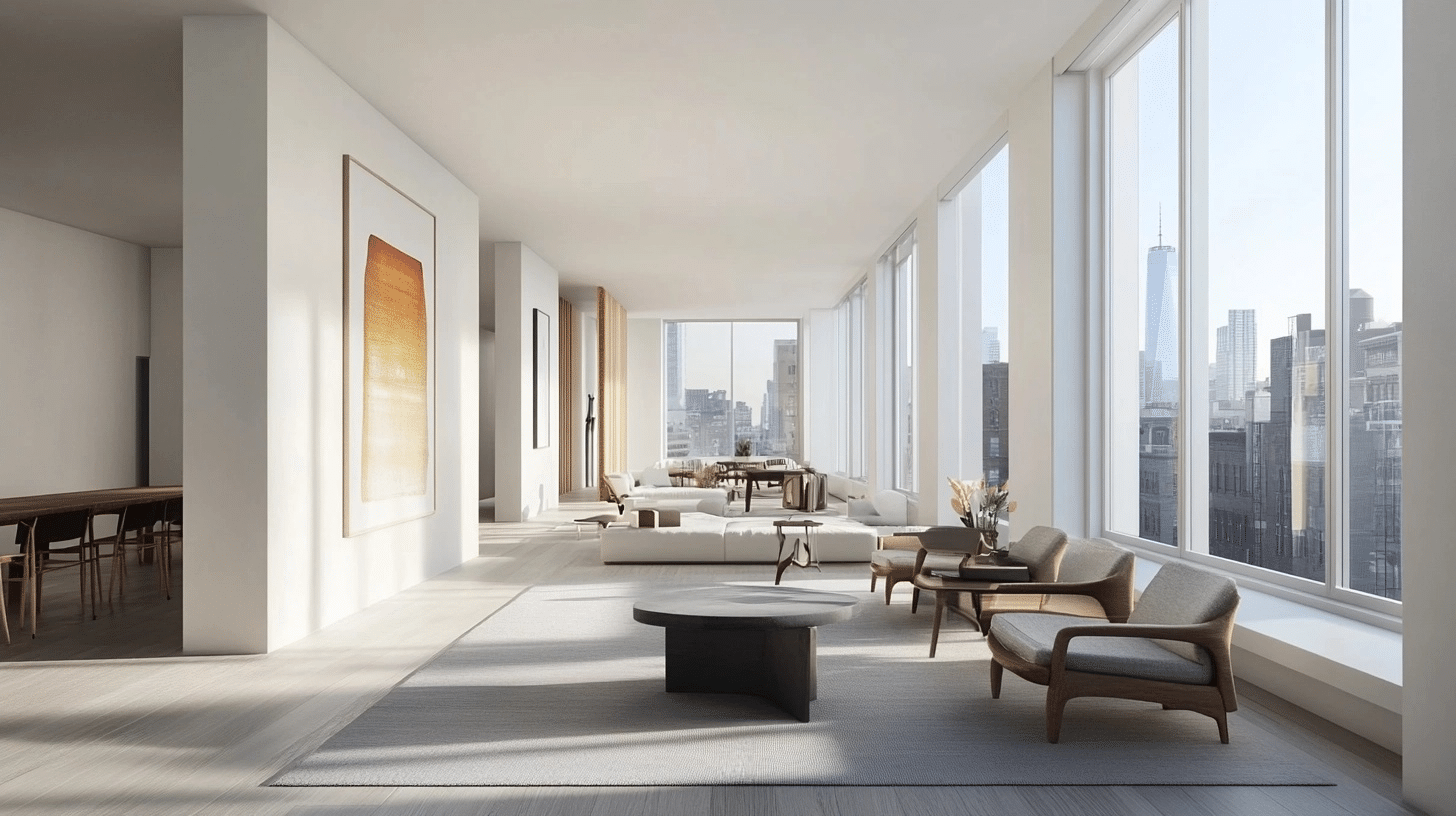
White walls create a clean, fresh look that makes gray floors stand out.
I often recommend whites like Benjamin Moore Chantilly Lace for my clients with gray flooring. This combination works because it lets your furniture and décor take center stage.
When you pair white walls with gray floors, you get a modern base that works with many styles.
Best spaces: Living rooms, bedrooms, and open floor plans benefit from this light-filled combo.
Tip: Test white paint samples at different times of day to see how light affects the pairing with your floors.
2. Soft Off-White and Cream
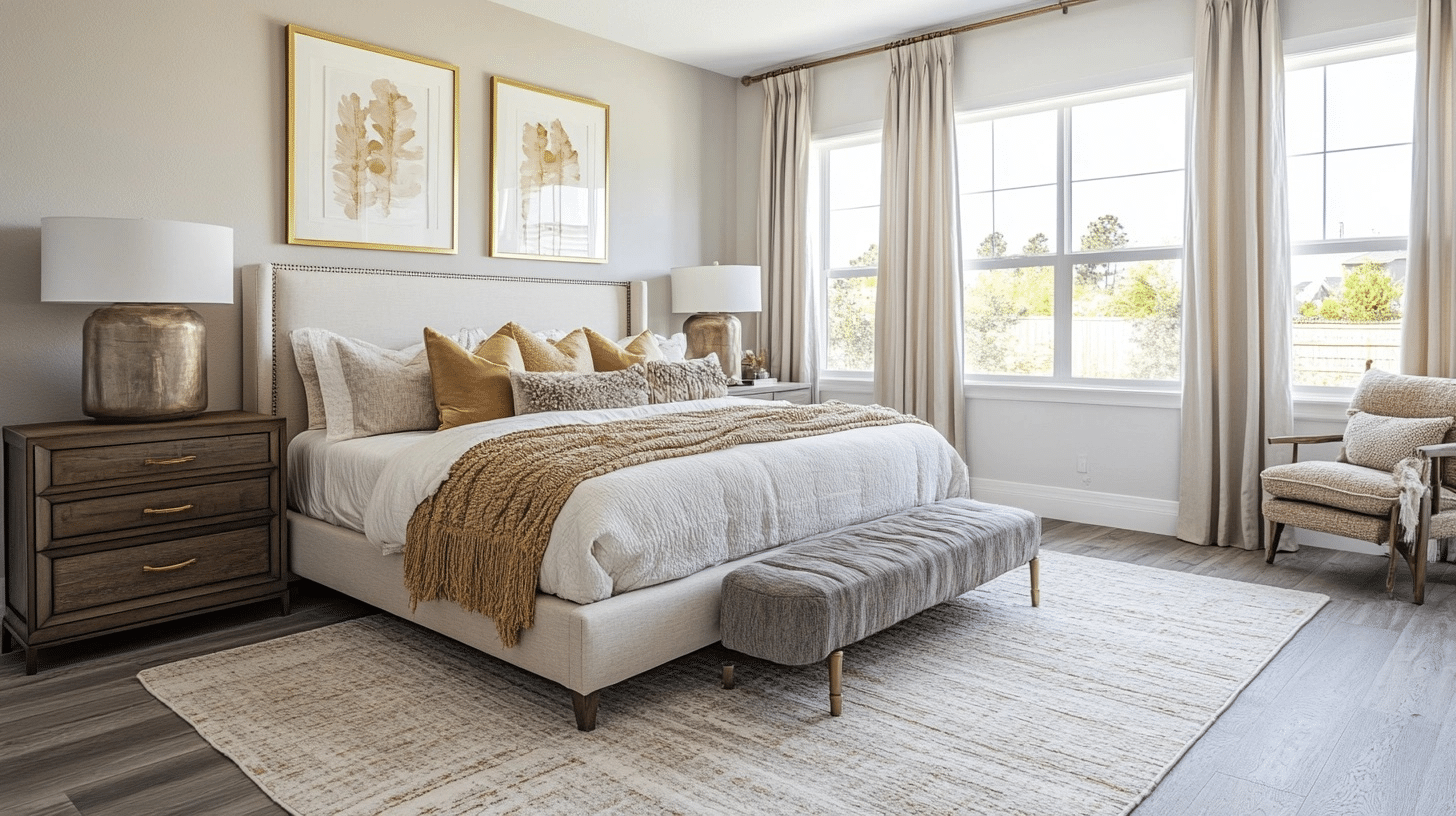
Off-whites and creams bring subtle warmth that pure whites can’t offer. These shades feel less stark while still keeping your space bright and open.
Colors like Sherwin-Williams Pure White or Benjamin Moore White Dove offer just enough warmth without fighting against gray.
3. Greige Walls
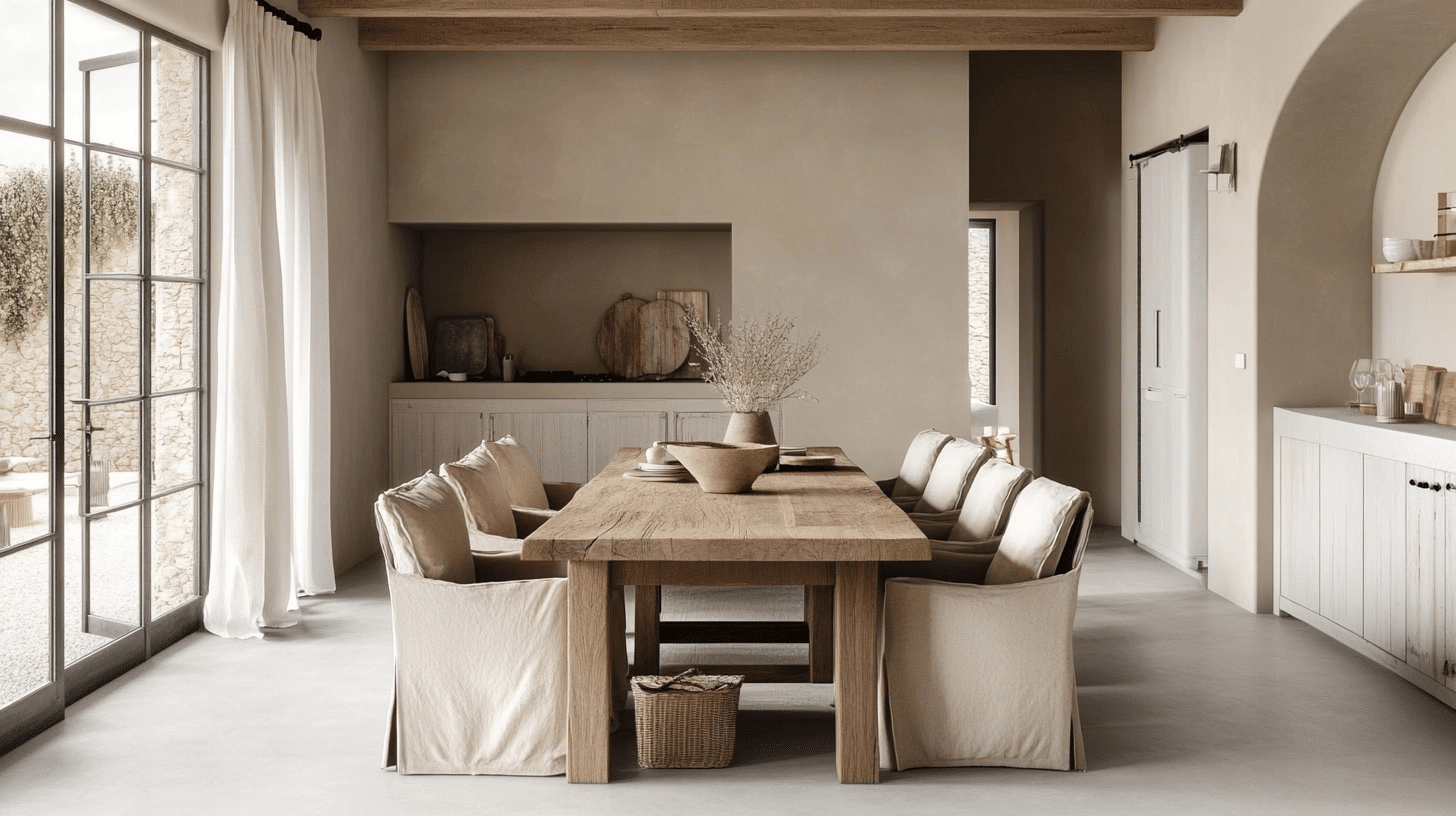
Greige combines gray and beige to create a flexible neutral that plays nicely with gray floors. This combo makes a layered, tonal look that feels pulled together.
I find greige particularly helpful when working with tricky gray floors that have mixed undertones.
The blend of warm and cool elements in greige helps bridge these undertones for a cohesive look. Sherwin-Williams Agreeable Gray (SW 7029, LRV 60) is the most-used greige for exactly this reason.
Best for: Homes with transitional or modern farmhouse styles where you want warmth without going too beige.
Tip: Hold paint samples against your floor in different lighting. Morning and evening light can change how these colors look together.
4. Light Blue Walls
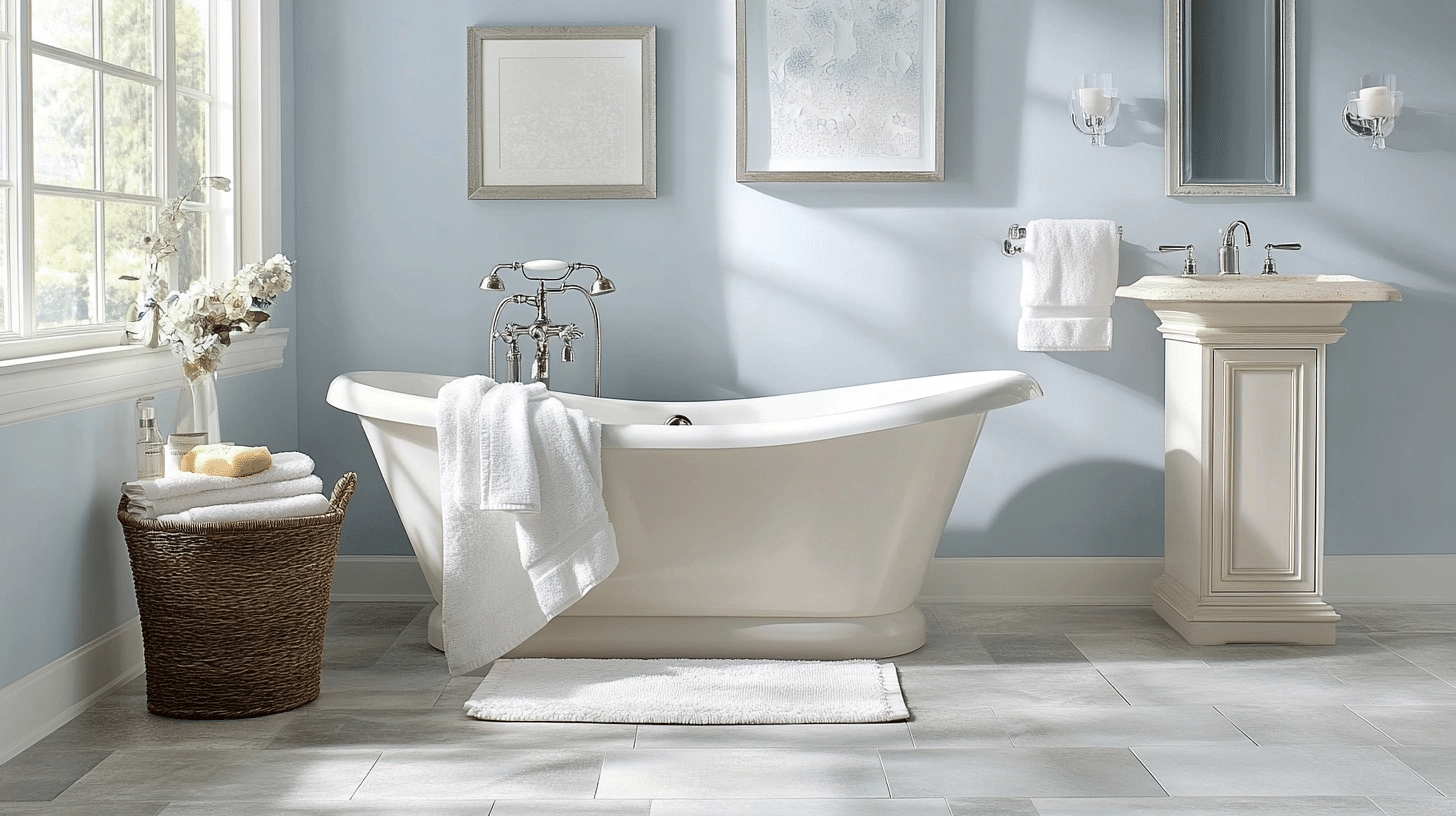
Light blue creates a calm, relaxed feeling when paired with gray floors. The combo reminds me of cloudy skies and misty mornings.
Many of my clients choose this pairing for bedrooms and bathrooms where they want a sense of peace.
Why it works: Both colors share cool undertones, making the pairing feel natural and balanced. The blue adds color without overwhelming the space.
Things to avoid: Bright blues can look too intense and fight with your gray floors for attention. For a specific shade, see our breakdown of Sherwin-Williams Upward.
5. Dusky Blue or Soft Blue
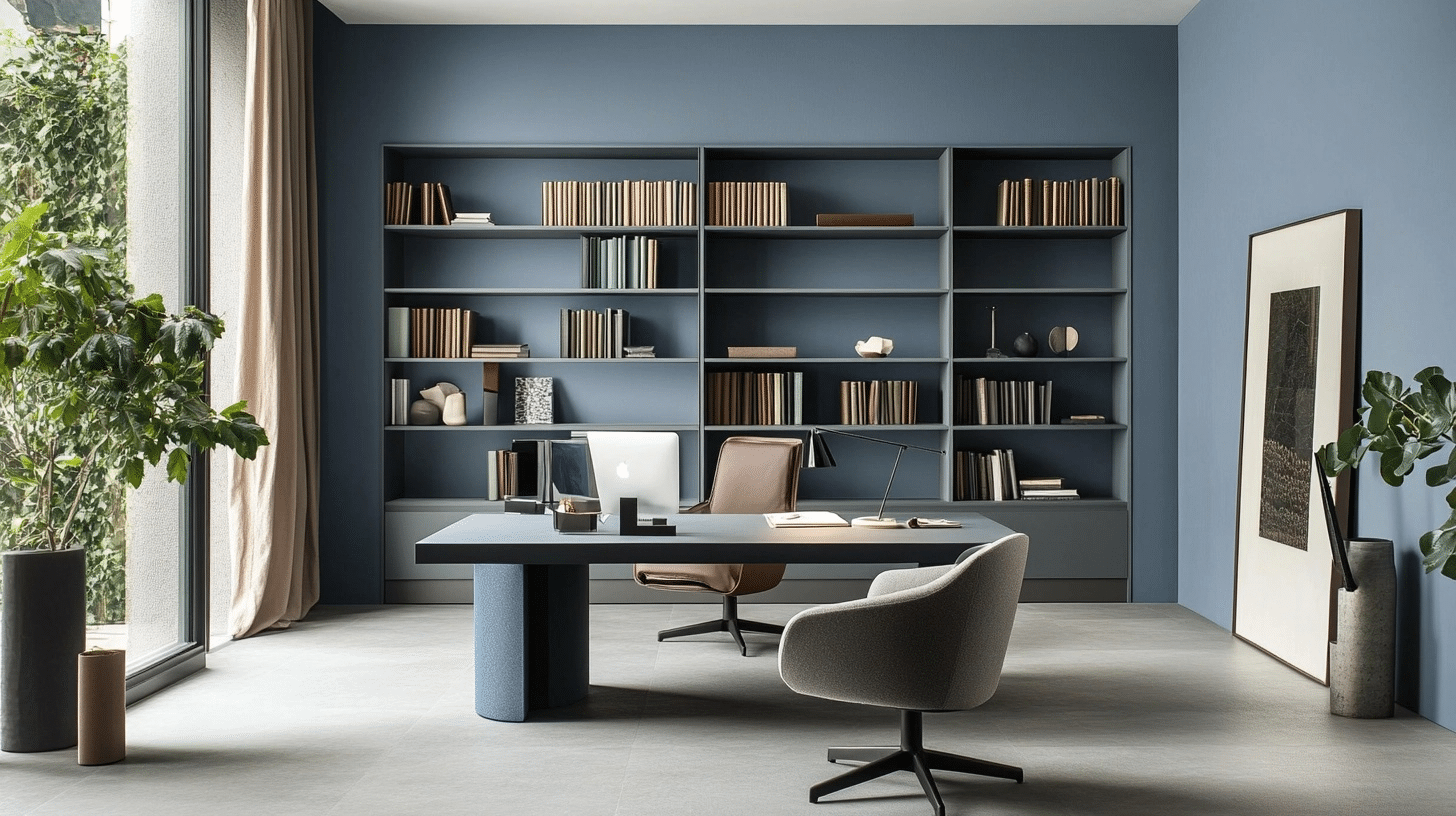
Dusky blue is a mellow, gentle color that beautifully complements gray floors. I’ve used this combo in many bedrooms with great results.
This pairing works in spaces where you want to feel calm and centered. The soft blue walls and gray floors create a base that’s both grounded and airy.
Mood: Relaxing and restful – perfect for unwinding after a long day.
Best for: Bedrooms, nurseries, or reading nooks where you want a peaceful setting.
6. Navy Blue Accent Walls
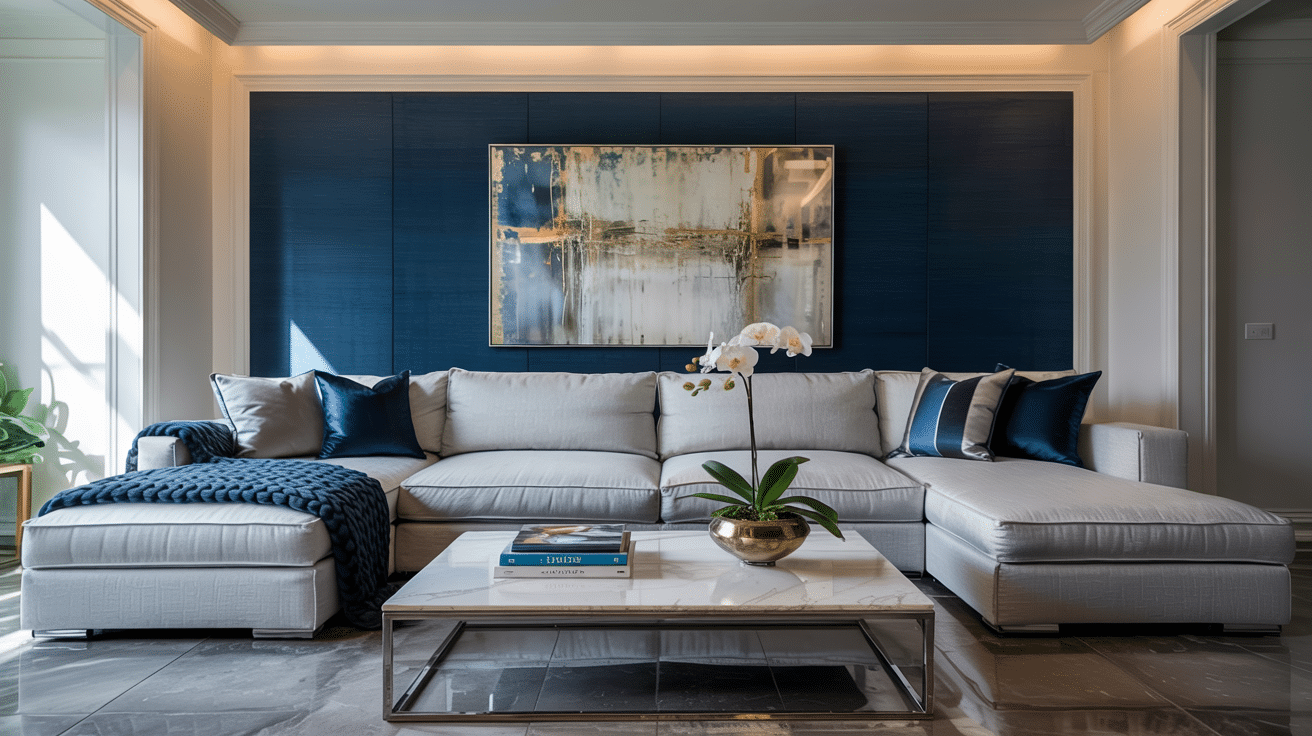
Navy makes a strong statement when paired with gray floors.
This rich, deep blue brings a sense of depth that makes a room feel more finished and pulled together.
Navy tends to work best as an accent wall rather than on all four. This gives the room an impact without making it feel small or dark.
Sherwin-Williams Indigo Batik is one option worth a look, covered in more depth in our Indigo Batik color guide.
Tip: Pair with white trim or wainscoting to keep the space from feeling too dark.
Best for: Living rooms, home offices, or dining rooms where you want a touch of formality.
7. Sage Green Walls
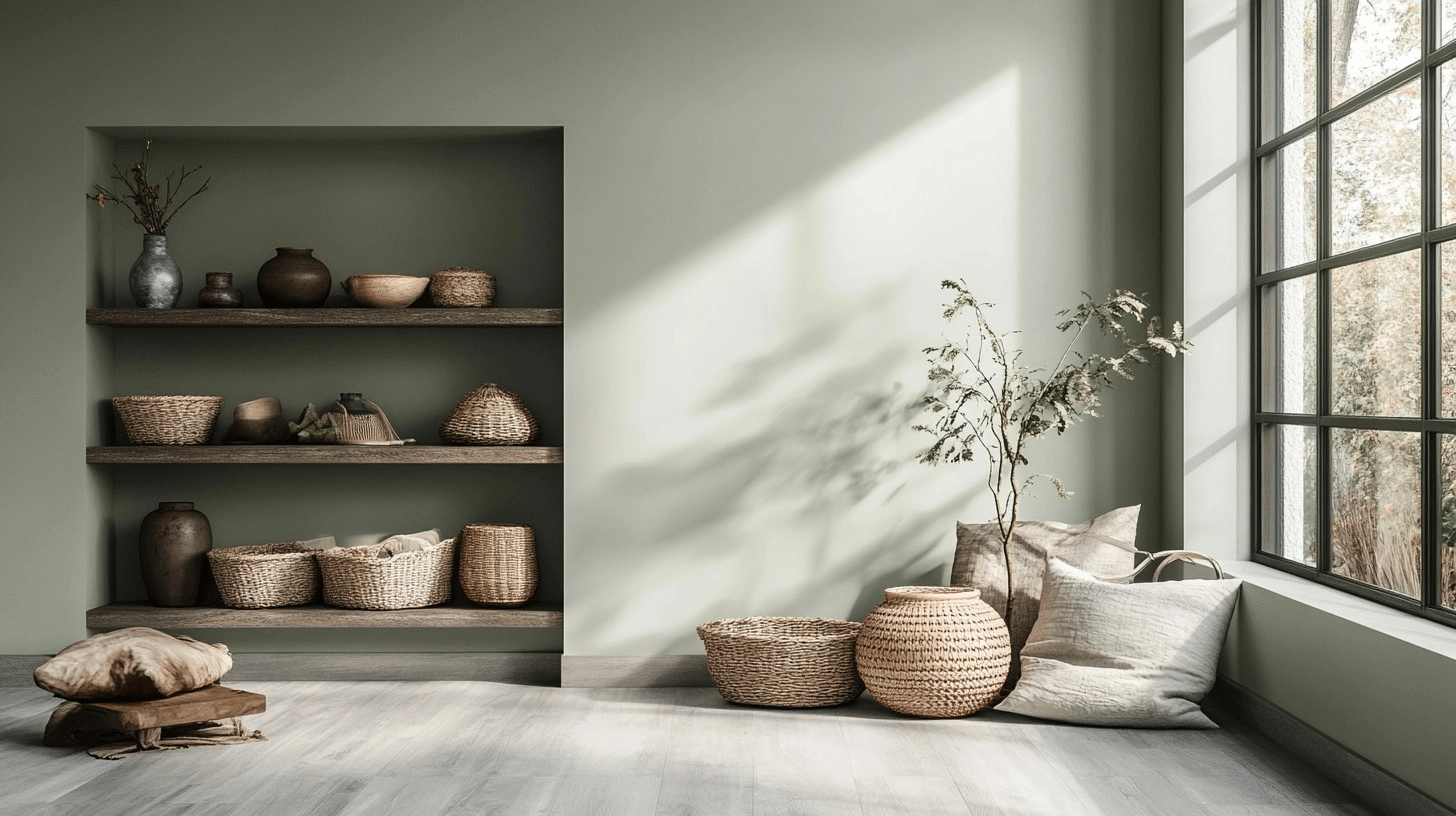
Sage green feels fresh and natural next to gray floors. This subtle green has enough gray in it to blend nicely with gray flooring while adding a hint of nature.
Many of my clients choose this color for spaces where they want to feel connected to the outdoors. The green-gray mix feels soothing and gentle on the eyes.
Best for: Kitchens, bedrooms, or any room where you want a bit of color without going bold.
8. Sea Salt or Grayish Green
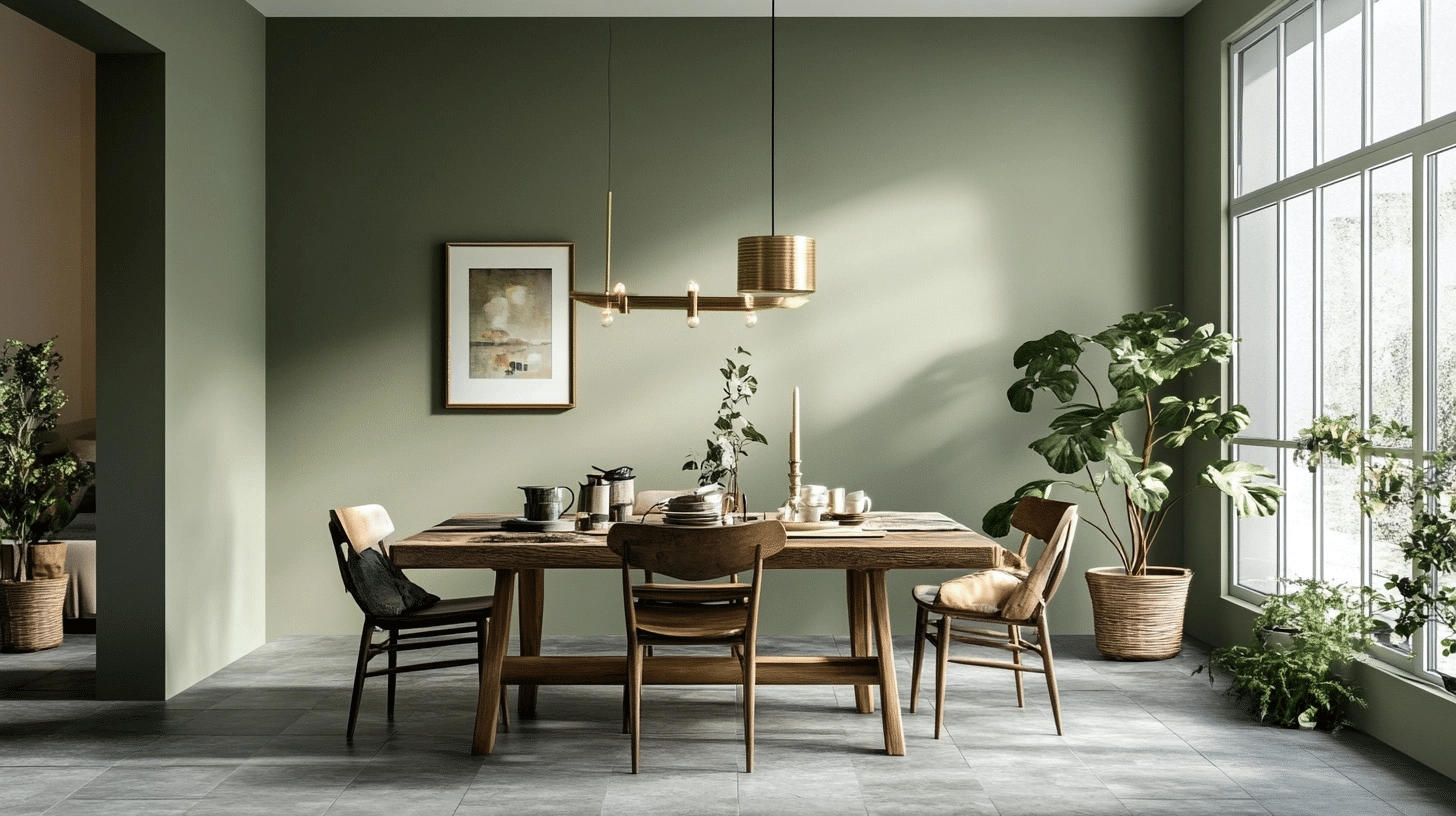
Sea Salt by Sherwin-Williams (SW6204) is one of my go-to recommendations for gray floors.
This soft, grayish green changes throughout the day, sometimes looking more green, sometimes more gray.
The color feels fresh and clean, but has enough color to keep a room from feeling boring. It’s like bringing a bit of misty coastal air into your home.
9. Olive Green Walls
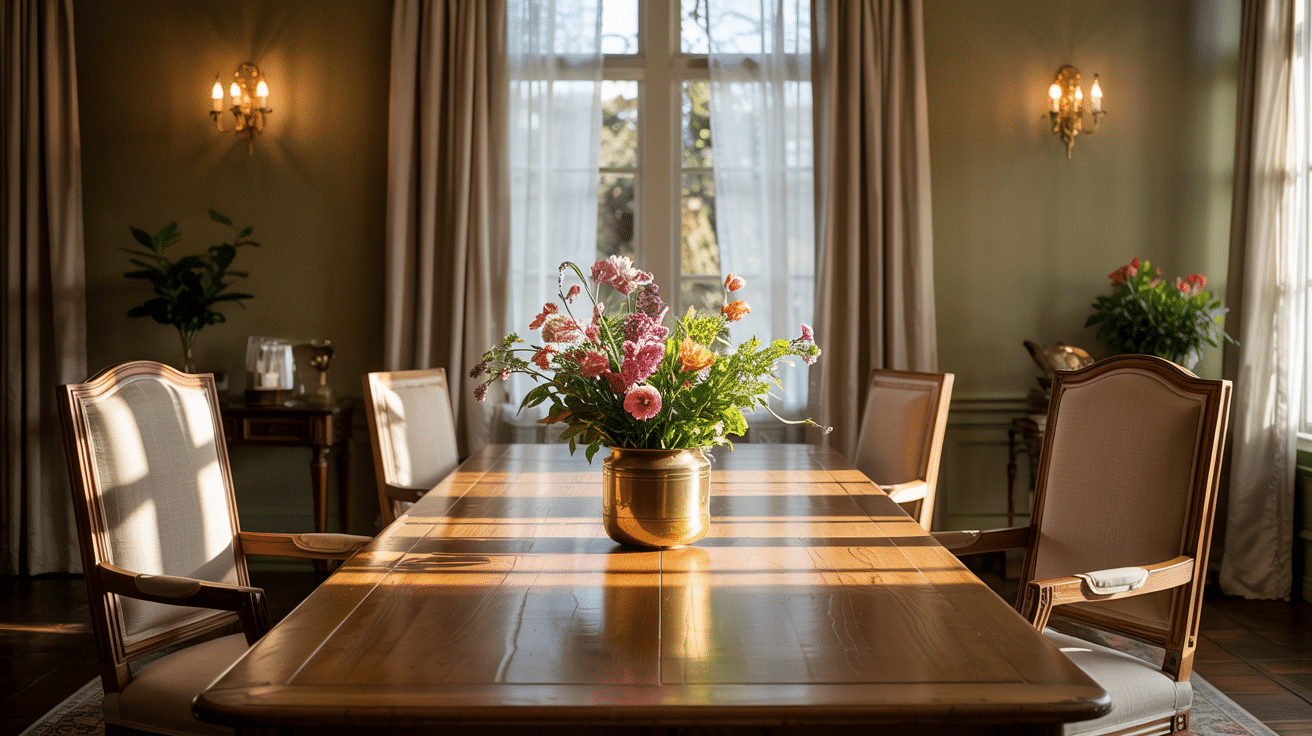
For a cozy, grounded look, muted olive greens pair wonderfully with warm gray floors.
This combo feels rich and natural, like walking through a forest in early fall.
Olive green has enough brown in it to feel warm rather than cool, which helps balance the coolness of many gray floors. The result is a space that feels both modern and timeless.
Try Sherwin-Williams Thunderous for a green with gray undertones that works beautifully with gray floors. According to the paint maker, it “finds itself in the depths of nature with this deep and comforting green.”
At an LRV of 15, it absorbs most of the light that hits it, so it needs a well-lit room to avoid reading as near-black.
Tip: Look for olives without too much yellow or blue to Things to avoid clashing.
10. Pastel Pink or Blush
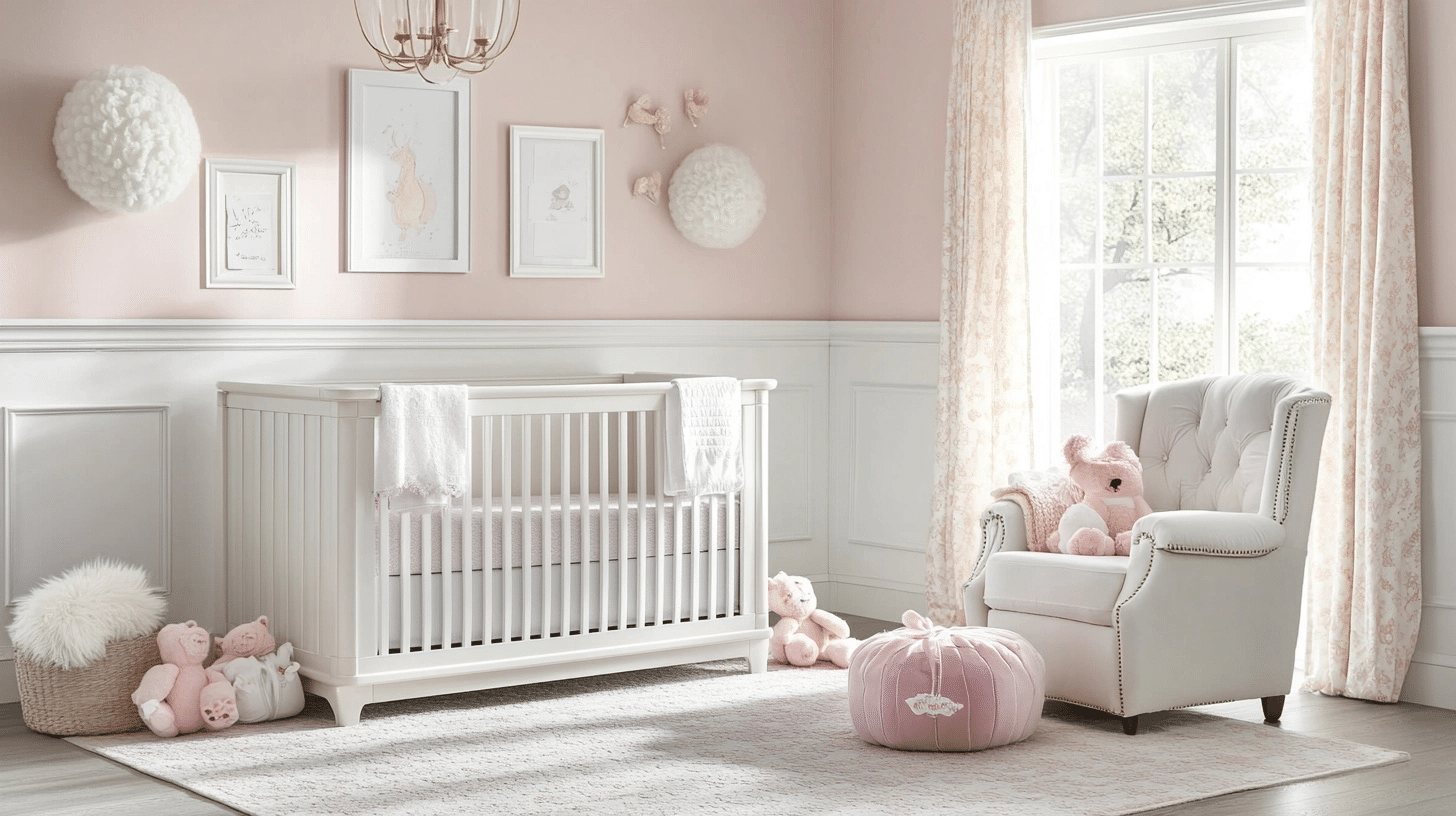
Pastel pinks add a gentle, welcoming touch to rooms with gray floors. This unexpected pairing feels fresh and modern without being too sweet.
The contrast between cool gray floors and warm pink walls creates a balanced, happy space that feels both cozy and clean.
Tip: This style works well with both light and dark gray floors, creating a soft contrast that’s easy to live with.
11. Lavender or Soft Purple

Lavender brings a hint of color while keeping the room feeling calm and balanced. Gray floors ground this sometimes tricky color, making it feel more mature.
When choosing a lavender, look for ones with gray undertones rather than bright purples. The gray in both the wall and floor creates a link that makes the combo feel planned.
Why it works: Cool undertones in both colors create harmony, with the purple adding just enough interest.
Best for: Guest rooms, craft spaces, or areas where you want gentle color without going bright.
12. Jewel Tones: Emerald and Teal
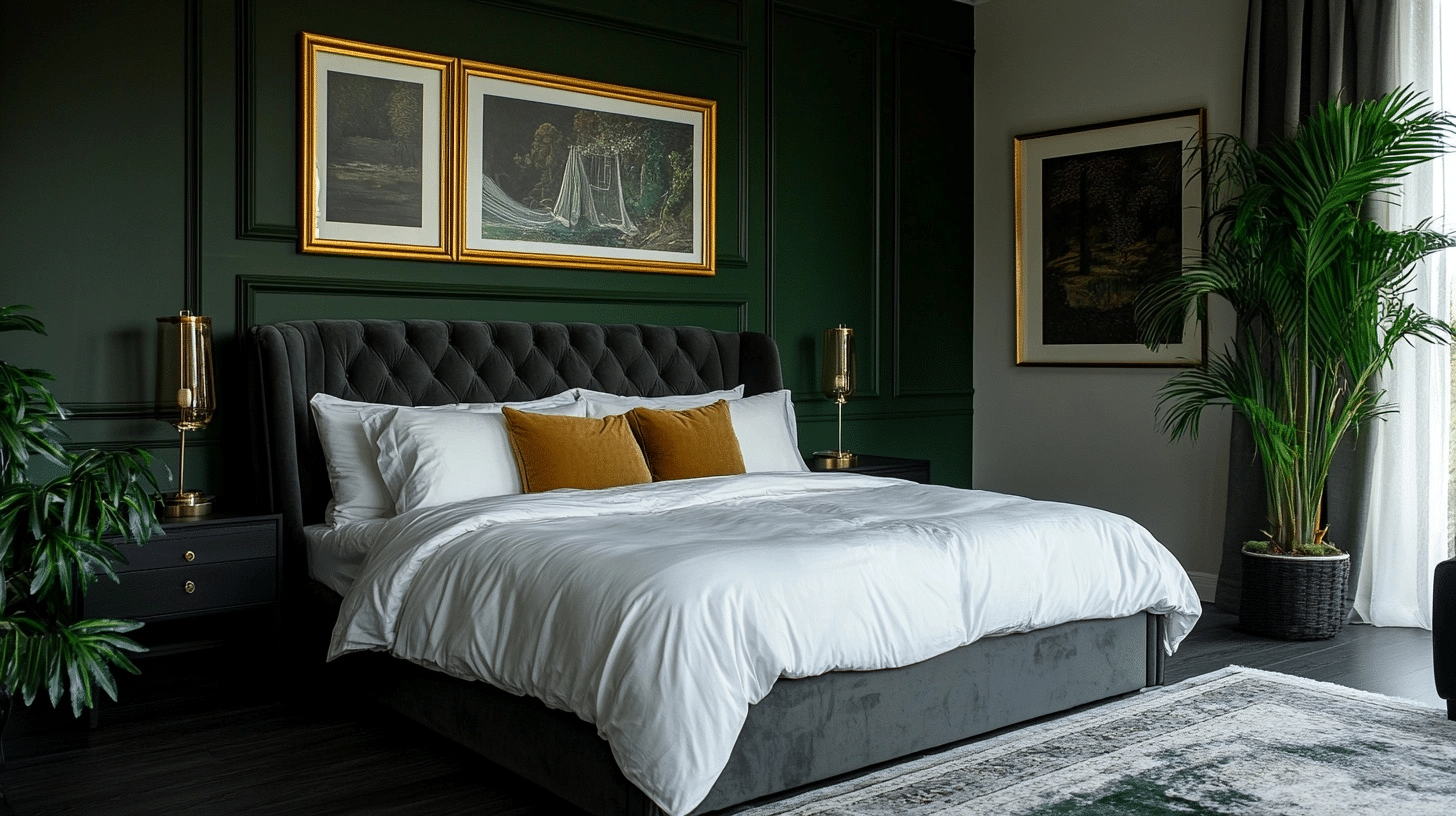
Rich colors like emerald green or teal create a bold, high-end feel when paired with gray floors. This mix feels both current and classic. I’ve used these colors in living rooms and dining spaces for clients who want their rooms to feel special.
The contrast between the cool gray floors and the rich wall colors creates visual interest that pulls you into the room. This pairing works equally well with light or dark gray flooring.
Tip: Use these colors on a single wall if you want a less intense effect. Pick art and accessories in neutral tones to let the wall color shine.
Best use: Try in rooms with plenty of natural light to prevent the space from feeling too dark.
13. Warm Taupe Walls

Taupe offers a quiet warmth that balances the coolness of most gray floors. This gentle neutral has a bit more personality than beige but stays firmly in the background.
Taupe works well in spaces where you want a pulled-together look without obvious color choices. It creates a soft backdrop for artwork and furniture to stand out.
Best for: Traditional or transitional spaces where you want a classic feel.
Tip: Choose taupes with a slight gray base to create harmony with your floors.
14. Charcoal or Dark Gray Accent
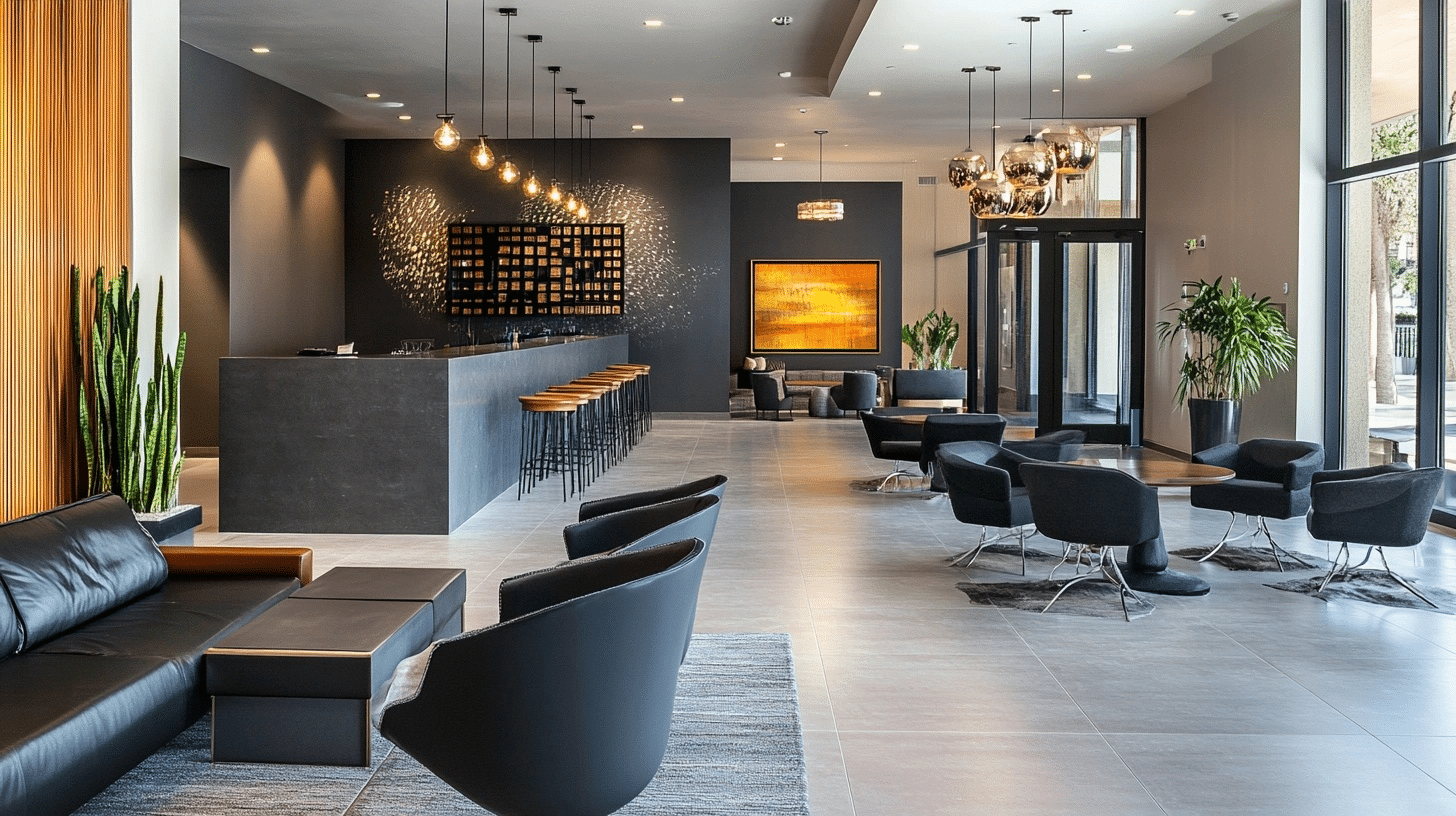
A charcoal accent wall adds depth to rooms with gray floors. This tone-on-tone approach looks clean and thoughtful. When using dark gray with gray floors, I make sure to vary the shades enough to create contrast.
Too similar, and the walls blend into the floors, making the space feel flat.
Tip: Balance with light-colored furniture and plenty of lamps or overhead lighting.
Things to avoid: Painting all walls dark gray with gray floors, which can feel too heavy and small.
15. Soft Beige or Sand
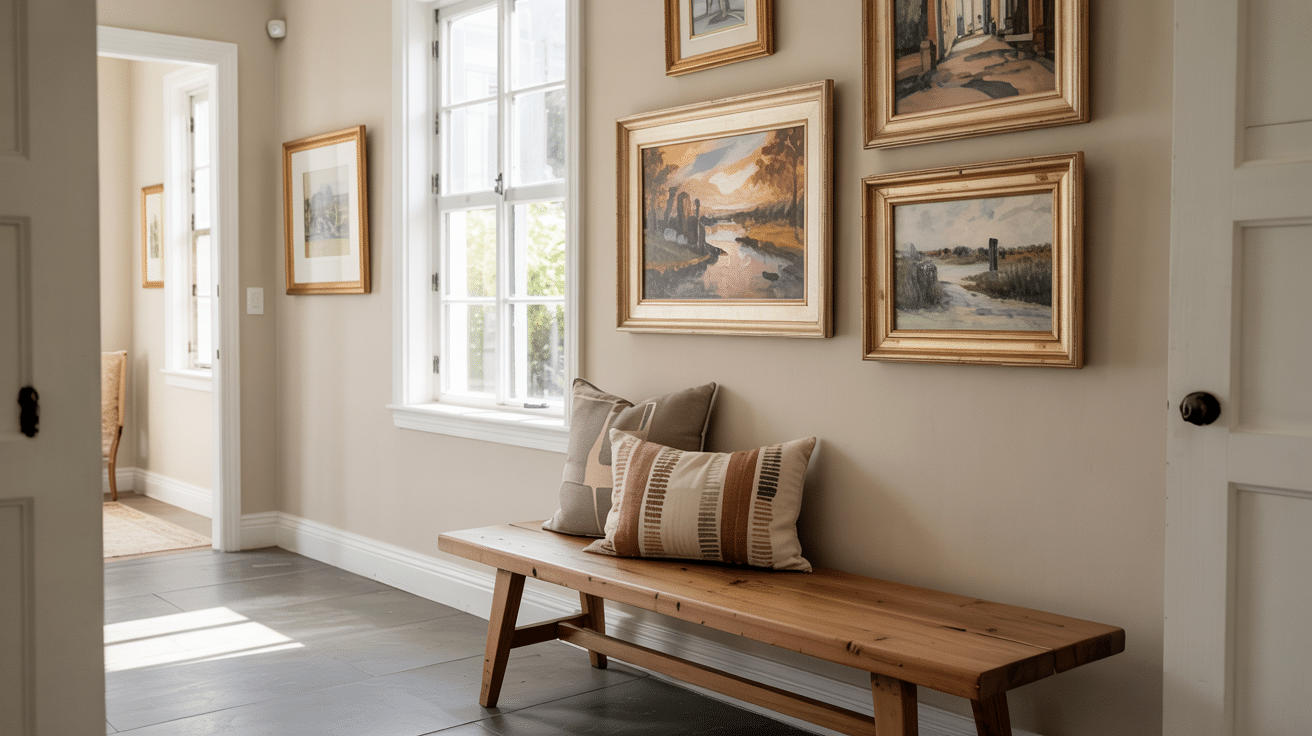
Light beige brings warmth to spaces with cool gray floors. This pairing creates a gentle contrast that feels bright but not stark.
The warmth of beige walls softens the cool tones of gray floors. I use this combo in spaces where people want a bright room that still feels cozy.
Best for: Making rooms feel sunny and inviting, especially in spaces with limited natural light.
16. Crisp Black Accents
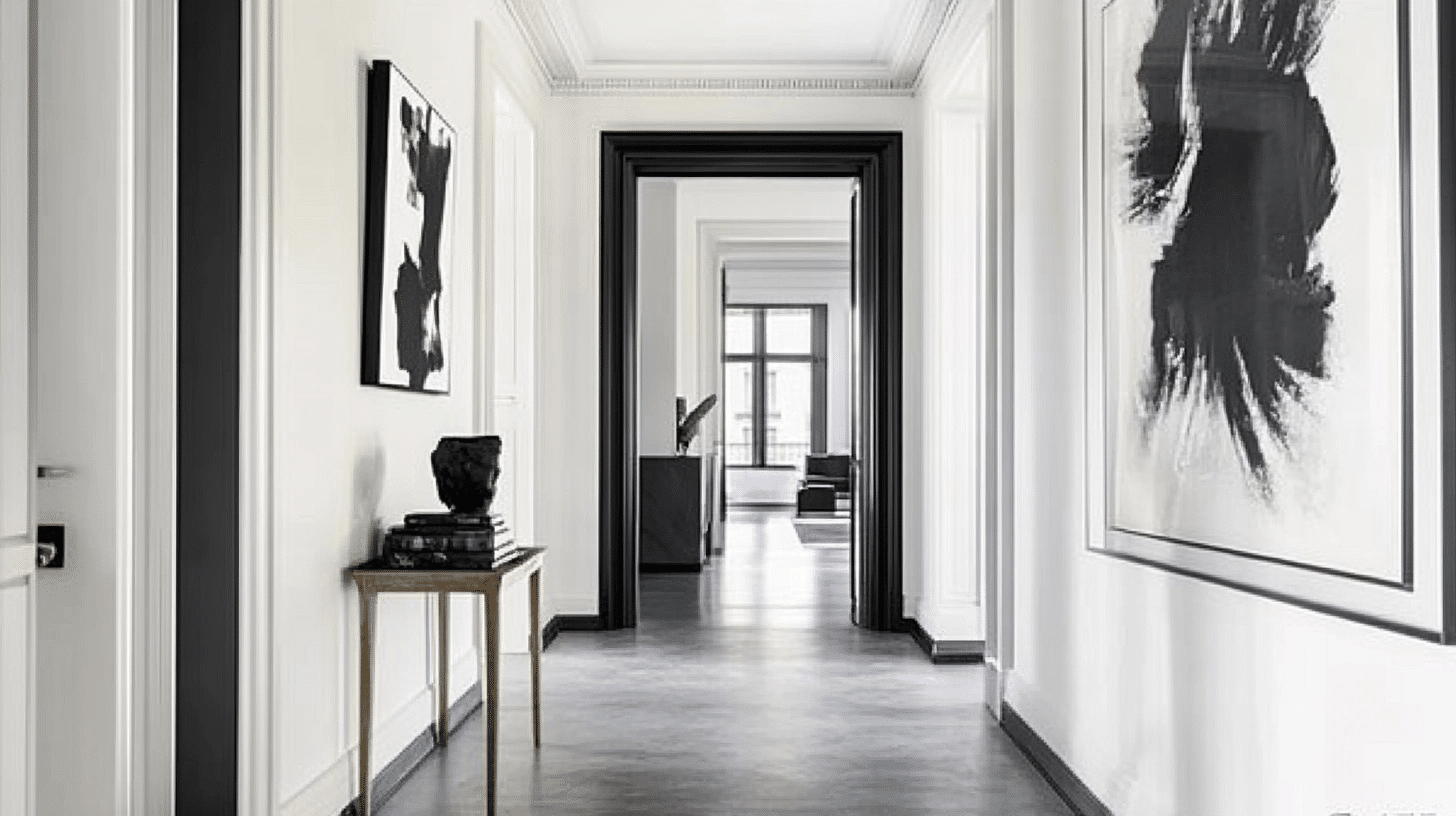
Black accent walls or trim make a bold statement next to gray floors. This high-contrast look feels modern and clean without trying too hard.
The key with black is using it wisely.
A black accent wall in a dining room or home office creates focus, while black door trim throughout a house with gray floors ties everything together.
17. Warm Terracotta or Clay
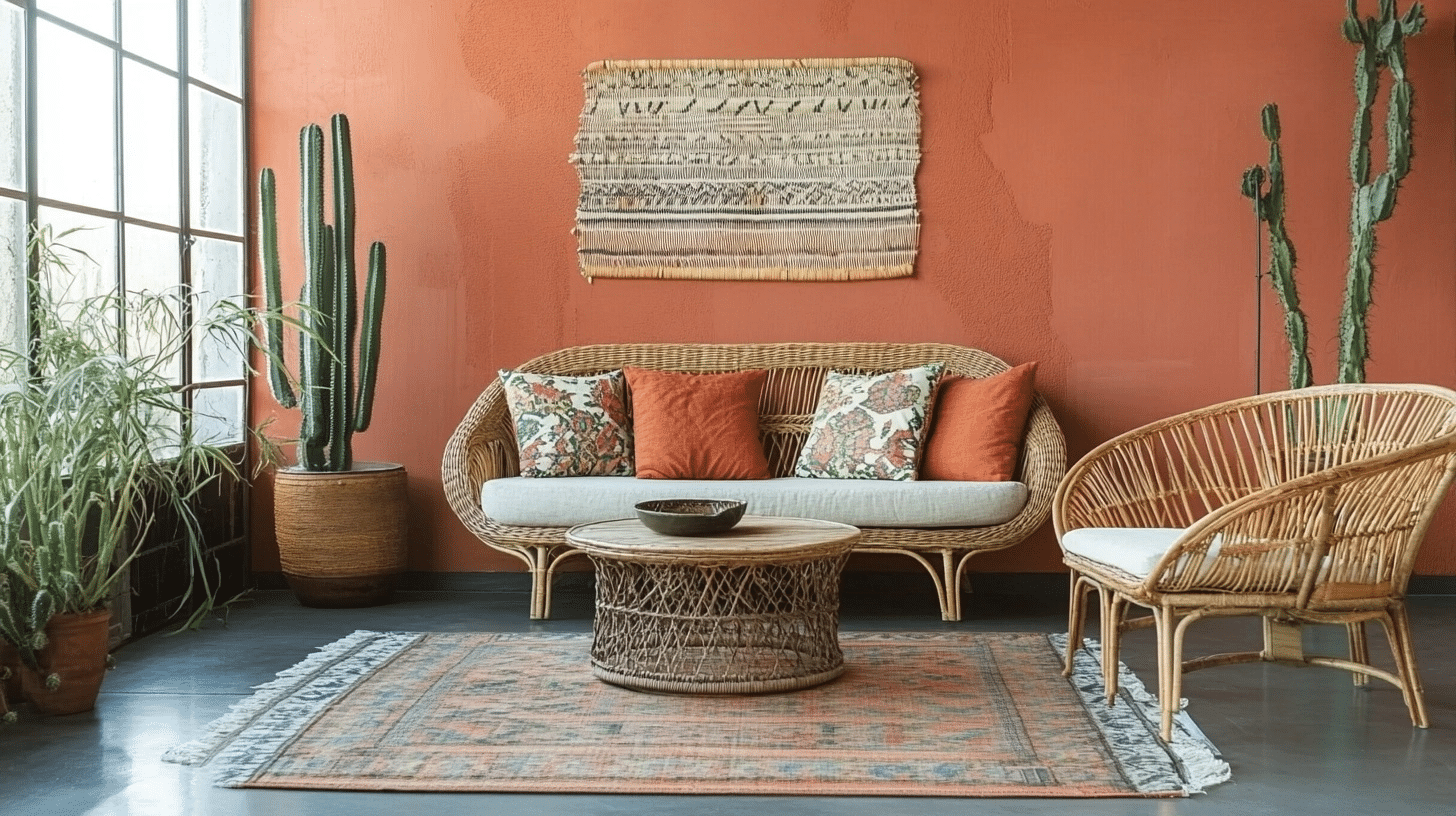
Terracotta walls bring earthy warmth that contrasts beautifully with cool gray floors. This color combo feels grounded and welcoming.
I love how terracotta or clay walls warm up spaces that might otherwise feel too cool with gray flooring. The earthy red-orange tones feel natural and timeless.
Best for: Living rooms or spaces where you want to create a cozy, gathered feeling.
Tip: Pair with natural wood tones and textured fabrics to enhance the earthy feel.
18. Muted Mustard or Ochre
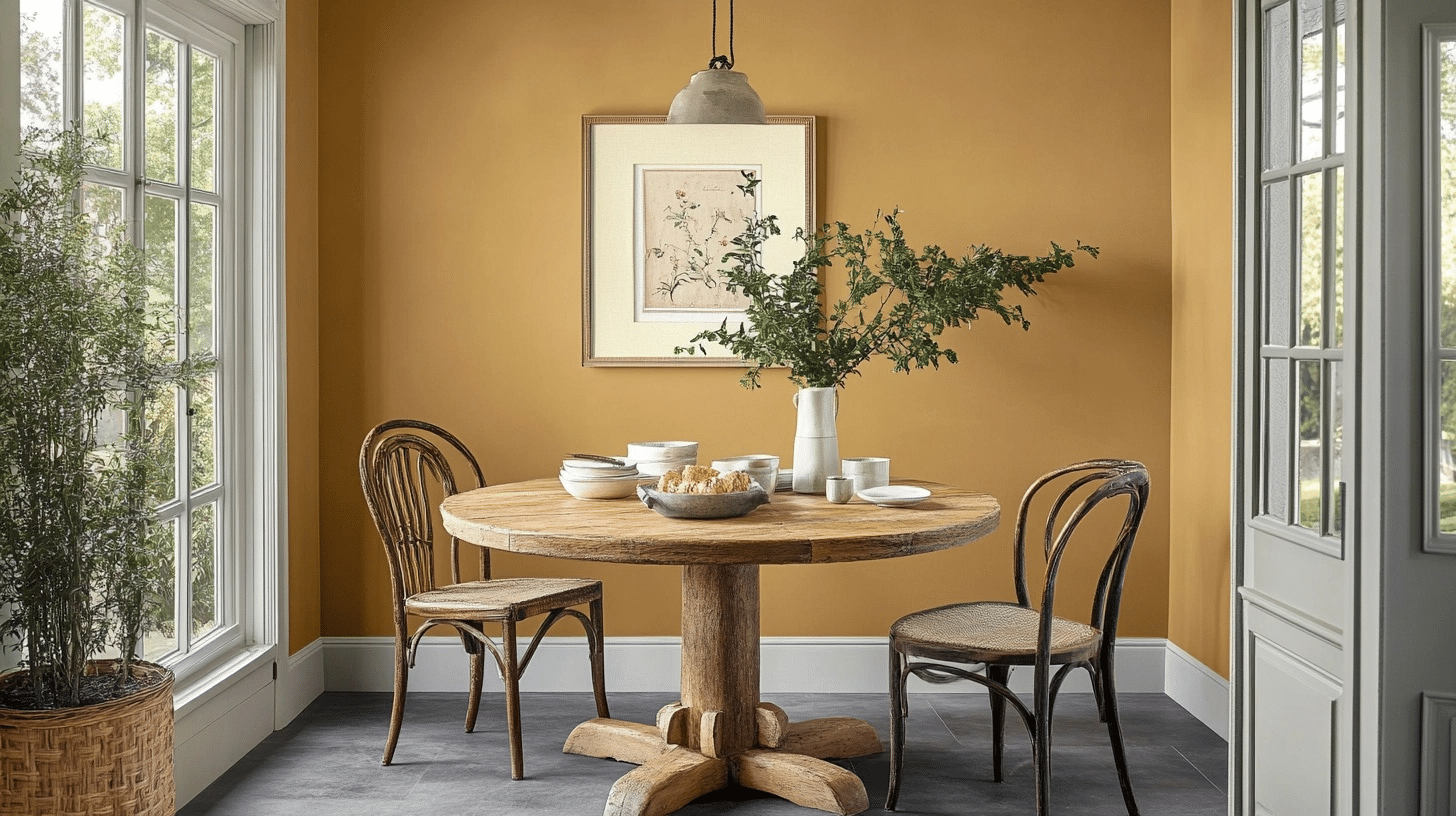
A muted mustard wall brings warmth and cheerfulness to rooms with gray floors. This pairing feels both current and connected to classic color schemes.
The yellow tones in mustard or ochre walls contrast with the cool nature of gray floors, creating a balanced, interesting space. I like that this combo feels fresh but not trendy.
Tip: Use in rooms where you want a bit of color energy without going too bright or bold.
Best with: Medium to dark gray floors for the most pleasing contrast.
19. Soft Peach or Apricot
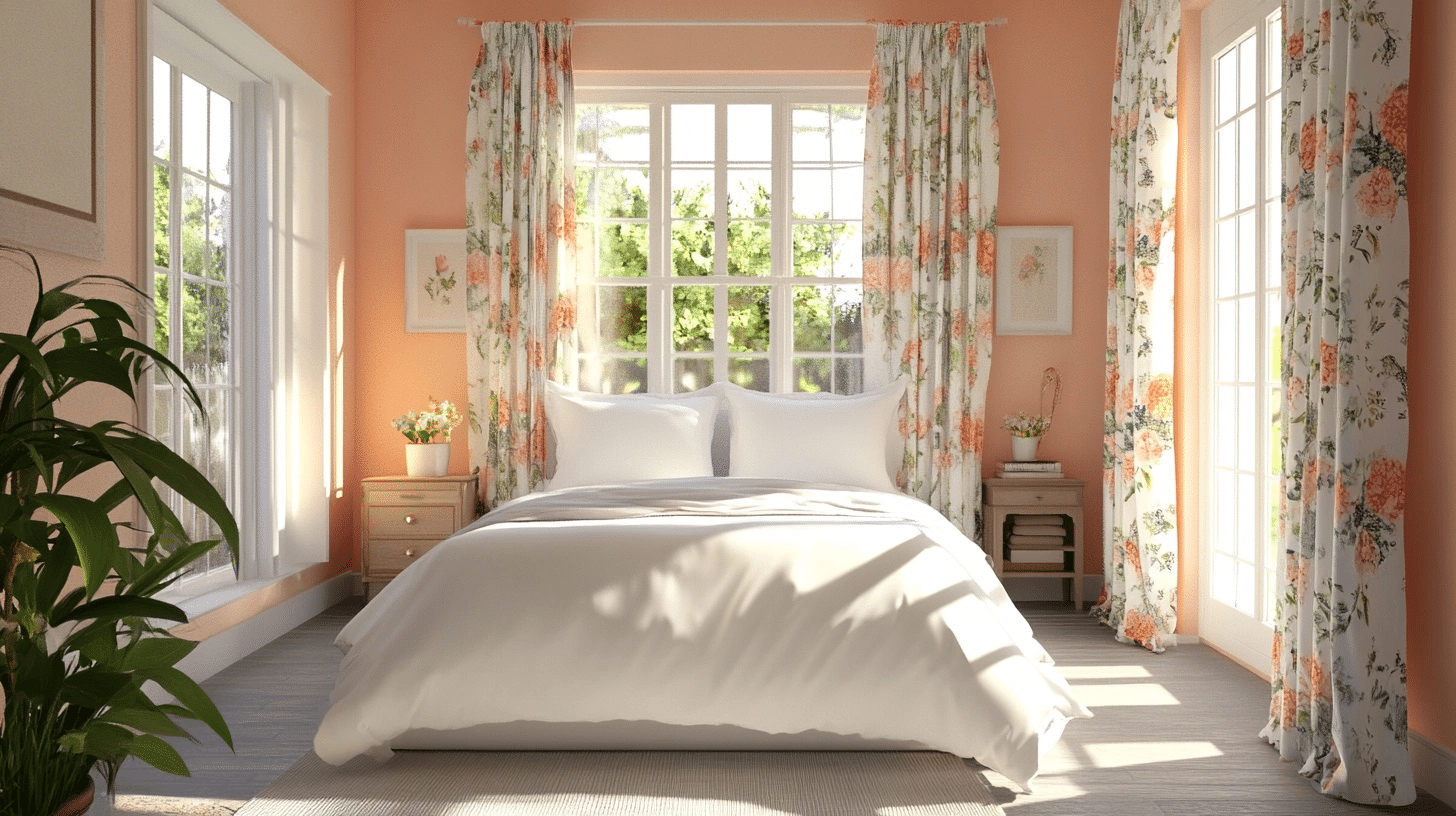
Soft peach tones create gentle warmth that feels fresh and happy next to gray floors. This combo feels sunny without being too sweet.
I’ve used peachy tones in spaces where clients want a hint of color but nothing too strong. It works especially well in rooms that get morning light, where it creates a rosy glow. Unlike bold oranges, soft peach stays subtle enough to live with day after day.
20. Light Mint or Aqua
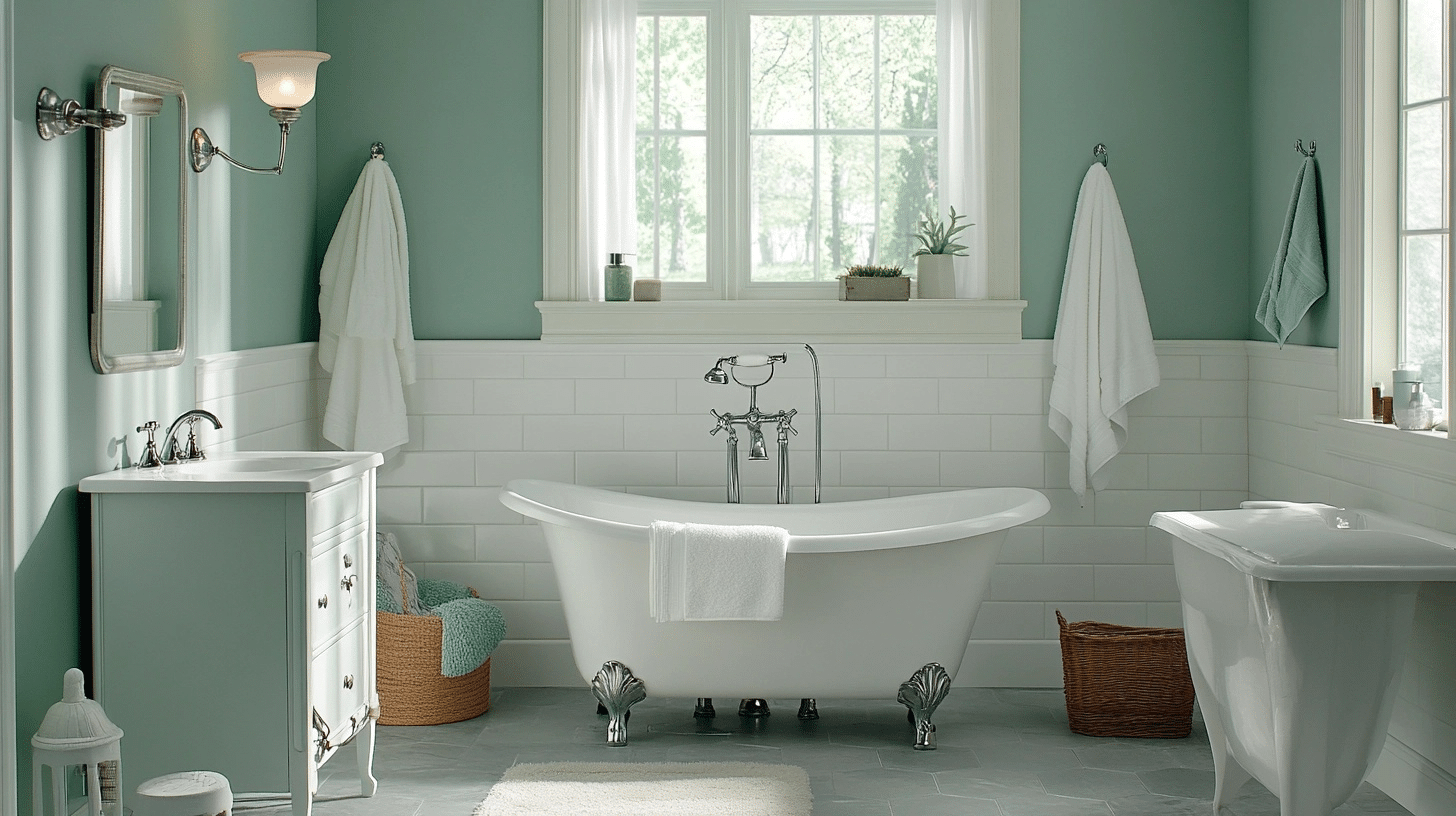
When paired with gray floors, light mint walls create a fresh and clean feeling. This color combo feels like a breath of fresh air.
Soft, muted versions of mint or aqua offer color without becoming the main focus of your space. These shades feel light and bright while still having more personality than plain white.
21. Mushroom or Putty
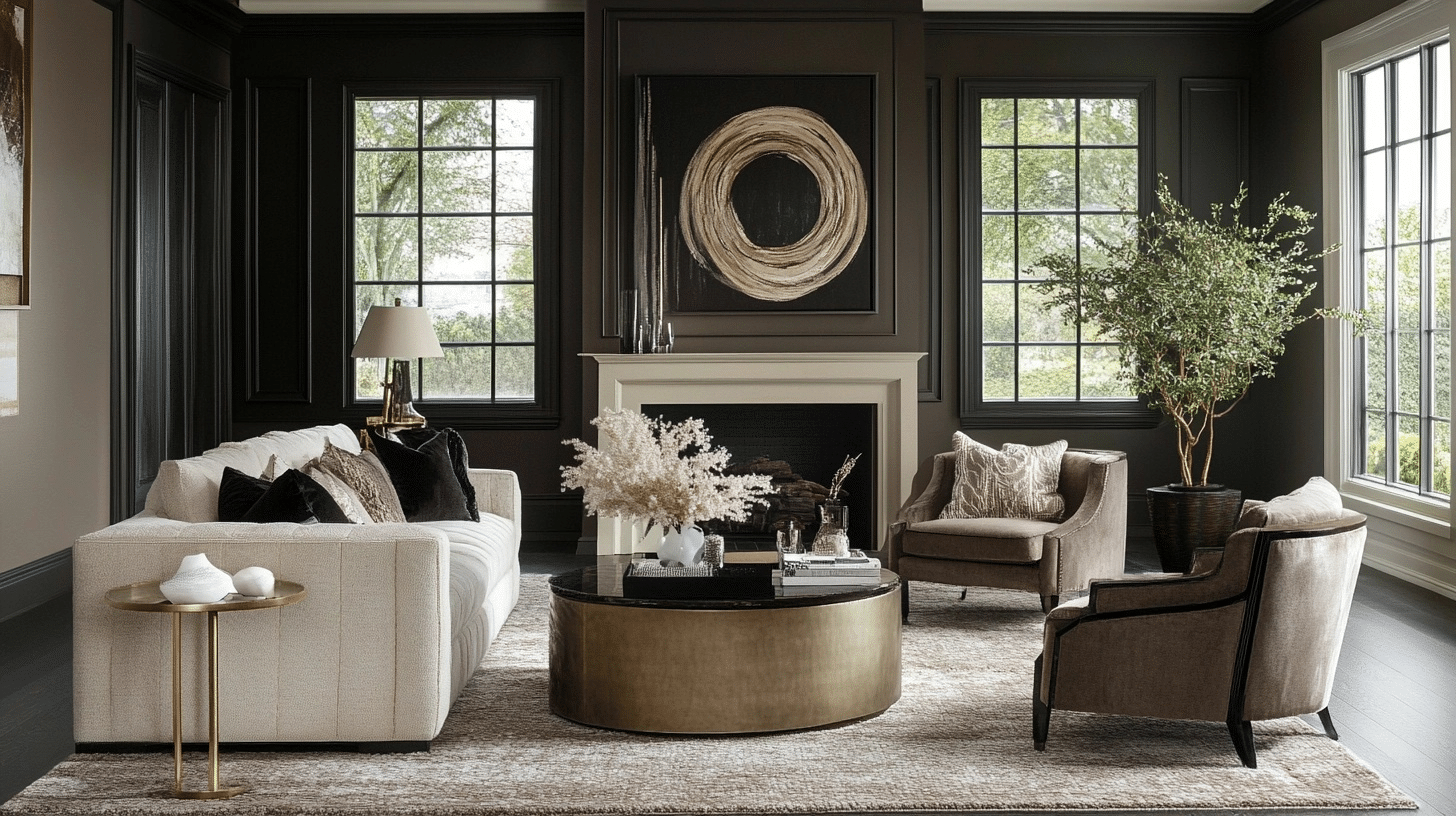
Mushroom or putty shades are quiet, earthy neutrals that pair well with most gray floors. These colors fall between gray and beige without looking too yellow.
These wall colors let other elements in your room take center stage.
These colors work well when you want to highlight statement furniture or art.
Why it works: Blends with your floors without competing for attention, creating a calm backdrop for living.
Choosing the Right Shade: Lighting, Room Size, and Style
When selecting wall colors for gray floors, three key factors will guide your choice: lighting, room size, and your personal style.
| Factor | Small Rooms | Medium Rooms | Large Rooms |
|---|---|---|---|
| Natural Light (North-facing) | Light colors: Soft whites, pale blues | Medium tones: Gentle greens, light grays | Bold colors: Navy, forest green |
| Natural Light (South-facing) | Cool colors: Light blues, soft greens | Mid-tones: Blues, greens, purples | Dark colors: Charcoal, deep blue |
| Style: Modern | Whites, light grays, black accents | Medium grays, whites, and pops of color | Dark colors with white trim |
| Style: Cozy/Warm | Creamy whites, soft yellows | Tan, light browns, soft reds | Terracotta, rust, warm browns |
| Style: Minimalist | Pure whites, very light grays | White with gray or black accents | Light grays with white trim |
Wall Color Mistakes to Things to Avoid with Gray Floors
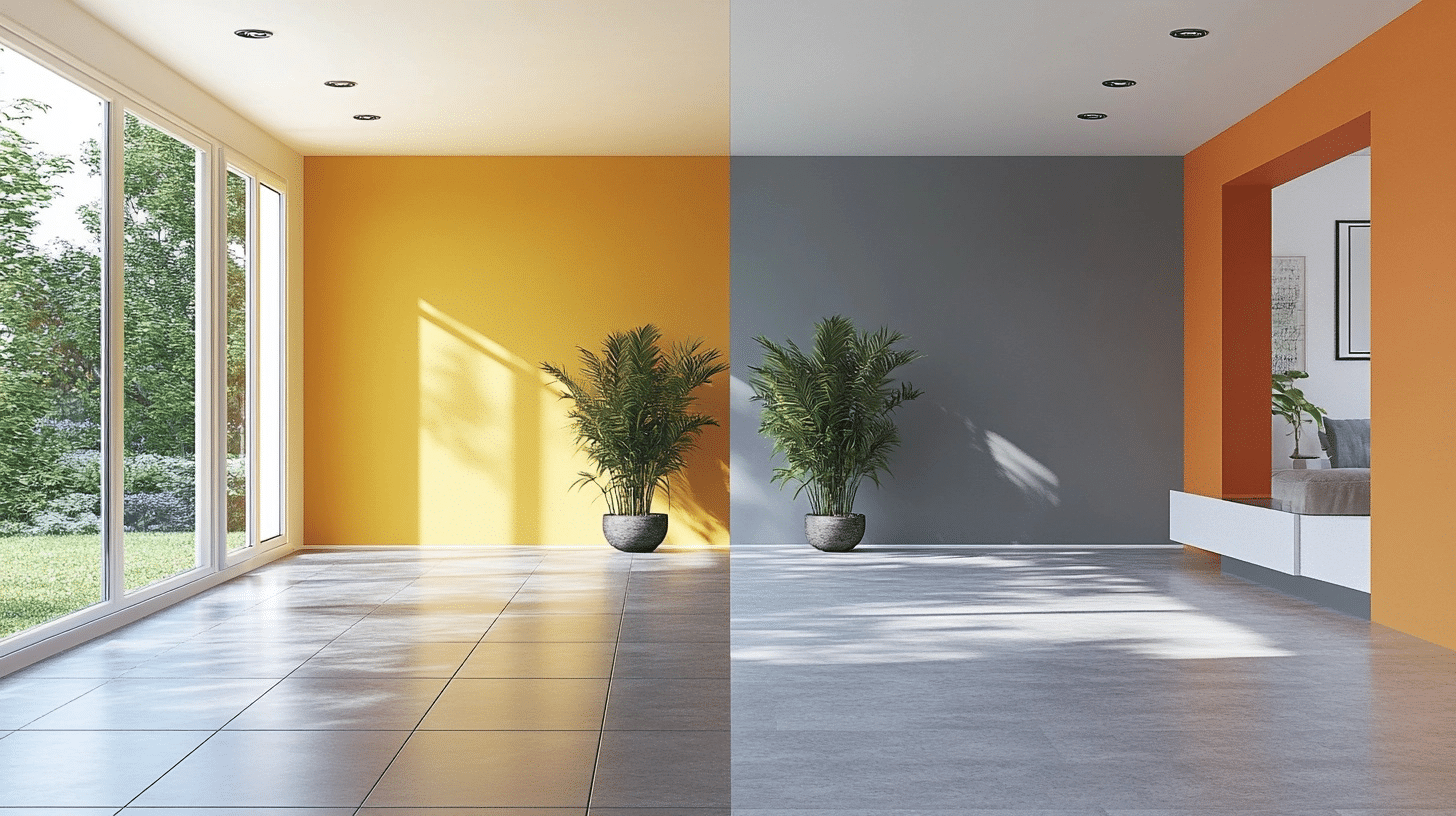
Here are the most common mistakes to watch for.
- Picking cool white walls with cool gray floors creates a cold, clinical feeling.
- Using too many shades of gray can make your room feel dull and lifeless.
- Forgetting to test paint samples in different lighting throughout the day.
- Choosing wall colors without considering your gray floor’s undertones.
- Selecting yellow-based colors that clash with blue-toned gray floors.
- Using very dark walls in small rooms with gray floors makes spaces feel tiny.
- Ignoring how furniture colors will interact with both the floor and wall shades.
- Failing to create contrast between floors and walls results in a flat look.
- Picking trendy colors that you might grow tired of quickly.
- Not considering how trim colors will affect the relationship between the wall and the floor.
Wrapping it up
Undertone first, then LRV, then contrast or blend. Get those three right and the color itself becomes the easy part.
Always test the actual sample against your actual floor before you commit to a full room.
The best wall color for gray floors in one home might look completely different in yours due to light, room size, and existing furniture.
Frequently Asked Questions (FAQ’s)
1. What Wall Color Makes Gray Floors Look Warmer?
A warm off-white or greige, kept a shade lighter than the floor.
2. Do Gray Floors go with Beige Walls?
Yes, if the beige is muted and grayed rather than strongly golden.
3. Should Walls be Lighter or Darker than Gray Floors?
Go lighter when you want warmth over a cool-toned gray floor.
4. What Wall Colors Should You Avoid with Gray Floors?
Cool white over cool gray, and stacking multiple grays with zero contrast.
5. How do I Find my Gray Floor’s Undertone?
Lay a white sheet of paper on it; the color that stands out is your undertone.





2 Responses
Hi.
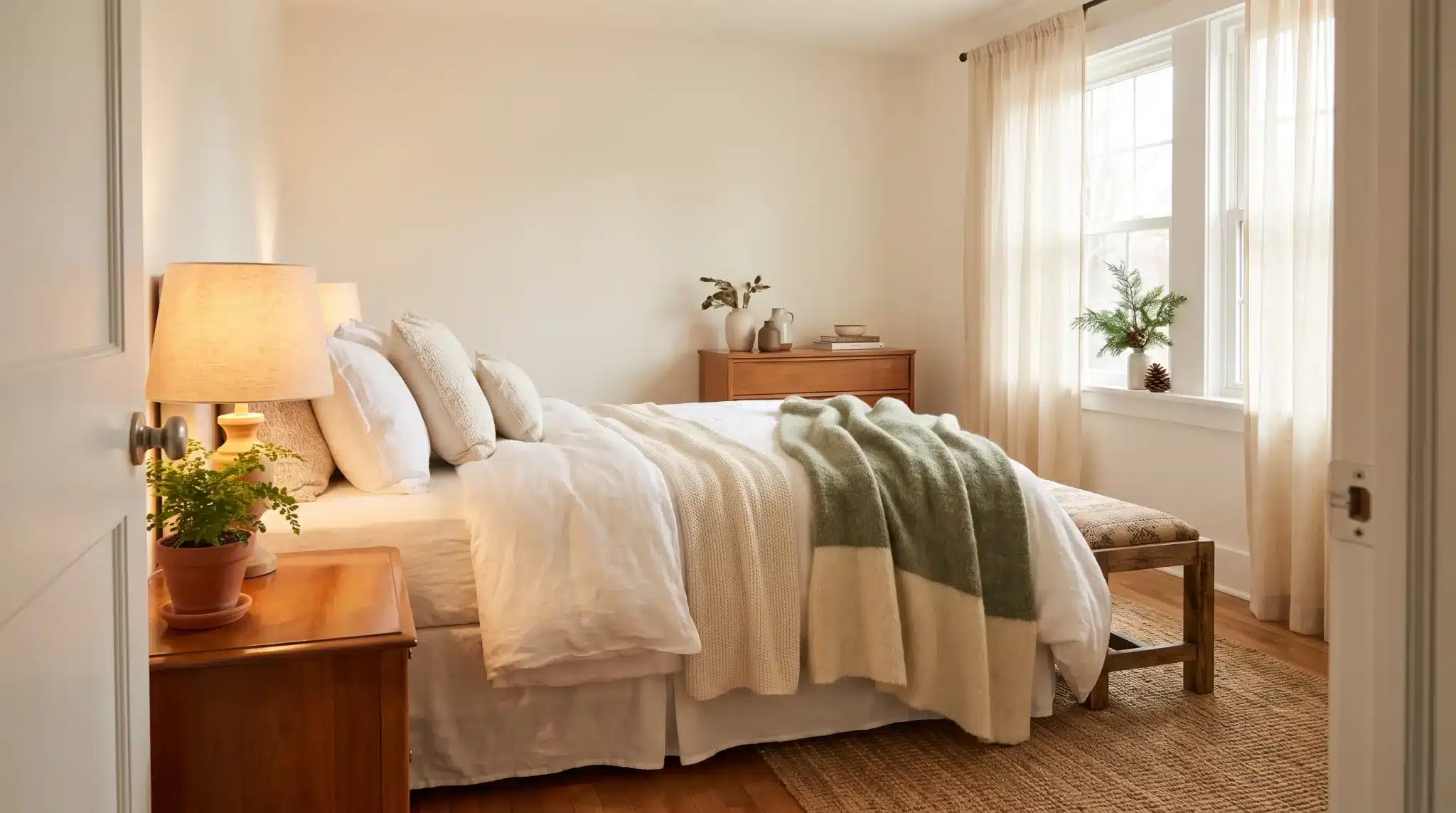
What is the color that was used on #4? Not listed anywhere.
Thank you,
Jenn
I have a bedroom house, kitchen and living room. I want to know what color is best with grey flooring