Gaming Loveseat vs. Traditional Seating: Which Offers More Comfort?
We’ve all been there — three hours into an epic gaming marathon or halfway through a movie trilogy, and your back is screaming for mercy. That nagging ache in your lower spine, the stiffness creeping into your shoulders, and the constant shifting to find a position that doesn’t feel like sitting on concrete. For hardcore gamers and movie buffs alike, the quest for perfect seating isn’t a luxury; it’s a necessity. So when it comes to choosing between a modern gaming loveseat and traditional seating options like a classic sofa or recliner, which one actually delivers the comfort your body craves? This article dives deep into that debate, examining how ergonomic loveseat designs stack up against conventional furniture for those who spend serious time planted in their seats. Whether you’re building a dedicated home theater or upgrading your gaming setup, the right movie buff seating can make or break the experience. We’ll evaluate both options through the lens of ergonomic support, multifunctionality, and real-world practicality — giving you the clarity you need to invest in seating that truly works for marathon sessions without compromising your comfort or your health.
Defining the Seating Options: What Are Gaming Loveseats and Traditional Seating?
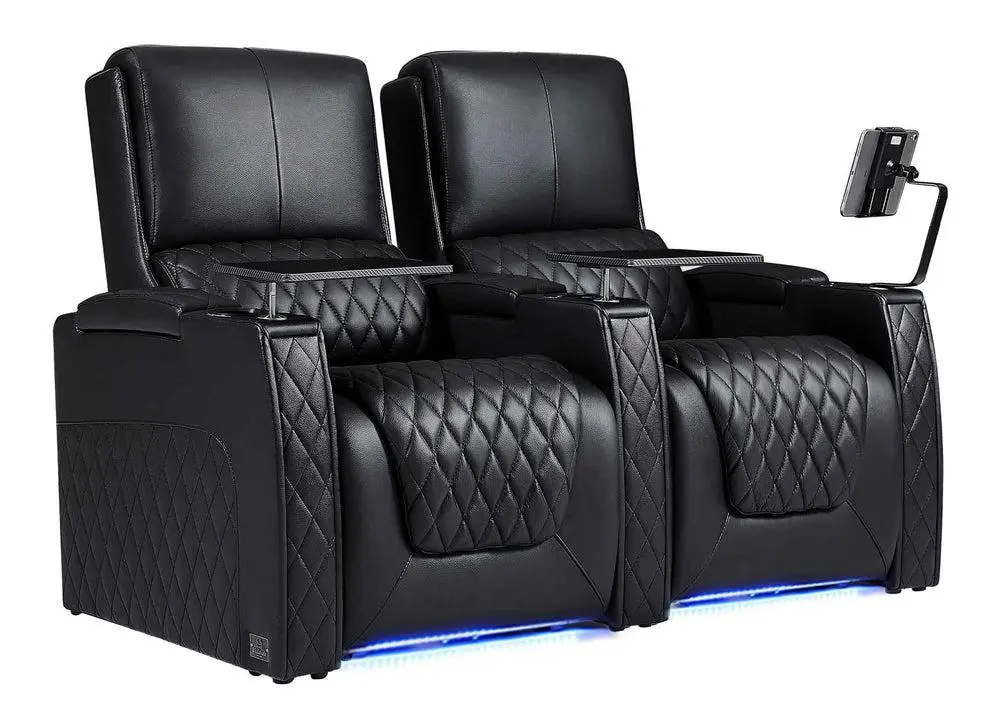
A gaming loveseat is a compact two-person seating solution engineered specifically for extended entertainment sessions. Unlike standard furniture, a gaming loveseat incorporates purpose-built features such as high-density foam cushioning, reinforced lumbar zones, and integrated tech-friendly elements that cater to gamers and home cinema enthusiasts. These units are designed as Home Theater Seating 2 Seater configurations, meaning they fit neatly into dedicated media rooms or smaller living spaces while providing an immersive, supportive experience for two people sitting side by side.
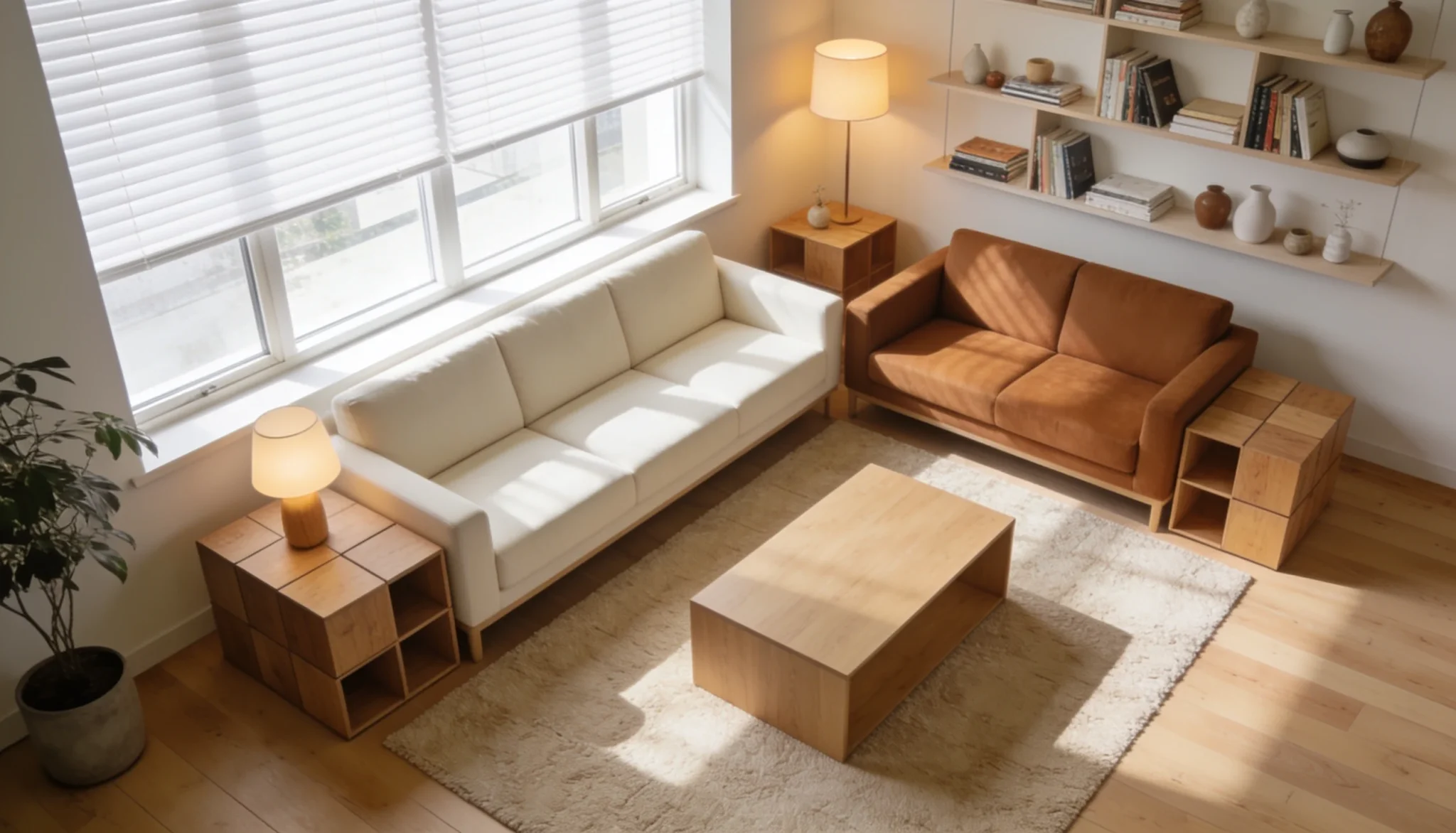
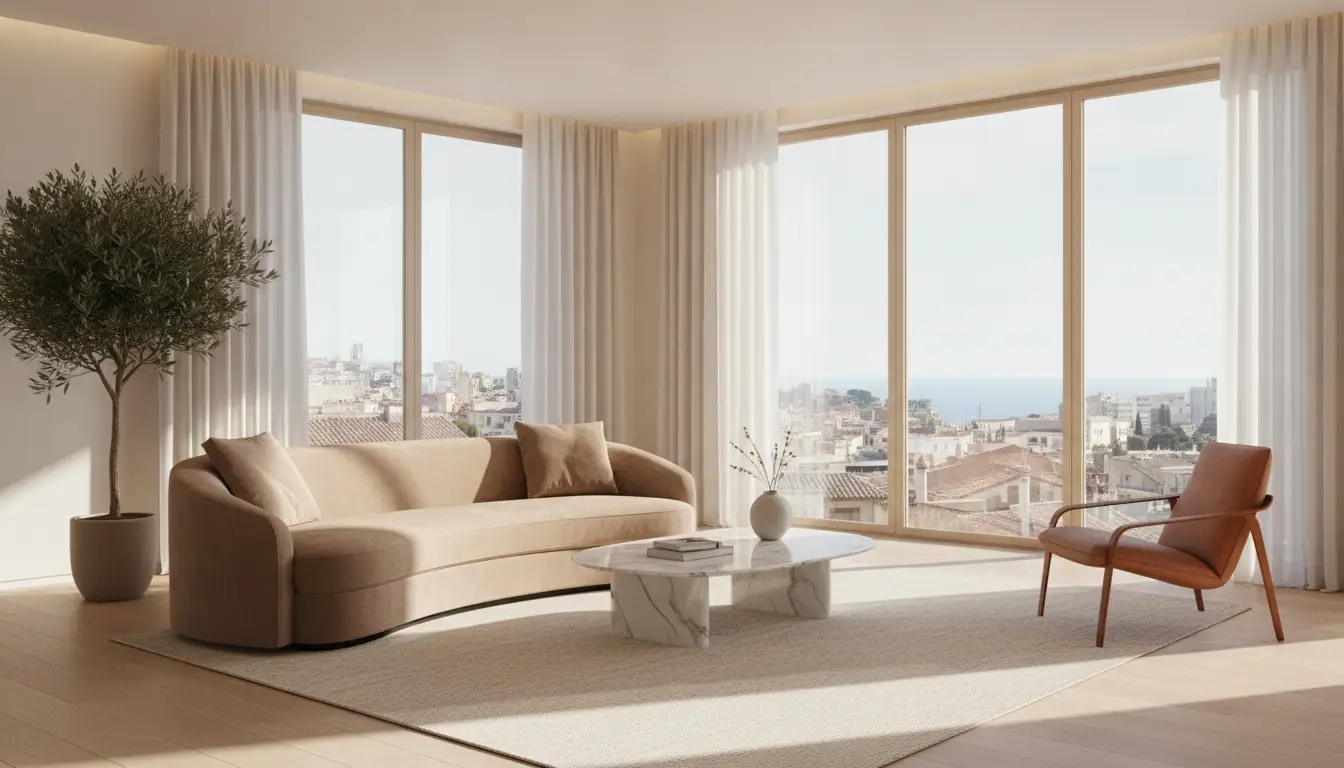
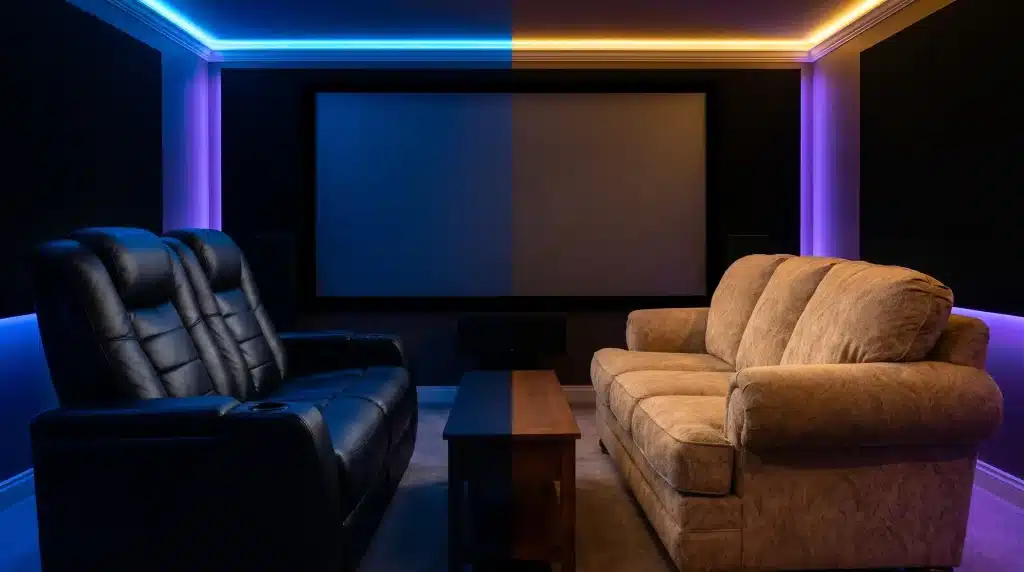
Traditional seating, on the other hand, encompasses the broader category of sofas, loveseats, recliners, and sectionals that most households already own. A standard sofa prioritizes aesthetic appeal and general-purpose comfort — it’s built for casual lounging, hosting guests, and fitting into a living room’s décor. Recliners offer some degree of adjustability, but their designs haven’t evolved much in decades. They tend to use softer, less supportive cushioning that feels great for the first hour but gradually loses its structural integrity during longer sessions.
The fundamental difference lies in intent. Traditional furniture serves a wide range of domestic purposes, while a gaming loveseat is a specialized piece of equipment. Think of it like comparing running shoes to dress shoes — both cover your feet, but only one is optimized for performance. When you’re evaluating seating for marathon gaming or back-to-back movie viewing, that specialization matters. The foundation of this comparison rests on understanding that these two categories serve overlapping but distinctly different needs, and recognizing where each excels helps frame the deeper analysis ahead.
Ergonomic Design: How Gaming Loveseats Enhance Comfort for Long Sessions
Ergonomics isn’t just a buzzword — it’s the science of designing products that work with your body rather than against it. When you’re locked into a six-hour gaming session or powering through an extended director’s cut, the way your seat supports your spine, neck, and limbs determines whether you walk away feeling refreshed or wrecked. This is where the ergonomic loveseat pulls dramatically ahead of most traditional seating options.
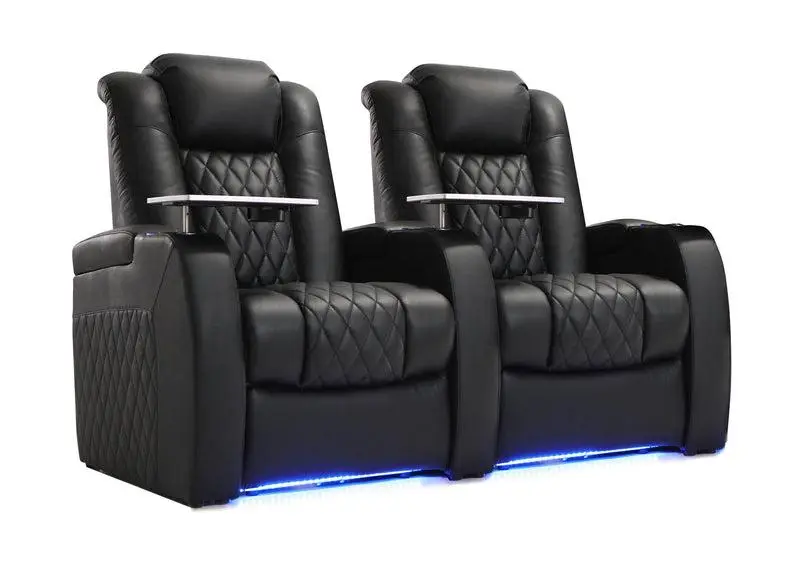
Gaming loveseats are built around the concept of active support. High-density memory foam conforms to your body’s natural curves, distributing weight evenly rather than creating pressure points at your hips and tailbone. Integrated lumbar support — often adjustable — targets the lower back region where most seated discomfort originates. Many models also feature adjustable headrests that cradle the cervical spine, reducing the forward-head posture that plagues anyone staring at a screen for hours. Breathable materials like mesh-backed panels or perforated leather help regulate temperature, preventing the sticky, overheated feeling that makes you want to stand up and abandon your seat mid-session.
Traditional seating, by contrast, typically relies on uniform cushion density throughout. A standard sofa might feel plush initially, but it offers little targeted support. Recliners provide some positional relief, yet most lack the segmented support zones that an ergonomic loveseat delivers. For the movie buff seating experience, where you need sustained comfort without constant fidgeting, this distinction is critical. Your body doesn’t just need softness — it needs structure that maintains proper alignment over time.
Key Ergonomic Components to Look For
When evaluating any seating option for marathon use, focus on contoured seat bases that mirror the natural curve of your thighs and prevent sliding forward — a common issue with flat sofa cushions. Armrest design matters more than most people realize; gaming loveseats frequently offer padded, width-adjustable armrests that keep your shoulders relaxed and elbows at a neutral angle, while traditional sofas provide either overstuffed arms that push your shoulders upward or narrow wooden frames that offer no cushioning at all. Finally, look for posture alignment features like a slight seat-back recline angle between 100 and 110 degrees, which research consistently identifies as the optimal range for reducing spinal disc pressure. Traditional recliners can achieve this angle but rarely lock into it precisely, whereas purpose-built gaming loveseats engineer this position as their default seating posture.
Multifunctionality: The Utility Edge of Modern Seating Solutions
Comfort alone doesn’t tell the whole story. When you’re investing in seating for a dedicated entertainment space, the functionality baked into the design can elevate the entire experience — or leave you surrounded by clutter and workarounds. This is where the gaming loveseat distinguishes itself as a genuinely multifunctional sofa rather than just a comfortable place to sit.
Modern gaming loveseats pack an impressive array of integrated features that traditional furniture simply wasn’t designed to include. Built-in USB charging ports and wireless charging pads mean your controllers, phones, and tablets stay powered without tangling cables draped across the floor. Concealed storage compartments in the armrests or center console keep remotes, headsets, and snacks within arm’s reach but out of sight, maintaining a clean aesthetic in your media room. Many models incorporate motorized or manual reclining mechanisms with independent controls for each seat, so one person can recline fully while the other sits upright — a level of customization that standard two-person sofas rarely offer. Some even feature built-in cup holders with LED lighting, Bluetooth speakers embedded in the headrest area, and fold-down center consoles that transform the loveseat’s configuration depending on whether you’re gaming solo or sharing the space.
Traditional sofas and recliners, by comparison, treat utility as an afterthought. You might find a recliner with a basic lever mechanism or a sofa with removable cushion covers, but the integration stops there. Adding functionality to conventional seating usually means purchasing separate accessories — side tables for drinks, power strips for charging, storage ottomans for gear. These additions consume floor space and create a fragmented setup that feels cobbled together rather than intentional. For gamers and movie buffs who value a streamlined, all-in-one environment, a multifunctional sofa designed with entertainment in mind eliminates that patchwork approach. The gaming loveseat consolidates everything into a single footprint, which is especially valuable in smaller rooms where every square foot counts. When your seating handles comfort, storage, power, and entertainment integration simultaneously, it stops being just furniture and starts functioning as the command center of your home theater.
Practical Solutions for Choosing the Right Home Theater Seating 2 Seater
Knowing the differences between gaming loveseats and traditional seating is one thing — actually making the right purchase decision is another. Too many buyers get swept up in flashy features or brand marketing without evaluating whether a particular seat genuinely fits their space, body, and entertainment habits. If you’re serious about upgrading to a Home Theater Seating 2 Seater that delivers on both ergonomic support and practical utility, you need a structured approach that cuts through the noise. The following framework addresses the most common pitfalls buyers face and gives you a repeatable process for landing on seating that you’ll still love hundreds of hours into ownership.
Step-by-Step Guide to Optimal Seating Selection
Start by assessing your room’s dimensions and layout. Measure the exact space where your seating will live, accounting for reclining clearance behind the unit and walking paths around it. A gaming loveseat typically requires 12 to 18 inches of clearance behind it when fully reclined, which wall-hugger designs can reduce significantly. If your media room is tight, this single measurement can eliminate half your options immediately and save you from a costly return.
Next, build a non-negotiable list of ergonomic features based on your session length. If you routinely game or watch for three hours or more, lumbar support and an adjustable headrest move from “nice to have” to essential. Consider any existing back or neck issues — an ergonomic loveseat with independently adjustable support zones can prevent minor discomfort from becoming a chronic problem. Write these requirements down before you start browsing so that aesthetics don’t override function during the shopping process.
Third, evaluate which multifunctional add-ons genuinely match your habits. Built-in USB ports matter if you charge controllers wirelessly; a center console with storage matters if you keep multiple remotes and headsets nearby. Skip features you won’t use — they add cost and bulk without adding value. Prioritize the two or three integrations that would eliminate accessories currently cluttering your setup.
Fourth, test comfort over time whenever possible. Sitting in a showroom for two minutes tells you almost nothing. If in-store testing isn’t available, look for retailers or brands like Weilianda offering extended trial periods or detailed ergonomic specifications that help you assess long-term comfort before committing. Pay attention to how the seat feels after 45 minutes, not just the initial impression. A multifunctional sofa that feels firm at first often outperforms a plush traditional option that bottoms out after an hour.
Finally, cross-reference brands and user reviews from people with similar use cases. Generic furniture reviews rarely address marathon session comfort. Seek out feedback from gaming communities, home theater forums, and dedicated review channels where users describe their experience after weeks of heavy use. Patterns in those reviews — recurring praise for durability or repeated complaints about cushion degradation — reveal far more than any product description ever will. By following these five steps methodically, you transform an overwhelming furniture purchase into a confident, data-driven decision tailored to your exact needs.
Comfort Showdown: Direct Comparison and Recommendations
When you stack gaming loveseats against traditional seating across the three dimensions that matter most — comfort, ergonomics, and utility — a clear pattern emerges. Traditional sofas and recliners win on initial familiarity and broad aesthetic versatility. They blend into any living room, accommodate a wider range of casual use cases, and don’t require you to rethink your room layout. For someone who games or watches movies occasionally and values a piece of furniture that serves the whole household, a well-built traditional sofa remains a perfectly reasonable choice.
However, the moment session length extends beyond the casual threshold — roughly two to three hours — the gaming loveseat’s purpose-built advantages become impossible to ignore. The ergonomic loveseat architecture with segmented lumbar zones, adjustable headrests, and optimized recline angles delivers sustained spinal support that traditional cushioning simply cannot match over time. The multifunctional integration eliminates the clutter and inconvenience of bolt-on accessories, creating a streamlined command center rather than a makeshift entertainment corner. For dedicated movie buff seating where immersion and physical well-being are equally important, the gaming loveseat outperforms conventional options in nearly every measurable category.
If you’re a hardcore gamer who logs daily sessions of four hours or more, prioritize an ergonomic loveseat with independent reclining controls and robust lumbar adjustment. If your primary use is weekend movie marathons with a partner, focus on models with a center console, integrated cup holders, and breathable upholstery that stays comfortable through double features. And if you split time between both activities, look for a Home Theater Seating 2 Seater that balances tech integration with neutral aesthetics so it enhances your space without dominating it. The right choice ultimately depends on how you use your seat — but for anyone who takes long-session comfort seriously, the gaming loveseat consistently delivers where traditional furniture falls short.
Why Gaming Loveseats Win for Marathon Comfort
The evidence points in a consistent direction: when it comes to sustained comfort during long gaming sessions and movie marathons, gaming loveseats hold a decisive edge over traditional seating. Their ergonomic architecture — segmented lumbar support, adjustable headrests, and scientifically optimized recline angles — addresses the exact physical demands that extended sitting places on your body. The multifunctional integration of charging ports, storage, and independent reclining controls transforms a simple seat into a comprehensive entertainment hub that eliminates clutter and keeps everything you need within reach. Traditional furniture still has its place for casual, mixed-use environments, but it wasn’t engineered to solve the specific problems that marathon users face.
If you’re ready to upgrade, revisit the five-step selection framework: measure your space, define your ergonomic non-negotiables, identify which integrated features match your actual habits, test comfort beyond the first impression, and validate your choice through community feedback. This process ensures you’re investing in a Home Theater Seating 2 Seater that performs as well on day three hundred as it does on day one. Your body spends countless hours in your entertainment seat — giving it purpose-built support isn’t an indulgence, it’s one of the smartest upgrades you can make for both your comfort and your long-term health.