Nobody wants to wait 20 years for a tree to fill up their yard. Plant the wrong species, and you’re doing exactly that
A shady backyard, a natural privacy screen, a yard that does not look half finished anymore.
It all starts with picking the right tree.
From towering shade trees to thick privacy screens, there is something for every yard and every need.
What Makes Some Trees Grow Faster Than Others?
Tree growth comes down to biology, environment, and a bit of planning.
Some species are simply wired to grow quickly, pushing out new branches and roots at a pace that slower trees never match.
Warm temperatures, well-drained soil, and consistent sunlight give fast growing trees the conditions they need to thrive.
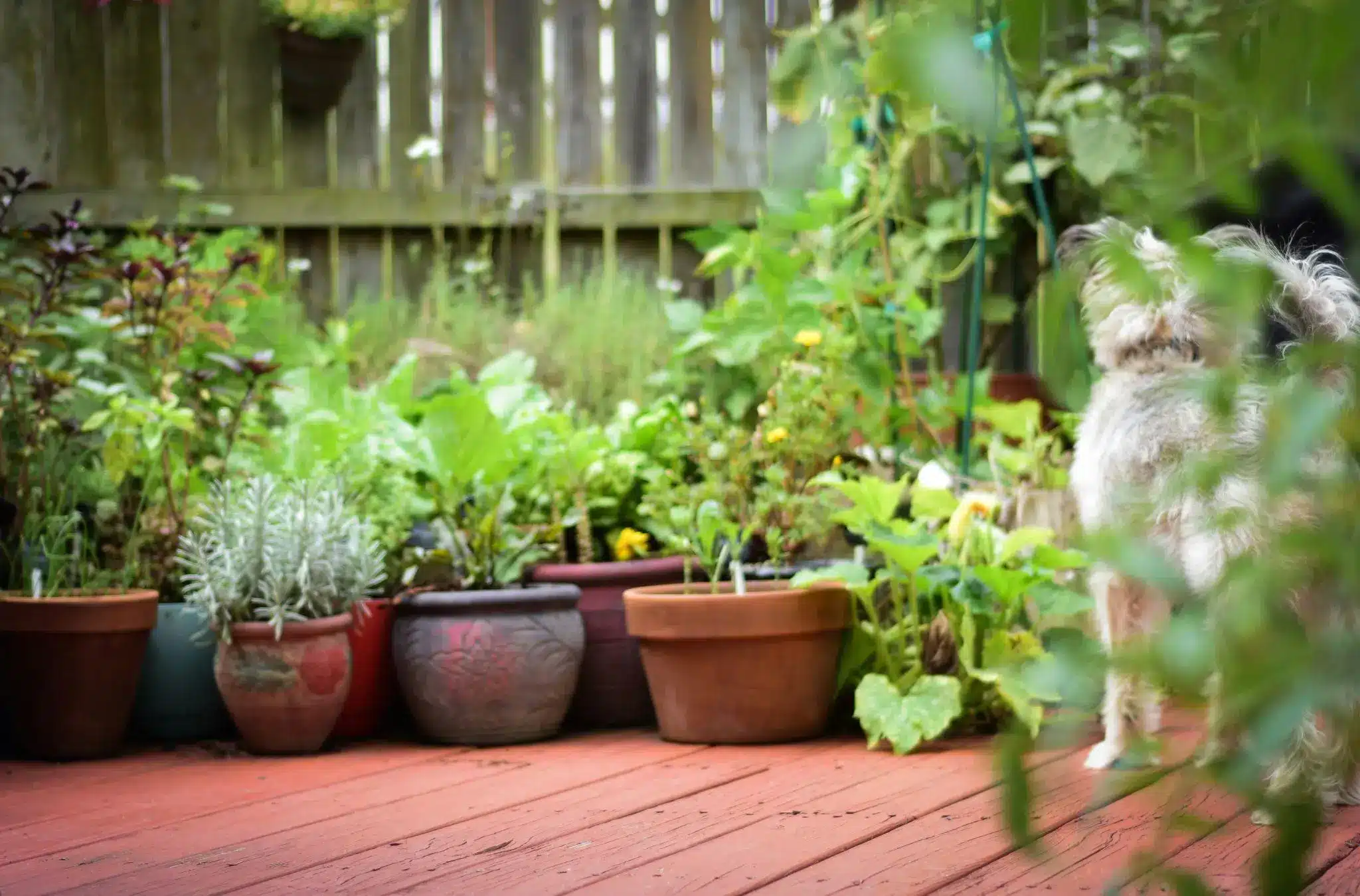
These same conditions benefit smaller garden plants too. If you are other herbs nearby, they respond well to the same well-drained, sunny spots.
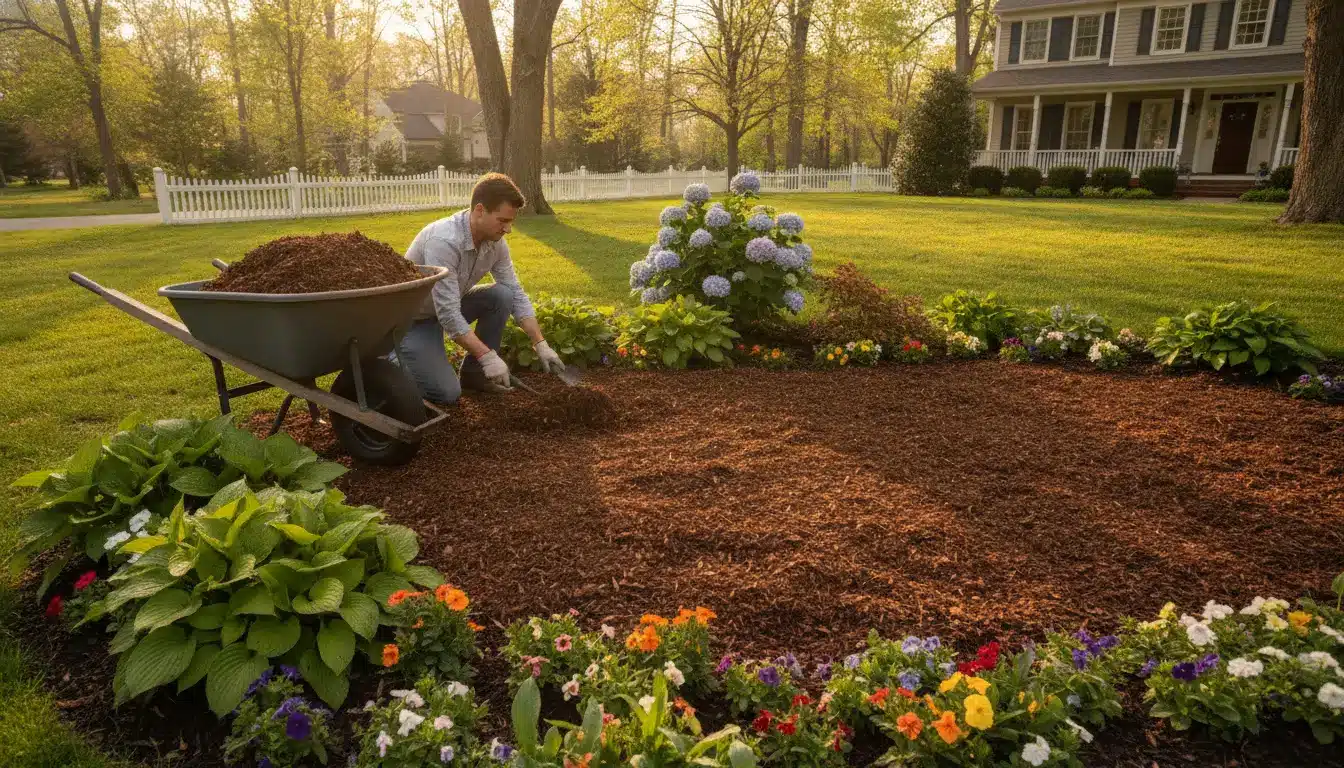
Before planting, yard owners should think about long term goals, available space, and how much upkeep they are willing to put in.
Fastest Growing Trees for Privacy
Privacy does not have to come from tall fences or expensive landscaping projects.
The key is knowing which tree suits the yard, the climate, and the lifestyle of the person planting it.
1. Green Giant Arborvitae
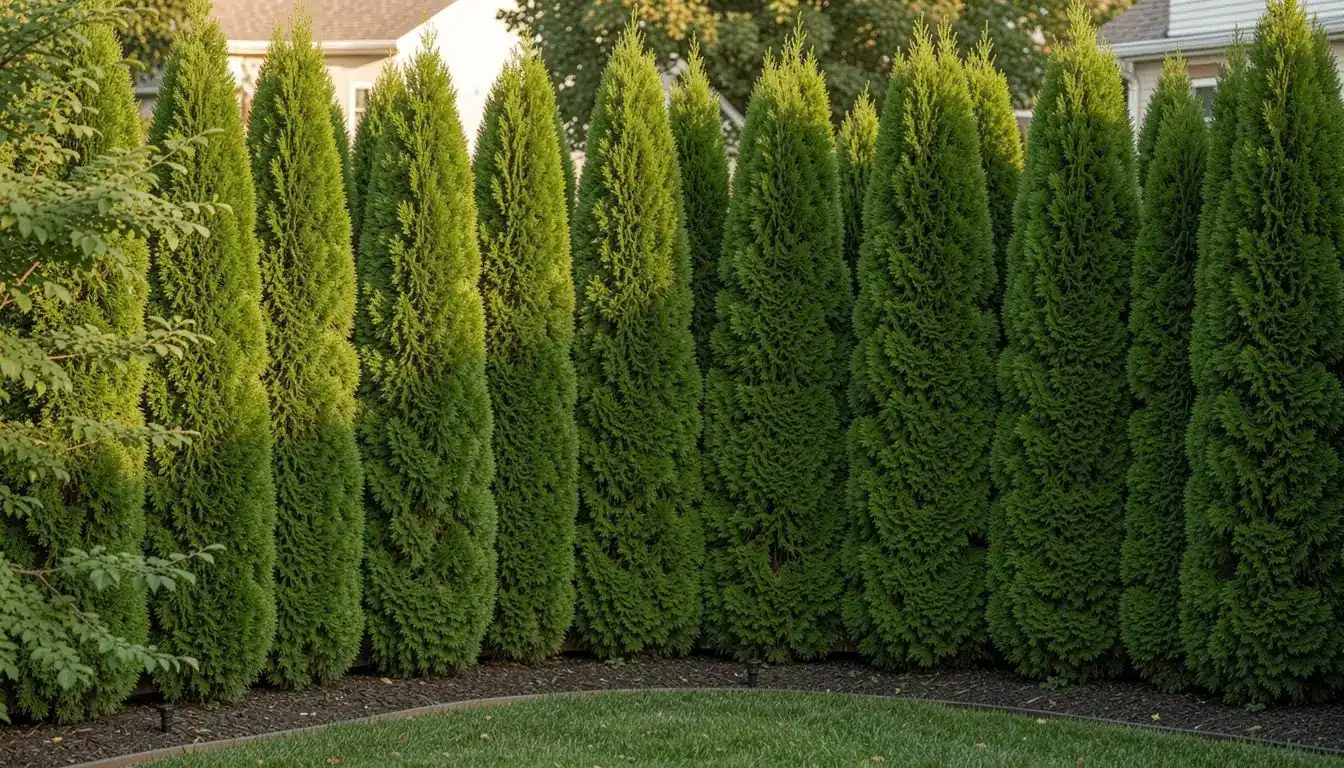
Green Giant Arborvitae is one of the most reliable fast growing trees for privacy available today.
It grows up to 3 feet per year and thrives in zones 5-9. Dense, evergreen foliage creates a thick, natural wall that effectively blocks sightlines.
It handles heat, cold, and even drought reasonably well once established.
For gardeners who want low maintenance and fast results, Green Giant Arborvitae is about as close to a sure thing as planting gets.
Plant them 5 to 6 feet apart. Many yard owners space them too far and end up with gaps that take years to fill in.
2. Leyland Cypress
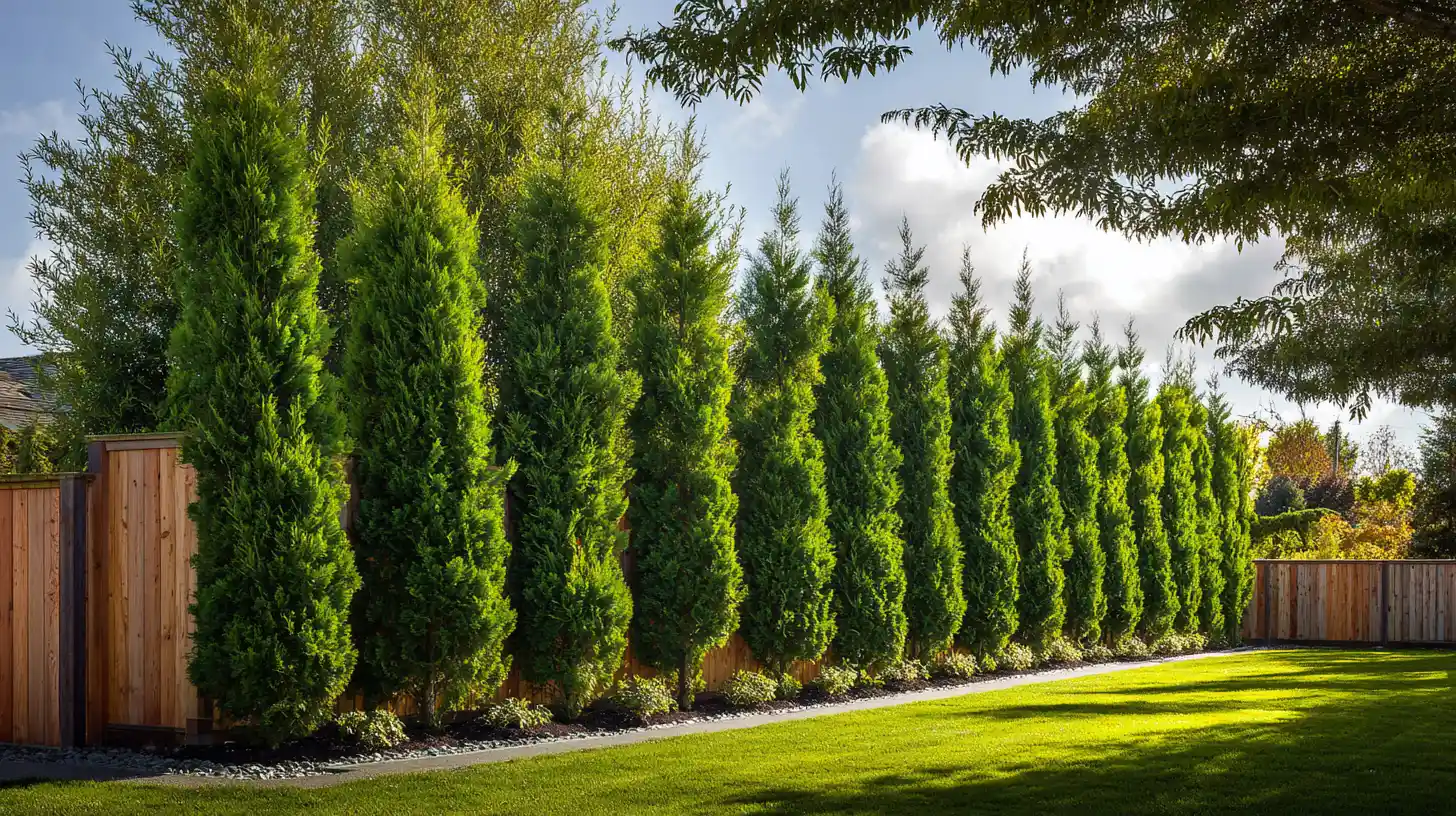
Leyland Cypress shoots upward fast, sometimes growing 3 to 4 feet in a single year.
That rapid vertical growth makes it a popular backyard choice for gardeners who need screening quickly.
It performs best when spaced 6 to 8 feet apart for a dense, solid screen. The tree stays green year round, which means privacy does not disappear when the seasons change.
- Thrives in zones 6 through 10
- Minimal pruning needed in early years
- Avoid overwatering as roots are prone to rot
3. Eastern Red Cedar
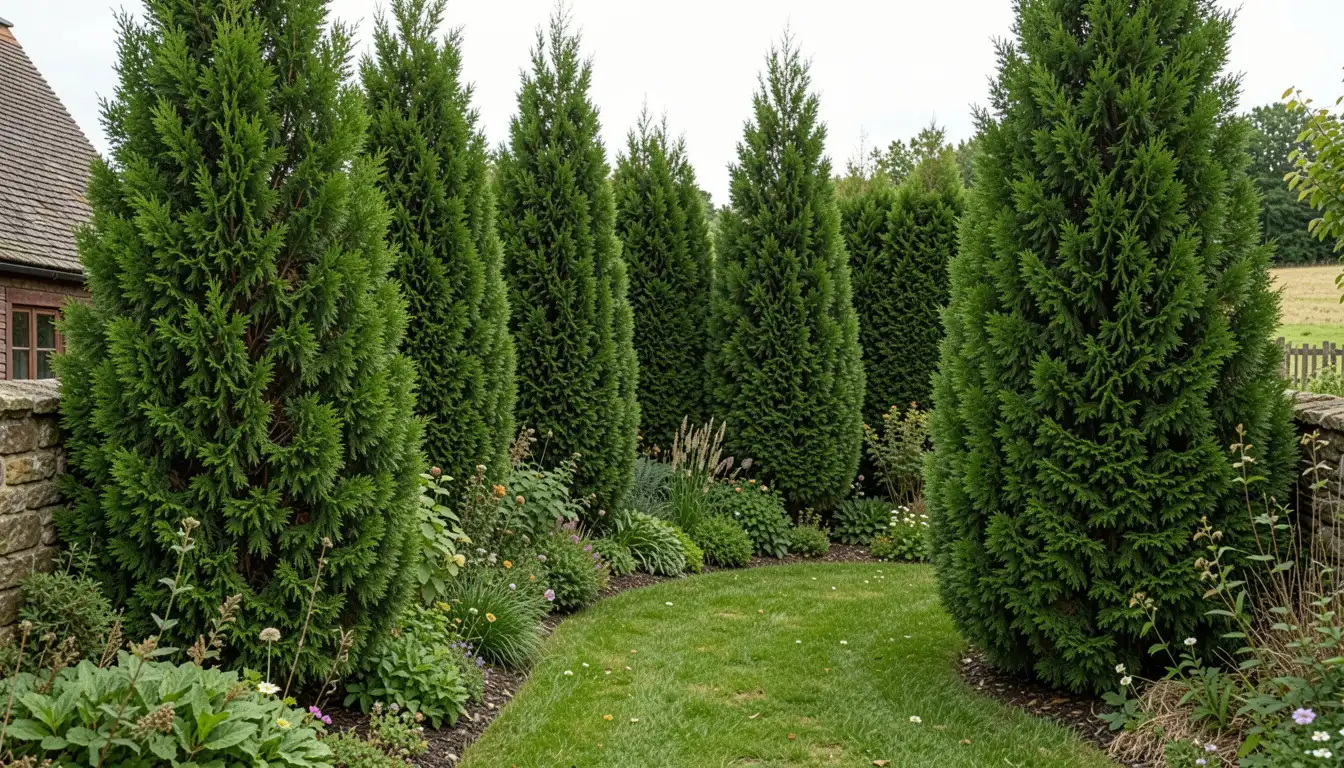
Eastern Red Cedar is a tough, evergreen option that works well in zones 2 through 9.
It grows steadily, provides year-round coverage, and attracts birds, making it a practical and wildlife-friendly choice.
It handles poor soil better than most trees and needs very little attention once established.
For yard owners who want solid privacy without constant upkeep, Eastern Red Cedar delivers exactly that year after year.
First-time planters often load Eastern Red Cedar with fertilizer thinking it helps, but it actually slows root development down. Skip it in year one and let the tree settle in on its own terms.
Fastest Growing Trees for Landscaping Beauty
Some gardeners want color, character, and something that makes the yard genuinely worth looking at.
These trees deliver on all of that while still growing at a pace that does not test anyone’s patience.
4. Crepe Myrtle
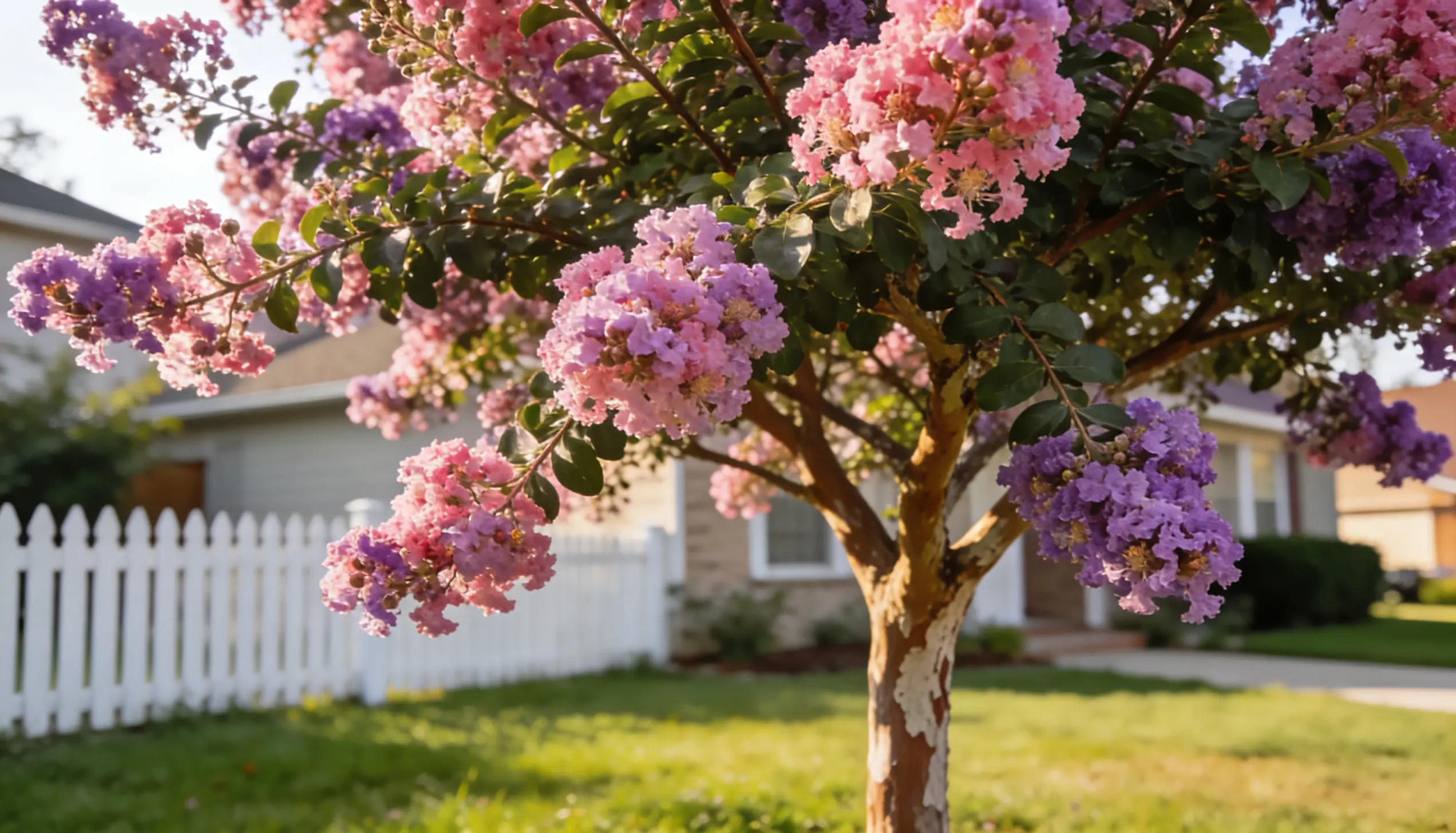
Crepe Myrtle is one of those trees that earns its spot in a yard twice over.
It grows fast, puts on a vivid display of pink, red, white, or purple blooms from summer right through early fall, and keeps things interesting even after the flowers drop.
- Works well as a standalone feature or driveway border
- Thrives in zones 6 through 9
- Light pruning in late winter keeps the shape clean
- Low maintenance once established, minimal watering needed
5. Tulip Tree
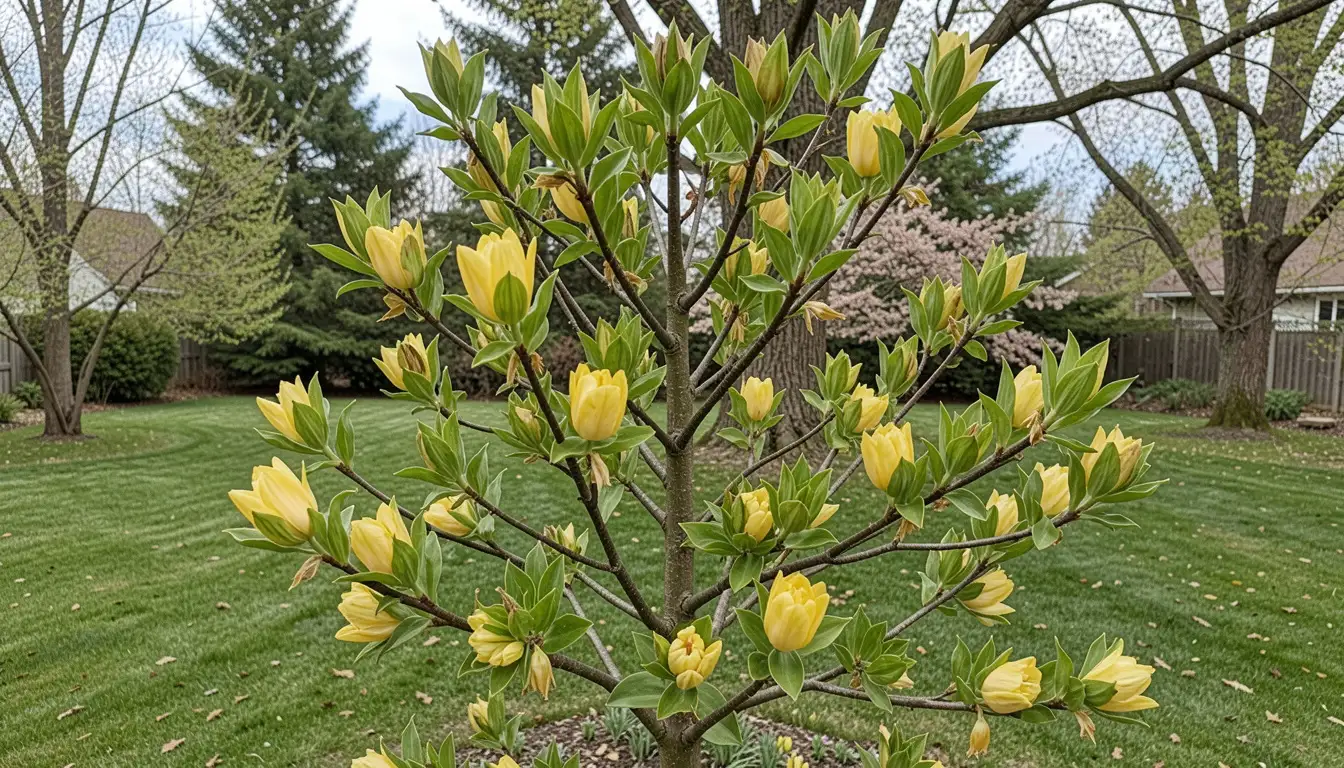
Tulip Tree is a tall ornamental beauty that earns its place in any larger yard.
It produces distinctive tulip shaped flowers in spring and offers rich golden foliage in autumn.
Beyond looks, it adds real value to a property. It grows best in zones 4 through 9, prefers moist, well-drained soil, and rewards consistent care with impressive height gains year after year.
Tulip Trees drop flowers and leaves across two seasons. Placement matters more than most people realize with this one.
Related read: What to do with Tulips After They Bloom?
6. Autumn Blaze Maple
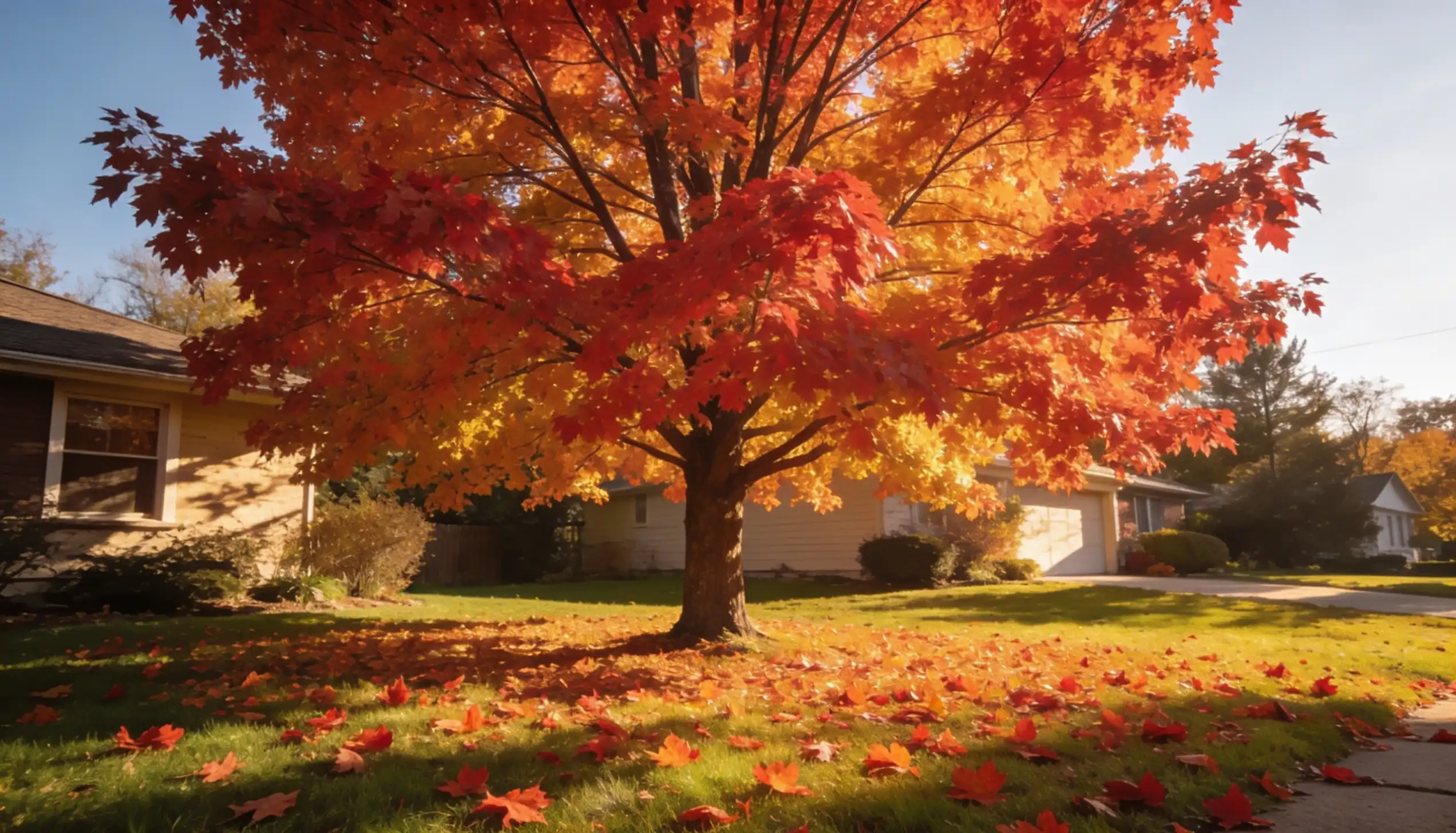
Autumn Blaze Maple grows up to 3 feet per year, provides generous shade through summer, and puts on a spectacular show of brilliant red and orange foliage every fall.
It works equally well as a shade tree or a bold landscape focal point. Zones 3 through 8 suit it best, and once established, it asks for very little.
For yard owners who want maximum visual impact with minimum effort, this tree is hard to overlook.
Watering a little every day does more harm than good with Autumn Blaze Maple. Deep, infrequent watering builds stronger roots and a healthier tree overall.
Fastest Growing Trees for Lumber and Utility
Some farmers and landowners want trees that pull practical weight, whether that means timber, windbreaks, or land restoration.
These trees deliver utility without making anyone wait decades for results.
7. Loblolly Pine
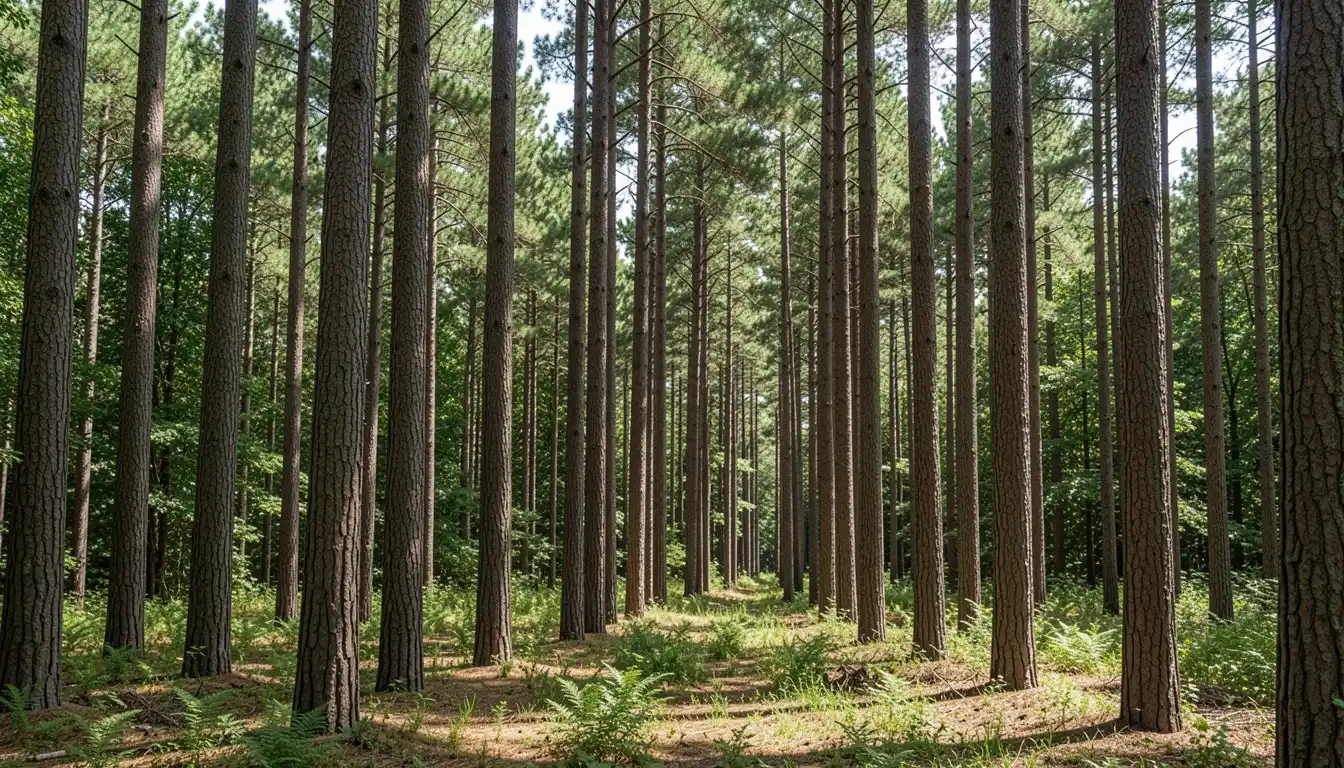
Loblolly Pine is the backbone of the commercial timber industry in the southeastern United States.
It grows faster than most other pine species, adding 2 to 3 feet per year, and performs best in zones 6 through 9.
Full sun and slightly acidic, well-drained soil bring out its best growth.
Loblolly Pine planted too close together will compete for light and produce weaker, thinner trunks. Space them properly from the start.
8. Silver Maple
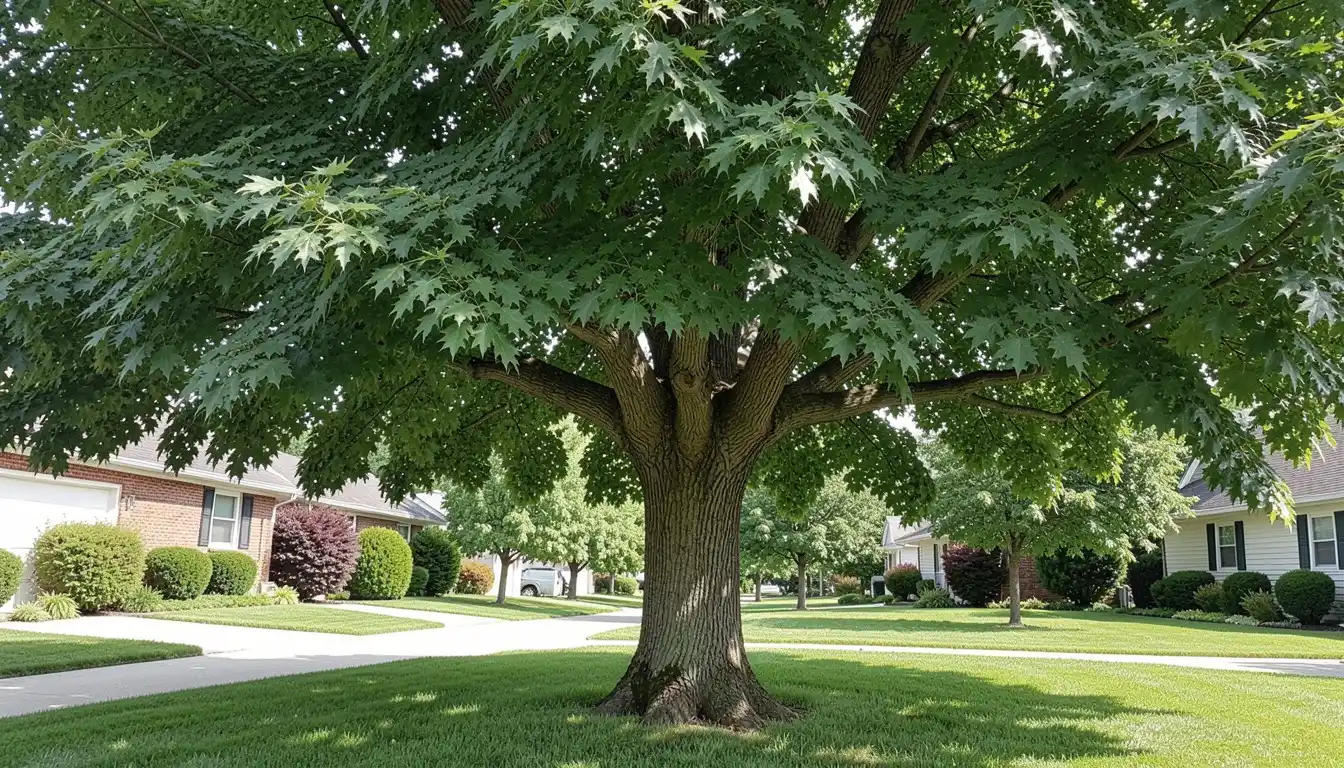
Silver Maple is one of the most adaptable fast growing trees available, handling everything from wet, poorly drained soil to dry urban conditions with relative ease.
- Produces usable wood and generous shade within a few years
- Grows up to 3 feet per year in suitable conditions
- Root system spreads wide and shallow, creating issues near driveways and pavements
- Regular pruning keeps the structure strong and reduces storm damage risk
Fastest Growing Shade Trees for Cooler Yards
A yard without shade is a yard that goes unused through the hottest months of the year.
Fast-growing shade trees solve that problem quickly, and the best ones do so while adding real visual interest to the property.
These trees are worth serious consideration for anyone who wants a cooler, more comfortable outdoor space.
9. Red Maple
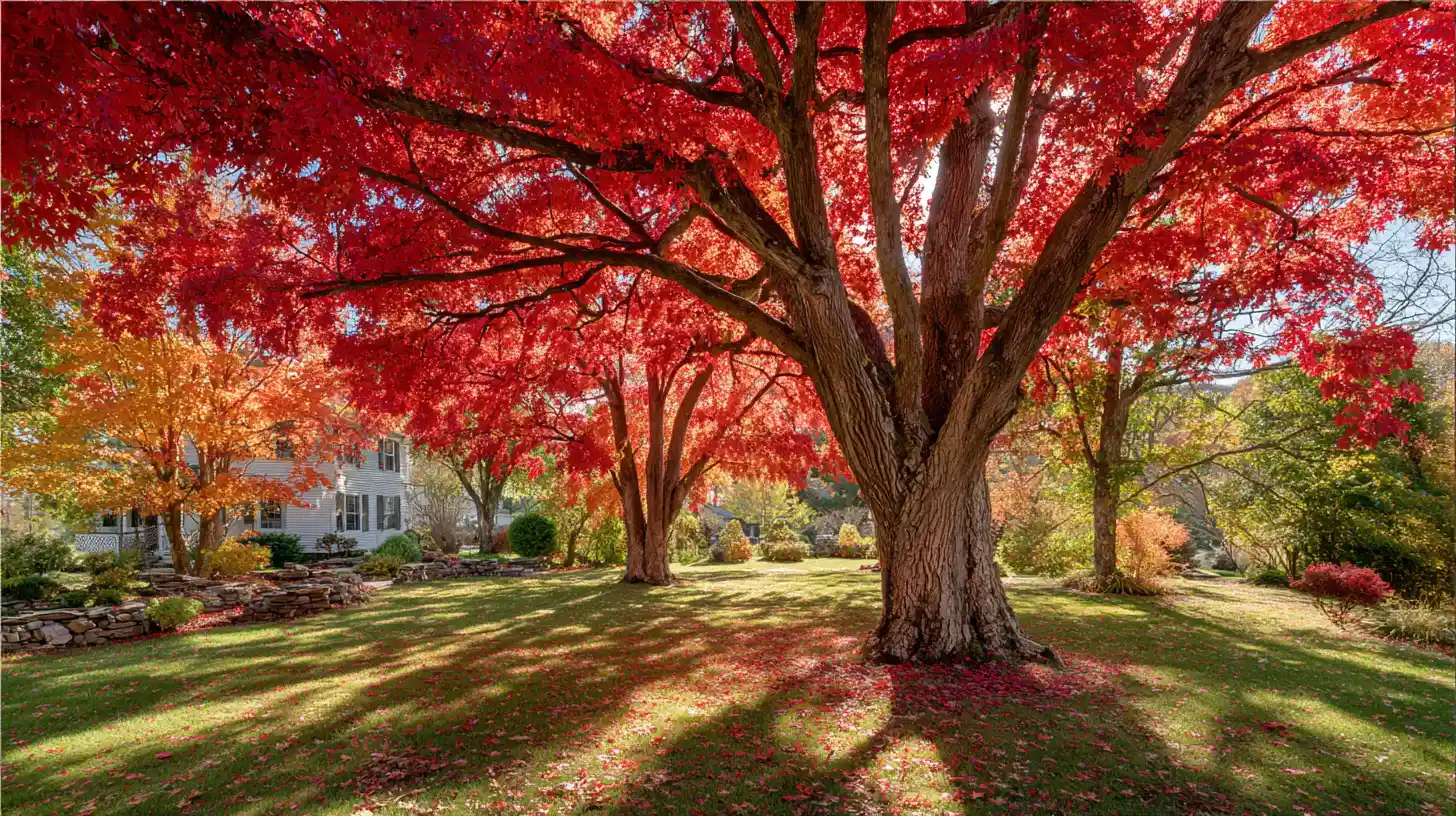
Red Maple is one of the most popular fast growing shade trees in North America, and for good reason.
It covers ground quickly, growing up to 3 feet per year, and delivers stunning seasonal color from soft reds in spring to fiery shades in autumn.
It prefers moist, slightly acidic soil but adapts well to a range of conditions.
Zones 3 through 9 suit it comfortably, making it a reliable choice across most of the country.
Most yard owners skip the soil test and regret it by season two. Red Maple in alkaline soil turns yellow fast. A simple pH check before planting saves a lot of head scratching later.
10. Northern Catalpa
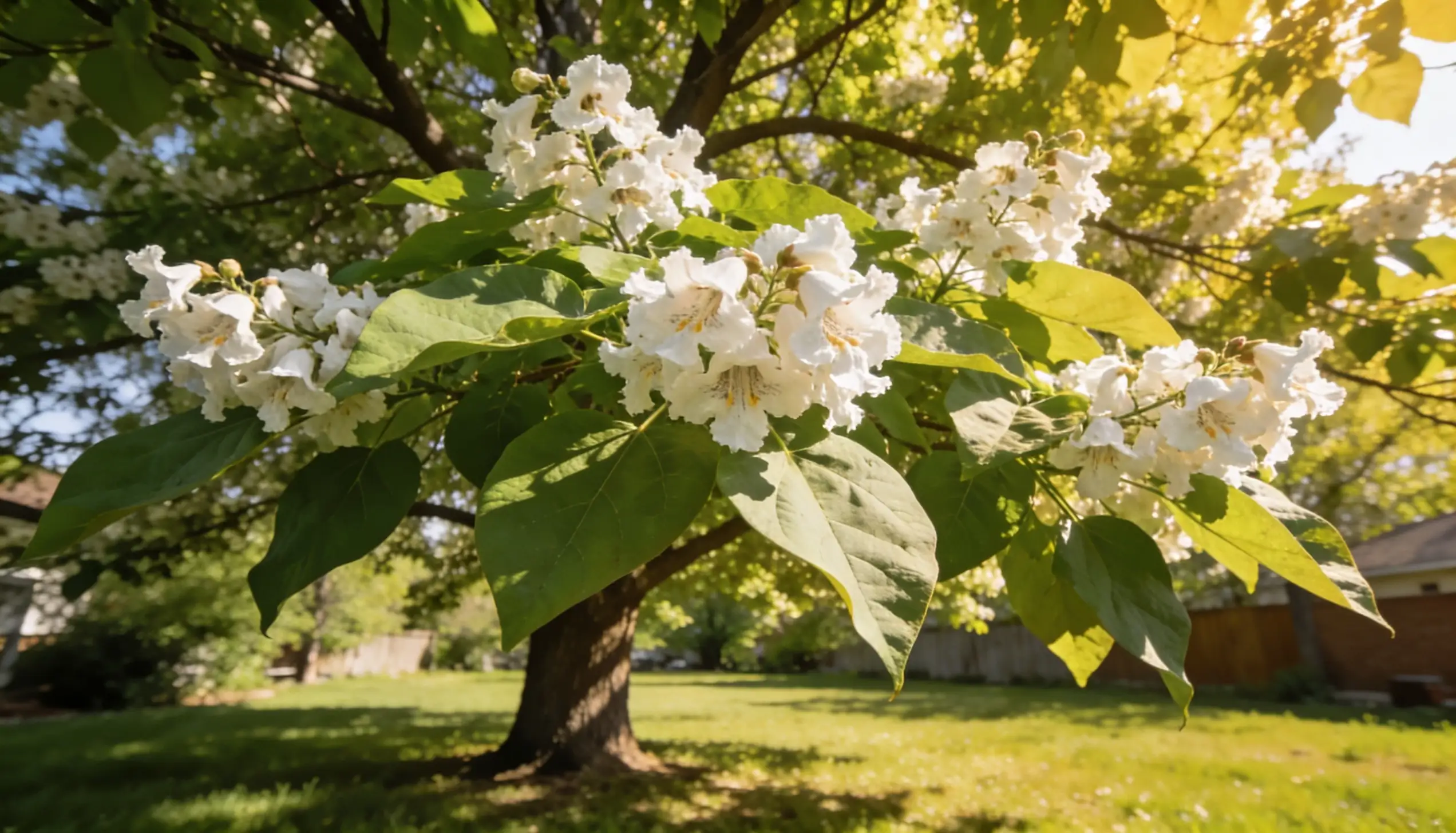
Northern Catalpa is not a tree that blends into the background.
Its massive leaves create some of the densest shade available from a fast growing species, and in late spring it produces clusters of showy white flowers.
It grows best in open yards where its wide canopy can spread without crowding structures or pathways.
- Thrives in zones 4 through 8
- Grows up to 2 feet per year under good conditions
- Produces long seed pods that drop and require seasonal cleanup
- Works best as a standalone feature rather than a row planting
11. American Sycamore
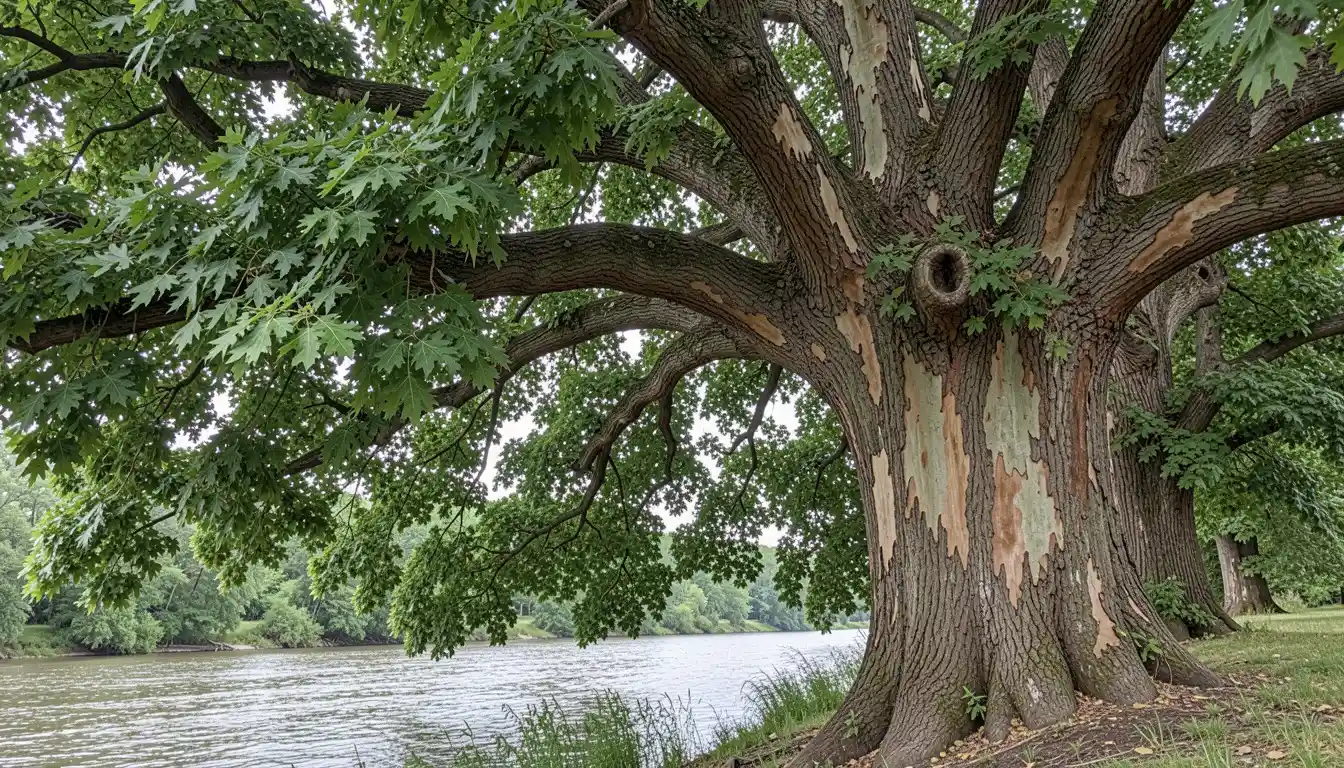
American Sycamore is built for large properties. Its canopy spreads quickly and widely, providing generous shade over a large area within just a few growing seasons.
It grows up to 6 feet per year in the right conditions and thrives near water sources where the soil stays consistently moist.
Zones 4 through 9 suit it well, though it does attract some common pests, such as lace bugs and anthracnose fungus, which are worth monitoring.
Fast-Growing Trees by Climate Zone
Not every tree grows well in every climate.
The zone you live in determines how cold winters get, and that shapes which trees can survive and grow quickly on your property.
The USDA Plant Hardiness Zone Map divides North America into zones based on average minimum winter temperatures.
Match your tree to your zone, and you get stronger roots, less maintenance, and better long term results.
| Climate Zone | Temperature Range | Best Fast Growing Trees | Growth Type |
|---|---|---|---|
| Zones 1 to 2 | Below -50°F to -40°F | Quaking Aspen | Deciduous |
| Zone 3 | -40°F to -30°F | Quaking Aspen, Red Maple, Black Locust, Autumn Blaze Maple | Deciduous |
| Zones 4 to 5 | -30°F to -10°F | River Birch, Tulip Tree, Northern Catalpa, Silver Maple, Eastern Red Cedar | Mostly Deciduous |
| Zones 6 to 7 | -10°F to 10°F | Leyland Cypress, Loblolly Pine, Weeping Willow, Green Giant Arborvitae, Red Maple | Evergreen and Deciduous |
| Zones 8 to 9 | 10°F to 30°F | Crepe Myrtle, Paulownia, Eucalyptus, Hybrid Poplar, Eastern Red Cedar | Evergreen and Deciduous |
| Zones 10 to 11 | 30°F to 40°F | Bamboo Palm, Eucalyptus, Crepe Myrtle | Mostly Evergreen |
Best Places to Plant Fast Growing Trees Around Your Property
Picking the right tree is only half the job. Knowing exactly where to put it makes the difference between a yard that works beautifully and one that causes problems for years.
A little planning before digging saves a lot of trouble down the line.
- Near Fences: Green Giant Arborvitae and Leyland Cypress work best, kept 5 to 6 feet from the fence line.
- Front Yard: Crepe Myrtle and Autumn Blaze Maple add great curb appeal, but check for overhead power lines first.
- Backyard Shade: American Sycamore and Red Maple planted on the west side maximize afternoon shade.
- Driveways and Walkways: River Birch and Eastern Red Cedar suit these spots well, provided they are at least 10 feet from any paving.
- Large Open Land: Hybrid Poplar and Paulownia need at least 15 feet between trees for healthy canopy spread.
- Avoid Near Pipes: Weeping Willow, Silver Maple, and Black Locust should stay 20 feet minimum from foundations and pipework.
Wrapping Up
Fastest growing trees are one of the smartest investments a yard owner can make in their property.
The right tree in the right spot adds privacy, shade, beauty, and real value to a yard without demanding years of patience.
Some grow faster than others, some suit specific climates, and some serve very different purposes. But the one thing they all have in common is that they get to work quickly.
Pick the right one and the results will speak for themselves.
Frequently Asked Questions
1. How Long Does it Take for a Tree to Provide Full Privacy?
Most fast growing privacy trees like Green Giant Arborvitae and Leyland Cypress create a solid screen within 3 to 5 years of planting, depending on spacing and growing conditions.
2. Can Fast Growing Trees be Planted in Containers or Pots?
Smaller varieties like Bamboo Palm and Crepe Myrtle can thrive in large containers, but most fast growing trees need open ground to reach their full growth potential.
3. Do Fast Growing Trees Need More Water Than Slower Growing Species?
Yes, most fast growing trees demand more water during their first two years of establishment, after which many become considerably more drought tolerant depending on the species.