You scatter some wildflower seeds, water them, and wait. Some bloom beautifully. But the next spring, half of them simply never show up again.
If you can relate to this, you are not alone; you might not realize that some wildflowers live for just one season, while others come back year after year.
In this blog, we cover the main types of wildflowers and some maintenance tips to help them do well in your garden.
Are Wildflowers Perennials?
No, not all wildflowers are the same. Some bloom once and disappear. Others come back every single year. And a few take two full years just to flower.
So, before you plant anything, you must know the difference to plan your garden better.
Wildflowers are broadly split into three types: annuals, perennials, and biennials.
Knowing which type you’re planting makes the difference in how you plan and care for your garden.
Annual Wildflowers
Annuals complete their life cycle in a single season. They grow fast, bloom quickly, and then die off.
But many of them drop seeds on their own, so they often return the next year without any extra effort from you.
Characteristics
- Grow and bloom within one season
- Produce a large number of flowers
- Often reseed themselves naturally
- Best for quick color and coverage
Lifespan
Annual wildflowers live for just one growing season. Once they bloom and set seed, their cycle ends.
Most last anywhere from a few weeks to several months, depending on the variety and climate.
Perennial Wildflowers
Perennials come back every year on their own. They develop stronger roots over time and tend to bloom for longer once they’re well settled.
If you want a low-effort garden, perennials are a solid choice.
Characteristics
- Return every year without replanting
- Develop deep and strong root systems
- Bloom for longer periods once established
- Handle tough weather conditions better
Lifespan
Perennial wildflowers can live for many years.
Some varieties last three to five years, while others can stick around for much longer with the right conditions.
Most gardeners prefer perennials because they save both time and money in the long run. Once planted, you don’t have to worry about them every single season.
Biennial Wildflowers
Biennials are a little different from both annuals and perennials. They take their time, two full years to be exact. The first year, they just sit quietly and grow their leaves.
The second year, they finally bloom. It’s a slow process, but worth the wait.
Characteristics
- Take two full years to complete their cycle
- Grow only leaves in the first year
- Bloom and seed in the second year
- Reseed before dying off completely
Lifespan
Biennials live for exactly two years. The first year is all about growth, and the second year is when they finally flower.
After that, they drop their seeds, and the process starts over again.
Difference Between Annuals, Perennials, & Biennials
Not every wildflower grows the same way. Annuals, perennials, and biennials each have their own rhythm, and once you know that, planting gets a whole lot easier.
Below is a quick side-by-side look at how these three types of wildflowers differ:
| Feature | Annual | Perennial | Biennial |
|---|---|---|---|
| Life Span | One season | Many years | Two years |
| Root System | Shallow | Deep and strong | Moderate |
| Blooming Time | First season | After settling in | Second year only |
| Reseeding | Yes, naturally | Not always | Yes, before dying |
| First Year Growth | Bloom’s same year | Bloom’s same year | Leaves only |
| Effort Needed | Replant each year | Low effort | Moderate effort |
| Best For | Quick color | Long-term garden | Patience pays off |
Popular Types of Perennial Wildflowers
There are hundreds of perennial wildflowers out there. But some are more popular than others, and for good reason.
1. Black-Eyed Susan
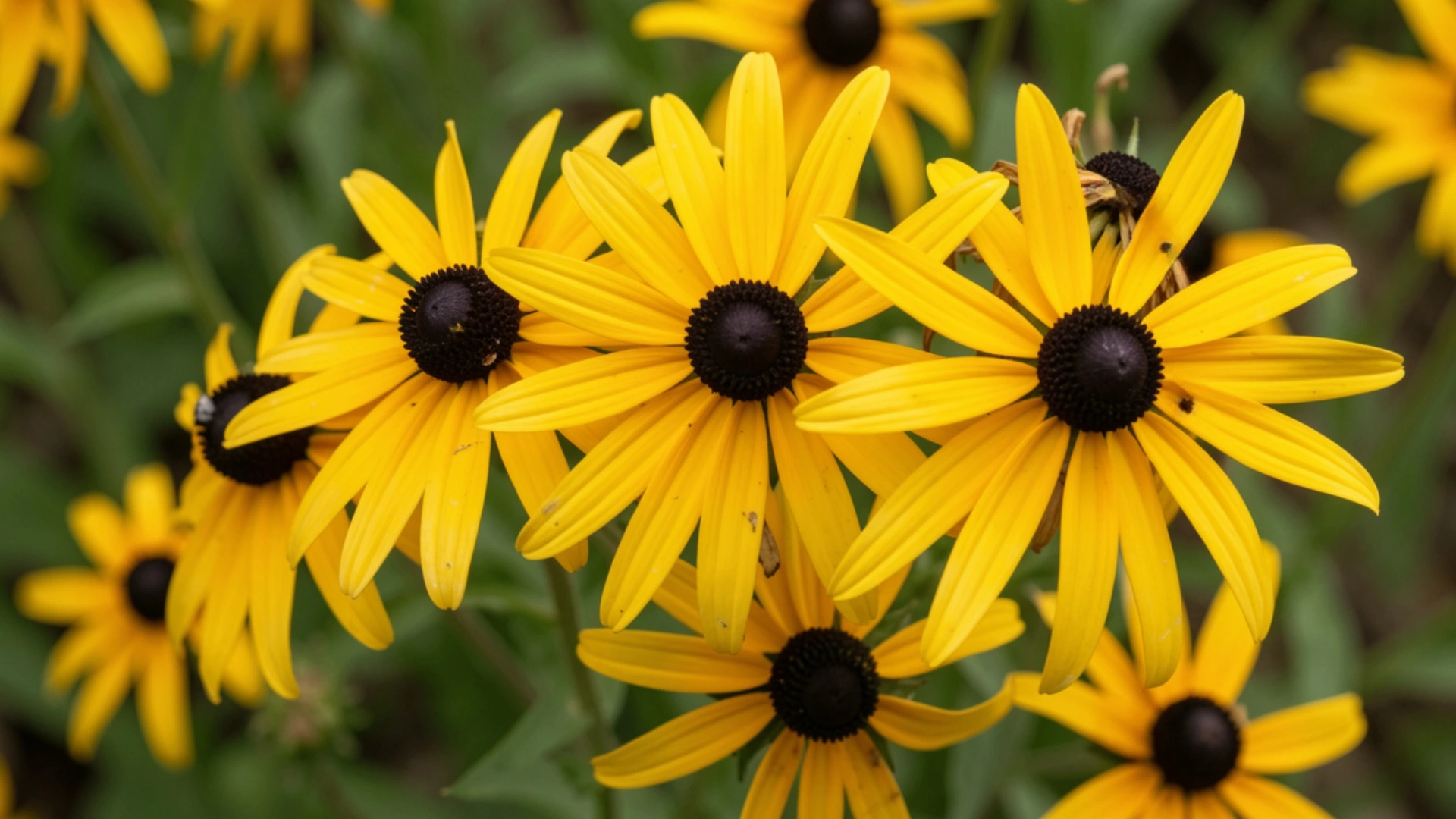
If you had to pick one wildflower for a beginner, this would be it. Bright yellow petals, dark brown center, and almost zero fuss.
It grows well in dry and sunny spots. Butterflies and bees love it too, so your garden stays lively all season long.
2. Purple Coneflower
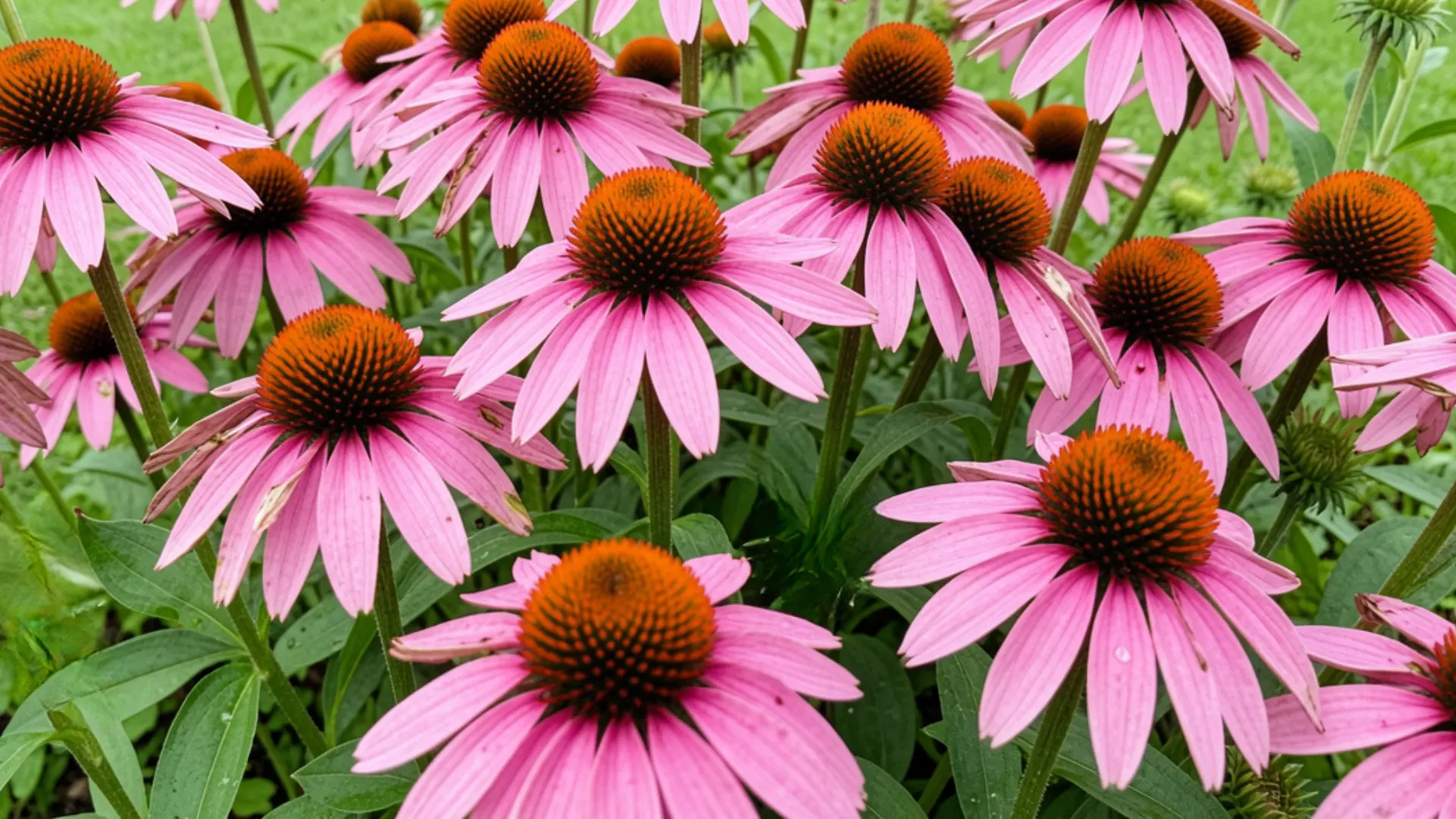
It is also known as Echinacea; this one does double duty. It looks great in the garden and has well-known medicinal properties too.
This flower handles tough conditions like poor soil and dry weather, without complaint.
Birds feed on the seeds, and the plant has long been used for its immune-boosting medicinal properties.
3. Wild Bergamot
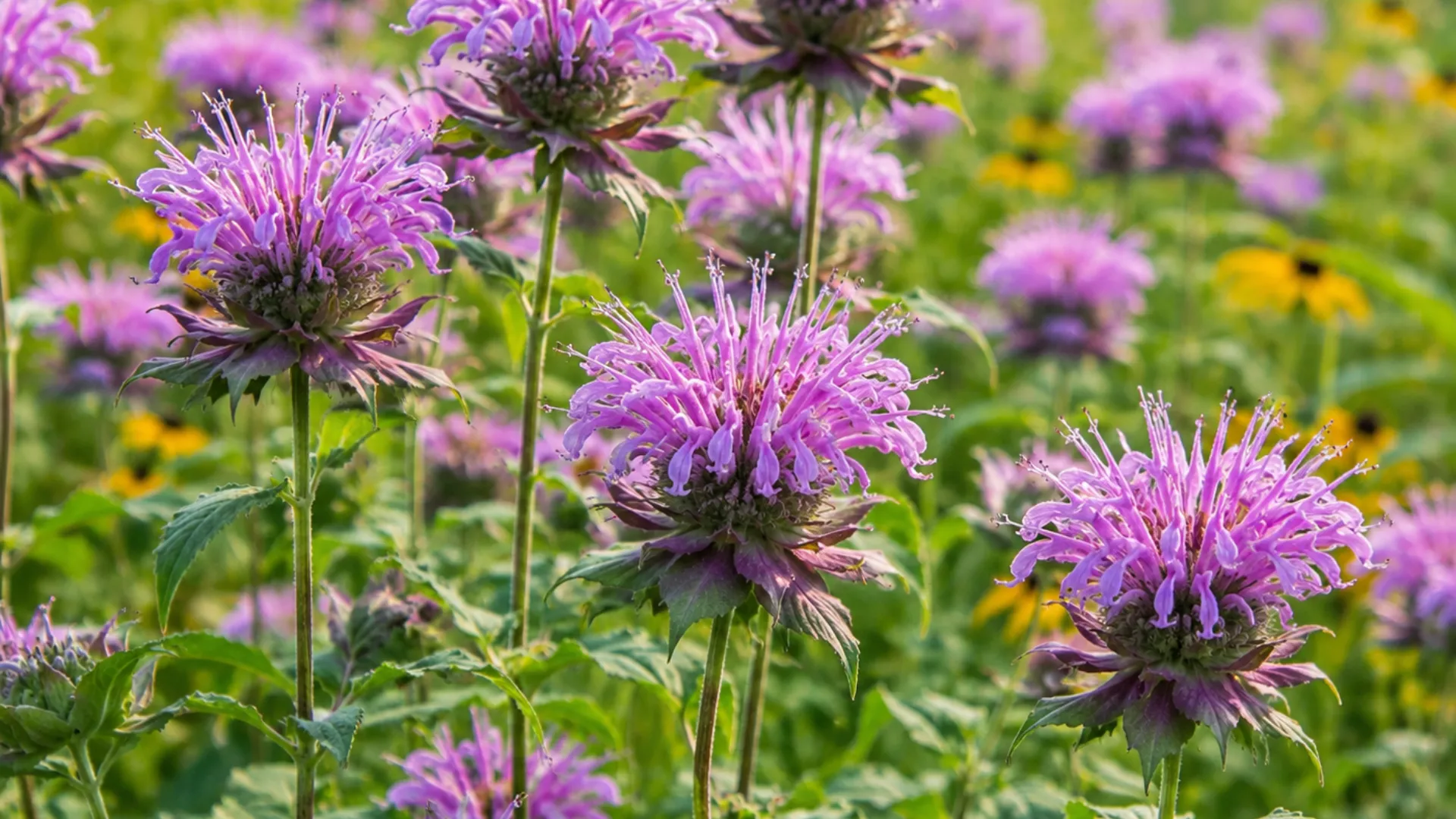
This flower has a fresh minty scent that’s hard to miss.
Wild Bergamot thrives in sunny, open spaces and dry soil. It produces lavender-pink flower clusters that pollinators can’t resist.
It supports bees, butterflies, and even hummingbirds. The leaves also have a mild minty scent and are sometimes used in herbal teas.
4. Butterfly Weed
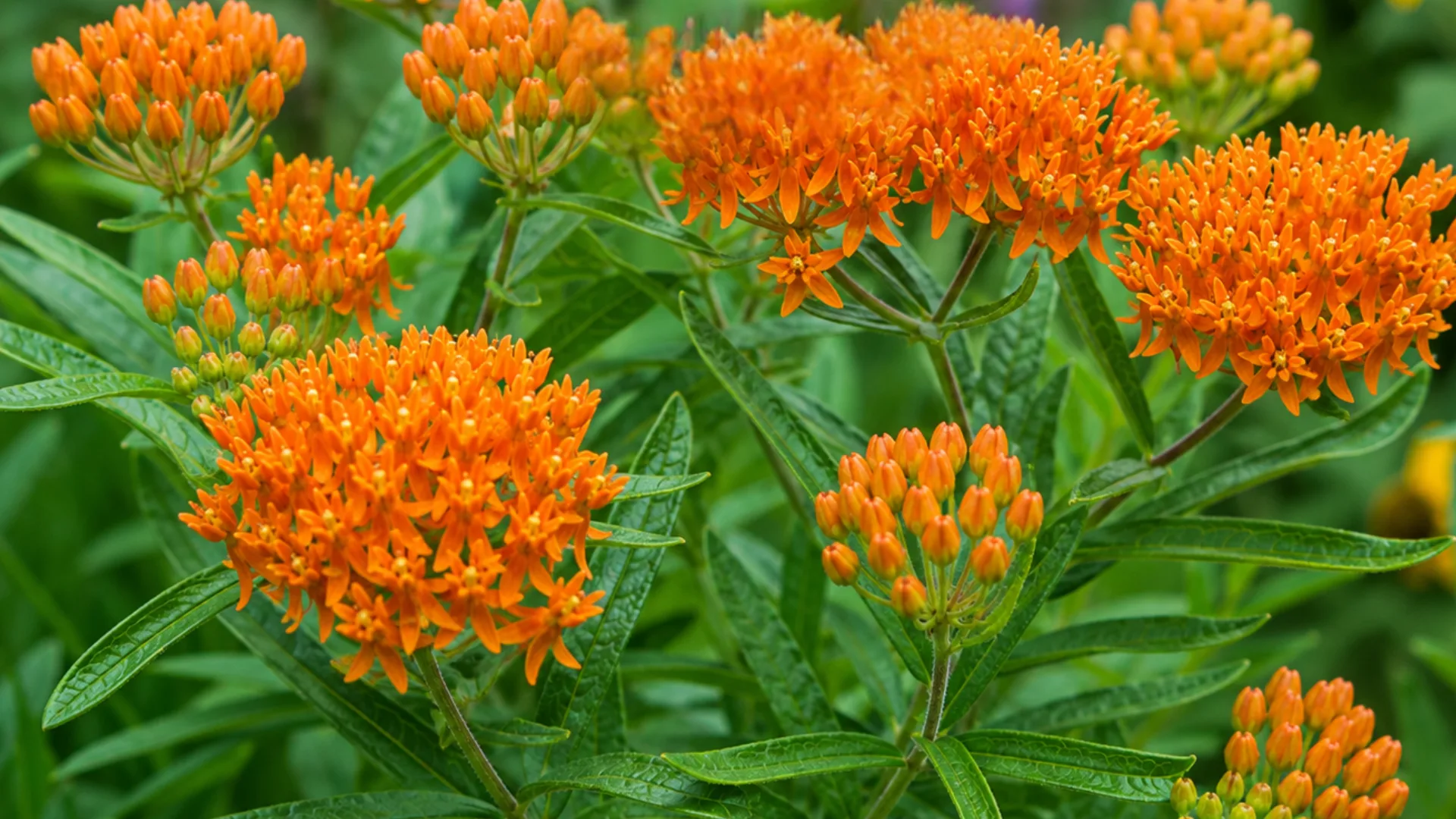
The name says it all. Plant this, and monarchs will find your garden. It grows in poor, dry soil and needs full sun.
The bright orange flowers bloom from early summer through fall. It also supports other pollinators and requires almost no maintenance once established.
5. Blue Wild Indigo
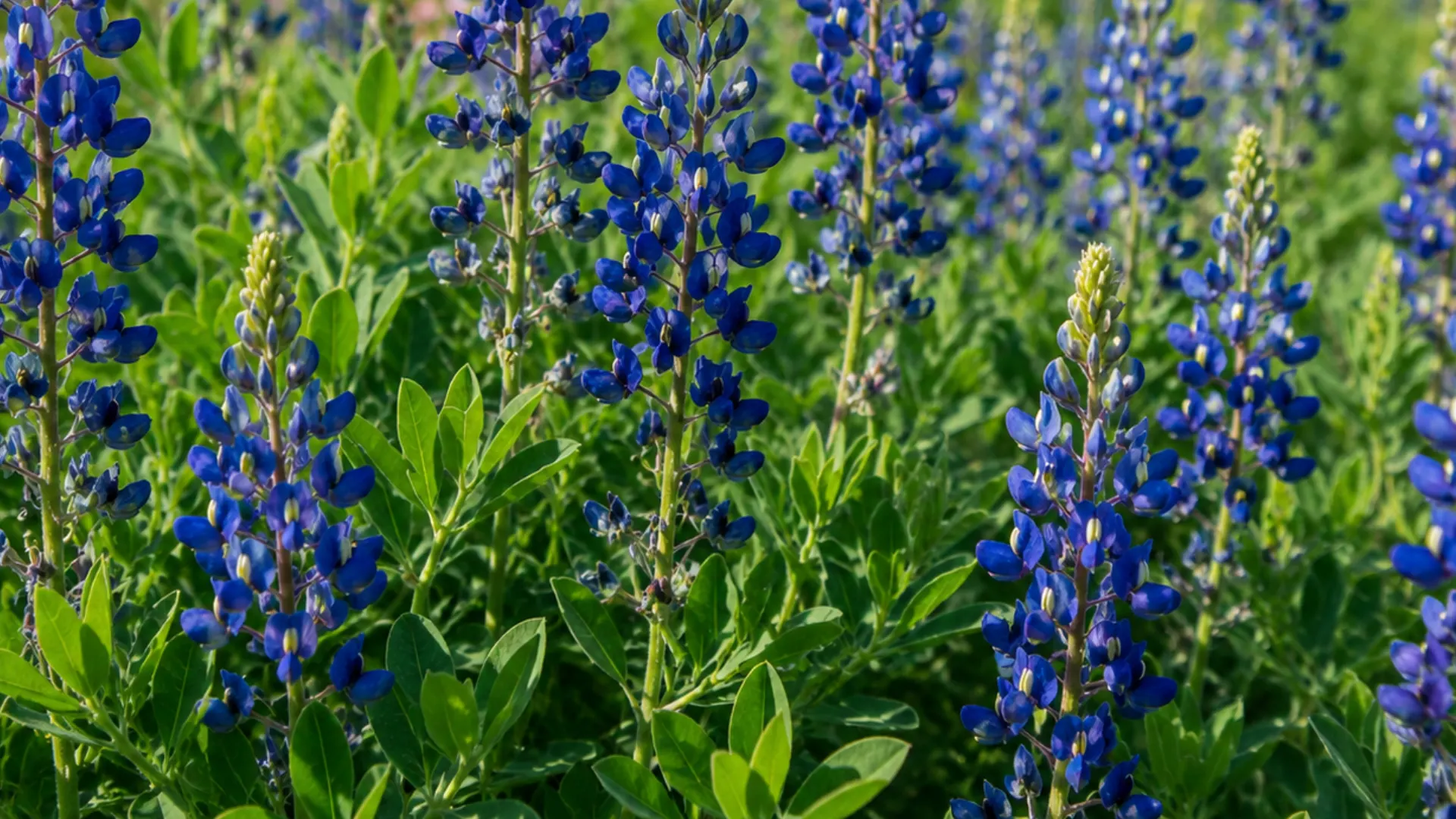
Blue Wild Indigo is a long-lived plant that improves soil health by naturally fixing nitrogen. The deep blue-purple flower spikes appear in spring and attract bumblebees.
It’s resistant to deer and drought, making it a very practical and reliable choice for any garden.
How to Maintain Wildflowers Through the Seasons?
Wildflowers are low-maintenance, but that doesn’t mean they need no attention. A little care at the right time each season goes a long way.
Spring
Spring is the most active time for wildflowers. This is when most of them start to wake up and grow. Clear away any dead plant material left from winter.
If you’re planting new seeds, spring is the best time to do it. Water lightly and let nature do the rest.
Summer
Summer is all about keeping an eye on things. Most wildflowers handle heat well, but young plants may need occasional watering during dry spells.
Remove any weeds that compete for space and nutrients. Deadheading spent blooms can also encourage more flowers to grow.
Fall
Fall is a great time to prepare for the next season. Leave some seed heads in place so they can reseed naturally.
For perennials, cut back the stems once the blooming is done. You can also plant new perennial seeds in early fall so they settle in before winter arrives.
Winter
Most wildflowers go into a rest period in winter. You don’t need to do much during this time.
Leave the dead stems and foliage in place as they provide shelter for beneficial insects. Perennials will come back on their own once the temperature warms up in spring.
How to Decide Between Annual and Perennial Wildflowers?
Picking between annuals and perennials doesn’t have to be complicated. It really comes down to a few simple things like your time, your garden, and what you want from it.
Time and Effort
If you don’t have much time for gardening, perennials are a better fit. You plant them once, and they keep coming back.
Annuals need replanting every season, which takes more effort and time.
Garden Budget
Annuals are cheaper to buy upfront. But since you replant them every year, the costs add up over time.
Perennials cost more initially but save you money in the long run since they return on their own every year.
Garden Goals
If you want quick, bright color this season, go with annuals.
They bloom fast and fill spaces well. But if you want a garden that builds and improves over time, perennials are the smarter choice.
Local Climatic Conditions
Annuals are more flexible and can grow in most climates. Perennials are climate-specific. Some do well in cold regions, others prefer warmer areas.
Always check if a perennial variety suits your local climate before planting.
Available Space
Annuals work great in small spaces, pots, and containers. They’re easy to manage and move around.
Perennials need more ground space since their root systems spread and grow deeper over time.
Annual or Perennial – Now You Know!
Annuals give you quick color and instant results. Perennials take a little more patience, but keep coming back year after year without much effort from you.
The key is knowing what works for your space, your time, and your climate.
Start small, try a few types, and see what grows best in your garden. You might surprise yourself.
Frequently Asked Questions (FAQs)
1. What is the Easiest Wildflower to Grow?
Black-Eyed Susan is the easiest. It grows fast, needs little water, and thrives in most conditions.
2. Are Wildflowers Hard to Maintain?
Not at all. Most wildflowers are naturally built to survive outdoor conditions without much help. Once they settle in, they need very little watering or attention.
3. Can Annual Wildflowers Come Back Naturally?
Yes. Many annual wildflowers reseed themselves naturally, so they often come back the following season on their own.