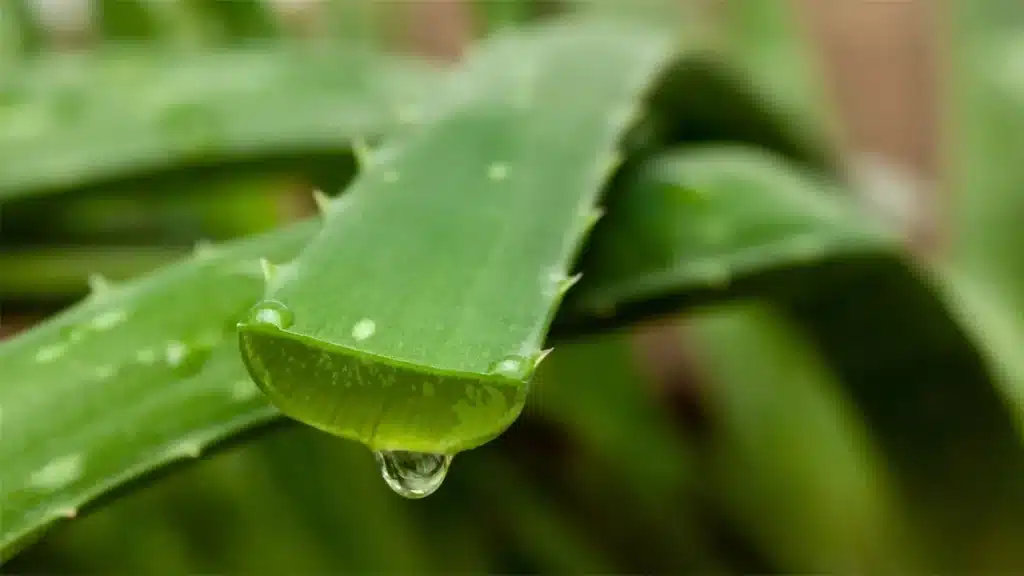
Aloe is one of those plants that almost takes care of itself. You water it now and then, give it some sun, and it just keeps going.
But there are way more types of aloe plants than just the one you see on burn-relief gels.
Let’s walk through them so you can pick your favorites along the way.
The OG Aloe Vera!
The aloe family is huge, with hundreds of species spread across the globe.
Most of them come from Africa, and people have grown them for thousands of years. The ancient Egyptians even called aloe the plant of immortality.
Today, we mostly know aloe for its soothing gel, but that is only part of the story. Over the years, people have used it for more than just sunburn.
- Skin: The gel cools burns, calms rashes, and adds a little moisture to dry patches.
- Hair: Some people rub the gel into their scalp to soothe itch and add shine.
Aloe Species You Should Know
They’re not all the same; some grow tall like trees, while others stay small enough for a teacup.
A few are great for healing cuts and burns, while others just look stunning on a shelf; some prefer the outdoors, and many are happy inside their home.
1. Aloe Vera
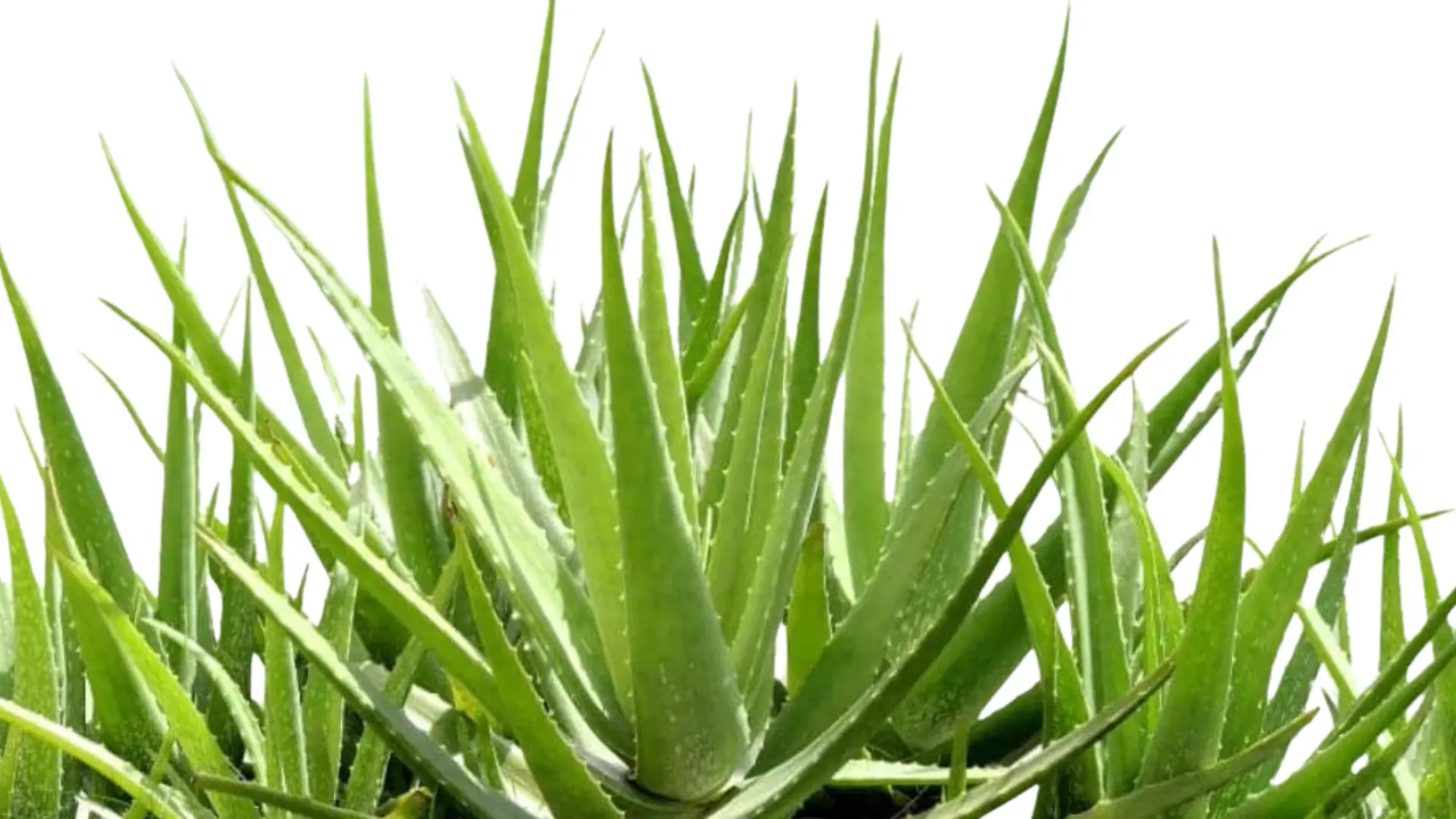
This is the aloe you already know. Its plump leaves break open to show a clear gel that soothes burns and dry skin. There are hundreds of aloe species, but this is the famous healer.
- Botanical name: Aloe barbadensis Miller.
- Water needs: Minimal
- Height: 1–3 feet
- Soil needs: Well-draining
- Sun exposure: Bright, indirect light
- Flower color: Yellow, orange
2. Aloe Arborescens
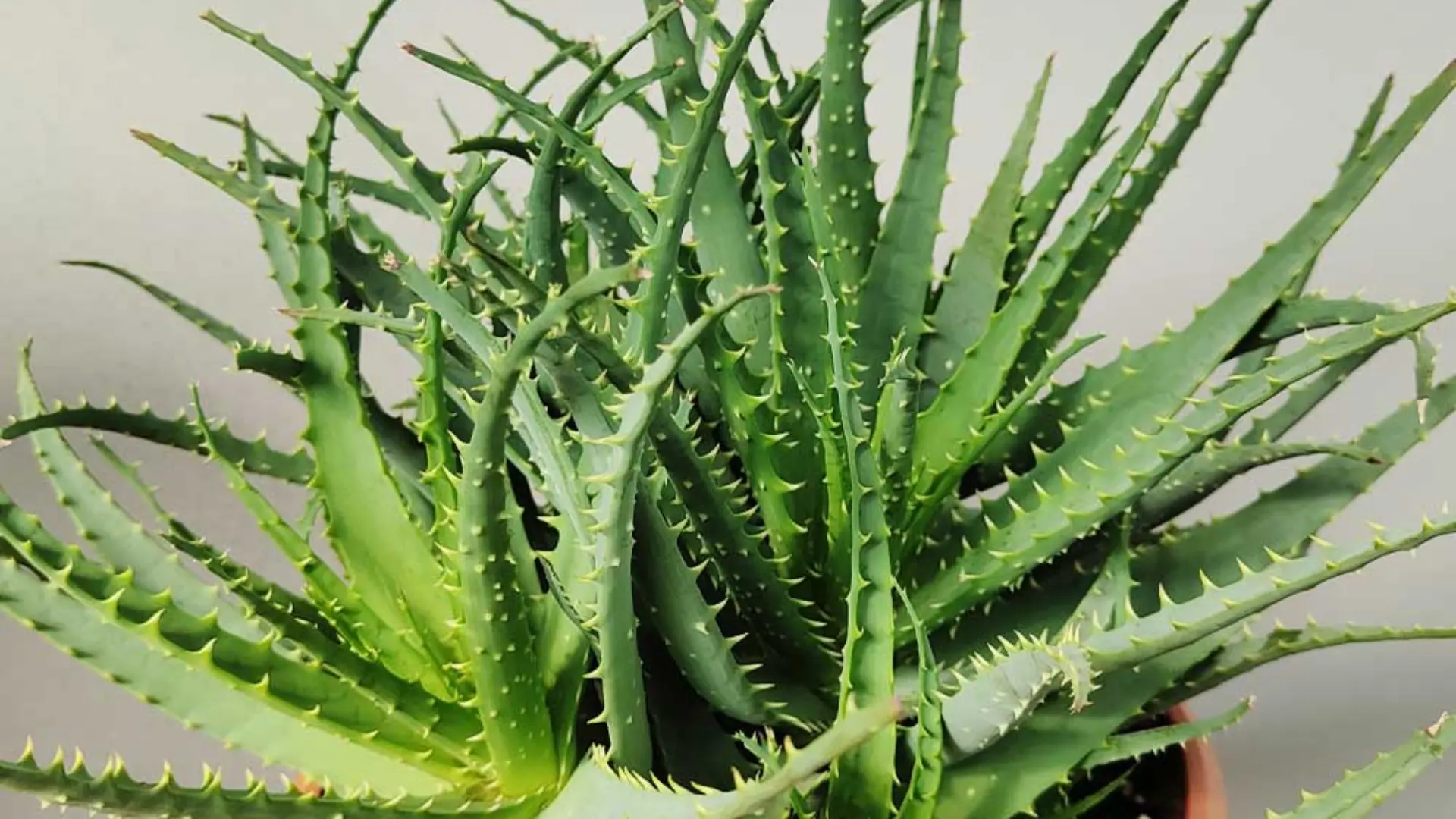
This one grows big, almost like a leafy bush. Its grey-green leaves curl back in neat rosettes. In winter, tall flower spikes light up the whole plant.
- Botanical name: Aloe arborescens
- Water needs: Minimal
- Soil needs: Sandy, well-draining
- Height: 6–9 feet
- Sun exposure: Full sun
- Flower color: Orange, red
3. Aloe Aristata
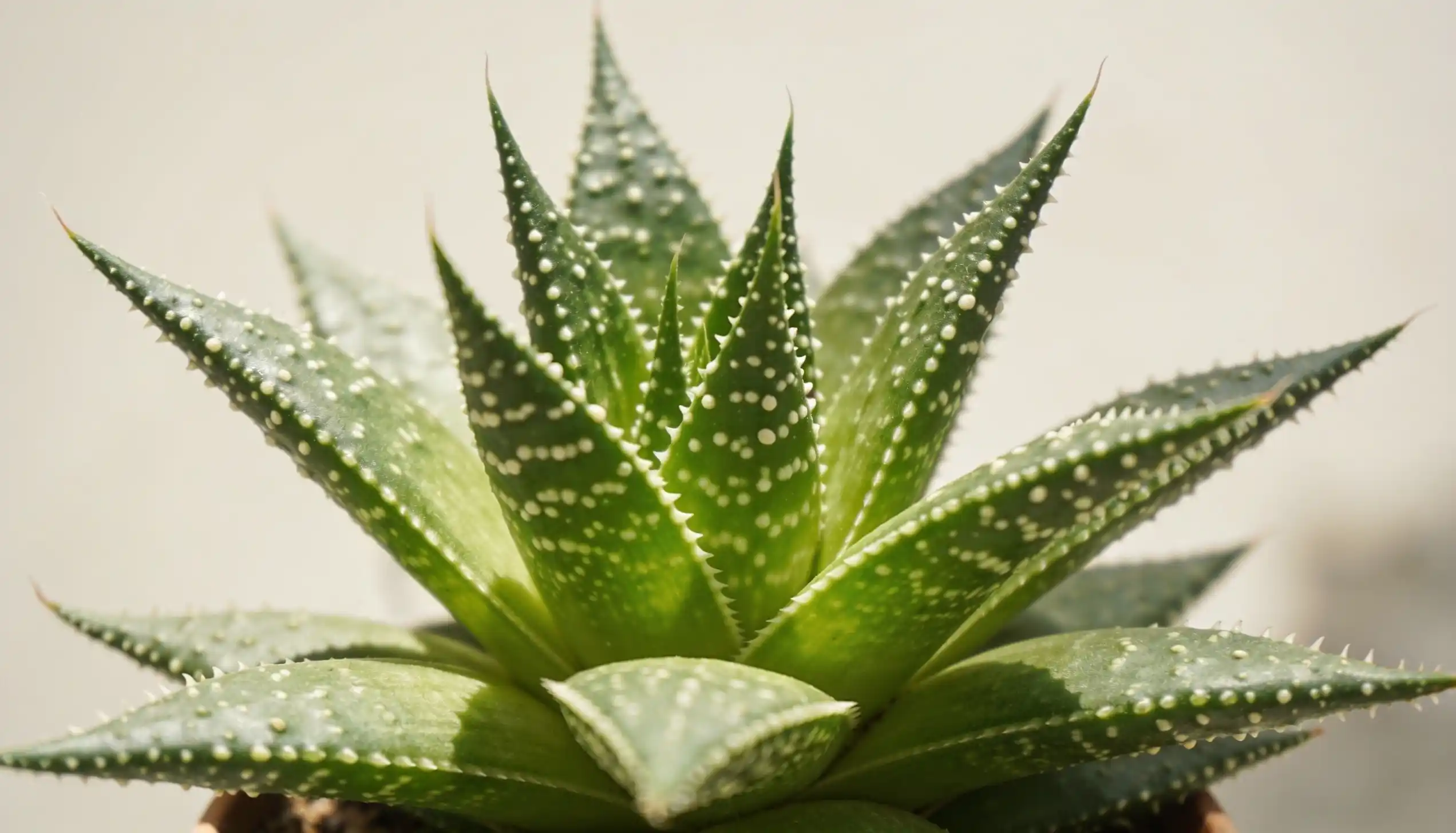
Small and tidy, this one wears white bumps and soft white teeth along its leaves. Botanists now call it Aristaloe aristata, so it is not a true aloe. It handles cold well.
- Botanical name: Aristaloe aristata
- Water needs: Minimal
- Soil needs: Well-draining
- Height: 6–8 inches
- Sun exposure: Full sun to part shade
- Flower color: Orange, red
4. Aloe Polyphylla
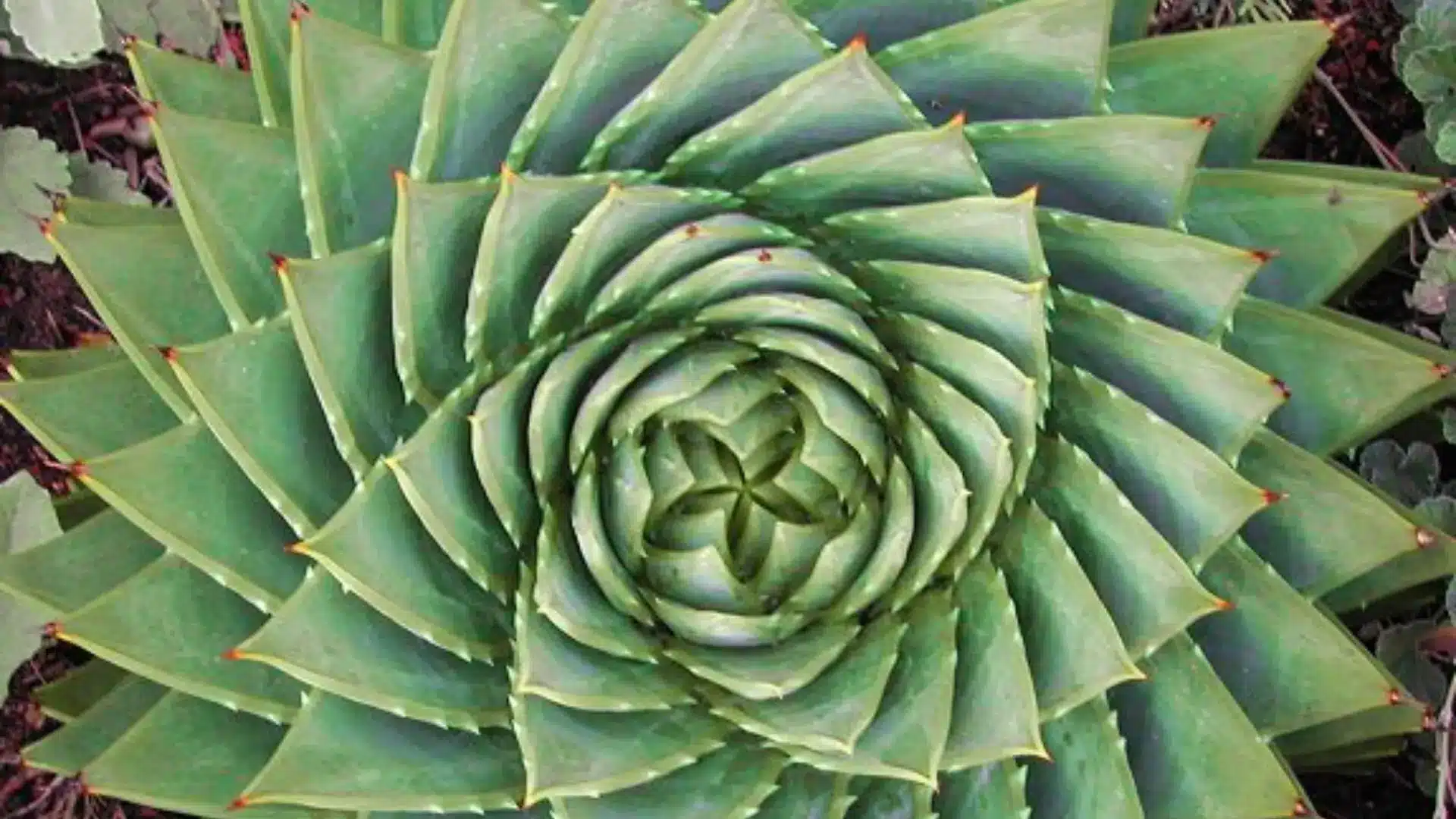
Here is the showstopper. Its leaves grow in a perfect spiral, swirling out from the middle. It comes from cool mountain slopes and does poorly indoors.
- Botanical name: Aloe polyphylla
- Water needs: Low to moderate
- Soil needs: Gritty, well-draining
- Height: About 1 foot tall, 2 feet wide
- Sun exposure: Full sun to part shade
- Flower color: Pink, salmon, red
5. Aloe Juvenna
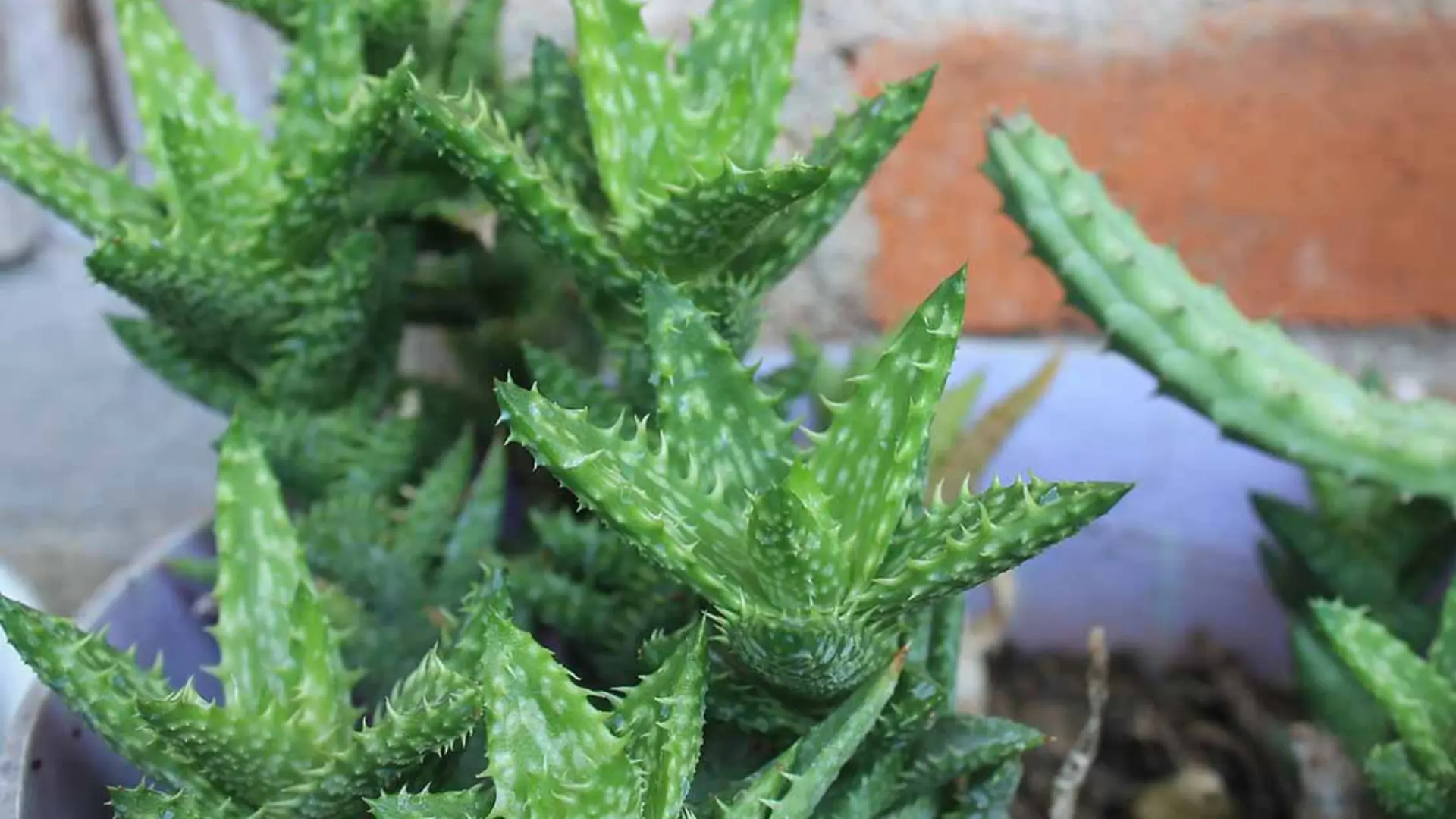
The name suits this little guy. Its stacked leaves carry white spots and tooth-like edges. Those teeth look sharp but feel harmless. It stays small and tidy.
- Botanical name: Aloe juvenna
- Water needs: Minimal
- Soil needs: Well-draining
- Height: Up to 1 foot
- Sun exposure: Bright light to part shade
- Flower color: Orange, red
6. Aloe Maculata
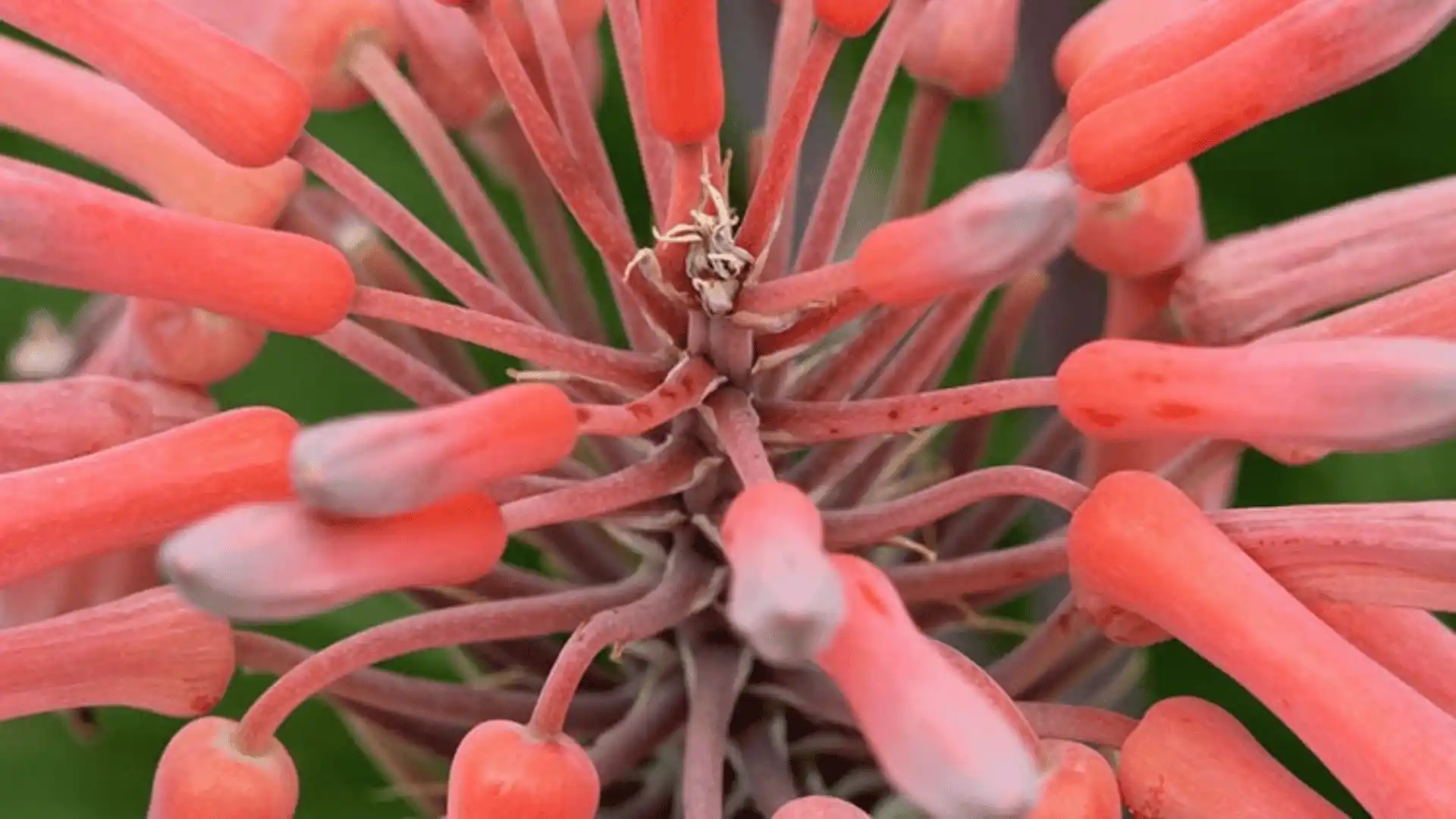
You will spot this one by its speckled leaves. People once used its sap like soap, which gave it the name. It shrugs off heat, drought, and salty coastal air.
- Botanical name: Aloe maculata
- Water needs: Minimal
- Soil needs: Sandy, well-draining
- Height: Leaves to 18 inches, flowers to 3 feet
- Sun exposure: Full sun to part shade
- Flower color: Coral, orange
7. Aloe Ferox
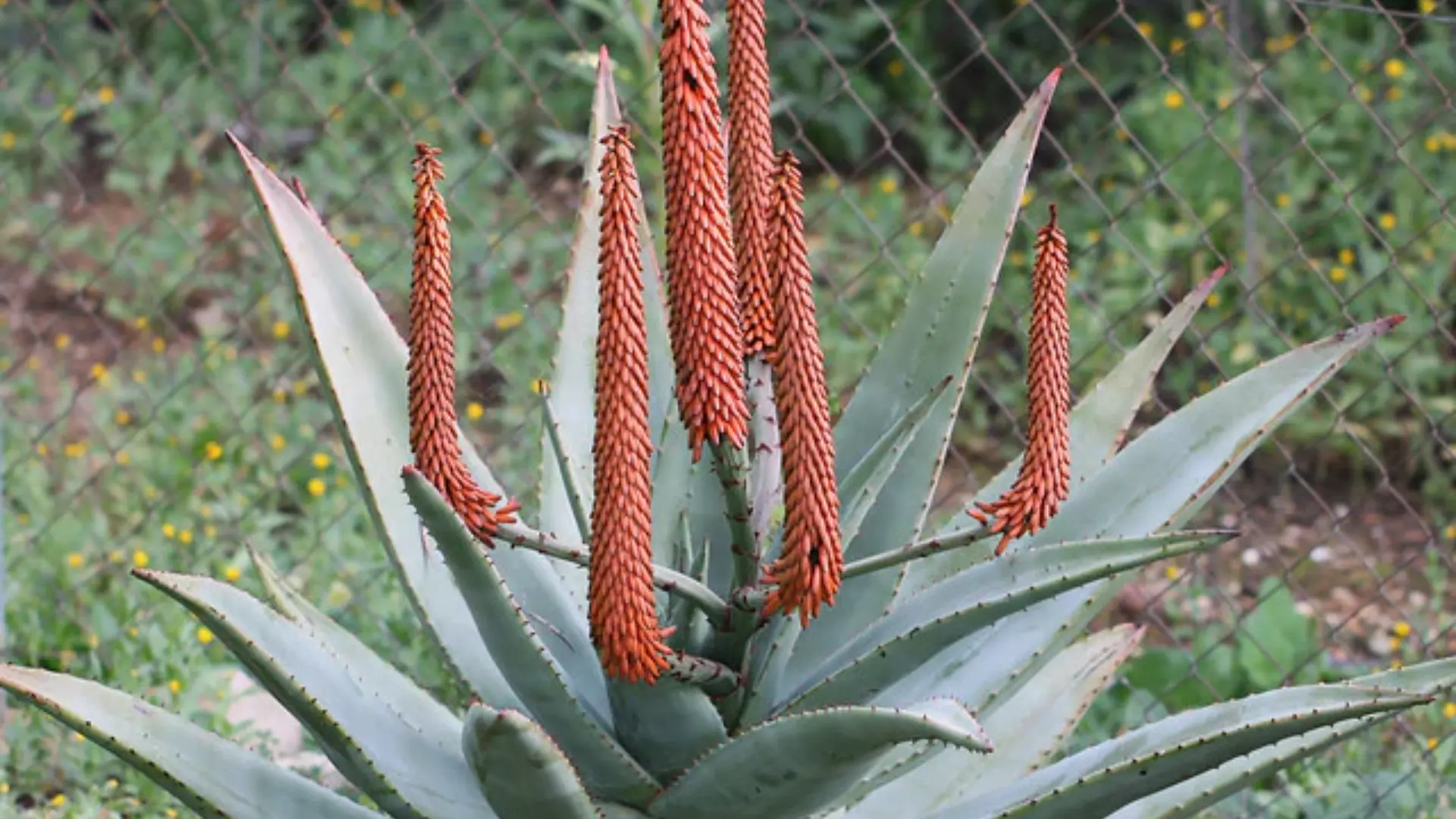
This is a big, bold aloe with reddish spines along its leaf edges. It grows on one tall stem. In winter, flowers shoot up like a candelabra.
- Botanical name: Aloe ferox
- Water needs: Minimal
- Soil needs: Rocky, well-draining
- Height: 6–10 feet
- Sun exposure: Full sun
- Flower color: Red, orange
8. Aloe Striata
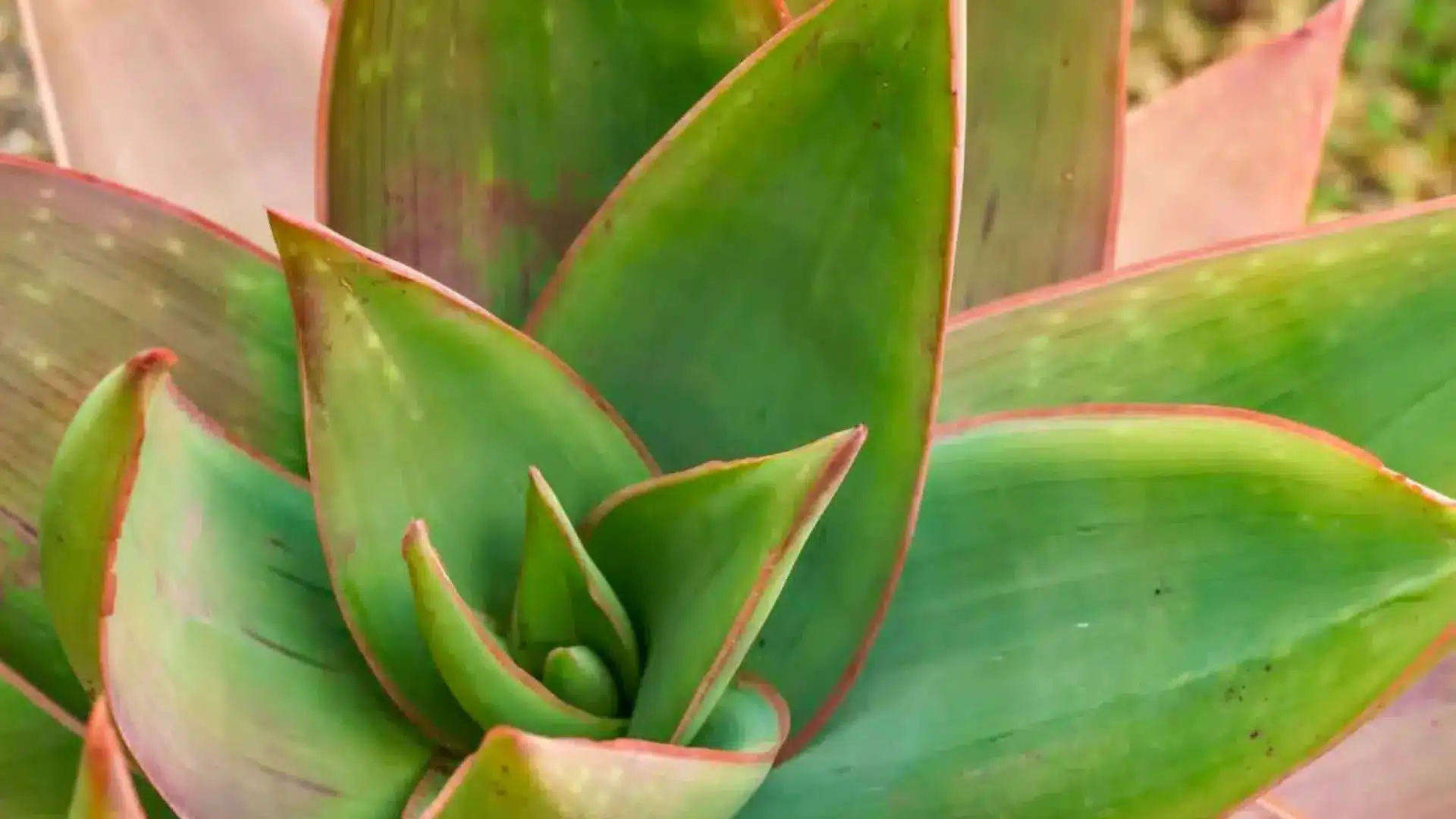
Smooth and spineless, this one stands out. Its blue-green leaves have no teeth, just pretty pink edges. It stays low and neat, hugging the ground.
- Botanical name: Aloe striata
- Water needs: Minimal
- Soil needs: Sandy, well-draining
- Height: Up to 18 inches
- Sun exposure: Full sun to light shade
- Flower color: Coral, orange
9. Aloe Ciliaris
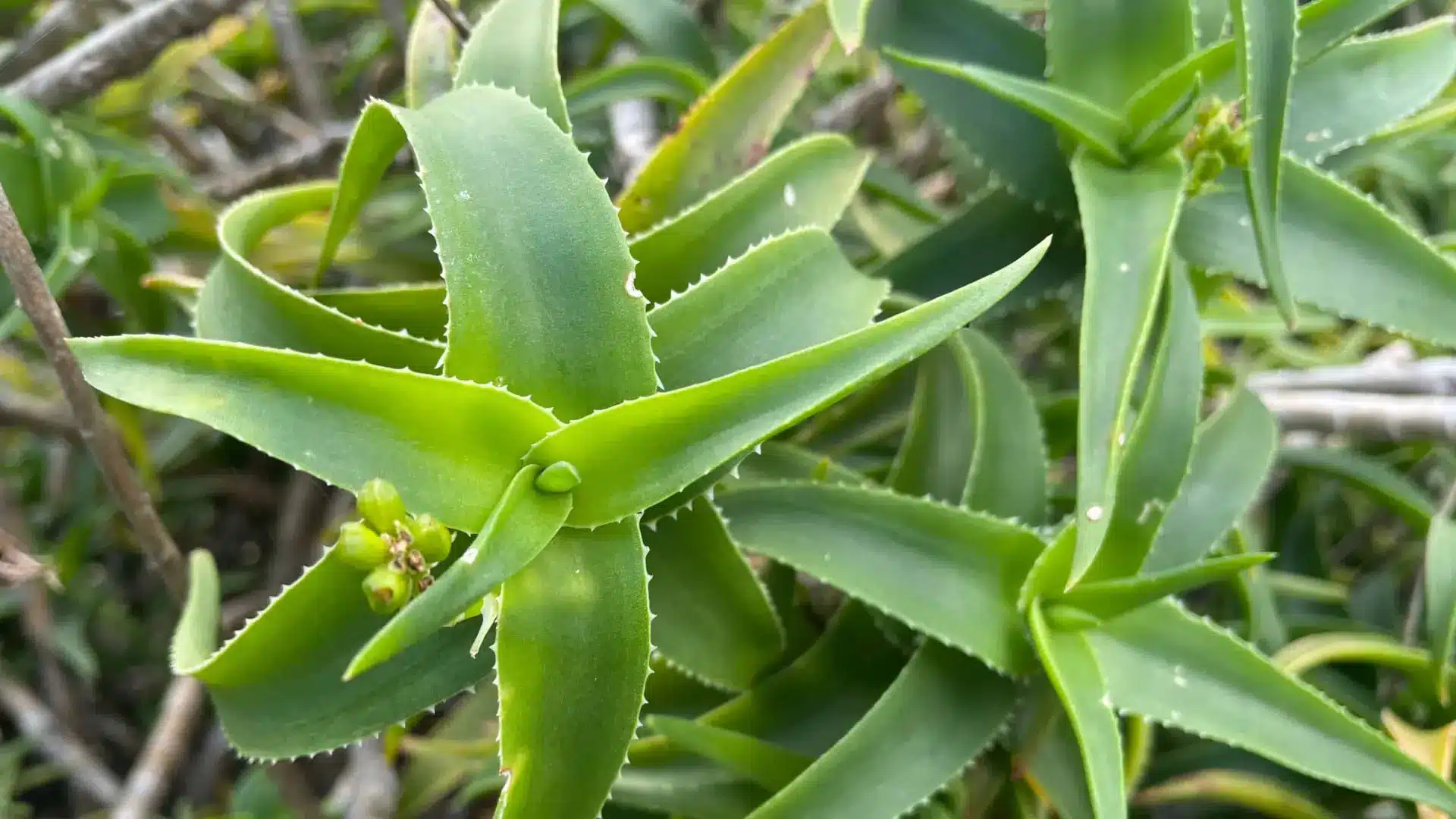
Unlike most types of aloe plants, this one climbs. Its slim stems lean on nearby plants, gripping with tiny white hairs. It is the fastest-growing of all aloes.
- Botanical name: Aloiampelos ciliaris
- Water needs: Minimal
- Soil needs: Sandy, well-draining
- Height: 8–12 feet with support
- Sun exposure: Full sun
- Flower color: Orange, red
10. Aloe Dichotoma
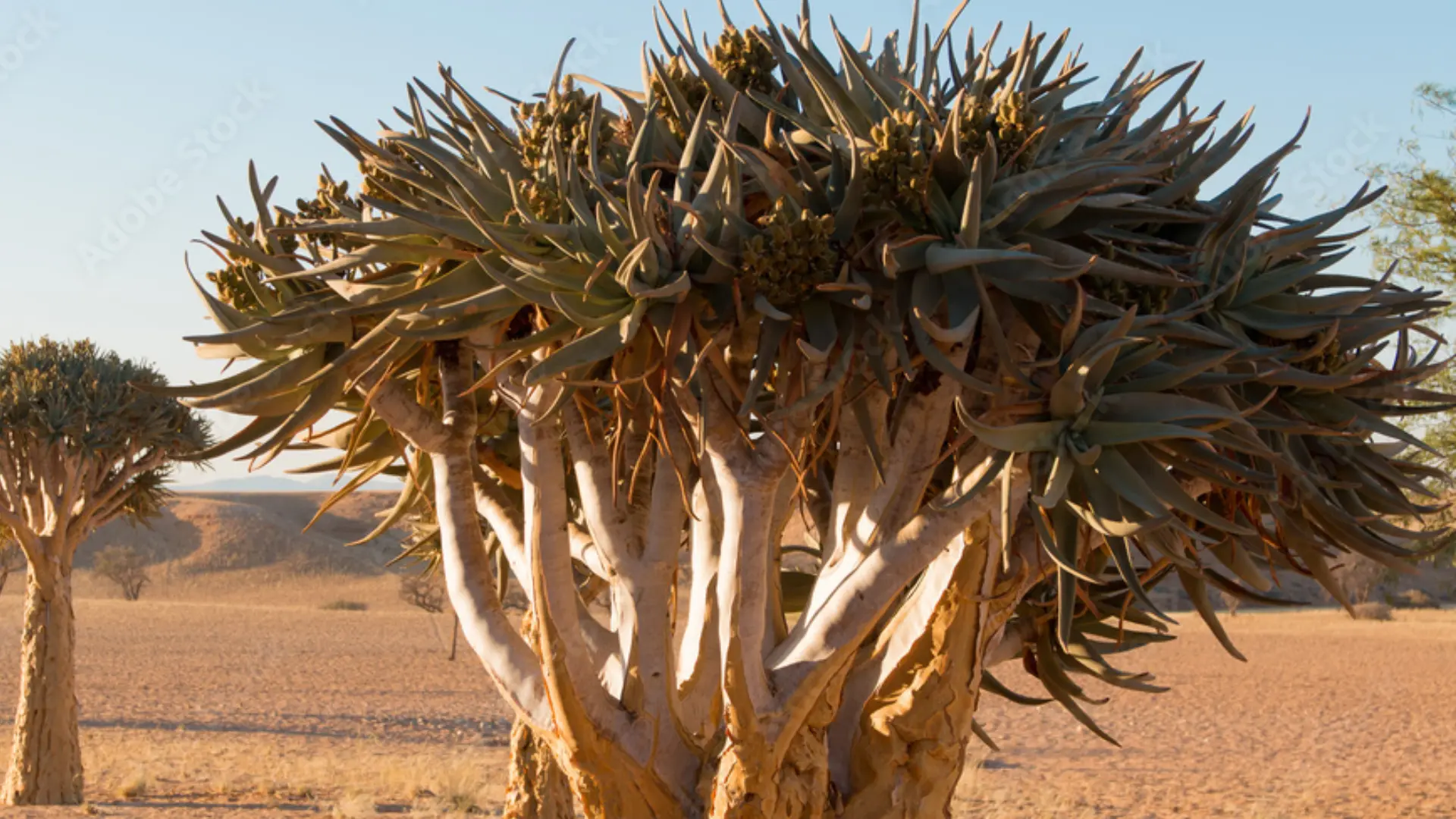
Over time, this one becomes a real tree with a thick, branching trunk. It stores water in its body and grows slowly. Its golden bark reflects harsh sun.
- Botanical name: Aloiodendron dichotomum
- Water needs: Very low
- Soil needs: Sandy, gravelly, well-draining
- Height: Up to 30 feet outdoors
- Sun exposure: Full sun
- Flower color: Yellow
11. Aloe Plicatilis
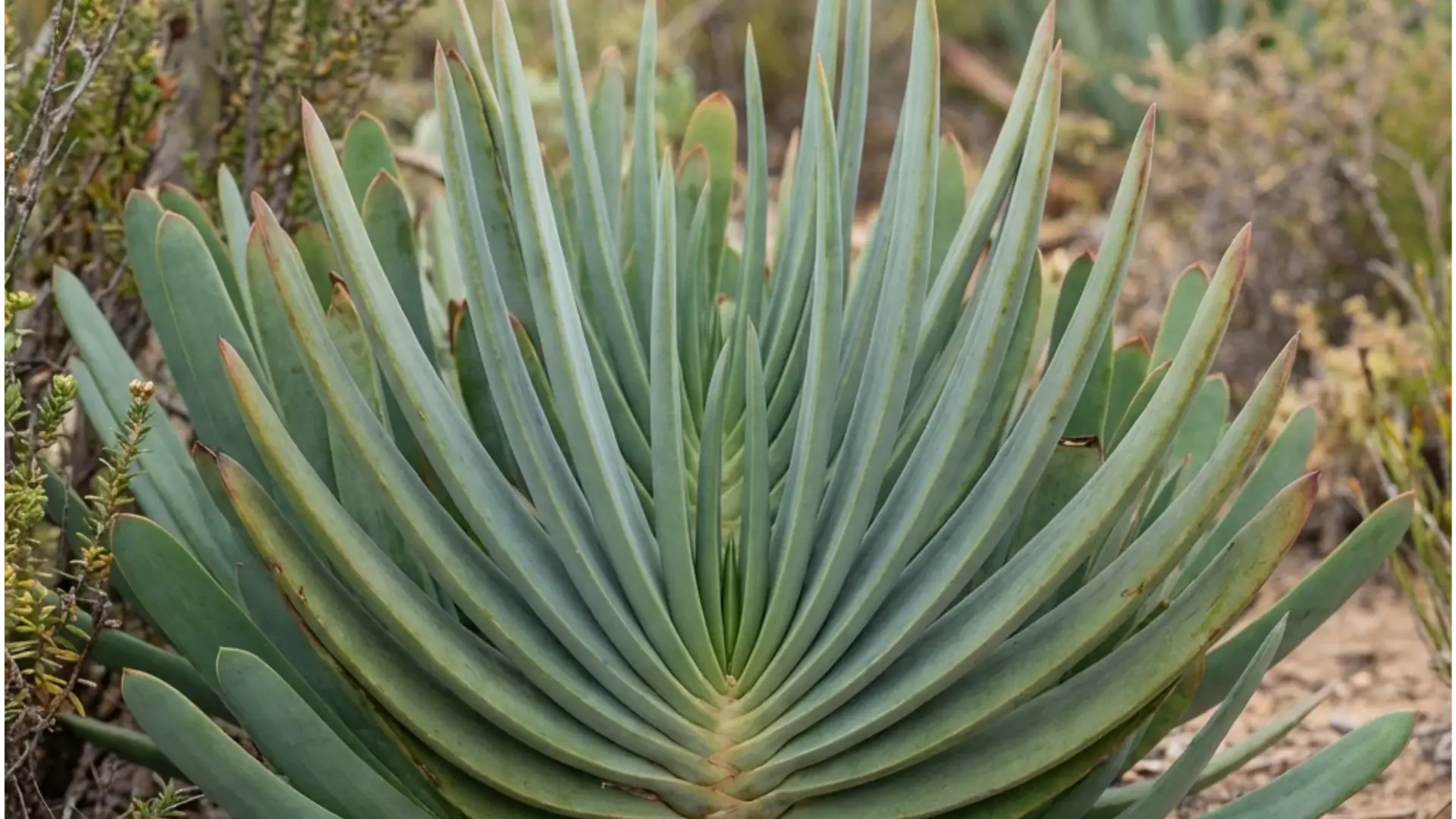
This aloe is easy to spot. Its flat leaves stack in a neat fan, like an open hand. It slowly grows a woody trunk and forms a small tree.
- Botanical name: Aloe plicatilis (Kumara plicatilis)
- Water needs: Minimal
- Soil needs: Sandy, well-draining
- Height: 3–8 feet
- Sun exposure: Full sun, with afternoon shade
- Flower color: Red, orange
12. Aloe Brevifolia
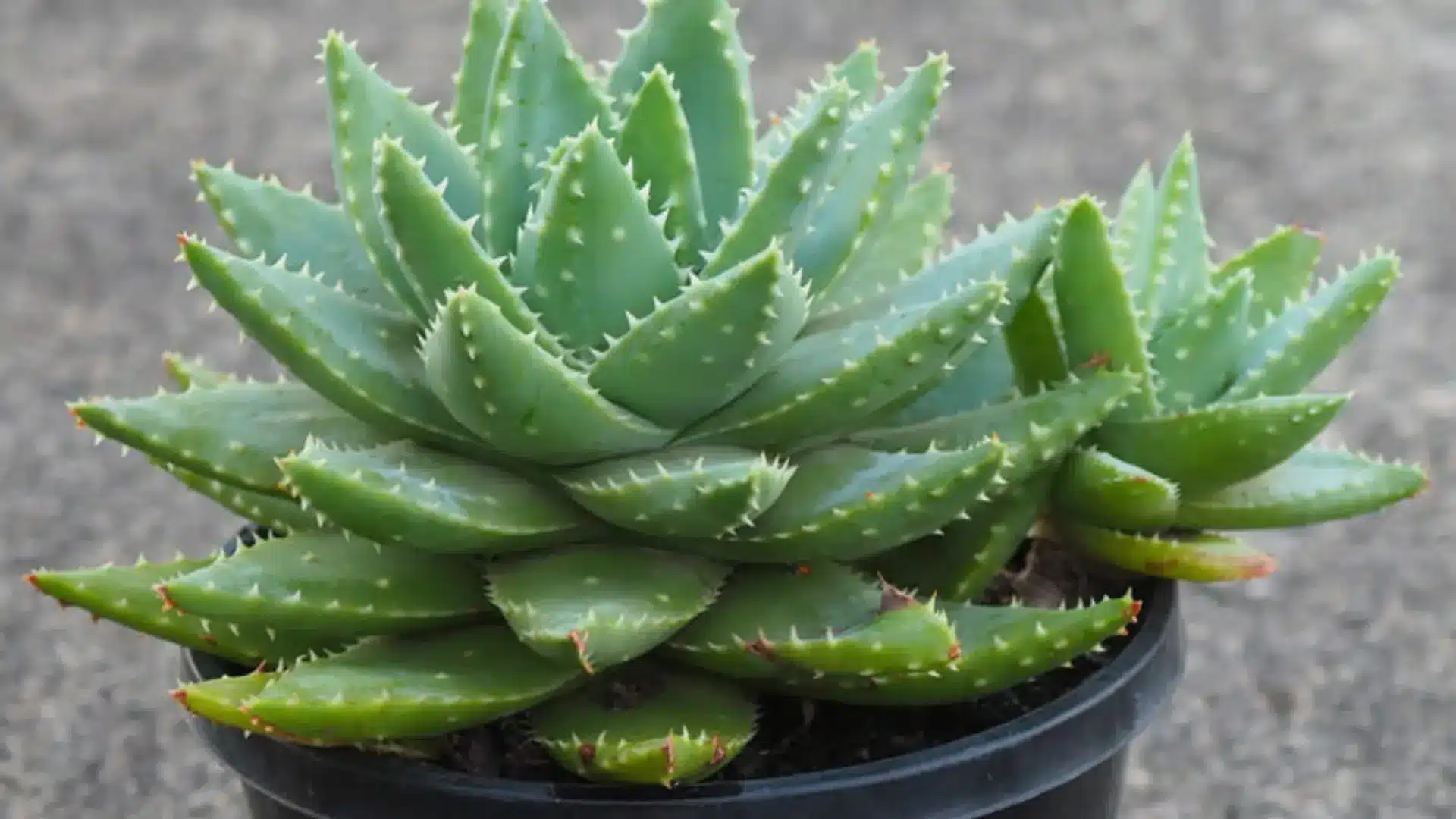
True to its name, this one has short, fat blue-green leaves in tight rosettes. Soft white teeth line the edges. In cool, sunny spots, the leaves blush pink.
- Botanical name: Aloe brevifolia
- Water needs: Minimal
- Soil needs: Well-draining
- Height: 1–2 feet
- Sun exposure: Full sun to light shade
- Flower color: Orange, red
13. Aloe Broomii
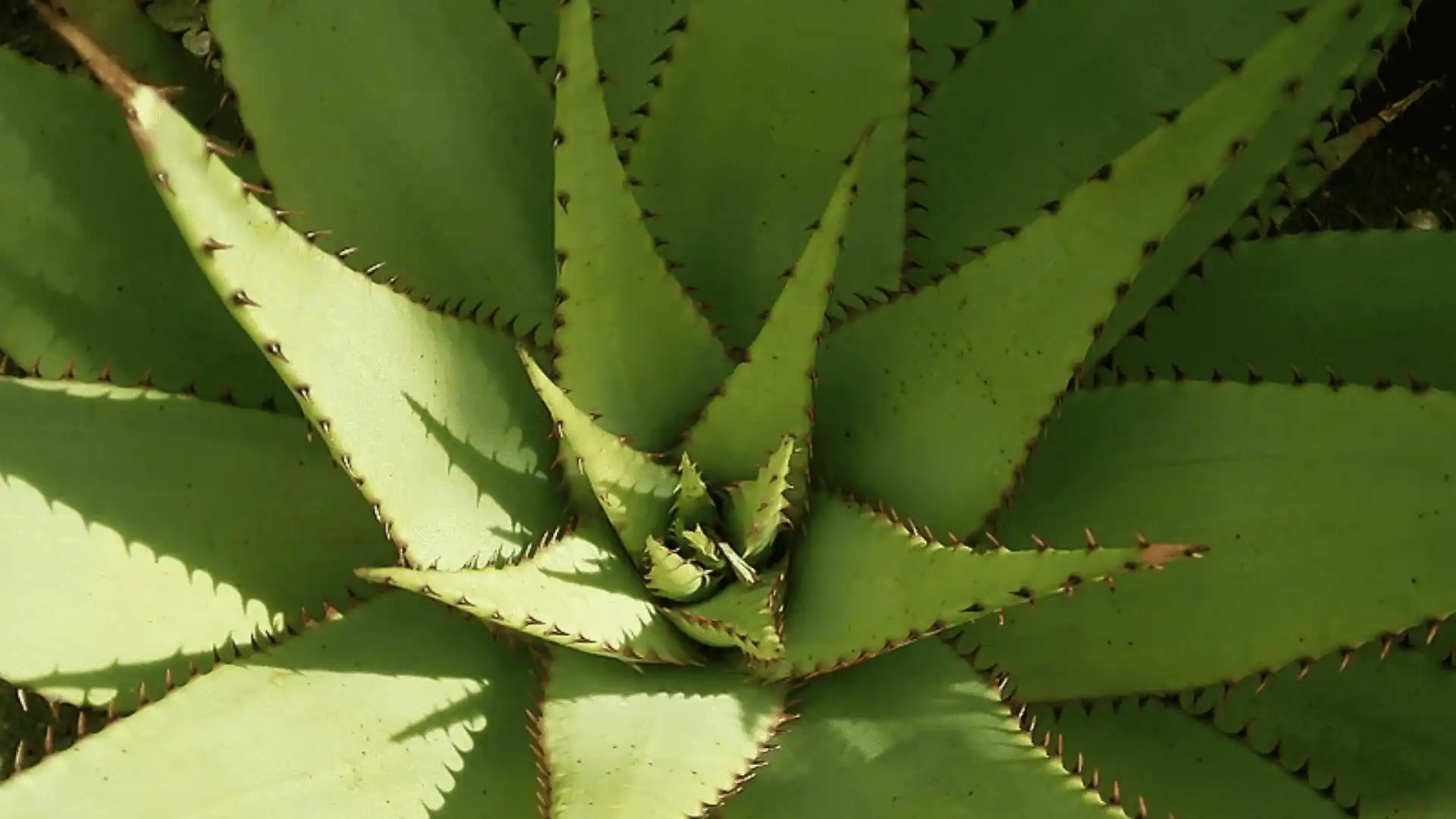
This stout aloe forms a dense rosette of pale green leaves with dark teeth. Its tall flower spike hides its blooms beneath scales, making it look just like a snake.
- Botanical name: Aloe broomii
- Water needs: Low
- Soil needs: Gritty, rocky, well-draining
- Height: Rosette to 1 foot, spike to 5 feet
- Sun exposure: Full sun to part sun
- Flower color: Yellow, orange
Creative Uses for Aloe Plants
Aloe is more than a pretty face on your windowsill. Over the years, these plants have been useful in all sorts of ways.
1. Décor and indoor gardening: The spiral aloe and fan aloe look like living sculptures. I love grouping a few types in a shallow dish for a simple table display.
2. Gifts and easy houseplants: Aloes ask for so little. That makes them a sweet, low-fuss gift for busy friends or new plant owners.
A sunny spot and the odd drink of water keep most aloes happy for years; they give back far more than they take.
Wrapping Up!
Thirteen types of aloe plants, each with its own personality, some are tiny enough for your desk, while others want to grow into full-blown trees.
A few heal your skin, and one even curls into a spiral that looks straight out of a math book.
Aloe is not just one plant; it is a whole crew, and now you can tell them apart at a glance. Once you spot the difference, you start picking the one that fits your space and your style.
Visit a local nursery, run your eyes over the rosettes, and pick the one that makes you smile; your windowsill will thank you.
Frequently Asked Questions(FAQs)
1. Can I Grow Aloe from A Single Leaf?
Sadly, no. Unlike some succulents, aloe leaves rarely root. Stick with pups or seeds for reliable new plants instead.
2. Are Aloe Plants Safe for Pets?
Most aloes are toxic to cats and dogs if eaten. The leaf latex causes upset stomachs, so keep your plants out of paws’ reach.
3. Do Aloe Plants Need Fertilizer?
Not much. A light feed once in spring or summer is plenty. Too much food can harm these tough, low-need plants.